分类: society

  • PRESS RELEASE: Dominica Red Cross Society urges community preparedness as 2026 Hurricane season begins

    PRESS RELEASE: Dominica Red Cross Society urges community preparedness as 2026 Hurricane season begins

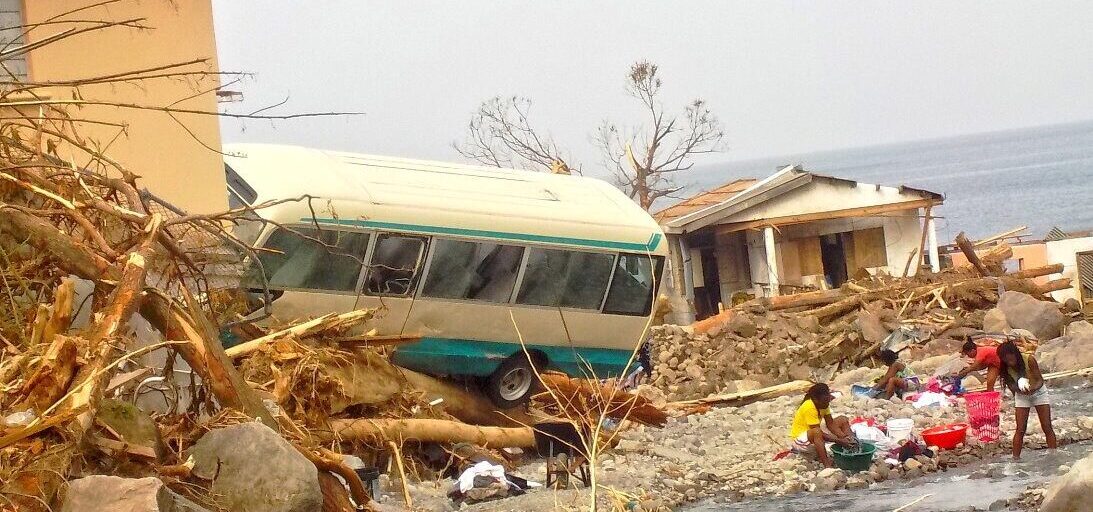
    As the Atlantic basin officially enters the 2025 hurricane season on June 1, the Dominica Red Cross Society has launched a public call for every citizen, resident and community across the island nation to prioritize early hurricane preparedness and proactive safety planning. For a country that bore the catastrophic brunt of Hurricane Maria in 2017 — a storm that left widespread destruction across Dominica’s landscape and communities — the scars of past devastating hurricanes remain a sharp, ongoing reminder of just how unpredictable tropical weather systems can be.

    The Atlantic hurricane season runs annually from June 1 through November 30, and this year meteorological forecasters are predicting an above-average active season. That forecast has underscored the urgent need for immediate action from every household across Dominica, rather than waiting for an active storm warning to begin preparations.

    In advance of the season, the Dominica Red Cross has already taken critical steps to boost its disaster response capacity across the country: the organization has updated and optimized its emergency response protocols, reinforced training for local community disaster response teams, and restocked stockpiles of essential relief supplies at its network of local branches across the island. Even with these institutional preparations complete, agency representatives note that official readiness only accounts for half of what is needed to keep communities safe. True, long-term resilience against hurricane hazards depends fundamentally on individual and household-level preparation.

    To guide families in getting ready ahead of any potential storm, the Red Cross has outlined five core, actionable steps that all Dominica households should complete within the first week of the season:
    First, develop a formal family emergency plan. Hold discussions with all family members to agree on a clear meeting point if members are separated during a storm, and map out predetermined evacuation routes for households located in high-risk areas prone to flooding or landslides.
    Second, assemble a fully stocked emergency supply kit. The kit should include at least three days of non-perishable food, one gallon of drinking water per person per day, flashlights with extra batteries, a comprehensive first aid kit, all essential prescription medications, and waterproof-sealed copies of critical personal identification and legal documents.
    Third, leverage regional public risk resources. Residents can access free interactive hazard maps, localized risk data and community-specific preparedness resources through the official Caribbean climate risk platform at https://caribbean-risks.org/en/ to better understand the unique vulnerabilities of their neighborhood.
    Fourth, secure residential properties ahead of storm activity. This includes trimming overhanging tree branches that could damage roofs during high winds, clearing clogged yard drains to reduce flood risk, and ensuring functional storm shutters or emergency boarding materials are on hand to protect windows and external doors.
    Fifth, stay informed through official channels only. The Red Cross urges residents to monitor continuous updates from the Dominica Meteorological Service and local government authorities, and to avoid sharing or spreading unconfirmed, unverified information across social media platforms that can cause unnecessary panic.

    The Dominica Red Cross has reaffirmed its long-term commitment to supporting the people of Dominica at every stage of storm activity: before a system approaches, through the height of a storm, and in the aftermath of any impact that occurs. Red Cross volunteers are already active in communities across the entire island, distributing educational preparedness materials and offering targeted guidance to help low-income and vulnerable households build safer, more climate-resilient living environments.

    In its closing call to action, the organization emphasized that last-minute preparation once a storm warning is issued is far less effective than early planning. “Do not wait for a storm warning to begin getting ready. Start your preparations today to protect your family, your neighbours, and our beautiful country,” the statement reads.

    Residents can access updated regional risk data anytime through the online platform at https://caribbean-risks.org/en/. For additional preparedness guidance, or for information on volunteering with a local Dominica Red Cross chapter, the public can contact the organization’s headquarters in Roseau directly.

  • NODS releases the list of Hurricane Shelters for 2026

    NODS releases the list of Hurricane Shelters for 2026

    The National Office of Disaster Services (NODS) has formally published its complete inventory of emergency hurricane shelters scheduled to operate during the 2026 Atlantic hurricane season, a move aimed at boosting community preparedness ahead of what forecasters warn could be another active period of tropical weather.

    The release of the shelter list months in advance of the typical June-to-November hurricane season marks a shift toward earlier public outreach, allowing local governments, non-profit organizations and at-risk communities to plan evacuation routes, coordinate support for vulnerable populations and address facility maintenance needs long before a storm forms in the Atlantic basin.

    Each entry on NODS’ published roster includes key details for residents: the exact physical address of the shelter, maximum occupancy capacity, accessibility accommodations for people with mobility impairments and chronic medical conditions, and whether the facility will offer pet-friendly housing for households that cannot leave their animals behind during an evacuation.

    Officials from NODS noted that the 2026 list includes several updates from previous years, including the addition of 12 new facilities in coastal counties that have seen rapid population growth over the past five years, and the removal of eight older locations that failed recent structural safety inspections or were repurposed for other community uses.

    In a statement accompanying the release, NODS leadership emphasized that pre-season publication of the shelter network is designed to reduce last-minute confusion during emergency events. “Hurricanes do not announce their arrival weeks in advance for most communities, so having this information available now gives families the time they need to build their own emergency plans and know where they can go if ordered to evacuate,” the statement read.

    Local emergency management coordinators have welcomed the early release, noting that it allows them to conduct pre-season outreach to low-income neighborhoods, elderly residents, and non-English speaking communities that often face disproportionate barriers to accessing emergency information. Many coordinators plan to host community preparedness workshops over the coming months to walk residents through shelter locations and requirements for entry, including what personal items evacuees should bring when seeking refuge.

    The National Oceanic and Atmospheric Administration (NOAA) already projects that the 2026 Atlantic hurricane season will see a near- to above-average number of named storms, making advance preparation critical for coastal and inland communities alike that can face storm surge, extreme wind, and widespread flooding even hundreds of miles from the coast.

  • Commuters feel the squeeze

    Commuters feel the squeeze

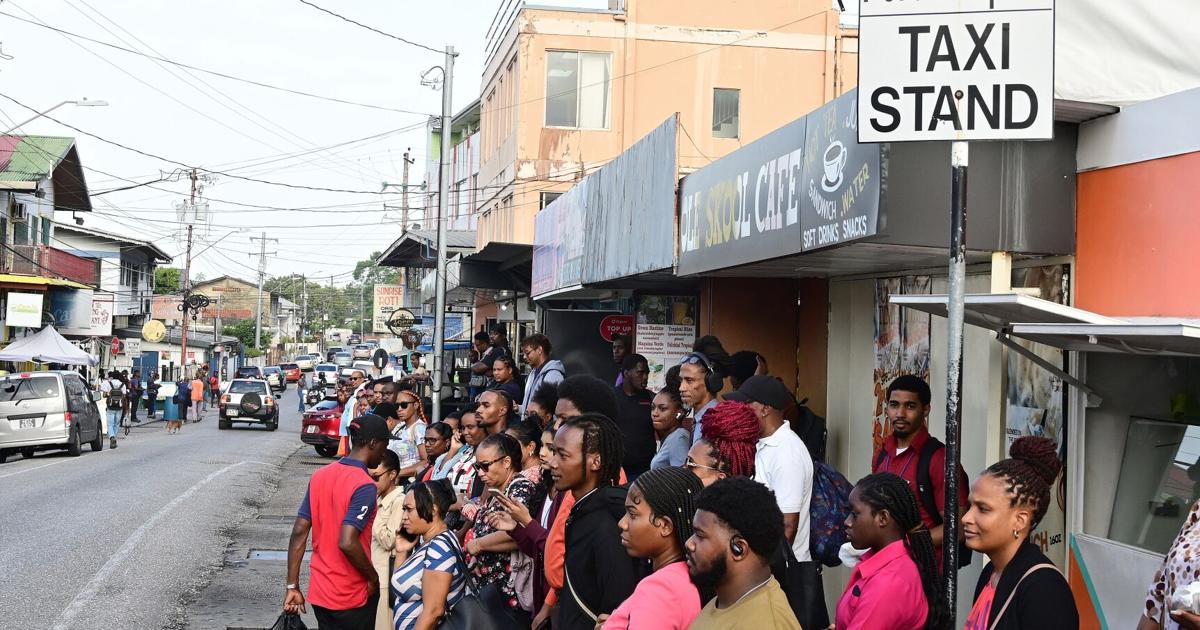
    Thousands of daily commuters across Trinidad and Tobago faced widespread travel chaos and massive disruption on Monday, when 5,000 of the nation’s maxi-taxi operators launched the first day of what they labeled a “rest and reflection” industrial action, leaving many stranded for hours and forcing others to pay exorbitant premium prices for alternative transport. The disruption impacted commuters across major population corridors, including the entire East-West corridor covering Curepe and Arima, as well as the central and southern hubs of Chaguanas and San Fernando, disrupting routines for both workers heading to jobs and students traveling to classes.

    For many regular maxi-taxi users, the day began long before their usual schedule. Multiple workers told local outlet Trinidad Express that they left their homes 1 to 2 hours earlier than normal in a bid to beat the expected disruption, yet many still arrived hours late to their workplaces — and a portion of affected commuters never made it in at all. At high-traffic transit nodes including Curepe Junction and the Tunapuna area adjacent to the local market, crowds of stranded passengers lined the entire westbound shoulder of the Priority Bus Route (PBR), waiting hours for any available public transport that already filled to capacity by the time it arrived. Desperate for options, many commuters reached out to friends and family with private vehicles, begging for emergency lifts to their destinations.

    Interviews with affected commuters painted a picture of both logistical chaos and unexpected financial strain. Many passengers reported waiting for available transport as early as 5 a.m., with no luck securing a maxi-taxi. Cassandra Armstrong, a regular maxi user who commutes to her job in Macoya from Tunapuna, told reporters that by 8 a.m. she was still stuck along the PBR, relying on a last-minute ride from a co-worker to get to her shift. One male commuter told Express he walked all the way from Macoya to the Tunapuna Market transit hub in search of an available maxi, only to wait nearly two hours with no luck before calling his employer to say he could not come to work.

    At Curepe Junction, a mother holding her young daughter’s hand described feeling abandoned by the striking operators, watching full public transit buses and empty maxi-taxis pass her by without stopping. “They doh care about people children at all. Look at what they putting me through,” she told reporters. Another commuter, who asked to remain anonymous, said she planned ahead for the strike by prepping to use a ride-sharing app Sunday night, but found she was far from alone in that idea — by yesterday morning, there were no ride-share drivers available anywhere in her area. “Whole morning. Nothing at all you know…nothing,” she said.

    Empty maxi-taxis owned by striking operators were spotted speeding through major transit hubs, a sight that frustrated waiting passengers. “Look at them. They just torturing people now,” one waiting woman said. With the shortage of formal transport, informal independent operators stepped in to capitalize on the crisis, charging inflated fares far above standard maxi-taxi rates. One driver who normally runs the Curepe to Maracas Valley, St Joseph route told reporters he was charging passengers $20 per person just to travel to Tunapuna, with higher rates for destinations further along the corridor. “It is a hustle out here. Money hadda make,” he said.

    Photographs from the day captured the scale of the disruption: at Port of Spain’s City Gate Transport Hub, a usually busy lot that normally holds dozens of waiting maxi-taxis sat nearly empty by 10:23 a.m., while students sat on their own lunch kits on the hub’s sidewalk, waiting hours for any available ride. Passengers who did manage to squeeze into overcrowded public transit buses were visibly weary, with one onlooker noting, “When last you see bus full so.” Multiple commuters highlighted that beyond the inconvenience of missed work and school, the strike imposed an immediate unplanned financial burden, as alternative ride-sharing and private taxi options cost far more than the affordable maxi-taxi fares they rely on for daily travel. The action marks the first day of a three-day work stoppage by maxi-taxi operators across the nation.

  • Associations unhappy after meeting with Zakour

    Associations unhappy after meeting with Zakour

    A planned three-day strike by maxi-taxi operators in Trinidad and Tobago hit an uncertain crossroads on Wednesday, after nearly five hours of closed-door negotiations with Transport and Civil Aviation Minister Eli Zakour ended with no resolution and widespread operator dissatisfaction. What was scheduled as three consecutive days of service withdrawal now hangs in the balance, with the Route Two Maxi Taxi Association agreeing to pause action for a second day of internal deliberation, leaving other operator associations yet to confirm their next steps.

    The high-stakes meeting, which kicked off at 2 p.m. and stretched into the late afternoon, brought together association leaders, Minister Zakour, the ministry’s permanent secretary, government legal advisors and senior transport officials. It was convened directly in response to the first day of strike action, called to push for long-sought reforms across the maxi-taxi sector.

    Speaking to reporters after the talks wrapped, Eon Hewitt, president of the Association of Maxi Taxis Trinidad and Tobago, said no final decision on the resumption of industrial action would be announced until association leaders held full consultations with their rank-and-file members Wednesday evening. “The meeting dragged on for hours, we covered every item on our agenda and walked through the entire current landscape of our industry,” Hewitt explained. “Right now, after what unfolded today, I can’t give an honest, clear assessment of where we stand. We need to go back, talk through everything with our members, and reach a collective decision.”

    Hewitt acknowledged the significant disruption the strike has caused for everyday commuters across the country, and extended a formal apology to the public. “I don’t want to see kids and working people going through another day of chaos like they did today,” he said. “Every time I speak to the public, all I can do is apologize – we know this disruption is wrong for everyday people, but we felt we had no other choice.”

    Among the core demands operators brought to the negotiating table were a call to raise the legal speed limit for maxi-taxis from 65 kilometers per hour to 80 kilometers per hour, clearer guidelines on the transferability of Public Service Vehicle passes, revised inter-route payment arrangements, targeted upgrades to transportation infrastructure, and solutions for longstanding travel issues impacting operators and commuters in Tobago.

    During the talks, Minister Zakour informed representatives that the speed limit proposal had already undergone initial review and been forwarded to the chief traffic engineer for further technical assessment. But operator representatives left the meeting frustrated by the response to their other demands: many core concerns, particularly those related to infrastructure upgrades, were dismissed as falling outside of the transport ministry’s direct regulatory remit. Operators argue that cross-government coordination through the Cabinet is long overdue to address these decades-long issues plaguing the sector.

    Brenton Knights, president of the Route 2 Maxi Taxi Association, told reporters that operators were deeply disappointed that the meeting focused almost entirely on updating representatives on ongoing ministry work, rather than negotiating concrete solutions to the grievances that sparked the strike in the first place. “The whole purpose of this meeting was supposedly just to bring us up to speed on what the ministry has been doing,” Knights said. “That does not match at all what we actually need to resolve the issues that brought us to protest. There is a huge gap between what we expected in terms of tangible solutions, and what the ministry presented to us today. What was put on the table is nowhere near enough to get us out of this crisis.”

    Knights also criticized the meeting for what he described as unhelpful political undertones that distracted from substantive negotiations.

    Despite the widespread dissatisfaction with the outcome of talks, operators were quick to praise Minister Zakour for his willingness to engage in the full five hours of discussions, with Hewitt noting that the minister arrived first and stayed through the entire negotiating session without walking out.

    When asked to sum up his feelings after the meeting, Hewitt offered two words: “perplexed” and “hungry.” He also clarified that the industrial action is not a broader protest against the ruling administration as a whole, noting “Our fight was never with the Government. It’s with the gentleman [Zakour].”

    While operators have paused strike action for 24 hours of reflection, no final word on whether action will resume has been announced. Even with the pause, Hewitt defended the strike as a necessary step, even with the significant financial losses operators face every day of service withdrawal. “When you’re fighting for a good cause, you can never lose,” he said. “There’s no price tag on standing up for what’s right for our industry.”

    As of Wednesday evening, all eyes remain on the operator association internal consultations, with commuters across Trinidad and Tobago waiting to learn whether widespread service disruption will resume Thursday or be delayed for further negotiations.

  • South drivers divided over strike

    South drivers divided over strike

    When maxi-taxi operators launched a planned three-day strike across south Trinidad on Wednesday, the industrial action did not result in a full shutdown of brown-band and black-band services that serve key communities in the region, including Siparia, Penal, Point Fortin, Princes Town and its surrounding outskirts. An on-the-ground visit by reporters from the Express on Wednesday morning revealed that four brown-band maxis were already queued at the San Fernando-to-Point Fortin route stand located at King’s Wharf, and by 4 p.m. that same day, two 25-seater maxis remained waiting to fill their passenger capacities before departing.

    For many of the drivers who chose to continue operating rather than join the full strike, competing financial obligations left them no other option. “I support the cause, but in my heart, I really can’t stay home right now,” one anonymous driver explained. Another driver working the brown-band San Fernando-to-Penal stand on San Fernando’s St James Street echoed this sentiment, outlining the daily financial pressures that force him to keep working: “I have my bills to pay. I have children to send to school and my loan to pay; I can’t afford to take three days off.”

    Even among drivers who showed up to work, many expressed public support for the strike movement, framing shared grievances as a collective concern for all maxi-taxi operators. “If one man has a grievance, it is everybody’s grievance, so I supporting them,” one driver on the San Fernando-to-Penal stand noted. Others took the opportunity to highlight longstanding unaddressed infrastructure issues, including the lack of proper public washroom facilities at route hubs that drivers rely on daily.

    In the Princes Town area, where black-band maxis operate routes to Rio Claro, Tableland, Moruga, St Mary’s, Sixth Company and New Grant, drivers reported that roughly 65% of operators remained on the road on strike day one. While some operators did join the walkout, by midday, dozens of maxis had returned to the main hub to pick up passengers. One veteran driver, who has worked the Princes Town-to-Rio Claro route for 32 years, argued that a full shutdown would unfairly harm the general public, many of whom rely on maxi-taxi services for critical needs. “People want to go to the doctor, people have serious appointments, some of us have to be outside at least to take care of that, because we depend on the passengers all the rest of days,” he explained. “We can’t be ungrateful and leave nobody able to get around.” The veteran driver went so far as to say that a full, region-wide strike would amount to holding the entire country hostage to operator demands.

    Primo Charles, a maxi driver based in Princes Town, added that many of the core grievances behind the strike do not actually impact routes in his area. Disputes over national highway speed limits and approved bus route access, two of the strike’s central demands, do not affect Princes Town operators, he explained. Instead, the biggest challenge for drivers in his region is the rising competition from unlicensed providers: white panel vans and other private-for-hire vehicles that illegally poach passengers from established maxi-taxi routes.

    Illegal unregulated competition is indeed one of the core issues that prompted the three-day strike action. Other key grievances pushed by striking operators include the recent increase in the national maxi-taxi speed limit from 65 km/h to 80 km/h, unclear processes for the transfer of maxi-taxi operating licenses, insufficient investment in route and hub infrastructure, and long-outstanding payments owed to school transport operators for contracted school services.

    While brown-band and black-band services remained largely operational across most of south Trinidad, the San Fernando-to-Chaguanas route – served by green-band maxis – saw the most severe disruption on strike day one. Most green-band drivers traveled to Port of Spain’s City Gate to join strike demonstrations, leaving the local St James Street stand in San Fernando nearly empty. When reporters arrived Wednesday morning, only one driver was on site operating the route, out of roughly 200 registered maxis that normally serve the corridor. Explaining his choice to work despite the strike, the driver emphasized his responsibility to vulnerable community members who depend on the service: “when essential services are on strike, somebody has to take care of the most vulnerable in society.”

  • Triple murder in Corinth

    Triple murder in Corinth

    A quiet residential neighborhood in Corinth, Ste Madeleine, was shattered by brutal gun violence in the pre-dawn hours of Monday, leaving three men dead, a tight-knit community grappling with grief, and law enforcement scrambling to unearth clues about what led to the mass killing. The triple homicide on Sixth Street, Third Extension, has left more unanswered questions than concrete leads, with investigators still working to identify the perpetrators, map out how the attackers accessed and escaped the area, and pinpoint a clear motive for the bloodshed.

    This attack was part of a devastating 13-hour wave of violence that swept across southern Trinidad between Sunday evening and Monday morning, leaving six people dead in total. Five of the six victims were killed by gunfire, while one died from stab wounds.

    The string of killings began at approximately 7 p.m. Sunday, when a man was fatally stabbed in Fyzabad, which falls under the South Western Police Division. Less than seven hours later, at 1:32 a.m. Monday, the triple shooting unfolded in Corinth, part of the Southern Police Division. The violence wrapped up just before 8 a.m. the same day, when two more people were killed in a double homicide in Penal, another jurisdiction within the South Western Police Division.

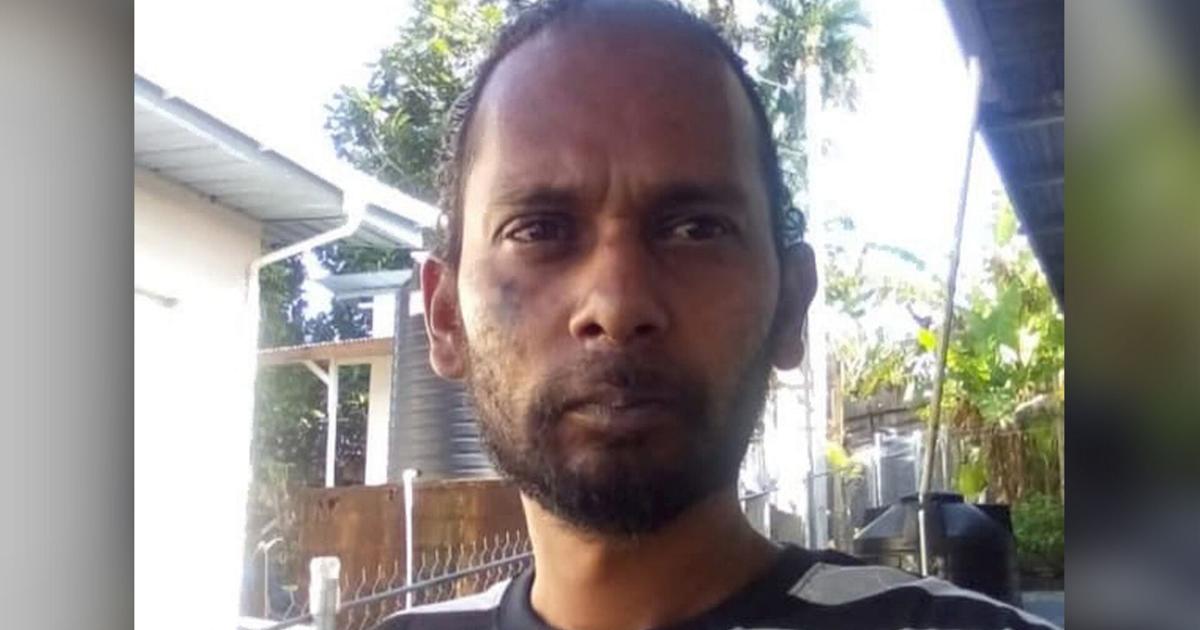
    The three Corinth victims were found at the home of 42-year-old Martin Harripersad, a father of two who worked as a labourer for the San Fernando City Corporation. Two other men, 25-year-old Clariey Kinfu — a relative of Harripersad — and family friend Anthony Alibocas, whose age and permanent address have not been publicly released, had been staying at Harripersad’s property when the attack occurred. While Harripersad was counted among the dead, preliminary investigations suggest he may not have been the attackers’ intended target. Law enforcement officials say one of the two visiting men is the more likely intended target, though they have not ruled out any potential scenarios regarding motive or target.

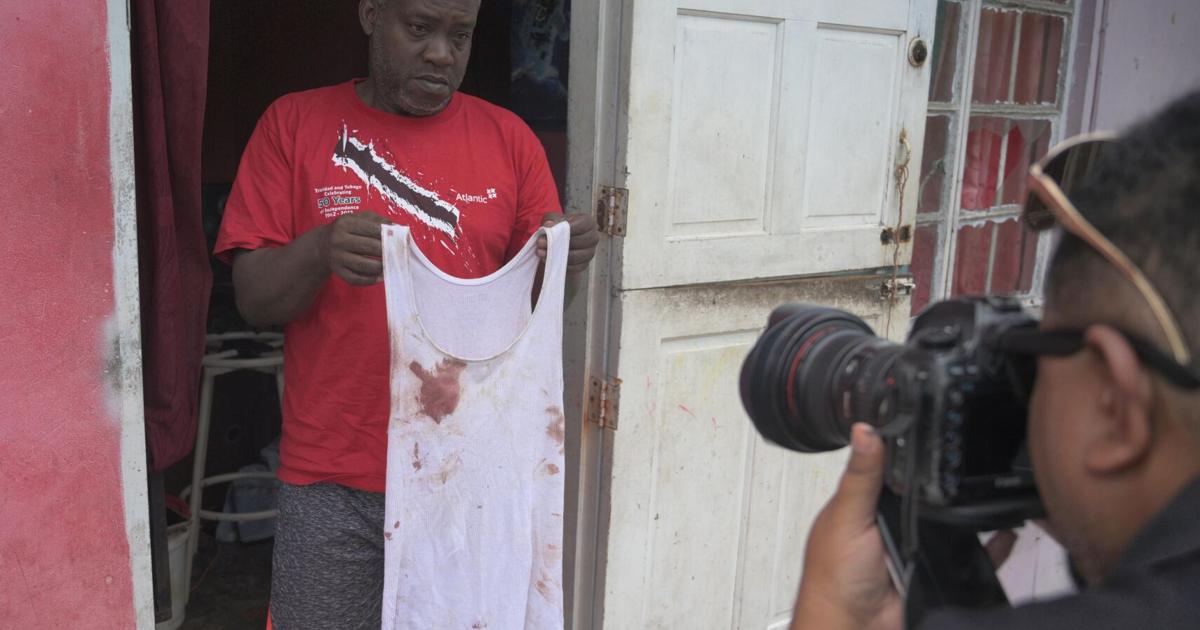
    Harripersad’s 18-year-old son, who first alerted police to the shooting, told investigators he was out walking the family dog at around 1:23 a.m. when roughly 15 gunshots echoed through the neighborhood. He rushed back to the property immediately, and upon entering the front yard, found Kinfu lying in a pool of blood near the gate. Going further into the home, he discovered his father’s body on the bed, with clear gunshot wounds, and Alibocas dead on the floor, also in a pool of blood.

    Investigators from the Ste Madeleine police station, the Region Three Homicide Bureau, and other relevant agencies spent hours on site processing evidence, dusting for fingerprints, collecting bullet casings, and interviewing neighbors and family members for any information that could break the case open.

    When reporters from the Express visited the community later that day, heartbroken relatives had gathered near the cordoned-off crime scene, unable to process the sudden loss. Mathew Harripersad, brother of the 42-year-old victim, said his brother had turned his life around years earlier after past run-ins with the law, and had been holding down steady work to support his two children.

    “My nephew went out when he heard the shots. He hid, and when he returned home, he realised it was at his home that the shots were fired. My nephew called the police. They shot my brother in his sleep. I see two bullet holes in a door, and blood on the ground,” Mathew recalled. He added, “My brother used to get in trouble in the past, but years now, since he had children, he had changed his life and was working. This is shocking to me. I picked him up on Friday to go to work. On Sunday, he went by our aunt and spoke with her.”

    Mathew also noted that his brother often opened his home to people in need, regardless of their past backgrounds, a practice that may have led to the attack. Calling for harsher punishment for violent offenders to stem the island’s rising murder rate, Mathew urged the government to reinstate capital punishment. “The crime situation is bad. People are running all over, killing people. It is like nothing. And the police are not picking up these fellas? They are just walking in and walking out. The Government has to start back hanging people, and these fellas will think twice about killing. Otherwise, they sit in jail for a few years, and come back out and do the same thing,” he said.

    One grieving neighbor, who asked to remain anonymous, described Martin Harripersad as a close friend and “a good soldier.” “Today is my birthday and I just came from work, to check him, when I heard the news. He was like a brother to me. My brethren dying around me,” he said, his voice raw with grief.

    As of Monday, this 13-hour violence surge pushed the country’s overall murder toll to 156 for the year, down slightly from the 163 recorded by the same point in 2023.

  • Killed in front of his children

    Killed in front of his children

    A devastating act of violence has cut short the life of a 25-year-old Trinidadian father who only sought to fulfill his financial obligations to his two young children, leaving a community in mourning and law enforcement searching for a fleeing suspect.

    Micah Joseph, widely known to loved ones as “Mikey” and a resident of Joseph Street, John Jules Trace in Fyzabad, was killed in a multi-stabbing attack on Sunday evening that also left his younger brother injured. According to official and family accounts, the deadly confrontation unfolded on Easy Street, the home of the mother of Joseph’s two children — a four-year-old and a five-year-old.

    Family members told local reporters the pair had ended their romantic relationship roughly one year prior, with the children regularly spending weekends with Joseph. On the day of the attack, Joseph had arranged to return the children to their mother’s home after their weekend visit, and had brought a cash payment she had requested the week before to cover graduation-related costs. This was not the first time tensions had flared during Joseph’s routine exchanges for his children: his sister Elizabeth told reporters that on prior visits, items Joseph brought for the kids were often thrown back at him, he had been pelted with stones, and he even suffered a foot injury in one earlier altercation that he reported to police.

    Despite the history of conflict, Joseph remained committed to providing for his children, and took precautions for Sunday’s meeting: he was accompanied by his 24-year-old younger brother Joshua, and a nearby neighbor, to ensure the handover happened peacefully. But what was meant to be a quick, simple exchange escalated into deadly violence before first responders could intervene.

    An unidentified man confronted the brothers, attacking both with an as-yet-unconfirmed weapon. Micah Joseph was stabbed multiple times — including a slash to the throat after being held in a headlock, according to witness accounts relayed by his sister — and was pronounced dead at the scene. His younger brother Joshua sustained stab wounds to the back and shoulder, and was transported to a local hospital for treatment, where he remained in stable condition as of Monday. Shockingly, the two young children witnessed their father’s killing, with neighbors eventually having to pull the children away from Joseph’s body as they tried unsuccessfully to rouse him.

    First responders were called to the scene at approximately 7:10 p.m. on Sunday, but the suspect managed to flee the area before officers arrived. As of Monday, the perpetrator remains at large.

    When reporters visited the Joseph family residence on Monday, they found dozens of grieving relatives gathered to mourn the young father, who family described as a loving parent committed to supporting his children. Relatives said they hold out hope that investigators will quickly track down and arrest the suspect, and that the killing could have easily been prevented.

    The case is currently being actively investigated by detectives from the Homicide Bureau of Investigations Region III, with authorities confirming that enquiries are ongoing.

  • Column: Leerkrachten willen geen aalmoes meer

    Column: Leerkrachten willen geen aalmoes meer

    After years of internal division that derailed collective action, Suriname’s education trade unions have finally closed ranks to demand fair compensation for the country’s public school teachers — a breakthrough that was impossible under the previous Santokhi administration, when prominent union leader Reshma Mangre simultaneously held a seat in the National Assembly for the VHP party. That period of conflicting loyalties eventually spawned a breakaway teachers’ union, the Syndicaat voor Onderwijsgevenden, deepening rifts in the labor movement. Today, old divides appear to have been put to rest, with all teacher representative groups sitting at the same negotiating table to push for shared demands. But while unity has been achieved, the core economic struggle facing educators remains as urgent as ever.

    The teachers’ fight for living wages is entirely legitimate, even after years of internal union infighting that at times distracted from the core cause. Educators simply cannot cover basic household needs on their current paychecks. As of 2026, the average net teacher salary sits at roughly 15,000 Surinamese dollars — an income that no longer supports a dignified standard of living for a family. From rent or mortgage payments to school fees, utility bills, groceries and rising medical costs, expenses quickly outstrip even this modest income. Even for teachers covered by the SZF public insurance scheme, patients are still required to pay out-of-pocket for most prescription medications, adding further financial strain. This math has not added up for years, making the current united push for change impossible to dismiss as mere union posturing or political theater. At its core, this fight raises a fundamental question: How much value does Suriname truly place on the professionals who shape the next generation of the country’s workforce?

    This pattern of inadequate public sector compensation is not unique to education. Police officers, healthcare workers and other public servants face identical economic pressures, and the outcome is already clear: skilled workers are leaving the sector en masse. Some abandon their professions entirely to seek higher-paying work in other industries, while others leave the country altogether in search of better opportunities. What was once framed as a theoretical “brain drain” in policy papers is now a visible, urgent crisis playing out across the country.

    Education unions and the Ravaksur labor federation have been sounding the alarm for years, first under the previous administration and now again under the current government. Over the past years, the response from political leaders has followed a familiar script: interministerial committees are convened, roundtable discussions are held, lengthy reports are published, working groups are appointed, and small, temporary stipends are approved to ease tensions. But none of these half-measures have meaningfully improved the harsh day-to-day reality for most teachers.

    Temporary allowances, union leaders argue, are little more than a bandage placed on an open broken leg. They provide a small measure of short-term relief, but the pain returns just as intensely the next month. Unlike permanent base salary increases, allowances do not compound into higher retirement benefits, higher vacation pay or other long-term employment rights. They are nothing more than a temporary political painkiller designed to defuse protests without addressing the root of the problem, and unions are no longer willing to accept this stopgap solution.

    The current government’s go-to defense is that public finances simply do not have room for a broad salary increase for teachers. But this argument has grown as worn out as a scratched vintage gramophone record, union supporters point out. Time and again, ruling parties find plenty of money to fund campaign promises during election cycles, stoking public expectations and selling a vision of a brighter economic future for all. Yet as soon as votes are counted and the time comes to follow through on those pledges, the coffers suddenly run dry and all major reforms become impossible.

    It is true that the government makes a valid point when it notes that a salary adjustment for educators will open the door for similar demands from other public sector unions, including the CLO and other branches of Ravaksur. But governing is inherently about making choices, and tough choices about national priorities are exactly what leaders are elected to make. If widespread government inefficiency remains unaddressed, and if political leaders continue to operate as if the country is not in the middle of a fragile economic recovery, it is fair to question what the administration’s actual priorities truly are.

    Many observers have also noted the striking hypocrisy of some political voices that now express loud outrage over teacher compensation, after spending years as part of the political establishment that allowed this crisis to fester and worsen. This hypocrisy does not, however, make the unions’ fight any less justified. On the contrary: the teachers’ demands are fully fair and long overdue. The only open question is whether the country’s current political leadership is finally willing to confront this reality.

    Education is the foundational factory that builds a nation’s future. If the workers staffing that factory cannot even afford to live on their wages, no one should be surprised when production grinds to a halt. As schools remain closed across the country and negotiations continue, the government faces an unavoidable choice. It is not a choice between teachers and balanced public finances — it is a choice about where the country’s true priorities lie. Solving this crisis does not require another hundred-page policy paper, a new presidential commission or another working group to study the problem. All stakeholders have understood the root of the issue for years. The question is not what needs to be done. The question is whether there is finally the political will to act.

    No one expects the current administration to solve every structural problem facing Suriname’s education sector overnight. But unions are correct that the era of band-aid solutions, temporary allowances and empty campaign promises is over. What the country needs right now is a credible, time-bound path to permanent structural salary improvement, paired with broader reforms that make teaching an attractive career for young people again. If this government cannot save Suriname’s education sector from its current crisis, who will? And if the public continues to accept that teachers can barely make ends meet, no one should complain about the already poor quality of public education that Suriname’s students receive. If this status quo continues, it is not education that has failed us. It is we who have failed education — and no expensive international education conference can fix that failure.

  • Tweede actiedag onderwijsbonden; regering moet met concrete voorstellen komen

    Tweede actiedag onderwijsbonden; regering moet met concrete voorstellen komen

    A months-long standoff between education unions and the Surinamese government has entered a new phase of action, with combined education worker unions launching their second national strike day on June 2 following the collapse of preliminary negotiations with the Ministry of Education and the presidential administration. The unions have drawn a hard line: teachers will not return to the classroom until the government puts binding, concrete commitments on the table, stating that vague new promises are no longer sufficient to end industrial action.

    “We are open to listening to any new proposals, but we will not call off our strike without tangible results,” a senior union leader told reporters at a press conference held Monday, after negotiations broke down. “We do not want to hear empty promises again. What we need to see are concrete, written agreements and an immediate plan for implementation.”

    According to insider information obtained by local outlet *Starnieuws*, the unions’ core demands include a permanent, structural salary increase for all teaching staff alongside broad revisions to education worker allowances. These demands have emerged as the primary stumbling block in talks, with the government repeatedly asserting that there is no fiscal room within the public sector budget to implement a generalized salary increase.

    Minister of the Interior Marinus Bee acknowledged the deep divide between the two sides in recent comments, noting that the biggest point of disagreement remains the structure and scale of allowance adjustments. “We have put forward two proposals that would deliver modest increases to education worker allowances, but these do not meet the full scope of what the unions have included in their demands,” Bee explained. “Those proposals were rejected outright. That said, the government is willing to re-examine our current fiscal capacity. The Minister of Finance and the full cabinet will conduct a new assessment to see if we can expand the fiscal space we have available for this agreement.”

    For their part, the unions argue that teachers have been coping with years of soaring cost of living, which has steadily eroded their purchasing power. Beyond salary and allowances, the unions also highlight a number of unresolved longstanding issues, including unpaid reimbursements, persistent classification disputes, and the ongoing nationwide shortage of qualified teaching staff.

    Union leaders warn that this crisis does not only impact individual education workers—it poses a direct threat to the quality of national education and the long-term future of thousands of Surinamese students. They have sounded the alarm over accelerating teacher attrition, with more experienced educators leaving the sector for higher-paying roles in other domestic industries or emigrating for better opportunities abroad.

    The government is currently navigating deeply challenging competing fiscal priorities. President Jennifer Geerlings-Simons has previously emphasized that her administration’s current economic recovery policy is focused on maintaining exchange rate stability and bringing inflation down further. To slow broader consumer price growth, the government still maintains a nearly 20-cent per liter fuel subsidy to prevent additional price hikes at gas pumps.

    Even so, political pressure to deliver measures that improve education workers’ purchasing power continues to grow. Administration officials are currently reviewing a range of policy options to free up funds, including a previously tabled proposal to expand existing tax brackets to reduce the overall tax burden for workers.

    Widespread expectations suggest that the government will present a revised proposal to unions on Tuesday in a last-ditch effort to break the current negotiation impasse. For the moment, however, education unions remain firm in their position: industrial action will continue until binding, concrete progress is reached.

  • Family Torn Apart by Gun Violence as Teen Killed, Cousin Hospitalized

    Family Torn Apart by Gun Violence as Teen Killed, Cousin Hospitalized

    On a quiet Sunday evening in the close-knit neighborhood of Gardenia Village, a routine errand devolved into an unthinkable act of gun violence that has shattered one family forever and left a local community grappling with grief and shock. The incident, which unfolded in the early night hours, claimed the life of 15-year-old Rackeem Armstrong, and left his 18-year-old cousin Justin Young clinging to life in a critical care unit, derailing the young men’s promising futures before they could fully begin.

    According to official details from the Belize Police Department, Armstrong had stepped out only to purchase a soft drink from a local shop. After completing his errand, he stopped at his cousin’s nearby home, where a small group of family members had gathered outside. Within moments, an armed lone suspect approached the unsuspecting group and fired multiple shots into the crowd before fleeing the scene. Armstrong was struck fatally by gunfire, while Young suffered a critical gunshot wound to the spine.

    Assistant Superintendent Stacy Smith, staff officer with the police department, confirmed that preliminary investigations point to a preexisting dispute over a motorcycle as a potential motive for the attack. As of the latest update, investigators have not yet confirmed whether either of the two young victims was the intended target, leaving the case open with multiple lines of inquiry still under active investigation. Authorities note that neither Armstrong nor Young had any prior interaction with law enforcement, and police are currently searching for two persons of interest connected to the shooting.

    Kayla Young, Justin’s mother, was present when the attack unfolded and described the chaotic, disorienting moments that unfolded after the first shots rang out. “Everybody was there as normal, and I just saw this one guy coming in, and all I saw was muzzle flash. I couldn’t even realize what was going on, right? When everyone started running, I ran too. It wasn’t until after that I realized two boys were down: my 18-year-old son and 15-year-old Rackeem, my younger cousin. I still can’t believe it. It feels like a bad dream I can’t wake up from.”

    Young was scheduled to begin a new job training program with the Belize Adjutant General Battalion today, a milestone that will now be put on indefinite hold. After being rushed by emergency responders to Karl Heusner Memorial Hospital, Young underwent emergency surgery to remove the bullet lodged in his spine. The procedure was technically successful, but his family is now holding out cautious hope that he will eventually regain the ability to walk, while clinging to prayers for justice for both victims.

    For the Armstrong family, the grief is overwhelming as they prepare to lay their youngest child to rest. Rackeem, the youngest of seven siblings, was an honor roll student with big plans for his future: he dreamed of enlisting in the coast guard, building a home of his own, and starting a family one day. A passionate football player and talented singer, he was known around the village for his gentle demeanor and kind personality, a reputation confirmed by his school principal who shared only glowing feedback about his character. His father emphasizes that the teen had never been involved in violence or conflict, and is convinced his son was simply in the wrong place at the wrong time, likely a case of mistaken identity.

    “Whoever did this had no reason to do this,” Armstrong’s father said in an interview. “He wasn’t a violent kid. He didn’t go around picking fights, stealing, or causing trouble. His life was school and home, that’s it. He just wanted to do good, to be somebody.”

    The tragedy comes at a cruel time for the family: just days before the shooting, they were making plans to celebrate Armstrong’s upcoming birthday and his older sister’s high school graduation. Now, those joyful preparations have been replaced with funeral arrangements. Community members have rallied around the two grieving families, offering support and calling for an end to the senseless gun violence that has destroyed two young lives and upended an entire neighborhood. As the investigation continues, police are asking anyone with information about the shooting or the suspects to come forward to help bring justice to the families.