分类: society

  • In the face of imperial harassment, solidarity among Cubans

    In the face of imperial harassment, solidarity among Cubans

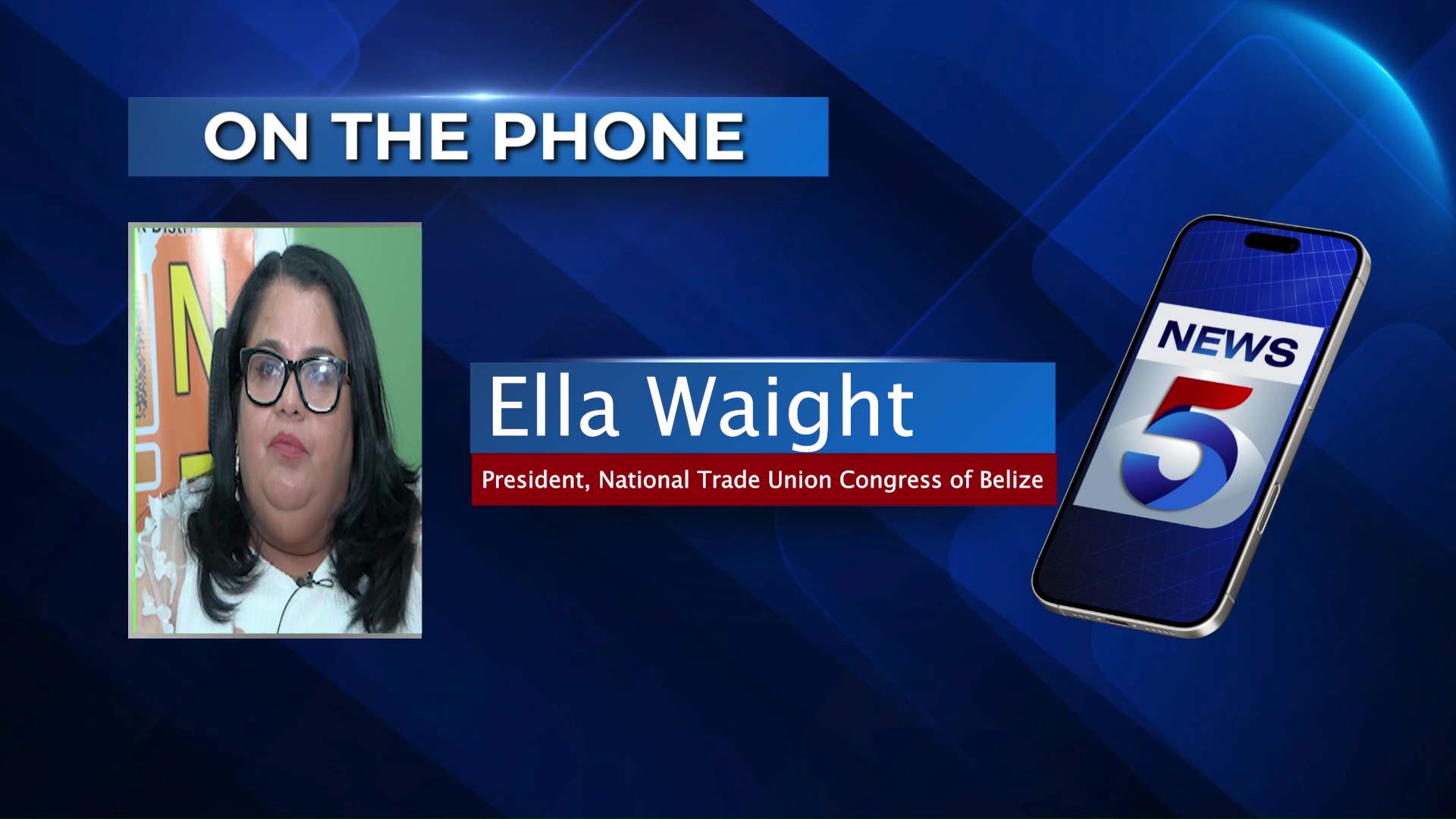
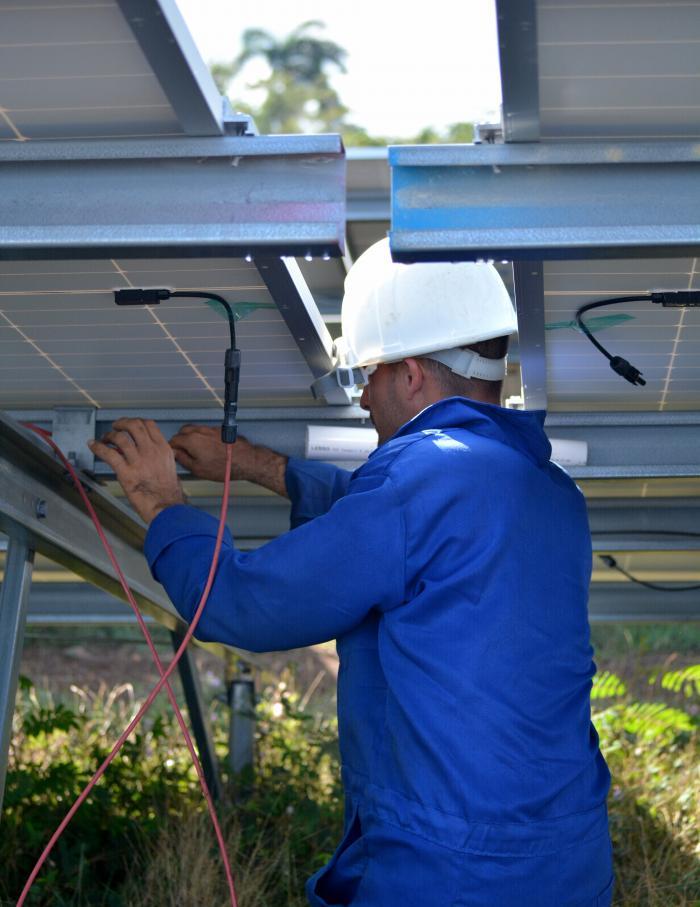
    Amidst Cuba’s ongoing economic challenges, tobacco producers from Villa Clara province have emerged as beacons of community solidarity through a significant humanitarian contribution. These agricultural workers have generously donated 48 complete photovoltaic power modules designed to provide emergency electricity to critical healthcare facilities throughout the region.

    The comprehensive donation package, comprising advanced solar panels and power stations, will ensure uninterrupted operation at polyclinics, maternity wards, nursing homes, funeral services, and hospitals during power disruptions. This initiative represents the collective effort of local farmers who have personally allocated their savings toward addressing infrastructure vulnerabilities in their community.

    This marks the latest in a series of philanthropic actions undertaken by Villa Clara’s agricultural sector. Previous contributions have included hospital roof waterproofing projects, acquisition of climate control equipment, comprehensive facility renovations, and refurbishment of medical wards. These cumulative efforts have substantially improved living conditions for hundreds of children, elderly residents, and vulnerable community members.

    The movement has inspired participation from diverse economic sectors across the region, with both state enterprises and private businesses preparing additional donations of food supplies, medical equipment, clothing, and essential utensils for distribution to those most affected by current economic conditions.

    This demonstration of civic responsibility underscores the resilience of Cuban communities during difficult periods, highlighting how collective action and shared resources can effectively address critical public needs when institutional capacities are strained.

  • Duquesa Landfill enters first phase of environmental transformation

    Duquesa Landfill enters first phase of environmental transformation

    The Dominican government has initiated a landmark environmental project to transform the problematic Duquesa landfill into a model of sustainable waste management. President Luis Abinader officially launched the comprehensive initiative on Tuesday, marking a significant step toward addressing one of the nation’s most pressing environmental challenges.

    The $110 million remediation effort represents a strategic partnership between the Ministry of Environment and Natural Resources and international financial institutions including the Inter-American Development Bank, Japan International Cooperation Agency, and Spanish Agency for International Development Cooperation. This collaborative approach underscores the global significance of proper waste management solutions.

    President Abinader characterized the project as far more than mere landfill closure, describing it as a complete environmental transformation employing advanced engineering solutions, risk mitigation protocols, and ecological restoration techniques. The initiative addresses decades of environmental degradation that has particularly affected adjacent communities through recurrent fires and toxic emissions.

    The comprehensive program includes critical technical components such as soil stabilization, leachate management, greenhouse gas capture, runoff control systems, and slope reshaping. These engineering interventions will establish the foundation for environmental recovery while preventing further contamination.

    Beyond the technical aspects, the project incorporates significant social elements including recreational infrastructure for surrounding communities. Planned facilities include sports fields, children’s play areas, outdoor gym equipment, an amphitheater, and a five-kilometer recreational circuit. The program also formalizes the status of waste pickers and is projected to mitigate approximately 140,000 tons of CO₂ equivalent annually through advanced gas capture systems.

    Environment Minister Paíno Henríquez identified Duquesa as the country’s largest environmental liability, containing over 30 million tons of accumulated waste. The successful maintenance of a fire-free period at the site demonstrates preliminary progress toward sustainable management.

    This initiative forms part of broader national efforts to transform waste management infrastructure, having already addressed 30 landfills across the country since 2020 through a dedicated solid waste management trust. The Duquesa project and concurrent cleanup of the Gurabo ravine in Santiago are positioned as national benchmarks for modern environmental remediation.

  • INTRANT bans heavy vehicles from left lanes nationwide

    INTRANT bans heavy vehicles from left lanes nationwide

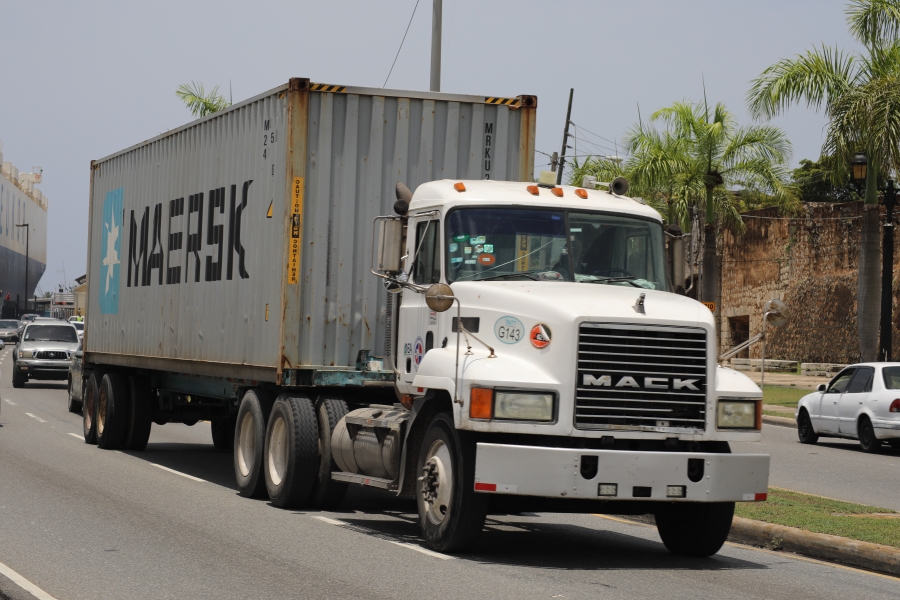
    The Dominican Republic has implemented a significant traffic regulation prohibiting heavy and cargo vehicles from utilizing left lanes on national highways. The National Institute of Transit and Land Transportation (INTRANT) formally established this measure through Administrative Resolution No. 003-2026 as part of a comprehensive strategy to improve road safety and traffic flow efficiency throughout the country.

    Executive Director Milton Morrison endorsed the resolution, which derives its legal authority from Law No. 63-17 governing Mobility, Land Transport, Transit and Road Safety. The regulation further aligns with provisions outlined in the Cargo Transport Regulation (Decree No. 258-20) and supports the objectives of the National Strategic Road Safety Plan (PENSV) for 2021–2030.

    Under the new mandate, commercial transporters must restrict their movement to right-hand lanes except under specific circumstances. Limited exceptions include legally authorized overtaking maneuvers and necessary left turns at intersections, provided these actions are executed in full compliance with established traffic safety protocols.

    The resolution additionally imposes stringent requirements for cargo security. Vehicles transporting loose materials must implement appropriate containment measures using tarpaulins, awnings, or canvases to prevent spillage that could endanger other motorists, compromise environmental safety, or create public health hazards.

    Covered vehicles encompass a broad spectrum of transport types including minibuses, buses, two-axle trucks, and various cargo carriers handling commercial, bulk, heavy, specialized, dangerous, multimodal, or express shipments regardless of compensation status.

    Violations will incur substantial penalties including fines equivalent to one minimum wage in the centralized public sector (currently RD$10,000), with automatic adjustments tied to future minimum wage revisions. Offenders will also receive demerit points on their driving licenses as stipulated in Law 63-17.

    Enforcement responsibilities fall under the joint jurisdiction of the General Directorate of Traffic Safety and Land Transportation (DIGESETT) and INTRANT’s Directorate of Supervision and Control of Sanctions, with operational support from the Military and Police Commission (COMIPOL). The Ministry of Public Works and Communications (MOPC) and the RD Vial Trust will manage the installation and maintenance of corresponding road signage under INTRANT’s supervisory authority.

  • All systems ready for disabled voters, says EBC

    All systems ready for disabled voters, says EBC

    Barbados electoral authorities have provided comprehensive assurances that all polling stations across the island are fully prepared to accommodate voters with disabilities during Wednesday’s elections. This confirmation comes following earlier concerns raised by the Barbados Council for the Disabled (BCD) regarding accessibility preparedness and the Electoral and Boundaries Commission’s capacity to serve disabled voters effectively.

    BCD Vice-President Kerry-Ann Ifill confirmed that the EBC has implemented multiple measures to ensure barrier-free voting, referencing official announcements from the Government Information Service. “I believe they’re also putting measures in place to ensure that they have expedited lines for persons with disabilities, as well as checking the physical access of the various polling stations,” Ifill stated, noting that while she hasn’t personally inspected every location, she received confirmation that all stations are wheelchair accessible.

    According to the established protocols, voters who are blind, physically incapacitated, illiterate, or mentally challenged may request assistance from presiding officers at their assigned polling stations. Those with visual or physical impairments must complete both an oral declaration and a written declaration using a special form. Alternatively, these voters may opt for assistance from a companion who must be at least 18 years old and may assist no more than two voters within any single constituency.

    Chief Electoral Officer Sherland Turton elaborated on the accommodations, confirming that ramps have been installed where necessary to ensure wheelchair access. “Provisions have always been made for them to be accompanied by a person of their choice to assist them with voting if need be,” Turton explained. Regarding deaf voters, while no specific measures are in place, they will be permitted to bring a companion to facilitate communication throughout the voting process.

    Turton further clarified that companions would be permitted to make oral declarations on behalf of voters when necessary. Looking beyond the immediate election, Ifill expressed hope for continued dialogue with the EBC to implement additional accessibility improvements for future elections, noting that some enhancements require more time than the current election cycle allowed.

  • American Airlines flight makes emergency landing in Barbados after takeoff incident

    American Airlines flight makes emergency landing in Barbados after takeoff incident

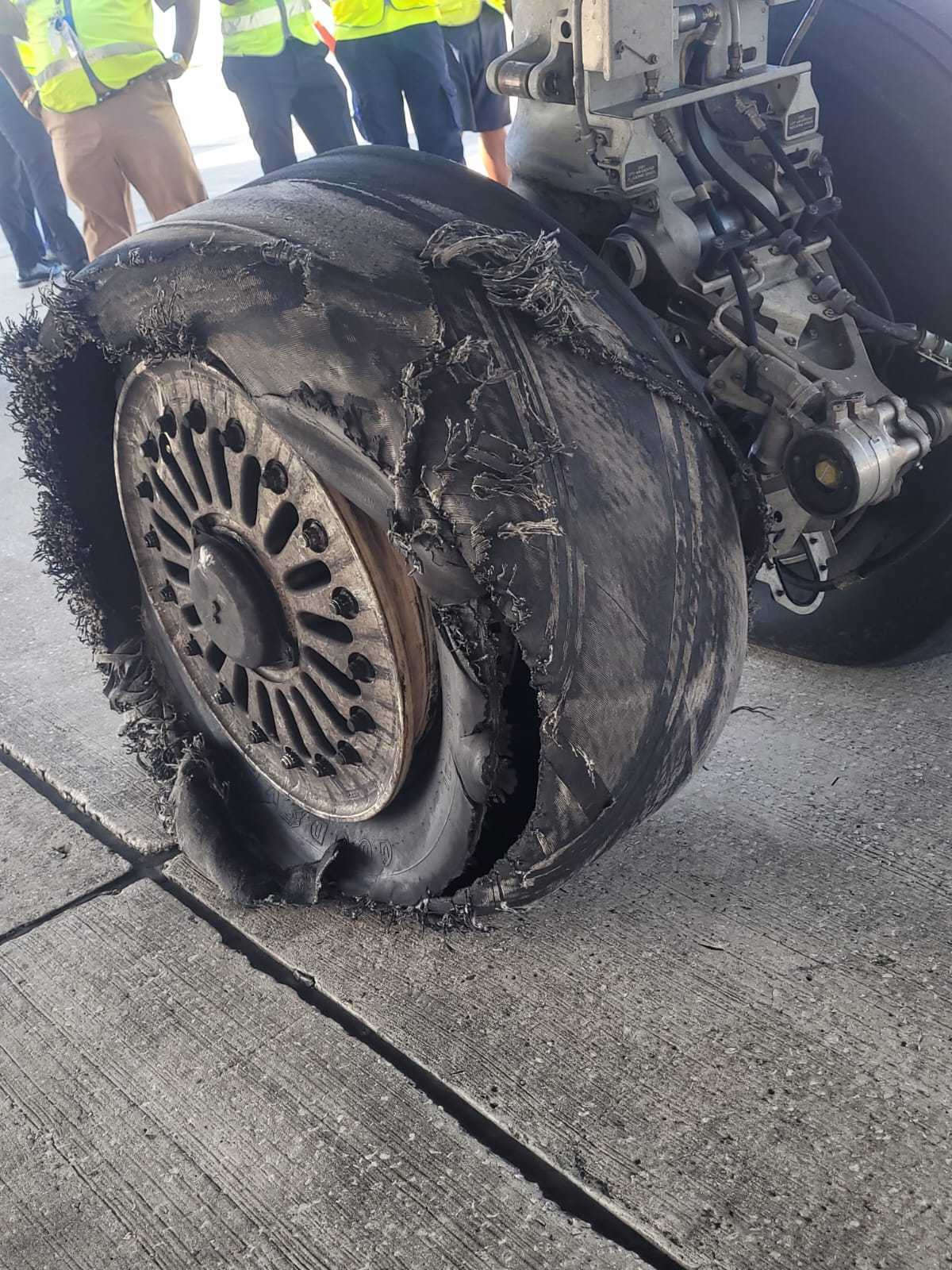
    An American Airlines Boeing 737-823 aircraft executing flight AA1284 to Miami was compelled to initiate an emergency landing procedure at Barbados’ Grantley Adams International Airport (GAIA) on Tuesday morning after sustaining a critical tire failure during its initial ascent. The incident occurred shortly following a 7:00 am takeoff with 134 passengers aboard, prompting immediate emergency protocols.

    Airport CEO Hadley Bourne confirmed that air traffic control received alerts of the mechanical issue, later identified as a blown tire, which also resulted in debris scatter on the runway. The aircraft entered a holding pattern off the coast of Barbados while emergency crews conducted safety inspections and cleared the runway. The flight subsequently made a safe return and landing at GAIA, with all passengers disembarking without injury and returning to the terminal.

    In accordance with standard aviation safety procedures, the airport activated its full emergency response team, including operational and security personnel, as a precautionary measure. The aircraft remained grounded throughout the afternoon undergoing comprehensive maintenance evaluation and repairs. Initial reports from flight-tracking data indicated the aircraft experienced complications potentially related to its landing gear system, leading to its decision to circle back.

    Tracey Forde-Bailey, Director-General of Barbados’ Civil Aviation Authority, stated that while preliminary reports confirm the safe return, authorities are awaiting detailed technical assessments from American Airlines’ maintenance teams to determine the exact cause of the tire failure. The incident remains under investigation by both airline engineers and aviation regulators.

  • Fire contained at Gutter, one home lost

    Fire contained at Gutter, one home lost

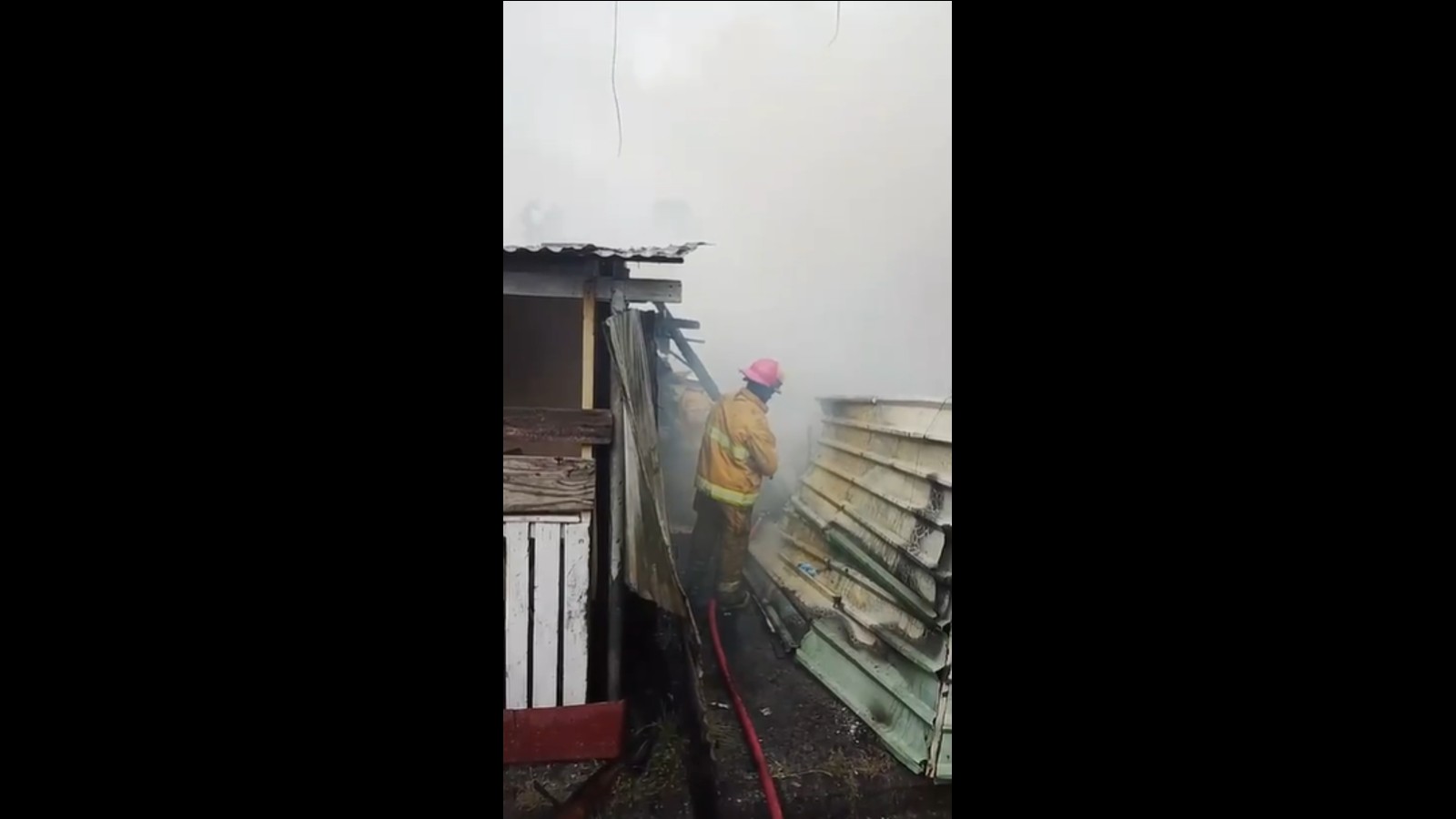
    A residential fire erupted in the Gutter community earlier today, culminating in the complete destruction of one single-family home. Emergency services were promptly dispatched to the scene following multiple distress calls from local residents.

    The local fire department executed a rapid and coordinated response, successfully containing the intense blaze and preventing its spread to adjacent properties. Their strategic deployment of resources and effective firefighting techniques proved crucial in mitigating what could have escalated into a larger neighborhood catastrophe.

    Authorities have confirmed that despite the substantial property damage sustained, no civilian or firefighter injuries resulted from this incident. Preliminary investigations into the fire’s origin are underway, though officials have indicated the initial assessment points toward an accidental cause rather than deliberate wrongdoing.

    Community support networks have mobilized to assist the displaced homeowner, providing temporary shelter and essential supplies while insurance assessments are conducted. The incident has prompted local safety advocates to reiterate the importance of functional smoke detectors and residential fire preparedness plans.

  • Police Charge Seine Bight Barber in Double Homicide

    Police Charge Seine Bight Barber in Double Homicide

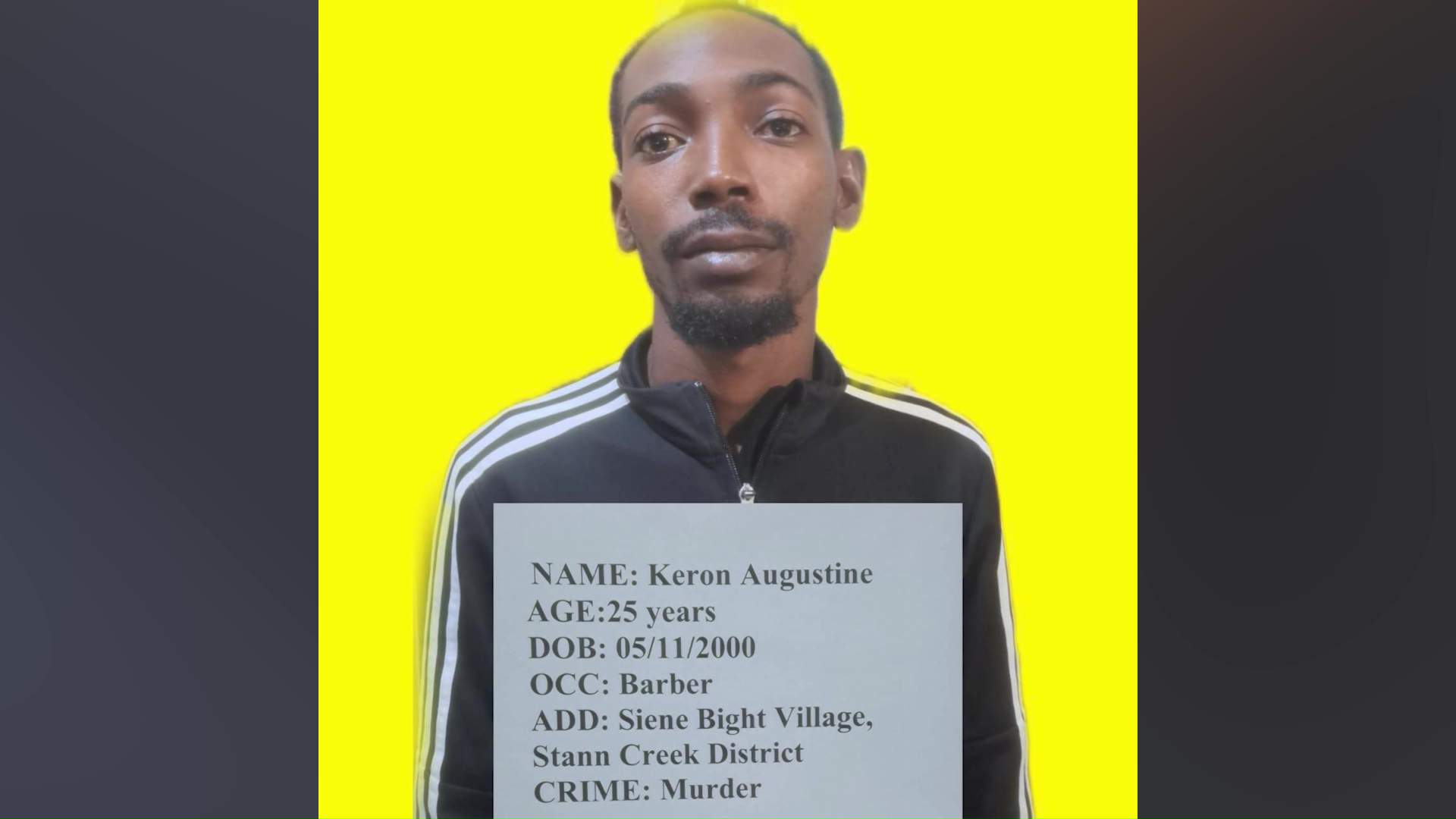
    Punta Gorda Police Department has made a significant breakthrough in the investigation of Saturday night’s double homicide, culminating in the formal charging of a primary suspect. Keron George Augustine, a 25-year-old barber residing in Seine Bight Village, now faces two counts of murder for the fatal shooting of Luis Barillas and Derrick Arnold.

    The tragic incident occurred inside Barillas’ residence on Queen Street, where both victims were socializing before being fatally shot. Law enforcement officials had previously confirmed the detention of three individuals in connection with the case on Monday. The investigation took a decisive turn this morning with the announcement of Augustine’s formal indictment.

    While authorities have refrained from disclosing a potential motive for the brutal killings, police representatives emphasized that the investigation remains active and ongoing. The case continues to develop as detectives work to uncover additional evidence and circumstances surrounding the violent crime that has shaken the local community. Further details are expected to emerge as judicial proceedings advance through the court system.

  • No‑Case Submission Crumbles; Nah Claims Wrong Man Is on Trial

    No‑Case Submission Crumbles; Nah Claims Wrong Man Is on Trial

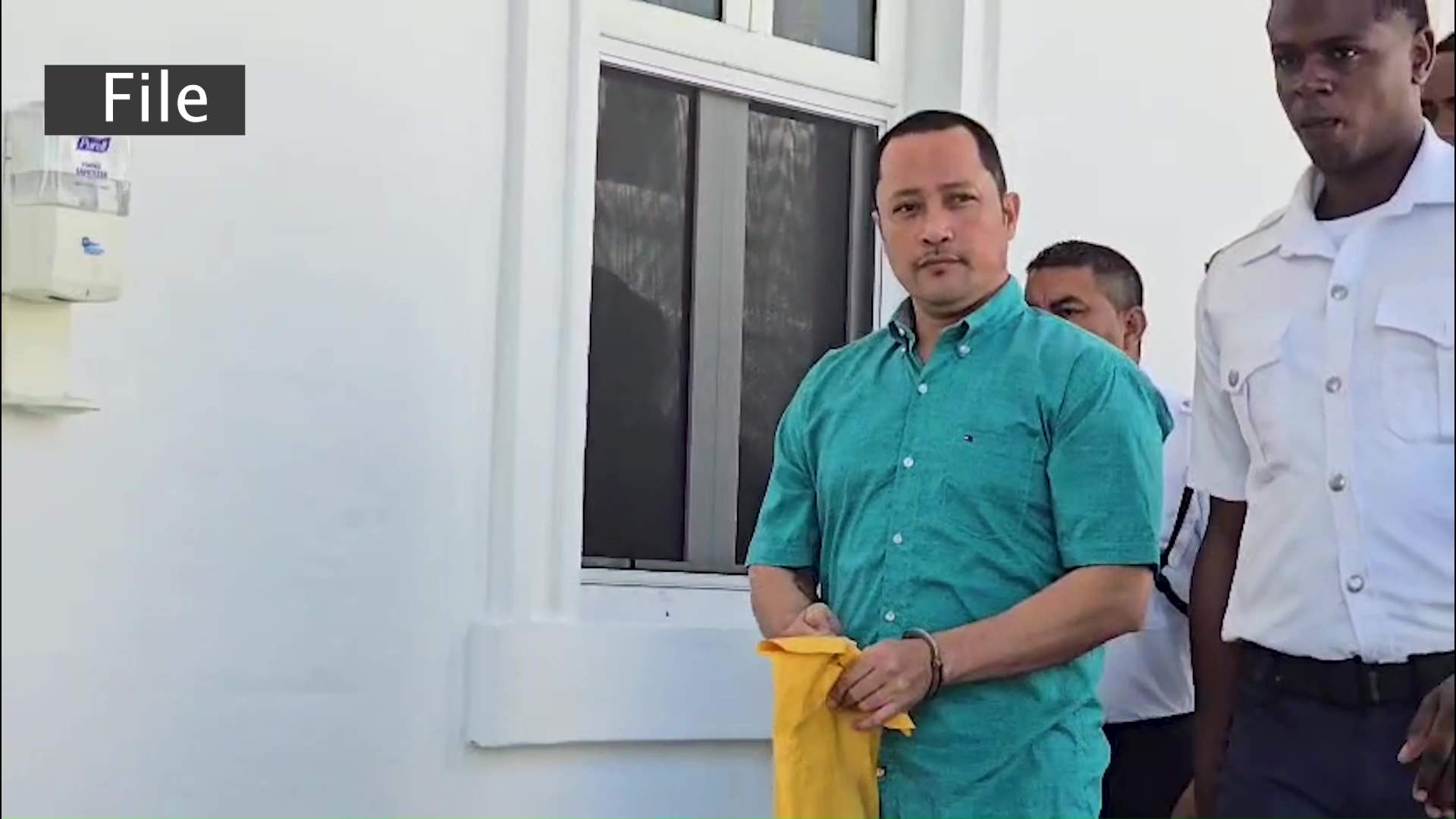
    In a significant courtroom development in Belize City, murder suspect Elmer Nah has been ordered to stand trial after his legal team’s no-case submission was decisively rejected by Justice Nigel Pilgrim. The judicial ruling came with remarkable speed—taking a mere twenty seconds for the court to dismiss the defense’s application—compelling Nah to face three separate murder charges.

    Following the procedural setback, Nah addressed the court for twenty-seven minutes from the dock, vehemently maintaining his innocence. ‘It wasn’t me,’ he stated, acknowledging the phrase as an ‘old cliché’ while insisting authorities had apprehended the wrong individual. The defendant claimed enhanced video evidence would ultimately identify the true perpetrator and urged investigators to stop ‘feeding the family with lies.’ He concluded his emotional statement with the declaration: ‘I am here to speak the truth… so help me God.’

    Notably absent from the defense strategy were alibi witnesses, despite previous reliance on testimony from Nah’s cousin during earlier voir dire proceedings. The prosecution’s evidence package includes critical components: the statement of primary witness Vivian Ramnarace, boots allegedly discovered in Nah’s pickup truck, and a headlamp purportedly worn during the commission of the murders.

    Dr. Lynden Jones, Nah’s legal representative, provided commentary following the day’s proceedings, noting that the court would issue written details justifying the rejection of their no-case submission at a later date. Jones explained his client’s decision to deliver a dock statement rather than remain silent or testify, referencing previously incorporated evidence from the voir dire. Nah’s statement specifically addressed evidentiary concerns regarding boot coloration, the disappearance of the original video footage chip containing shooting evidence, and the timing of a tattoo that prosecution suggested was recently applied.

    The case now advances to closing submissions as both sides prepare their final arguments in this high-profile murder trial.

  • Nah’s Case Heads to March 13th Submissions

    Nah’s Case Heads to March 13th Submissions

    In a significant procedural development, the criminal trial of Elmer Nah will advance to its final argument phase on March 13th, following a judicial determination that the prosecution has established a sufficient evidentiary foundation to proceed. Special Prosecutor Terrence Williams formally confirmed the timeline after the presiding judge ruled that the defendant indeed has a case to answer. The proceedings will now transition to the submission stage, where both the prosecution and defense will present comprehensive written arguments, supplemented by concise oral presentations. Williams declined to comment specifically on the content of Nah’s recent unsworn dock statement, indicating he would reserve substantive remarks for the court. This case has captured significant public attention, with the March hearing expected to represent a pivotal moment before the court deliberates on a final verdict. The legal community now anticipates how both legal teams will frame their closing arguments in what has become a closely watched judicial matter.

  • Labor Leaders Hail Historic OSH Breakthrough

    Labor Leaders Hail Historic OSH Breakthrough

    Belize has ushered in a new era for workplace protections with the historic passage of the Occupational Safety and Health Bill, culminating a seventeen-year advocacy campaign by labor organizations. The groundbreaking legislation represents the most significant advancement in worker safety standards in the country’s recent history.

    Ella Waight, President of the National Trade Union Congress of Belize (NTUCB), characterized the development as a monumental achievement for the nation’s workforce. The successful legislation emerged from an unprecedented collaborative effort between labor unions, the Chamber of Commerce, and multiple government agencies who maintained persistent focus on the initiative through successive administrations.

    “We are profoundly gratified that we have finally reached this watershed moment,” Waight stated. “The comprehensive protections embedded within this legislation will fundamentally transform workplace safety protocols across numerous industries.”

    The legislative process involved meticulous examination, with stakeholders conducting line-by-line analysis of the extensive draft document. Waight specifically acknowledged government partners who “led the charge” in shepherding the complex legislation through the approval process.

    While celebrating this legislative victory, labor leaders emphasize that implementation represents the next critical phase. The focus now shifts from legislative achievement to practical enforcement, ensuring the new standards translate into tangible workplace improvements rather than remaining merely symbolic.

    “Our imperative now is to guarantee these protections manifest in the daily experiences of workers throughout Belize,” Waight emphasized, signaling the beginning of a new chapter in workplace safety advocacy.