分类: society

  • Experts warn of a lack of awareness about lightning safety

    Experts warn of a lack of awareness about lightning safety

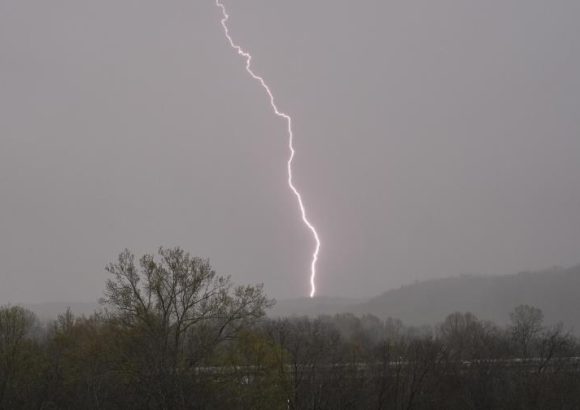
    Each year across the globe, thunderstorms claim human lives, destroy residential properties, disrupt critical public services and trigger billions in cumulative economic losses. Yet according to regional lightning protection specialists, the vast majority of these tragedies and damages are entirely preventable – if communities prioritize public education, enforce internationally recognized safety standards and close gaps in systemic preparedness. At a recent international seminar focused on lightning protection best practices, three electrical engineers affiliated with the US-based Latin American Association for Lightning Protection Education sounded the alarm on systemic underpreparation, particularly in the Dominican Republic, where the threat of lightning remains widely underestimated by the public and regulatory bodies alike.

    Speaking to attendees at the “Theoretical and practical foundations of lightning protection” event, José González, Lizardo López and Jorge Noé outlined the key gaps that put Dominican residents at unnecessary risk. First, they noted, a large share of public and private buildings across the country lack properly engineered lightning protection systems that meet global safety benchmarks. Even when protection systems are installed, many fail to meet standards because they are designed and fitted by workers without sufficient technical training, who often use unregulated commercial devices with no proven effectiveness. The experts explicitly debunked widespread marketing claims for products advertised as being able to “dissipate” or “cancel” lightning strikes, emphasizing no existing technology can eliminate the natural risk, only mitigate its impact.

    International standards such as the U.S. NFPA 780, IEC 62305, and LPI 175 already outline clear, tested criteria for the design, placement and specifications of effective protection systems, the specialists noted, but these rules are rarely enforced consistently across the Dominican Republic. López, one of the association’s members, explained that being outdoors during an active thunderstorm is the deadliest behavior, as risk does not only come from a direct strike. The phenomenon of step voltage, he noted, can create lethal high voltage waves in the ground even from a lightning strike that lands a full kilometer away. Contrary to another common misconception, Jorge Noé added, damage and risk extend far beyond the direct point of impact, with dangerous surges capable of affecting any location within a five-kilometer radius of a strike – a fact that most of the public and many regional authorities do not understand.

    When thunderstorms do form, the core protective action is simple: seek shelter in a solid enclosed building immediately, and avoid the dangerous habit of lingering outdoors to watch or photograph lightning storms. Even a building without a dedicated protection system dramatically reduces risk of lethal injury, the experts confirmed – while infrastructure may suffer damage, people inside are far more likely to survive without severe harm. For those trapped outdoors with no access to a safe building, specialists advise closing legs tightly together, minimizing contact with the ground, and avoiding elevated open areas to reduce the risk of fatal voltage differences.

    Beyond public behavior gaps, the Dominican Republic also lacks a nationally implemented early warning system for thunderstorms, a tool that González calls essential to reducing population risk. While large-scale mining operations in the country currently use either satellite or local detection systems, and existing regional infrastructure can monitor atmospheric electrical activity, no widespread public alert framework is in place. Early warning systems, already successfully deployed in Colombia and Germany, give communities critical time to activate safety protocols and move to shelter before a storm hits. Past fatalities recorded at tourist beaches and outdoor recreation areas in Brazil and Peru could have been avoided, Noé noted, if adequate warnings had been issued and heeded.

    The rapid growth of solar energy installations across Latin America has also created new, underaddressed risks, the specialists warned. Solar panels, mounted as elevated metal structures on rooftops, act as natural lightning rods, and unprotected installations face a far higher risk of strikes. In addition to damaging the panels themselves, lightning strikes generate destructive power surges that can destroy expensive inverters and other electronic components tied to photovoltaic systems. All new and existing solar installations, the experts recommend, should be assessed by qualified specialists and fitted with code-compliant surge protection devices.

    Moving forward, the group called on Dominican authorities to prioritize lightning protection for high-occupancy sensitive infrastructure, including hospitals, schools, and churches, particularly in regions with frequent thunderstorm activity. Any protection project should begin with a evidence-based scientific risk assessment aligned with international standards, they emphasized, rather than installing one-size-fits-all systems without prior analysis. Beyond infrastructure upgrades, the specialists called for expanded technical training for professionals working on protection systems, and widespread public education campaigns to correct common misconceptions and teach life-saving safety protocols.

    Contrary to popular belief, the experts emphasized, the leading cause of lightning-related deaths and accidents is not a lack of available technology, but unnecessary human exposure during storms. “Everyone is responsible for their own safety,” Noé reminded, stressing that the ultimate goal of all prevention infrastructure and policy is to protect the most valuable asset: human life.

  • Blackout shame!

    Blackout shame!

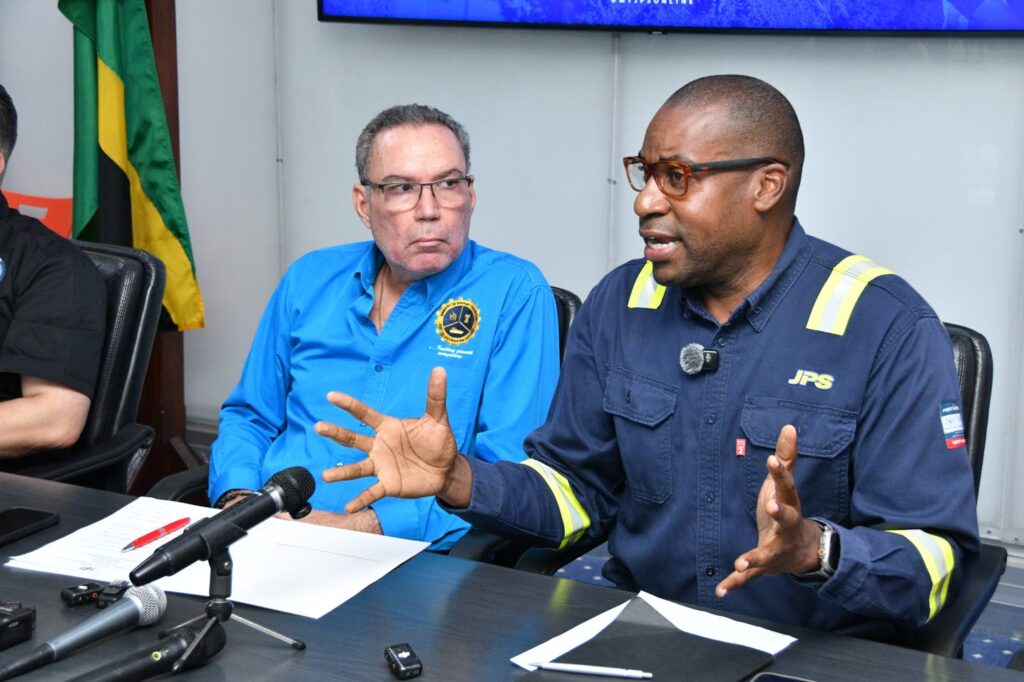
    A sudden, total islandwide power outage that plunged Jamaica into darkness on a Friday evening has sparked official outrage, prompted regulatory demands for accountability, and left tens of thousands of residents still grappling with disrupted water service days after the initial failure. The incident, which unfolded at approximately 9:02 pm last Friday, knocked out electricity across the entire country, derailing weekend plans for households, halting business operations, cutting off water distribution systems, and interrupting public entertainment events.

    In the immediate aftermath of the collapse, Jamaica’s state power provider, the Jamaica Public Service (JPS), has pointed to severe, concentrated lightning activity as the trigger that damaged critical transmission infrastructure, sparking a cascading failure that brought down the entire national grid. JPS President and Chief Executive Officer Hugh Grant outlined the utility’s initial findings during a joint press briefing held on Saturday, noting that intense lightning strikes damaged key transmission infrastructure in Kingston’s Corporate Area.

    “What we do know is that, as a result of the significant lightning activity, we lost five of our transmission lines emanating from one of our significant substations in the Corporate Area. In parallel to that, we had a cascading effect, causing a loss of generation across the entire island. This cascading effect resulted in the shutdown of the entire grid. At that point, we were mobilised and the team responded,” Grant explained. Further inspection confirmed visible damage: a broken high-voltage conductor connecting the Hunt’s Bay and Newport stations, plus damaged equipment at the Rockfort substation, all aligned with lightning-related impacts. Grant emphasized that full technical analysis is still ongoing to map the exact sequence of events that led to total grid collapse.

    By 6:00 am Saturday, Grant said JPS crews had restored power to the entire national grid, though roughly 10,000 customers remained without power as of Saturday afternoon due to separate, localized weather-related damage in western and central parts of the country. He added that the company has now entered the investigatory phase, focused on identifying root causes, capturing actionable lessons, and implementing changes to prevent similar widespread outages in the future.

    For Jamaica’s Energy Minister Daryl Vaz, however, the total grid failure was unacceptable and a source of deep embarrassment. In comments to reporters, Vaz noted that a properly functioning power system should never experience a total national shutdown from an isolated local fault, calling the incident an unacceptable disruption for all Jamaicans.

    “This, for me as minister, is an embarrassment and one that I would not wish to experience again in my tenure in this position. I must say that when I got the call last night, I worked through the night with the JPS president straight back until 6 o’clock this [Saturday] morning, and he had his teams out there, but we lost a good night’s sleep that we should not have lost because the system should have been in a position that if there was one area that went down, it should not have caused the entire system to go down. Something went awry. There’s absolutely no two ways about that,” Vaz said.

    Vaz also highlighted a troubling history of repeated total grid failures in Jamaica dating back to 2006. Official investigations by the Office of Utilities Regulation (OUR) have documented six major islandwide shutdowns not caused by hurricanes, with the most recent prior outage occurring in April 2016. Past investigations have repeatedly cited preventable issues: protection system failures, defective relays left unreplaced for months, unaddressed maintenance gaps, human error, and inadequate risk assessment. Multiple past outages, including the 2006 and 2012 incidents, were also triggered by lightning strikes on transmission lines.

    Regulators have already formalized demands for accountability: the OUR has given JPS 48 hours to submit a preliminary incident report, and 30 days to deliver a full, root-cause analysis with recommended corrective actions. OUR Director General Ansord Hewitt said the agency will review the final report to assess its adequacy, issue any required regulatory directives, and verify that JPS has addressed lessons learned from past outages.

    Vaz went a step further, urging a full independent investigation to get to the bottom of the 2025 incident and prevent future recurrence, noting that dramatic technological advances since the 2016 outage should have reduced the risk of total system collapse. The Jamaican government has committed to building a reliable, resilient national power system for all residents and is demanding full transparency and accountability from JPS.

    The outage also triggered a secondary crisis for water supplies, as most water distribution infrastructure relies on electric power. As of 2:00 pm Saturday, roughly 65,000 water customers remained without service. Water Minister Matthew Samuda told reporters that full water restoration is expected to take an additional 24 to 48 hours, as crews need to recharge transmission lines and refill community storage tanks. The largest single impacted area is the Minard distribution system, which serves around 30,000 residents between Brown’s Town and Runaway Bay in St. Ann, where joint JPS and National Water Commission crews are working on site to resolve issues. Samuda noted that restoration progress is ongoing and moving in a positive direction, with significant reductions in the number of affected customers expected by Saturday evening.

  • Man arrested following Manchester gun seizure

    Man arrested following Manchester gun seizure

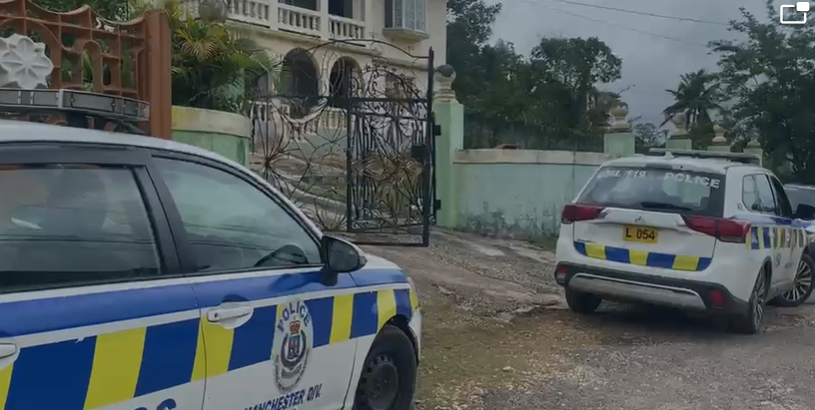
    MANCHESTER, JAMAICA – Law enforcement officials have taken a local man into custody and confiscated an unregistered firearm following a targeted early-morning search operation conducted Sunday at a private residence in the Plowden community of south Manchester.

    According to a senior police spokesperson familiar with the operation, the tactical search team moved on the property just after 5:00 a.m., acting on specific actionable intelligence gathered by investigators prior to the raid. When officers completed their systematic search of the home, they uncovered a loaded 9mm pistol alongside 19 live 9mm ammunition cartridges, which were seized as evidence.

    The male occupant of the property, who was present during the execution of the search warrant, was immediately taken into police custody for further questioning. No additional details regarding the suspect’s identity, potential charges, or connections to other criminal activity have been released to the public as of Sunday evening. The operation remains ongoing as investigators continue to review the seized weapon and build their case against the detainee.

    Reporting by Kasey Williams

  • When roads choke growth

    When roads choke growth

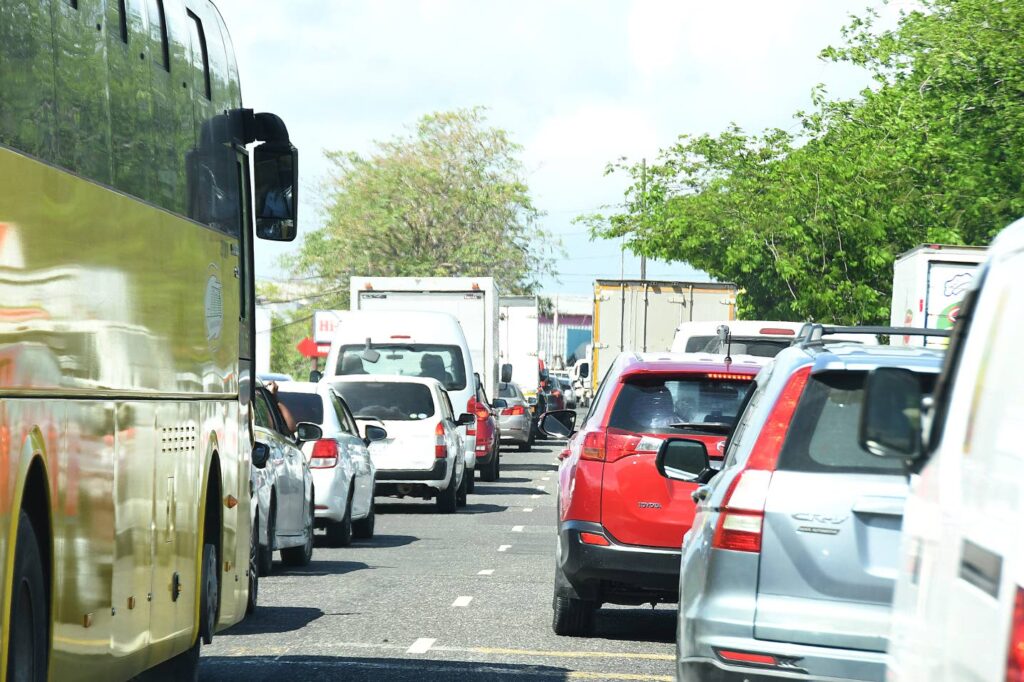
    Across the idyllic small island nations of the Caribbean, a quiet but crippling crisis has been escalating: systemic traffic congestion has evolved from a daily commuter headache into one of the most pressing barriers to inclusive regional growth and development. In response, the Caribbean Development Bank (CDB) is spearheading a coordinated, multi-pronged regional strategy to redefine how governments approach gridlock, with the goal of boosting mobility, lifting productivity, and strengthening long-term economic competitiveness across member states.

    Addressing attendees at CDB’s 56th annual general meeting held last week in Nassau, The Bahamas, CDB President Daniel Best framed the conversation around a paradigm shift: traffic congestion must no longer be treated as an isolated transportation issue, but as a systemic development challenge that touches every sector of the Caribbean economy and society. “Congestion is a productivity issue, a public health issue, a climate issue, a competitiveness issue,” Best emphasized. “At its core, it is a development issue because when people cannot move efficiently, economies cannot grow equitably.”

    New research presented at the meeting underscores the staggering economic toll unaddressed congestion takes across the region. In Trinidad and Tobago, for example, the average commuter loses a stunning 793 hours per year to gridlock – the equivalent of 33 full work days. This lost time translates to an estimated 1.37 percent of the nation’s annual GDP drained away through forgone productivity. For the Caribbean as a whole, the average motorist spends 90 minutes stuck in traffic every single day, generating cascading costs including wasted fuel, inflated transportation overhead for businesses and households, and irreversible productivity losses. Globally, congestion drains hundreds of billions of dollars from national economies each year, a burden small island developing states are disproportionately ill-equipped to absorb.

    Against a backdrop of ongoing economic and social uncertainty facing Caribbean nations, Best called for increased cross-border collaboration to build resilient, future-ready urban systems and economic structures that can accommodate growing demand for mobility. CDB’s Economic and Infrastructure Division has already begun advancing a holistic, integrated approach to congestion relief that moves far beyond the traditional go-to solution of new road construction.

    Speaking at an EdgeX policy session titled *Stuck in Traffic: What Congestion Is Costing the Caribbean*, Acting Chief of the Economic Infrastructure Division William Ashby explained that while limited road expansion may play a small role in comprehensive plans, it cannot resolve the region’s congestion crisis on its own. “This is a regional problem, and therefore there is real benefit in bringing together practitioners and policymakers to share lessons and reproduce approaches that work,” he noted.

    Ashby argued that the policy focus must shift to building interconnected, sustainable urban mobility systems that combine upgraded public transit, coordinated land-use planning, targeted demand management measures, and technology-enabled solutions. To support member states, CDB offers targeted technical assistance ranging from customized regional mobility plan development and granular congestion impact studies to feasibility assessments and policy guidance, enabling governments to make data-backed decisions rather than addressing transportation challenges through fragmented, project-by-project investments.

    The bank is also actively encouraging public and private investment in multi-faceted transportation solutions, including expanded modern public transit networks, protected infrastructure for walking and cycling, upgraded intelligent traffic management systems, and digital mobility platforms that connect riders and transit providers in real time. Critical to the success of these efforts, Ashby noted, is strengthening institutional governance, improving coordination between disparate government agencies, and building technical capacity in specialized fields including traffic engineering, transport demand modeling, and long-term mobility planning.

    Ashby also highlighted the underutilized impact of demand-management policies, which can deliver rapid relief at low cost. Measures such as staggered work and school hours, structured parking regulation, carpooling incentives, and expanded ride-sharing programs can significantly reduce peak-hour pressure on overstretched road networks across the region. Another persistent barrier to effective congestion management, he added, is the widespread lack of reliable, granular transportation data across most Caribbean countries. Leveraging real-time data from roadside sensors, GPS tracking systems, centralized traffic control centers, and digital performance dashboards would allow transportation authorities to anticipate congestion hotspots and deploy response measures far more efficiently.

    CDB already has a track record of advancing sustainable transportation initiatives across the Caribbean. Recent projects include a comprehensive modernization of Saint Lucia’s public transit system and a pilot school bus program launched in Grenada to reduce private vehicle trips during peak commute hours. The bank continues to provide ongoing support for evidence-based transport planning, climate-resilient road infrastructure, integrated land-use planning, national transport policy development, and road safety initiatives across all member states. “Congestion in the Caribbean is solvable, but only if we treat it as the real development issue that it is,” Ashby concluded.

    Regional transportation planner and leading traffic engineer Dr. Rae Furlonge added that even with the rapid growth in vehicle ownership across Caribbean roads and the persistent lack of robust reliable public transit in many territories, a suite of low-cost, short-term measures can deliver immediate congestion relief. These include optimized parking management, targeted upgrades to congested roundabouts and intersections, adaptive traffic metering, expanded park-and-ride facilities on urban outskirts, and stricter enforcement of existing traffic regulations.

    Furlonge emphasized that arbitrary stopping by buses and other public transit vehicles is a major contributor to unnecessary gridlock in many Caribbean nations, pointing to Grenada as a successful model for how simple enforcement changes can improve flow. In Grenada, designated stopping zones are marked on roadways where road shoulders are not available, and heavy fines are levied for stopping outside these marked areas. “No stopping before an intersection and designated stopping zones about 60 metres beyond it — those are some other simple, short-term things that can make a difference,” Furlonge added.

  • Citizen security Homicide rate falls to 7.16, marking one of its lowest levels in decades

    Citizen security Homicide rate falls to 7.16, marking one of its lowest levels in decades

    A multi-agency national citizen security initiative has delivered landmark progress in curbing violent crime across the country, with official data confirming the lowest cumulative homicide rate in decades by the end of May 2026. The National Police has confirmed that coordinated prevention, prosecution, and intelligence-driven strategies rolled out by the national Joint Task Force continue to drive consistent improvements in nationwide citizen security metrics.

    As of May 29, 2026, the country’s accumulated homicide rate stands at 7.16 per 100,000 inhabitants, extending a years-long sustained downward trend for lethal violent crime. The latest 150th edition of the institution’s weekly crime statistics report notes that the homicide rate for the month of May alone hit 6.43 per 100,000, bringing the year-to-date cumulative figure to 7.16 — one of the lowest recorded national homicide rates in more than 30 years.

    A breakdown of regional data underscores the broad-based nature of this progress. Out of the 34 national territories included in the analysis, 27 now maintain single-digit homicide rates, with one jurisdiction recording zero homicides so far this year. Only seven regions across the country still report double-digit homicide rates, meaning nearly 80% (79.4%, to be precise) of all national territories now hold a rate of 9.99 homicides per 100,000 inhabitants or lower.

    Historical comparative data confirms that this decline is neither accidental nor temporary: it reflects a consistent, progressive reduction in homicidal violence stretching back several years. Three years ago, in May 2023, the year-to-date cumulative homicide rate was 12.77 per 100,000. That figure fell to 10.05 in 2024, dropped further to 8.40 in 2025, and has now fallen again to 7.16 in 2026. Compared to the same period in 2025, this represents a 14.76% year-over-year reduction. Over the full three-year period from 2023 to 2026, the cumulative homicide rate has plummeted by 43.93% overall.

    National security officials attribute this sweeping reduction in violent crime to the integrated, coordinated comprehensive actions of the Joint Task Force, which operates under the joint direction of all state security institutions. The results stem from a layered strategy that combines expanded preventive patrol operations, strengthened intelligence gathering and analysis, targeted prosecution of high-priority criminal groups, and close inter-institutional coordination. Partners in the strategy include the National Police, the national Armed Forces, the Public Prosecutor’s Office, and multiple additional state and local agencies, all aligned to advance the national citizen security agenda.

  • Immune to justice? This is how Law 136-03 punishes teenagers who commit serious crimes in the Dominican Republic.

    Immune to justice? This is how Law 136-03 punishes teenagers who commit serious crimes in the Dominican Republic.

    In Santo Domingo, the Dominican Republic, a recent violent incident at a state-run youth shelter has pulled long-simmering public tensions over juvenile criminal justice back into the national spotlight. Three teenagers stand accused of involvement in the death of a 17-year-old girl at a facility operated by the National Council for Children and Adolescents (CONANI), and the case has sparked renewed public conversation about how Dominican law handles minors who commit serious offenses like homicide.

    A widespread public perception has taken hold across the country that minors who break the law effectively enjoy a de facto ‘immunity’ from legal consequences. This belief has been amplified by a string of high-profile recent cases that have named teenagers and even pre-teens as members or leaders of organized criminal gangs, with some young offenders openly asserting they cannot be punished because they have not reached the legal age of majority. But legal experts are pushing back on this narrative, clarifying that while Dominican law does maintain a separate specialized legal framework for children and adolescents, this system does not grant full exemption from responsibility for violent criminal acts.

    Félix Portes, a prominent criminal and constitutional law expert, broke down the structure of the country’s juvenile justice regime, laid out in the nation’s Law 136-03. Under existing legislation, the severity of any penalty imposed on a young offender is determined first by the person’s age at the time they committed the offense, rather than the classification of the crime itself.

    For adolescents between the ages of 13 and 15, the law allows for detention sentences ranging from one to five years. For older minors aged 16 to 17, outlined in the Code for the System of Protection and Fundamental Rights of Children and Adolescents, the maximum allowable period of internment extends to eight years. Even in the most serious cases, Portes explained, a young offender can be held in detention up until the point they reach legal adulthood, as long as the sentence handed down by the court stays within the maximum limits set by the country’s juvenile-specific legislation.

    Portes emphasized that the juvenile penalty framework is rooted in international human rights standards, specifically the UN Convention on the Rights of the Child — a treaty the Dominican Republic has ratified, and whose core principles are embedded in Law 136-03. The system is built around the foundational principle of prioritizing the best interests of the child, focusing on rehabilitation and social reintegration rather than purely punitive measures. The expert also confirmed that the upcoming implementation of the country’s new Penal Code will not alter this existing specialized regime for juvenile criminal responsibility.

    For children under the age of 13, Dominican law does not recognize criminal responsibility, and these children cannot legally be deprived of their liberty as a penalty for harmful acts.

    The current case at the CONANI shelter is not an isolated incident: public records show at least three deaths of minors in state-run, CONANI-supervised shelters or care programs between 2023 and 2026. In all three cases, the victims were minors receiving state protection through the CONANI-administered care system, and all deaths have prompted formal investigations from the Public Prosecutor’s Office. Preliminary investigative findings have implicated other minors in two of these three fatal incidents, including the most recent death that has sparked the current national debate.

    If the three teens accused in the 17-year-old girl’s death are ultimately found guilty, they will face penalties aligned with their ages at the time of the crime, combining court-ordered socio-educational programming with periods of detention within the legal maximums already set by Law 136-03.

  • Popular fruit vendor killed in Montego Bay

    Popular fruit vendor killed in Montego Bay

    Residents of the Jamaican parish of St James are reeling from shock after a well-known local fruit vendor, previously recognized for his courage during a 2022 flood rescue attempt, was killed in a shooting in Montego Bay over the weekend.

    Forty-two-year-old Kelvin Pyne, a long-time resident of the Orange neighborhood of St James, was found unresponsive shortly before midnight on Saturday. His body was discovered lying face down on Miriam Way, a street in central Montego Bay, with multiple visible gunshot wounds to his body.

    Emergency responders rushed Pyne to the nearest local hospital immediately after the discovery, but medical staff pronounced him dead upon arrival. The Jamaica Constabulary Force’s St James division has since opened a full criminal investigation into the shooting, with officers currently working to trace the gunman and establish a clear motive for the killing. No suspects have been publicly named or arrested as of the latest updates.

    Beyond his reputation as a familiar local vendor, Pyne leaves behind a legacy of bravery that the community has not forgotten. In April 2022, when catastrophic floodwaters swept through Montego Bay, Pyne was one of three local men who rushed into the raging currents to try to save two people trapped by the flood: Beryl Walters and her young grandchild Jennel Walters. Despite the desperate, valiant efforts of Pyne and the other rescuers, both were swept away by the fast-moving floodwaters. Jennel’s body was recovered by search teams in the days after the disaster, but Beryl Walters was never found, leaving her family to grieve without closure.

  • 83-y-o dies in Manchester freak accident, second in days

    83-y-o dies in Manchester freak accident, second in days

    MANCHESTER, Jamaica — A quiet week in Jamaica’s Manchester Parish has been marked by two tragic accidental deaths, the second of which claimed the life of an 83-year-old local man who fell from an elevated water tank platform earlier this weekend.

    Local law enforcement has identified the deceased as Michael Williams, widely known by his nickname “Mike” and a long-time resident of the parish’s Comfort district. According to official police accounts, the fatal incident unfolded around 11:00 a.m. on Sunday, when Williams was visiting a relative’s property located on Woodlawn Road in the George’s Valley area. Williams had climbed onto the elevated platform that supports two residential water tanks to carry out routine maintenance work on the property when the accident occurred.

    Investigators currently theorize that Williams lost his footing while moving across the platform, falling roughly 10 feet onto a rocky surface below. The fall left him with a severe open wound to his forehead. Bystanders rushed Williams to a nearby hospital for emergency care, but medical staff were unable to save him, and he was pronounced dead shortly after arrival.

    This tragedy marks the second reported fatal misadventure recorded in Manchester Parish in just four days. Just last Thursday, 60-year-old Robert Dawes lost his life in a separate industrial accident in Balvenie Heights, a neighborhood located in Mandeville, the main town of Manchester. Dawes was killed when multiple heavy steel beams being unloaded from a delivery truck slipped and struck him.

    Local authorities have not released further details on either incident as of press time, and both deaths remain classified as accidental misadventures. Community leaders have extended condolences to the families of both men following the back-to-back fatal accidents.

  • Gender-based violence: Here are the emergency and support hotlines available nationwide

    Gender-based violence: Here are the emergency and support hotlines available nationwide

    Gender-based violence remains a devastating public safety and human rights crisis in the Dominican Republic, where dozens of women lose their lives to femicide every year. Each killing is the tragic endpoint of a pattern of abuse: many victims endure repeated threats, physical assaults, and crippling fear, often trapped in silence by systemic or social barriers that prevent them from seeking help early.

    To address this ongoing emergency, multiple national institutions have built out a coordinated network of support mechanisms designed to guide, protect, and empower survivors of gender-based and domestic violence. These resources range from immediate emergency response to long-term guidance, creating multiple entry points for women in danger regardless of their circumstances.

    At the core of the national response is the 212 confidential emergency hotline run by the country’s Ministry of Women, a service that operates around the clock to connect victims with urgent support. Callers gain immediate access to free psychological counseling, personalized legal guidance, and assistance activating formal protection protocols when their lives are under immediate threat. A senior staff member from the Ministry explained that any woman calling to report an active attack or ongoing dangerous situation triggers an immediate dispatch of a specialized police unit to intervene.

    “If she is a victim of violence, we send a police unit so they can come to her rescue,” the staff member shared in an interview.
    Beyond emergency response, the Ministry also manages a system of referral and ongoing support, including access to dedicated shelter homes for survivors who have nowhere else safe to go. “We provide shelter; the prosecutor’s office determines whether the woman qualifies for shelter, and we, as the Ministry of Women, provide it. The shelters are for women who are victims of violence and do not have a safe haven. So, the woman stays there temporarily until the danger has passed,” she added.
    To support the large community of Dominican women residing overseas, the Ministry has also launched a dedicated remote support line at 829-421-3242, which connects callers to confidential virtual telepsychology counseling and therapy services regardless of their location.
    Complementing the Ministry’s work is a second reporting and support channel called Línea Vida, operated by the Office of the Attorney General of the Dominican Republic and reachable at 809-200-1202. While the hotline prioritizes reports of gender-based violence and domestic abuse, it also accepts reports of a wide range of other harms, including child abuse, minors in conflict with the law, inappropriate interpersonal behavior, and suspected sexual abuse, according to Génesis Hackers, a long-time telephone operator for the service.
    When a call comes in, trained staff first collect comprehensive details about the incident: the specific nature of the abuse, the location of the survivor, and other key context needed to formally document the case. This documented report is then immediately forwarded to the relevant regional prosecutor’s office, the government entity tasked with investigating the claims, contacting all involved parties, and determining the next legal and protective steps. Once the report is formally registered, the complainant receives a unique case number and direct contact information for the assigned prosecutor’s office, making it easy for them to follow up on their case as it moves through the system.

  • Man dies in three-vehicle St Elizabeth crash

    Man dies in three-vehicle St Elizabeth crash

    ST ELIZABETH, Jamaica – A 59-year-old man has died from catastrophic injuries sustained in a multi-vehicle crash that unfolded along Jamaica’s Content Main Road Saturday night, marking the second deadly traffic incident to hit the parish in less than a single day, local law enforcement confirmed.

    The victim has been formally identified as Llewlyn Johnson, a resident of Prospect district in New Baalbec, Manchester Parish, according to official police statements.

    The collision involved three vehicles: a privately owned Toyota Corolla sedan, a large King Long passenger coach bus, and a Toyota Tundra pickup truck. Investigative accounts from the Jamaica Constabulary Force outline that the crash occurred at approximately 9:00 p.m., when two of the vehicles—the King Long bus and Toyota Tundra—were moving westbound along the thoroughfare. Johnson, operating the Toyota Corolla, was traveling east in the opposing lane of traffic when the incident was triggered.

    Police reports confirm that the driver of the Toyota Tundra attempted to overtake the slower-moving King Long bus by veering onto the opposing side of the road. The maneuver placed the pickup truck directly in the path of Johnson’s oncoming Corolla, resulting in an initial head-on impact between the two vehicles.

    Following the first collision, Johnson lost full control of his sedan, which swerved sharply to its right and crashed into the front-right portion of the westbound King Long bus. Emergency responders who arrived at the scene found Johnson had been ejected from his vehicle during the sequence of impacts. He was rushed to a local hospital for urgent medical intervention, where he was later pronounced dead by attending medical staff.

    Tragically, this fatal crash comes less than 24 hours after another deadly traffic incident claimed the life of a toddler along a nearby stretch of roadway in the same parish. Local authorities have not released additional information about the condition of any other passengers or drivers involved in Saturday night’s collision as of press time, and an official investigation into the crash remains ongoing.