分类: society

  • Nine youth complete Digital Culture For the Caribbean Project (CL.AU.DI.A)

    Nine youth complete Digital Culture For the Caribbean Project (CL.AU.DI.A)

    A cohort of nine young artisans in Dominica has successfully graduated from the innovative CL.AU.DI.A. (Cultura Digital Antilliana / Digital Culture in the Antilles) project, marking a significant milestone in Caribbean digital education. The certificate award ceremony and a mini exhibition showcasing their achievements were hosted at Prevo Cinemall on February 7, 2026.

    This ambitious three-year initiative (2023–2025), funded under the Erasmus+ programme, was established to enhance professional training in digital culture across the Caribbean region. It represented a unique international collaboration between a consortium of organizations including ARCS – ARCI Culture Solidali APS (Italy), D’Antilles et D’Ailleurs (Martinique), Asociación Hermanos Saíz (Cuba), Centro Nacional para la Superación de la Cultura (Cuba), Universidad de las Ciencias Informáticas (Cuba), École Supérieure d’Infotronique d’Haïti (Haiti), and the Dominica Arts and Crafts Producers Association (DACPA).

    From July 2024 to December 2025, DACPA spearheaded the project’s core educational phases in Dominica. The implementation began with an intensive ‘Training of Trainers’ program, where facilitators utilized digital platforms like WhatsApp and Google Meet to master the curriculum and pedagogical approaches. Following this preparatory stage, a recruitment drive successfully enrolled nine young participants for the pilot program.

    Vanessa Winston, President of DACPA, highlighted the project’s adaptability in overcoming logistical hurdles, including local transportation and scheduling conflicts. By transitioning the program to a fully virtual and online format, the association ensured uninterrupted and complete participation. The educational model employed a dedicated mentorship system, pairing each trainee with a trainer for personalized guidance and support.

    The project’s culmination featured significant international engagement, with selected DACPA representatives and program participants traveling to Cuba. There, they attended the final project conference, an exhibition, and participated in the official signing of the CL.AU.DI.A Network agreement, cementing a lasting framework for continued regional cooperation in digital cultural development.

  • GNOW expresses outrage at death of Aleandra Lett Hypolite

    GNOW expresses outrage at death of Aleandra Lett Hypolite

    The Grenada National Organisation of Women (GNOW) has issued a powerful statement expressing collective grief and anger following the brutal murder of Aleandra Lett Hypolite, whose death has sent shockwaves throughout the Caribbean nation. The women’s rights organization conveyed its deepest sympathies to Hypolite’s family, friends, and community across Grenada, Carriacou, and Petite Martinique, characterizing the killing as a devastating manifestation of systemic failures in protecting women from gender-based violence.

    This tragic incident has highlighted the urgent need for enhanced protective measures and institutional reforms, according to GNOW. The organization emphasized that such violence against women and girls persists when societal structures inadequately safeguard potential victims from known offenders. In response, GNOW is intensifying its collaborative efforts with policymakers, frontline responders, and community stakeholders to strengthen prevention mechanisms, raise awareness, and implement more effective safety protocols.

    The advocacy group issued a urgent public appeal encouraging citizens to report any suspicious behavior or warning signs of violence to local law enforcement authorities immediately. Stressing that ‘silence can cost lives,’ GNOW emphasized the collective responsibility community members share in preventing future tragedies and protecting vulnerable individuals.

    GNOW has called for expedited and transparent judicial proceedings to ensure justice for Hypolite’s family, demanding that perpetrators face comprehensive investigations, appropriate sentencing, and proper risk assessment to prevent reoffending. The organization specifically addressed Grenadian women and girls, encouraging vigilance, mutual protection, and solidarity while reaffirming that victims are never responsible for violence committed against them. The statement concluded with a call to transform grief into decisive action, honoring Hypolite’s memory through concrete progress in combating gender-based violence.

  • Hospital Beds Occupied by Social Cases, Straining Emergency Care

    Hospital Beds Occupied by Social Cases, Straining Emergency Care

    The Sir Lester Bird Medical Centre faces an escalating institutional crisis as non-medical ‘social cases’ persistently occupy critical bed space, creating severe operational constraints for emergency medical services. Hospital authorities report that this longstanding issue continues to strain resources despite repeated interventions.

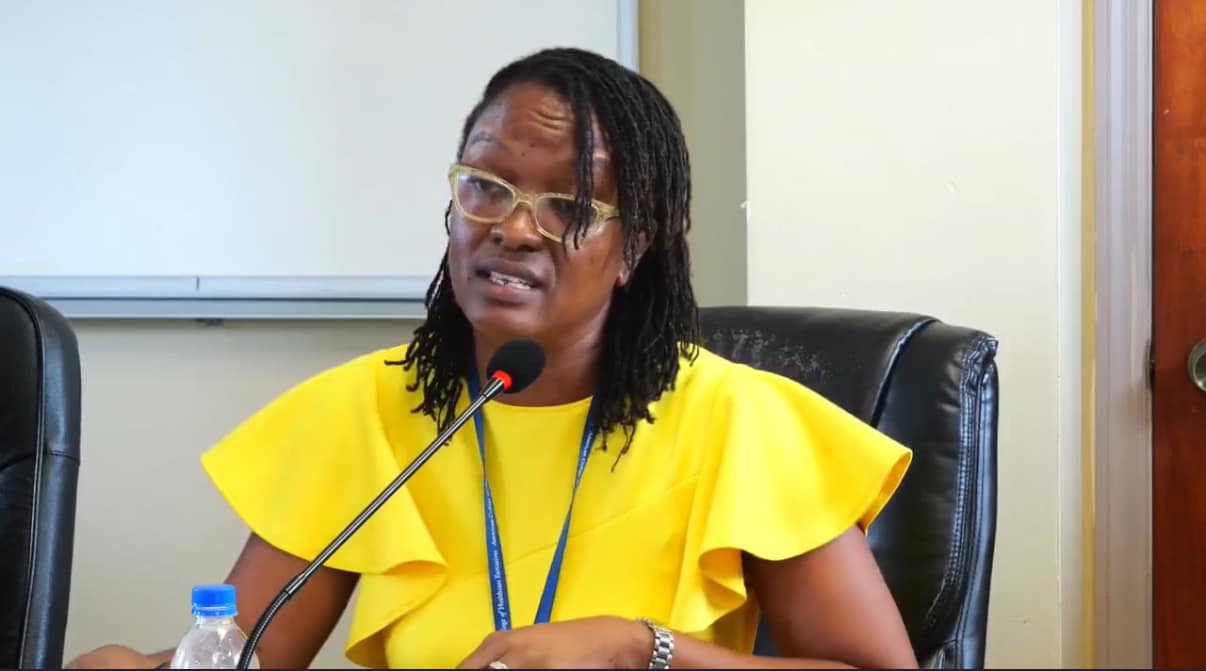
    Medical Director Dr. Shivon Belle-Jarvis provided disturbing details about the nature of these cases, explaining that numerous individuals arrive at the facility without requiring urgent medical attention. These patients, while medically stable, remain hospitalized indefinitely due to the absence of safe discharge options. Many lack identifiable family contacts, while others have relatives who explicitly refuse to assume responsibility for their care.

    The situation reached critical levels recently when 17 social cases simultaneously occupied beds desperately needed for emergency and inpatient medical care. Although temporary relief occurred during a recent weekend with reduced numbers, the problem rapidly resurged within days, demonstrating the cyclical and entrenched nature of this healthcare challenge.

    Dr. Belle-Jarvis emphasized the fundamental mismatch between the hospital’s acute care mission and its current role as an unintended long-term shelter. She issued a compelling appeal for families and community networks to strengthen support systems for elderly and vulnerable populations.

    This hospital crisis has triggered governmental response, with officials acknowledging widening concerns about elder neglect and abuse. The Cabinet has formally announced upcoming legislation specifically targeting the abandonment of elderly citizens and establishing stronger protections for their assets, signaling recognition that this medical institution’s struggles reflect broader societal failures.

  • Caribe Wave 2026 Registration Opens in Antigua and Barbuda

    Caribe Wave 2026 Registration Opens in Antigua and Barbuda

    Antigua and Barbuda’s National Office of Disaster Services (NODS) has officially commenced registration procedures for the Caribe Wave 2026 tsunami simulation exercise. This critical disaster preparedness initiative, scheduled for March 19, 2026, represents a cornerstone of the nation’s comprehensive strategy to enhance emergency response capabilities against potential tsunami threats.

    Through an official communiqué, NODS emphasized that this annual multi-organizational drill serves as an essential platform for both institutions and communities to rigorously evaluate their emergency response mechanisms. The exercise aims to strengthen collective readiness through practical simulation of real-world disaster scenarios.

    Government authorities are actively urging diverse sectors to participate, including commercial enterprises, educational institutions, government agencies, and community organizations. Each entity is expected to form dedicated response teams to engage in the full-scale exercise.

    Prospective participants must formally register through the NODS administrative office via telephone at 462-4206. Registration mandates disclosure of organizational details, including the official name of the institution, projected participant numbers, and identified evacuation safe zones.

    NODS characterized the initiative as an indispensable element within Antigua and Barbuda’s integrated disaster risk mitigation framework. The agency highlighted that broad-based community and organizational engagement fundamentally contributes to strengthening national resilience and public safety standards.

    The Caribe Wave exercise constitutes a region-wide endeavor across Caribbean territories, designed to assess the effectiveness of tsunami early warning infrastructure, emergency information dissemination channels, and mass evacuation procedures. This transnational cooperation reflects the Caribbean community’s shared commitment to disaster risk reduction in seismically active zones.

  • Leatherback Nesting Season Begins as Environmental Group Urges Vigilance

    Leatherback Nesting Season Begins as Environmental Group Urges Vigilance

    The Environmental Awareness Group (EAG) has issued a public advisory alerting residents and visitors to the imminent arrival of leatherback sea turtles along the shores of Antigua and Barbuda for the critical 2026 nesting period. This conservation organization emphasizes the necessity of community involvement in monitoring these endangered marine creatures during their reproductive cycle.

    Citizens are being mobilized as environmental stewards to report any indications of sea turtle presence, including: nesting females, visible egg clutches, distinctive track patterns on beaches, or emerging hatchlings. The EAG has established a dedicated reporting channel, directing observations to their office at telephone number 462-6236.

    Critical guidelines have been disseminated to ensure minimal human disruption to these vulnerable species. The public is strongly advised to maintain considerable distance from nesting turtles and strictly refrain from using photographic flashes during nocturnal hours, as artificial illumination can severely disorient both adult turtles and offspring, potentially jeopardizing their survival.

    The conservation group further advocates for active public participation in educational outreach, urging community members to disseminate awareness information and bolster preservation initiatives designed to safeguard these threatened marine animals throughout this biologically significant season. This collective effort represents a crucial component of broader wildlife protection strategies in the Caribbean region.

  • Rosita Leeflang nieuwe directeur van STVS

    Rosita Leeflang nieuwe directeur van STVS

    Suriname’s media landscape witnesses a significant leadership transition as Rosita Leeflang assumes the role of Director at the Surinamese Television Foundation (STVS). She succeeds Raoul Abisoina, who held the position for over five years. Abisoina expressed philosophical acceptance of his departure, acknowledging that such changes inherently accompany political appointments. “This is something one must always anticipate,” Abisoina stated in comments to Starnieuws.

    Leeflang brings comprehensive expertise as a seasoned media and communications specialist with extensive background in journalism, media production, and cultural entrepreneurship. Her established career includes notable work as journalist, news anchor, and producer within Suriname’s media industry.

    Beyond traditional journalism, Leeflang has actively contributed to cultural preservation through various documentary projects and cultural initiatives. She owns Roseternal Media, a production company specializing in news content, documentary films, and event management.

    Her cultural leadership extends to chairing the Foundation K.A.S.E.K.O., an organization dedicated to promoting Surinamese kaseko music culture. Her documentary ‘Langabere,’ celebrating kaseko musical traditions, recently gained international recognition through selection at the Curaçao International Film Festival, enhancing her global professional profile.

    Academically, Leeflang possesses robust qualifications in historical and heritage studies. She earned a Master’s degree in Museum and Heritage Studies from the Reinwardt Academy, complementing her earlier Bachelor’s degree in History. This combination of practical media experience, cultural advocacy, and academic foundation positions Leeflang to provide comprehensive leadership for STVS’s future development.

  • SVG facing ‘silent crisis of poverty’ — PM Friday

    SVG facing ‘silent crisis of poverty’ — PM Friday

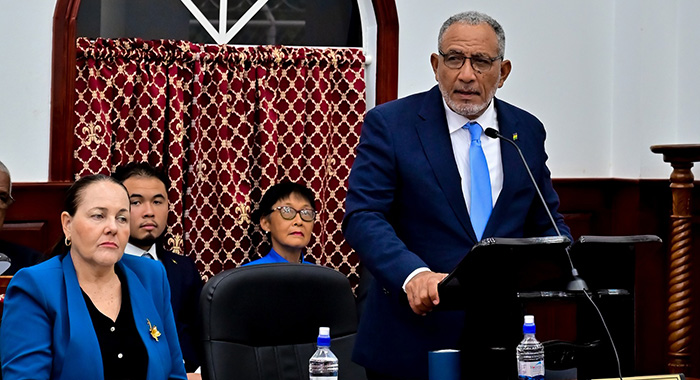
    Prime Minister Godwin Friday has unveiled alarming data indicating that St. Vincent and the Grenadines faces a severe poverty crisis, with approximately one-third of the population either living in poverty or at immediate risk of falling below the poverty line. The revelation came during Monday’s parliamentary budget address for 2026, where the leader presented findings from two comprehensive surveys conducted over the past six years.

    The independent poverty assessment, drawing from the 2018 Survey of Living Conditions and the 2023 Population and Housing Census, paints what Friday described as “a stark reality” for the Caribbean nation. According to the data, more than 33% of Vincentians exist in financially precarious circumstances, potentially pushed into poverty by a single missed paycheck or natural disaster.

    Economic pressures have dramatically increased the cost of basic nutrition, with the annual indigence threshold now exceeding EC$3,642 per adult—approximately EC$10 daily—merely to maintain adequate food intake. For families, the situation proves even more challenging, with a typical three-person household requiring a minimum monthly expenditure of EC$1,898 to avoid poverty—a target becoming increasingly unattainable amid persistent inflation.

    The analysis reveals concentrated poverty in female-headed households and northern rural communities, regions still recovering from the economic devastation of the April 2021 La Soufrière volcanic eruption. This has created a pronounced geographic divide between the relatively prosperous south and economically depressed north—a disparity the administration’s “One Nation” transformation agenda specifically targets.

    Friday, whose New Democratic Party ended 24 years of Unity Labour Party governance with a landslide 14-1 electoral victory last November, acknowledged that official statistics have historically failed to reflect citizens’ lived experiences. While the nation shows signs of macroeconomic growth, Friday emphasized this progress remains exclusionary, failing to elevate living standards for substantial population segments.

    Women bearing caregiving responsibilities with limited land access face disproportionate vulnerability, while remote communities struggle with healthcare access, educational quality, and financial safety nets. Economic pressures have driven increased school dropout rates, and without formal credit or insurance options, families lack protection against disasters.

    The government has committed to addressing these structural inequalities through both immediate relief and long-term strategy. Social assistance increases to EC$500 monthly aim to provide immediate relief, while the Youth Guarantee Pledge ensures employment, training, or internship opportunities for young people in vulnerable communities.

    Friday concluded with a firm commitment to ending geographic determinism in prosperity, stating: “We will not leave another generation behind to languish and wonder why they must always be the last to savour our national bounty.”

  • Serious collision on Jacinto J. Peynado Bridge leaves one missing

    Serious collision on Jacinto J. Peynado Bridge leaves one missing

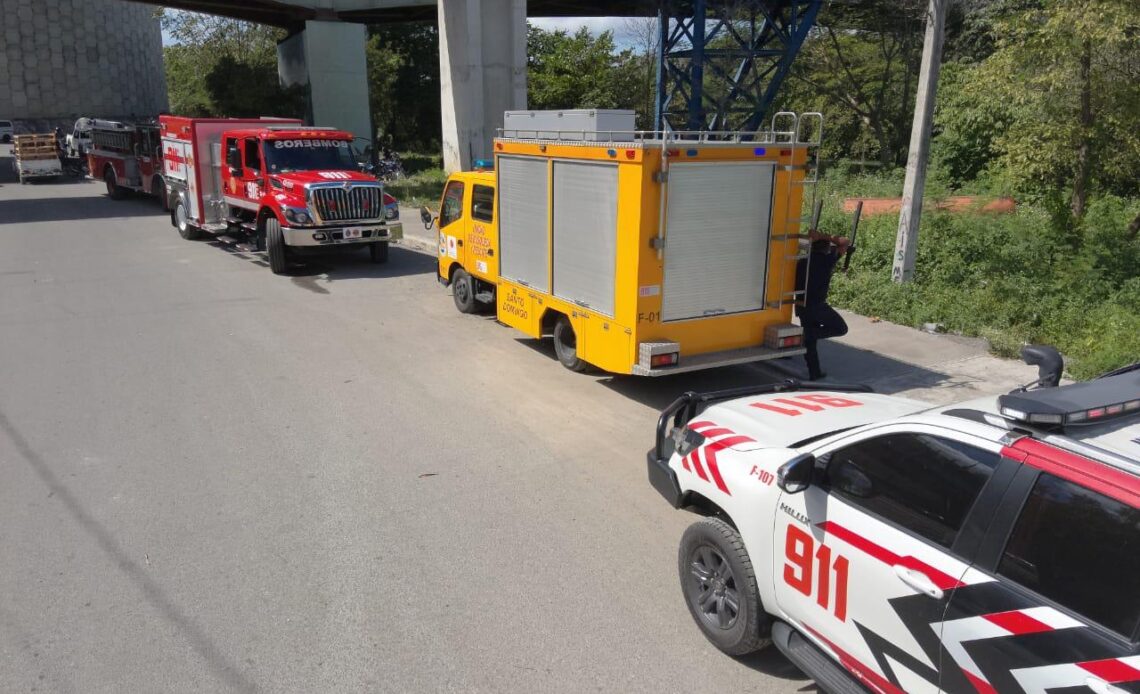
    A significant emergency response was activated in Santo Domingo’s National District following a serious collision between a car and a motorcycle on the Jacinto J. Peynado Bridge in the Puerto Isabela sector. The incident resulted in one individual, presumed to be the motorcyclist, being thrown into the waters of the Isabela River below.

    According to official reports from the coordinated 911 Emergency System, four other individuals involved in the accident were promptly transported to nearby medical facilities for treatment of their injuries. The severity of the collision triggered an extensive multi-agency response, deploying substantial resources to the scene.

    Emergency services mounted a comprehensive search and rescue operation involving four ambulances from the Directorate of Emergency Health Services (DAEH), six National Police units, two Digesett traffic police units, and two firefighting units from the National District Fire Department. The operation received aerial support from a 911 surveillance drone, while specialized dive teams from the Fire Department and Civil Defense personnel conducted underwater search efforts in the river.

    As of the most recent updates, rescue teams have been unable to locate the missing individual. Authorities have confirmed that search operations continue unabated, with the situation remaining fluid and under active investigation. The ongoing efforts highlight the complex challenges faced by emergency responders in water-based rescue scenarios.

  • From cultural icon to courtroom: the alleged RD$40 million Barra Payán embezzlement case

    From cultural icon to courtroom: the alleged RD$40 million Barra Payán embezzlement case

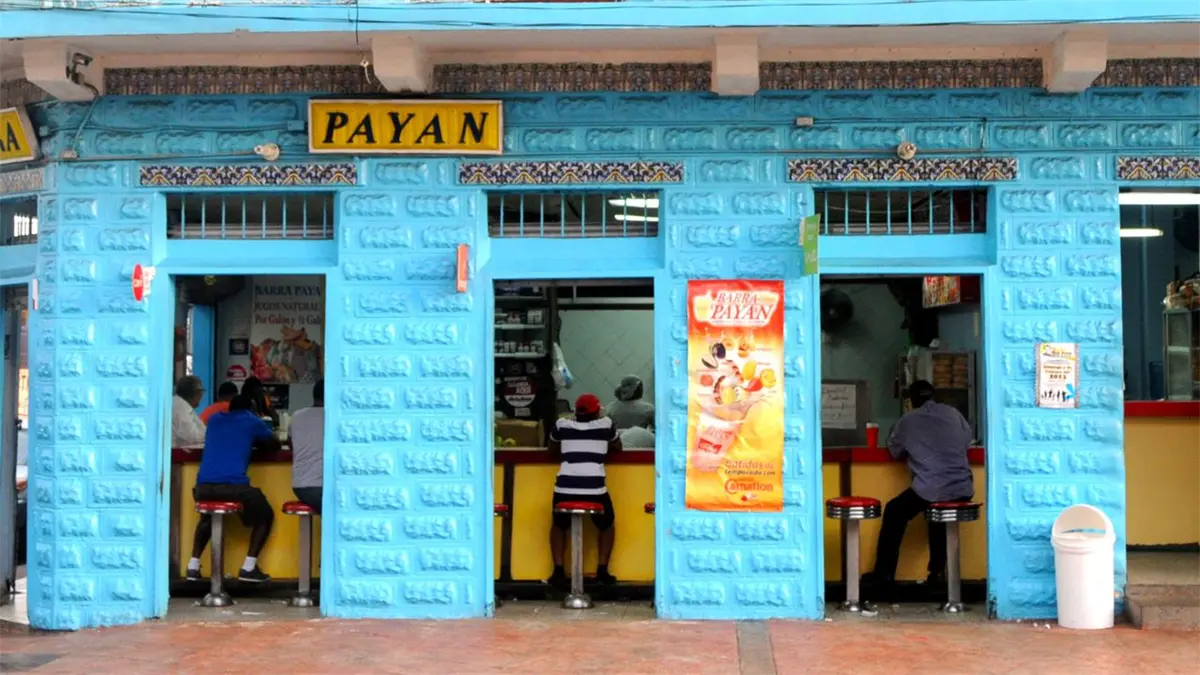
    Santo Domingo’s cherished culinary institution Barra Payán, established in 1956 by Juan Frías Payán and celebrated for its iconic sandwiches and milkshakes, now finds itself embroiled in a severe financial scandal. The Public Prosecutor’s Office has unveiled allegations of an elaborate embezzlement scheme totaling nearly RD$40 million, shaking the foundations of this Dominican cultural landmark.

    According to judicial authorities, former administrators and partners Marcos Antonio Frías García, Juan Ismael Frías García, and Dagoberto Cabrera orchestrated a systematic cash diversion operation between 2019 and 2022. The accused allegedly withheld substantial portions of daily revenue rather than depositing complete sums into corporate accounts, creating significant discrepancies between recorded sales and actual bank deposits.

    A forensic audit certified by the Institute of Certified Public Accountants of the Dominican Republic (ICPARD) quantified the financial damage at RD$39,784,661.18. Prosecutors further contend that company resources were improperly utilized for personal expenditures and unauthorized loan arrangements, pushing the historically stable enterprise toward potential insolvency.

    The alleged financial misconduct victimized multiple family members including Juan Santiago Frías Paulino, Juan Abraham Frías Paulino, Yeimy Cantalicia Frías Paulino, and Juan Carlos Frías Beltrán. Legal proceedings have been initiated under Article 408 of the Dominican Penal Code concerning aggravated breach of trust and disloyal administration.

    Following the defendants’ arrest on February 5, 2026, prosecutors sought coercive measures including a RD$1 million financial guarantee, travel prohibitions, and mandatory court appearances. However, judicial proceedings encountered unexpected delay when defense counsel formally recused Judge Fátima Veloz over alleged partiality concerns. The case has been referred to the Presidency of the Court of Appeals of the National District for evaluation of the recusal petition’s validity.

  • Santiago Prosecutor’s Office destroys 64 illegal slot machines

    Santiago Prosecutor’s Office destroys 64 illegal slot machines

    SANTIAGO – In a decisive move against unauthorized gambling operations, the Santiago Prosecutor’s Office has executed the systematic destruction of 64 slot machines confiscated during a series of coordinated law enforcement operations. The initiative, spearheaded by the Office’s Special Investigations Department, targeted establishments illegally operating gambling devices across the city.

    Prosecutor Merary Guzmán, who leads the department, detailed that the seized equipment—which included gaming machines, associated cards, and software—was recovered from various unauthorized venues. These included corner stores, cafés, billiard halls, and lottery outlets, all operating in violation of Dominican Republic’s Law 29-06. This legislation strictly permits gambling activities solely within licensed and regulated premises.

    The operations were conducted in collaboration with the Cibao Central Regional Intelligence Sub-Directorate (Dintel), represented by Police Lieutenant Colonel Vladimir Félix García Santos, and the Preventive Police. Prosecutor Guzmán emphasized that the presence of such unregulated slot machines in community spaces poses significant social risks, particularly by facilitating underage access to gambling. This exposure, she warned, can precipitate gambling addiction among youth and potentially fuel related criminal behavior to support such habits.

    Notably, the crackdown has garnered substantial support from local residents, reflecting increasing public consciousness about the detrimental effects of illicit gambling on neighborhood safety and family welfare. Reaffirming the commitment of the Public Prosecutor’s Office, Guzmán pledged to continue these enforcement actions with transparency and responsibility, focusing on crime prevention, community well-being, and the protection of minors.