分类: society

  • Venezuelan says he acted alone in bombing that killed 6-y-o

    Venezuelan says he acted alone in bombing that killed 6-y-o

    In a dramatic courtroom development, Daniel Alexander Ramirez Poedemo, the primary suspect in a deadly 2025 terrorist bombing in Guyana, has confessed to acting alone and absolved his co-accused of any involvement. The 33-year-old Venezuelan national made his declaration during Paper Committal proceedings at the Georgetown Magistrates’ Court, presided over by Acting Chief Magistrate Faith McGusty.

    The case stems from the October 26, 2025 explosion at the Mobil Fuel Station on Regent and King Streets in Georgetown, which claimed the life of six-year-old Soraya Bourne. Poedemo faces terrorism charges alongside three other defendants—Alexander Bettencourt (44), Jhonny Boodram (27), and Kystal LaCruz (33)—while three additional individuals face related charges in the Leonora Magistrates’ Court.

    Through a court-appointed interpreter, Poedemo delivered his unexpected confession, stating: “He wants to admit to everything. He was the person. A Guyanese-Venezuelan or Venezuelan-Guyanese gave him the stuff and he did what he had to do. He placed the stuff where he had to place it.” The defendant emphatically maintained that his co-accused were completely uninvolved and expressed his desire for their exoneration.

    Poedemo’s legal representative, attorney Shellon Boyce, initially disclosed her client’s intentions to the court, prompting Acting Chief Magistrate McGusty to seek direct confirmation from the accused regarding his willingness to cooperate fully. Prosecutor Mandel Moore subsequently requested a formal proposal from the defense to present to the Director of Public Prosecutions’ office.

    The judicial process has been adjourned until April 20, 2026, pending submissions from both the defense and prosecution teams. Poedemo was originally apprehended days after the bombing when surveillance footage captured an individual—allegedly the defendant—planting the explosive device before fleeing the scene. The precise motivation behind the attack remains undetermined by authorities.

    The tragic incident occurred when young Soraya Bourne was traveling in a vehicle with family members at the time of the detonation. The case has drawn significant attention due to its cross-border implications and the severity of the charges involved.


  • Tipping point

    Tipping point

    MONTEGO BAY, St James — Jamaica’s education system stands at a pivotal juncture as it develops its 2025–2035 strategic plan, with Montego Bay Community College Principal Dr. Darien Henry advocating for a fundamental reorientation toward systemic resilience and educator support. Speaking at the University of Technology’s Teacher Education Summit, Henry emphasized that resilience must transition from being an individual burden to an institutional responsibility.

    Henry drew upon MBCC’s experience during Hurricane Melissa to illustrate how catastrophic events expose structural vulnerabilities, transforming rather than merely interrupting educational operations. He revealed that teachers frequently served as stability anchors amid chaos, often while managing personal crises and operating in suboptimal conditions.

    ‘The education sector cannot continually expect educators to function as pillars of stability without reinforcing the structures that support them,’ Henry asserted. ‘Resilience encompasses operational, emotional, and profoundly human dimensions that demand policy-level solutions.’

    The academic leader detailed MBCC’s crisis response framework, which incorporated remote management protocols, enhanced communication channels, and a two-phase recovery strategy prioritizing stabilization before restoration. These measures, he noted, were consciously designed to mitigate uncertainty and preserve staff welfare.

    Henry specifically called for formal policy mechanisms addressing teachers’ psychosocial needs, arguing that well-being must be institutionalized rather than relying on informal collegial support. He positioned educator welfare as a performance indicator directly linked to educational effectiveness and system stability.

    As a presidential candidate for the Jamaica Teachers’ Association, Henry’s recommendations align with his broader campaign focus on strengthening professional support systems and elevating educators’ status. He concluded that resilience represents an ongoing practice during reconstruction rather than a destination achieved after recovery.

  • Caricom underscores importance of micro-credentials to regional development

    Caricom underscores importance of micro-credentials to regional development

    PORT OF SPAIN, Trinidad — Caribbean Community (Caricom) officials have declared micro-credentials a strategic imperative for regional development, positioning them as critical tools for addressing climate vulnerability, economic transformation, and skills mobility. The announcement came during the Commonwealth of Learning’s inaugural planning session for the Caricom Micro-Credentials Sub-Framework Development in Trinidad this Monday.

    Alison Drayton, Assistant Secretary-General of Human and Social Development at the Caricom Secretariat, emphasized that these compact learning certifications represent more than educational innovation—they constitute a necessity for the region’s survival and progress. “Our ability to respond effectively to climate crises, build resilience, adapt infrastructure, and transition toward greener economies depends fundamentally on the skills of our people,” Drayton stated before delegates.

    The framework under development addresses twin urgent realities: profound economic and social transformation driven by digitalization and climate vulnerability, and the corresponding need for education systems to demonstrate greater agility and relevance. Micro-credentials offer a pathway to redesign how learning is designed, delivered, and recognized across the Caribbean’s diverse education landscapes.

    Drayton outlined four critical pillars for successful implementation: coherence and quality assurance to ensure credentials are credible and transparent; portability and regional recognition to facilitate labor mobility; responsiveness to labor market needs in emerging fields like renewable energy and climate-smart agriculture; and equitable access for marginalized populations including out-of-school youth, working adults, and rural communities.

    The Assistant Secretary-General cautioned against fragmented regional adoption, emphasizing that the framework must balance national priorities with collective goals. “This consultation is not merely technical—it is foundational to building a new social compact around learning,” she concluded, acknowledging the technical working group’s diligent preparation of the draft framework.

  • A plan that pays!

    A plan that pays!

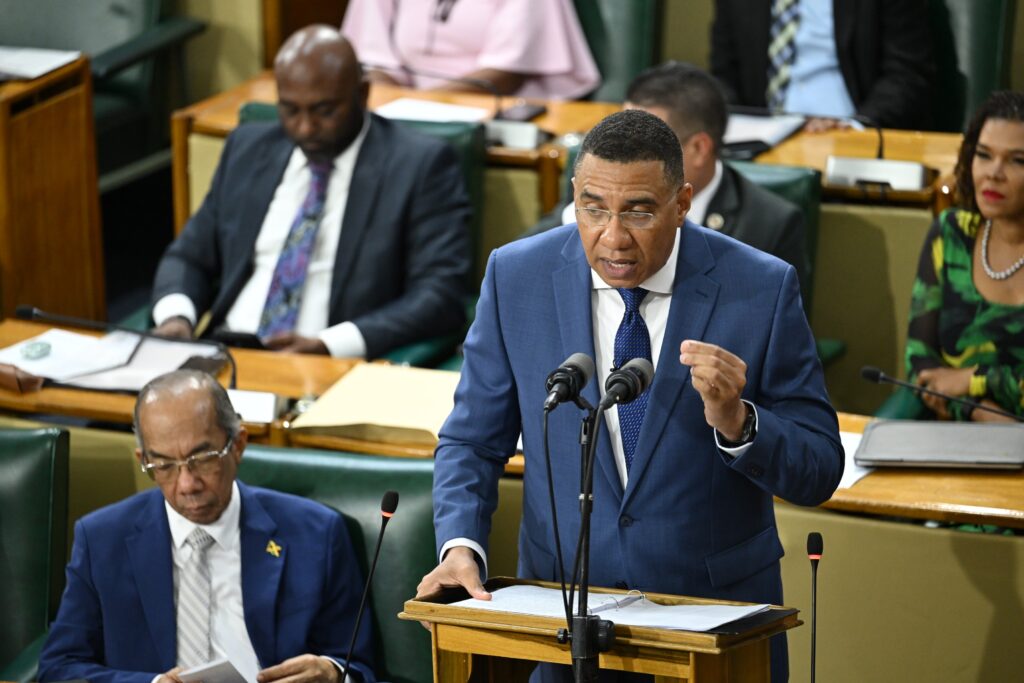
    Jamaica has unveiled an innovative work-study initiative designed to transform the educational landscape and address longstanding financial challenges facing tertiary students. The LEAP (Learn, Earn and Prosper) program, announced by Prime Minister Andrew Holness during the 2026/27 Budget Debate, represents a groundbreaking collaboration between government authorities and student leadership.

    The initiative, developed through the HEART/NSTA Trust, will provide part-time paid employment opportunities for university students across both public and private sectors while they continue their academic pursuits. This strategic intervention directly responds to concerns raised by students regarding education financing and professional development opportunities.

    Roshaun Wynter, President of The University of the West Indies Mona Guild, who played a pivotal role in shaping the program, described the student response as overwhelmingly positive. “Students are genuinely excited because this demonstrates that productive partnerships between government and student leadership can generate meaningful change,” Wynter stated, noting a significant shift from traditionally adversarial relationships to collaborative policy development.

    The program’s conception emerged from extensive student consultations where financial security and professional training emerged as primary concerns. Wynter developed a comprehensive manifesto based on these consultations, which eventually gained traction with education ministry officials and ultimately received prime ministerial endorsement.

    Unlike traditional internship models that require full-time commitment, LEAP offers a specialized part-time framework allowing students to maintain full-time academic status while working 15-20 hours weekly at competitive internship rates. This flexible approach addresses the critical challenge of students juggling full-time work with full-time studies, often compromising academic performance.

    Beyond financial relief, the program incorporates HEART’s job-readiness curriculum to enhance workplace preparedness, simultaneously addressing employer concerns about graduates lacking practical experience. Prime Minister Holness acknowledged student leaders Wynter and University of Technology Jamaica Students’ Union President Percival Roberts for their instrumental leadership in developing the initiative.

    The LEAP program constitutes a key component of Jamaica’s broader strategy to strengthen the transition from tertiary education to workforce integration—an identified gap in the country’s education and labor systems. Stakeholders anticipate pilot implementation this summer, with full-scale deployment targeted for the upcoming academic year.

  • Manor Park bus lay-by and commercial vending zone upgrades underway — Seiveright

    Manor Park bus lay-by and commercial vending zone upgrades underway — Seiveright

    KINGSTON, Jamaica — A significant urban renewal initiative has commenced at Manor Park’s bustling bus lay-by and commercial vending zone, marking the beginning of a comprehensive modernization project for one of the Kingston Metropolitan Area’s most frequented transportation and economic centers.

    Delano Seiveright, Member of Parliament for St Andrew North Central, formally announced the project’s launch, highlighting its dual focus on infrastructure enhancement and socioeconomic improvement for local vendors and commuters. “We are fundamentally transforming Manor Park into an organized, contemporary commercial and transport hub that aligns with Jamaica’s development standards,” Seiveright stated. “After years of suboptimal operating conditions, we’re creating an environment that fosters small business growth, enhances commuting efficiency, and builds community pride through practical, people-centered development.”

    The project represents a collaborative effort between public and private entities, with Seiveright leading coordination alongside private sector partner Richard Lake and the Pan Jamaica Group. Additional support comes from key public agencies including the Kingston and St Andrew Municipal Corporation (KSAMC), with Councillor Susan Senior receiving special recognition for her coordination efforts.

    Initial construction activities began with the removal and environmentally responsible disposal of outdated makeshift vending structures. These preparatory works pave the way for installing modern retail kiosks designed to elevate the area’s visual aesthetics, safety protocols, and functional efficiency.

    Future development phases will introduce modern restroom facilities, strategic landscaping with integrated signage, and covered waiting areas with seating accommodations for commuters. Subsequent construction stages are scheduled to begin next month as the project advances toward full realization.

    The initiative benefits from multi-sector support including contributions from the Lisa Hanna Foundation, Burger King, Popeyes, Wisynco, the Tourism Product Development Company, and the National Solid Waste Management Authority.

    This transformation of Manor Park constitutes one component of a broader strategic effort to upgrade community and commercial spaces throughout St Andrew North Central, focusing on infrastructure improvement, micro-enterprise support, and comprehensive urban management enhancements. Phase one construction is expected to continue progressively in the coming weeks, with subsequent phases following accordingly.

  • Fed up with filth!

    Fed up with filth!

    Jamaica’s National Solid Waste Management Authority (NSWMA) is launching a strategic overhaul of its enforcement operations to combat the pervasive national crisis of illegal garbage dumping. Executive Director Audley Gordon, expressing profound frustration, announced the formation of a specialized, high-caliber enforcement team equipped with advanced investigative and prosecutorial expertise. This initiative responds to escalating complaints from communities like Waltham Park, St. Andrew, where residents report that cleaned areas are repeatedly trashed by motorists and locals shortly after NSWMA interventions.

    Gordon characterized illegal dumping as a widespread and costly national habit that severely strains the agency’s resources. Despite existing efforts—including interceptions, prosecutions, and the installation of ‘No Dumping’ signs that are often torn down or ignored—the problem persists with blatant disregard. The current penalties under the National Solid Waste Management Act (2001) and its 2003 regulations impose fines ranging from JMD $2,000 to $10,000 for violations.

    In a significant regulatory development, Local Government Minister Desmond McKenzie confirmed that legislation to substantially increase these fines is slated for tabling and passage in the upcoming legislative year. This move, seven years after initial Cabinet recommendations, aims to strengthen the framework for public order enforcement. Minister McKenzie emphasized that statutory changes alone are insufficient, requiring a fundamental shift in public behavior and broader stakeholder cooperation, including local authorities and the police.

    The NSWMA’s new strategy involves deploying trained security personnel and experts in undercover operations within six months, supported by an upgraded fleet of vehicles. Gordon concurrently stressed the critical importance of public education and civic responsibility, urging citizens to utilize registered waste haulers and consider the minimal cost of proper disposal against the severe environmental consequences—blocked drains, flooding, and community degradation. He issued a rallying cry for collective national action to transform Jamaica into one of the world’s cleanest nations, asserting that preserving its beauty is a duty shared by all citizens, not just the NSWMA.

  • KW Cares, CORE, Aubyn Foundation and Treasure Bay Estates expand relief effort

    KW Cares, CORE, Aubyn Foundation and Treasure Bay Estates expand relief effort

    A coalition of humanitarian organizations led by KW Cares Jamaica has intensified its post-hurricane recovery operations, delivering critical assistance to vulnerable communities across Jamaica’s western region. Under the strategic direction of co-directors Brittany Ffrench and Keisha Whittingham, the initiative has mobilized significant resources to address the aftermath of Hurricane Melissa.

    On March 20, the collaborative effort saw distribution teams including Community Organised Relief Effort (CORE), Aubyn Foundation, and Treasure Bay Estates providing essential care packages at Fullerswood Primary School in St. Elizabeth. The operation supplied food staples, clothing, and sanitary products to approximately 1,000 households, with additional support extended to the Arlington community in Vineyard.

    Ffrench emphasized the organization’s long-standing commitment to national development through community-focused programs. “In the wake of Hurricane Melissa, we recognized the imperative to expand our outreach and intensify support for those most severely impacted,” she stated. The disaster has highlighted the critical need for unified response mechanisms and strengthened community resilience.

    Since the hurricane’s passage, KW Cares Jamaica has maintained continuous support operations, facilitating home reconstruction and repair projects while coordinating consistent delivery of relief supplies through partner networks. The organization is now planning additional fundraising initiatives, including a benefit play, to sustain recovery efforts.

    Key contributors to the initiative included Nevin Nish (Keller Williams Jamaica Qualifying Director), Shelly James (Local Consultant and Project Manager), and team members Andrea Stultz-Rhône, Sharon Reynolds, Denise Lewis-Bridge, Romeo Farquahson, Jade Richardson, Amanda Saddler, Shelieka Dehaney, and Samantha Mortgage.

  • Bank fraud, money mule probe lands three in hot water

    Bank fraud, money mule probe lands three in hot water

    Jamaica’s Financial Investigations Division (FID) has intensified its crackdown on financial crimes following the apprehension of three individuals connected to an elaborate bank fraud and money laundering operation. The arrests serve as a stark reminder of the dangers associated with permitting unauthorized use of personal banking facilities.

    Law enforcement officials detained Ashanti Johnson (24), Kevin Bentley (37), and David Breverett (54) during coordinated operations conducted across Kingston, St Andrew, and Clarendon between last Tuesday and Thursday. The suspects face multiple charges under the Proceeds of Crime Act, the Larceny Act, and the Cyber Crimes Act. Following their arrest, the accused were granted station bail with court proceedings scheduled for April 10, 2026, at the Kingston and St Andrew Parish Court.

    The investigation, conducted jointly by FID, the Jamaica Constabulary Force’s Specialized Investigation Branch, and local police divisions, uncovered a sophisticated scheme involving unauthorized access to banking accounts and subsequent fund transfers to accounts controlled by the suspects. This methodology represents a prevalent pattern in financial crimes where illicit proceeds are rapidly cycled through legitimate-seeming accounts to obscure their criminal origins and complicate investigative efforts.

    FID analysis reveals critical vulnerabilities within the financial sector where criminals exploit established customer accounts and digital banking channels to integrate illegal proceeds into the formal financial system. Once deposited into these accounts, stolen funds may be withdrawn, transferred across multiple accounts, or utilized in complex transactions designed to eliminate financial trails.

    Dennis Chung, FID Chief Technical Director, emphasized the seriousness of these offenses: “Fraudsters and money launderers depend on established accounts to move illicit funds at scale. The utilization of money mule accounts actively conceals principal actors within criminal networks. We implore the public to exercise rigorous due diligence regarding deposits received on behalf of third parties, particularly those requests involving shared debit cards or PINs.”

    The division specifically cautions young professionals, job seekers, and unemployed individuals who are frequently targeted by criminal organizations with promises of easy earnings, part-time “payment processing” positions, or requests to “assist with fund transfers” using personal bank accounts. What might appear as harmless financial opportunities often transforms participants into crucial components of fraud or money laundering operations.

    FID has identified several red flags indicative of money mule recruitment:
    – Requests to receive or transfer money through personal bank accounts for others
    – Solicitation to open bank accounts specifically for another individual’s use
    – Receipt of substantial or unexplained deposits followed by instructions to withdraw or forward funds
    – Demands for debit cards, online banking credentials, or PIN numbers
    – Offers of payment for permitting account usage for unclear transactions

    The agency reiterated that ignorance provides no legal protection regarding criminal property handling. Individuals permitting account misuse may face arrest, prosecution, and lasting consequences from criminal charges. Public education and vigilance remain essential components in combating money mule operations and preserving the integrity of Jamaica’s financial infrastructure.

  • Gov’t identifies lands in Black River for post-hurricane relocation and reconstruction

    Gov’t identifies lands in Black River for post-hurricane relocation and reconstruction

    KINGSTON, Jamaica — The Jamaican Government has initiated a landmark resettlement strategy targeting communities severely impacted by Hurricane Melissa in the Black River region of St. Elizabeth. Prime Minister Andrew Holness has confirmed the identification of viable land parcels for a comprehensive reconstruction program designed to relocate both residential and commercial properties away from high-risk coastal zones.

    During his address to the House of Representatives on March 19 as part of the 2026/27 Budget Debate, Holness outlined that the Urban Development Corporation (UDC) will lead acquisition talks with affected landowners starting early next month. The government plans to conduct community consultations and awareness sessions to engage residents along the vulnerable corridor in Black River.

    The Prime Minister emphasized that geographic vulnerability necessitated the relocation, citing scientific risk assessments that indicate persistent threats from swamp proximity and rising sea levels. “The most viable solution, based on all risk maps, is relocation,” Holness stated. “We acknowledge the complexity of this process and commit to handling it with utmost sensitivity and transparency. Our objective is to ensure no resident suffers economic loss, and that all livelihoods are ultimately enhanced.”

    While recognizing the protracted nature of such large-scale relocations, Holness called for public patience, underscoring that the program’s ultimate goals are safeguarding citizens, reinforcing infrastructural resilience, and ensuring sustainable community development in climate-vulnerable regions.

  • Advocate flags communication gap for deaf Jamaicans

    Advocate flags communication gap for deaf Jamaicans

    Jamaica’s deaf population faces critical information gaps due to the absence of sign language interpretation in mainstream media and public communications, according to Dr. Christine Hendricks, Executive Director of the Jamaica Council for Persons with Disabilities. This communication barrier poses significant risks during emergencies and excludes approximately 75,000 hearing-impaired citizens from accessing real-time news and public announcements.

    The warning emerged during last Friday’s All-Inclusive Service Webinar, co-hosted by the Ministry of Labour and Social Security, the Management Institute for National Development, and the Jamaica Council for Persons with Disabilities. Dr. Hendricks emphasized that information accessibility must be recognized as a fundamental right rather than an optional feature, particularly as Jamaica accelerates its digital transformation in public services.

    She illustrated the practical dangers of information exclusion, noting that deaf individuals often receive delayed or incomplete information through second-hand accounts. This deficiency becomes particularly perilous during crises such as natural disasters, security incidents, or urgent public announcements, potentially placing lives at risk when critical updates are not accessible in real time.

    The advocacy for sign language interpretation intersects with broader concerns about digital inclusion. As Jamaica progresses toward e-government services, there is growing apprehension that without deliberate accessibility measures, existing inequalities could be exacerbated rather than alleviated.

    Minister of Labour and Social Security Pearnel Charles Jr. acknowledged these concerns, stating that the government is working to embed inclusion into the fundamental design of public services and digital systems. He emphasized that true inclusion extends beyond physical infrastructure to encompass attitudes, systems, and accountability mechanisms across all government institutions.

    Both officials connected accessibility to Jamaica’s national development objectives under Vision 2030, noting that the country’s progress must be measured by how effectively it integrates persons with disabilities into all aspects of societal participation. The minister further highlighted the economic implications, suggesting that removing communication barriers would unlock significant untapped potential within the disability community.

    The discussion also addressed data collection challenges, with Dr. Hendricks noting that Jamaica’s disability population remains significantly undercounted, complicating policy development and progress tracking toward genuine inclusion.