分类: society

  • Belize City Fruit Vendor Scratches and Wins $20K

    Belize City Fruit Vendor Scratches and Wins $20K

    A Belize City fruit vendor experienced an extraordinary Valentine’s weekend transformation after her persistent lottery ticket purchases yielded a monumental $20,000 prize. The 42-year-old single mother of two, who routinely invests between $50-100 nightly in Scratch and Win tickets despite her son’s concerns about the expenditure, finally saw her dedication bear fruit on Thursday evening.

    Following a customary stop at her local grocery store, the vendor purchased $50 worth of tickets and returned home to discover an astonishing double win. Among her purchases, she uncovered two separate tickets featuring ten-times multipliers applied to $1,000 base prizes, culminating in the substantial $20,000 windfall.

    Overcome with emotion, the winner immediately awakened her son to share the life-changing news, embracing him in a celebratory hug that marked the culmination of her persistent efforts. In an interview with Shane Williams, the elated mother described the victory as her ‘real valentine blessing’ and confirmed her intentions to strategically allocate the funds toward housing improvements and business expansion.

    Despite the concerns previously expressed by her son regarding her spending habits, the vendor indicated she would maintain her ticket-buying routine, though now with the validation of her substantial victory. The windfall represents both a personal triumph and a practical opportunity to enhance her family’s living conditions while scaling her small business operations.

  • Valentine’s Day: Roses, Romance… and Red Flags

    Valentine’s Day: Roses, Romance… and Red Flags

    In Belize, Valentine’s Day celebrations extend beyond conventional romantic gestures, with many citizens prioritizing relationship awareness alongside traditional expressions of affection. While florists like Flora-sol Belize reported unprecedented demand—exceeding their 150-order capacity with over 200 requests—the holiday prompted deeper reflections on relational health and deal-breaking behaviors.

    Across Belize City, residents identified several critical red flags in partnerships. Mark Jones emphasized the severity of deliberate deception, stating: “When someone looks you dead in your face and lies, that’s a major red flag. Occasional stumbles might be excusable, but intentional dishonesty destroys trust.”

    Michelle Patt highlighted physical aggression as absolutely unacceptable, noting that “Valentine’s Day symbolizes love and care—violence contradicts everything this day represents.” Communication deficits emerged as another significant concern, with Winner Madubuko explaining: “Adults in relationships must share ideas openly without fear of judgment. Poor communication fundamentally undermines partnerships.”

    Consistency issues and unwarranted jealousy also featured prominently among concerns. Djimon Roberts warned against emotional withdrawal after conflicts, while vendor Alex Rivas described how professional friendliness often gets misinterpreted as flirtation, creating unnecessary tension.

    Despite these challenges, Belizeans shared practical reconciliation strategies. Heartfelt gifts, quality time, and genuine apologies were universally endorsed as relationship-restoration tools. Madubuko emphasized that “gifts must demonstrate sincere remorse and reaffirm commitment,” while Jones recommended combining romantic gestures—like Victoria’s Secret products—with direct apologies.

    The reporting ultimately reveals a nuanced Belizean perspective on Valentine’s Day: while commercial traditions thrive, citizens increasingly value emotional authenticity over performative romance, recognizing that sustainable relationships require both celebration and conscious effort.

  • 16 Cattle Dead in Cayo; BAHA Confirms Cause

    16 Cattle Dead in Cayo; BAHA Confirms Cause

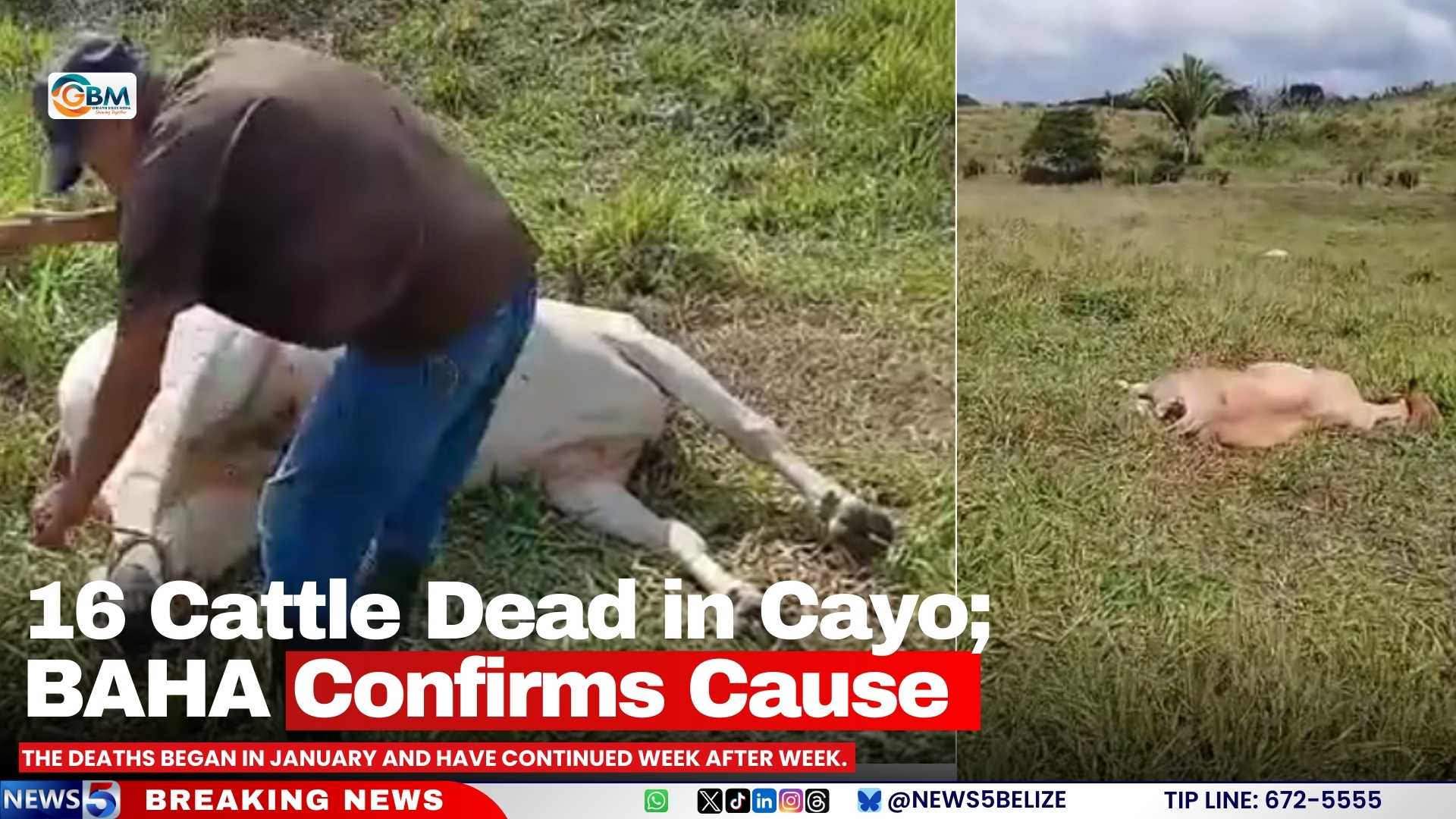
    A distressing agricultural crisis has unfolded in El Pilar, Cayo District, where sixteen cattle have succumbed to a mysterious illness since January 2026. The latest casualties were discovered on February 13th when farmer Adrian Balan and his family arrived at their ranch to administer routine vaccinations, only to find three additional animals deceased.

    The Balan family, who report experiencing similar losses annually for several years, maintains rigorous animal health protocols despite the ongoing tragedy. Their cattle received dual treatments for tick fever and annual vaccinations against blackleg and rabies. The family further investigated potential causes by testing both water supplies and conducting blood analyses on their livestock, all of which returned normal results.

    The Belize Agricultural Health Authority (BAHA) has identified the culprit as anaplasmosis, a tick-borne disease that has prompted more than two months of surveillance in affected regions. BAHA Managing Director Zoe Zetina confirmed the diagnosis, explaining transmission occurs primarily through tick bites and contaminated veterinary equipment.

    “Farmers must enhance their tick management protocols,” Zetina emphasized, noting the disease spreads only through these specific vectors and not through direct animal-to-animal contact. The announcement comes as the Balan family continues to seek solutions to an agricultural nightmare that threatens both their livelihood and food security in the region.

  • Woman Lives in Fear After Attacker Freed

    Woman Lives in Fear After Attacker Freed

    A Belizean domestic violence survivor faces renewed trauma and financial hardship after her assailant was unexpectedly released from prison, leaving her in a perpetual state of fear. Ilsida Navas, 37, suffered life-altering injuries when her partner assaulted her with a machete as she slept last August, resulting in the amputation of her left arm and severe torso injuries.

    The attack occurred in the predawn hours while Navas was asleep. “I had gotten sleepy and went to sleep, and around three in the morning he attacked me with the machete,” the mother of four recounted to local media. Beyond the physical trauma, the incident has devastated her ability to provide for her children as a single parent—their father having left for the United States six years ago without providing support.

    Navas now navigates the challenges of amputee life while seeking funding for a prosthetic arm. Medical professionals in El Salvador have quoted her $3,800 USD for the essential limb replacement, prompting her to seek public assistance for the procedure.

    The situation intensified when Navas discovered her attacker had been freed from Belize Central Prison. “The surprise that I get right now is that the man is already out… He’s walking. I don’t know why,” she expressed, highlighting the justice system’s failure to protect vulnerable victims. Her case underscores ongoing concerns about domestic violence prevention and judicial accountability in Belize.

  • Social reality: Woman, mother and “NEET”: the female face of a worrying statistic

    Social reality: Woman, mother and “NEET”: the female face of a worrying statistic

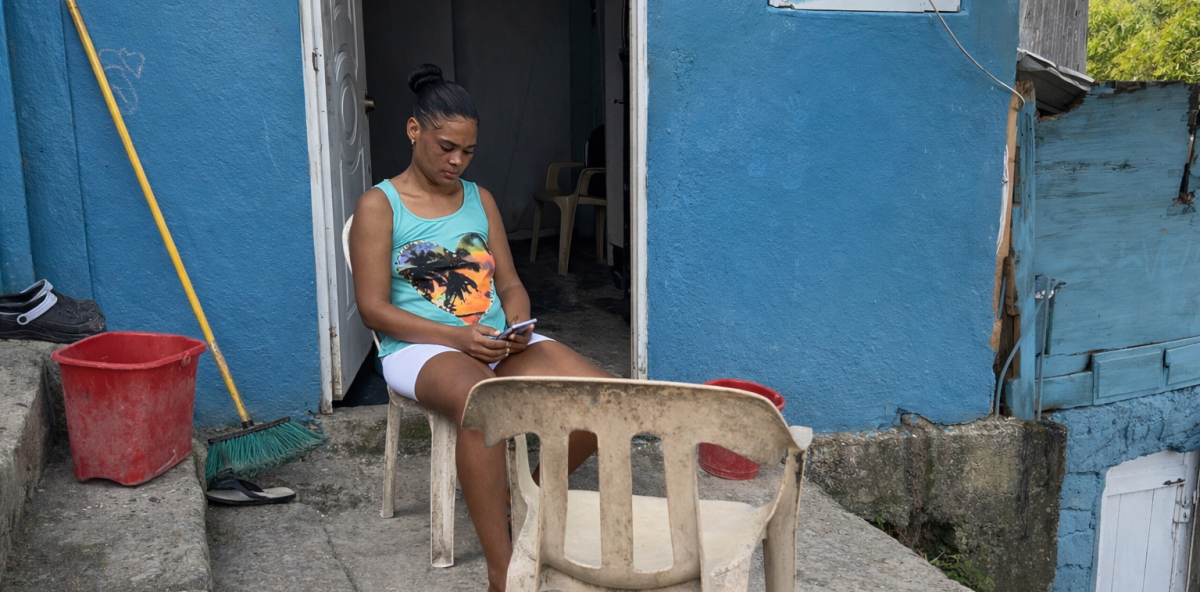
    In the Dominican Republic, a silent crisis disproportionately affects young women, as exemplified by the story of 35-year-old Brianda Araujo Rodríguez. A mother of five, Brianda battles type two diabetes and associated neuropathy that prevents her from maintaining employment. Her last position at a bank ended a year ago, forcing her to rely on siblings for financial support while managing daily insulin injections and Metformin treatments.

    Brianda’s challenges extend beyond health concerns. Her personal history includes a marriage at 15 to a man 14 years her senior—a relationship marked by mistreatment, infidelity, and deception. The early loss of her mother compounded these difficulties, creating a childhood trauma that continues to resonate. Her primary aspiration now centers on ensuring her children avoid repeating her patterns.

    The educational gap affecting her family illustrates broader systemic issues. Two of her five children have been out of school for two years due to inability to secure placements—a situation that reflects national trends. Recent statistics from the National Statistics Office (ONE) reveal that among 628,181 Dominicans aged 18-35 who neither work nor study, 454,779 (72.4%) are women.

    Sociologist Tahira Vargas analyzes this gender disparity through labor market dynamics. “Access to employment is heavily mediated by strategies that are entirely masculine,” Vargas notes, explaining that informal sector jobs—such as motorcycle taxiing, security, and electrical work—predominantly employ men. Women without academic credentials typically find limited opportunities in domestic work or caregiving roles.

    In response to this crisis, the Dominican government launched the “Opportunity 14-24” program in October 2020. Coordinated by the Social Policy Cabinet under Alexander Mordan, this initiative aims to reintegrate vulnerable youth into education systems (ages 14-17) or prepare them for labor market entry (ages 18-24). Despite these efforts, structural barriers continue to perpetuate gender inequalities in economic participation.

  • Grenada Revolution chronicled by photographer Arthur Winner

    Grenada Revolution chronicled by photographer Arthur Winner

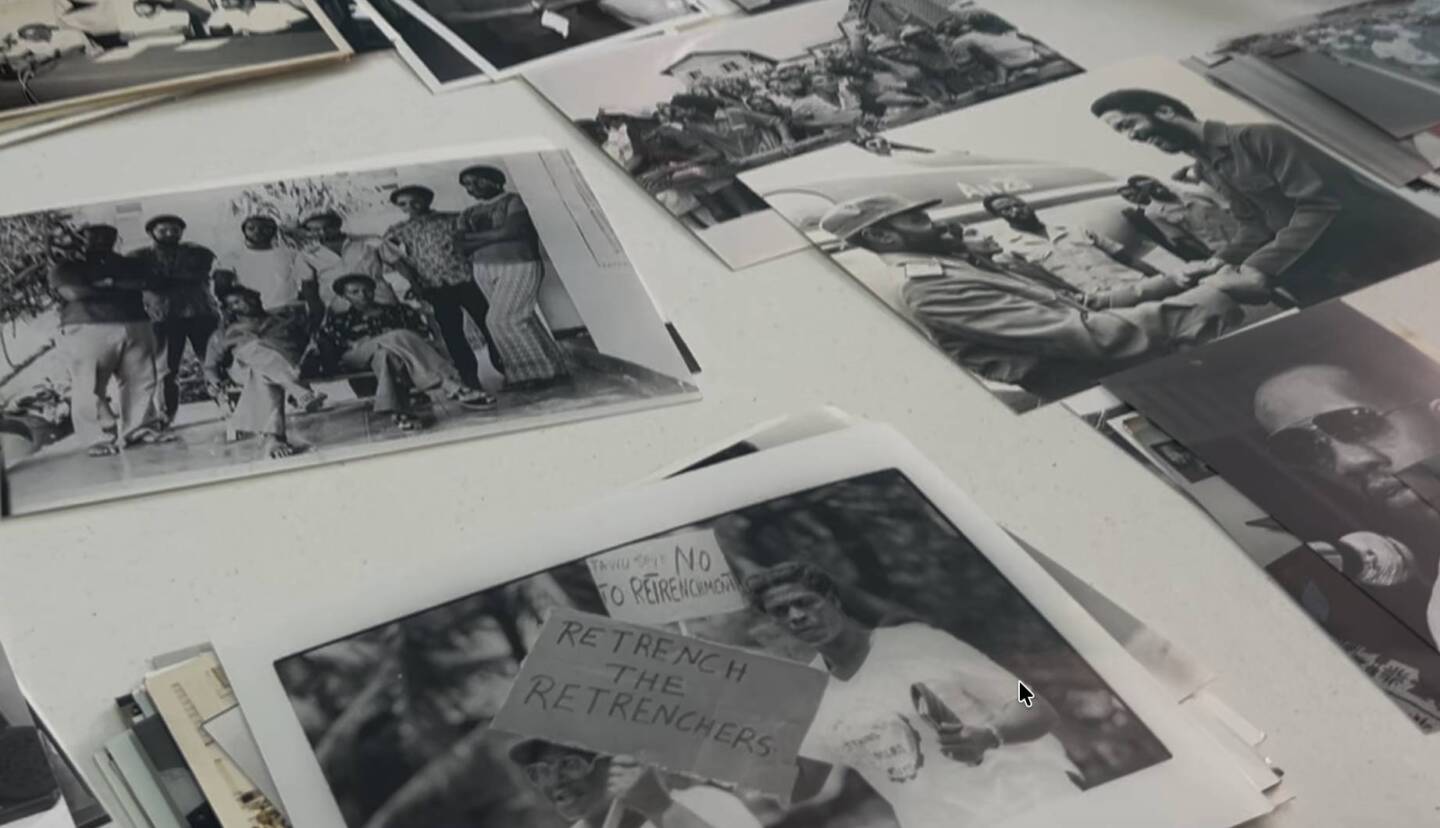
    At 81 years old, Arthur Winner, the unassuming photographer who documented Grenada’s revolutionary era, has formally entrusted his extensive collection of historical images to the Grenada National Trust. The veteran photographer, who describes himself as “a servant of the people,” captured defining moments during the Grenada Revolution while working within the Government Information Service (GIS).

    Winner’s black-and-white photographs represent one of the most significant visual records of Grenada’s modern history, preserved through political turmoil and rescued following the 1983 invasion. The collection includes historic moments such as the visit of Samora Machel, President of Mozambique, where Winner and his colleagues worked through the night to prepare a photographic dossier for the departing African leader.

    Ruggles Ferguson, former head of the government’s media centre, recalled racing to the airport with the finished album, crediting Winner as the critical figure in ensuring the photographs were ready in time. Winner also documented the extensive construction of what is now Maurice Bishop International Airport, week after week, capturing the transformation that would reshape the country’s future.

    The decision to donate his carefully safeguarded negatives came after Winner watched Jumaane Williams, a son of Grenadian soil, deliver an impassioned address about his heritage during his swearing-in as New York City’s Public Advocate. This moment made Winner acutely aware of the pressing need to preserve history for future generations.

    Darryl Brathwaite, President of the Grenada National Trust, emphasized that the donation represents far more than a transfer of old prints—it serves as a foundation stone in the country’s heritage infrastructure. “As a young nation, we are trying to build up our past to guide where we are going,” Brathwaite explained. “This is a national treasure owned by the people.”

    The GNT plans to digitize the entire collection, identify the faces and stories within the photographs, and mount a national exhibition. Discussions are underway to establish a formal national archive where the originals can be preserved under proper conservation conditions. Brathwaite hopes this gesture will inspire other Grenadians to come forward with historical photographs that may hold equally valuable pieces of the national narrative.

  • ‘Worst year ever’: Vendors lament slow Valentine’s Day sales

    ‘Worst year ever’: Vendors lament slow Valentine’s Day sales

    Saint Lucia’s commercial sector experienced a significant Valentine’s Day downturn, with veteran vendors characterizing this year’s festivities as the most economically challenging in recent memory. Market assessments conducted across multiple trading locations revealed unprecedented declines in consumer participation and spending patterns.

    Seasoned merchants with cumulative decades of experience noted the conspicuous absence of traditional revenue drivers. A florist with thirty years of market presence observed, ‘The typical youthful energy was entirely absent this season. Student participation—historically our core demographic—has evaporated compared to previous years.’ The vendor specifically highlighted the cancellation of the annual Love Village festival at Constitution Park, which traditionally features musical performances, poetry recitals, and substantial tourist engagement.

    Economic pressures appear to have fundamentally altered consumer behavior. One fourth-generation vendor noted, ‘Inventory movement has been exceptionally slow. The ongoing WASCO water crisis has diverted disposable income toward essentials rather than romantic purchases.’ This sentiment was echoed by multiple retailers who reported maintaining nearly full inventories despite full-day trading efforts.

    Social dynamics also emerged as contributing factors. Younger vendors expressed concerns about broader cultural shifts, with one noting, ‘The holiday’s spirit has been undermined by growing societal tensions. Romantic celebration feels secondary when community violence dominates daily concerns.’ Another vendor pointed to evolving gender dynamics, observing changed spending patterns in romantic relationships.

    Consumer interviews revealed purposeful redefinition of the holiday’s significance. Rather than traditional couple-centric celebrations, many residents embraced alternative observances. One individual explained, ‘This year represents an intentional pivot toward self-care and personal reflection. Authentic self-love requires the same commitment we typically reserve for partners.’ Others opted for modest celebrations, citing cinema promotions offering $25 couple packages, while some acknowledged no observance due to professional commitments.

    The collective testimony suggests fundamental transformation in how Saint Lucians conceptualize and observe romantic holidays. Economic constraints, reduced institutional support, and evolving social values appear to be reshaping cultural traditions toward more pragmatic or individualized expressions.

  • Pablo Catzim Sentenced to 14 Years for the Murder of Bobby Garcia

    Pablo Catzim Sentenced to 14 Years for the Murder of Bobby Garcia

    In a landmark ruling from the High Court in Belmopan, Pablo Catzim has been sentenced to 14 years imprisonment for the 2018 homicide of 19-year-old Bobby Garcia. The court deducted nearly seven and a half years for time already served in remand since the offense occurred when Catzim was just 15 years old.

    The judicial proceedings revealed that Catzim pleaded guilty to the murder charges and demonstrated remorse for his actions. Defense attorney Bryan Neal emphasized his client’s rehabilitation during incarceration, noting completion of multiple prison programs and potential for societal reintegration. “He has shown himself to be someone who, if reintroduced into society, can be a productive member,” Neal stated in post-sentencing remarks.

    Under special provisions for offenders below age 16, the court will conduct a mandatory review in three years to evaluate Catzim’s eligibility for early release. The prosecution, led by Director of Public Prosecutions Cheryl-Lynn Vidal, acknowledged this unusual sentencing structure that balances punishment with rehabilitation considerations.

    Neal further disclosed that Catzim had formally apologized to Garcia’s parents and expressed contrition to society at large. The defense attorney characterized the sentence as acknowledging both the gravity of the crime and the defendant’s acceptance of responsibility, stating “Everybody deserves a second chance” in comments to press representatives.

  • Family identifies body of teenager in Barre Denis

    Family identifies body of teenager in Barre Denis

    A grim discovery shook the community of Barre Denis in southern Castries on Friday morning when the body of 19-year-old Ziquan ‘Xavi’ Hippolyte was identified by family members. The young man was found deceased near a residential property and a local preschool, lying in a substantial pool of blood with what appeared to be a gunshot wound to the head.

    According to residents, multiple gunshots were heard in the area around 8:00 PM on Thursday evening, suggesting the violent incident occurred hours before the discovery. The crime scene’s proximity to both homes and an educational facility has heightened concerns about community safety.

    The body was initially spotted by a young resident preparing for school. His grandmother, who wished to remain anonymous, described the traumatic moment to reporters: ‘While preparing breakfast for my husband, my grandson approached me and said, ‘Mama, look, you have a dead body by the house.” Initially skeptical, the woman investigated further and encountered the horrifying scene firsthand, prompting her to scream for assistance.

    Preschool teachers from the adjacent educational facility responded to her distress calls and immediately contacted local law enforcement. Police secured the area and launched an investigation, though authorities have released limited information about potential suspects or motives at this early stage.

    The tragic death of Hippolyte has reverberated through the close-knit community, raising questions about public safety and youth violence. As investigations continue, residents await further details from law enforcement regarding this disturbing incident that has left both adults and children traumatized.

  • Huanna Leon marks 38th birthday with Triple Peak Misogi Challenge

    Huanna Leon marks 38th birthday with Triple Peak Misogi Challenge

    In an extraordinary display of endurance and personal determination, Huanna Leon of Saint Lucia marked her 38th birthday by leading a seven-member team on a grueling triple mountain ascent. On February 8, 2026, the group successfully scaled the island’s three most prominent peaks—Mount Gimie, Gros Piton, and Petit Piton—in a single day under the lighthearted theme ‘Three Peaks We Ate.’

    The expedition team comprised three women, three men, and an 11-year-old boy, many of whom had previously joined Leon in last year’s dual Piton climb. This ambitious undertaking represents Leon’s personal interpretation of the Misogi challenge, an ancient Japanese Shinto purification ritual reimagined as an annual voluntary test of physical and mental limits.

    In an exclusive interview with St. Lucia Times, Leon revealed her motivation: ‘The Triple Peak represented taking on the ultimate physical challenge and proving to myself that I’m capable.’ Despite completing the monumental feat just two days before her actual birthday, Leon returned to work that Monday, noting only mild fatigue among all participants. Remarkably, one team member even ascended Piton Flore the following Tuesday.

    The meticulously timed expedition began at 4:30 AM with Petit Piton (completed by 7:47 AM), continued with Mount Gimie (8:49 AM-1:43 PM), and concluded with Gros Piton (3:17 PM-7:11 PM). Leon, a mother of two, emphasized the importance of prioritizing joyful experiences despite busy schedules: ‘Life is hard, but it makes no sense to always be busy without enjoying new experiences. Imagine your 85-year-old self looking back—would they think your current life is cool?’

    The avid hiker has embraced Misogi as an annual birthday tradition that sets a positive tone for her year, providing both a sense of accomplishment and unique conversational material. Her story stands as an inspiration for finding meaningful challenges that push personal boundaries while maintaining life’s essential joy and adventure.