分类: society

  • Politie kampt met groot personeelstekort; boetegelden ingezet voor herstel voertuigen

    Politie kampt met groot personeelstekort; boetegelden ingezet voor herstel voertuigen

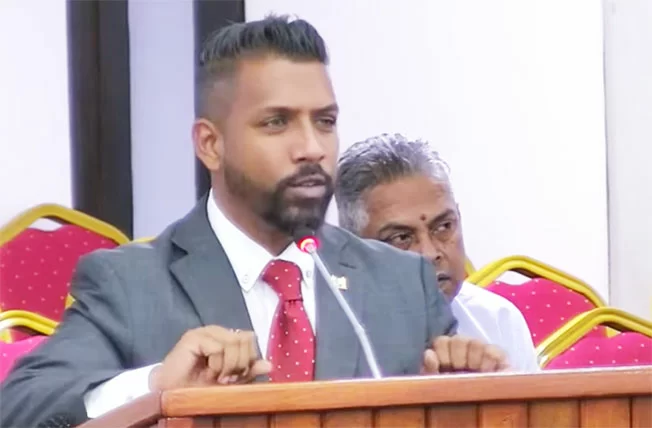
    Suriname’s law enforcement capabilities are being severely hampered by systemic shortages in both personnel and operational resources, according to Justice and Police Minister Harish Monorath. During a parliamentary session in the National Assembly, the minister disclosed that the executive police apparatus currently operates with fewer than 2,800 officers—significantly below the recommended strength of approximately 5,000 personnel required for adequate task execution.

    The staffing crisis is compounded by critical equipment deficiencies, particularly in the vehicle fleet. Despite recent acquisitions of new vehicles, a substantial portion rapidly became inoperable due to technical malfunctions. In December alone, 14 vehicles required repairs costing SRD 300,000, funded through fine revenue collections—an emergency measure deemed necessary to maintain operational readiness.

    Minister Monorath highlighted another pressing issue: approximately 400 police personnel are allocated outside regular operational duties. These officers provide personal protection for government officials, judiciary members, National Assembly representatives, and other high-risk individuals. Additional officers are seconded to various intelligence and support services, including the Directorate of National Security, LVV, and Public Works departments.

    While acknowledging these assignments strain available operational capacity, Monorath emphasized they fall within the state’s broader national security responsibilities. The minister confirmed ongoing institutional strengthening efforts through specialized training programs and modernization initiatives at the police academy. A consultant has been engaged to elevate training standards to international benchmarks, mirroring previous military academy reforms.

    These enhancement measures are incorporated in the 2026 budget, with some already in preparation or implementation despite the state’s broader fiscal challenges. Monorath reiterated that police capacity deployment must consistently align with legal frameworks governing general and special police duties as established in the Constitution and Police Charter.
  • Seven Years Later, Justice Delivered in Bobby Garcia Murder

    Seven Years Later, Justice Delivered in Bobby Garcia Murder

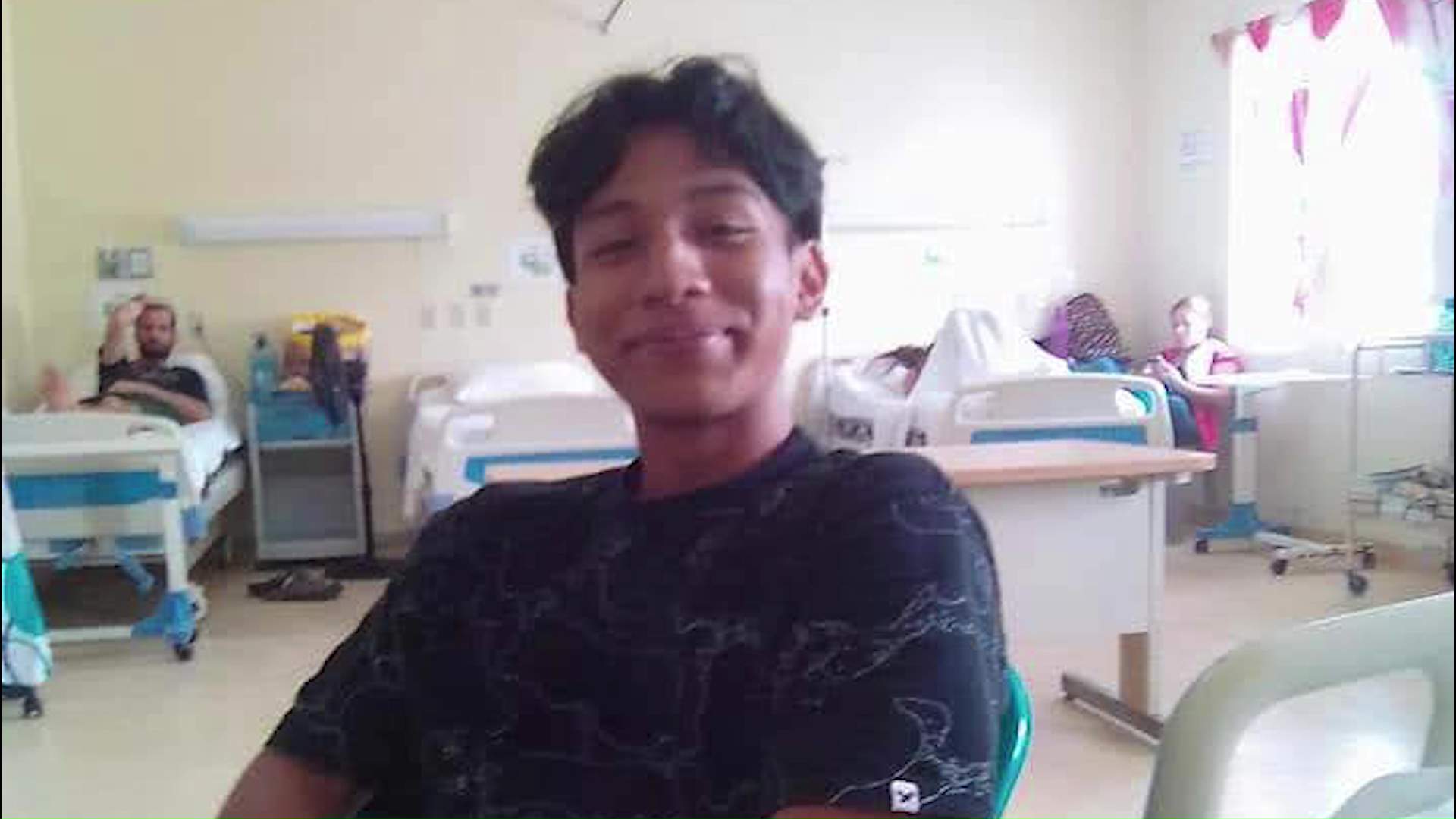
    After a protracted seven-year judicial process, Belize’s High Court has finally rendered judgment in the brutal 2018 murder of eighteen-year-old Bobby Garcia. Pablo Catzim, who was fifteen at the time of the offense, received a fourteen-year sentence for the killing that occurred at the Cahal Pech archaeological site. The court acknowledged Catzim’s juvenile status at the time of the crime, ordering a parole eligibility review after three years of incarceration.

    The case involved particularly disturbing circumstances, with evidence indicating Garcia was lured to the location before being subjected to multiple stab wounds to the chest and severe lacerations to his face and throat. The assailants documented the murder through photographs during its commission.

    Justice Cumberbatch presided over the sentencing, weighing both the brutality of the crime and the defendant’s demonstrated rehabilitation efforts during his seven years in remand. Catzim completed secondary education with distinction and participated in over a dozen rehabilitation programs while incarcerated.

    The court considered mitigating factors including Catzim’s traumatic upbringing marked by domestic violence, the loss of his biological father, subsequent abuse by his stepfather, early cannabis use from age eleven, and documented struggles with suicidal ideation.

    Only one of the two originally charged teenagers faced conviction, as the alleged accomplice was acquitted after cooperating as a crown witness.

    Bobby Garcia’s family expressed profound disappointment with the sentence. Oscar Garcia Sr., the victim’s father, emphasized the irreversible nature of their loss, contrasting their permanent tragedy with the perpetrator’s opportunity for eventual reintegration into society.

    Defense attorney Bryan Neal characterized the judgment as balancing accountability with redemption, noting Catzim’s contrition and apology to the Garcia family and society. Legal provisions for juvenile offenders mandated the court’s structured approach to sentencing and potential rehabilitation.

    The case has sparked broader societal conversations about youth violence, parental responsibility, and juvenile justice reform in Belize, with both the judicial decision and family statements serving as a poignant reminder of the human impact of violent crime.

  • Cayo Ranchers Hit Hard by unexplained Cattle Deaths

    Cayo Ranchers Hit Hard by unexplained Cattle Deaths

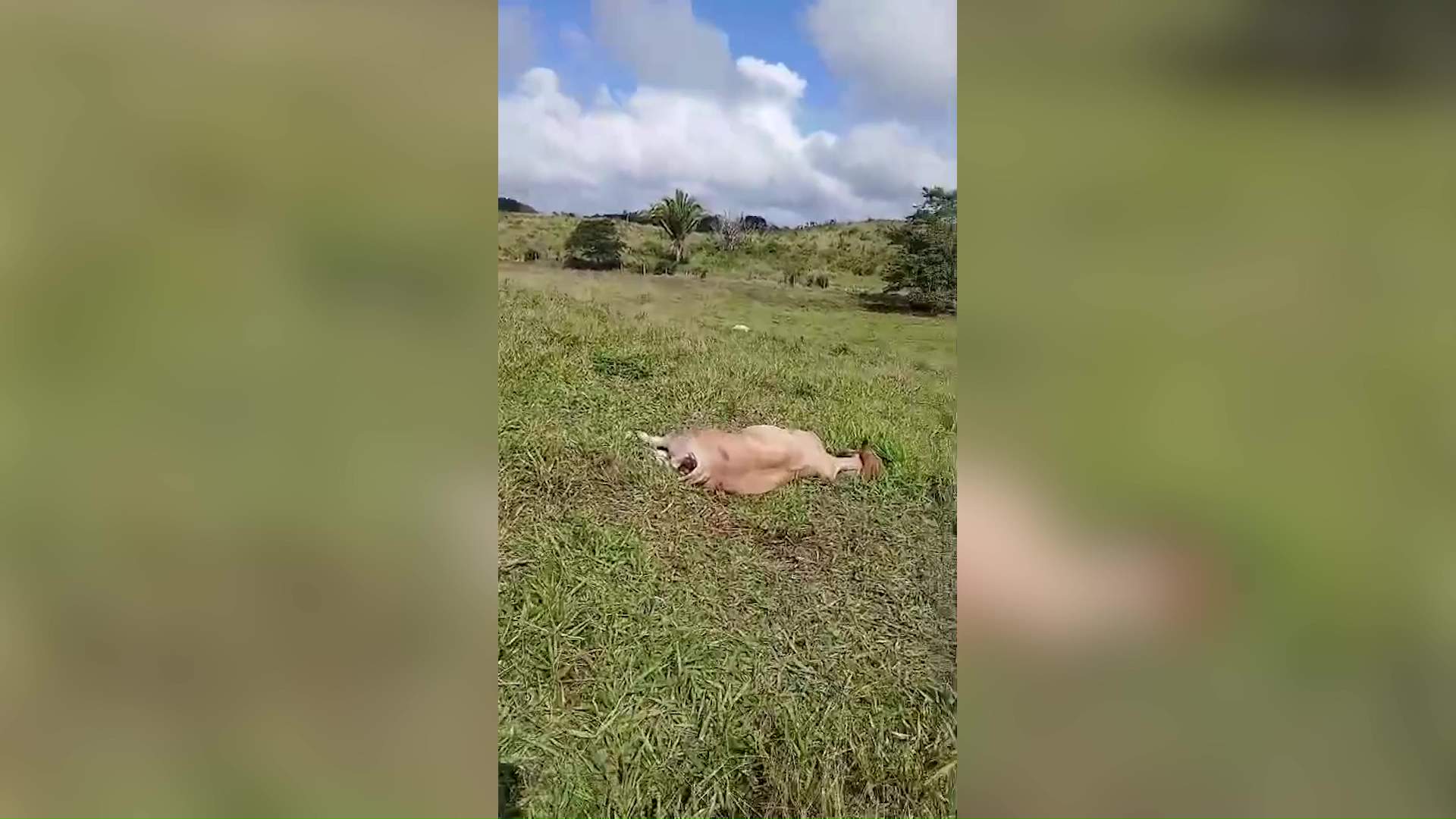
    A multi-generational ranching family in El Pilar, Cayo District, is confronting an agricultural crisis as their cattle herd suffers mysterious fatalities that have claimed sixteen animals since January 2026. Despite comprehensive vaccination protocols and professional intervention, the unexplained deaths continue to devastate the family’s livelihood.

    Adrian Balan, representing the family-operated ranch, reported discovering three additional deceased animals during a routine vaccination visit on February 13th. The ranchers have implemented all standard preventive measures, including vaccinations against blackleg, rabies, and tick fever—diseases common to Belize’s cattle industry. The Belize Agricultural Health Authority (BAHA) has conducted extensive testing, including water quality analysis and blood work, yet all results have returned negative for known pathogens.

    “We vaccine every year back-to-back and we are still losing,” Balan stated in an emotional account. “The animals appear completely healthy before suddenly dying. Even with Ministry of Agriculture assistance, we cannot identify the cause.”

    The family’s frustration is compounded by the financial impact of each loss, with no clear solution in sight. Agricultural officials have ruled out blackleg based on post-mortem examinations but remain uncertain about the actual cause. While tick fever was initially suspected, multiple vaccinations against this disease have failed to stop the fatalities.

    This ongoing situation highlights vulnerabilities in local agricultural systems and the critical need for advanced veterinary diagnostics in rural farming communities. The Balan family continues to seek answers as they watch their traditional livelihood diminish with each unexplained death.

  • Caye Caulker Shooting Leads to Wild Pursuit

    Caye Caulker Shooting Leads to Wild Pursuit

    A violent shooting on the tranquil island of Caye Caulker escalated into a dramatic police pursuit on Thursday evening, disrupting the peaceful atmosphere of the Belizean paradise. The incident commenced at approximately 8:30 PM when gunfire erupted along Parrot Fish Street, prompting immediate police response.

    Upon arrival, law enforcement officers witnessed a golf cart carrying three male occupants accelerating away from the scene, initiating a high-speed chase through the village’s narrow thoroughfares. During the pursuit, one individual leaped from the moving vehicle, discarded a suspicious object into a roadside garbage container, and swiftly reboarded the fleeing cart.

    The trail ultimately led authorities to the Caye Caulker Health Center, where they discovered 22-year-old Dominic Castillo suffering from a gunshot wound to his back. Medical personnel provided emergency treatment at the local clinic before transferring the victim to the Karl Heusner Memorial Hospital in Belize City for advanced medical attention.

    Police investigators subsequently retrieved the discarded item, identified as a 9mm Taurus pistol loaded with seven live ammunition rounds. Law enforcement officials have detained a 29-year-old local resident in connection with the weapon’s possession. Additional forensic evidence collected near Hawkbill Street, including seven spent shell casings and blood traces, suggests a more complex sequence of events than initially apparent. The investigation continues as authorities work to reconstruct the precise circumstances surrounding this violent disturbance.

  • Armed Duo Targets Guard in Overnight Ambush

    Armed Duo Targets Guard in Overnight Ambush

    BELIZE CITY – A violent overnight assault on a security guard has triggered an intensive police investigation in Belize City. The incident occurred around 10 PM on February 13, 2026, when two armed individuals launched a direct attack on 49-year-old Justo Pineda during his security shift at JL’s Quick Loan establishment on Douglas Jones Street.

    According to law enforcement officials, the perpetrators approached the security booth with deliberate intent and discharged multiple rounds before fleeing the scene under cover of darkness. In a concerning development, investigators confirmed the assailants absconded with two firearms that were supposed to be properly secured on the premises.

    The Belize Police Department mounted an immediate response, resulting in the apprehension of two teenage suspects in proximity to the crime scene. Forensic teams documented the area extensively, collecting spent shell casings and live ammunition as critical evidence.

    Medical authorities report that Mr. Pineda sustained injuries but has now reached stable condition following emergency treatment. The suspects face serious charges including attempted murder and firearm theft, while detectives continue investigating the precise motives behind this audacious violent crime that has heightened security concerns throughout the community.

  • After Losing Arm in Attack, Navas Fights to Rebuild

    After Losing Arm in Attack, Navas Fights to Rebuild

    In a harrowing account of survival and resilience, San Ignacio resident Ilsida Navas is courageously rebuilding her life after surviving a vicious domestic assault that resulted in the amputation of her left arm. The August 2024 incident saw Navas attacked with a machete while sleeping, sustaining severe chop wounds to her limbs, stab injuries to her chest, and ultimately losing her left arm entirely.

    Navas recounted the terrifying prelude to the attack, describing how her partner had initially denied her basic necessities before forcing her to drink cleaning fluid. The violent escalation occurred around 3:00 AM when he assaulted her with the machete, attempting to drive the weapon into her heart before inflicting the injuries that would cost her limb.

    The single mother of four now faces new challenges in her recovery journey. While a Salvadoran physician has agreed to provide a prosthetic arm, the $3,800 cost presents a significant barrier. Navas has launched a public appeal for assistance to fund the prosthetic, which would restore her independence and ability to provide for her children.

    Compounding her trauma, Navas recently learned that her attacker has been released from Belize Central Prison, forcing her to live in constant fear while simultaneously navigating physical recovery and single parenthood. The father of her children relocated to the United States six years ago and has provided no support, leaving Navas as the sole caregiver despite her life-altering injuries.

  • Belizean Med Students in Cuba Struggle Through Deepening Hardships

    Belizean Med Students in Cuba Struggle Through Deepening Hardships

    Belizean medical students pursuing their education in Cuba are confronting unprecedented challenges as the Caribbean nation grapples with severe economic constraints exacerbated by intensified international pressures. What began as an ambitious educational pursuit has transformed into a daily struggle against infrastructure failures and resource scarcity.

    The deteriorating situation has manifested through critical fuel shortages, extensive power interruptions lasting up to eighteen hours daily, and severe disruptions to basic communication services. These conditions have created substantial barriers for students attempting to maintain academic focus while navigating survival in an increasingly unstable environment.

    Beverly Williams, a medical student from Dangriga who relocated to Cuba for her studies, exemplifies this struggle. Initially residing in private accommodation, Williams was compelled to return to university housing due to unsustainable power outages that rendered electric cooking appliances unusable. Educational institutions have implemented emergency measures by connecting student residences to hospital power grids, providing temporary relief through prioritized electricity access. However, this solution remains precarious and subject to Cuba’s worsening energy crisis.

    The communication breakdown presents particularly acute challenges. Unreliable internet connectivity has virtually eliminated video communication, forcing students to rely on sporadic text messages to maintain contact with concerned families in Belize. This technological isolation compounds the psychological strain of enduring resource scarcity.

    Transportation difficulties and inflationary pressures have further complicated daily existence. Soaring prices for essential commodities including food and hygiene products have created financial strain, while mobility constraints hinder access to supplies. Students report growing anxiety about potential complete disconnection from external support systems as the crisis deepens.

    Despite these adversities, institutional support provides some reassurance. The Belizean government and diplomatic representatives in Cuba have maintained consistent communication with students, emphasizing their welfare as a national priority. Ambassador Iliana Swift has implemented regular check-in protocols to monitor student wellbeing, though concerns persist regarding the sustainability of this support as Cuba’s economic situation deteriorates.

    The students’ predicament reflects broader regional challenges, highlighting how geopolitical tensions and economic policies can directly impact educational opportunities and cross-cultural exchange programs. Their experience underscores the vulnerability of international students during host country crises and the importance of contingency planning for overseas education initiatives.

  • New Policy Targets Harassment in Public Service

    New Policy Targets Harassment in Public Service

    The Belizean government has enacted a groundbreaking workplace protection policy designed to transform the public service sector. On February 13, 2026, Cabinet officials approved a comprehensive Anti-Sexual Harassment Policy that establishes robust mechanisms for addressing workplace misconduct. This initiative moves beyond symbolic gestures by implementing concrete operational frameworks that clearly delineate prohibited behaviors, coverage parameters, and standardized reporting protocols.

    The policy architecture includes meticulously defined sexual harassment classifications, ensuring no ambiguity in identifying inappropriate conduct. It further establishes transparent investigative procedures and outlines definitive disciplinary measures for violations. Government representatives emphasize this policy represents a strategic component of their broader commitment to fully operationalize the existing Anti-Sexual Harassment Act.

    Beyond procedural mechanics, the initiative aims to cultivate an organizational culture where public officers experience genuine security and professional respect. This preventative approach seeks to create environmental deterrents rather than merely responding to incidents after they occur. The policy sets a new benchmark for institutional accountability within Belize’s public service infrastructure, potentially serving as a model for other nations addressing similar workplace challenges.

  • New Sand Mining Permits Frozen as North Stann Creek River Faces Mounting Threats

    New Sand Mining Permits Frozen as North Stann Creek River Faces Mounting Threats

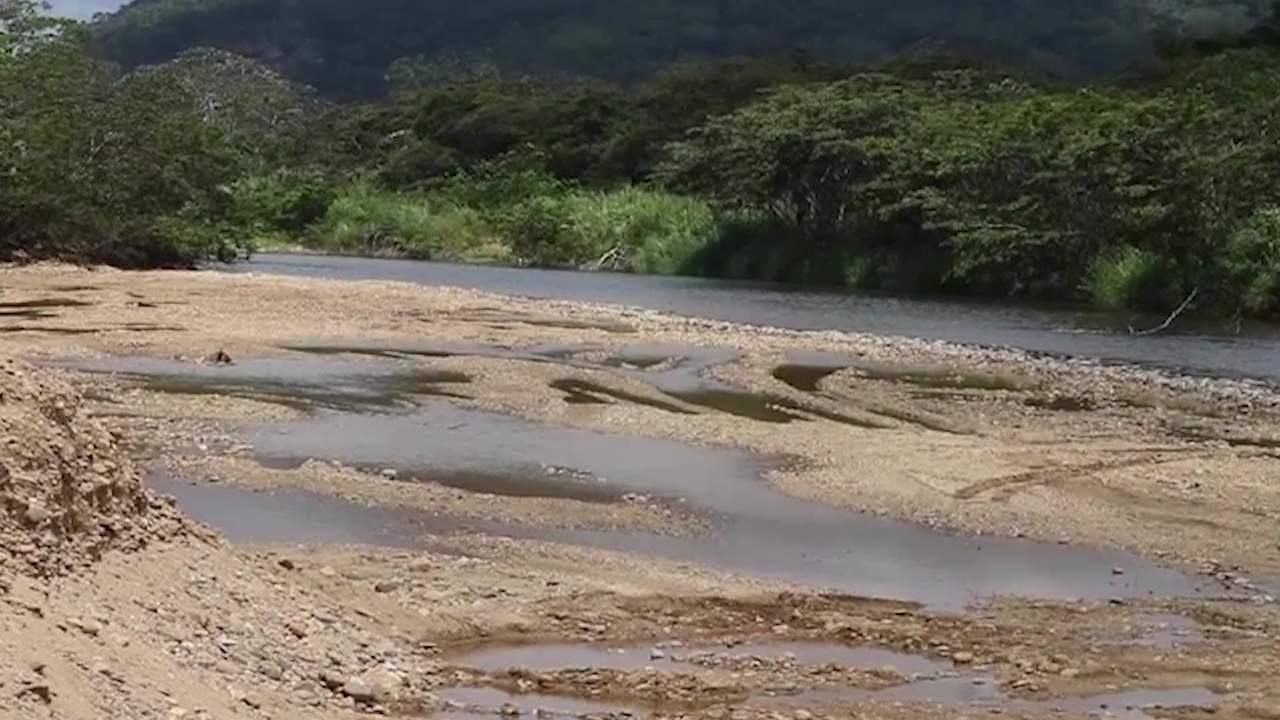
    In a decisive environmental protection move, Belizean authorities have implemented an immediate moratorium on new sand and gravel extraction permits for the ecologically sensitive North Stann Creek River watershed. This critical watercourse, which originates in the Hummingbird Hills and serves as the primary water source for approximately 20,000 residents throughout the Stann Creek Valley, has faced escalating ecological pressures from commercial mining operations.

    Local communities have consistently documented concerning environmental degradation including significant bank erosion, habitat destruction for aquatic species, water contamination, and exacerbated flooding patterns directly linked to extraction activities. The river, traditionally celebrated by residents as providing ‘sweet, sweet wata,’ has demonstrated visible signs of ecological stress under cumulative mining impacts.

    The national Cabinet, following comprehensive review of technical assessments, has determined that precautionary measures must supersede further commercial development. Rather than approving additional extraction licenses for 2026, governmental bodies will initiate a rigorous scientific evaluation during the second quarter of the year. Specialized technical teams will conduct detailed geomorphological and ecological surveys of existing sandbars to establish evidence-based carrying capacities for sustainable resource management.

    This policy shift represents formal governmental acknowledgment of longstanding community concerns regarding the river’s deteriorating condition. The interim moratorium allows for development of science-informed regulations that will establish precise extraction thresholds ensuring both environmental protection and regulated resource access. The decision underscores official recognition that the North Stann Creek River’s ecological integrity and community services are too valuable to compromise through unregulated extraction practices.

  • DJ Cas Responds to Theft Allegations; Police Say He’s Wanted

    DJ Cas Responds to Theft Allegations; Police Say He’s Wanted

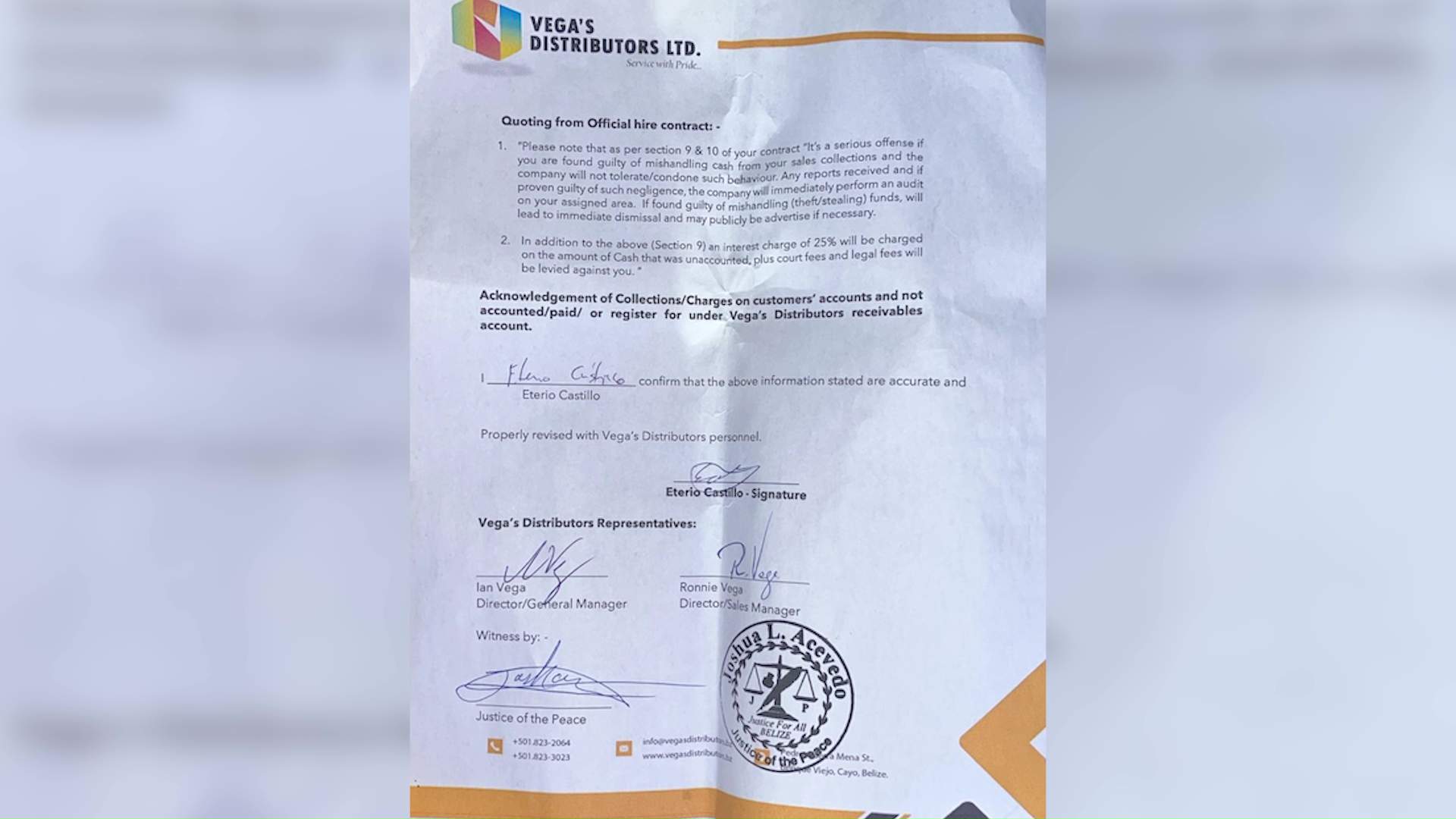
    Prominent Belizean DJ and document runner Eterio ‘DJ Cas’ Castillo has publicly refuted allegations of financial misconduct leveled by his former employer, Vega’s Distributors. The company alleges Castillo misappropriated over $32,000 through unauthorized cash collections from clients across Belize City, San Pedro, and Orange Walk.

    In an exclusive interview with News Five, Castillo presented his defense against the accusations. “I’ve never stolen any money,” he stated emphatically. “I signed a contract to pay what I owe based on what we agreed upon during our discussions.”

    The controversy emerged when Vega’s Distributors conducted an internal audit revealing numerous unpaid balances from commercial clients. However, subsequent investigations uncovered that these businesses had already submitted payments directly to Castillo through cash transactions or transfers to his personal banking account.

    Addressing claims of evading law enforcement, Castillo asserted: “I am not fleeing the country. I’m here. I’ve never gone anywhere. I am not wanted by the police department.” He claimed to have contacts within the Belize Police Department who would have notified him of any active warrant.

    When confronted about allegations from social media commentators suggesting similar past behavior, Castillo challenged his accusers: “I’ve always told people well then go to the police and report it.”

    Contrary to Castillo’s assertions, subsequent verification with Benque police authorities confirmed that an active warrant exists for his apprehension regarding questioning in the investigation. The discrepancy between Castillo’s claims and official police statements adds complexity to the unfolding legal situation.