分类: society

  • Burglars Target Belize Cancer Society in Belize City

    Burglars Target Belize Cancer Society in Belize City

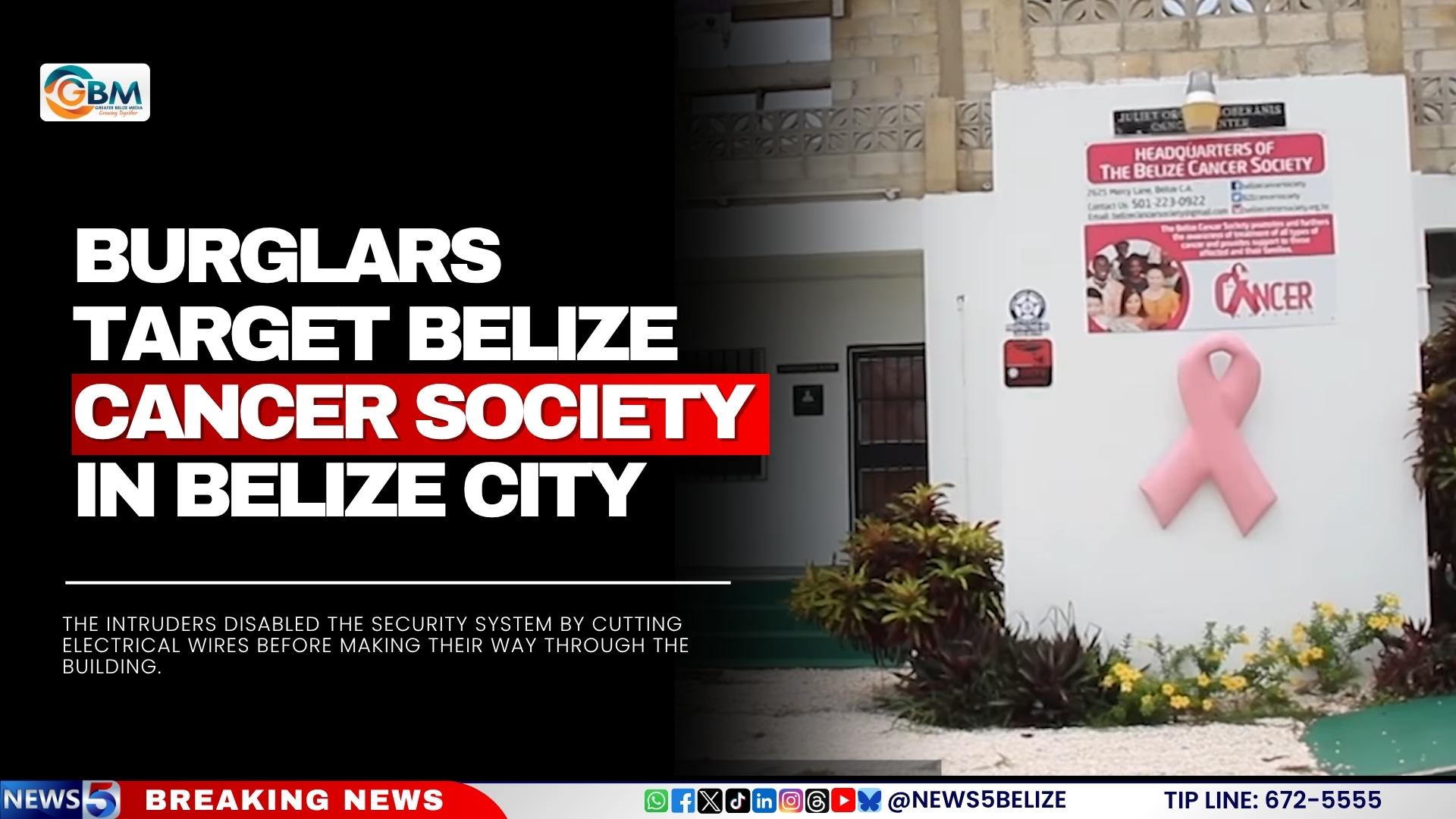
    In an overnight break-in that has sparked outrage across local community circles, burglars targeted the Belize Cancer Society’s offices in central Belize City, stealing critical equipment from the organization’s on-site infusion center where hundreds of patients receive ongoing life-sustaining cancer treatment. Law enforcement authorities confirmed Tuesday that investigations into the incident are already underway, with early forensic evidence gathering pointing to a planned entry by perpetrators who disabled security infrastructure before ransacking the building.

    According to initial police reports, the intruders gained access to the compound after cutting electrical wires that powered the facility’s security alarm and surveillance system. By disabling these protective measures, the group was able to move freely through the office space and target specific high-value items for theft, rather than acting in a spontaneous, opportunistic manner.

    The stolen property includes a large display television that was used by patients and care teams in the infusion center, a small amount of petty cash held for daily operational expenses, and multiple smaller electronic and office items. Officials with the Belize Cancer Society confirmed that the organization keeps no large cash reserves on the premises, a security precaution that prevented a far greater financial loss from the incident. As of Wednesday, investigators and society administrators were still conducting a full room-by-room inventory to document all missing and damaged property, meaning the total value of losses is not yet finalized.

    In a statement released to the media, a senior representative of the non-profit organization expressed deep disappointment over the break-in, emphasizing that the Belize Cancer Society operates exclusively as a community-focused entity dedicated to supporting vulnerable cancer patients and expanding access to affordable care across the country. The representative added that the incident has disrupted routine operations at the facility, forcing administrative teams to rearrange patient services while security upgrades are arranged, and called on anyone with information about the burglary to contact police immediately.

  • IsraAID expands school disaster preparedness programme to vulnerable primary schools across Dominica

    IsraAID expands school disaster preparedness programme to vulnerable primary schools across Dominica

    In a landmark step toward building long-term climate and disaster resilience across the Eastern Caribbean, humanitarian NGO IsraAID Dominica has officially launched the second level of the Kay & Kelan Early Childhood Disaster Risk Reduction (ECDRR) Toolkit, rolling out the new educational resource to 21 high-vulnerability primary schools across Dominica in partnership with the island nation’s Ministry of Education.

    Designed specifically for early primary learners in Grades 1 through 3, generally aged 6 to 8 years old, this expanded initiative builds on nearly a decade of collaborative work between IsraAID, the Dominican Ministry of Education, and regional stakeholders to embed disaster risk reduction into formal education systems. The original Kay & Kelan programme launched in 2017, starting with preschool and pre-kindergarten students to introduce foundational safety concepts from the earliest stages of learning.

    Unlike traditional textbook-based learning, the Level 2 toolkit uses interactive, play-centered activities tailored to young children’s developmental needs to teach core concepts of disaster preparedness and emergency response. The comprehensive kit includes a wide range of hands-on educational materials: a student activity book titled *Kay & Kelan Can Prepare for Different Hazards*, a detailed teacher’s manual for curriculum integration, a full toolkit implementation guide, 26 educational flashcards, a USB drive loaded with original disaster safety songs, two themed puzzles, two safety-focused board and card games, and a large multi-hazard educational wall poster.

    Synde Moses Joseph, IsraAID’s Director for Dominica and the Eastern Caribbean, noted that the programme has outgrown its original scope and evolved into a self-sustaining regional model, already successfully implemented across neighboring islands including Saint Lucia and Saint Vincent. Joseph emphasized the transformative power of the long-standing partnership with the Ministry of Education, noting that the initiative has become a locally owned, digitally enabled school resilience curriculum that no longer requires external leadership from IsraAID.

    “We are deeply grateful to the Ministry of Education for the collaborative foundation we have built over the years,” Joseph said. “They didn’t just welcome our programme—they helped shape it, opening access to schools, educators, and students across the country. Today, we call on the Ministry to champion this work as a regional model of educational resilience that other island nations can follow.”

    Dominica’s top education officials have expressed enthusiastic support for the programme’s expansion, highlighting its critical role in creating safe, supportive learning environments for young students amid growing climate uncertainty. Chief Education Officer Jeffrey Blaize reaffirmed the Ministry of Education’s unwavering commitment to student safety across all contexts, noting that physical and emotional safety is a prerequisite for effective learning.

    “Safety is at the core of everything we do,” Blaize explained. “We prioritize keeping students safe from all threats, including environmental hazards, and building spaces where children feel comfortable and supported. When children feel safe, they are ready to learn. Beyond that, maintaining continuous education in disaster-impacted communities restores a critical sense of normalcy. In a crisis, education provides psychological and emotional support to children, keeping them protected while helping them process overwhelming challenges.”

    Assistant Chief Education Officer Nadia Ferrol added that the initiative does more than teach individual safety—it cultivates a widespread culture of preparedness that empowers children to protect themselves, their families, and their entire communities. “We thank IsraAID for their investment in building resilience in our schools across Dominica,” Ferrol said.

    The rollout of the Level 2 toolkit marks a new chapter in disaster risk reduction education for small island developing states like Dominica, which face disproportionate risk from climate-fueled natural hazards. By starting safety education in early childhood, the programme aims to embed a lifelong culture of preparedness that will protect generations of learners across the Eastern Caribbean.

  • Fraser blasts govts for ‘total disaster’ in preserving historic buildings

    Fraser blasts govts for ‘total disaster’ in preserving historic buildings

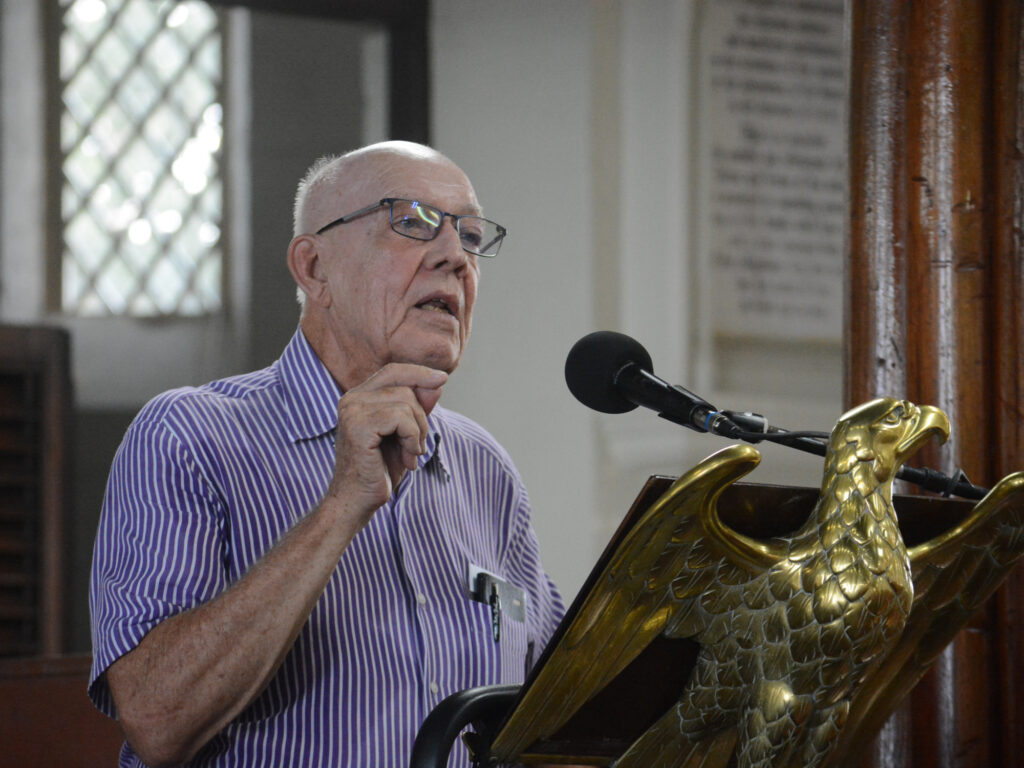
    Barbados’ irreplaceable collection of historic architecture is facing an unprecedented existential threat, driven by decades of inaction from every consecutive national administration, a leading global expert on Barbadian built heritage has warned. Professor Emeritus Sir Henry Fraser, a former president of the Barbados National Trust and one of the nation’s most respected voices on cultural preservation, issued a scathing rebuke of both past and current governments, calling the current state of heritage stewardship an unmitigated disaster.

    In an exclusive interview with Barbados TODAY, Sir Henry said that national efforts to protect the island’s one-of-a-kind architectural landscape have been effectively frozen for generations, stretching back to the administration of Prime Minister Tom Adams. “This government, the last government, the previous government, and the government before that, has made no effort to preserve our built heritage, absolutely none,” he stated. “Not since Prime Minister Tom Adams has there been any serious interest in the magnificent heritage of Barbados.”

    While the expert acknowledged that a small number of isolated preservation wins have been achieved – most notably the phased restoration of Bridgetown’s Parliament Buildings, which he credited entirely to the persistent advocacy of Dame Billie Miller – even these high-profile milestone projects have fallen victim to longstanding bureaucratic neglect. As a key example, he pointed to the Museum of Parliament, which has remained shuttered and inaccessible to the public for years despite the completion of the main building restoration.

    “This is a very poor job of caretaking our heritage. These are our national treasures that carry the story of Barbados’ history that have been allowed almost to rot,” Sir Henry argued. He added a stark warning: the island’s crown jewel of heritage, Historic Bridgetown and its Garrison, a designated UNESCO World Heritage Site, could lose its international protected status if the current trend of neglect continues. “They will sooner or later take it away,” he cautioned.

    Sir Henry’s critique lands amid a period of rapid physical transformation across the Barbadian landscape, as new construction reshapes much of the island’s urban and coastal areas. The professor emphasized that he is not opposed to thoughtful modern architecture, highlighting contemporary projects such as the Sagicor building on Lower Collymore Rock as excellent examples of well-executed contemporary design. The core problem, he argued, lies in a broken regulatory framework that consistently fails to strike a healthy balance between new development and heritage preservation.

    In his view, town planning regulators have repeatedly approved destructive construction projects that should never have been granted permission. Fixing this systemic failure does not require just minor tweaks to existing legislation, Sir Henry explained – it demands a complete shift in institutional priorities and cultural sensitivity towards heritage assets.

    Current planning regulations, overseen by the Planning and Development Department (originally founded in the early 1960s as the Town and Country Planning Department), are constrained by rigid, technocratic rules focused narrowly on site efficiency, property boundaries, building setbacks, and parking requirements. The system has no formal mandate to conduct qualitative, aesthetic assessments of proposed developments that impact historic sites, Sir Henry said.

    Beyond heritage protection, the flawed regulatory framework has created practical public safety risks, he added: “It doesn’t appear to have the power to improve many a blind corner that lead to traffic accidents. And it hasn’t appeared for some time to have town planners who either have the vision, sensitivity, or authority to take decisions that relate to aesthetics. You would have to have a determination on the part of the Minister of Planning, and you would have to have professionals with the appropriate training to have any sort of impact on town planning decisions.”

    The ripple effects of this decades-long neglect extend beyond cultural preservation, directly damaging community heritage and the fast-growing sports tourism sector, a topic Sir Henry explored in depth in a recent Barbados TODAY column. His comments come after the current government announced plans to formally grant heritage status to the childhood homes of two Barbadian cricket legends: Sir Frank Worrell and Sir Garfield Sobers. Reacting to the announcement, Sir Henry offered a measured mix of cautious optimism and deep skepticism, rooted in 35 years of failed efforts to preserve Worrell’s former home.

    He detailed the long and frustrating history of Bostonville, Worrell’s childhood residence in Bank Hall, located just behind the Empire Cricket Club. Sir Henry first discovered the abandoned property 35 years ago, and led a volunteer pro bono restoration effort alongside former West Indies cricketer and builder Richard “Prof” Edwards. The project concluded with a formal ceremony, where then Prime Minister Sir Lloyd Sandiford unveiled a commemorative marble plaque marking the site’s significance.

    Despite that successful community-led restoration, bureaucratic inaction allowed the property to fall back into disrepair and ruin within years. A second effort to redevelop the site into a popular cricket-themed café and museum ahead of the 2007 ICC Cricket World Cup also collapsed when pledged government funding was diverted to other unrelated projects, leaving the historic landmark abandoned once again.

    The property holds unique cultural meaning: its stone veranda was modified by Sir Frank’s father specifically so he could watch his son play cricket from behind the Empire Cricket Club wall. Sir Henry emphasized that the site holds enormous potential to inspire local communities and draw cricket-loving tourists from across the globe. He urged the current government to break the long cycle of official neglect by finalizing a binding formal agreement between the national government, the Worrell family, and the Empire Cricket Club to secure the site’s future.

    As one of the most pivotal figures in West Indian cricket history, Sir Frank Worrell transformed the sport and became a powerful symbol of regional Caribbean pride. Decisive action from national leaders is urgently needed, Sir Henry argued, to ensure that irreplaceable cultural landmarks like this are preserved as living parts of Barbadian history, rather than left to crumble or cleared for short-sighted modern development.

  • Dry spell: El Niño phenom weakens rainfall as drought warnings persist into wet season

    Dry spell: El Niño phenom weakens rainfall as drought warnings persist into wet season

    Even as the Caribbean island nation of Barbados enters its annual wet and hurricane season, a long-running drought is projected to persist for months, with climate forecasters linking sustained dry conditions to El Niño-driven rainfall suppression that could stretch water scarcity into early 2025. In an official advisory released from the capital Bridgetown, the Barbados Meteorological Services (BMS) outlined that while the seasonal shift typically brings more regular showers and active thunderstorm activity, persistent El Niño conditions in the Pacific Ocean are drastically cutting into expected precipitation totals this year.

    El Niño is a recurring climate pattern defined by above-average sea surface warming across the central and eastern Pacific. This oceanic shift reshapes global atmospheric circulation, often weakening the moisture-laden weather systems that ordinarily deliver consistent rainfall to Caribbean island nations.

    For Barbados, which marked the start of its wet season two weeks ago, this translates to far fewer, less sustained rain events, raising the odds of prolonged dry spells and deepening drought even in the wettest part of the year. BMS data shows total rainfall recorded through the end of May hit 278.4 millimeters, near the island’s historical average, but more than 70 percent of that total fell across just a handful of days in January and March, creating extreme uneven distribution of precipitation.

    This patchy rainfall has left vegetation severely stressed, especially in the southern and southwestern regions of the small island. While a handful of tropical waves have passed through the region in recent weeks, they have only delivered minimal, short-term relief from the ongoing dry conditions. Looking ahead to the next three to five months, BMS experts project rainfall will stay at or below historical averages through October, with El Niño forecast to strengthen over that period— a shift that carries a 75 percent probability of occurring, according to current climate models.

    Forecasters caution that while isolated, intense downpours may trigger temporary localized flooding in low-lying parts of the island, these brief bursts of rain do not effectively recharge Barbados’ critical freshwater aquifers. Those underground water reserves require slow, sustained rainfall to replenish, meaning even occasional heavy storms will not resolve the underlying water scarcity.

    Compounding the island’s water challenges, Barbados has also entered its annual heat season. While forecasters do not expect temperatures to surpass the record highs set in 2023 and 2024, with moderate relief from consistent brisk trade winds, above-average air and sea surface temperatures are still locked in for the coming months. This combination of heat and dryness creates elevated heat stress risk for outdoor workers, children, older adults, and vulnerable people living with chronic health conditions, particularly on increasingly humid days and warm nights when overnight cooling is limited.

    Under the current outlook, BMS plans to elevate official drought alert levels through October: formal drought warnings will remain in place for June and July, followed by drought watches from August through the end of October. BMS officials also warn that the convergence of above-average temperatures, below-normal rainfall, and strong winds through this wet season could set the stage for an unusually dry start to 2025, meaning new drought warnings may be issued before the end of 2024.

  • Training Starts for JPs to Handle Domestic Violence Cases

    Training Starts for JPs to Handle Domestic Violence Cases

    After months of unanticipated delays, government-led specialized training for a vetted cohort of senior Justices of the Peace (JPs) has officially gotten underway. This new initiative will empower these selected legal officials to issue emergency interim protection orders for domestic violence survivors during periods when courts are closed, addressing a long-standing gap in after-hours support for vulnerable victims.

    Attorney General Anthony Sylvestre laid out the details of the streamlined new process in a public briefing. Under the revised framework, survivors can walk into any pre-designated police station during weekends, public holidays, or other court closures to request an emergency protection order, eliminating the need to wait for court business to resume. Once approved, the order goes into effect immediately: responding officers will locate the alleged perpetrator, serve formal notice, and outline the binding conditions of the order. When courts reopen the next business day, the case will automatically be assigned to a magistrate for a full evidentiary hearing with both parties in attendance.

    Sylvestre acknowledged that the rollout of the program took far longer than initial projections, attributing the delay to the complex cross-agency coordination required to launch the new system. Multiple stakeholders, including national police forces, the national magistracy, and the country’s human development department, had to align policies, protocols, and training frameworks to ensure the system functioned effectively. “Given the nature of the collaboration that had to be undertaken with the various agencies… [it] required some careful thought and planning,” he explained.

    To guarantee the integrity of the program, all selected JPs must meet strict eligibility requirements, Sylvestre confirmed. Candidates must first complete a minimum of 10 years of service as a standard Justice of the Peace to qualify for senior JP status, then serve an additional five years with a completely unblemished professional record to be considered for this specialized cohort. This stringent vetting process is designed to ensure only the most experienced, ethical legal officers are authorized to issue these critical emergency orders.

    The initiative also addresses widespread public concerns about cases where the alleged perpetrator is a serving police officer. Sylvestre confirmed that a separate, specially vetted team of police officers will oversee these high-stakes cases, selected explicitly for their proven track record of upholding impartiality, carrying out duties without fear or favor, and prioritizing survivor safety over institutional loyalties. “That concern was precisely why specific police officers have been selected and trained to manage the process,” he noted.

    In a final move to remove barriers to access for survivors, the Attorney General confirmed that no fees will be charged to applicants seeking emergency interim protection orders during court closures. Any potential associated costs will be addressed at a later stage, when the full case proceeds through the formal court system, removing an immediate financial burden for victims seeking urgent protection.

  • Bail denied for PH driver charged in murder of Mercedez

    Bail denied for PH driver charged in murder of Mercedez

    A 26-year-old man from Palo Seco, Richard Renalis, has been refused bail after being formally charged with the murder of 12-year-old Mercedez Layne, whose death was ruled to be caused by blunt force trauma following an autopsy. Renalis made his first virtual court appearance before Master Kateisha Ambrose-Persadsingh, who publicly read the charge filed by Corporal Byer-Baptiste of the region’s Homicide Bureau of Investigations. The prosecution was led by Constable Kevin Felix, a serving legal officer for the case, while court-appointed defense attorney Cavell Sylvester represented Renalis during the hearing.

    The case traces back to late last week, when the 12-year-old primary school student, a standard four pupil, got into a privately owned vehicle around 11 a.m. on Saturday that was supposed to transport her to her home on Los Iros Road. When she never arrived at her destination, alarm bells were immediately raised, triggering a large-scale multi-party search effort. Relatives, close friends, local villagers, uniformed police officers, and members of the Hunters Search and Rescue Team — a volunteer group helmed by Vallence Rambharat — combed the surrounding area for hours before her remains were discovered the following Sunday.

    Her body was located in a heavily overgrown, bushy stretch of land alongside Carapal Road in Erin. Following the recovery of the body, forensic examiners conducted an autopsy that confirmed the cause of death was blunt force trauma.

    Charging authorization came on the Wednesday after the discovery of the body, when Joan Honore-Paul, special advisor to the Director of Public Prosecutions (DPP), formally issued instructions to file the murder charge against Renalis. During the virtual hearing, Master Ambrose-Persadsingh issued a scheduling order mandating that the prosecution complete and submit its full case file to the DPP. A date of September 8 was set for the assignment of a dedicated State attorney to the prosecution team. Renalis was immediately remanded into custody following the hearing, with the case’s sufficiency review scheduled to take place on February 4 of next year.

  • NEMO on Alert as Heavy Rainfall Continues

    NEMO on Alert as Heavy Rainfall Continues

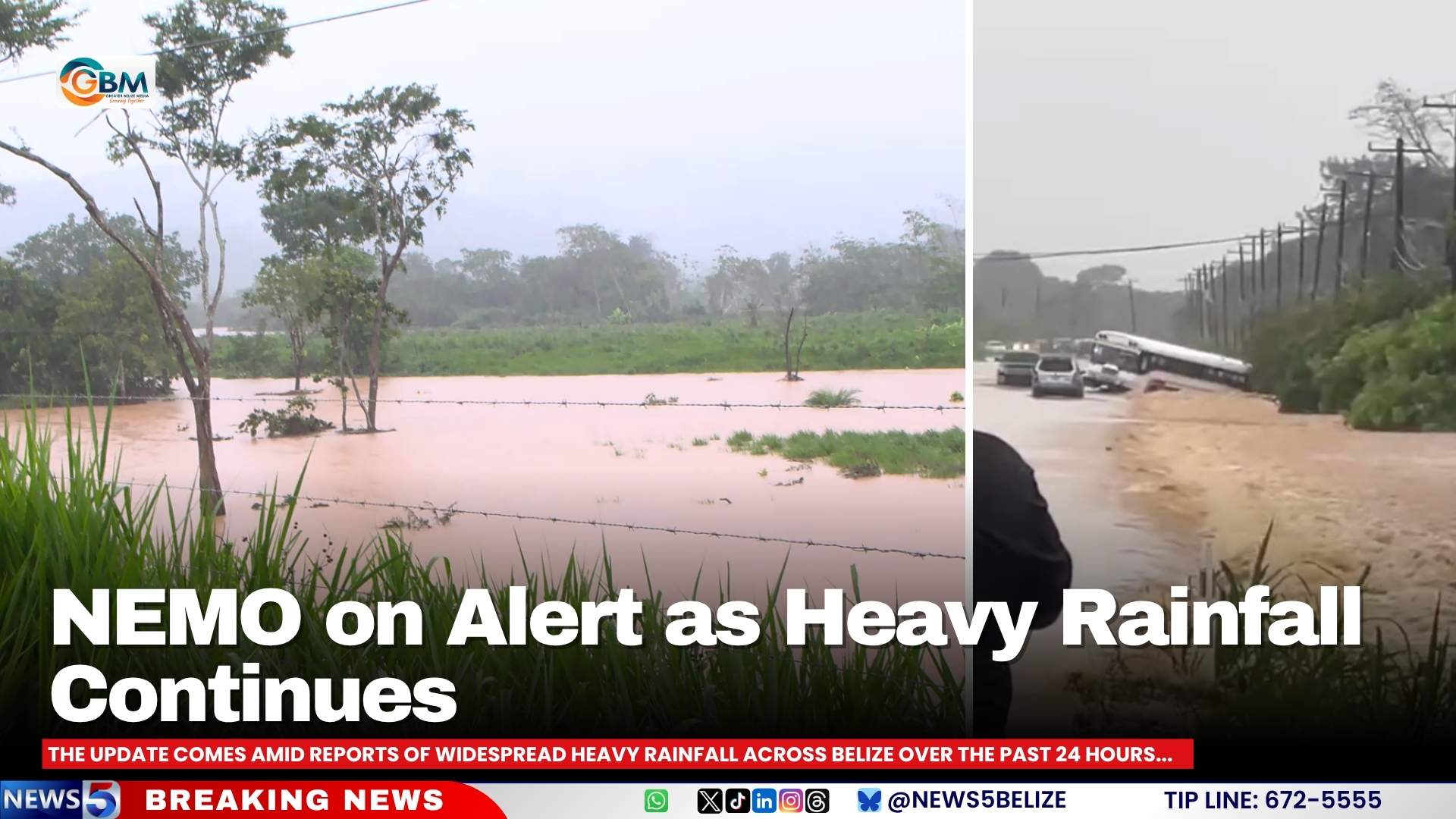
    As prolonged heavy rainfall continues to lash multiple regions of Belize — with the Stann Creek District facing the most documented impacts so far — the National Emergency Management Organisation (NEMO) has kept all its operational teams across the country on high alert, according to a public update released June 11, 2026.

    National Emergency Coordinator Daniel Mendez confirmed in a statement that local response teams have already been deployed to Stann Creek to address a small number of weather-related incidents that have emerged over the past 24 hours. NEMO’s national monitoring operations are running in constant coordination with the nation’s meteorological and hydrological services, which are tracking rainfall accumulations and changing flood risks in real time.

    “Our teams across the country have been on alert. We have been monitoring, along with the Met Service and the hydrology service, the rainfall,” Mendez said, noting that regional coordinators in hard-hit Stann Creek have been on the ground leading local assistance efforts since incidents began being reported.

    The ongoing precipitation event has brought widespread downpours to Belize over the last day, with central and northern parts of the country recording particularly significant moisture accumulations. Early official measurements from weather and hydrology experts show some areas of central Belize have already received more than eight inches of rain, leaving the ground saturated and raising immediate concerns over localized flash flooding.

    Forecasts call for additional heavy showers over the next 24 hours, with some regions expected to see another four to eight inches of rainfall. Hydrologists have warned that steep topographical terrain and the nation’s network of river systems amplify the risk of rapid runoff and worsening flooding across multiple vulnerable regions.

    Mendez emphasized that while NEMO remains fully prepared to scale up its response if weather conditions deteriorate, the agency has not yet needed to fully activate its national emergency response system. “There is always a potential for further activation of the system. But at this point there has not been the need,” he explained.

    Even without a full activation, all NEMO regional offices across Belize remain on standby, with open lines of communication maintained between all branches of the country’s emergency management network. “As the information comes in, the rest of the country remains on the alert. So, all our offices are aware and have been making communications with the different components of the system,” Mendez said, reaffirming that the agency is positioned to launch a rapid, coordinated response should flooding or other weather-related emergencies escalate across the nation.

  • 15-year-old girl dies after headache

    15-year-old girl dies after headache

    A sudden and tragic death has shaken the quiet community of Petit Valley, after a 15-year-old local girl collapsed unexpectedly at her family residence on Wednesday, leaving authorities with more questions than answers about what led to her passing.

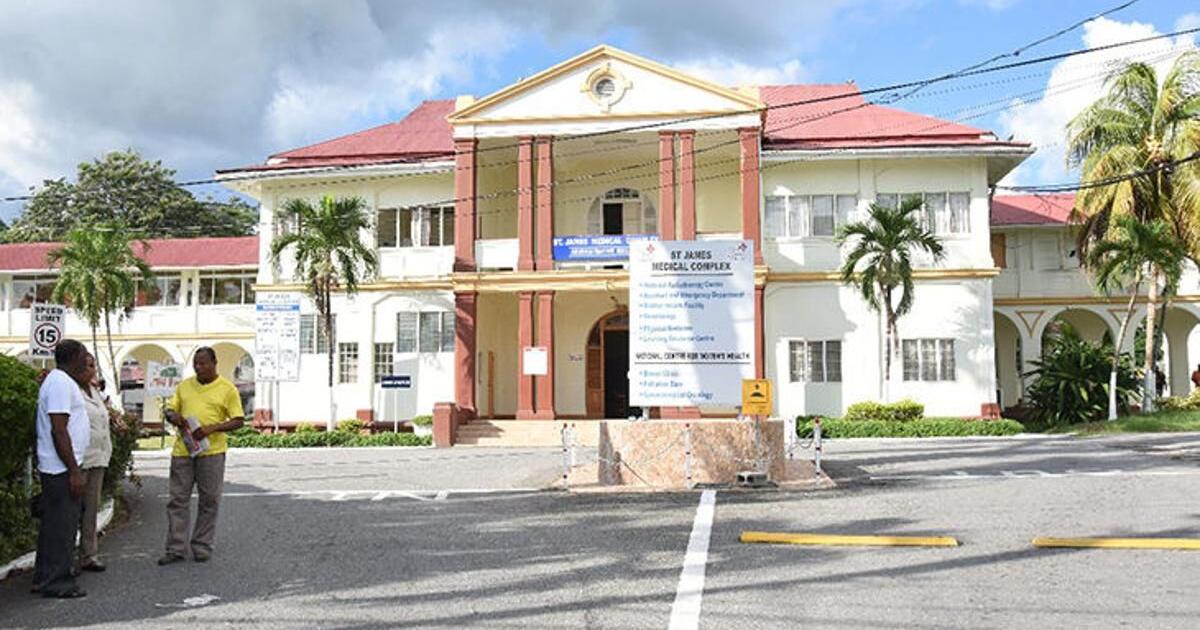
    Amy Reverand, who lived on Cassia Drive in the area, was formally pronounced dead at St James Infirmary just 15 minutes past 5 p.m. that same day, following urgent emergency efforts to save her life.

    According to official police reports, Amy’s mother Maria Walcott told investigators that the teen first began complaining of a severe headache around 3:45 p.m. After Walcott prepared soup for her daughter to eat, Amy walked to the family bathroom a few minutes later to use the facility. When Walcott did not hear from her daughter after an extended period, she went to check on the teen and found her lying unresponsive on the bathroom floor, unconscious and unable to be roused.

    Walcott immediately placed a call for emergency medical assistance, and both Emergency Health Services crews and patrol officers from the West End Police Station rushed to the scene to provide care. First responders worked quickly to stabilize Amy before transporting her to the nearest public infirmary, where a full medical team worked to treat her. Despite their best efforts, Amy was declared deceased at 5:15 p.m.

    Police have confirmed that preliminary examinations of the teen’s body found no visible evidence of foul play or violent trauma, ruling out immediate suspicion of assault or foul play. However, investigators have ordered a full post-mortem autopsy to pinpoint the exact cause of death, and the results are still pending as of the latest updates.

    During the course of initial interviews with the family, Walcott shared that her daughter had previously been diagnosed with depression and underwent clinical evaluation for the mental health condition, but she was not taking any prescription medication for it at the time of her death. In a separate development that has added another layer of uncertainty to the case, investigators located an electronic cigarette inside Amy’s personal bedroom. Walcott told responding officers she had no idea her daughter had been using the vaping device, and did not know how long Amy had possessed it.

  • Son who stabbed his pregnant mom 41 times, gets 9 years

    Son who stabbed his pregnant mom 41 times, gets 9 years

    A Las Lomas resident has been handed a remaining prison sentence of just over nine years for the fatal knife killing of his pregnant mother, after the High Court approved a plea agreement that downgraded the original murder charge to manslaughter.

    Michael Joseph, now 25 years old, received an initial sentence starting point of 27 years behind bars for the manslaughter conviction. This term was adjusted downward to account for mitigating circumstances, a sentencing discount for his early guilty plea, and credit for the more than six-and-a-half years he has already spent in remand detention. The adjustment left Joseph with nine years, one month, and 29 days remaining to serve.

    The sentencing was delivered this Wednesday by Justice Sherene Murray-Bailey, who agreed that Joseph’s violent outburst was triggered by provocation tied to chronic psychological trauma he developed from childhood experiences.

    The crime dates back to August 24, 2019, when Joseph was just 18 years old. On that day, he stabbed his 36-year-old mother Allistra Mack-Kampo to death inside the family’s Las Lomas home. At the time of her killing, Mack-Kampo was four months pregnant with another child.

    The plea arrangement was negotiated between Joseph’s legal team from the Public Defenders’ Department and prosecution lawyers from the Office of the Director of Public Prosecutions. As part of the deal, Joseph entered a guilty plea to manslaughter, avoiding a full public trial for murder.

    Outlining the court-agreed facts of the case, prosecutor Chenelle Moe explained that the brutal attack began shortly before 11 p.m. Joseph’s aunt, Rodha Mack, told investigating officers she was woken by loud screams and heard her sister (Mack-Kampo) yelling at her son to stop his assault.

    When Mack rushed into the bedroom to intervene, she found Joseph wearing surgical gloves and stabbing Mack-Kampo repeatedly at the foot of the family bed. When Mack stepped in to stop him, Joseph turned his violence on her, leaving her with severe injuries including a fractured skull.

    Joseph then turned on his five-year-old younger sister, grabbing her by the throat and dragging her into the home’s living room. The young girl managed to break free and escape outside, covered in her own blood. Relatives who had gathered at the scene alongside responding neighbours were able to restrain Joseph until local police officers arrived to take him into custody.

    A post-mortem examination conducted after the killing confirmed that Mack-Kampo had sustained 41 separate stab wounds. Investigating officers recovered a broken knife and blood-stained surgical gloves from the crime scene.

    During his initial police interview, Joseph openly admitted to carrying out the attack, explaining that a buildup of unresolved frustration had finally made him snap. He has since stated that he feels deep remorse for his actions and has asked his surviving family for forgiveness.

    During sentencing arguments, defence attorney Michelle Ali and instructing attorney Sarah Julien argued that Joseph’s violent actions stemmed from severe childhood neglect, long-term emotional instability, and struggles with substance abuse. Court documents presented during the hearing detailed a troubled upbringing marked by constant family upheaval, rejection from caregivers, and early exposure to illicit drugs and alcohol.

    Notably, even Rodha Mack — who was seriously injured in the attack — and Joseph’s grandfather Daniel Melville submitted formal written statements to the court saying they had forgiven Joseph, and urging Justice Murray-Bailey to prioritize rehabilitation over extended additional incarceration.

    In her final sentencing ruling, Justice Murray-Bailey confirmed the court accepted the 27-year starting sentence for manslaughter, but applied significant reductions to account for mitigating factors, Joseph’s age at the time of the offense, his lack of any prior criminal convictions, and the mandatory one-third discount for his early guilty plea.

    After subtracting the six years, eight months, and 27 days Joseph had already completed in pre-trial detention, the judge ordered the defendant to serve the remaining outstanding prison term.

    She also issued a formal direction to prison authorities to place Joseph in targeted rehabilitative programming, including anger management courses, continuing education, and evidence-based substance abuse treatment. The judge further ordered that professional counselling services be provided to Joseph’s surviving family members, who have all been deeply affected by the tragedy.

    Joseph also received convictions for the related offenses of wounding Rodha Mack with intent to cause harm and common assault against his younger sister, with the judge applying sentences of time served for these crimes.

  • Flood Risk Heightens Nationwide as Heavy Rainfall Continues

    Flood Risk Heightens Nationwide as Heavy Rainfall Continues

    As persistent heavy downpours continue to saturate soil across the Central American nation of Belize, national authorities have raised urgent alarms over rapidly escalating flood risks that now threaten every region of the country. Leading the official warning is Tennielle Hendy, Belize’s principal hydrologist, who confirms that the latest meteorological and hydrological projections paint a worsening picture, with particularly dangerous conditions developing in the country’s northern districts.

    Hendy explained that ongoing precipitation patterns, aligned with forecasts from the nation’s chief meteorologist, have pushed expanding high-risk zones to cover most of Belize, making flood hazards far more widespread than initial projections indicated. Both urban flash flooding and isolated localized flooding are now expected across broad swathes of the nation, with northern Belize facing the highest likelihood of dangerous flood events driven by sustained excessive rainfall.

    Crucially, Hendy stressed that the threat is not confined to northern regions, and urged all communities across Belize to maintain constant vigilance. “Quite literally the entire country has to be on alert from what we are seeing, especially those in the central areas and the south,” she noted.

    The country’s unique geography amplifies these flood risks, Hendy explained: Belize’s extensive hilly and mountainous terrain means heavy rainfall runs off rapidly down slopes into low-lying populated areas. For that reason, residents in southern Belize located near the eastern slopes of the Maya Mountains have been specifically advised to stay vigilant throughout the duration of the heavy rain event, and to take immediate precautions whenever an official rainfall advisory is issued for their area.

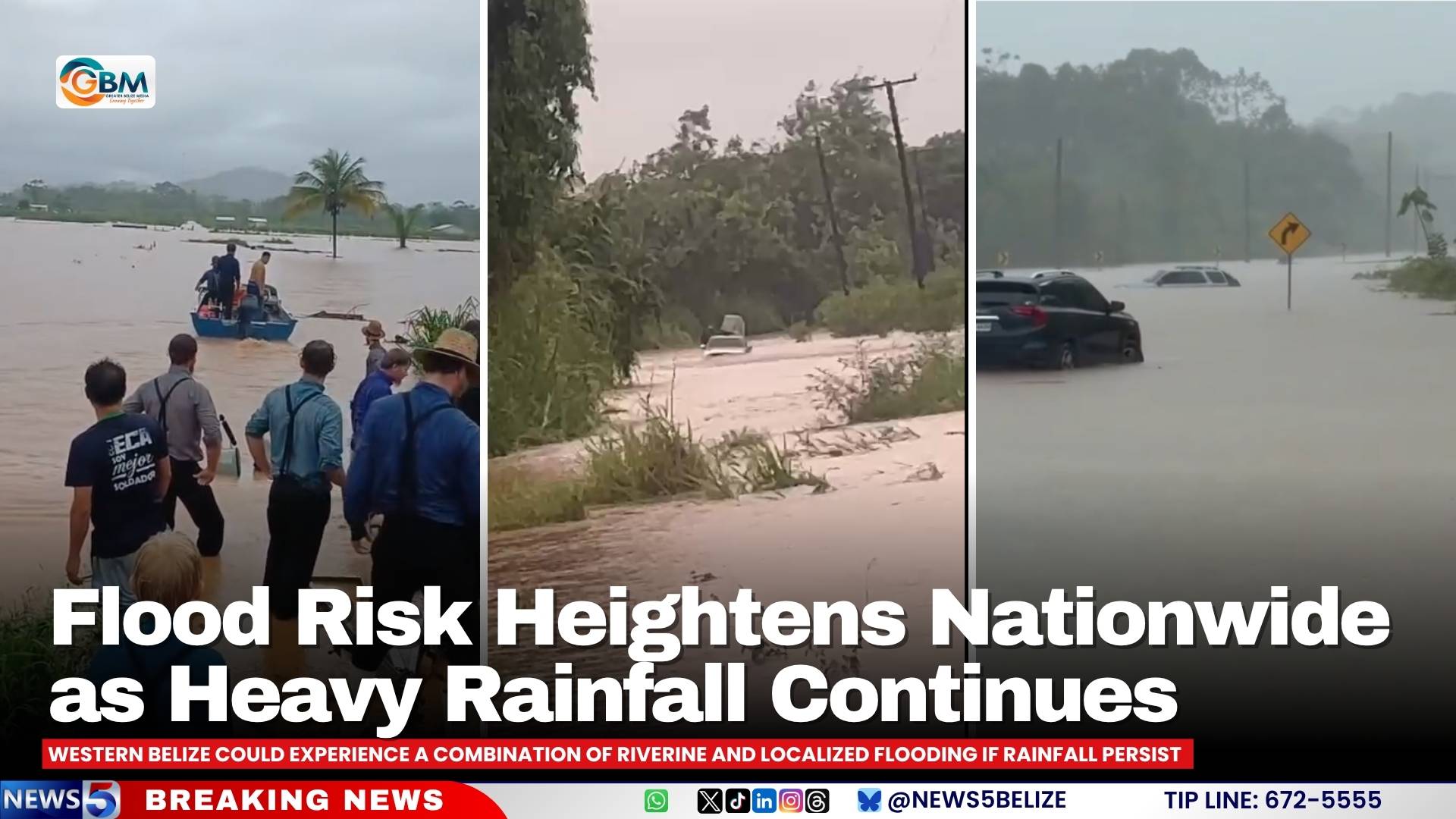
    Western Belize also faces a distinct combined hazard: if heavy rainfall continues, the region is likely to see both riverine flooding and isolated localized flooding, putting vulnerable low-lying communities at heightened risk. Across the entire country, authorities are urging all residents to closely monitor official government updates and advisories, as even small additional amounts of rain can trigger rapid water level rises in at-risk communities, creating life-threatening conditions in a matter of hours.