
Across modern political and cultural discourse, the phrase “personal responsibility” has become one of the most frequently repeated mantras, invoked to explain everything from economic inequality to health disparities and social stagnation. Yet what many proponents of this framework frame as a call for accountability often masks a deeper, more insidious dynamic: the personal responsibility trap, a narrative that shifts blame for systemic failures squarely onto the shoulders of individuals who are often left with few meaningful choices to begin with.\n\nThe roots of this cultural obsession with individual accountability stretch back decades, tied to the rise of neoliberal policy frameworks that rolled back public investment in social safety nets, affordable housing, accessible healthcare, and equitable education. As governments stepped back from collective responsibility for broad-based public welfare, the narrative that success or failure is almost entirely a product of individual choices gained traction. Today, it is common to hear arguments that people struggling with poverty simply make bad financial decisions, that those facing poor health outcomes lack discipline to diet or exercise, and that intergenerational disadvantage stems from personal apathy rather than structural barriers.\n\nWhat makes this narrative so deceptive is that it contains a kernel of truth. Individual choices do matter, and personal accountability plays a meaningful role in shaping life outcomes. But the trap springs when this partial truth is inflated into the sole explanation for systemic inequity, erasing the ways that structural constraints limit options for millions of people. A child born into a segregated neighborhood with underfunded schools does not have the same access to educational and career opportunities as a child growing up in an affluent suburb with well-resourced public institutions. A low-wage worker working two jobs to make rent cannot prioritize an hour of daily exercise or expensive organic produce in the same way that a professional with a six-figure salary and flexible schedule can. A person without health insurance may delay necessary medical care not out of irresponsibility, but out of fear of crippling medical debt that could push their family into homelessness.\n\nThe impact of this trap extends far beyond unfair blame. By framing social problems as individual failures, the personal responsibility narrative deflects pressure for meaningful systemic change. If poverty is a product of bad choices, there is little need to raise the minimum wage, expand affordable housing, or invest in anti-poverty programs. If health outcomes are purely a matter of personal discipline, there is less urgency to regulate harmful food production practices, address environmental pollution in low-income communities, or expand universal healthcare. Over time, this dynamic reinforces cycles of inequality, leaving the most disadvantaged groups bearing the double burden of structural disadvantage and social stigma.\n\nCritics of the trap argue that moving beyond this false binary does not mean eliminating personal responsibility entirely. Instead, it requires a more balanced approach that recognizes both individual agency and the structural contexts that shape the choices people can make. Building a fairer society means acknowledging that personal accountability matters, but that collective responsibility through public policy and institutional change is equally necessary to create a system where all people have the opportunity to make choices that lead to healthy, successful lives.
分类: society
-

Gunman Opens Deadly Fire on Kiffer McKenzie with Children Inside Vehicle
On a busy Saturday morning in downtown Belize City’s central commercial district, a brazen daylight shooting has claimed the life of 29-year-old Kiffer McKenzie, leaving the local community reeling and reigniting long-simmering debates about systemic cycles of violence and harmful community stigma. The incident marked the fourth fatal killing across the country over that single weekend, capping a period of escalating violence that has shaken public confidence in safety.
According to initial law enforcement accounts, McKenzie was seated in his parked vehicle near the Belize Bank on Albert Street, accompanied by his two young children aged 3 and 6, when an unidentified gunman approached and opened fire. In a desperate attempt to protect his children and escape the attack, McKenzie accelerated his vehicle up Albert Street, but lost control and crashed into a stationary car only moments later. He succumbed to his gunshot wounds at the scene; miraculously, his children emerged from the attack unharmed.
Investigators believe the shooter arrived and fled the scene on a motorcycle. In a promising early development, Belize police have detained one suspect in connection with the killing, thanks in part to advances in investigative technology. Stacy Smith, a staff officer with the department, explained that the crime fusion center’s digital tools allowed investigators to quickly locate the abandoned motorcycle and shooter’s helmet used in the attack. Forensic technicians have already lifted usable fingerprints from both items, and the helmet is currently undergoing additional DNA testing to build a solid case against the responsible party.
McKenzie’s killing is far more than an isolated violent incident: it lays bare the devastating intergenerational cycle of violence that has haunted his family for decades. A lifelong resident of Belize City’s Majestic Alley neighborhood, McKenzie was the son of George “Junie Balls” McKenzie, a former gang figure who was murdered in 2007. The pattern of loss continued nine years later, when McKenzie’s older brother George McKenzie Junior was also gunned down in 2016. Years before his brother’s killing, as early as 2015, McKenzie’s mother Melissa Major had made a desperate public plea for police protection after her son received explicit death threats while attending Wesley Junior College.
In that 2015 appeal, Major told authorities that her son had avoided criminal activity and was not causing trouble, begging law enforcement to intervene to protect his life. Now, nine years after that plea, Major has lost her last child to gun violence.
Close family members, speaking to local outlet News Five on condition of anonymity, say McKenzie was unfairly stigmatized from birth because of his family’s past. “If you watch the news and all, you’d never see he had any murder charges or anything like that,” the relative explained. “I feel like because his dad was who he was, they just painted him bad from the start. Nine years after they killed his father, they killed his brother, and nine years later they got him. It’s just about where you come from—they label you. You come out of Majestic Alley, you come from the hood, that’s how people see you, even when you’re not doing bad things, even when you’re trying to do right.”
Community and youth leaders who worked closely with McKenzie confirm that account, painting a portrait of a man who dedicated himself to breaking his family’s cycle of violence and building a stable, positive life for his two young children. Douglas Hyde, National Youth Program Coordinator with the Belize Police Department, has known the McKenzie family for more than 30 years, dating back to his work with Kiffer’s father in the 1990s. In recent years, he worked directly with Kiffer through the William Dawson community sports programs, which use athletics to steer young people away from violence.
“When I got to know him as a young adult, he’d finished high school and sixth form, and he was looking for work,” Hyde recalled. “I remember Kiffer telling me over the past year that he didn’t just want any ordinary job. He wanted something he could be proud of, something his kids could look up to him for. When he got the opportunity to work at the Immigration Department, that was one of his proudest achievements.”
McKenzie had worked for the Immigration Department for four years at the time of his death, and the department released a statement acknowledging his positive contributions to the agency. Andrew Dawson, Acting Director of the Leadership Intervention Unit, a program that supports people leaving high-risk lifestyles to build productive lives, added that the organization was just weeks away from hiring McKenzie as a program coordinator.
“Kiffer was one of the first people we talked about bringing onboard as a coordinator, because we all saw he had successfully transitioned into a stable, productive life,” Dawson said. “He worked in immigration, and he was incredibly instrumental in our work using sports to promote peace in the community.”
As investigators continue to process evidence and build their case against the detained suspect, McKenzie’s death adds another tragic chapter to a family story defined by generational loss. For his loved ones and community supporters, his killing stands as a stark reminder of the harm caused by systemic stigma and persistent cycles of violence—even for those who work every day to escape them. This report was compiled from original on-the-ground reporting by Paul Lopez of News Five.
-
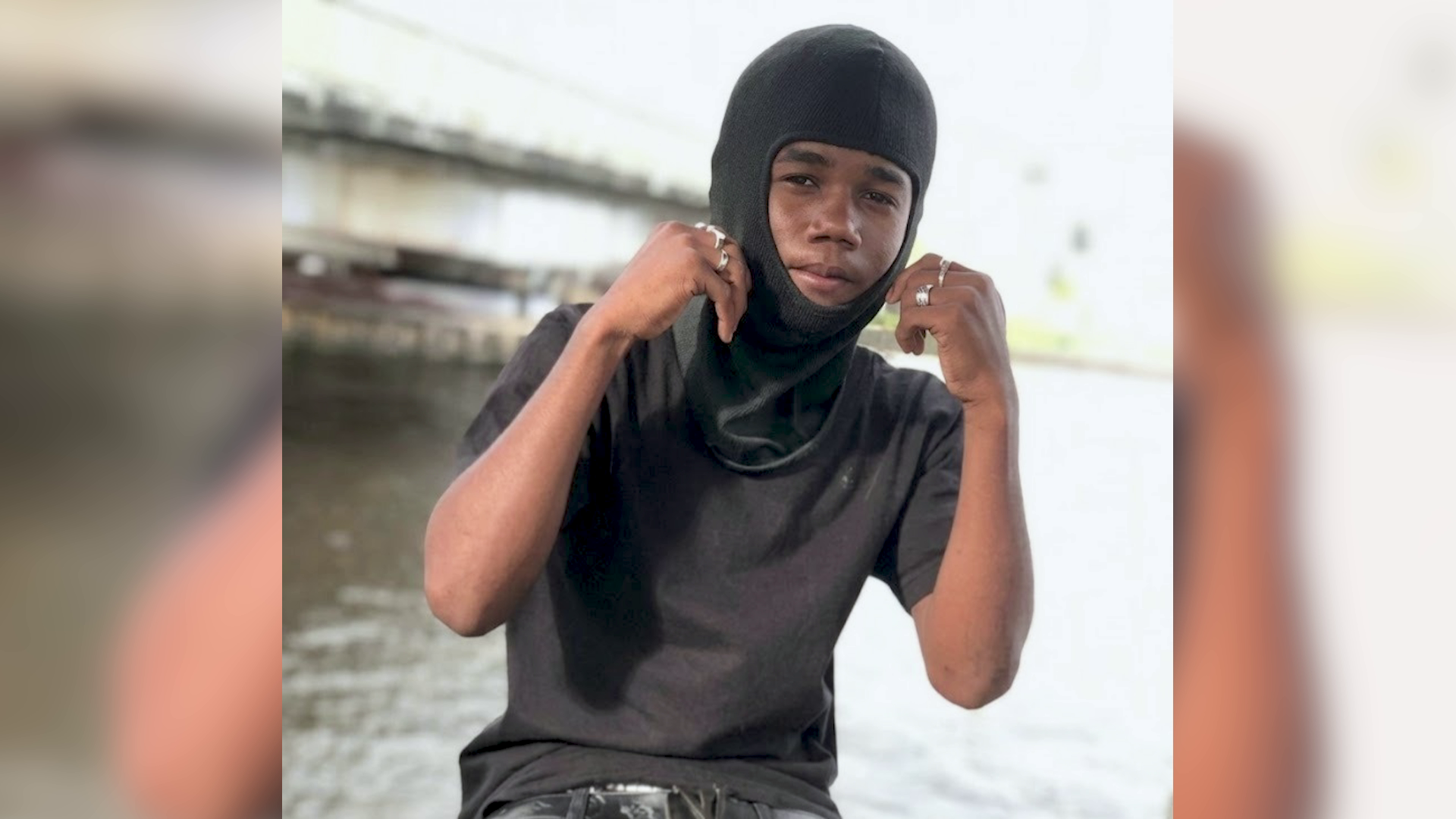
Grief at Sadie Vernon as 17-Year-Old Slain in Suspected Bicycle Dispute
The hallways of Sadie Vernon High School are heavy with unspoken grief this week, as a third-form student who should be wrapping up his end-of-year exams is gone, killed in a fatal shooting that has shocked the small community. Seventeen-year-old Derrick Morris was shot dead outside his Brown Street residence late Sunday, just moments after he answered a knock at the front door, law enforcement officials confirmed.
Initial investigative findings point to a senseless escalation of what began as a minor disagreement over a bicycle, a trivial conflict that ended with a teenager’s life cut short. Stacy Smith, a staff officer with local law enforcement, outlined the basics of the case to reporters: Two unidentified individuals arrived at the Morris family home, where one called for a resident of the property. When Morris stepped to the door to respond, he was immediately met with gunfire.
Investigators have linked the killing to a pre-existing dispute over a bicycle between Morris and the prime suspect, an 18-year-old male who has already been taken into custody. The suspect was identified after authorities reviewed surveillance footage at the department’s Crime Fusion Center, leading to his detention in connection with Morris’s murder. He is expected to face formal murder charges in the coming days.
On campus, the void left by Morris’s sudden death is impossible to miss. His usual classroom desk sits empty, with a single flickering candle placed beside a framed photo of the teen. A black memorial bow hangs at the school’s main entrance, a quiet symbol of the loss shared by students and staff alike.
Sadie Vernon High School principal Deborah Martin remembered Morris as a young man with a larger-than-life personality, despite his small stature, who was well-known across the school campus. Like many teenagers, Morris occasionally challenged classroom rules and had faced past academic setbacks linked to behavioral issues, but he had made marked progress in recent months. Martin recalled recognizing Morris just one week before his killing for turning in all his required coursework on time, noting the bright smile he gave when he was commended for working toward promotion to fourth form. An avid football fan, Morris could almost always be found on the school field playing with friends during break and lunch periods, Martin added. Teachers had remained dedicated to supporting Morris as he worked to get back on track toward graduation, making his sudden passing all the more devastating.
Community members are now grappling with the devastating reality that a minor disagreement between two young people ended in lethal violence, leaving a family shattered and a school community mourning a life with so much potential left unfulfilled.
-
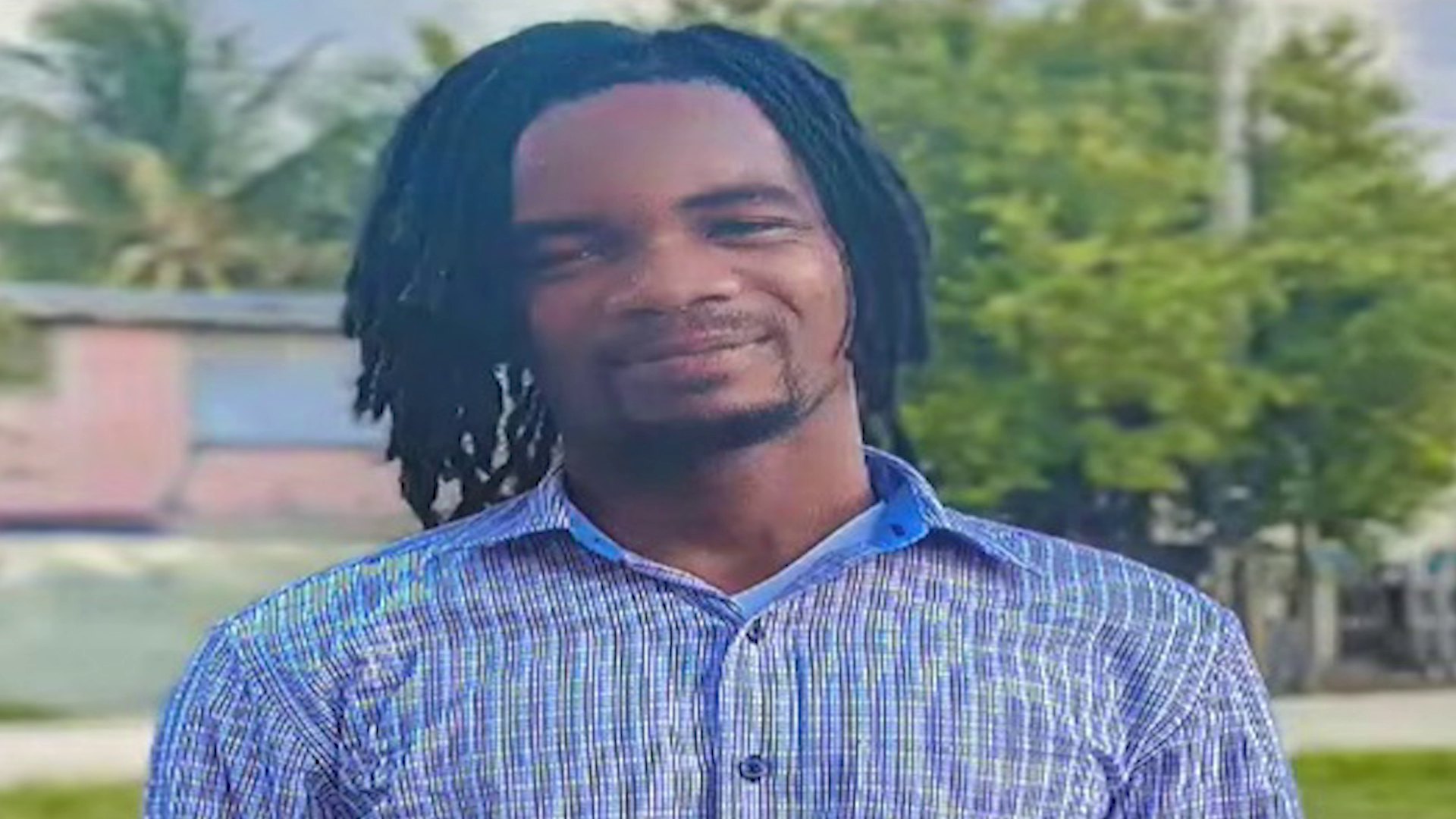
Eric Nelson Killed Near Lakeview Police Checkpoint
On a Saturday night in Belize’s Ghost Town neighborhood, just 24 hours after marking a hard-earned career promotion that promised a bright future, 29-year-old Eric Nelson was shot and killed in an ambush that has left his community reeling and raised urgent questions about persistent gun violence in the area.
The shooting unfolded around 7 p.m. at the intersection of Banak and Lakeview Streets, in shocking proximity to local law enforcement infrastructure: a police surveillance camera sits less than 10 yards from the attack site, and a permanent police checkpoint is located just 100 yards away. Initial investigation details released by Assistant Superintendent of Police Stacy Smith confirm that Nelson was walking with a companion when an unidentified male attacker emerged from behind a nearby fence and fired a single shot that killed him instantly.
To date, law enforcement has not confirmed a clear motive for the killing, and investigators have stressed that Nelson had no prior negative interactions or known connections to criminal activity that would make him a target. Smith outlined the leading line of inquiry, however, linking the attack to ongoing gang tensions following the recent death of a man named McKenzie. According to Smith, the Lakeview Street area is aligned with the Majestic Alley faction, and the shooter may have incorrectly identified Nelson—who was not from the neighborhood—as a rival gang member who posed a threat to the territory.
The tragedy comes at what was supposed to be a moment of celebration for Nelson and his colleagues at Protel BPO, where he had just earned a promotion to team leader just one day before the shooting. Monday, June 16, would have been his first day in the new role. Victoria Tun, director of Protel BPO, shared that Nelson had only been with the company for roughly seven months before his promotion, a rapid advance that spoke to his work ethic and dedication.
Tun recalled Nelson’s joy after the promotion, quoting his promise to staff in Belize Kriol: “I’m not going to disappoint. I’m going to do my utmost best in this position. I won’t let you down. I will do what I have to do to prove that I earned this position.” The entire office has been left shaken by the sudden loss, Tun said, describing the news as devastating after the collective pride the team felt in Nelson’s achievement.
Those who knew Nelson remember him as a hardworking, respectful young man who was focused on building a better life for himself. Now, as investigators continue to piece together what happened and search for the attacker, Nelson’s family and loved ones are left to grieve a life cut cruelly short. They have made a public request that graphic videos of the attack circulating on social media be removed, and have asked for privacy as they process their loss.
The killing comes amid ongoing concerns about gun violence in Belize City, where young residents with bright prospects are increasingly falling victim to gang-related attacks and mistaken identity. As the investigation progresses, police have not announced any suspects in custody, and are asking anyone with information about the attack to come forward to help bring answers to Nelson’s family.
-
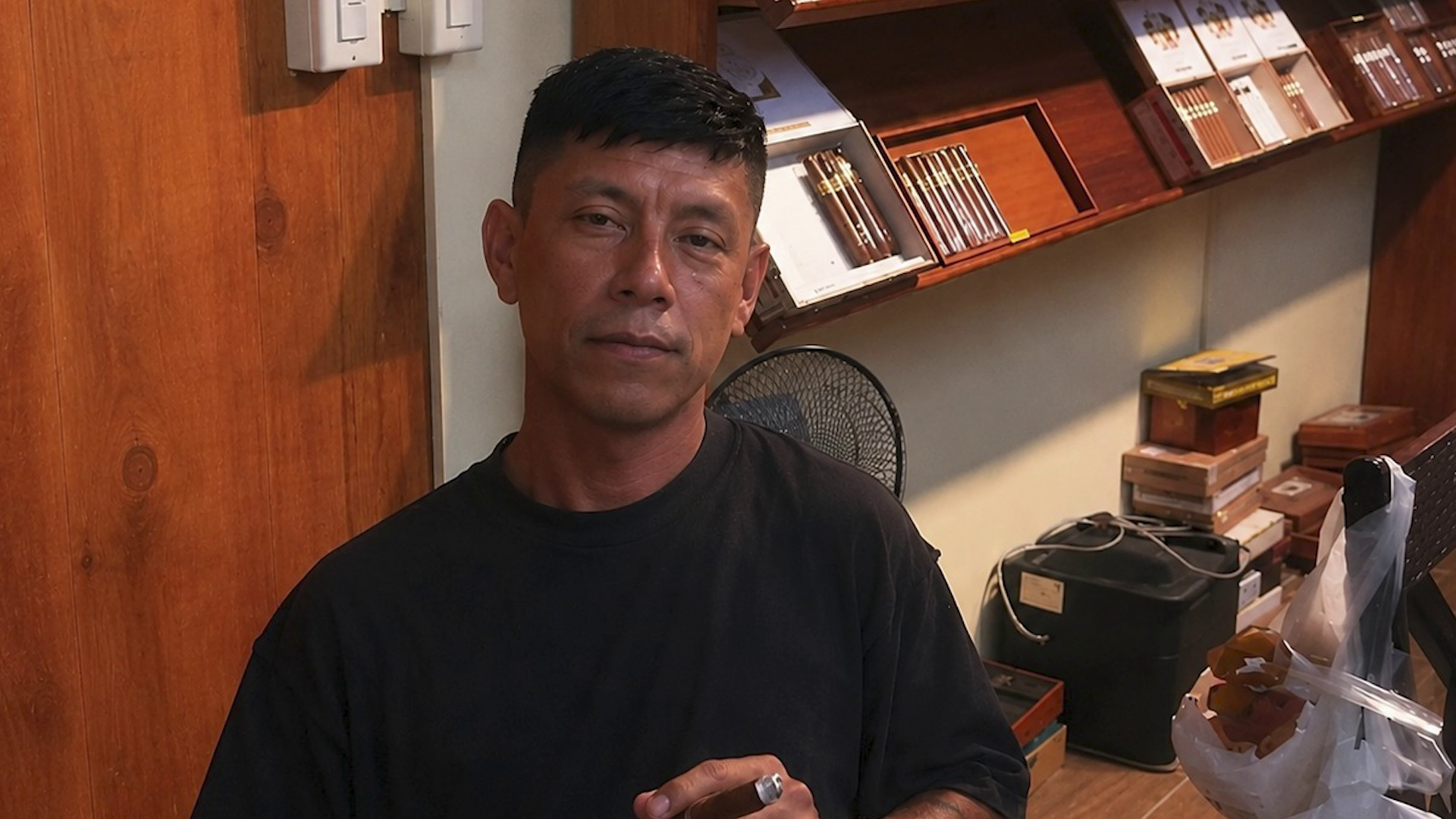
Man Fatally Struck with Shovel During Land Dispute in Caye Caulker
The tranquil, close-knit residential neighborhood on the northern end of Caye Caulker, a popular Belizean island that draws tourists from across the globe, has been thrown into mourning and chaos after a routine weekend social gathering devolved into fatal violence that left a 45-year-old construction worker dead. The incident, which occurred on the evening of Saturday June 13, 2026, has sent ripples of shock through the tight community and reignited long-simmering concerns about public safety on the island, marking one of four homicides recorded across Belize that same violent weekend.
Local law enforcement officials confirmed that the victim, Oscar Flota, a native of Orange Walk who had built a life for himself and his son on Caye Caulker working in construction, was killed after a dispute broke out during a group drinking session. According to Assistant Superintendent Stacy Smith, the lead on the investigation, what began as a casual argument quickly escalated into a physical altercation, during which Flota was struck in the head with a shovel. He was rushed to local medical facilities for emergency treatment, but succumbed to his injuries shortly after arrival.
Smith explained that the incident is currently classified as a death investigation, rather than an official murder charge, because investigators have not yet confirmed intent to kill or ruled out potential claims of self-defense. Early witness statements confirm that a physical confrontation did occur between Flota and the primary suspect, who remains at large as of Monday. If the investigation ultimately finds that the force used was excessive or that the attack was premeditated, the case will be upgraded to a murder charge, Smith noted. Authorities have already detained several individuals who were present at the gathering for questioning, and say they have identified the primary suspect, who is expected to be taken into custody imminently.
“All these persons were familiar with each other. They worked together, so it was some drinking and socialization gone wrong, and as I stated, we know who we’re looking for and we are of the view that he will be apprehended shortly,” Smith told reporters.
Family members of the victim have described Flota as a hardworking, gentle person who dedicated his life to providing for his loved ones. His niece, Mariel Moh, told local outlet News Five that Flota was never an aggressive man, even when drinking, and that no dispute could ever justify his killing.
“He was a very good person, he always likes to provide for his family. He would never turn his back on his family. He was always smiling, a funny person,” Moh said in a phone interview. “When he’s drunk, I would say he’s not an aggressive person. When he feel drunk he always find his way home to go to sleep. Sometimes people judge because of alcohol this person die but we don’t know the reason why this person did what they did. We just want justice. For police to do their job and find the persons who did it.”
Local residents have raised unconfirmed claims that the attack stems from a long-running land dispute, alleging that the primary suspect is a local squatter who had previous conflicts with Flota over property. Law enforcement has not yet verified these allegations, and is currently reviewing local security camera footage to build their case and move forward with formal arrests. For the small island community, the killing has broken the quiet peace residents rely on, leaving neighbors on edge and a family grieving a life cut tragically short.
-

Two in Custody After Targeted Police Sweep in Ambergris Caye
On June 15, 2026, law enforcement in San Pedro, Belize, announced an early breakthrough in its coordinated national campaign to remove unlicensed firearms from communities across the country. Two local residents are now in custody following a court-authorized search of a private residence on Ambergris Caye, carried out by specialized police intelligence and operations teams.
According to Assistant Superintendent Stacy Smith, Staff Officer for the San Pedro Police Department, acting on verified intelligence reports, officers served the search warrant at the pair’s home on Wednesday of this week. The operation yielded a Ruger 9mm pistol loaded with six live 9mm rounds of ammunition. Balbina Camara and Melissa Mendez, both residents of San Pedro Town, have since been formally arrested and jointly charged with two offenses: possession of an unlicensed firearm and possession of unlicensed ammunition.
This latest seizure is part of a broader, sustained national crackdown launched by Belizean police to reduce the prevalence of illegal guns and curb rising gun-related violence across the nation. It also follows just two weeks after two separate anti-gun operations in Punta Gorda and Unitedville earlier this month that delivered their own successful results: six additional arrests, the seizure of two more unlicensed pistols, and the confiscation of dozens of rounds of unregistered ammunition.
This report is adapted from a transcript of an evening television newscast focused on local crime and public safety in Belize.
-

Increased attention to the protection of haitians vulnerable children
Against a backdrop of pervasive insecurity and ongoing national crisis, Haiti came together on June 14, 2026 to mark National Children’s Day, centering this year’s observance around the unifying theme “Solidarity, Responsibility, Action for Children, Strengthening, and Hope for Tomorrow”. Hosted at Port-au-Prince’s Oasis Hotel, the national celebration became a platform for Haiti’s government to publicly reaffirm its long-term strategic commitment to improving outcomes for the country’s most vulnerable young people, even as widespread instability continues to strain public institutions and resources.
Speaking on behalf of Prime Minister Marc Elie Nelson, Haiti’s Minister of Social Affairs used the event to unveil a slate of targeted policy measures designed to expand support for at-risk children and adolescents. The cornerstone of this new agenda is the official launch of the “Tripolar System of Rehabilitation Centers for Children and Adolescents”, a transformative five-year program that has already entered its pilot phase in the Grand Sud region, centered in the coastal city of Les Cayes.
The minister detailed that the initiative has received an initial allocation of 100 million Haitian gourdes, backed by technical and financial partnership from UNICEF. Over the course of the program, it is projected to deliver comprehensive psychosocial support, formal educational access, and vocational training to more than 600 vulnerable children and young people pulled from cycles of marginalization and neglect that have long impacted this underserved segment of Haitian society.
Against the growing crisis of armed gang violence that has destabilized the Port-au-Prince metropolitan area in particular, the prime minister’s office also reaffirmed its commitment to addressing the urgent crisis of forcibly recruited child soldiers. Prime Minister Nelson confirmed that concrete, community-centered reintegration programs are already being rolled out to provide these children with sustainable pathways away from armed conflict and violence — an issue of critical urgency, as thousands of Haitian children remain displaced or trapped in active conflict zones across the country.
In a personal, heartfelt address to young people in attendance, the Minister of Social Affairs called for resilient persistence amid hardship, delivering his message in Creole: “Kenbe espwa nou vivan” — Keep hope alive. “Despite all the difficulties we face today, we must never cease to believe in our hearts and in our future. Remember, we are the strength of the country, we are its wealth, we are its hope,” he told attendees.
Vijonet Déméro, Haiti’s Minister of National Education, also addressed the gathering at the invitation of the Institute for Social Welfare and Research (IBESR). In his remarks, Déméro emphasized that honoring children requires more than rhetorical celebration: it demands intentional, urgent action in the present. “Celebrating children is not simply honoring the future; it is acting in the present. Children are not only citizens of tomorrow, they are a reality of today, beings with inalienable rights, legitimate dreams, and infinite potential. Investing in children, protecting them, and educating them is laying the foundation for the rebuilding of our nation,” he said.
Déméro went on to outline the Ministry of National Education’s cross-cutting commitments to child development at every stage of growth. For early childhood preschool programs, he emphasized the critical need for safe, stimulating learning environments, noting that early development years shape lifelong cognitive, psychomotor, and emotional outcomes. For primary and secondary education, he framed schools as critical sanctuaries: spaces that prioritize protection from all forms of violence, abuse, exploitation, and exclusion alongside formal learning. For vocational training and higher education, he committed to expanding clear career pathways and building marketable skills that allow young Haitians to become productive economic and social leaders equipped to tackle the country’s long-term challenges.
Déméro stressed that the ambitious national agenda for child protection and development cannot succeed through the work of a single institution. The plan requires full, coordinated synergy across government agencies, particularly between the education sector and social services departments. Ultimately, he added, sustained progress depends on unwavering political commitment from national leadership. “Despite a complex national context, the Government places social protection, education, and the future of youth at the heart of its strategic priorities […] the dignity of our children is non-negotiable,” he said.
-

Trinidadian Held After Alleged Dash Without Paying $11,000 Hotel Bill
A Trinidadian citizen has been placed in pre-trial detention at Belize Central Prison after being intercepted while attempting to leave Belize without paying an almost $11,000 hotel bill accumulated during a 30-day stay, Belizean law enforcement officials have confirmed.
-
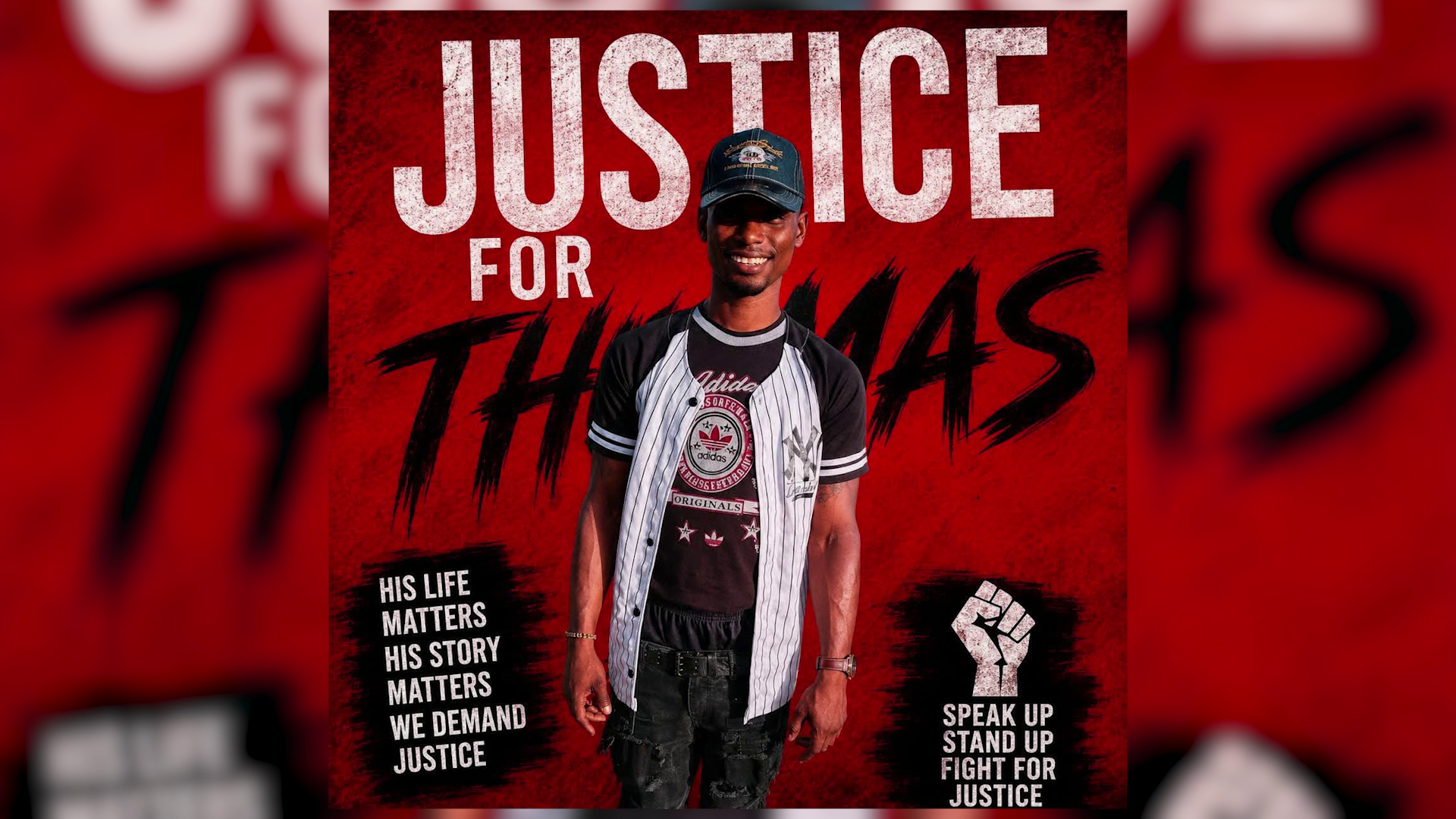
20-Year-Old Hai Ming Chen Arrested for Fatally Hitting ATV Driver
A fatal road traffic collision in Georgeville has left one local man dead and a 20-year-old facing serious criminal charges, as authorities move forward with an investigation into the deadly incident that has shaken the small community.
The victim, 27-year-old Georgeville resident Thomas Martinez, was riding an all-terrain vehicle (ATV) when he was struck from behind by a Dodge Charger driven by Hai Ming Chen, according to official police statements. The force of the impact threw Martinez from his vehicle into a roadside drainage ditch, and the crash proved fatal for the 27-year-old.
Following the completion of initial investigation work, police have formally taken Chen into custody and lodged three criminal charges against him: manslaughter by negligence, causing death by careless conduct, and driving a motor vehicle without due care and attention. Assistant Superintendent Stacy Smith, a staff officer with the police force, confirmed the charges in an official statement on the ongoing case.
“As a consequence of the ongoing investigation into the road traffic accident which claimed the life of Thomas Lester Martinez, police have formally arrested and charged Hai Min Chen for the crimes of manslaughter by negligence and causing death by careless conduct and the offense of drove motor vehicle without due care and attention,” Smith said.
In the wake of Martinez’s death, his grieving family has publicly called for fast and transparent accountability, pushing authorities to ensure justice is served for their loved one without unnecessary delays. The case remains active as the legal process moves forward, and investigators have not yet released additional details surrounding potential contributing factors to the collision, such as speed, alcohol or drug use, or road conditions at the time of the crash.
This report is adapted from a transcript of an evening television newscast originally published online.
-
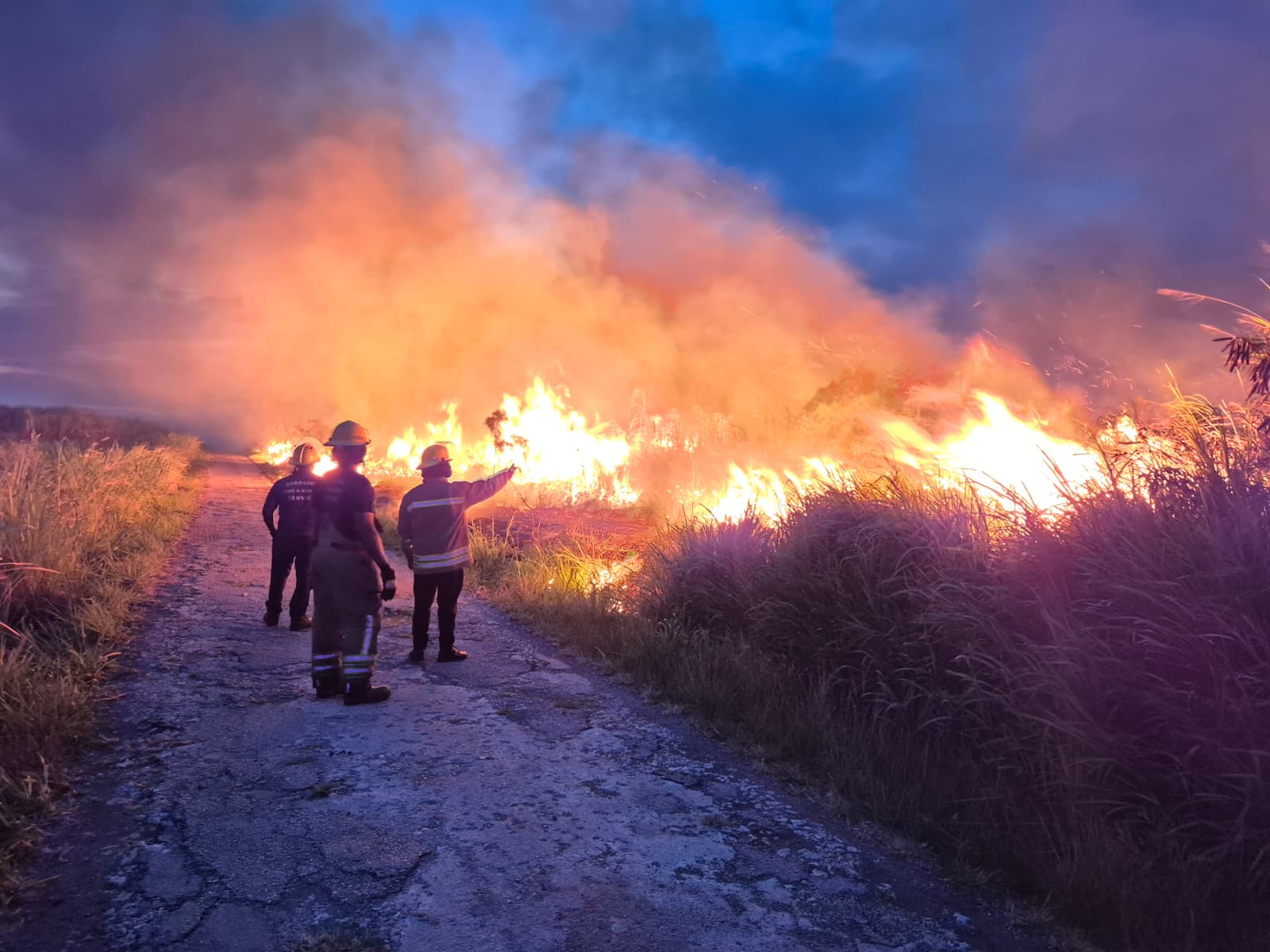
Grass fires to spread faster as heat, winds intensify, fire chief warns
Barbados’ top fire official has issued an urgent public warning, as a combination of soaring temperatures and sustained strong winds is projected to supercharge the spread and intensity of grass fires across the island, stretching emergency resources to their limit and putting residential property, livestock and community public health at severe risk.
Chief Fire Officer Errol Maynard delivered the caution on Monday, explaining that rising seasonal heat has already dried out vegetation across the country, creating tinder-like conditions that will make any accidental or intentional blaze far more destructive than normal. He emphasized that most of these fires are not sparked by the heat itself, but by human activity — and the current climate conditions simply turn small, controlled burns into unmanageable disasters in minutes.
“I am not convinced that the fires are starting because the place is hot. The fires are starting because people light these fires,” Maynard told local outlet Barbados TODAY. “What will happen is that the intensity of the fire, because the place is hotter, it is dry, so you will get a lot more grass fires during this period. It is hot and brown, so the intensity of the fire will increase, and the high winds that you are getting in recent times, the rate of the spread of the fire will also increase.”
The growing number of wildfires does not just threaten communities — it places extraordinary strain on the fire service’s personnel and equipment, Maynard explained. Even with robust training and specialized gear, firefighters are still vulnerable to heat exhaustion and fatigue when responding to multiple blazes in extreme high temperatures, stretching their ability to recover between calls. The department has already recorded multiple cases of private property being damaged when wind-carried burning embers sparked secondary fires on residential land.
Maynard highlighted far-reaching consequences for daily community life, with smoke from large blazes creating public health hazards for residents who are forced to inhale toxic fumes. Multiple schools across northern and eastern parishes of Barbados, including in St. Philip, have already been forced to close for multiple days, disrupting students’ learning and causing extended missed instruction. Just recently, a blaze in St. Lucy killed several grazing sheep and destroyed large patches of grass that local farmers relied on as feed for their livestock, threatening small-scale agricultural livelihoods.
In a stern appeal to local residents, Maynard stressed that ordinary people hold the key to reducing the risk of a catastrophic fire season. Even small open burns intended to clear land for gardening or kill rodents can quickly spiral out of control under current conditions. “When you light fires…because the place is really dry, the embers may blow far away, go into a dry field, burn it, and you might not even know that you spread the fire, or you caused a fire,” he said. “The other thing is, because the wind is high, and you are not skilled to do it, when you light a fire, it can easily get out of control, and that can cause significant problems for other people.”
Against this growing risk, Maynard confirmed that the Barbados Fire Service has had heat mitigation strategies in place for decades, as officials have observed rising average temperatures year over year dating back to the early 2000s. The department has already adjusted its operations to reduce unnecessary heat exposure for personnel: traditional daytime training activities have been shifted to cooler early morning or evening hours, and recruitment practical assessments now take place when temperatures are lower, with lectures scheduled for the hottest parts of the day.
All fire stations across the island have been outfitted with ice machines to provide constant access to cool drinking water, and fire trucks now carry ice-cold beverages for crews responding to extended calls. When firefighters work on a blaze for a prolonged period, the department has formal rehabilitation protocols to bring them in for cooling and refreshment before rotating them back to duty. Maynard added that while the service works to minimize heat stress, all crews still follow strict personal protective equipment protocols. When not working in the hottest active fire zones, firefighters are permitted to remove layers of gear to cool down, balancing safety with heat management.
“We generally look to the best practices in the industry,” Maynard said. “In all that doing, we still have to make sure they are safe. Fire officers understand, based on their training, that they are in the heat.”