ANTIGUA AND BARBUDA – A transformative public art initiative has brought mental health awareness to the heart of Antigua and Barbuda’s civic life. The Wadadli Initiative for Self-Care and Healing (WISH) and the Hopeful Hearts Foundation have unveiled a vibrant community mural at the historic Antigua Recreation Grounds, marking a significant advancement in public mental health advocacy.
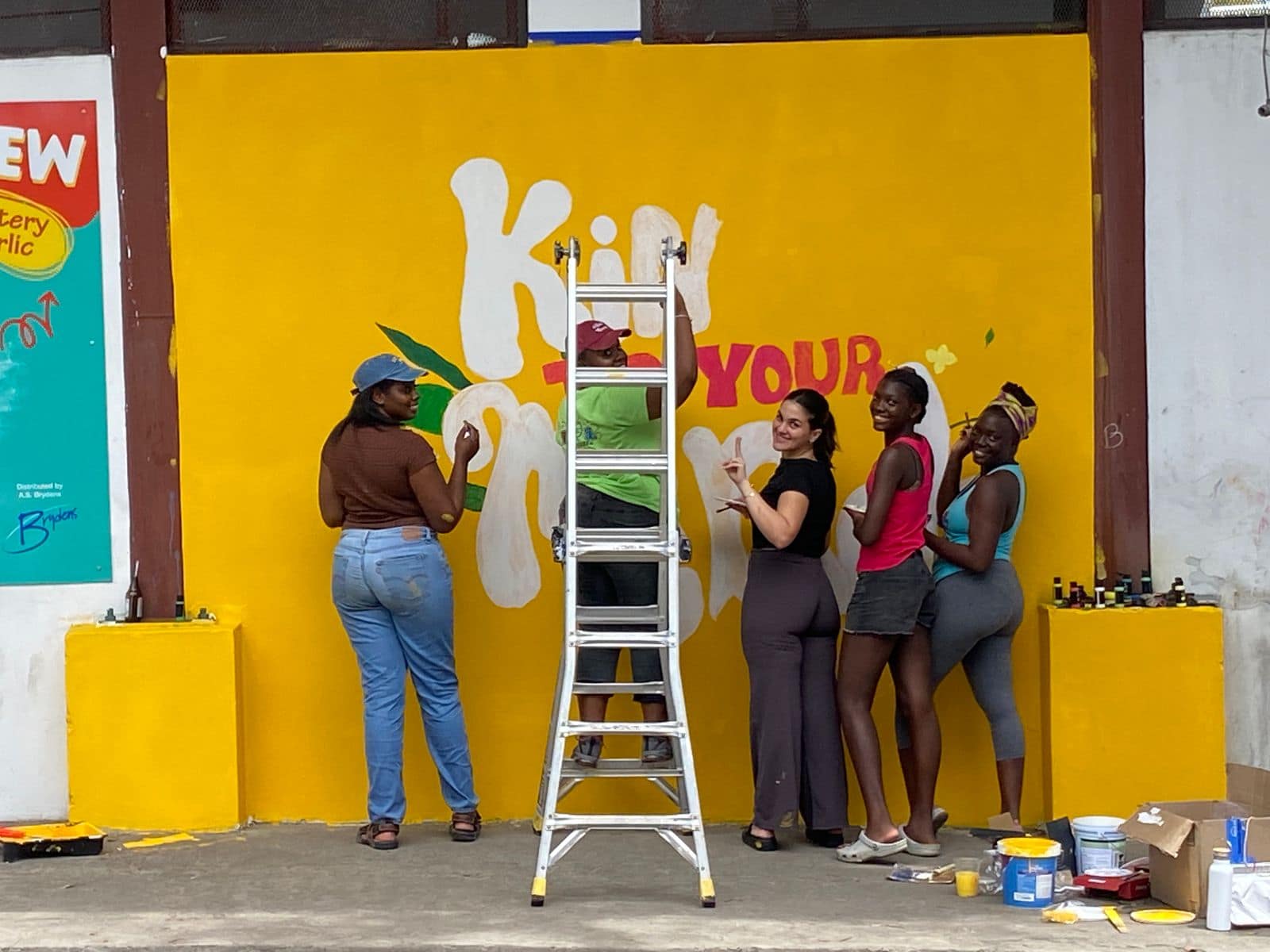
Created through WISH’s “More Good Days, Together” campaign in collaboration with Going Together for Youth Creativity and Well-Being, with financial backing from ABI Insurance Company Ltd, the project represents a collaborative approach to addressing psychological wellbeing. The mural features a striking yellow backdrop adorned with tropical motifs including hibiscus flowers, birds of paradise, and carefully hand-lettered typography that delivers its central message: “Be Kind to Your Mind.”
The selection of the Recreation Grounds as the installation site was strategically intentional. As one of the nation’s most historically significant and frequently visited public spaces, it ensures the mural’s mental health message reaches a diverse audience encompassing local residents, daily commuters, international visitors, and most importantly, the youth population.
This artistic intervention responds directly to concerning research findings from WISH indicating heightened stress levels and emotional challenges among young people throughout Antigua and Barbuda, coupled with insufficient access to safe expressive outlets. While mental health discussions have increasingly occurred in formal settings, public spaces have traditionally remained silent on the subject until now.
“This mural creates a space where individuals feel recognized, where artistic creativity converges with meaningful purpose, and where community becomes integral to the narrative,” stated Chaneil C. Imhoff, founder of WISH. “Witnessing the collective effort reinforced the profound significance of this work.”
The mural serves as the physical centerpiece of a comprehensive activation strategy that includes the launch of the WISH Mood Tracker digital platform, dissemination of national survey results, production of multi-voice public service announcements, and distribution of educational posters in schools. These coordinated elements aim to transform public visibility into substantive engagement and actionable outcomes.
Kristina Louisa of the Hopeful Hearts Foundation characterized the collaboration as both a community accomplishment and personal milestone. “Helping actualize Chaneil’s vision through such a positive, creative, and community-driven project was immensely rewarding,” she noted. “The inclusion of Hopeful Hearts Foundation demonstrates the potential impact when NGOs unite around shared objectives. This initiative genuinely feels like the commencement of something substantially larger.”
The project simultaneously addresses three national priorities: prevention and early intervention, youth empowerment, and public education to diminish stigma. Both organizations have announced plans to expand the mural program and investigate future collaborative ventures with community partners across the island nation.