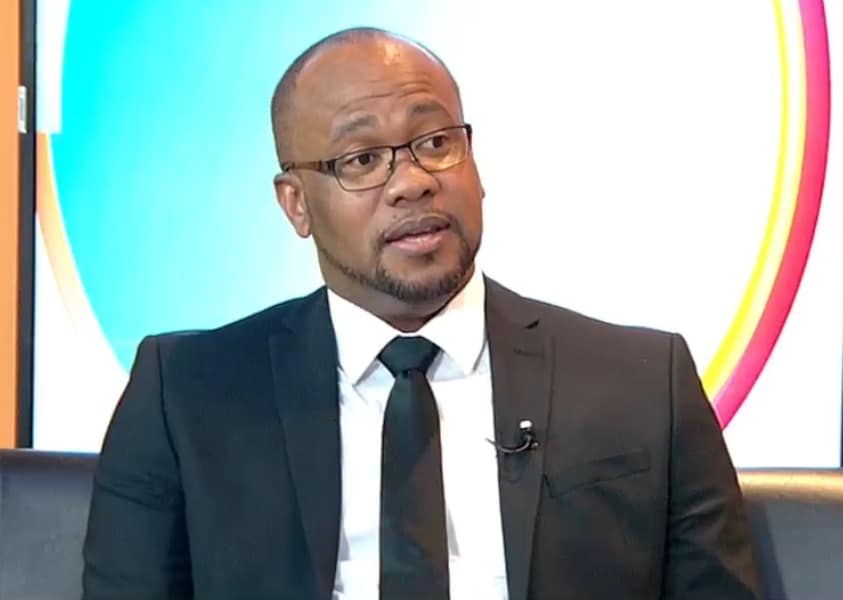
Minister of State for Disaster Response, Rawdon Turner, has lauded the National Office of Disaster Services (NODS) for its efficient and well-coordinated efforts before, during, and after Tropical Storm Jerry struck last week. Turner emphasized that disaster teams were fully prepared for any scenario, with shelters operational across all districts and robust inter-agency communication maintained throughout the crisis. He expressed relief that no fatalities or severe injuries were reported, highlighting the success of the response efforts. Deputy NODS Coordinator, Craig Cole, described the operation as ‘effective and timely,’ citing two successful rescues on Airport Road where floodwaters had trapped a bus and another vehicle. Additionally, the Pigotts main road was closed due to hazardous flooding caused by runoff from nearby backfilled ponds. In preparation for the storm, NODS teams cleared waterways and trimmed trees to mitigate flooding risks. However, some areas, such as Hodges Bay, still experienced flooding after a plastic barrel obstructed the main drain. The following day, six assessment teams were deployed to evaluate conditions and facilitate the swift resumption of economic activities. The National Emergency Operations Centre was activated on Thursday evening following consultations with Prime Minister Gaston Browne. Tropical Storm Jerry brought over nine inches of rain to northern Antigua and more than four inches to other regions. Rainfall data for Barbuda remains unavailable. The commendable response to the storm underscores the importance of preparedness and coordination in disaster management.
分类: society
-

$5,000 Reward Offered for Stolen Vehicle
Authorities are offering a $5,000 reward for information leading to the recovery of a stolen vehicle or the arrest of the perpetrators involved in the crime. The vehicle in question is a white 2011 Honda Fit RS, bearing the license plate A71654, which was stolen at gunpoint on October 12 in the Pita Pocket, Popes Head Street area. At the time of the theft, the car contained the owner’s personal identification, cash, and bank cards, adding urgency to the investigation. Law enforcement is urging anyone with relevant information to contact the nearest police station immediately, assuring that all tips will be handled with the strictest confidentiality. The public is encouraged to share this notice widely to aid in the recovery of the vehicle and the apprehension of those responsible. Additionally, the notice includes a promotional message for advertising opportunities with the most visited news site in Antigua, offering customizable digital marketing packages. For inquiries, interested parties can reach out via email at [email protected].
-
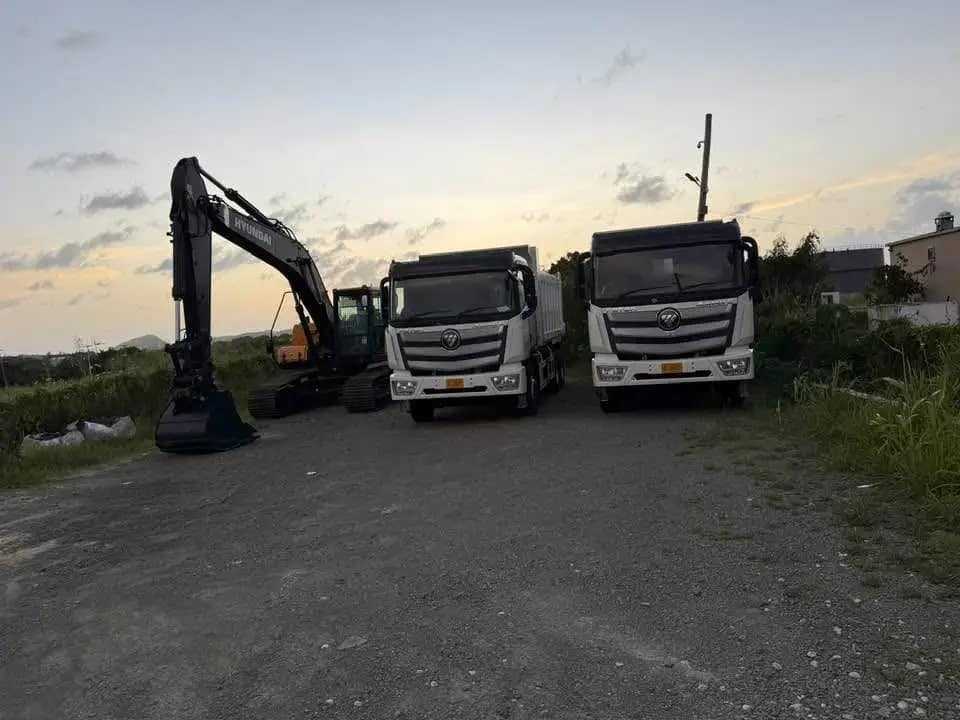
Two trucks and an excavator purchased to help farmers
In a significant move to bolster agricultural productivity, Prime Minister Browne announced the acquisition of two 20-ton trucks and an excavator for the Ministry of Agriculture. These resources are earmarked to assist farmers in constructing ponds and dams on their farms, as well as preparing sub-base layers for farm roads. This initiative aims to enhance water management and improve transportation infrastructure, crucial for the efficiency of agricultural operations. Additionally, the government plans to install solar lights on farms to facilitate night work, thereby extending the working hours and potentially increasing output. This dual approach of providing heavy machinery and renewable energy solutions underscores the government’s commitment to modernizing the agricultural sector and supporting local farmers in Antigua.
-
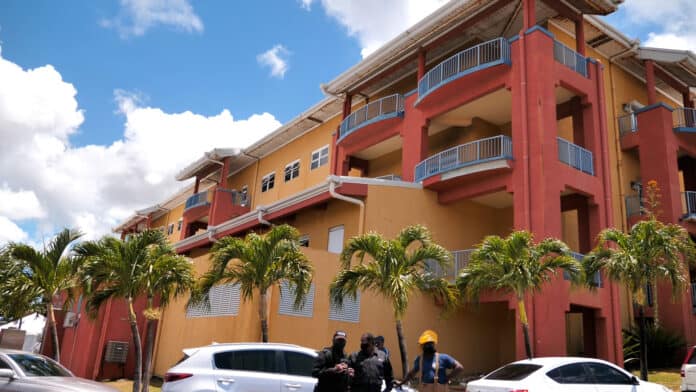
Man shot during attempted robbery in Cooks in stable condition, police say
A man is currently in stable condition at Sir Lester Bird Medical Centre after being shot in the chest during an attempted robbery in the Cooks area early Saturday morning. According to authorities, the incident occurred shortly after 4 a.m. when the victim was walking to the market. A masked gunman reportedly demanded money and, without hesitation, opened fire, striking the victim in the chest. The assailant fled the scene on foot, leaving the victim critically injured. Emergency Medical Services arrived promptly and transported the victim to Sir Lester Bird Medical Centre by 4:20 a.m., where he is now under observation. Police are actively investigating the case and have urged anyone with information to contact the Criminal Investigations Department at 462-3913 or call 911. The incident has raised concerns about safety in the area, with residents calling for increased police presence. Meanwhile, the community remains hopeful for the victim’s full recovery.
-

Social Security in the sun: Using your U.S. benefits to retire in the Dominican Republic
For many Americans, the idea of retiring in the Dominican Republic is no longer just a dream but an attainable and affordable reality. With over 700,000 Americans receiving Social Security benefits abroad in more than 180 countries, the Dominican Republic has emerged as a top destination for retirees seeking a lower cost of living and a slower pace of life. The country’s tropical climate, vibrant culture, and ease of managing U.S. benefits make it an attractive option for those looking to stretch their retirement dollars. From the mountain views of Jarabacoa to the coastal tranquility of Punta Cana, retirees can enjoy a high quality of life while making their Social Security payments go further. The U.S. Social Security Administration (SSA) approves the Dominican Republic for receiving benefits abroad, ensuring retirees can access their funds seamlessly. To manage payments, most retirees maintain a U.S. bank account and transfer funds as needed, though opening a local account in pesos or U.S. dollars is also an option. Popular banks like Banreservas, Banco Popular, and Scotiabank support international transactions, making financial management straightforward. Retirees can also minimize transfer fees by using services like Wise, Remitly, or Xoom, which offer competitive exchange rates and low fees. The cost of living in the Dominican Republic is significantly lower than in the U.S., with a single retiree living comfortably on $1,500–$2,000 per month and couples budgeting around $2,500. Rent in mid-sized cities like Santiago averages $850–$1,100, while smaller towns offer even more affordable options. Fresh local produce and dining out are inexpensive, though imported goods tend to be pricier. Healthcare is high-quality and far more affordable than in the U.S., adding to the appeal. Retirees can also explore residency options through the Pensionado visa, which requires a guaranteed monthly income of at least $1,500. Many retirees are choosing to purchase property in full-service residential communities, which offer amenities like 24-hour security, pools, gyms, and beachfront access, often with tax incentives under the CONFOTUR law. For those considering this lifestyle, real estate professionals like Rosalyn Ortega-Elie of Smart Caribbean Properties provide guidance on selecting the right community and navigating the legal process of buying property abroad. With its affordability, beauty, and ease of living, the Dominican Republic is becoming an increasingly popular choice for Americans looking to retire in paradise.
-
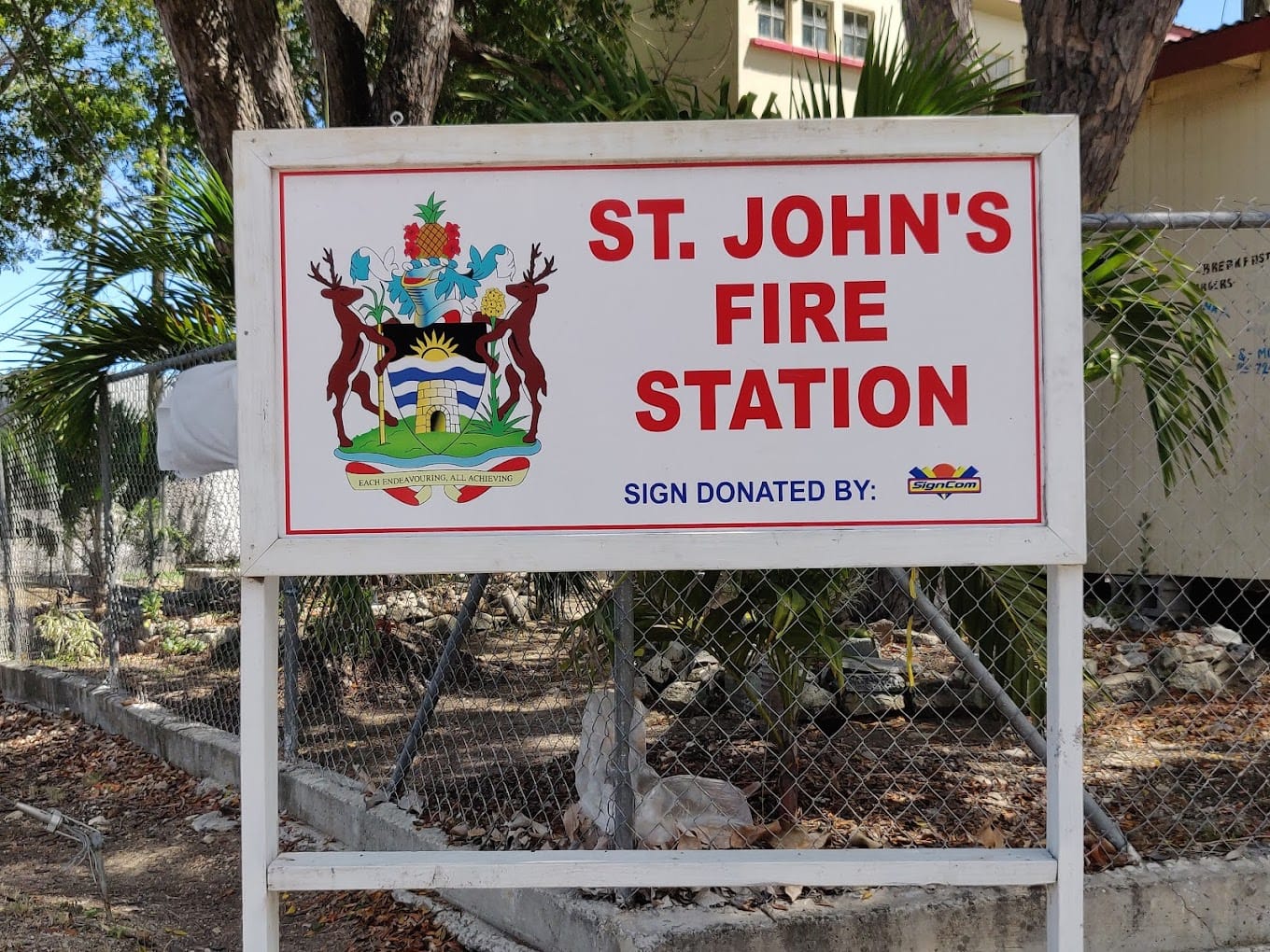
Ministry of Works to Undertake Three Major Building Projects
The Ministry of Works in Antigua and Barbuda has announced plans to undertake three significant construction and renovation projects as part of the government’s broader initiative to modernize public infrastructure. The projects include the renovation of the All Saints Clinic, the reconstruction of the St. John’s Fire Station, and the development of the Ministry of Agriculture headquarters on Queen Elizabeth Highway. Maurice Merchant, Director General of Communications, revealed that detailed cost estimates are currently being prepared for these facilities. The St. John’s Fire Station, previously located near the Antigua Recreation Grounds, has been temporarily relocated to the Villa area adjacent to the Hell’s Gate Steel Orchestra. Merchant emphasized that these projects are in addition to the ministry’s ongoing islandwide road-building program, which continues to expand. The initiative aims to restore and enhance key community facilities, reflecting the government’s commitment to improving public infrastructure across the nation. This strategic move is expected to bolster community services, enhance safety, and support agricultural development, marking a significant step forward in the country’s infrastructural evolution.
-

Three Men Committed to High Court on Gun and Ammo Charges
Three individuals, Judeah Francis of Potters, Jaquan Davis of Skerritts Pasture, and Devonne Burton of Paynters, have been ordered to stand trial in the High Court for firearms and ammunition-related offenses. The trial is set to commence in January 2026, as part of the new criminal assizes. The trio was apprehended during a joint operation by the police and Defence Force on June 12, 2024, while traveling on the Sir Sydney Walling Highway. Authorities allege that they were in possession of two pistols—a black 9mm and a black Desert Eagle 41/44 magnum—along with 14 rounds of ammunition. Additionally, they are accused of attempting to use these weapons in the commission of a crime, with Francis facing an extra charge of dangerous driving. The men were detained after officers stopped a grey Toyota Vitz, where the weapons, ammunition, and masks were reportedly discovered. During the committal proceedings, prosecutors presented 14 exhibits and indicated that seven witnesses are expected to testify at the trial. All three defendants have been released on bail, granted by a High Court judge, pending the outcome of the proceedings.
-
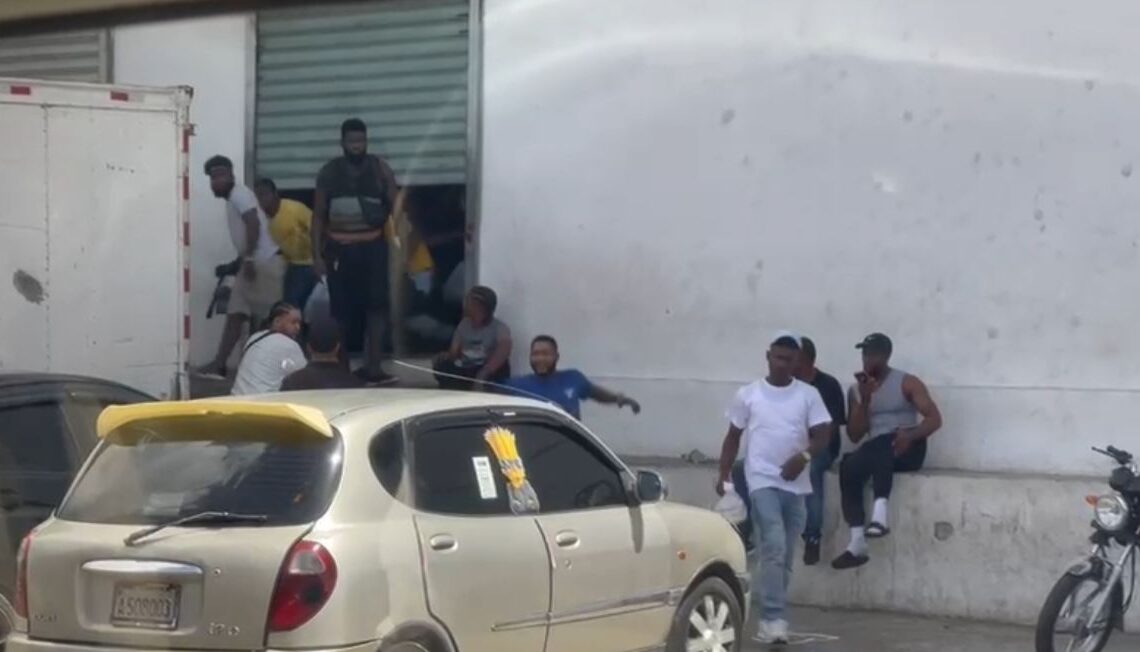
MIVED raids Suplax store operating illegally after official closure
In a bold move to enforce regulatory compliance, officials from the Ministry of Housing and Buildings (MIVED) conducted an unexpected inspection at the Suplax store in Santo Domingo this Monday. The establishment, which had been officially shut down weeks prior, was found to be operating illegally, defying the closure order. The raid was prompted by an investigative report from N Digital, which exposed the store’s continued operations. Upon arrival, inspectors discovered dozens of employees and customers engaged in transactions, leading to chaos as individuals scrambled to exit the premises, some even attempting to conceal merchandise. MIVED authorities have declared that Suplax will face severe penalties for its blatant disregard of the closure mandate and violations of building and business regulations. The ministry emphasized its unwavering commitment to upholding the law across the nation and issued a stern warning that unauthorized reopening of closed establishments will result in stringent legal consequences.
-

Column: Gedeelde verantwoordelijkheid: de lijm van onze toekomst
A nation with a shared past and a shared future also bears a shared responsibility. This is not merely an ideal but an indispensable necessity. The choices we make, the leaders we elect, and the way we interact with each other and our environment shape not only our lives but also the lives of future generations. Surinamers, we are collectively responsible for the direction our country takes. This responsibility extends beyond the political arena to our daily interactions with our elders, the care we give to our natural environment, and the nurturing of our youth. These are all pieces of a larger mosaic in which each of us plays a role. Avoiding this responsibility means undermining the very foundation of our society. Leadership is a shared duty. We choose our leaders, but they act on our behalf. Therefore, we cannot merely point fingers at politicians; we must also look inward. Are we the examples we expect from our leaders? Do we listen to each other, even when opinions differ? Do we make space for the voices of the vulnerable? Do we cherish the earth that sustains us and protect the heritage that has shaped us? This responsibility is especially palpable as our country reflects on 50 years of independence. Fifty years of building together, of struggle and progress, but also of lessons and challenges. This anniversary is a moment of reflection: what have we endured together, what have we achieved together, and what legacy are we leaving for those who follow us? It is a reminder that our future is not guaranteed but is the result of our collective efforts. This is particularly relevant as a new economic future dawns with the promise of an oil boom. While this development could bring prosperity and growth, its success depends on our collective care and responsibility. It requires sustainable thinking, fair distribution, and the preservation of our natural resources. Only by acting together, with consideration for both people and the environment, can we ensure that this new source of wealth becomes a blessing for everyone, now and in the future. Shared responsibility also means not turning a blind eye to the problems that affect us but tackling them together. Whether it’s social inequality, climate change, or raising children in an increasingly complex world, these challenges can only be overcome if we find common ground in our shared duty. Every individual, every community, every institution has a role to play. And it starts close to home. How do we treat our elders? With respect and care, or do we too often leave them to their fate? What do we do with the nature around us? Do we see it as an inexhaustible resource, or do we realize that our future depends on how we treat it? And most importantly, what values are we passing on to our children, who will carry our society forward? Shared responsibility is the glue that binds us. It is the understanding that we are stronger together, that our future is not the sum of separate individuals but of a collective that supports and challenges each other. It is a call to actively contribute to a society where everyone matters, where we learn from the past to create a just future. Without this shared responsibility, a nation loses its cohesion and, with it, its future. Therefore, let us not wait for others to act but start today—with small steps, with conscious choices. Together, we are the architects of tomorrow.
-

News : Zapping…
In a significant crackdown on organized crime, the Central Directorate of the Judicial Police (DCPJ) dismantled a major counterfeiting network in Lalue on October 11, 2025. The operation led to the arrest of twelve individuals involved in producing fake driver’s licenses, diplomas, civil status documents, credit cards, and stolen passports. Authorities are now investigating potential government complicity in the illegal operation. Meanwhile, Haiti faces scrutiny over the abandonment of a new Constitution draft, which reportedly wasted over 500 million Gourdes without explanation. In sports, the Inter-University Championship for Peace brought excitement to Place Boyer, with IHECE defeating UPLEH 79-69 in a thrilling basketball match. Standout performances included Sébastien Séraphin (IHECE) with 15 points and Pierre Flobert (UPLEH) with 17 points. The weekend concluded with UNITECH’s victory over UAEL, led by Marc Rousevelt Gabriel’s 13 points. On the international stage, Haiti’s national football team prepares for a crucial World Cup qualifier against Honduras, following a 0-0 draw in their previous encounter. In legal news, former DIE Director General Stéphane Vincent faced questioning in a corruption probe, vehemently denying allegations and criticizing the investigation as biased. Lastly, the European Union marked International Day of the Girl Child by supporting initiatives like Kako’s Kids, promoting equality and fair opportunities for girls in Haiti.