
Rhyesa Joseph, an educator, political scientist, and cultural advocate, emphasizes that Saint Lucian Creole culture extends far beyond the annual Mwa Éwitaj Kwéyòl celebrations. Her lifelong dedication to cultural preservation stems from her upbringing in Vieux Fort and Mon Repos, where she was immersed in authentic Saint Lucian traditions through storytelling, music, food, and community life. Through her research, Joseph has observed the gradual erosion of these cultural practices, driven by rising individualism, generational disconnects, and economic pressures that keep families apart. In an interview with St. Lucia Times, Joseph reflects on the state of the Creole language, its intrinsic values, and the urgent need for its preservation. Joseph highlights the dual nature of Creole’s current usage. While there have been some advancements, such as limited bilingualism in professional settings, the language’s overall usage has declined. She criticizes the superficial treatment of Creole, often relegated to aesthetic purposes or confined to October celebrations, rather than being integrated into year-round education and awareness. Beyond language, Joseph underscores the importance of traditional values and systems, such as Koudmen, a cooperative assistance model that once defined Saint Lucian communities. These systems fostered collective responsibility and a shared ethic, which are now threatened by societal fragmentation and external influences. Addressing the argument that Creole lacks global marketability, Joseph dismisses it as generational propaganda rooted in colonial prejudices. She explains how colonization sought to strip people of their identity, marginalizing Creole as the language of the “uneducated.” This historical stigma persists, perpetuated by an education system designed for English speakers. To combat this, Joseph advocates for daily practice, learning resources, and institutional support, such as mandating Creole in public programming. She emphasizes that Creole’s value lies not in its utility but in its intrinsic cultural significance. In her closing remarks, Joseph calls for a deeper appreciation of Creole as a carrier of history and identity, urging society to recognize its worth beyond superficial uses.
分类: society
-

Life in Indian Bay no longer a pleasant experience
Indian Bay, a once-idyllic coastal gem on the south coast of St. Vincent, has become a battleground for its permanent residents due to rampant environmental degradation and noise pollution. Known for its breathtaking sunsets and pristine sunrises, the bay has recently been marred by the careless actions of visitors who leave behind a trail of garbage and disrupt the peace of the community. The beach, once a serene escape, is now littered with condoms, alcohol bottles, plastic wrappers, and food containers, turning it into an eyesore and health hazard. While some conscientious visitors take their trash with them, the majority abandon it on the sand, roads, and gutters, forcing residents to clean up after them. The situation is compounded by unbearable noise pollution, with loud music blasting from vehicles and portable speakers from early morning until late at night, disrupting sleep and daily life. Residents have repeatedly reported these issues to the police, but the noise often resumes once authorities leave. Additionally, smoke from uncontrolled fires exacerbates health concerns, particularly for asthmatic individuals. Parking chaos further adds to the residents’ woes, as visitors block driveways and park illegally, ignoring local traffic laws. The author laments the growing selfishness in society, urging a collective shift in mindset to preserve the environment and community harmony. The piece concludes with a desperate plea for change, emphasizing the long-term consequences of such neglect on both the environment and the well-being of Indian Bay’s residents.
-

Lessons from yesteryear: What the older generation want youth to know
The older generation of Saint Lucia carries with them a wealth of experiences, shaped by both wisdom and regret. In a heartfelt conversation in Castries, three individuals—Kerwyn Gustave, 50; Francillia Clery, 70; and Patrick Duplesis, 84—shared their life lessons and the advice they would give to their younger selves, offering a poignant reminder of the enduring impact of youthful choices. Their stories, marked by time and truth, resonate deeply with the younger generation, urging them to reflect on their own paths. Kerwyn Gustave, now 50, spoke of her early marriage and motherhood, expressing regret for not prioritizing her personal growth and career before settling down. She emphasized the importance of self-discovery and travel, urging young people to build themselves before committing to family life. Patrick Duplesis, at 84, reflected on his shortcomings as a father, acknowledging the pain caused by his harsh disciplinary methods and the lasting estrangement from his children. His story serves as a cautionary tale about the long-term consequences of parenting choices. Francillia Clery, in her seventies, advised young women to slow down and avoid rushing into relationships and experiences that could tarnish their reputations and affect their families. Her candid admission of past mistakes highlights the importance of thoughtful decision-making. These narratives, though tinged with regret, offer invaluable insights for the younger generation, reminding them that time is fleeting and the choices made today can shape their futures in profound ways.
-

Social Security’s Charisse Pigott-Benta honoured at WOW Factor Awards
Charisse Pigott-Benta, a distinguished figure from the Social Security Division, has been awarded the prestigious Public Sector & Statutory Corporation Category at the WOW Factor Awards 2025. This annual event, a cornerstone of the national calendar, recognizes individuals who have showcased exceptional service, professionalism, and innovation in their respective fields. Pigott-Benta’s accolade underscores her unwavering dedication to enhancing efficiency and fostering public engagement within the social security system. Event organizers lauded her commitment to excellence, highlighting her work as a beacon of the high standards and community-centric values the awards strive to promote. The WOW Factor Awards continue to celebrate professionals whose influence transcends their immediate roles, inspiring others to pursue similar paths of distinction. This recognition not only honors Pigott-Benta’s contributions but also sets a benchmark for future endeavors in public service.
-

Tuitt Awarded for Outstanding Service in Law Enforcement and Safety at WOW Factor 2025
Anderson Tuitt, a prominent figure at the National Office of Disaster Services (N.O.D.S), has been awarded the prestigious WOW Factor Award 2025 in the Law Enforcement & Safety category. This accolade recognizes Tuitt’s exceptional contributions to public safety, emergency management, and community resilience. His visionary leadership at N.O.D.S has significantly advanced disaster preparedness and response strategies nationwide, ensuring safer and more resilient communities. The WOW Factor Awards, known for celebrating excellence and innovation, highlight individuals who have made a profound societal impact through their dedication and groundbreaking work. Tuitt’s recognition underscores the critical importance of disaster management and public safety in today’s world. Meanwhile, the news platform also promotes its customizable digital marketing packages, inviting businesses to advertise on Antigua’s most visited news site for maximum visibility and impact.
-

St. John’s Teacher Priscilla Joseph Named Wow Factor Award Winner for Sports and Education
Priscilla Joseph, a dedicated educator from St. John’s Catholic Primary School, has been awarded the prestigious title in the Sports and Education category at the 2025 Wow Factor Awards. This accolade recognizes her exceptional contributions to both physical education and academic development, highlighting her innovative teaching methods that have inspired students and promoted active learning. Joseph expressed her gratitude, calling the award a ‘great honor’ and dedicating it to her school community. The Wow Factor Awards, known for celebrating individuals who make a significant positive impact in education, sports, and local communities across the UK, have once again spotlighted the remarkable efforts of educators like Joseph. Her achievement underscores the importance of integrating physical activity with academic learning to foster holistic student development.
-

Antigua Inside Out’s Qasim Henry wins top tourism award at WOW Factor 2025
Qasim Henry, the visionary behind Antigua Inside Out, has been honored with the prestigious Transportation and Tours Award at the 2025 WOW Factor Awards. This accolade recognizes his exceptional contributions to enhancing visitor experiences through his innovative and culturally immersive tour services. Antigua Inside Out has become synonymous with authentic excursions that highlight the island’s rich heritage and breathtaking landscapes, making it a favorite among tourists seeking a deeper connection with Antigua and Barbuda. The WOW Factor Awards, known for celebrating excellence and innovation in the tourism sector, spotlight individuals and businesses that elevate the industry by creating unforgettable experiences for visitors. Henry’s win underscores his dedication to showcasing the island’s unique charm and his commitment to delivering unparalleled service. The award not only highlights his personal achievements but also shines a light on the vibrant tourism industry of Antigua and Barbuda, which continues to thrive through the efforts of passionate professionals like Henry. For those looking to explore the island’s culture and natural beauty, Antigua Inside Out remains a top choice, offering tours that are as informative as they are inspiring.
-

Antigua and Barbuda Honours Top Professionals at WOW Factor Awards 2025
The 2025 WOW Factor Awards, hosted by iRise Management, illuminated the John E. St. Luce Finance and Conference Centre on Saturday evening, spotlighting the spirit of excellence and exceptional customer service across Antigua and Barbuda. This annual gala recognized outstanding professionals from diverse industries for their innovation, dedication, and exemplary service. Among the distinguished honorees were Stosh Browne of Eastern Caribbean Amalgamated Bank (ECAB), who clinched the Financial Services award, and Brian Branker of Caribbean LNG Inc., celebrated in the Manufacturing, Energy, and Telecoms category. Priscilla Joseph of St. John’s Catholic Primary was lauded in Sports and Education, while Vito Walter, a private chef, triumphed in the Food and Beverage sector. Other notable winners included Qasim Henry of Antigua Inside Out for Transportation and Tours, Jeannette Bowen of Hadeed Motors Ltd. for Sales and Marketing, and Shallamar-Ann Williams of Shally’s Balloons Plus for Entrepreneurship. In the creative and entertainment sphere, Lennard “Young Lyrics” Henry was honored in I.T., Media, and Entertainment, while Karen Grenado-Wong of Sandals Grande Antigua took home the Hospitality and Tourism award. Anderson Tuitt of the National Office of Disaster Services (NODS) was recognized in Law Enforcement and Safety, Charisse Pigott-Benta of the Social Security Board in Public Sector and Statutory Corporations, and Shenelle Benjamin, an emergency room nurse at Sir Lester Bird Medical Centre, in Health and Wellness. The event, bolstered by sponsors such as GIC Insurance, Paperclips, Harney Motors, and Falmouth Harbour Marina, underscored the nation’s commitment to raising standards and inspiring excellence across all sectors.
-
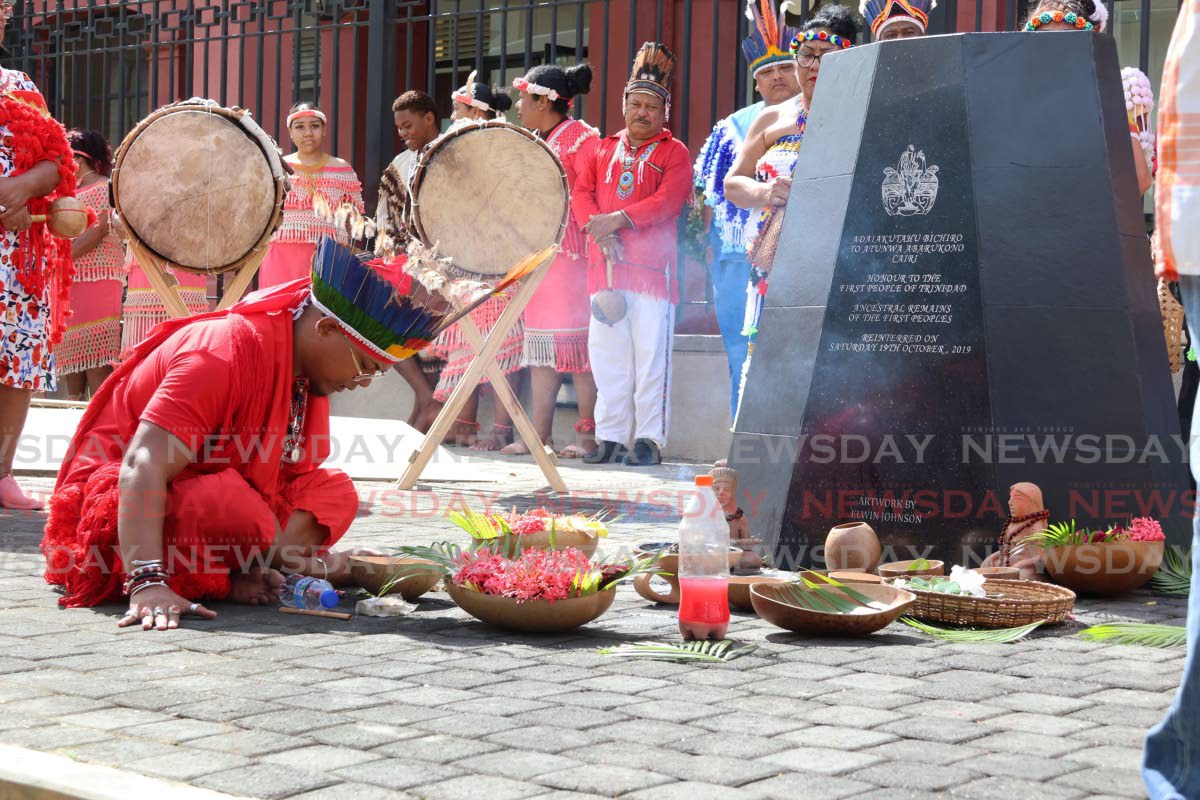
First Peoples chief condemns TikTok video linking rituals to uproar in Parliament
A recent TikTok video has ignited controversy by linking Opposition Leader Pennelope Beckles’ participation in an indigenous ritual to a heated parliamentary clash. The video, which has been widely circulated on social media, alleges that the invocation of spirits during the ceremony on October 10 outside the Red House in Port of Spain was responsible for the subsequent political tensions. This claim has been vehemently denied by Ricardo Bharath-Hernandez, chief of the Santa Rosa First Peoples Community, who labeled the video as disrespectful and offensive. Bharath-Hernandez emphasized that the ceremony, part of the community’s annual tradition to honor their ancestors, had no political agenda and should not be misrepresented. He pointed out that similar ceremonies have been attended by MPs and officials over the years without incident. The controversy arises as the community celebrates the 25th anniversary of the Day of Recognition of the First Peoples of Trinidad and Tobago, with week-long festivities culminating in a gathering at the Hyarima Statue in Arima on October 14. Bharath-Hernandez questioned why the indigenous community, which is still fighting for restitution, is being targeted in such a manner, highlighting the marginalization they face. The incident underscores the ongoing challenges faced by indigenous communities in preserving their cultural heritage amidst modern political dynamics.
-
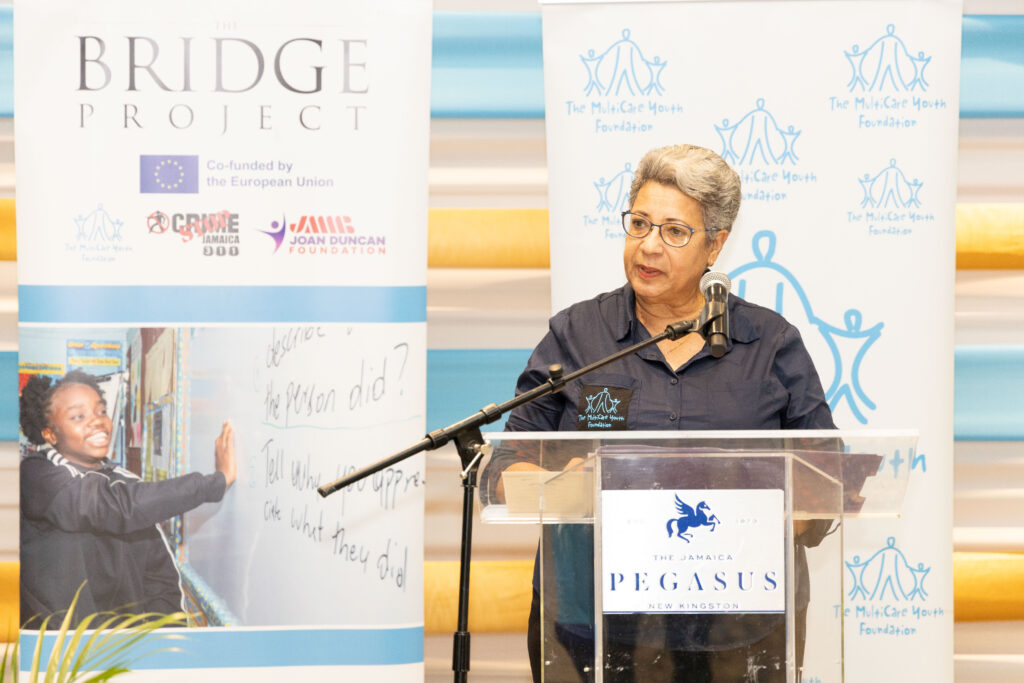
Hundreds of young people benefit from BRIDGE project
KINGSTON, Jamaica — On October 9, The Jamaica Pegasus hotel in New Kingston hosted a graduation and close-out ceremony for the European Union (EU)-sponsored BRIDGE Project, attended by nearly 60 young participants. These graduates were among the over 300 youths who engaged in empowerment and development activities organized by the MultiCare Youth Foundation (MYF). Each received certificates and branded tokens in recognition of their accomplishments. The BRIDGE Project, an acronym for Building through Reintegration, Intervention, Development, Growth, and Education, aimed to reduce youth crime and violence by addressing the multifaceted challenges faced by at-risk youth. MYF Chairman Joseph Matalon praised the participants for their resilience and transformation, emphasizing the project’s success in creating a foundation for positive change. He highlighted the EU’s support as part of a broader partnership with Jamaica, focusing on empowering vulnerable citizens. Matalon underscored the collaborative efforts of various organizations, including Crime Stop Jamaica, the Joan Duncan Foundation, and the Department of Correctional Services, in achieving national transformation. The 34-month initiative provided layered interventions, including literacy instruction, life skills training, mentorship, and cognitive behavioral therapy, benefiting over 300 youths across five communities. Notably, 85 participants secured internships, and 50 were assisted in applying for vocational programs. The project also engaged youth through arts and videography training, fostering advocacy and positive storytelling. Additionally, over 280 school administrators and teachers participated in leadership training, while 50 community members were trained in dispute resolution techniques. MYF Administrative Manager Ann Astwood expressed gratitude to donors and sponsors, crediting their support for the project’s success. She encouraged the graduates, noting their perseverance as a testament to the program’s impact. The BRIDGE Project exemplifies the transformative power of opportunity and belief, paving the way for a brighter future for Jamaica’s youth.