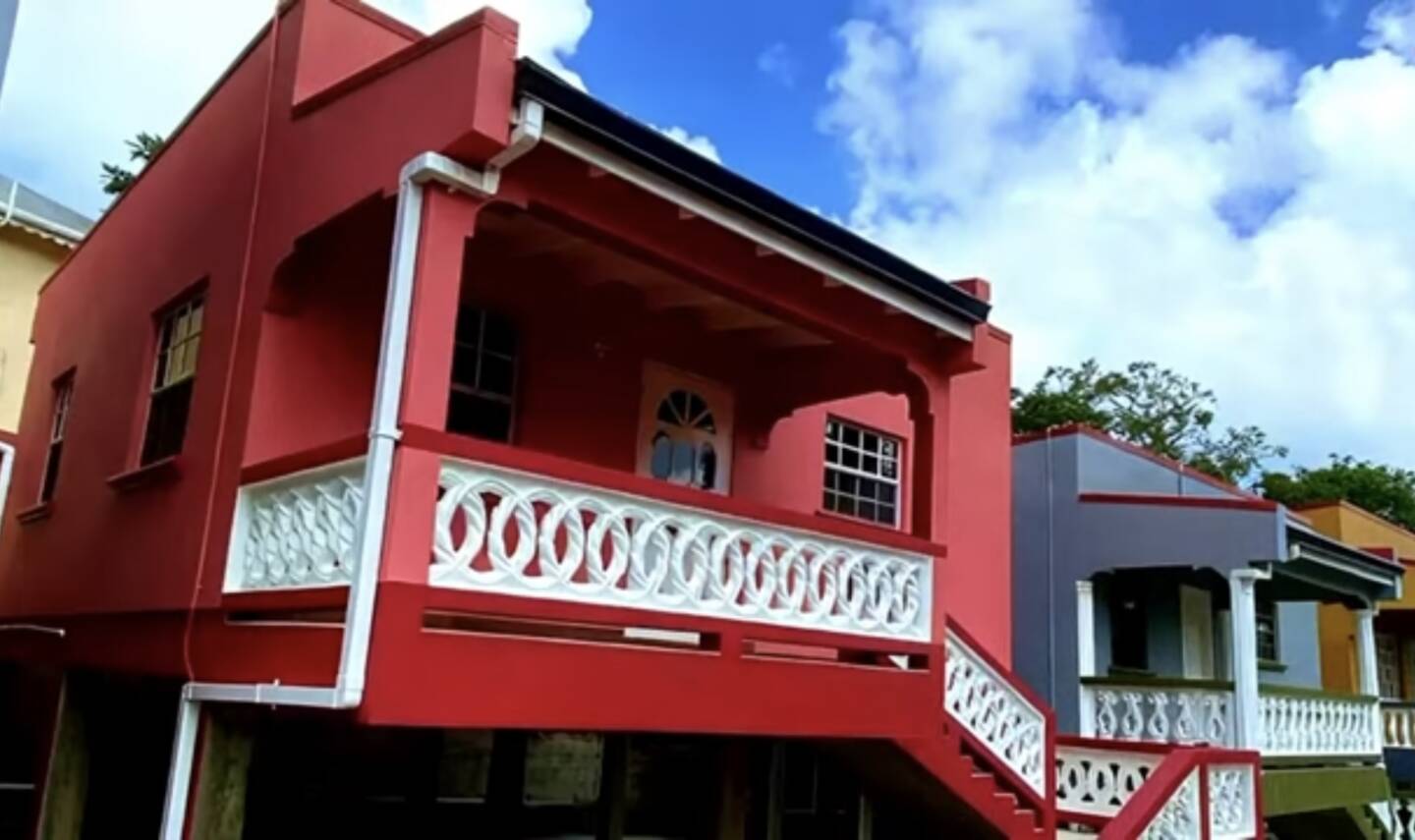
Five resilient concrete homes now stand in Chantimelle, St. Patrick, representing a remarkable community-led recovery nearly two years after a devastating fire rendered 17 residents homeless in March 2024. The newly constructed residences, equipped with rooftop solar systems designed to eliminate electricity costs, were officially handed over to families on Sunday, marking a transformative milestone in their journey from displacement to secure housing.
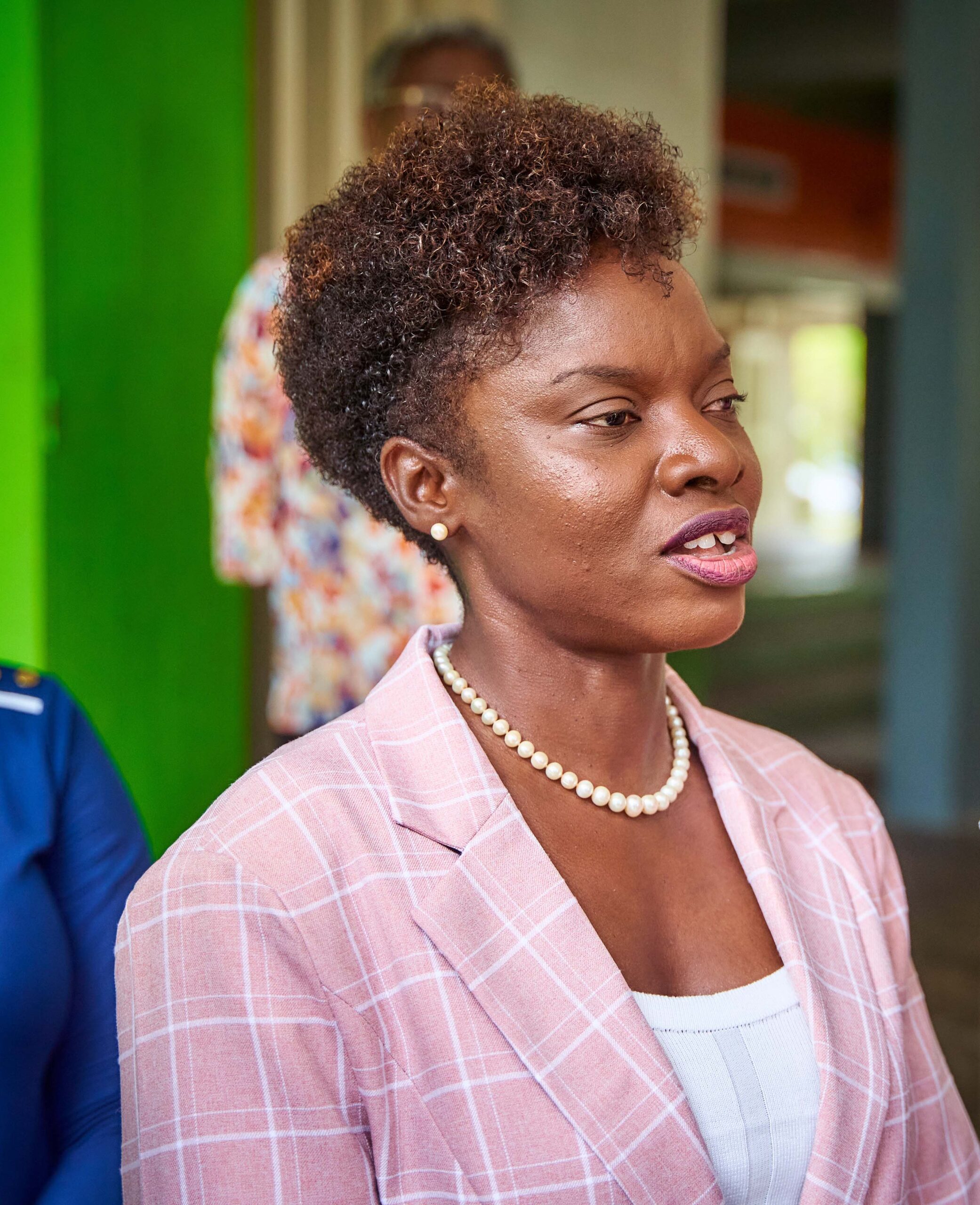
The reconstruction effort was spearheaded by the Chantimelle Fire Victims Relief Fund Committee (CHANTIVIC), chaired by Faith Phillip, which orchestrated an unprecedented mobilization of national and diaspora support. The committee successfully raised over EC$1 million in cash donations and secured an additional EC$77,000 worth of building materials through contributions from the Grenadian government, local financial institutions, private businesses, community members, and overseas Grenadians.
Prime Minister Dickon Mitchell, presiding over the handover ceremony, emphasized the broader context of fire prevention in Grenada, where approximately 50 homes are lost to fires annually—many of which he noted are preventable. He urged recipients to maintain their new homes responsibly and challenged CHANTIVIC to evolve into a permanent community institution addressing future needs beyond the reconstruction project.
The homes incorporate innovative sustainable technology through the government’s Solar for All initiative. Each property features a 3-kilowatt grid-tied solar system installed under the leadership of the Ministry of Climate Resilience, the Environment and Renewable Energy. Leslie Smith, Director of the Renewable Energy Division, confirmed these systems are engineered to dramatically reduce or completely eliminate electricity expenses for homeowners.
Joseph Andall, Parliamentary Representative for the area who initiated CHANTIVIC’s formation, characterized the project as the culmination of extraordinary collective commitment spanning local and international Grenadian communities. For the five families receiving keys to their new homes, the ceremony represented both closure to a prolonged period of uncertainty and the beginning of a more secure, sustainable future.