
In a decisive move to combat illegal firearms, the Royal Police Force of Antigua and Barbuda has arrested and charged 37-year-old Jamala Joseph of Green Bay for unlawful possession of a firearm and ammunition. The incident occurred during a routine stop-and-search operation in the early hours of Friday, November 14, 2025. Officers from the Grays Farm Police Station intercepted a vehicle on George Street, Green Bay, following a community report. During the search, they uncovered a .25 Beretta pistol and two rounds of .25 ammunition. Joseph was promptly taken into custody and formally charged with possession of a firearm and ammunition. This arrest underscores the police force’s unwavering commitment to eradicating illegal weapons from the streets, ensuring the safety and security of all residents. The Royal Police Force continues to enforce strict measures against such violations, reinforcing their dedication to maintaining public order.
分类: society
-

Fix broken support system before penalising parents, says advocate
Child rights advocate Dr. Marsha Hinds-Myrie has strongly opposed a proposal by acting Director of Public Prosecutions Alliston Seale SC to penalize parents for their children’s misconduct, arguing that Barbados’ social support system is “completely broken.” Dr. Hinds-Myrie emphasized that policymakers must urgently address the lack of early intervention and assistance for struggling families, rather than resorting to punitive measures. She highlighted that while holding parents accountable may be justified in countries with robust support systems, such as the United States, Canada, or the United Kingdom, Barbados lacks the necessary infrastructure to provide adequate help to families in need.
Dr. Hinds-Myrie questioned the feasibility of criminalizing parents when there are no accessible resources or programs to address behavioral issues in children. She pointed out the absence of structured interventions, such as anger management programs or community outreach initiatives, which are critical for supporting families. “If I have a child in Barbados who is eight years old and exhibits problematic behavior, where do I take that child?” she asked. “We do not have any of that in Barbados.”
The advocate also criticized the acting DPP for proposing punitive measures despite being aware of the systemic gaps. She argued that parents cannot be held accountable when the social safety net is riddled with deficiencies. Dr. Hinds-Myrie linked current parenting struggles to historical failures in addressing children’s behavioral needs, recalling her teaching experience at the Parkinson School in the early 2000s. She noted that many of her former students, who had unresolved behavioral issues, are now parents themselves and face challenges in raising their children.
Dr. Hinds-Myrie stressed the need for Barbados to focus on cultivating parenting skills and implementing structured programs to replace outdated practices like corporal punishment. “We do not put a real significant focus on cultivating parenting skills in Barbados,” she said. “This is part of my discomfort with just saying punish the parents.”
-
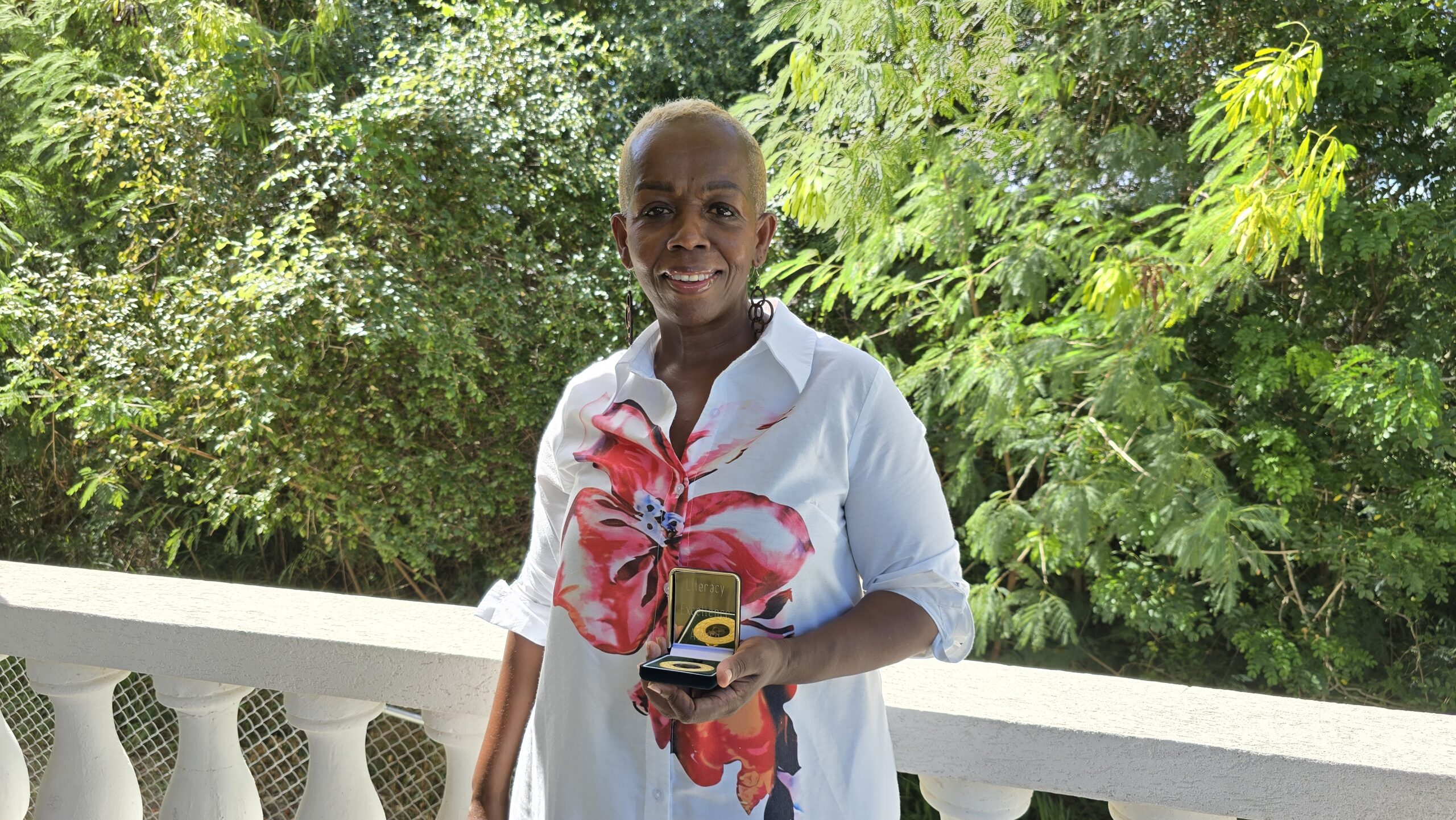
Joy Sharon’s mission to bring the joy – and power – of reading
Joy Sharon’s life is a testament to the transformative power of education. Growing up in a household marred by domestic violence, she turned her personal struggles into a mission to empower children, particularly those with dyslexia, through literacy. Now an award-winning literacy advocate, Joy is reshaping the educational landscape in Barbados, ensuring every child has the tools to read, write, and thrive.
-
Dyslexia overlooked as key factor in rising youth crime – educator
Amid growing concerns over youth violence, literacy specialist Joy Sharon has highlighted a critical yet overlooked factor: undiagnosed dyslexia. Speaking on Friday, Sharon emphasized the urgent need for research and reform, citing mounting evidence linking low literacy levels to criminal behavior. She warned that the failure to identify and support dyslexic youth is contributing to a troubling rise in youth offending.
Dyslexia, a lifelong language-based learning difficulty, affects reading, writing, and spelling due to challenges in processing language. It is unrelated to intelligence but involves difficulties in identifying speech sounds and their relation to words and letters. Symptoms often emerge when children start school, manifesting as struggles with reading fluency, poor spelling, and difficulty sounding out words.
Sharon pointed to international studies showing that nearly half of prison populations are dyslexic, with some U.S. research indicating that 47% of inmates have the condition. “There’s an over-representation of dyslexia in the prison system,” she noted, stressing that this connection is being ignored in Barbados. She criticized the lack of attention to dyslexia in schools, where children with the condition often go unsupported, leading to severe emotional and academic consequences.
Recent data from Barbados underscores the issue. A government study revealed that 95% of inmates convicted of violent crimes read at the level of a three-year-old. Cheryl Willoughby, director of the Criminal Justice Research and Planning Unit, called for a reevaluation of the educational system to identify and support children with learning challenges early. “We need to have proper monitoring systems within our schools,” she said, advocating for early intervention and the inclusion of social workers to address these issues.
Superintendent of Prisons DeCarlo Payne highlighted a concerning trend of younger offenders entering Dodds Prison, with inmates as young as 15 or 16 committing increasingly violent crimes. In response, Minister of Home Affairs and Information Wilfred Abrahams announced a reform agenda focused on rehabilitation through educational opportunities, extending these programs to prison officers as well.
Sharon urged schools to identify and support students with learning difficulties before they fall behind, emphasizing that early intervention is crucial not only for literacy but also for preventing long-term social consequences. “If you don’t know you have a learning challenge, you think there’s something wrong with you,” she said, stressing the impact on self-esteem and self-worth. Addressing dyslexia, she argued, is key to breaking the cycle of crime and incarceration.
-

Antigua and Barbuda considers tuition-free education for nationals at the UWI Five Islands Campus
The government of Antigua and Barbuda is actively exploring the possibility of providing tuition-free education for its citizens at the University of the West Indies (UWI) Five Islands Campus. Prime Minister Gaston Browne revealed that the administration is currently reviewing the proposal, which aligns with its ongoing efforts to support higher education accessibility.
Browne emphasized that the government already subsidizes a substantial portion of student expenses through existing scholarship programs. ‘Nearly every student attending UWI Five Islands benefits from government scholarships,’ he stated. ‘Given this, we are now discussing the feasibility of eliminating tuition fees entirely. Since we are already covering most costs, it makes sense to make university education completely free for our nationals.’
The Prime Minister highlighted that this initiative would reinforce the government’s dedication to broadening access to higher education and fostering sustainable national development. By removing financial barriers, the policy aims to empower more citizens to pursue advanced education, ultimately contributing to the country’s socio-economic progress.
-

Visioning the future: The strategic imperative
In a world where change is inevitable, meaningful transformation requires more than mere chance—it demands strategic visioning. This disciplined process involves envisioning a preferred future and meticulously planning the steps to achieve it. At the national level, Barbados stands on the brink of significant change. Inspired by Singapore’s model of disciplined, long-term development, there is a growing consensus that Barbados can become the “Singapore of the Caribbean.” This vision, supported by both local residents and expatriates, is gaining traction in public discourse. While the journey will be gradual, it can be integrated into a rolling ten-year strategic plan, continuously refined and renewed annually. At the sector level, the recent devastation caused by Hurricane Melissa in Jamaica underscores the importance of resilience and innovation. Discussions among industry leaders highlight the need for strategic partnerships to protect critical infrastructure, such as burying power lines to mitigate future storm damage. At the corporate level, strategic visioning necessitates collaboration between government and private enterprises to align national development goals with business opportunities. Visioning, as a guiding compass, requires passion, persistence, and patience at all levels. It is the key to achieving a sustainable and prosperous future, step by step, decade by decade. As President Obama aptly put it, “Just learn how to get stuff done.”
-
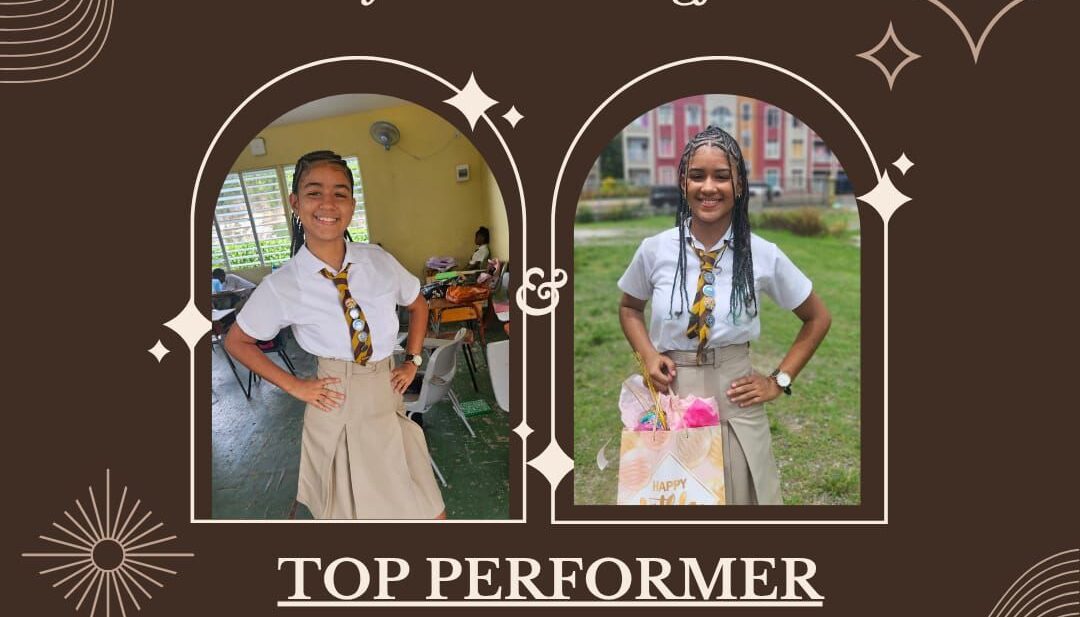
Dominica’s Adejah Shillingford scores 100%, top performer in entire region for CCSLC math exam
Adejah Shillingford, a fourth-form student at Dominica Grammar School, has achieved an extraordinary milestone by securing the highest score in mathematics across the Caribbean in the Caribbean Certificate of Secondary Level Competence (CCSLC) exam. Despite her long-standing affinity for mathematics, Adejah admitted that her perfect score of 100% came as a surprise. Her mother, Adamah, echoed this sentiment, expressing pride in her daughter’s consistent academic excellence while acknowledging the unexpected nature of this achievement. Adejah took the exam in June 2025 as a third-form student and received her results in August, learning she had attained a ‘mastery’ level grade. However, it was only recently that she discovered she had outperformed every other student in the region. In addition to her math success, Adejah also achieved a ‘mastery’ score in English, missing just one question. The CCSLC exam, introduced in 2007 by the Caribbean Examination Council, emphasizes core knowledge, skills, attitudes, and values essential for secondary school graduates. Adejah’s preparation for the exam was unconventional; she did not formally study but relied on her consistent academic diligence and natural aptitude for numbers. Interestingly, she revealed that she is not an avid reader but prefers to simplify concepts to their essence for better understanding. Adejah aspires to become an accountant and attributes her success to her love for mathematics, which has been a lifelong passion. She shared valuable advice for fellow students, emphasizing the importance of using technology as a learning tool while avoiding plagiarism. Adejah also stressed the significance of active classroom participation and maintaining a positive mindset. ‘Tell yourself you are intelligent and you can succeed,’ she urged, highlighting the power of self-affirmation in achieving academic goals.
-

When the voice of labour falls silent, then what?
Since the dawn of the 21st century, the world has undergone profound economic and political transformations, reshaping global economies, societal structures, and labor markets. These shifts, often driven by the decisions of superpower nations, have ignited trade wars and intensified competition over critical resources such as land, oil, and minerals, fostering a new era of neocolonialism. Amid these changes, trade unions have faced scrutiny for their perceived silence on these pressing issues. While international trade union organizations have voiced concerns, the muted response from developing nations—many reliant on first-world support—raises questions about their ability to safeguard labor rights and employment gains. Critics argue that unions may be either hesitant to challenge powerful entities or disconnected from the global developments threatening workers’ welfare. The hostile legal and political environments in many countries, marked by anti-union legislation and measures criminalizing union activities, further complicate their efforts. Even in democratic nations, unions struggle to address global challenges effectively. The rise of the gig economy and non-standard employment has further eroded traditional union structures, making it increasingly difficult to organize fragmented and vulnerable worker groups. Declining membership, particularly among younger workers who view unions as outdated, has diminished their influence and public visibility. As the nature of work continues to evolve, trade unions must confront these mounting challenges to remain relevant in a rapidly changing world.
-
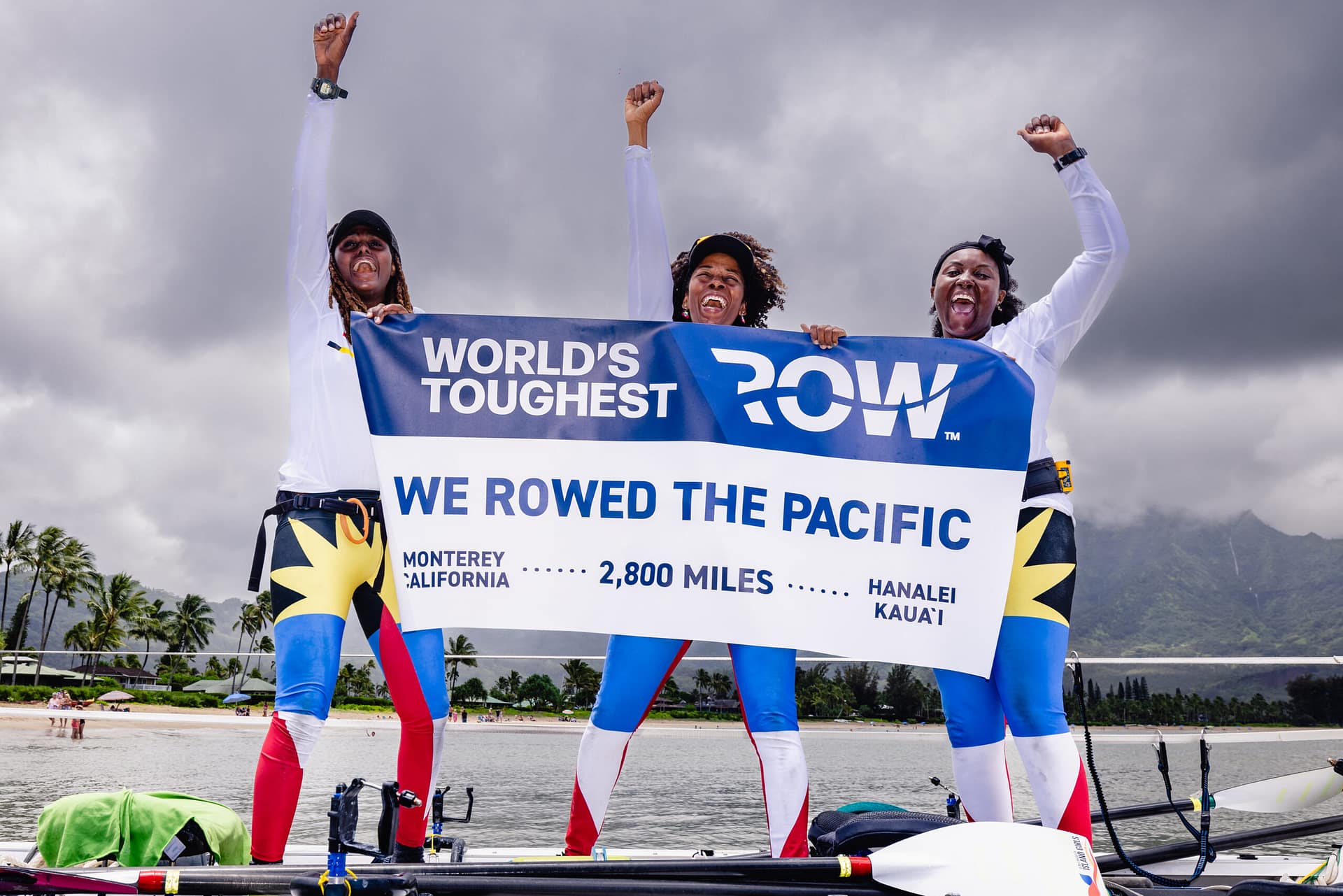
Team Antigua Island Girls Present Uncharted Waters—an evening of untold stories from their historic Pacific Ocean row
Team Antigua Island Girls, the groundbreaking all-Black female rowing team, invites the public to an exclusive event titled ‘Uncharted Waters.’ This intimate evening, scheduled for Friday, November 21, 2025, at the John E. St. Luce Financial and Conference Centre, will feature emotional storytelling and never-before-shared insights from their record-breaking 2023 Pacific Ocean crossing. The event begins at 7:15 p.m., with doors opening at 6:00 p.m. for a pre-show experience. Attendees will have the opportunity to explore ‘Dadli Gyal,’ the boat that carried the team across 2,800 nautical miles over 47 days, sample the dehydrated meals that sustained the rowers, and participate in a raffle with prizes including a dinner for two at Jumby Bay. Tickets are priced at $150 for adults and $50 for youth under 16, available via the Ticketing app, Ken’s Club in Cassada Gardens, Kennedy’s in Powell’s, or SICON at the airport. All proceeds will support the establishment of a home for girls in conflict with the law, reflecting the team’s dedication to empowerment and social change. Team Antigua Island Girls, composed of Christal (author and swim instructor), Elvira (health and wellness coach), Kevinia (personal trainer and team captain), and Samara (Antigua and Barbuda’s first female boat captain), made history in 2018–2019 by rowing 3,000 nautical miles across the Atlantic. In 2023, Christal, Kevinia, and Samara took on the World’s Toughest Row—Pacific, inspiring global audiences with their determination and teamwork.
-

Antigua & Barbuda Marks Arbor Day with Month-Long Push for Climate Resilience and Green Restoration
Arbor Day, observed internationally on November 16, stands as a powerful reminder of the critical role trees play in environmental sustainability and humanity’s duty to protect the planet. Communities worldwide commemorate this day by planting trees, revitalizing green spaces, and raising awareness about climate change and biodiversity. While the date may vary across countries, the core mission remains consistent: fostering a greener, healthier, and more resilient Earth.