
On November 14, 2025, Nevis Island welcomed a distinguished delegation from the Canada-Caribbean Seasonal Agricultural Workers Programme (CCSAWP) Annual Review Meeting. Premier the Honourable Mark Brantley and Minister of Labour the Honourable Spencer Brand hosted the delegates, who explored the island’s rich cultural heritage and natural beauty. The visit included a tour of the Nevisian Heritage Village, where delegates were treated to traditional performances by student Masqueraders and drummers, as well as freshly baked stone oven bread. The delegation comprised high-profile figures such as His Excellency Samuel Berridge, High Commissioner for St. Kitts and Nevis to Canada, representatives from the Canadian government, Labour Ministers from Jamaica, Grenada, and Dominica, and officials from Canada’s Temporary Foreign Worker Program (TFWP). Minister Brand expressed his delight in showcasing Nevisian culture and cuisine, emphasizing the importance of strengthening the longstanding partnership between Canada and the Caribbean. The CCSAWP, a nearly six-decade-old initiative, has been instrumental in providing Caribbean workers with employment opportunities in Canada’s agricultural sector, benefiting both regions. High Commissioner Berridge underscored the programme’s role in fostering mutual benefits, while Steven West of Employment and Social Development Canada (ESDC) praised the invaluable contributions of Caribbean workers to Canadian agriculture and food security. The delegates also visited Hydro Gardens, Bath Hot Springs, and Pinney’s Beach, making their stay a blend of cultural immersion and leisure.
分类: society
-

Wrap up warm tonight! The coldest weather of the season is coming this weekend: temperatures by location
Residents of the Dominican Republic are set to experience a notable shift in weather conditions as the first polar air mass of the season sweeps across the region. Weather analyst Jean Suriel has forecasted that Saturday night and early Sunday morning will bring the most pronounced cold spell of the weekend, particularly in mountainous areas and the Cibao region. Temperatures are expected to drop significantly between 6:00 p.m. and 9:00 a.m. over the coming days, offering a welcome respite from the usual heat. This cooling effect is attributed to the arrival of polar air from the north, which has already caused sub-zero temperatures in parts of the United States. The Dominican Republic will feel the full impact of this phenomenon tonight, with temperatures plummeting to unusually low levels. Additionally, a stationary cold front in the northern Caribbean and an advancing frontal system are further intensifying the chill. Suriel provided detailed minimum temperature forecasts for various locations, including Pico Duarte at -1 °C, Valle Nuevo at 2 °C, and Santo Domingo at 20 °C. This weather event is linked to two cold fronts that have recently affected the United States, with the polar air now extending its reach into the Caribbean. The Dominican Republic is expected to experience the strongest effects of this cold spell tonight, marking a significant departure from its typical tropical climate.
-

Fraud: FBI extradites four Dominicans for defrauding US senior citizens from the Dominican Republic
In a significant crackdown on transnational organized crime, the Federal Bureau of Investigation (FBI) has successfully extradited four Dominican citizens to the United States. These individuals are accused of orchestrating a sophisticated telephone scam that targeted hundreds of elderly Americans. The fraudulent operation, based in a call center in the Dominican Republic, involved deceiving seniors into making urgent payments or money transfers under false pretenses. The FBI’s Boston office spearheaded the investigation, uncovering the extent of the scam and its impact on vulnerable victims. The case highlights the growing threat of international fraud schemes and the importance of cross-border law enforcement collaboration. Political commentator Dan Bongino, a former Secret Service agent, praised the FBI’s efforts in a post on his official X account (@FBIDDBongino), commending the agency for its dedication to protecting senior citizens. This case underscores the critical need for continued vigilance and cooperation in combating organized crime that exploits vulnerable populations.
-

Education : Tribute to the national Laureates of the State exams (List)
On November 14, 2025, a prestigious ceremony was held at the Montana Hotel in Pétion-ville, Haiti, to honor the national laureates of the 2024-2025 State exams. The event was attended by key figures including Presidential Advisor Smith Augustin, Prime Minister Alix Didier Fils-Aimé, and ambassadors from Taiwan, France, and Mexico, alongside representatives from international technical and financial organizations. In his speech, Augustin praised the students for their academic excellence and encouraged them to continue being role models for the youth. He highlighted the government’s dedication to education, noting that it remains a top priority with a significant allocation of 16% from the 2025-2026 budget, totaling over 54 billion gourdes. The Minister of National Education, Antoine Augustin, announced scholarships provided by the Taiwanese Embassy for the honorees. The ceremony recognized eight outstanding students: Thalantina Rozier, Frédéric-Léonel François, Leguirne Brévil, Robinho Julien, Mélissa Samedi, Christina Laguerre, Jephté Pierre, and Christelle Angerville. Each received books, a laptop, an honorary certificate, and a financial award ranging from 150,000 to 500,000 gourdes from the Ministry.
-

Requena Maintains Teacher’s Late Salaries are Being Addressed
The ongoing dispute over delayed teacher salaries in Belize continues to escalate, despite assurances from Education Minister Oscar Requena that the issue is being resolved. Earlier this month, the Belize National Teachers’ Union (BNTU) reported that numerous educators were still awaiting their pay, contradicting the Minister’s previous claims that the matter had been settled. Requena attributed the discrepancies to salary advances issued in December, a justification the union firmly rejects, stating they never consented to such terms. In a recent statement, Requena reiterated his stance, emphasizing that the Ministry of Education has been proactive in addressing the concerns. He acknowledged the delays but shifted partial blame to school managements, citing their failure to submit necessary information on time as a recurring issue. A meeting between the Ministry, the Treasury Department, and the BNTU executive was held to discuss the matter, with plans to improve communication and accountability moving forward. Despite these efforts, the union remains dissatisfied, highlighting the persistent challenges faced by teachers in receiving timely compensation.
-
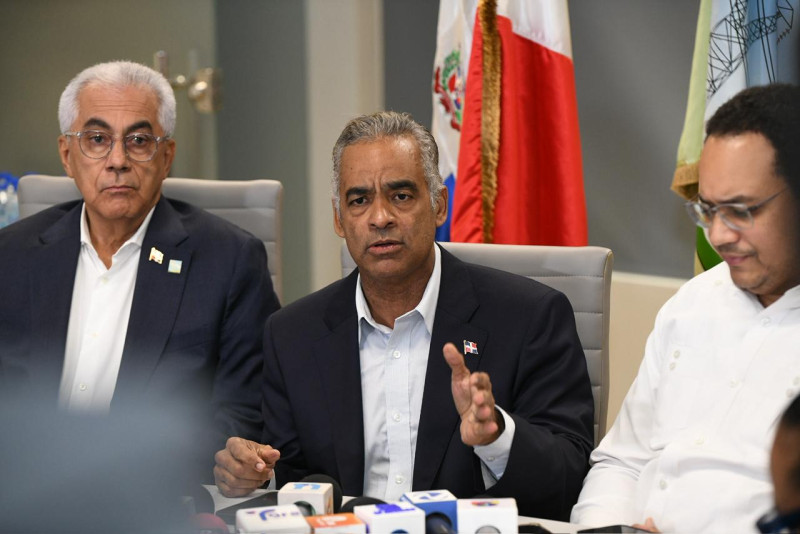
Nationwide blackout: Authorities still do not know the causes of the power outage
Santo Domingo, DR—Joel Santos, the Minister of Energy and Mines, addressed the public on Thursday to refute claims circulating in media and social networks regarding the completion of a technical report on the recent national electricity grid failure. Santos emphasized that any documents currently in circulation are unofficial and lack formal endorsement. He assured that the investigation remains ongoing, with the technical committee set to reconvene on Friday, June 14, to continue its detailed review of data from all participants in the National Interconnected Electricity System (SENI).
The Minister highlighted the importance of a thorough and rigorous inquiry, which must encompass all aspects of the grid, including transmission, distribution, generation, system operation, and field personnel. The investigation also focuses on evaluating protection mechanisms and protocols to determine the exact cause of the blackout and to enhance the resilience of the national electrical system.
Santos outlined two primary lines of inquiry: verifying compliance with field operating protocols to assess potential human error, and analyzing technical data from various components of the electrical system to confirm their performance during the failure. He reiterated that the technical committee is meticulously examining the sequence of events, equipment, and maneuvers involved, in accordance with current regulations.
The committee comprises representatives from the Ministry of Energy and Mines, the Superintendency of Electricity, the Coordinating Body, the Dominican Electricity Transmission Company (ETED), Electricity Distribution Companies (Edenorte, Edesur, and EDE Este), private generators, and state generators Punta Catalina and Egehid.
Santos urged the media and public to rely solely on official information from the Electricity Cabinet and to avoid spreading unverified reports that could cause confusion. The blackout, which occurred last Tuesday at 1:23 p.m., was attributed to a ‘human operational error’ that caused a severe disturbance in the SENI, leading to widespread chaos in Greater Santo Domingo and other provinces. The incident disrupted mass transportation and resulted in significant losses across productive sectors.
-
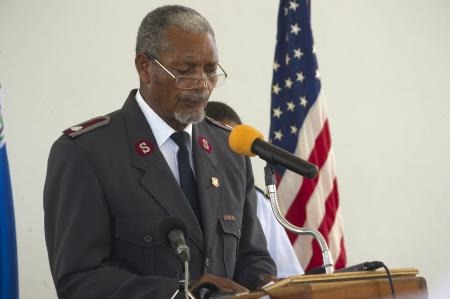
Major Errol Robateau, Salvation Army Leader and Author, Dies at 80
Major Errol Robateau, a revered figure in the Salvation Army and a prolific author, has died at the age of 80. Born in Mullins River in 1945, Major Robateau devoted over 40 years of his life to serving communities across the Caribbean and Central America. His roles spanned from pastor and administrator to Regional Commander of the Salvation Army in Belize, a position he held twice. His leadership was particularly pivotal in 2004 when the organization grappled with significant financial and administrative difficulties. Major Robateau also chronicled the Salvation Army’s legacy in Belize through his book, ‘The Salvation Army Celebrates Seventy-Five Years of Service in Belize.’ Despite his many achievements, his life was not without trials. In 2018, he survived a harrowing home invasion in Hattieville, an incident that captured national attention. Major Robateau’s life was a testament to faith, resilience, and an unyielding dedication to his community. His passing marks the end of an era for the Salvation Army and the countless lives he touched.
-
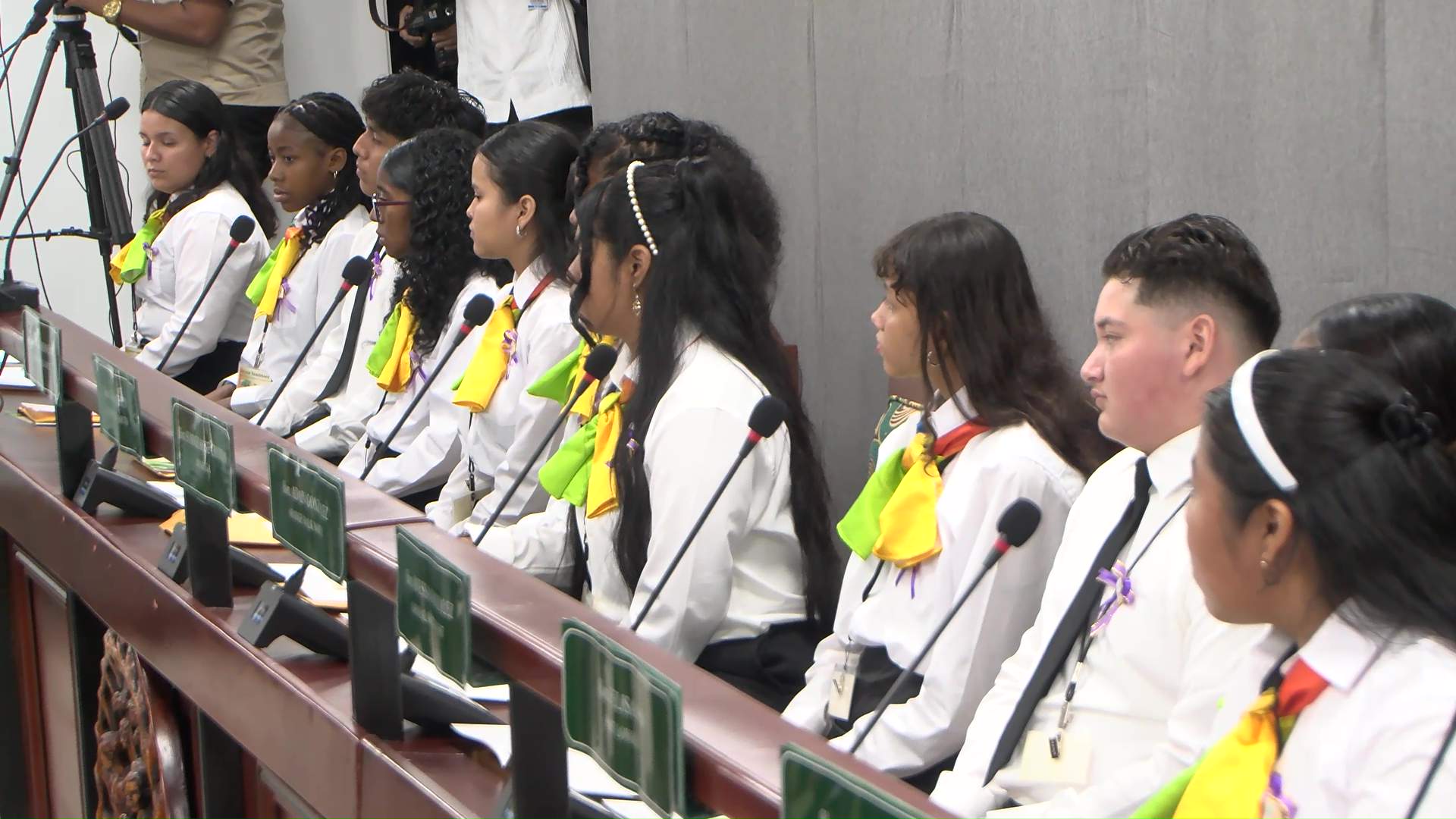
Belize’s Children’s Parliament Debates on Adolescent Health Access
Belize’s 2025 Children’s Parliament, held at the George Price Center in Belmopan, became a platform for young voices to address critical national issues. This year’s focal point was the proposed Adolescent Preventive Health Protection Bill, which seeks to grant adolescents aged fourteen and older independent access to preventive health services without requiring parental consent. The bill aims to empower youth and improve health outcomes by addressing systemic barriers that often prevent young people from accessing care.
Jasmine Cowo, a Youth Parliamentarian from Belize Rural Central, passionately supported the bill, highlighting the challenges faced by adolescents who are frequently turned away from clinics due to outdated health regulations. She emphasized the need for a modernized approach to healthcare access, especially in communities where parents or guardians are often unavailable.
Cameera Caliz, another Youth Parliamentarian, shared a personal experience underscoring the bill’s importance. She recounted a situation where she was unable to receive immediate medical care due to her age, despite being in urgent need. Caliz argued that the bill would provide adolescents with the autonomy to seek timely and confidential healthcare.
While the bill garnered significant support, it also faced opposition. Gustavo Mendez, a Youth Parliamentarian, expressed concerns about the lack of clear guidelines and support systems for adolescents exercising medical consent. He cautioned that good intentions alone do not ensure effective outcomes.
The session concluded with a majority vote in favor of the bill, sending it to the Senate for further deliberation. Opposition Leader Tracy Taegar-Panton praised the participants for their dedication and exemplary performance, reaffirming the importance of engaging young people in governance.
The event not only showcased the passion and insight of Belize’s future leaders but also highlighted the country’s commitment to fostering a politically aware and actively engaged generation.
-

Belize Gears Up for Sixteen Days of Activism
Belize is preparing to launch its Sixteen Days of Activism Against Gender-Based Violence on November 25, 2025, amidst a troubling surge in domestic violence incidents. In the past twenty days alone, at least five lives have been lost to gender-based violence, casting a shadow over the recent Domestic Violence Awareness Month. Thea Garcia-Ramirez, Minister of Human Development, has emphasized the government’s commitment to addressing this crisis and ensuring the safety of women and children. Speaking at a press conference, Garcia-Ramirez outlined the campaign’s objectives and called for collective action across all sectors of society. She highlighted the multifaceted nature of gender-based violence, which extends beyond physical and sexual abuse to include financial, emotional, and verbal abuse. The government is also revising the existing Act Against Gender-Based Violence, with plans to engage civil society organizations, stakeholders, and the public in consultations. Garcia-Ramirez urged media outlets to amplify the campaign’s message and encouraged families and communities to recognize the warning signs of abuse. The revised draft of the act will be made available for public review after the sixteen-day campaign, marking a critical step toward legislative reform and societal change.
-

Mandatory Three Hundred Dollars Courses for Motorcyclists
In a significant move to enhance road safety, Belize has announced new regulations requiring all motorcycle riders to complete a mandatory two-week training course. The initiative, set to take effect from January 1, 2026, will cost participants no more than $300. Transport Minister Dr. Louis Zabaneh emphasized that this measure is essential to equip riders with the necessary skills to navigate roads safely and reduce accident rates. The training will be conducted at ITVETs (Institutes of Technical and Vocational Education and Training) and other certified institutions. While the initial proposal suggested a six-week course, the government opted for a shorter duration to balance cost and accessibility. Dr. Zabaneh highlighted that this decision was made after thorough discussions within the cabinet, acknowledging the financial implications for riders. The new rule will apply to both existing license holders and new applicants, with a two-year grace period for compliance. This initiative aligns Belize with other jurisdictions that enforce similar safety measures, typically ranging from four to six weeks. The government aims to ensure that all motorcycle operators possess the requisite skills to handle their vehicles safely, ultimately fostering a safer transportation environment.