分类: society

  • Police identify body found on Manchester haul road

    Police identify body found on Manchester haul road

    MANCHESTER, Jamaica — A grim discovery unfolded Monday morning in Brokenhurst, Manchester, where local authorities identified a homicide victim found along a secluded haul road. The deceased has been confirmed as 41-year-old Everol Richards, a maintenance worker residing on Villa Road in Mandeville.

    Superintendent Carey Duncan, head of the Manchester police, provided preliminary details at the crime scene after responding to the incident. According to Superintendent Duncan, area residents reported hearing what sounded like loud explosions approximately at 9:00 p.m. on Sunday evening. Despite these audible disturbances, law enforcement officials received no immediate alerts.

    The situation escalated the following morning when an anonymous passerby encountered the grim scene at approximately 6:25 a.m. on Monday. The individual promptly notified authorities, who subsequently arrived to find Richards’ body bearing visible injuries consistent with gunshot wounds. The remote location of the haul road, typically used for industrial transport, suggests the possibility of a targeted attack, though police investigations remain ongoing to establish motive and circumstances surrounding the killing. The Manchester police are urging anyone with relevant information to come forward as they work to apprehend those responsible for this violent crime.

  • Connect a child this Christmas: USF donates tablets to students in need

    Connect a child this Christmas: USF donates tablets to students in need

    KINGSTON, Jamaica — In a significant move to combat educational inequality, Jamaica’s Universal Service Fund (USF) has launched a transformative Christmas initiative delivering brand-new tablets to high-achieving students facing economic challenges. The Connect-A-Child program represents a $15 million investment distributing 630 devices across all constituencies throughout December.

    The strategic intervention specifically targets Primary Exit Profile (PEP) students, aligning with Jamaica’s broader digital inclusion objectives and knowledge-based development framework established for the 2023/24 academic year. USF Chief Executive Officer Charlton McFarlane emphasized the program’s heightened significance following Hurricane Melissa’s devastating impact on educational infrastructure and connectivity.

    This technological empowerment initiative arrives at a critical juncture as educational institutions nationwide continue recovery efforts from recent storm damage. The tablet distribution aims to ensure continuity in digital learning, particularly for students relying on technology for PEP examination preparation.

    “This Christmas season, the Universal Service Fund is connecting our children to greater opportunities by ensuring disadvantaged students receive these essential learning tools,” McFarlane stated. “Our Connect-A-Child initiative embodies our organizational commitment to keeping Jamaica digitally connected.”

    The inaugural distribution ceremony occurred December 5 at Moravia Primary School in Clarendon, where Principal Beverly Smith Williams expressed profound gratitude for the timely support. Despite operating without dedicated computer facilities, Moravia Primary has maintained exceptional academic standards through innovative teaching methodologies and community support.

    “We’re absolutely elated by this contribution,” Smith Williams remarked. “Even during the hurricane’s aftermath without electricity or running water, our faculty implemented creative half-day sessions to sustain educational continuity. These tablets will significantly enhance our digital readiness efforts.”

    The school has historically leveraged donations from alumni and political representatives to advance technology integration, while actively encouraging parental investment in educational devices. The principal noted the new resources will particularly benefit students demonstrating academic excellence despite socioeconomic challenges.

    Device distributions will continue through December 31 across all Jamaican constituencies. Operating under the Ministry of Energy, Transport and Telecommunications, the USF maintains a legislative mandate to expand information and communication technology access nationwide, working toward a digitally inclusive society where financial circumstances never impede educational advancement.

  • Lessons from crisis

    Lessons from crisis

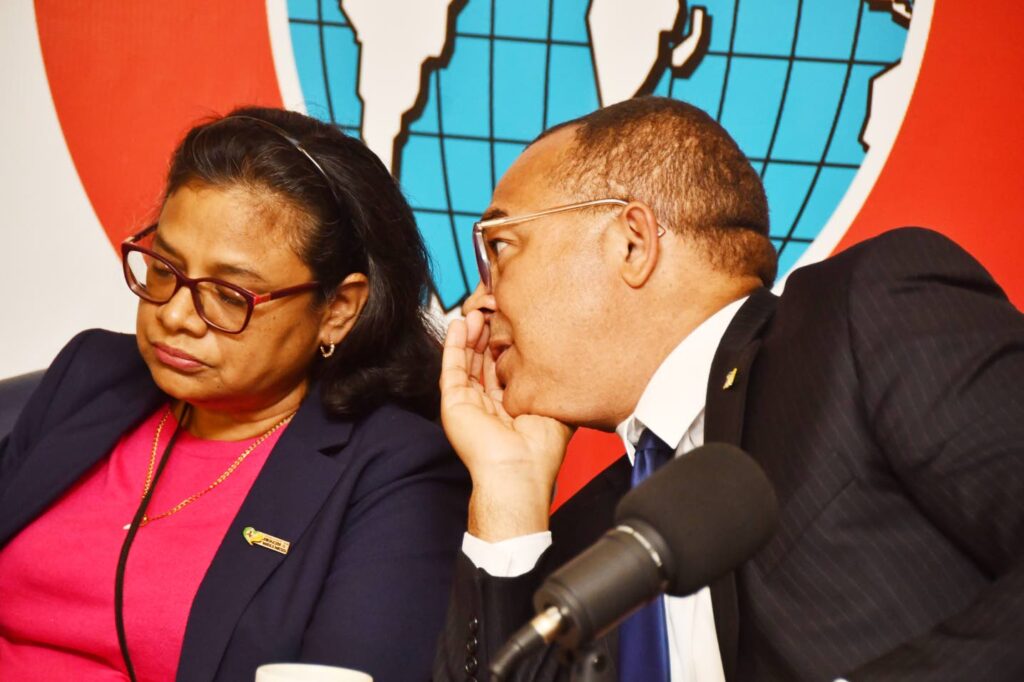
    The devastating impact of Hurricane Melissa has revealed significant deficiencies in Jamaica’s public health emergency response framework, triggering urgent calls from the nation’s highest medical authorities for comprehensive legislative reform. Health Minister Dr. Christopher Tufton and Chief Medical Officer Dr. Jacquiline Bisasor-McKenzie jointly declared that existing public health statutes require immediate modernization to address contemporary disaster scenarios.

    During a recent Jamaica Observer Press Club gathering, both officials emphasized that the consecutive challenges of managing a global pandemic and a Category 5 hurricane demonstrated the current Public Health Act’s inadequacy in facilitating rapid response operations. The legislation’s inherent rigidity reportedly hampered critical emergency measures including swift quarantine implementation, inter-agency cooperation, and frontline medical interventions during life-threatening situations.

    Dr. Tufton acknowledged the health system’s commendable performance under extreme duress but emphasized that these back-to-back crises provided invaluable insights for evaluating Jamaica’s legal preparedness for modern emergencies. “Experiencing both a pandemic and Category 5 hurricane offers an exceptional vantage point for assessing our policy and legal response frameworks,” he stated, noting that despite best efforts, the Public Health Act requires substantial revision.

    The current legislation, which serves as Jamaica’s foundational disease control and sanitation framework, empowers the health minister to impose quarantines, movement restrictions, and public space closures during outbreaks. However, these provisions were primarily designed for slower-evolving public health threats and lack the necessary agility for contemporary large-scale disasters characterized by rapid escalation and complex interdependencies.

    Dr. Bisasor-McKenzie highlighted operational disparities between the Emergency Disaster Act and Public Health Act, noting the former enables faster decision-making during critical early response phases. She identified particular weaknesses in isolation and quarantine enforcement mechanisms, stating: “We must strengthen legal provisions supporting isolation measures and consolidate reporting responsibilities across agencies to create a unified response approach.”

    Both officials emphasized the legislation’s failure to address socio-familial interventions crucial in disaster aftermath, including vulnerable population relocation and coordinated care for displaced households. The ministers advocated for a ‘one health’ approach recognizing the interconnected nature of modern health threats, from infectious diseases to climate-driven disasters that transcend national boundaries.

    Hurricane Melissa also underscored the necessity for legal flexibility in facilitating international medical assistance. Jamaica faced challenges in rapidly credentialing foreign medical professionals who established field hospitals post-disaster, with Tufton noting: “While international support was phenomenal, bureaucratic obstacles often prevent help from reaching those who need it most.”

  • UPDATE: Police identify Manchester double murder victims

    UPDATE: Police identify Manchester double murder victims

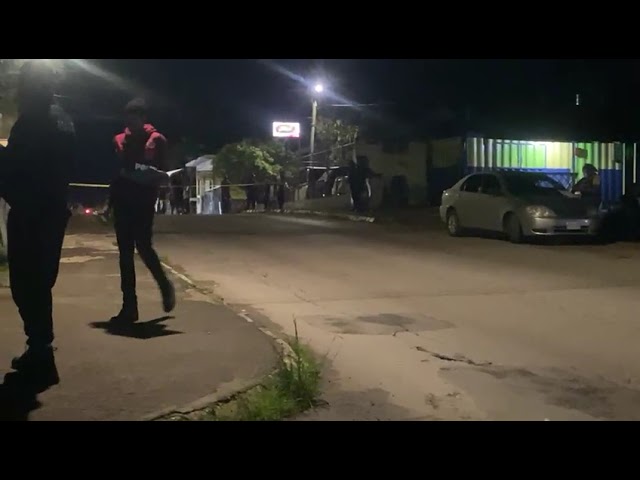
    MANCHESTER, Jamaica — A violent double homicide has shaken the community of Mandeville, following a targeted shooting at a local bar on Manchester Road this Monday evening. The victims have been officially identified by law enforcement as Nicholas Tomlinson, a 40-year-old truck driver, and Chester Smith, a 32-year-old laborer. Both men were residents of the May Day district in Manchester parish.

    According to police reports, the incident occurred at approximately 8:45 p.m. Local residents reported being startled by a series of loud explosions, later confirmed as gunfire, which prompted emergency calls to the authorities. Upon arrival, police discovered both men with severe gunshot wounds. They were urgently transported to a nearby medical facility but were subsequently pronounced dead upon arrival.

    This tragic event marks the third homicide recorded in the Manchester parish within a devastating 24-hour timeframe. In a separate but related incident, the body of an unidentified man was discovered earlier on Monday morning along a haul road in the Brokenhurst community, further intensifying concerns over a potential surge in local violent crime. Investigations into both incidents are actively ongoing, with authorities pursuing multiple leads to apprehend the perpetrators responsible for the latest attack.

  • ‘No cover-ups’

    ‘No cover-ups’

    MANDEVILLE, Jamaica — A profound call for transparency pierced the solemn atmosphere at the funeral of Victoria Brown Hanley, a 20-year-old University of the West Indies student whose unexplained death has ignited public demands for justice. Reverend Khereen Wilson-Bailey’s emotionally charged sermon at Andrews Memorial Church condemned potential cover-ups and invoked divine intervention to reveal the truth surrounding the tragedy.

    The circumstances of Brown Hanley’s death remain shrouded in uncertainty. On October 16, the final-year student was discovered lifeless in her fourth-floor dormitory at George Alleyne Hall on the UWI campus. According to initial reports, her roommate returned after 6:00 am to find Brown Hanley face-down with a scarf tightly wound around her neck. Despite immediate efforts by campus security and responding officers from the Mona Police Post, the young Manchester native was pronounced dead at the scene.

    Official autopsy results confirmed death by strangulation, yet law enforcement authorities have maintained remarkable silence regarding investigative progress. Assistant Commissioner Michael Phipps of the Jamaica Constabulary Force’s Area Four had initially indicated that CCTV footage review and witness interviews were underway, but police have since declined to identify any persons of interest in the case.

    The emotional funeral service revealed disturbing parallels as Reverend Wilson-Bailey disclosed this marked the second 20-year-old she had buried in her ministry. Another young woman had previously been found dead with blunt force trauma to the head in Berry Hill, Manchester, creating a pattern that underscores the vulnerability of Jamaica’s youth.

    Brown Hanley was universally remembered as a jovial yet reserved individual with exceptional promise. Tributes from deCarteret College Principal Dr. Prim Lewis described her as “quiet, reserved, polite, hard-working, ambitious, not vulgar at all,” while May Day High Principal Stanford Davis recalled her precocious nature since childhood. Her grieving parents, Pauline and Vernon Hanley, sat beside their daughter’s blue coffin as family and community members shared memories of her empathetic nature and rare emotional intelligence.

    The collective anguish expressed throughout the service transcended personal grief, evolving into a powerful societal demand for accountability and protection for Jamaica’s young population. Religious and educational leaders united in their call for justice, emphasizing that those who prey on the vulnerable would not escape divine or legal consequences.

  • Two shot dead in Manchester

    Two shot dead in Manchester

    MANCHESTER, Jamaica — A violent double homicide occurred at a bar located on Manchester Road in Mandeville on Monday evening, resulting in the deaths of two unidentified men. The incident represents the third murder recorded in Manchester parish within a devastating 24-hour timeframe.

    According to preliminary investigative reports, the attack transpired at approximately 9:00 p.m. Local residents reported being startled by a series of loud explosive sounds, later confirmed as gunshots, which prompted immediate calls to law enforcement authorities. Police units dispatched to the scene discovered both victims critically injured from multiple gunshot wounds.

    Emergency medical services rapidly transported the wounded men to a nearby hospital; however, medical personnel pronounced both deceased upon arrival. The Jamaica Constabulary Force has not yet released the identities of the slain men, pending formal notification of their next of kin and further investigation.

    This tragic shooting follows another gruesome discovery made earlier on Monday morning, when the body of an unidentified man was found on a haul road in the Brokenhurst community. The consecutive incidents have heightened concerns about violent crime in the region, with three lives lost within a single day.

  • ‘Leaving no child behind’

    ‘Leaving no child behind’

    Jamaica hosted a landmark gathering of over 220 children, researchers, educators, and policymakers for the 20th Annual Caribbean Child Research Conference (CCRC) as regional recovery efforts accelerate following Hurricane Melissa’s devastation. The event, convened at The University of the West Indies Regional Headquarters, issued a powerful regional mandate prioritizing children’s needs in disaster recovery and long-term development strategies.

    Under the theme ‘Leaving No Child Behind: Bridging Gaps for Marginalised Children in the Caribbean’, the conference emphasized equity and child participation frameworks critically needed after October’s hurricane disrupted communities across the island nation. The gathering featured three competitive showcases celebrating young Caribbean researchers and writers, with Jamaican student Jihan Gidwani of Heinz Simonitisch School securing top honors in the essay category. Trinidad and Tobago participants Jeremel Job (Bishop’s High School) and Aameliah Ramiah (Esperanza Presbyterian Primary School) prevailed in research and poetry competitions respectively.

    Conference Chair Professor Aldrie Henry-Lee reinforced the event’s mission amid ongoing challenges: ‘The CCRC remains the region’s leading platform for research, dialogue, and advocacy focused on improving the lives of Caribbean children and youth. Our deliberations this year are especially important as we advocate for systems that safeguard children’s rights.’ Henry-Lee extended solidarity to hurricane-affected communities, particularly children experiencing disrupted education and daily routines.

    UNICEF Representative for Jamaica and the Eastern Caribbean Olga Isaza highlighted the conference’s unique approach to centering children’s perspectives: ‘This conference has translated the Convention on the Rights of the Child into lived reality by ensuring children not only learn about their rights but also speak for themselves.’ Isaza emphasized that sustainable recovery requires positioning youth at the core of planning, decision-making, and investment strategies, noting UNICEF’s continued support for restoring child-focused services including education, healthcare, nutrition, and psychosocial support.

    The conference featured youth-led presentations addressing climate change, educational equity, mental health, justice reform, and child well-being. Participants engaged in practical hurricane relief efforts on the second day, delivering care packages and educational materials to Great Faith Basic School in St. Ann while establishing a Safe Relaxation Corner to support emotional recovery. The 20th anniversary conclave culminated in a renewed regional commitment to amplifying children’s voices, strengthening protective systems, and advancing rights-based development across the Caribbean.

  • Suspect held in Guyana after mercury from Suriname seized

    Suspect held in Guyana after mercury from Suriname seized

    GEORGETOWN, Guyana – In a significant environmental enforcement operation, Guyana’s Customs Anti-Narcotics Unit (CANU) has apprehended an individual linked to a major mercury smuggling incident. The interception occurred on Sunday at Crabwood Creek in Corentyne, Berbice, where authorities discovered the highly toxic substance concealed within a vehicle crossing from neighboring Suriname.

    The confiscated mercury, with an estimated street value of GUY$18 million (approximately US$72,000), represents a substantial threat to public health and environmental safety. CANU officials conducted a thorough search of the suspect vehicle, uncovering multiple parcels containing what was later confirmed to be mercury—a strictly controlled substance under Guyanese regulations.

    This seizure aligns with Guyana’s ongoing national initiative to eliminate mercury use in gold processing operations. The toxic metal poses severe ecological risks as it contaminates air, water systems, marine life, and soil, eventually entering the human food chain. Mercury exposure can lead to serious neurological and health disorders, making its trafficking a high-priority concern for regulatory agencies.

    Following the interception, the suspect remains in custody assisting with investigations. The seized mercury has been transferred to the Ministry of Natural Resources for specialized processing and safe disposal procedures. This operation underscores the government’s strengthened commitment to combating environmental crimes and protecting public welfare through enhanced border surveillance and interagency cooperation.

  • Virtual Access Court Centres to replace police station hearings

    Virtual Access Court Centres to replace police station hearings

    In a significant stride toward judicial modernization, Trinidad and Tobago’s Justice Minister Devesh Maharaj conducted an inspection of the newly established Virtual Access Court Centres (VACC) at the Hall of Justice in Port of Spain on December 22. The visit served as a critical assessment of the nation’s progress in expanding public accessibility to court services through technological innovation.

    Minister Maharaj was accompanied by key ministry officials including Acting Permanent Secretary Trudy Lewis, Acting Deputy Permanent Secretary Fran Chaitoo-Jacob, Senior Project Manager Nicholas Suban, and Dr. Louis Percival Anthony Nurse. The delegation received a comprehensive briefing from Chief Justice Ronnie Boodoosingh, Court Executive Administrator Jamie Philbert, and Acting High Court Registrar Kimberly Prescott.

    This collaborative initiative represents an inter-agency approach to addressing operational challenges within the judicial system. The newly constructed centers are specifically designed to provide a secure and accessible alternative to police stations for conducting virtual court proceedings, thereby alleviating the previous strain on law enforcement resources.

    The development of these specialized centers emerged from concerns raised in May 2025 regarding the impracticality of hosting virtual hearings within police facilities. In response, Minister Maharaj established a working group in July 2025 to comprehensively review virtual hearing procedures. The judiciary subsequently created this dedicated facility at the Hall of Justice as a direct outcome of those deliberations.

    Operational demonstrations during the visit showcased the technology’s capability to enable judicial officers to maintain complete control over proceedings, manage participant engagement, ensure proper conduct, and preserve the integrity of judicial processes in a virtual environment.

    As part of the ministry’s broader digital transformation agenda, these centers will free up critical space at the Besson Street Police Station, allowing the Trinidad and Tobago Police Service to reinvigorate essential crime-fighting operations, including identification parades. The initiative represents a strategic fusion of technology and justice aimed at enhancing transparency, efficiency, and responsiveness across the entire judicial system.

  • Court apologises, but upholds murder conviction and sentence

    Court apologises, but upholds murder conviction and sentence

    In a landmark ruling that balanced judicial integrity with constitutional accountability, Jamaica’s Court of Appeal has maintained the murder conviction and life sentence of Dwayne ‘Chad’ Smith while formally acknowledging a significant breach of his constitutional rights due to procedural delays.

    The judicial panel, presided over by Justice Marva McDonald-Bishop alongside Justices Evan Brown and Lorna Shelly-Williams, delivered a comprehensive verdict rejecting all grounds of Smith’s appeal against his 2019 conviction for the 2011 murder of Clive Palmer. The court determined that despite a six-year delay in the appellate process that violated Smith’s right to a timely hearing, the conviction remained legally sound and the sentence appropriate.

    The case originated from a fatal August 2011 incident in McCook’s Pen, St. Catherine, where Smith was identified by multiple witnesses as the perpetrator who shot Palmer while he was gathered with others under an apple tree. The 2019 trial concluded with Smith receiving a life sentence with parole eligibility after 20 years.

    Defense attorney John Clarke had presented multiple arguments for overturning the conviction, citing alleged judicial errors including improper admission of hearsay evidence, weaknesses in visual identification testimony, and failure to provide sentence reduction remedies for constitutional violations.

    The appellate court systematically addressed each contention, noting that while the trial judge had failed to specify the methodology for determining the 20-year minimum term, the sentence was justified given the aggravating circumstances: a home invasion involving firearm violence committed before multiple witnesses, with the weapon never recovered. The judges emphasized that such crimes remain prevalent in Jamaican society.

    Regarding the constitutional breach, the court acknowledged the six-year appellate delay as ‘unacceptable’ but noted that Smith had already received substantial sentencing benefits—including seven years’ credit for pre-trial remand time plus an additional three-year reduction. The court calculated that any entitlement for appellate delay would not exceed eighteen months, an amount already effectively covered in the original sentencing consideration.

    Rather than reducing the sentence further, the court elected to formally acknowledge the constitutional violation and issue a public apology while letting the original punishment stand. The ruling establishes that not every constitutional breach automatically warrants sentence reduction, particularly when the defendant has already received substantial sentencing considerations.

    The court’s final order refused leave to appeal both conviction and sentence, mandated that the sentence be calculated from its original June 28, 2019 imposition date, and formally apologized for the violation of Smith’s constitutional rights under sections 16(1) and 16(8) of the Jamaican Constitution.