分类: society

  • Mother Alleges Harsh Treatment of Jahreem Staine in Prison

    Mother Alleges Harsh Treatment of Jahreem Staine in Prison

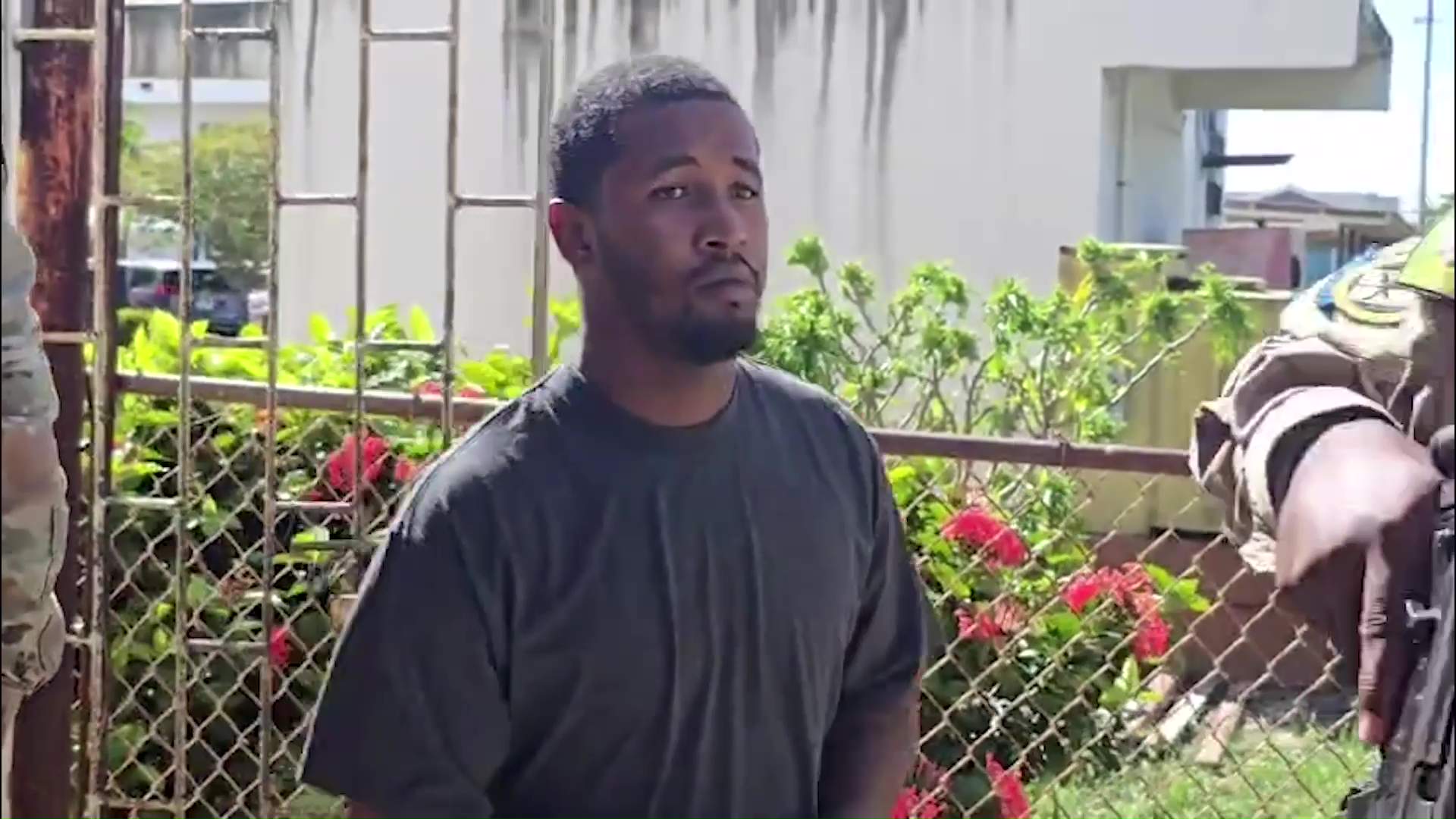
    A mother has come forward with alarming allegations of human rights abuses against her son, Jahreem Staine, who has been detained at Belize Central Prison since October 9th, 2025. The 22-year-old, known as “32,” is being held on contempt of court charges related to a judicial order violation.

    According to his distraught mother, who visited news offices to publicize her concerns, Staine was immediately placed in solitary confinement upon his arrival at the facility. She claims prison authorities have completely isolated him, denying all telephone privileges and cutting off any communication with family members.

    The situation reportedly escalated recently when correctional officers pepper-sprayed the detainee after alleging he had made threatening phone calls from confinement—an accusation his mother finds implausible given his complete isolation. She further described concerning interactions where medical complaints about blurred vision were dismissively attributed to pre-existing cataracts rather than addressing the pepper spray exposure.

    Emotional testimony revealed distressing conditions within the isolation unit, where Staine allegedly sleeps on a mere piece of sponge with minimal bedding and is confined to a space without adequate ventilation. His mother emphasized she isn’t seeking special treatment but rather basic humane conditions and due process, noting her son has been held for nearly two months without meaningful contact or proper procedural oversight.

    The case raises significant questions about prison conditions and human rights protections within Belize’s correctional system, particularly regarding the treatment of remand detainees who haven’t been convicted of crimes.
  • Customs Siblings Face Court in Massive Weed Bust

    Customs Siblings Face Court in Massive Weed Bust

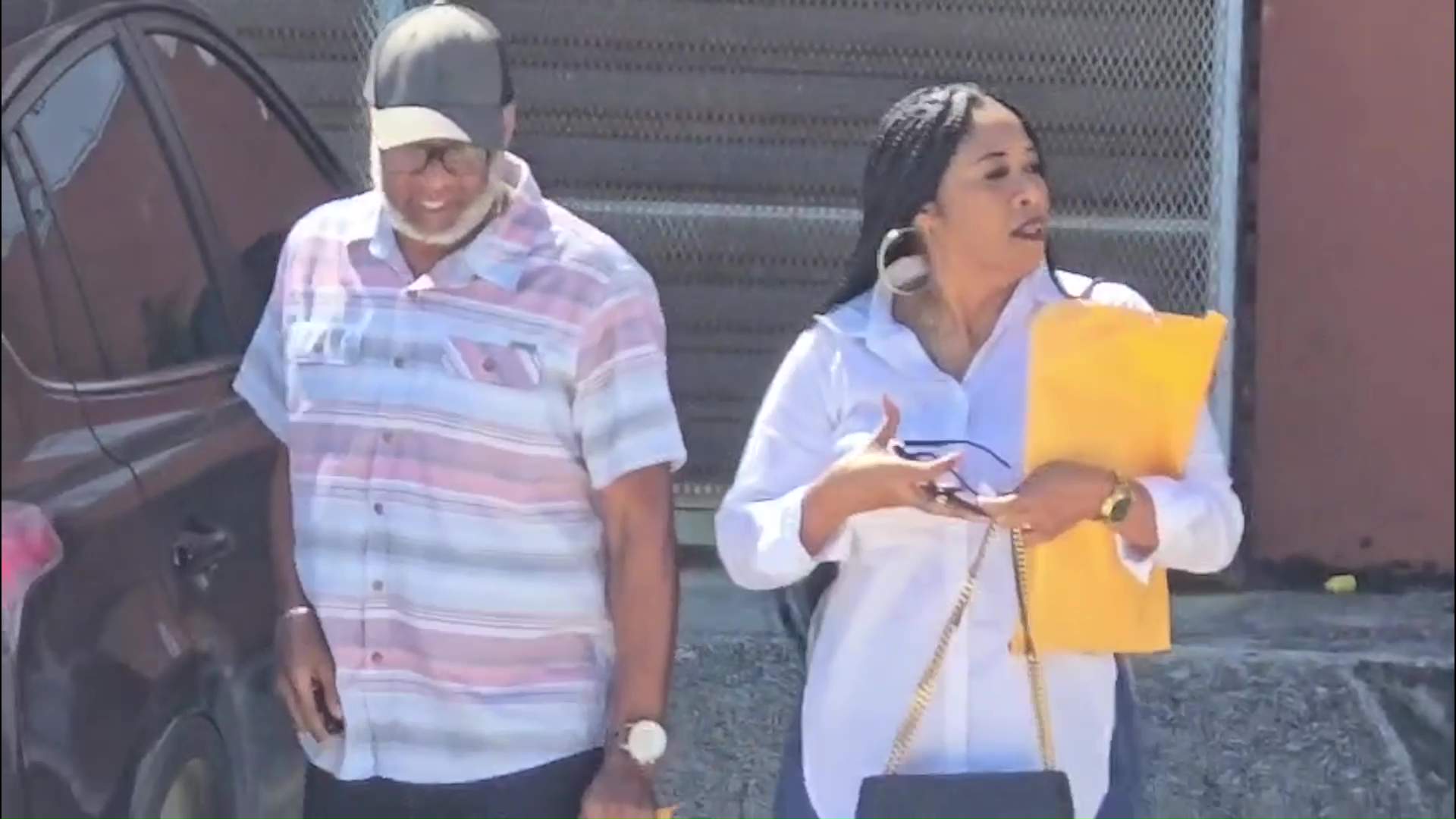
    In a significant legal development, two siblings formerly associated with the Customs Department appeared before the Chief Magistrate on December 3, 2025, facing serious charges related to one of the nation’s largest marijuana importation cases. Cheryl Castillo-Moreno and Athlee Castillo arrived at Court #1 shortly before noon, where prosecutors presented them with extensive evidentiary documentation spanning ninety-five pages.

    The case originated from their October 2 arraignment, where both defendants were formally charged with abetment to import approximately 151 pounds of high-grade cannabis with an estimated street value reaching millions of dollars. According to investigative reports, the controlled substances were allegedly smuggled from the United States concealed within shipments falsely declared as ‘bath and body’ products.

    The investigation gained momentum when a customs official, prompted by multiple urgent calls demanding clearance authorization, grew suspicious and initiated a thorough inspection of the questionable consignment. Upon examination, authorities discovered meticulously sealed packages containing cannabis rather than the declared cosmetic items.

    Both defendants entered pleas of not guilty and were subsequently released on bail bonds set at $20,000 each, under stringent conditions including the surrender of all travel documentation. Their legal representative, prominent attorney Richard Bradley, addressed media outside the courtroom, characterizing the charges as “serious allegations yet to be substantiated.” Bradley further contextualized the case within Belize’s current legislative framework, noting the paradoxical nature of marijuana regulations that permit limited possession while prohibiting legal acquisition or distribution.

    The judicial proceedings have been adjourned until February 3, 2026, with the case attracting significant public and institutional attention regarding its implications for customs integrity and drug enforcement policies.

  • The system was restored, but the impact persists

    The system was restored, but the impact persists

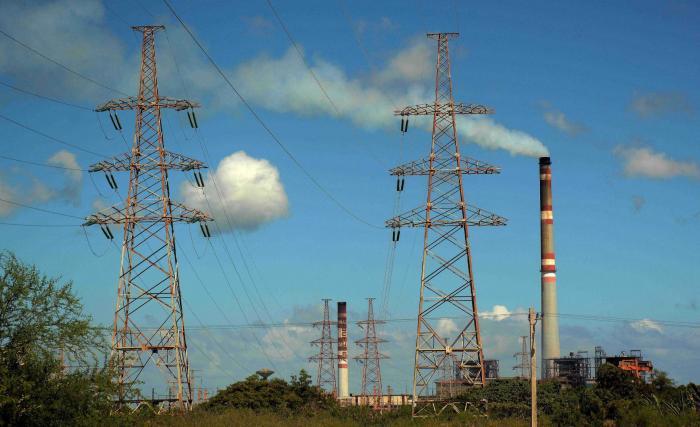
    Cuba is confronting a critical electricity generation crisis characterized by severe power shortages affecting the entire nation. The situation stems primarily from an acute fuel shortage that has rendered over 1,000 megawatts of distributed generation capacity inoperable, creating substantial deficits across the electrical grid.

    Engineer Lázaro Guerra Hernández, General Director of Electricity at Cuba’s Ministry of Energy and Mines (Minem), provided exclusive insights to Granma regarding the emergency. He confirmed that while the national electrical system has been technically restored following recent failures, generation capacity remains critically constrained due to fuel unavailability.

    The crisis intensified with the simultaneous shutdown of Unit 1 at the Felton power plant and planned maintenance at Energas facilities. However, authorities implemented contingency measures by postponing the complete shutdown of gas plants, maintaining approximately 320-330 MW of generation from Energas engines. This decision also secured continued gas supply for domestic use in Havana.

    Félix Estrada Rodríguez, Director of the National Load Dispatch Center, reported that Unit 6 at Mariel and Machine 1 at Santa Cruz had been successfully synchronized, bringing available generation to between 1,200-1,300 MW. Nevertheless, officials acknowledge that complex conditions and service disruptions will persist throughout the day.

    The Felton unit is expected to remain offline for approximately 36 hours for repairs, with its return anticipated to contribute over 200 MW to the system. The recent national grid separation on Wednesday morning was attributed to a failure in the interconnection between the Ernesto Guevara thermoelectric plant in Santa Cruz and the Antonio Guiteras facility in Matanzas, creating an uncontrollable power imbalance in the region.

  • Water Flows Again in Unitedville After Days of Dry Taps

    Water Flows Again in Unitedville After Days of Dry Taps

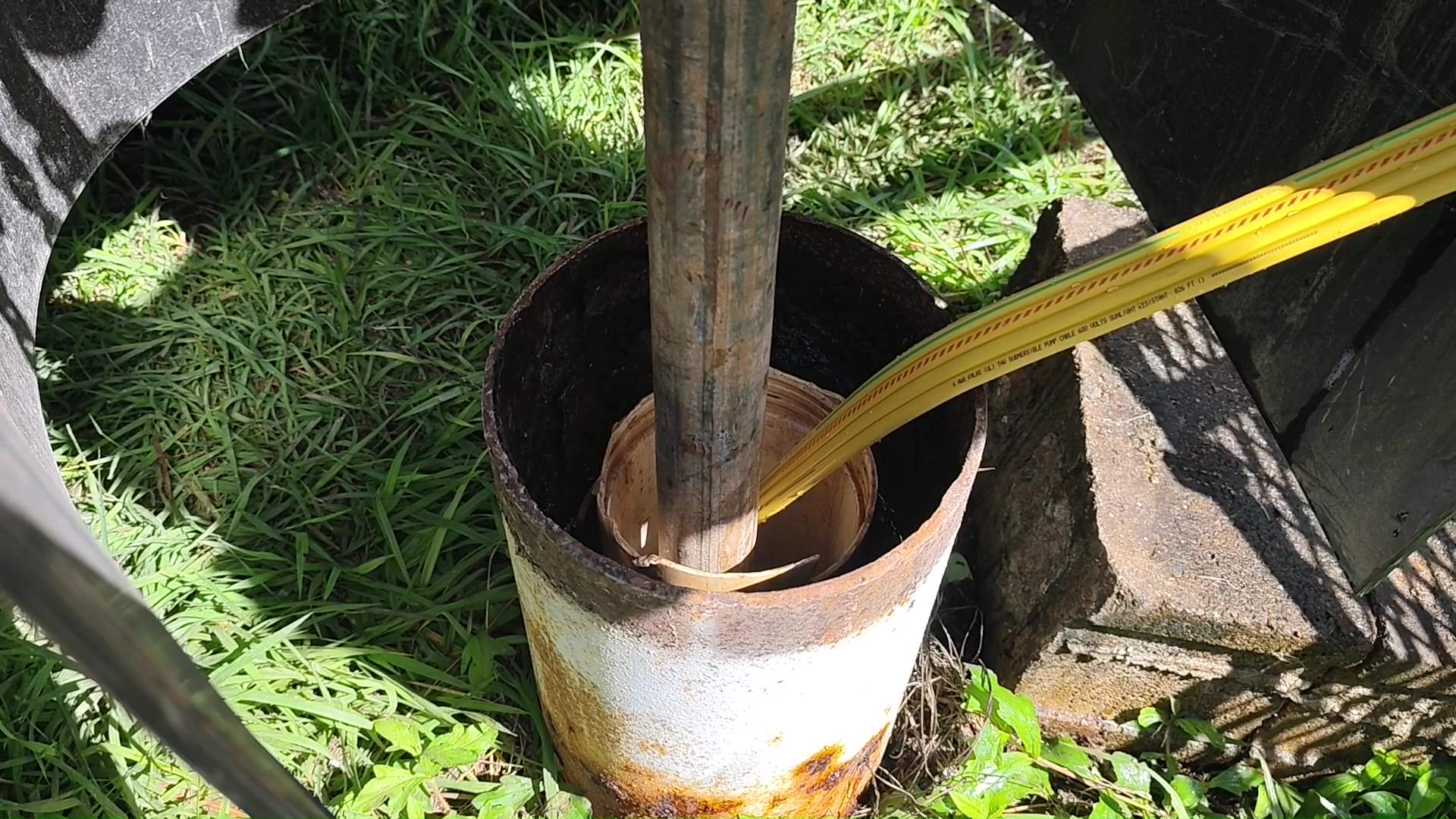
    Residents of Unitedville in Belize’s Cayo District have finally seen their water supply restored following several days of disruptive shortages. The resolution came after technicians replaced a critically damaged pump that had failed during a power outage last Thursday. While immediate relief has arrived through both pump repairs and emergency water truck deliveries, the incident has exposed deeper systemic issues plaguing this rural community.

    Behind the temporary fix lies a complex narrative of infrastructure challenges and community tensions. Santiago Juan, MIDH Zone Coordinator for Belmopan, confirmed that while the primary pump failure was promptly addressed, a secondary pump proved insufficient for village-wide distribution, leaving certain streets without water for up to three days.

    Terree Westby, a dedicated Unitedville Water Board member, countered social media claims of extended water deprivation, revealing the immense pressures faced by maintenance crews. Her team routinely works from dawn until dusk addressing issues, including what she describes as deliberate acts of sabotage against infrastructure. “They just wanna find fault,” Westby stated, emphasizing the challenges of managing natural elements and human interference beyond her control.

    Historical perspective comes from former five-time chairman Mike Juan, who oversaw the water system for fifteen years. He acknowledges the perennial nature of these crises, noting that every administration has struggled with drying wells and failing pumps. While praising current efforts by Minister Espat and water distribution teams, Juan highlighted the fundamental choice facing Unitedville: maintain the current community-managed system with its leniency toward payment delinquency, or transition to Belize Water Services’ national pipeline with stricter enforcement policies.

    The permanent solution—connecting to the national water grid—presents a socioeconomic dilemma. The current community board shows flexibility toward residents who fall behind on payments, sometimes for months or even years. Transitioning to the national utility would bring reliable service but also stricter billing enforcement, potentially leaving vulnerable households without water due to financial constraints.

    As Unitedville celebrates restored water access, the underlying questions about sustainable infrastructure investment, community governance models, and equitable resource distribution remain unresolved, ensuring that temporary solutions will likely precede the next dry spell.

  • Former Unitedville Chairman’s Remarkable Recovery

    Former Unitedville Chairman’s Remarkable Recovery

    In an inspiring display of human resilience, former Unitedville chairman Samuel Mendoza has made a remarkable recovery nearly one year after suffering a catastrophic accident that left him comatose. Mendoza, who previously led the small community, collapsed while performing maintenance work in the village reservoir in December 2024, triggering nationwide prayers for his recovery organized by the National Association of Village Councils.

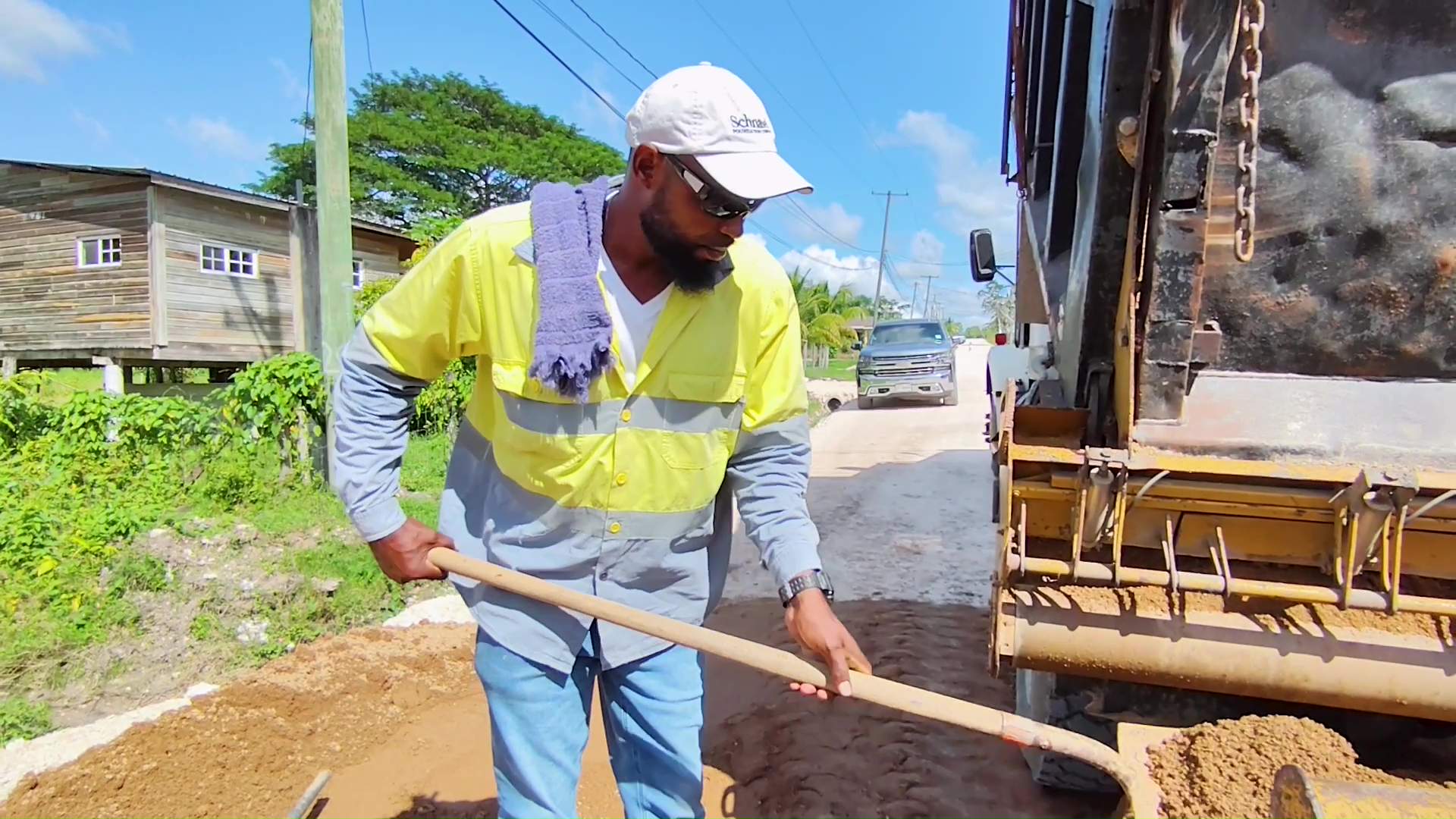
    Against medical odds, Mendoza has not only regained consciousness but has returned to active service within his community. Though no longer serving in his official capacity as chairman, he has joined the Ministry of Infrastructure’s work crew, dedicating himself to rebuilding the very water system that nearly claimed his life.

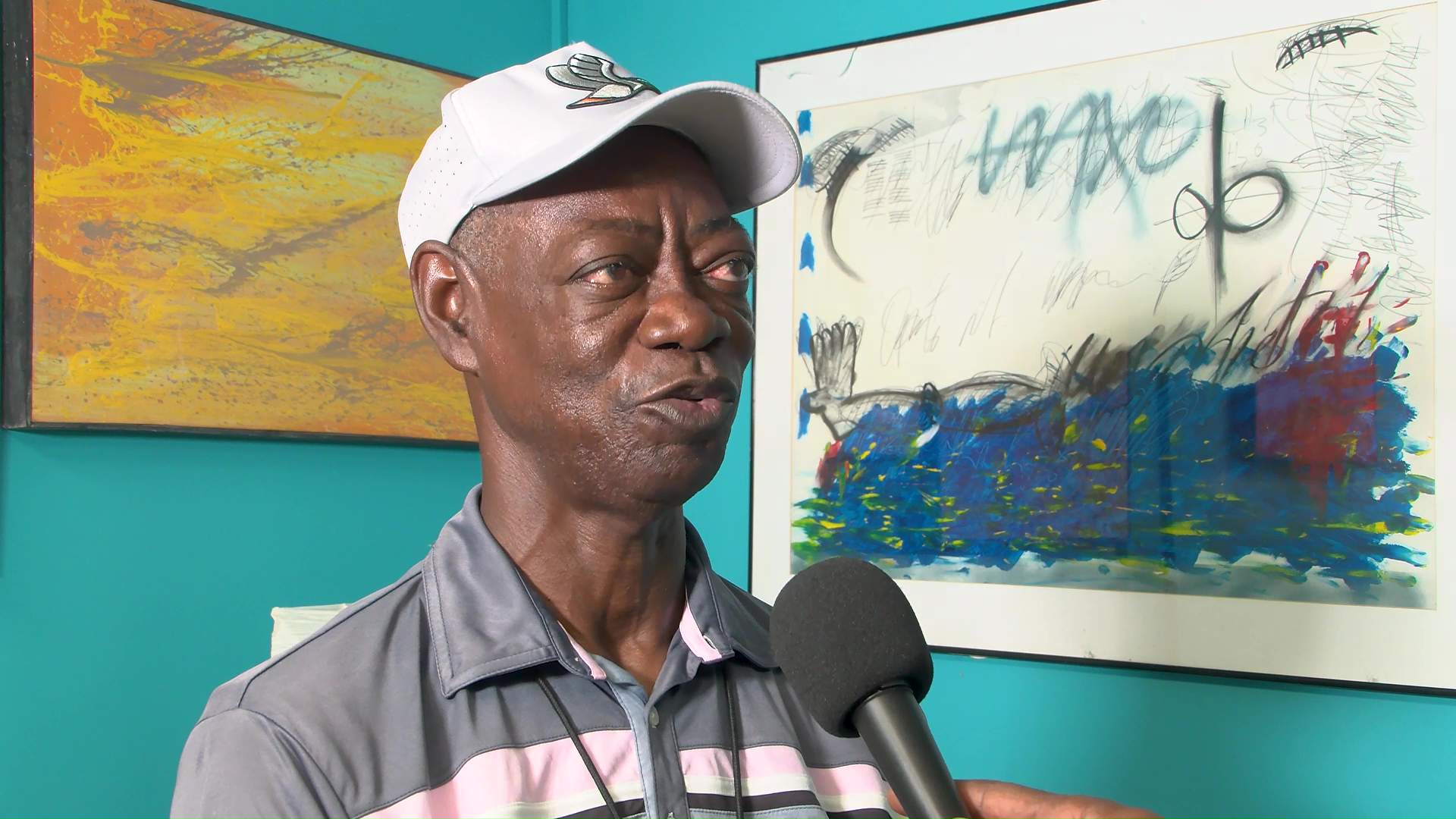
    In an emotional interview, Mendoza expressed profound gratitude for the overwhelming support he received during his recovery. “Thank God I’m alive most of all,” he stated, acknowledging his ongoing recovery process. “I’m feeling not one hundred percent like I used to, but I feel some sort of eighty, eighty-odd percent.”

    The former chairman recounted the day of the accident with limited recollection, explaining, “I went to clean out the reservoir and while in there I just collapsed. I don’t recall much.” Despite the trauma, Mendoza’s commitment to his community remains unwavering: “I tried to do my best for the village then, and even now I still participate and help out with the water system and anything in the village.”

    Mendoza specifically thanked those who supported him through his recovery, emphasizing the difficulty of his journey: “What I went through was nothing easy. I would like to thank them for the prayers and having me in their thoughts.” His story stands as a testament to community solidarity and personal determination, representing a rare positive development amid Unitedville’s ongoing water crisis challenges.

  • Cayo South Gets Major Facility and Infrastructure Upgrades

    Cayo South Gets Major Facility and Infrastructure Upgrades

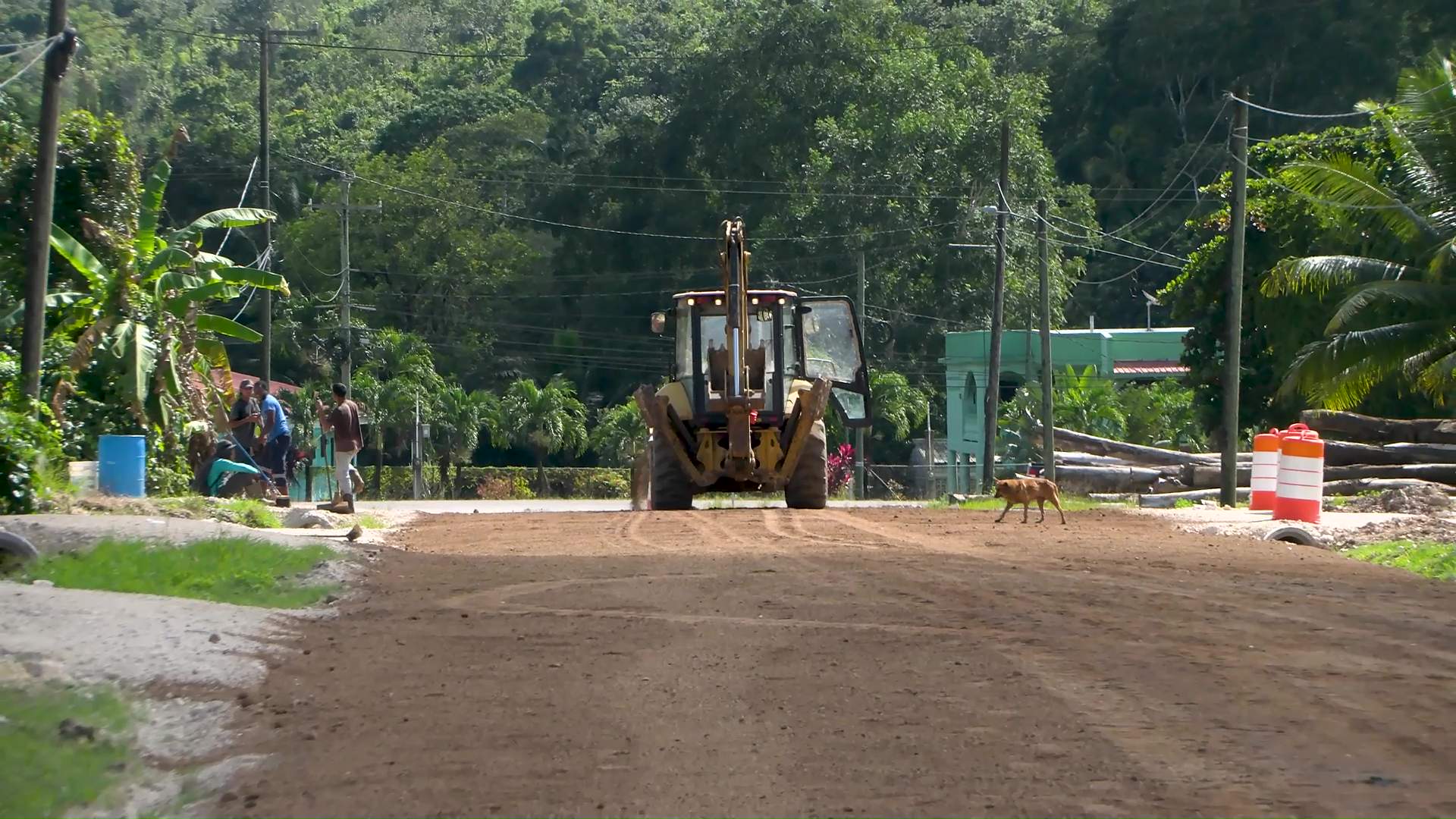
    The Ministry of Infrastructure Development and Housing has launched an extensive initiative to revitalize recreational facilities across Cayo South villages, marking significant progress in community development. According to District Clinical Supervisor Mario Lopez, the multi-phase project has already completed substantial refurbishment of community centers and is now advancing to athletic facility enhancements.

    Current construction efforts are concentrated on football field improvements at Saint Matthews and Camalote, featuring upgraded lighting systems, newly constructed bleachers with protective roofing, and modern bathroom facilities. Lopez confirmed that two additional projects are scheduled for early 2026: comprehensive refurbishment of softball pitches in both Camalote and Roaring Creek.

    The development strategy employs a systematic village-by-village approach to ensure equitable distribution of resources. Funding primarily originates from representative community development funds, supplemented through inter-ministerial collaborations. A notable partnership example involves gym equipment installation in Ontario Village, a joint venture between the Ministry of Health, Taiwanese international partners, and MIDH.

    Zone Coordinator Santiago Juan emphasized that these infrastructure enhancements represent strategic investments in community wellbeing and recreational opportunities, forming part of a broader vision for regional development.

  • Are We Failing Children With Disabilities? New Data Says Yes

    Are We Failing Children With Disabilities? New Data Says Yes

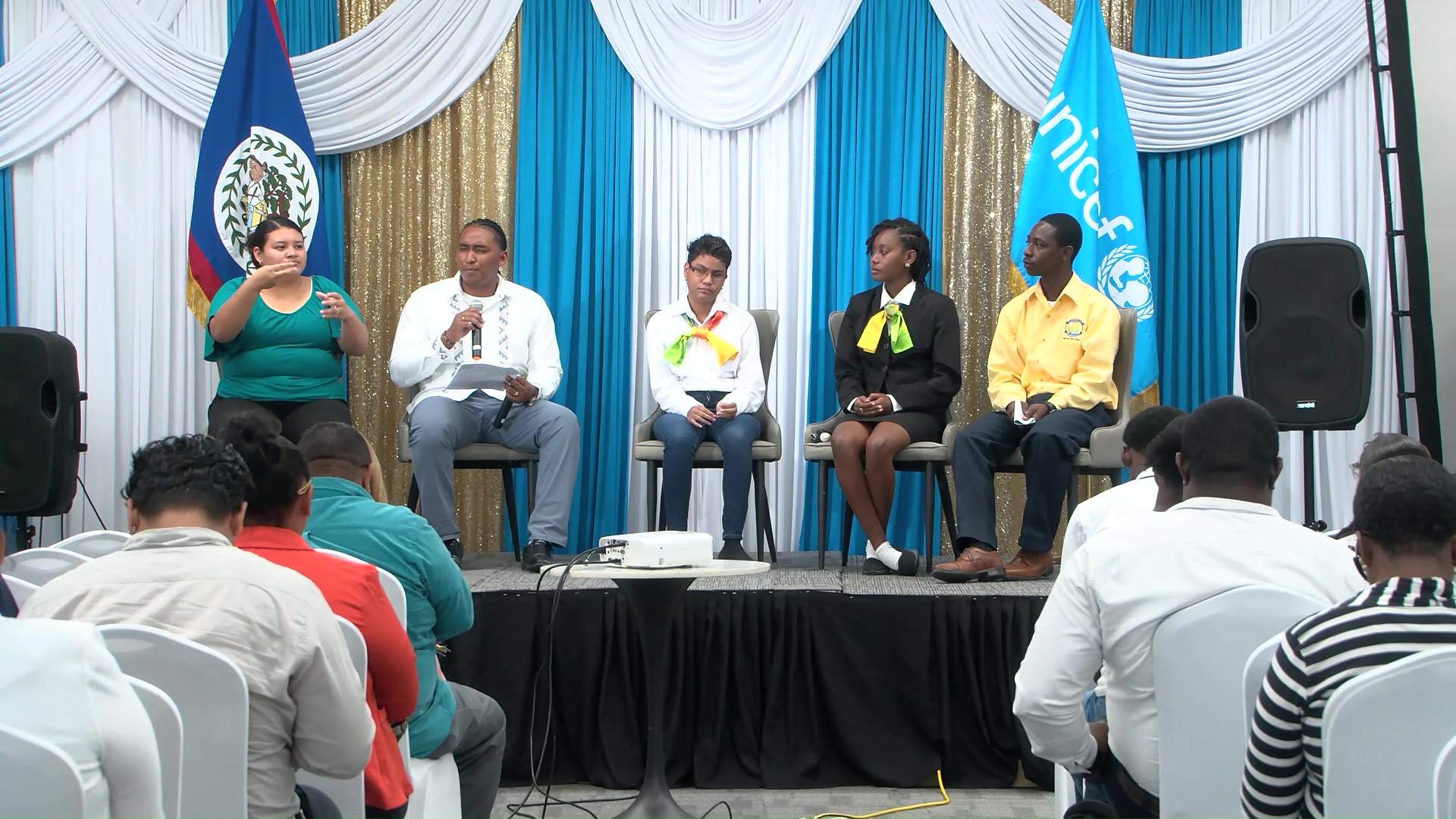
    A groundbreaking situational analysis conducted by UNICEF in collaboration with Belize’s Ministry of Human Development has revealed alarming systemic failures in supporting children with disabilities. The comprehensive study, released on International Day of Persons with Disabilities (December 3, 2025), identifies multiple critical barriers including widespread discrimination, insufficient specialized personnel, and chronic underfunding of essential support initiatives.

    Paulette Wade, UNICEF Monitoring and Evaluation Specialist, emphasized the study’s concerning findings: “Our analysis examined the challenges facing children with disabilities, barriers to service access, and the support systems parents identify as lacking for their children’s development.”

    The research highlights several fundamental deficiencies in Belize’s current framework. Most notably, the country lacks a national disability registry, creating significant data gaps that hinder effective policy planning and resource allocation. Wade confirmed, “The country does not have a national register for persons with disabilities,” though she noted Belize’s management system should theoretically capture such information.

    Despite the recent passage of the Disabilities Act exactly one year prior to the report’s release, implementation remains inadequate. The healthcare sector shows particular concerns regarding accessibility and availability of specialized services for children with disabilities.

    The findings underscore an urgent need for strategic intervention and increased investment to address these systemic shortcomings and ensure equitable support for Belize’s most vulnerable young citizens.

  • One Year Later, Disability Law Still Lacks Enforcement

    One Year Later, Disability Law Still Lacks Enforcement

    A full year after the Belize Disabilities Act became law, disability advocates are raising urgent concerns about the complete absence of implementation and enforcement mechanisms. Francisco Cuellar, President of the Belize Association for Persons with Diverse Abilities (BAPDA), has characterized the situation as a national embarrassment that leaves vulnerable populations without critical protections.

    The legislation, designed to guarantee fundamental rights and access to services for people with disabilities, remains effectively dormant according to disability rights leaders. Cuellar’s assessment comes alongside UNICEF’s recent situational analysis that reveals significant systemic gaps in Belize’s support infrastructure for children with disabilities.

    Educational access emerges as a particularly alarming issue, with many children with disabilities completely excluded from formal schooling systems. This violates both the new domestic legislation and international conventions including the Convention on the Rights of the Child, which guarantees education and healthcare access for all children.

    Cuellar emphasized that the challenges extend beyond childhood, with adults facing even greater barriers to inclusion and support. The BAPDA president called for immediate collaborative action between civil society organizations, the broader community, and government agencies to activate the dormant legislation.

    The implementation failure represents a significant setback for disability rights in Belize, where advocates had celebrated the passage of the comprehensive legislation as a major step forward. Current realities suggest that without urgent intervention, the legal framework risks becoming merely symbolic rather than transformative for Belize’s disability community.

  • Phillip “Fada” Henry’s Christmas Cheer Swansong

    Phillip “Fada” Henry’s Christmas Cheer Swansong

    BELIZE CITY – After nearly two decades of dedicated service to child road safety education, community activist Philip “Fada” Henry has announced his retirement from public service, citing insufficient governmental support. The beloved figure will conclude his remarkable tenure with one final grand holiday celebration on December 20th in the Kelly Street district.

    Henry revealed plans for his largest-ever Christmas gathering, designed to bring together diverse communities from across north Belize City. The event promises to distribute approximately 500-1,000 toys to children aged 11-15, recognizing that older children often receive less attention during holiday gift-giving seasons. Additionally, Henry hopes to provide technological devices such as tablets to academically exceptional youth.

    “I want to bring families and children together during this Christmas season,” Henry explained during a recent studio interview. The celebration will feature Santa Claus appearances, musical entertainment, cupcakes, meals, and beverages for all attendees. Notably, the event will include special recognition for grandparents raising their grandchildren.

    The activist continues to seek public donations and is actively lobbying for a special appearance by popular children’s entertainer Bussa B., responding to repeated requests from local schoolchildren. Henry emphasized the dual purpose of the event: spreading holiday cheer while keeping youth constructively engaged during the festive period.

    This farewell celebration marks the end of an era for northside communities where Henry became synonymous with road safety education and community activism through his distinctive whistle and safety vest that will now be retired.

  • National Zoo denies claims of venomous snake importation

    National Zoo denies claims of venomous snake importation

    SANTO DOMINGO – The National Zoological Park of the Dominican Republic has officially dispelled misinformation regarding its upcoming animal acquisition from Puerto Rico. Contrary to circulating rumors, the institution confirmed Wednesday that the donation from a Caribbean exotic species rescue center excludes any venomous snakes, maintaining the country’s status as a territory free of such dangerous species.

    The carefully vetted selection comprises caimans, ring-necked parakeets, and rhesus monkeys – all previously confiscated from unauthorized tourist photo operations in Puerto Rican parks. Zoo authorities emphasized the thorough health assessment conducted, noting that no documented cases of herpes transmission from these particular monkeys to humans have been recorded in Puerto Rico.

    In accordance with national import regulations, the zoological park is currently securing mandatory documentation, including animal health permits from the General Directorate of Livestock and formal authorization from the Ministry of Environment. This procedural diligence underscores the institution’s commitment to both animal welfare and ecological security while enhancing its educational collection through legitimate conservation channels.