分类: society

  • Student loan relief

    Student loan relief

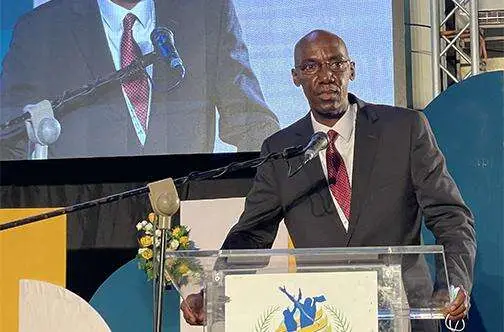
    The Students’ Loan Bureau (SLB) of Jamaica has unveiled a comprehensive debt relief program offering substantial financial assistance to thousands of student borrowers affected by Hurricane Melissa. Executive Director Nickeisha Walsh announced the initiative during a post-Cabinet briefing at Jamaica House, outlining targeted support for both current students and repayment customers.

    Immediate relief measures will benefit nearly 2,000 enrolled students and approximately 4,450 repayment customers across five severely impacted parishes: St Elizabeth, Westmoreland, Hanover, St James, and Trelawny. Current students will receive direct grants of J$60,000 to support their educational recovery efforts, while repayment customers will obtain a three-month payment deferral from November 2025 through January 2026.

    The broader Debt Reset Programme, scheduled from December 1, 2026, to April 30, 2026, provides extensive financial waivers. Eligible borrowers can clear arrears through a 50% interest arrears waiver, complete elimination of accumulated charges, and full insurance fee waivers. Additionally, the SLB will credit J$100,000 to accounts of 8,890 borrowers maintaining good standing as an incentive for continued timely payments.

    Walsh emphasized the program’s dual purpose: immediate hurricane recovery support and long-term debt sustainability. Borrowers who remain current for one year following debt reset participation will qualify for a permanent 2% interest rate reduction, substantially lowering their overall repayment burden.

    The initiative comes as the SLB reports improved lending conditions, with borrowing rates dropping dramatically from 16% to just 3%. Current portfolio data indicates 35,360 active loans, including 11,634 delinquent accounts and 14,836 in moratorium status. Students outside the five designated parishes who experienced hurricane damage may still qualify for assistance through case-by-case evaluation.

  • Maroon community rejects gov’t offer for JDF support in rebuilding efforts

    Maroon community rejects gov’t offer for JDF support in rebuilding efforts

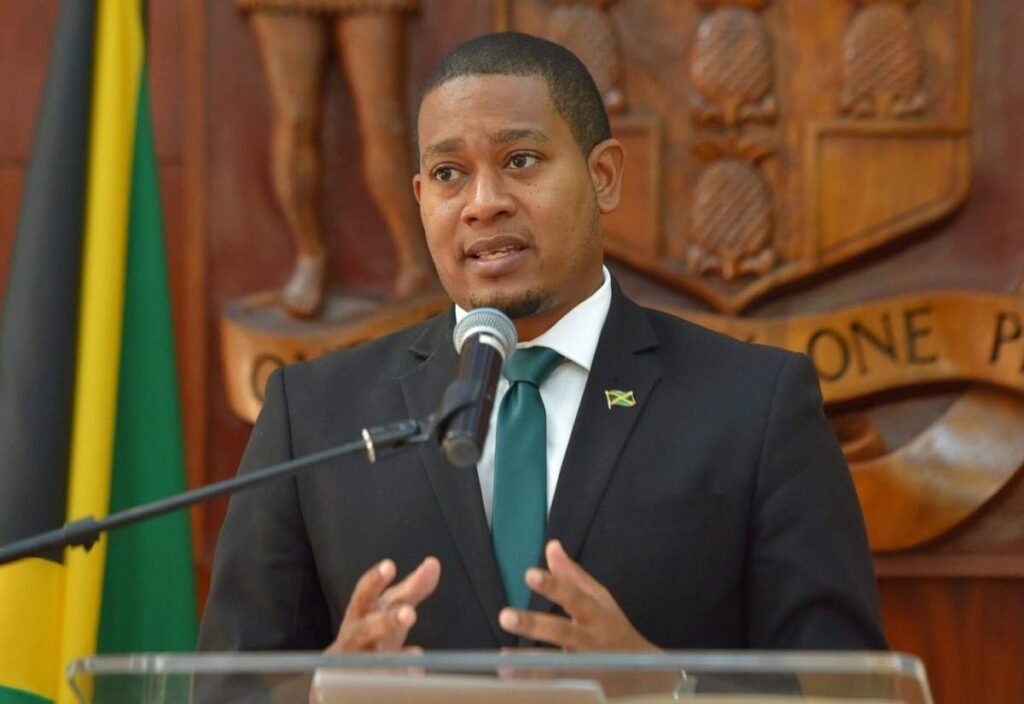
    In a significant decision regarding post-disaster recovery, the Accompong Maroon community in St. Elizabeth, Jamaica, has formally declined the Jamaican government’s offer to deploy military personnel for reconstruction efforts following Hurricane Melissa. Chief Richard Currie, leader of the Accompong Maroons, announced the community’s position through social media channels on Thursday, following deliberations by the Maroon Full Council.

    While expressing gratitude for Prime Minister Andrew Holness’s administration’s willingness to mobilize resources, including those of the Jamaica Defence Force (JDF), the council determined that military presence would not align with the community’s cultural protocols and emotional needs. Currie specifically referenced concerns about armed personnel operating within their territory, noting that many community elders and women had experienced emotional trauma from the hurricane’s devastation.

    The Maroon leadership emphasized their preference for civilian resources from both local and international partners, including technical sponsorships and volunteer engineering assistance coordinated through the Accompong Development Foundation. These established partnerships, developed over years of relationship building, provide what the council considers a culturally appropriate framework for reconstruction that honors their treaty-recognized indigenous status under the 1738 agreement with Britain.

    Notably, the community did accept the government’s offer of materials and equipment necessary for recovery efforts, demonstrating a selective approach to cooperation. Currie stressed that the decision reflects neither a rejection of cooperation nor ingratitude for the humanitarian intent behind the government’s offer, but rather a commitment to maintaining “harmony and inclusiveness” according to Maroon laws and cultural way of life.

    The Accompong Maroons maintain their commitment to peaceful engagement and transparent dialogue while asserting their governance responsibilities within the Cockpit Country territory, highlighting the complex intersection of disaster recovery, cultural preservation, and indigenous self-determination.

  • Christmas cheer

    Christmas cheer

    Jamaican Agriculture Minister Floyd Green has publicly guaranteed the availability of traditional holiday foods for the upcoming Christmas season, despite significant agricultural disruptions caused by Hurricane Melissa. The assurance came during a special post-hurricane media briefing at Jamaica House on Tuesday, where Green outlined a comprehensive recovery strategy combining targeted imports and substantial farmer support programs.

    The minister revealed his ministry has initiated contact with external suppliers to address specific shortages in vegetable lines and table eggs, emphasizing that importation would be carefully calibrated to avoid undermining local producers. ‘We will not do more than is needed. There will be space for your products,’ Green assured Jamaican farmers, explaining that the ministry employs detailed demand pattern analysis throughout the year to determine appropriate supply levels.

    The hurricane, which struck on October 28, exacerbated existing egg shortages by wiping out 458,000 layers—approximately 40% of Jamaica’s laying hen population. Green acknowledged the severity of the situation, noting that discussions are underway with the Ministry of Finance to ensure imported food items ‘land here at a reasonable price’ for consumers during the critical holiday period.

    Beyond immediate import solutions, the government has launched an ambitious agricultural recovery program. Phase two of hurricane recovery involves distributing over 7,000 seed packs valued at $50 million, with an additional $70 million allocation pending. Specialized support includes $50 million for fertilizer formulated specifically for yam farmers (who suffered 70% crop damage) and another $50 million for yam planting materials and stakes.

    Infrastructure repair forms another crucial component, with $800 million earmarked for restoring approximately 40 farm roads from the ministry’s $3 billion supplementary budget. The Rural Agricultural Development Authority (RADA) is spearheading multiple initiatives, including a free land preparation program utilizing private tractor services and distribution of 100,000 broiler chicks expected to produce 160 kilograms of chicken meat.

    Green highlighted encouraging signs of recovery, noting that farmers have already begun replanting, reestablishing nurseries, and repairing greenhouses in the month since the hurricane caused approximately $60 billion in agricultural losses. The coordinated government effort aims to accelerate Jamaica’s agricultural restoration while ensuring holiday food security through strategic intervention.

  • Watson Duke’s PSA pension dispute goes to trial in 2027

    Watson Duke’s PSA pension dispute goes to trial in 2027

    A protracted legal battle between former Public Services Association (PSA) president Watson Duke and the trade union over pension entitlements will proceed to trial in May 2027. Justice Marissa Robertson has established May 17-18, 2027, as the designated trial dates during a status hearing on December 4.

    Duke initiated litigation in June 2024, alleging the PSA violated his employment contract by withholding pension benefits following his December 2021 resignation. His departure from the union presidency coincided with his brief tenure as Tobago House of Assembly deputy chief secretary. The former labor leader contends this resignation should not disqualify him from receiving his pension.

    The legal journey has encountered multiple judicial reviews. Duke previously secured an injunction from Justice Frank Seepersad, who ruled without PSA’s representation, granting temporary financial relief based on Duke’s claims of severe hardship including mortgage defaults and $130,000 credit card debt.

    However, the PSA successfully challenged this injunction, presenting evidence that Duke had received a $203,850 gratuity in March 2023 and had alternative pension options through his prior employment with the Water and Sewerage Authority (WASA). Justice Robertson overturned the injunction, a decision subsequently upheld by the Appeal Court.

    The Appellate Court, while acknowledging minor procedural errors in Robertson’s ruling, affirmed that her overall judgment was sound. Justice Eleanor Donaldson-Honeywell noted the PSA would face irrecoverable financial harm if forced to pay pending trial, particularly given uncertainties about Duke’s ability to repay should he ultimately lose his case.

    Notably, the court did reverse one element of Robertson’s order requiring Duke to repay $18,875 received during the injunction period, citing lack of procedural foundation for this requirement.

    Legal representation includes Kelvin Ramkissoon for the PSA and Farai Hove Masaisai for Duke. The former union president has submitted three witness statements supporting his claim as the case advances toward its 2027 trial date.

  • Westmoreland residents given until the end of December to vacate Petersfield High School shelter

    Westmoreland residents given until the end of December to vacate Petersfield High School shelter

    WESTMORELAND, Jamaica — A contentious standoff has emerged between displaced hurricane survivors and government authorities in Petersfield, Westmoreland Parish, where residents currently occupying Petersfield High School as a storm shelter must vacate the premises by December’s end. Local Government Minister Desmond McKenzie delivered the ultimatum during a Wednesday site visit, emphasizing the facility must be cleared to allow preparatory work for January’s academic term.

    The crisis stems from October’s devastating Hurricane Melissa, a Category 5 storm that severely impacted Westmoreland and four other parishes. Minister McKenzie outlined a four-phase relocation strategy for shelter occupants, beginning with elderly residents who will be transferred to infirmary care with 24-hour support. The government will additionally facilitate relocation to willing family members or friends for other categories of displaced persons.

    For those previously paying rent who lost their homes, McKenzie promised targeted support programs. As a final measure, the Jamaica Defence Force will establish a temporary tent camp on a playground adjacent to the school, equipped with bedding, bathrooms, and toilet facilities. ‘The same service that is provided here will be provided over on that facility,’ McKenzie stated, while acknowledging limited alternatives: ‘Let me be frank with you, there is no other solution available now.’

    Despite these provisions, several residents expressed vehement opposition to the proposed measures. Trishauna, a mother of three, voiced grave safety concerns regarding the tent camp location: ‘Mi not going ah ball ground fi man come rape off my child over there. When rain falls, over deh suh a swamp.’ She criticized the proposed solution as inadequate and suggested instead that government efforts should focus on helping people rebuild permanent shelter rather than relocating them to temporary, potentially hazardous conditions.

  • ‘We don’t have the capacity’

    ‘We don’t have the capacity’

    Jamaica’s Office of Utilities Regulation (OUR) has publicly acknowledged its insufficient staffing capacity to conduct independent verification of restoration data submitted by utility providers following Hurricane Melissa. This revelation emerged during a tense session of the Public Administration and Appropriations Committee, where lawmakers expressed deep concerns about the reliability of self-reported recovery statistics.

    Committee members confronted the regulatory body regarding its continued dependence on unverified restoration figures from major service providers including Flow, Digicel, National Water Commission, and Jamaica Public Service Company (JPS). The disclosure comes amid persistent complaints from numerous communities still lacking essential services despite official claims of widespread restoration.

    St James Southern MP Nekeisha Burchell challenged the OUR’s methodology, questioning how the regulator could credibly assess national recovery efforts without ground-level verification capabilities. “Data coming from self-reporting can sound as good as you want them to sound,” Burchell noted, emphasizing the particular challenges faced by rural constituencies where satellite data proves inadequate.

    OUR Director General Ansord Hewitt conceded the organization’s limitations, explaining that while occasional spot checks are conducted and company-reported information is posted online for public scrutiny, these measures remain insufficient for comprehensive verification. Hewitt revealed that the OUR has occasionally questioned discrepancies in sequential reports but lacks resources for universal validation.

    The regulatory head acknowledged that the suggestion to seek additional resources from the Office of the Prime Minister or the Office of Disaster Preparedness and Emergency Management had not been previously considered but would now be examined.

    Manchester North Western MP Mikael Phillips challenged the OUR’s previous declarations of credible recovery after Hurricane Beryl, given the current admission of inadequate audit capabilities. Hewitt clarified that while post-restoration audits remain possible, real-time assessment during active disaster response exceeds current capacity.

    St Andrew East Rural MP Juliet Holness reinforced these concerns by recounting her experience with fabricated restoration schedules after Hurricane Beryl. She advocated for a more coordinated long-term approach involving community representatives, parish councils, and political leaders who possess direct knowledge of affected areas.

    The committee session highlighted systemic challenges in disaster response verification and raised fundamental questions about accountability mechanisms during national emergencies affecting utility infrastructure.

  • Digicel, Shell invest $1m in community projects

    Digicel, Shell invest $1m in community projects

    Ten Trinidad and Tobago non-governmental organizations have secured substantial funding through the Digicel Foundation’s Extraordinary Projects Impacting Communities (EPIC) grant program, receiving $100,000 each to implement transformative initiatives over the next 12-16 months. The funding, generously sponsored by Shell, marks the ninth edition of this community empowerment program focused on driving progress in digitalization, environmental sustainability, and community development.

    At a partnership unveiling event held at Hyatt Regency in Port of Spain on December 3, Shell’s Managing LNG Counsel Shaista Ali emphasized the profound impact of community-led sustainability initiatives. “When communities lead sustainability initiatives, the impact excels far beyond any project—it becomes a legacy,” Ali stated. “Together, these areas reflect the kind of future we want to help shape: healthy, innovative, resilient, and environmentally conscious, where people feel empowered to create lasting change.”

    The selected projects demonstrate remarkable diversity and innovation. The Holistic Autism Intervention program by the Southern Muslim Institute for Learning and Enrichment will provide specialized speech, behavior, and art therapy for autistic children experiencing developmental delays. Meanwhile, the Fyzabad United Football Club is developing a mobile, solar-powered homework and life skills center housed within a refurbished 20-foot shipping container, complete with computer facilities, internet access, and dedicated tutoring spaces.

    Childline received funding to modernize its data management platform, enhancing its capacity to document and support children in distress. Sewa International TT will implement a solar-powered, multi-purpose energy system in Piarco to power health fairs and blood drives. Other beneficiaries include the Mayaro-based community agri-business hub developed by Sisters Uplifting Sisters, the TT Scouts Association’s school bench initiative, and the Bovell Cancer Diabetes Association’s digital hub for medical education.

    The Trinidad and Tobago Chest and Heart Association’s virtual reality youth health hub promises to create an engaging, technology-driven educational space where young people can learn about the impacts of smoking and vaping through immersive VR experiences. Additional recipients include Sapphire Miriam’s community after-school center in Chaguanas and Barataria Anglican Primary School’s digital lab and child safety project.

    Digicel Foundation Board Chair Desha Clifford revealed the impressive scale of the foundation’s three-year partnership with Shell, noting that over $3 billion has been invested to date. “We have supported 160 projects across Trinidad and Tobago, touching the lives of over 88,000 people,” Clifford announced. “This represents more than $56 million in sustainable community development. These numbers tell a powerful story of change and perseverance.”

    Martel Waldron, Acting Deputy Permanent Secretary at the Ministry of Sport and Community Development, expressed government endorsement for the program, noting that these initiatives align perfectly with the national mandate to build stronger communities, empower NGOs, and support sustainable development across the nation.

  • Seventh-day Adventists reject claims of providing gov’t with people’s personal data

    Seventh-day Adventists reject claims of providing gov’t with people’s personal data

    KINGSTON, Jamaica — The Jamaica Union Conference (JAMU) of Seventh-day Adventists and its humanitarian division, ADRA Jamaica, have formally refuted social media allegations accusing them of sharing personal data with the government. The claims suggested that information gathered during Hurricane Melissa relief operations was being funneled to Jamaica’s National Identification System (NIDS).

    During a press conference held Wednesday, JAMU Treasurer Pastor Adlai Blythe categorically denied these accusations. He explained that all data collected serves exclusively for internal record-keeping and coordinating relief efforts. “We conduct initial damage assessments to determine individual losses and coordinate our response accordingly,” Blythe stated. “As a registered charity, ADRA Jamaica gathers information solely for distributing aid to affected persons. This information is never shared with any external entity, governmental or non-governmental.”

    Blythe emphasized the organization’s compliance with data protection regulations, noting they employ a dedicated data protection officer to ensure protocol adherence.

    JAMU President Pastor Everett Brown provided additional context about their hurricane response preparedness. “Prior to Hurricane Melissa’s landfall, we allocated $500,000 across our five conferences to pre-position food and water supplies in strategic locations,” Brown revealed. Following the hurricane, the church deployed ADRA Jamaica staff and conference workers to assess needs and distribute relief materials.

    Brown clarified the funding sources for these efforts: “All deployed resources originate from international partners, the global Seventh-day Adventist church, and local contributions. We have received no governmental financial support for this initiative.”

    While expressing openness to future government collaboration, Brown stressed the current operation’s independent nature. “As a church embodying Christ’s mission, we respond to human needs wherever they exist. We stand ready to distribute materials through our nationwide network, but our current operations are independently funded through collaborative efforts, not government support.”

    ADRA Jamaica operates as a registered humanitarian agency serving vulnerable populations affected by disasters, poverty, and social changes, with presence in over 118 countries worldwide.

  • Jamaica-bound hurricane relief container robbed in Canada

    Jamaica-bound hurricane relief container robbed in Canada

    Authorities in Toronto have launched a full-scale investigation into a devastating theft that targeted humanitarian aid, with volunteers describing the crime as a profound blow to charitable efforts. The incident, which unfolded at a local storage facility, saw thieves make off with an estimated CA$300,000 to CA$400,000 worth of donated goods meticulously gathered over a three-week period for vulnerable communities in Jamaica.

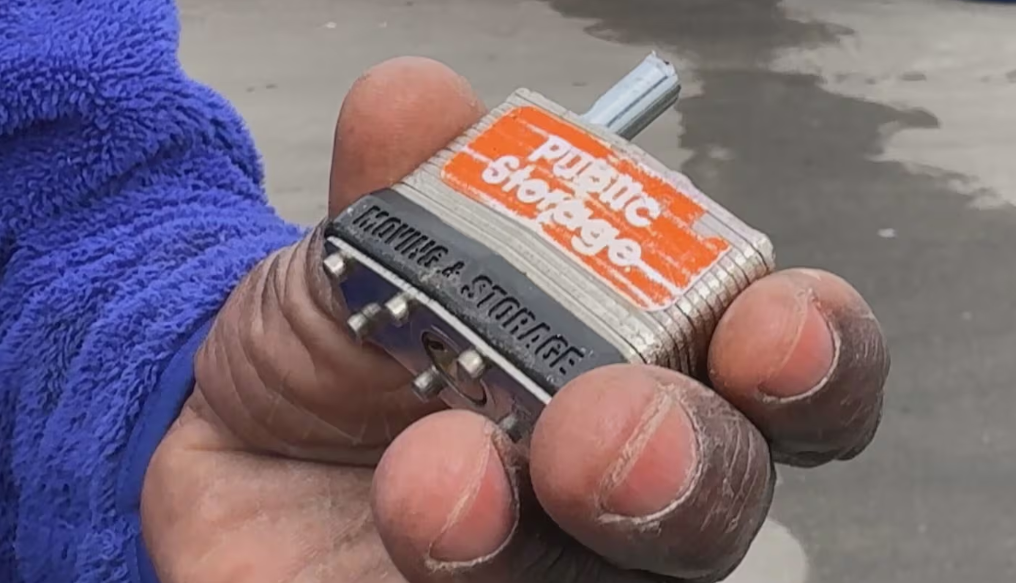
    According to volunteer Michael Bennett, who provided a emotional account to CTV News, the donations comprised essential supplies including non-perishable food, clothing, and critical power generators. The discovery was made on Wednesday morning when the volunteer team arrived to prepare the items for shipment, only to find the storage unit’s padlock severed and the container completely emptied.

    Toronto Police evidence suggests the burglary was executed overnight. Security camera footage reportedly captured a truck forcefully breaching a secured gate at the container facility, enabling the perpetrators to systematically empty the unit unimpeded. The calculated nature of the operation indicates a premeditated act rather than a crime of opportunity.

    In a poignant television interview, Bennett struggled to contain his emotion, emphasizing the profound human impact of the theft. He articulated the particular cruelty of stealing supplies intended for those in dire need, questioning the motive behind targeting humanitarian aid. ‘The material value is secondary,’ Bennett stated. ‘The food represents sustenance for families. What purpose does this serve the thieves here? None whatsoever.’

    The robbery has not only resulted in a significant material loss but has also delivered a demoralizing setback to the volunteer-driven initiative, casting a shadow over community trust and the security of charitable operations.

  • ‘Social Media Lockout’ in Australia for Users Under Sixteen

    ‘Social Media Lockout’ in Australia for Users Under Sixteen

    In a groundbreaking move to safeguard youth from digital risks, the Australian government has mandated a comprehensive social media prohibition for all citizens under sixteen years of age. Effective December 10, 2025, this sweeping regulation requires major platforms—including Facebook, Instagram, TikTok, YouTube, Snapchat, Reddit, X, Threads, and Kick—to deactivate accounts belonging to minors below the specified age threshold.

    Platform operators must comply with stringent reporting protocols, submitting monthly documentation detailing the number of underage accounts terminated. Non-compliance carries severe financial penalties, with fines reaching up to 50 million Australian dollars for violations. The Australian eSafety Commissioner will formally issue enforcement notices to social media companies on December 11, initiating the compliance verification process.

    Communications Minister Anika Wells defended the policy, citing mounting evidence of platforms’ inadequate protection of younger users. While acknowledging the technical complexities of age verification systems, Wells emphasized that systemic violations would trigger substantial financial consequences.

    The policy has drawn mixed reactions from technology corporations. YouTube, operated by Google, expressed strong opposition, stating the measure would ultimately decrease safety for Australian youth on their platform. Conversely, Meta announced proactive measures to identify and remove suspected underage accounts beginning December 7.

    Australia’s decisive action has generated international attention, with several nations considering similar age restrictions. Malaysia has announced plans to implement comparable social media prohibitions for users under sixteen within the coming year. European nations are pursuing alternative approaches: France mandates age verification and parental consent for users under fifteen, Denmark is preparing restrictions for those under fifteen, and Italy requires parental authorization for social media access by individuals under fourteen.