分类: science

  • Nearly 30 skeletons found in colonial church ruins in Azua

    Nearly 30 skeletons found in colonial church ruins in Azua

    In a significant archaeological development, approximately 30 human skeletons have been unearthed from the ruins of Las Mercedes Church in Pueblo Viejo, Azua. This discovery holds particular historical importance as researchers speculate the remains may include those of Enriquillo, the legendary Taíno cacique who mounted a famous resistance against Spanish colonizers during the sixteenth century.

    The extensive excavation project, now concluding its initial phase, is spearheaded by distinguished Dominican archaeologist Kathleen Martínez. Her international team employed advanced Israeli ground-penetrating radar technology to detect subsurface anomalies before conducting precise excavations. Additional specialized equipment was imported from Egypt to meet the project’s technical demands, highlighting the multidisciplinary nature of modern archaeological science.

    Currently, researchers are developing comprehensive osteological profiles for each individual, documenting biological characteristics including sex, physical stature, and other vital indicators. The subsequent phase will involve sophisticated DNA analysis to establish genetic origins and potentially identify Enriquillo among the recovered remains.

    Concurrent with the anthropological investigation, restoration experts have meticulously preserved the church ruins using historically accurate methods. Under the guidance of restoration specialist María Luz Carretel, over 240 original stone blocks were cataloged and reassembled through anastylosis—a technique that exclusively utilizes original materials without modern additions like cement.

    This groundbreaking research, sponsored by the Macarrulla Foundation, represents the culmination of more than ten years of historical and archaeological investigation. The project now advances to its most anticipated stage: genetic identification that could fundamentally reshape understanding of indigenous Caribbean resistance movements. Results from the DNA analysis are expected to be published later this year.

  • 2026 Hurricane Season Storm Names Announced

    2026 Hurricane Season Storm Names Announced

    With the 2026 Atlantic hurricane season approaching within 100 days, meteorological authorities have already predetermined the names for potential storms, beginning with Arthur. This systematic approach to naming tropical cyclones represents a significant evolution from historical tracking methods that relied solely on chronological order.

    The World Meteorological Organization (WMO) maintains a carefully curated list of 21 names that operate on a six-year rotational basis. The 2026 names will mirror those used during the 2020 season, creating a familiar pattern for tracking annual storm activity. The naming process activates when a tropical system achieves sustained wind speeds of 39 mph or greater, with names assigned sequentially from the alphabetical list.

    The historical context of hurricane naming reveals substantial changes over decades. Before the 1950s, the National Oceanic and Atmospheric Administration (NOAA) tracked storms merely by their formation sequence, creating confusion during simultaneous Atlantic events. From 1953 through 1979, the system exclusively utilized female names before evolving to include both genders.

    A significant aspect of the naming protocol involves the retirement of names associated with particularly devastating or deadly storms. The WMO committee conducts annual reviews and removes names “for reasons of sensitivity,” as noted by the National Hurricane Center. Following the 2024 season, names Beryl, Helene, and Milton joined the list of 99 retired names since 1953.

    To address increasingly active seasons, the WMO implemented a supplemental naming list in 2021 after the unprecedented 2020 season exhausted both the primary list and the previous Greek alphabet backup system. The organization discontinued Greek字母 usage due to translation difficulties and the distraction from storm severity awareness. The committee subsequently retired names Eta and Iota from that season.

    The alphabetical limitation stems from practical considerations—insufficient common names beginning with Q, U, X, Y, and Z across the required six rotations, compounded by linguistic accessibility challenges across international weather services.

  • Environment : 553 Earthquakes Recorded in Haiti in 2025

    Environment : 553 Earthquakes Recorded in Haiti in 2025

    Haiti’s seismic landscape experienced significant activity throughout 2025, with national monitoring agencies documenting 553 distinct earthquakes across the Caribbean nation. According to the comprehensive report jointly released by the Ministry of the Environment, the Bureau of Mines and Energy, and the Technical Unit of Seismology, this figure represents a 12% decrease from the 628 tremors recorded in the previous year.

    The seismic data, compiled from both local monitoring networks (Ayiti-séismes and UTS) and regional systems across Cuba, Jamaica, and the Dominican Republic, reveals intriguing patterns in earthquake distribution and intensity. The monthly average reached 46 earthquakes, with May and August emerging as the most seismically active months—each recording 60 distinct events.

    Magnitude readings spanned from 0.2 to 4.2 on the Richter scale, with the overwhelming majority (90.9% or 503 earthquakes) registering at magnitude 3.0 or below—categorized as very minor tremors. Approximately 9% (50 earthquakes) measured between 3.1 and 4.2, falling into the minor to slight classification. The most powerful event, a magnitude 4.2 earthquake, occurred on August 23 off the coast of Jean Rabel in the Northwest region.

    Geographical analysis uncovered uneven distribution across Haiti’s ten departments. The West department experienced the highest concentration with 138 quakes (24.9%), followed by Nippes with 115 (20.7%), and Northwest with 102 (18.4%). Collectively, these three regions accounted for 64% of the nation’s total seismic activity. Conversely, the Center, North, and Northeast departments recorded minimal activity with just 31 combined earthquakes, representing merely 5.6% of the annual total.

    Notably, 206 earthquakes (37.25%) occurred offshore, particularly concentrated around the Northwest Peninsula. Depth measurements revealed that 263 events (47.5%) were shallow-focus earthquakes occurring at depths of 10 kilometers or less, making them more perceptible at the surface despite their typically lower magnitudes.

  • Project Launched to Protect Antigua’s Honeybees from Deadly Varroa Mite

    Project Launched to Protect Antigua’s Honeybees from Deadly Varroa Mite

    Antigua and Barbuda has launched a multifaceted conservation project aimed at safeguarding honeybee populations from the devastating Varroa mite parasite while promoting sustainable beekeeping practices across the twin-island nation.

    Initiated in 2023 with funding from the Global Environment Facility’s Small Grants Programme (GEF SGP) implemented by the United Nations Development Programme (UNDP), the project represents a collaborative effort between the Antigua Beekeepers Cooperative and the Ministry of Agriculture, Lands, Fisheries and the Blue Economy. Under the supervision of Project Coordinator Mr. Brent Georges, the initiative incorporates several strategic components including extensive planting of bee-friendly vegetation, specialized queen bee breeding programs, and comprehensive hive inspection protocols.

    The project recently gained significant expertise with the February 6-16 visit of Mr. John Frederick, an accomplished queen bee breeder and apiary consultant from St. Lucia. Mr. Frederick conducted intensive field work with local beekeepers, sharing critical knowledge on advanced apiary management techniques and specialized methods for early detection, mitigation, and eradication of Varroa mite infestations.

    The Varroa mite, recognized globally as one of the most dangerous threats to honeybee health, is a parasitic pest capable of decimating entire colonies within three to four years if left unchecked. Its presence poses existential threats to both bee populations and the broader beekeeping industry.

    The engagement culminated in a highly interactive February 15th discussion session that extended well beyond its scheduled duration, demonstrating strong local interest among both established and prospective beekeepers. This enthusiastic participation underscores the project’s significance in building resilient agricultural systems and protecting vital pollinators essential for ecosystem health and food security.

  • Onderzoek naar mogelijke cassaveziekte in Marowijne na melding landbouwer

    Onderzoek naar mogelijke cassaveziekte in Marowijne na melding landbouwer

    Agricultural authorities in Suriname have initiated a comprehensive scientific investigation following reports of a potentially devastating disease affecting cassava plantations in the Marowijne District. The Directorate of Agricultural Development (DOAB) and the Ministry of Agriculture, Livestock and Fisheries (LVV) are leading the emergency response to address the agricultural threat.

    A specialized team led by DOAB Director Hermien Pavion conducted field visits to affected areas, accompanied by agricultural experts from both agencies and a research scientist from the Center for Agricultural Research in Suriname (CELOS). The interdisciplinary approach underscores the seriousness with which authorities are treating the potential crop epidemic.

    Prior to the field assessment, officials consulted with District Commissioner Marvin Vyent, emphasizing the critical need for enhanced monitoring systems and strengthened reporting capabilities within the administrative service. Commissioner Vyent acknowledged the particular significance of cassava as a staple food throughout the district, pledging close oversight of developments.

    One affected farmer reported losing approximately three hectares of cultivation after initially detecting symptoms. In a remarkable development, the grower claims to have independently developed an experimental treatment that reportedly restored diseased plants to healthy growth within three weeks. The farmer has temporarily declined to disclose the composition of this apparently effective treatment.

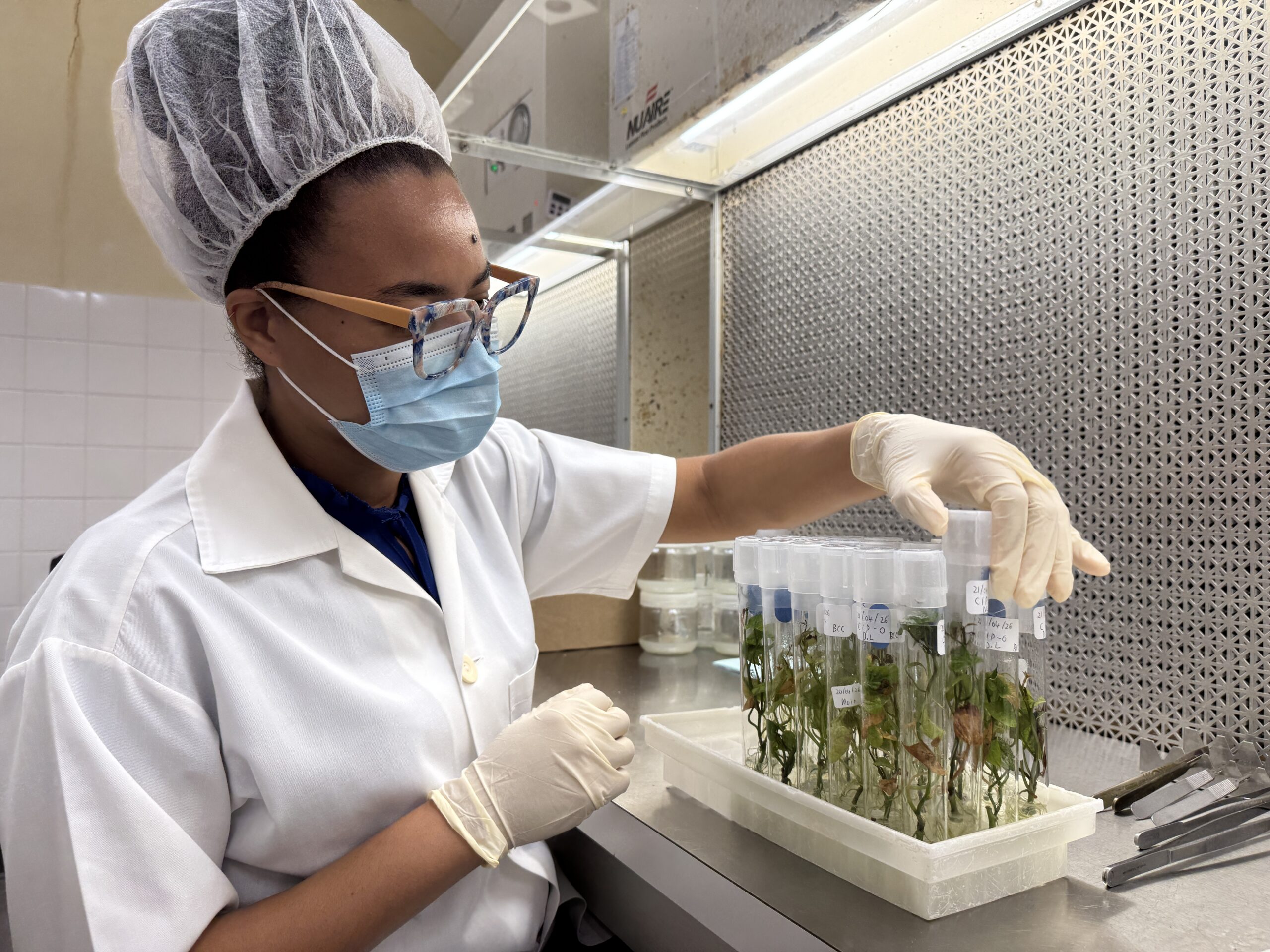
    Research teams have collected samples from both infected and treated plants for laboratory analysis. Scientists aim to identify the pathogen responsible for the disease while simultaneously evaluating the efficacy of the farmer’s unconventional treatment method. Authorities have committed to maintaining vigilant monitoring and will provide public updates as investigative results become available.

  • Archaeologists discover 13 human skeletons at Pueblo Viejo in search for cacique Enriquillo

    Archaeologists discover 13 human skeletons at Pueblo Viejo in search for cacique Enriquillo

    A significant archaeological breakthrough has emerged from the Dominican Republic, where researchers have unearthed 13 complete human skeletons at the Pueblo Viejo archaeological site. The discovery forms part of the scientific initiative “Following the Remains of cacique Enriquillo,” which builds upon over a decade of multidisciplinary investigation combining historical documentation and archaeological fieldwork.

    Under the technical coordination of Dominican archaeologist Kathleen Martínez, the project has implemented rigorous international standards previously absent at Pueblo Viejo. The excavation process involved technically complex stratigraphic recording and comprehensive documentation of ruins, significantly advancing the scientific understanding of the site.

    While definitive conclusions remain premature, the research team has initiated sophisticated analysis protocols. Spanish forensic specialist Víctor Barrera Alarcón is leading anthropological examinations to determine sex, age, and physical characteristics of the unearthed individuals. The investigation will employ ancient mitochondrial DNA analysis through laboratories in the Dominican Republic and potentially Costa Rica to establish lineage and ancestry patterns. Carbon-14 dating methodologies may supplement stratigraphic findings where necessary.

    The project represents a collaborative effort supported by the Macarrulla Foundation and the General Directorate of Strategic and Special Projects of the Presidency (PROPEEP), highlighting its national scientific importance. Beyond the specific objective of locating remains associated with cacique Enriquillo, the initiative aims to preserve and enhance the entire Pueblo Viejo archaeological site while facilitating knowledge transfer to Dominican professionals through internationally recognized methodologies.

    Local community engagement has been instrumental in the project’s advancement, with academic results expected to contribute to both domestic and international scholarly discourse regarding the region’s historical and cultural heritage.

  • Jamaica boosts coastal disaster assessment skills through TNC workshop

    Jamaica boosts coastal disaster assessment skills through TNC workshop

    KINGSTON, Jamaica—In a significant capacity-building initiative, The Nature Conservancy (TNC) convened over 60 government officials and environmental specialists for a comprehensive science workshop on February 9-10. The event, held at the Jamaica Pegasus Hotel, focused on leveraging geospatial data for detecting changes in vulnerable coastal ecosystems.

    The intensive two-day program addressed the critical need for advanced monitoring tools as Caribbean nations face increasing frequency and intensity of extreme weather events. Participants engaged with cutting-edge remote sensing methodologies using PlanetScope and Sentinel-2 satellite imagery to evaluate hurricane impacts on marine and coastal environments.

    Under the guidance of Dr. Steve Schill, TNC’s Caribbean Lead Scientist, and other technical experts, the workshop blended theoretical foundations with practical applications. Day one established core remote sensing principles, including assessment requirements and software options ranging from proprietary to open-source platforms. Attendees gained proficiency in field data collection techniques and learned to access satellite imagery from both public and private sources.

    The training featured demonstrations of cloud-based analytical tools, notably Google Earth Engine, showcasing how integration of satellite data with field observations enables rapid, precise change detection. “Remote sensing allows hurricane impact assessment within days, while drones can map damage once weather conditions stabilize,” Dr. Schill explained.

    Day two progressed to hands-on image processing using industry-standard software including ArcGIS Pro and QGIS. Non-governmental organization representatives additionally trained with Kobo Toolbox and Google Earth Pro, analyzing sample datasets to evaluate ecological changes in mangrove forests, seagrass beds, and sandy shorelines. These practical sessions were specifically designed to enhance skills applicable to both immediate post-disaster evaluations and sustained coastal monitoring efforts.

    Donna Blake, TNC Jamaica’s Program Director, emphasized the critical importance of reliable environmental data: “Timely information is essential for transforming post-disaster assessments into informed policy and investment decisions. Building technical capacity ensures our restoration efforts remain evidence-based and aligned with national resilience objectives.”

    This capacity-building initiative ultimately strengthens Jamaica’s ability to monitor and report on climate commitments related to coastal ecosystems while significantly improving the efficiency and accuracy of environmental assessments following major disturbances.

  • Staatsolie financiert nieuw archiefgebouw GMD

    Staatsolie financiert nieuw archiefgebouw GMD

    In a significant move to preserve Suriname’s geological heritage, Staatsolie Maatschappij Suriname N.V. has committed over US$230,000 to construct a state-of-the-art archive facility for the Geological Mining Service (GMD). This initiative aims to safeguard historically vital drill cores and samples that form the foundation of the nation’s geological knowledge.

    The current GMD archive building, which partially collapsed and became non-functional, posed serious safety risks including fire hazards and unauthorized access by homeless individuals. For more than two years, Staatsolie has maintained security patrols to mitigate further dangers to these invaluable geological specimens.

    Following a comprehensive inventory assessment conducted by GMD in collaboration with Professor Salomon Kroonenberg, the decision was finalized to proceed with new construction. The modern facility will ensure the preservation of precious geological materials and maintain accessibility of existing data for future scientific investigations.

    The majority of these subsurface samples originate from the 1970s and have been instrumental in developing Suriname’s geological mapping framework. These core samples provide critical insights into subterranean composition and potential natural resource deposits, serving as essential reference materials for ongoing exploration and research initiatives. Drill cores and samples are extracted during geological surveys to analyze stratum composition and identify potential mineral resources.

    The project aligns with Staatsolie’s commitment to sustainably strengthening national institutions and preserving crucial knowledge about Suriname’s geological composition. The new archive is scheduled to become operational before the end of the current year.

  • Learning How to Care for Cows and the Planet

    Learning How to Care for Cows and the Planet

    BELIZE – In a significant stride toward sustainable agriculture, Belize has launched an innovative training program aimed at transforming conventional cattle farming practices. The University of Belize Central Farm Campus recently hosted an intensive workshop that brought together the nation’s cattle farmers and agricultural extension officers to pioneer regenerative farming techniques.

    The comprehensive initiative, spearheaded by Belize’s Ministry of Agriculture in collaboration with The Nature Conservancy, University of Belize, Belize Livestock Producer Association, and Belize Maya Forest, represents a paradigm shift in livestock management. Principal Agriculture Officer Belarmino Esquivel emphasized the program’s critical importance: “We are fundamentally transforming our cultural sector from traditional methods to practices that are productive, competitive, sustainable, and resilient with a regenerative focus.”

    Over a six-month period, 25 extension officers received extensive training in advanced agricultural methodologies, including rotational grazing systems, integrated tree pasturing, enhanced animal nutrition, and comprehensive soil management strategies. The curriculum featured international expertise, with Dr. Martin Battaglia providing specialized instruction on regenerative agriculture principles.

    The program’s second phase involves practical implementation across five model farms and 50 satellite farms, where trained officers will directly mentor farmers in adopting environmentally conscious practices. Luciano Chi, Regenerative Agriculture Specialist for The Nature Conservancy, highlighted the collaborative nature of the endeavor: “This represents a unified effort among multiple stakeholders committed to transitioning Belize toward a sustainable regenerative livestock system.”

    Participants received specialized equipment kits designed to ensure both animal welfare and practitioner safety. The kits include protective gear, veterinary supplies, and demonstration tools for sustainable fencing systems. Daniel Juan, Livestock Lecturer at the University of Belize, explained: “We’re ensuring that personnel have the proper equipment to safely implement husbandry practices while safeguarding both human and animal wellbeing.”

    The initiative particularly emphasizes soil health as a cornerstone of regenerative agriculture. Technicians received soil augers and analysis tools to help farmers implement data-driven soil amendment strategies, including the use of native cover crops and legumes to enhance soil fertility naturally.

    This groundbreaking program positions Belize at the forefront of sustainable livestock management in Central America, potentially serving as a model for other nations seeking to balance agricultural productivity with environmental stewardship.

  • International crew set to dock at space station Saturday

    International crew set to dock at space station Saturday

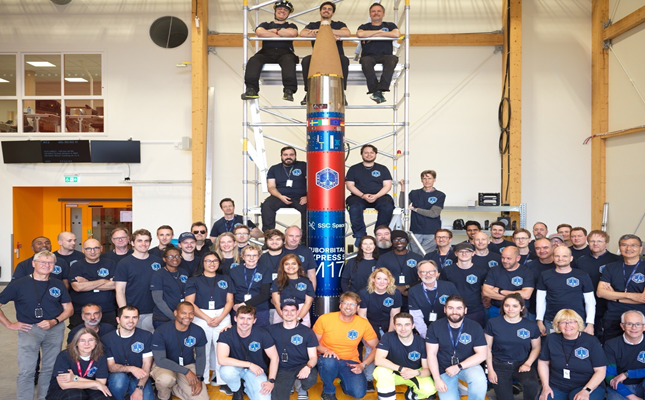
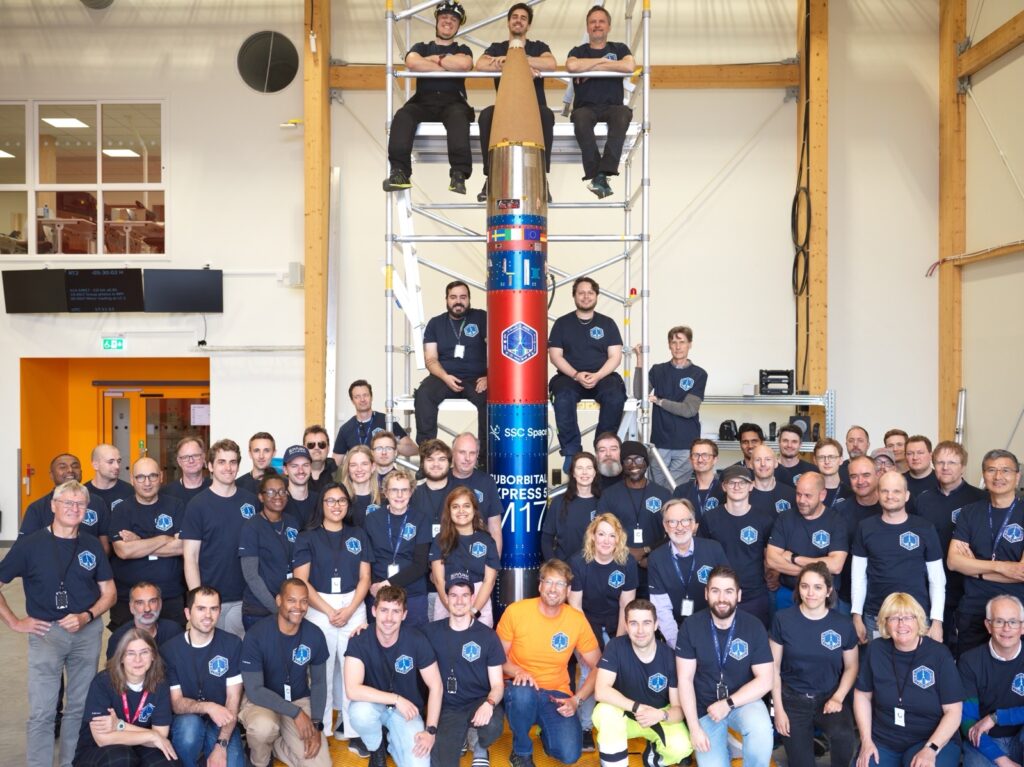
    CAPE CANAVERAL, Florida — A new era of international space collaboration commenced as SpaceX’s Falcon 9 rocket successfully delivered the multinational Crew-12 astronauts to the International Space Station on Saturday. The meticulously orchestrated docking procedure concluded at approximately 3:15 PM Eastern Time (2015 GMT), marking the beginning of an extensive eight-month scientific expedition orbiting 250 miles above Earth.

    The diverse crew comprises NASA astronauts Jessica Meir and Jack Hathaway, French Space Agency representative Sophie Adenot, and Roscosmos cosmonaut Andrey Fedyaev. Their arrival reinstates the station’s full operational capacity after several months of reduced staffing. Commander Meir, during the ascent phase, reflected on the profound perspective space travel affords: ‘Viewing our planet from this vantage point makes our interconnectedness undeniably clear—we are one humankind.’

    This mission represents a significant recovery operation for NASA, replacing the previous Crew-11 team that executed an unprecedented medical evacuation from the orbital laboratory in January. While agency officials maintained strict confidentiality regarding the specific health concerns that prompted the early return, the successful deployment of Crew-12 demonstrates remarkable operational flexibility in human spaceflight contingencies.

    The scientific agenda for this expedition includes groundbreaking research on physiological adaptations to microgravity, with particular emphasis on developing advanced medical diagnostic capabilities for extended space missions. Astronaut Adenot, who has made history as France’s second female space traveler, will spearhead innovative trials involving artificial intelligence-enhanced ultrasound technology that enables self-administered medical imaging.

    Notably, this mission occurs against a complex geopolitical backdrop where the ISS remains a bastion of international cooperation despite terrestrial tensions. The crew composition itself reflects diplomatic nuances, with cosmonaut Fedyaev joining after the unexpected reassignment of originally scheduled Russian crew member Oleg Artemyev. As the ISS approaches its planned decommissioning in 2030, each successive mission contributes valuable data toward future deep space exploration initiatives.