
The University of the West Indies Seismic Research Centre (UWI-SRC) is closely observing a series of earthquakes northeast of the Caribbean island arc, near Guadeloupe. Over a dozen tremors were recorded on Monday, with several being felt in Antigua and Barbuda. Among the notable events were two minor quakes in the afternoon: a magnitude 3.5 quake at 2:36 p.m., followed by a magnitude 3.7 tremor a minute later. Both occurred east-southeast of Antigua and Barbuda, approximately 280 kilometers from St. John’s, and northeast of Dominica. Earlier in the day, the region experienced stronger seismic activity, including a magnitude 5.4 quake at 9:26 a.m. and a magnitude 6.1 event at 8:55 a.m., both located northeast of Dominica and roughly 265 kilometers east-southeast of Antigua and Barbuda. While no damage or injuries have been reported, residents in Antigua, Dominica, and Guadeloupe described feeling light to moderate shaking. One St. John’s resident recounted to Antigua.News that the morning tremor lasted nearly a minute and caused noticeable vibrations. The UWI-SRC emphasized that this activity is part of an ongoing seismic sequence in the northeast Caribbean, a region situated along the tectonic boundary between the Caribbean and North American plates—one of the most seismically active zones globally. The center anticipates continued aftershocks and encourages residents to report their experiences using the official feedback form.
分类: science
-
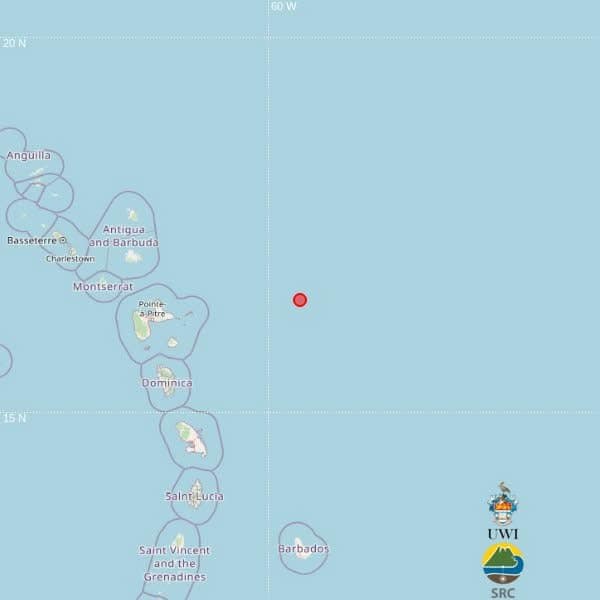
Earthquakes continue to be recorded east of Antigua
The University of the West Indies (UWI) Seismic Research Centre (SRC) has issued a preliminary report of a 3.7 magnitude earthquake that occurred on October 27, 2025, at 09:07 am local time (13:07 UTC). The seismic event was located at a depth of 12 kilometers, with coordinates pinpointed at Latitude 16.50N and Longitude 59.58W. The epicenter was situated approximately 219 kilometers east of Point-à-Pitre, Guadeloupe, 241 kilometers northeast of Roseau, Dominica, and 261 kilometers east-southeast of Saint John’s, Antigua and Barbuda. The initial location data was generated automatically using advanced computer algorithms. However, the SRC has emphasized that this information is provisional and may be revised following a thorough analysis by their expert seismologists. The public is advised to stay informed as updates become available.
-
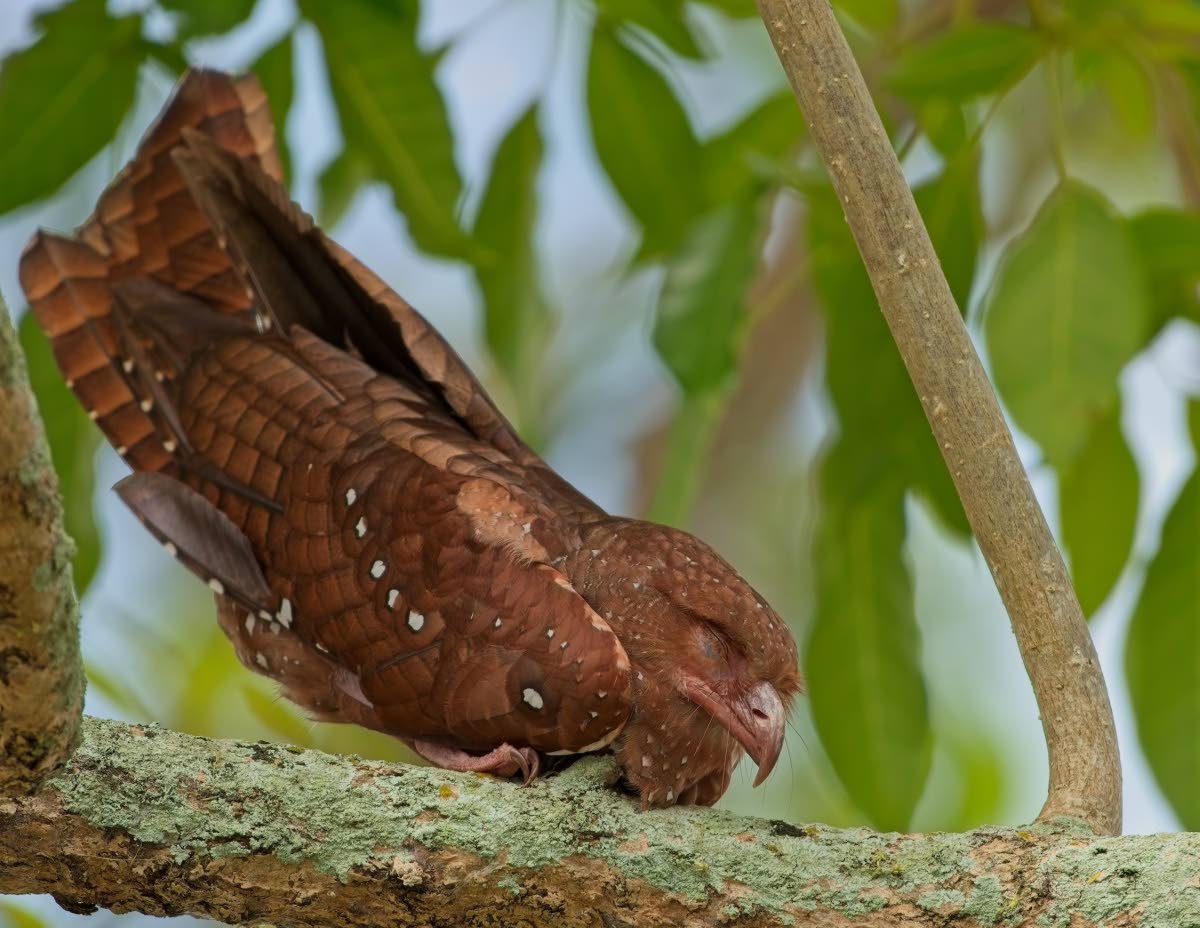
The mystical oilbird
In a serendipitous encounter, an oilbird was discovered roosting at St. Benedict’s College in La Romaine, south Trinidad, far from its known colonies. This rare sighting provided a unique teaching opportunity for the school staff. The oilbird, a nocturnal marvel, is one of the most remarkable yet overlooked species in Trinidad’s rich biodiversity. Unlike the vibrant hummingbird or the powerful hawk-eagle, the oilbird’s unassuming appearance belies its extraordinary adaptations and ecological significance. Native to Trinidad, which shares much of its ecology with South America, the oilbird thrives in darkness, spending its days in lightless caves and emerging at night to forage. With a wingspan exceeding one metre, these birds embark on nightly journeys, sometimes covering over 100 kilometres in search of their exclusive diet of fruits from palms, laurels, and bursera trees. This dietary specialization makes them vital seed dispersers, ensuring the propagation of their food trees. Oilbirds possess unique sensory adaptations, including echolocation and an unparalleled sensitivity to light, with retinal rod densities of one million rods per millimetre—the highest among vertebrates. Their social structure is equally fascinating, with monogamous pairs raising broods in large colonies that can number in the thousands. Despite their ecological importance, oilbirds face threats from human exploitation, historically hunted for their oil and meat. Conservation efforts are crucial to protect this enigmatic species and its habitat, ensuring its survival alongside humanity.
-
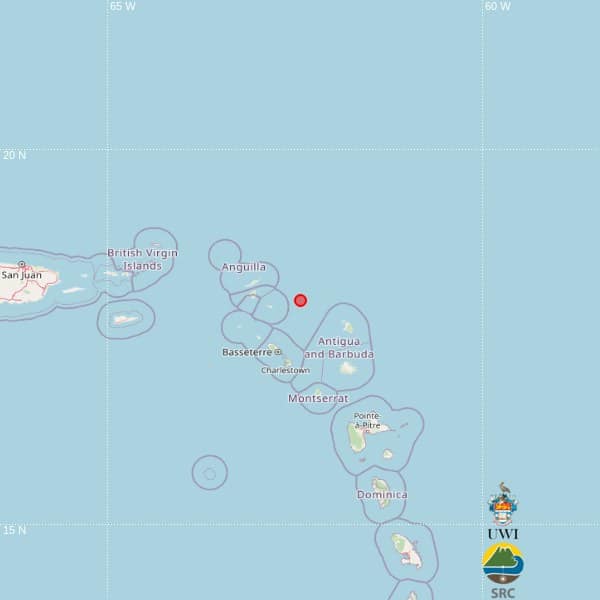
Earthquake Felt Near Antigua and Barbuda
A minor earthquake measuring 3.5 on the Richter scale was detected northeast of Antigua and Barbuda on the evening of Monday, October 20, 2025. The seismic event, recorded by the University of the West Indies (UWI) Seismic Research Centre, occurred at approximately 9:09 p.m. local time. The tremor originated at a depth of 20 kilometers, with its epicenter pinpointed at coordinates 17.99°N, 62.43°W. This location places the quake approximately 117 kilometers northwest of St. John’s, 83 kilometers northeast of Basseterre, St. Kitts and Nevis, and 135 kilometers north of Brades, Montserrat. Although some residents in Antigua experienced a brief shaking, there have been no reports of structural damage or injuries. The UWI Seismic Research Centre emphasized that the data was automatically generated and remains preliminary, awaiting further analysis by experts. Antigua and Barbuda is situated in a seismically active region of the eastern Caribbean, where moderate tremors are not uncommon due to the ongoing interaction between the North American and Caribbean tectonic plates.
-
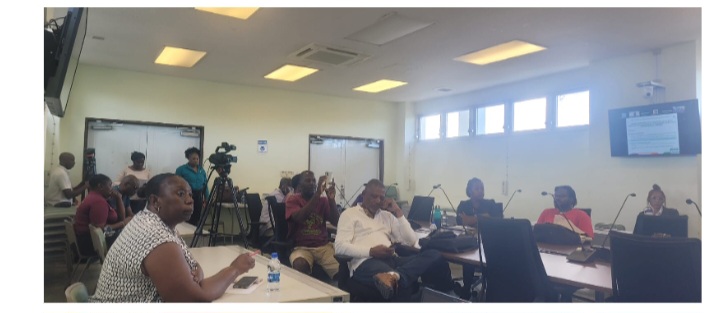
IICA and FAO convene regional conference on advancements in sweet potato cultivation to enhance food security and climate adaptation
The Inter-American Institute for Cooperation on Agriculture (IICA) and the Food and Agriculture Organization (FAO) have reinforced their commitment to agricultural innovation and regional collaboration by hosting the first virtual symposium, ‘Next Generation Sweet Potato Production in the Caribbean – Annual Project 2025.’ Held on October 15, 2025, via Zoom, the event attracted over 90 participants from 13 Caribbean nations, including technical experts, government officials, farmers, and researchers. The symposium focused on leveraging genetic diversity in plants and soil microbes to enhance sweet potato cultivation in Antigua and Barbuda, Jamaica, and St. Lucia. Funding for the initiative is provided by the FAO International Treaty on Plant Genetic Resources for Food and Agriculture Benefit-sharing Fund, with additional support from the European Union. The project is coordinated by IICA in partnership with the Caribbean Agricultural Research and Development Institute (CARDI) and the Ministries of Agriculture of the participating nations. Gregg Rawlins, IICA’s Representative for the Eastern Caribbean States, emphasized the project’s alignment with CARICOM’s 25 by 25+5 initiative, which aims to reduce regional food imports by 25% by 2030. He highlighted the initiative’s role in promoting resilience, self-sufficiency, and inclusivity by empowering women, youth, and persons with disabilities in agriculture. Juan Cheaz, FAO’s Trade and Markets Officer, underscored the sweet potato’s versatility, resilience, and nutritional value, stressing the importance of reliable access to clean planting materials for boosting productivity. Gregory Bailey, Antigua and Barbuda’s Director of Agriculture, reflected on the crop’s cultural and historical significance, calling for renewed collaboration to build a sustainable agricultural future. The symposium featured insights from Dr. Alexandre Mello of the International Potato Centre (CIP) on sweet potato genetic diversity and its potential to address global food security and climate challenges. Breakout sessions focused on biocontrol methods, genetic resource management, and strategies to expand research and farmer participation. Since its launch in late 2024, the project has identified 12 farmer-preferred cultivars for virus cleaning and conservation, trained over 100 technicians, and advanced research on biocontrol techniques, marking significant progress in regional agricultural innovation.
-
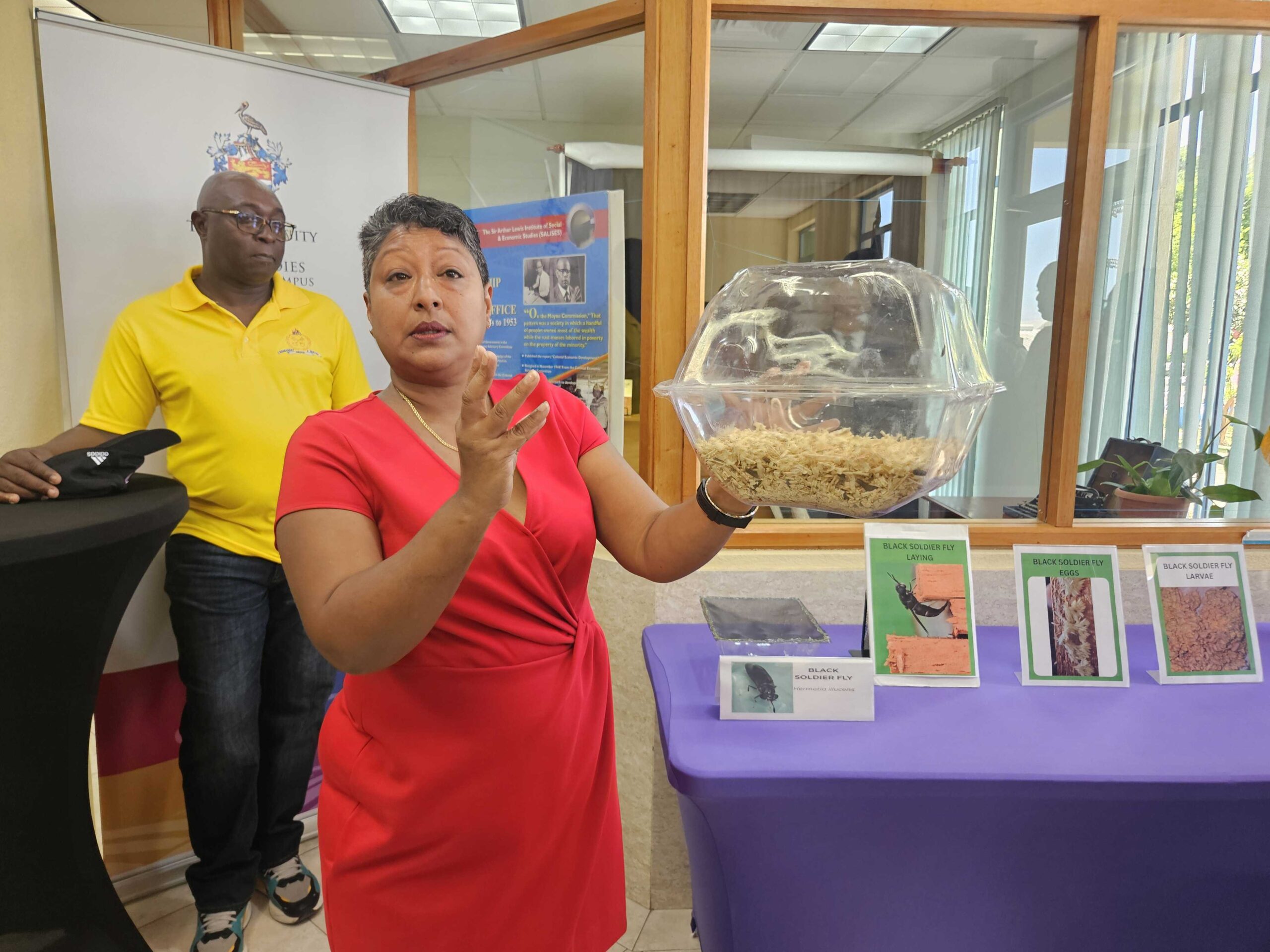
UWI home hydroponics, flies-to-feed projects ‘to help cut food bill, boost farming’
In a groundbreaking move towards sustainable food security, the University of the West Indies (UWI) unveiled two cutting-edge agricultural initiatives on Thursday. These projects, developed by the UWI Centre for Agricultural Research and Innovation (CAGRI), aim to reduce grocery bills for Barbadian households and lower production costs for small farmers. The launch coincided with World Food Day, highlighting the university’s commitment to modernizing agriculture and addressing food security challenges.
-
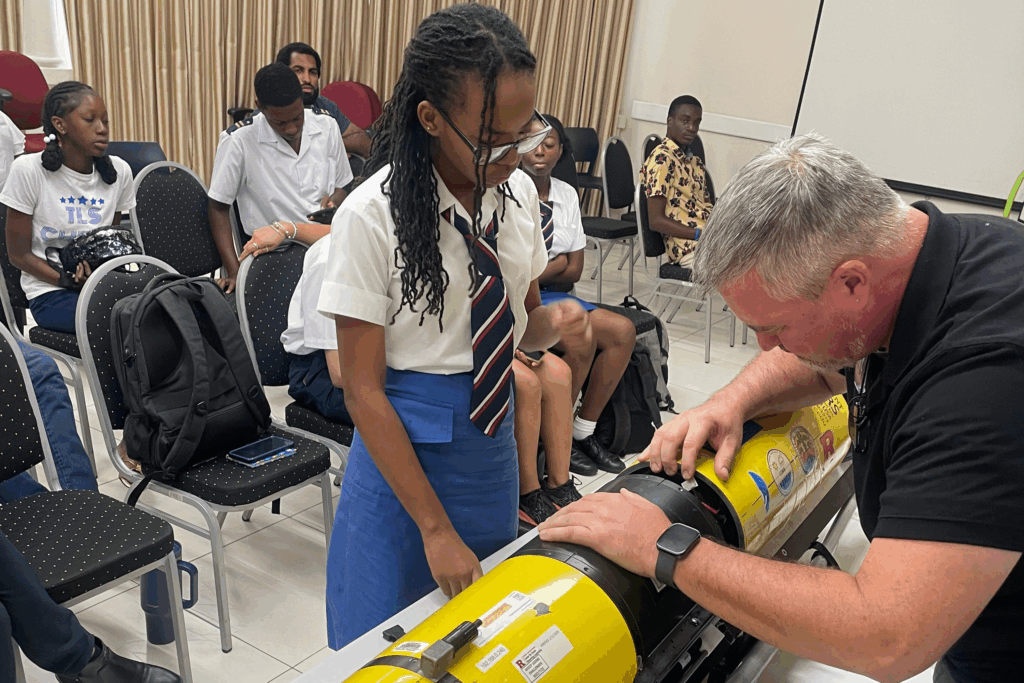
‘Breakthrough’ in hurricane forecasts from ocean glider data
A groundbreaking field experiment in the Caribbean has marked a significant leap forward in hurricane prediction, thanks to the deployment of an autonomous underwater glider. The Vetlesen Caribbean Hurricane Ocean Glider Science Field Experiment, spearheaded by the Caribbean Institute for Meteorology and Hydrology (CIMH) in collaboration with Rutgers University and other partners, has yielded transformative data that is already enhancing the accuracy of hurricane forecasts across the region. The glider, which spent three months navigating the waters between Barbados, Guyana, and Trinidad, collected critical ocean temperature and salinity readings. These measurements are pivotal in understanding the spatial variations that influence hurricane development and intensity. Dr. David Farrell, principal of CIMH, emphasized the dual benefits of the project: improving hurricane forecasting and supporting fisheries and other maritime activities. The data has already corrected longstanding flaws in existing ocean models, extending forecast accuracy beyond the surveyed areas. Scott Glenn, a professor of marine sciences at Rutgers University, highlighted the widespread impact of the glider’s data, which has improved ocean forecasts across the Antilles. This development is expected to significantly enhance early warning systems and disaster preparedness in the region. The project also integrates the Caribbean into the global Sentinel Initiative, fostering international collaboration in ocean research. As the hurricane season draws to a close, Dr. Farrell urged continued vigilance, noting that the insights gained from this experiment will guide future forecasting and preparedness efforts, better equipping the Caribbean to face potential weather challenges.
-
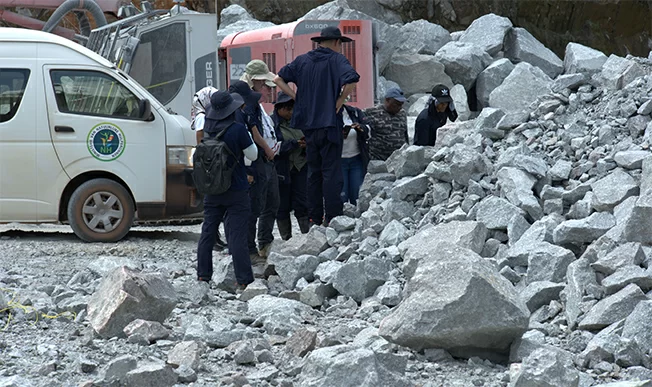
Geologen speuren naar strategische mineralen in Mapane en Phedra
A collaborative geological expedition involving Surinamese and Chinese experts has conducted field research in the Mapane and Phedra regions to investigate the presence of granite and potentially lithium-bearing rocks. Lithium, a globally strategic mineral, is crucial for sustainable energy and the production of batteries for electric vehicles. The research team comprised representatives from the Geological Mining Service of Suriname, the Nanjing China Geological Survey, and students from the Anton de Kom University of Suriname. The expedition, led by Professor Dr. Salomon Kroonenberg in collaboration with GMD head Lindsey Sanné, took place on October 8. During the fieldwork, various rock samples were collected for laboratory analysis. Sanné emphasized that the results will clarify the mineral composition and geological structure of the area. This initiative is part of the ongoing collaboration between Suriname and China in geological research, focusing on knowledge exchange, capacity building, and sustainable resource utilization. Experts suggest that the findings could enhance understanding of Suriname’s mineral potential, which is increasingly significant amid the global energy transition. Countries like Bolivia, Chile, and Guyana are also actively exploring their lithium reserves as part of broader sustainable development strategies.
-
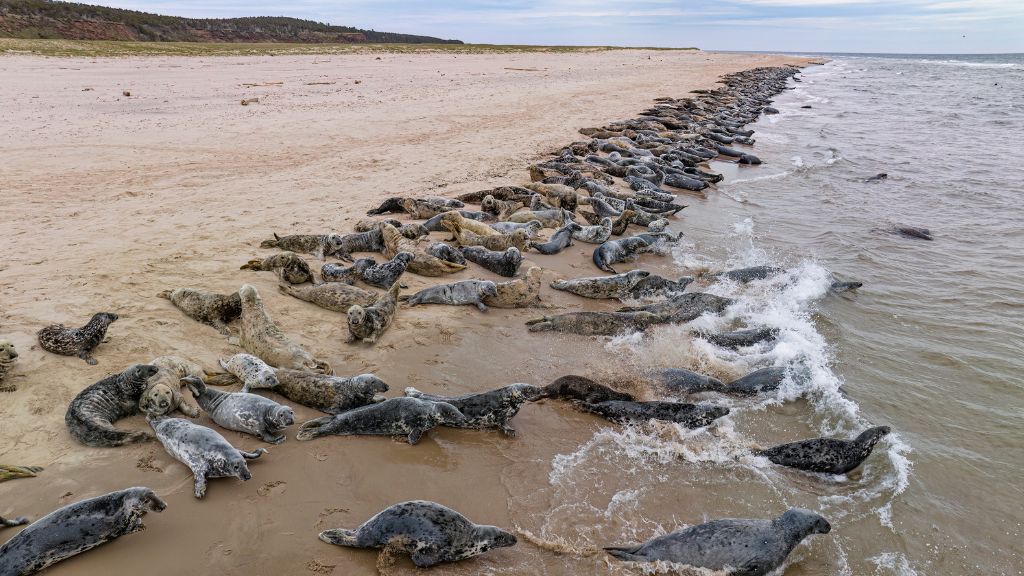
Seals, birds under threat in new ‘red list’ of endangered species
ABU DHABI, United Arab Emirates — Arctic seals and bird populations are facing escalating threats primarily driven by climate change and human activities, according to the latest update from the International Union for Conservation of Nature (IUCN). The IUCN’s updated Red List, released on Friday, highlights the precarious status of these species, with habitat loss, global warming, and maritime traffic identified as key factors.
-

La Nina is back, but impact may be limited— US agency
The United States National Weather Service (NWS) confirmed on Thursday that La Nina, a natural climate phenomenon, has re-emerged. However, its weak intensity is expected to minimize its cooling effect on global temperatures and its influence on Atlantic hurricane activity. La Nina, characterized by cooler-than-average sea surface temperatures in the central and eastern equatorial Pacific Ocean, typically alters atmospheric wind patterns, leading to increased hurricane activity in the Atlantic basin and reduced activity in the Pacific. This cyclical pattern oscillates between La Nina, its counterpart El Nino, and neutral phases. After a brief La Nina episode from December 2024 to March 2025, neutral conditions prevailed until the recent resurgence of La Nina in September 2025. The NWS predicts that La Nina will persist through the winter, with a 55% chance of transitioning back to neutral conditions between January and March 2026. Despite its historical impact on global weather, this La Nina event is expected to be too weak to significantly affect conventional winter weather patterns. The 2020–2023 La Nina was notable for its unprecedented duration, marking the first ‘triple-dip’ event of the 21st century. While La Nina typically cools global temperatures, it failed to counteract the trend of record-breaking heat observed over the past decade. The Atlantic hurricane season, which runs from June 1 to November 30, has been slightly below average so far, with no storms making landfall in the United States. Nevertheless, the National Oceanic and Atmospheric Administration (NOAA) continues to forecast an above-normal hurricane season.