分类: politics

  • Pierre outlines government priorities following decisive election victory

    Pierre outlines government priorities following decisive election victory

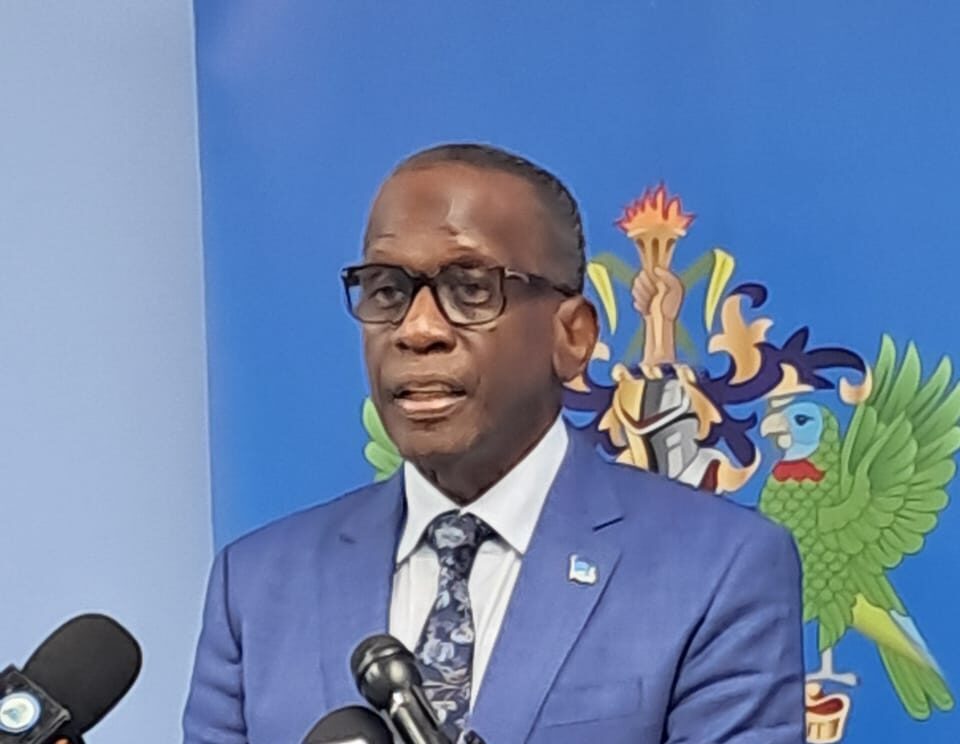
    Following a decisive electoral victory, Prime Minister Philip J. Pierre has committed to steering a government dedicated to inclusivity and public service. At his administration’s inaugural press conference, Pierre characterized the December 1st results as a powerful endorsement from the Saint Lucian populace, which he asserts imposes a solemn duty to govern in the nation’s best interests.

    The briefing served as a platform to detail an extensive national development strategy, with significant emphasis on advancing critical infrastructure projects. The redevelopment of Hewanorra International Airport remains a top priority, with the air traffic control tower construction and terminal modernization proceeding as planned. Prime Minister Pierre confirmed the conclusion of an international tender process, with bid evaluations currently underway. Project commencement is slated for early next year, while enhancements to runway and ancillary airside facilities will extend into 2026.

    Concurrently, the Gros Islet–Castries highway project is gaining momentum. With engineering designs in their final stages, the government anticipates issuing contractor tenders imminently. Pierre confirmed full funding is secured, with Phase One construction expected to initiate within the first quarter of the coming year.

    In the healthcare sector, equipment installation is ongoing at the new St Jude Hospital facility. While partial services have already transitioned, a full operational shift is projected for completion by the end of the first quarter of next year. The Prime Minister expressed considerable satisfaction with the project’s advancement, deeming the facility fully ‘fit for purpose.’

    Further public investments are progressing on schedule. The House of Justice project is anticipated to reach completion in 2027 after a two-year construction period. The new Gros Islet and Northern Police Headquarters are scheduled for occupancy in the upcoming first quarter. Educational infrastructure will also see enhancements, with school building extensions set for finalization by September, ensuring student access to improved facilities for the new academic year.

    Additional developments include preparatory work for the fifth wing of the Owen King EU Hospital, with construction beginning in the first half of next year. Projects for a new super administrative building and the Soufrière elderly home are also advancing, with construction starts planned in the coming months.

    Cabinet restructuring introduced a new ministry devoted to continuing education, special education, and early childhood development. The upcoming budget will feature concrete measures toward universal early childhood education, aiming to provide free access for every child at the earliest opportunity. The agriculture portfolio has been broadened to encompass climate change and nutrition, aiming to forge stronger connections between food production, public health, tourism, and school feeding programs.

    In a gesture of political unity, Prime Minister Pierre extended congratulations to Opposition Leader Allen Chastanet on his electoral retention, acknowledging it as a significant accomplishment. Pierre assured that Chastanet would receive all entitled protocols and privileges, firmly stating his administration’s commitment to respecting opposition figures.

    The government’s forthcoming budget will also prioritize human development, incorporating targeted initiatives for young men to counter frustration and foster engagement, with planned collaborations with institutions like the Centre for Adolescent Renewal and Education (CARE). Concluding his address, Pierre championed healthy debate and inclusive governance over intimidation, urging national unity and collective progress following the electorate’s clear verdict.
  • CIP records to be made public, Hilaire says

    CIP records to be made public, Hilaire says

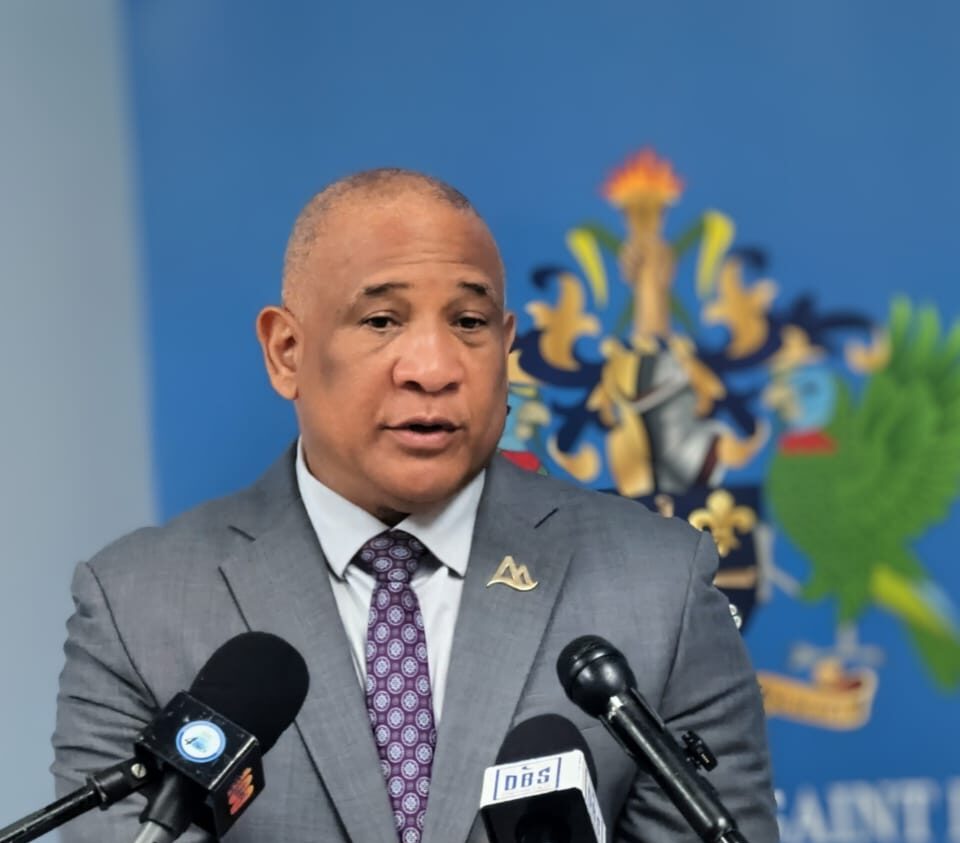
    In a significant move toward governmental transparency, Saint Lucia’s Deputy Prime Minister Dr. Ernest Hilaire has declared the administration will publicly disclose all records pertaining to the nation’s Citizenship by Investment Programme (CIP). The announcement came during the inaugural pre-Cabinet briefing of the new government term, signaling a decisive break from previous practices.

    Dr. Hilaire emphasized that revealing the program’s complete documentation—including operational audit reports, annual assessments, and financial statements—is essential for rehabilitating Saint Lucia’s international standing. The disclosure aims to address both global concerns and domestic skepticism that have shadowed the initiative. These documents will be formally presented in Parliament during an upcoming session, though not immediately.

    The minister attributed previous criticisms to political opposition, characterizing them as a ‘hate campaign’ that undermined national interests. He asserted that a properly managed CIP could substantially fund infrastructure projects including housing developments, road networks, and bridge construction. Recent legislative reforms have reportedly fortified the program with reinstated pre-2016 safeguards such as annual quotas, financial requirements, and provisions for a more diverse oversight board with enhanced expertise.

    Following a recent electoral victory that secured the Saint Lucia Labour Party a second consecutive term, the government now focuses on implementing its revised framework. Dr. Hilaire expressed optimism about the program’s potential to drive national development over the next five years, describing the period as potentially the nation’s ‘most glorious years’ through intensified and expanded CIP operations.

  • Cuba wins the war on drugs and shows zero tolerance

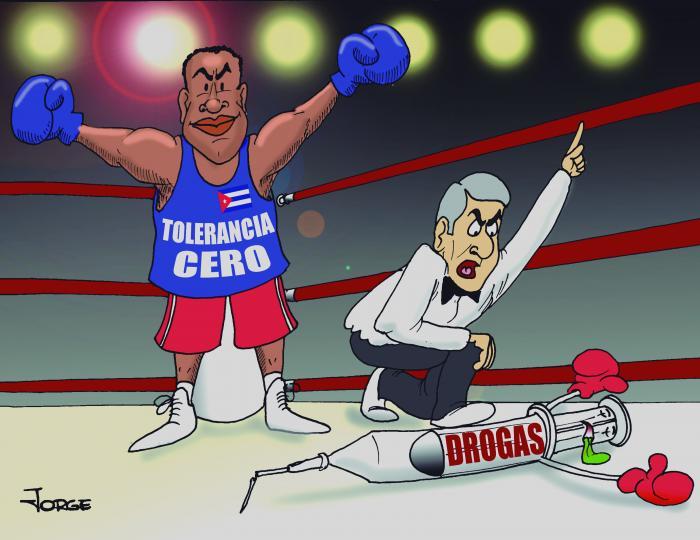
    Cuba wins the war on drugs and shows zero tolerance

    Cuban authorities have revealed compelling data demonstrating their nation’s effectiveness in combating drug trafficking while exposing a significant cooperation imbalance with United States agencies. At a recent press conference attended by Justice Minister and Interior Ministry officials, evidence presented shows Cuba has been the primary contributor to bilateral anti-narcotics efforts despite the US serving as the main source of drug trafficking operations targeting the island.

    Between 1990 and November 2025, Cuban Border Guard Troops provided US Coast Guard officials with 1,547 intelligence reports while receiving only 468 in return—a nearly 3:1 ratio that underscores the unilateral nature of cooperation. Deputy Foreign Minister Josefina Vidal Ferreiro emphasized that US agencies have firsthand knowledge of Cuba’s effectiveness in combating drug trafficking, having benefited directly from this cooperation until Secretary of State Marco Rubio instructed unilateral termination of dialogue on migration and law enforcement matters.

    Cuba’s anti-drug operations have yielded substantial results despite these challenges. Recent statistics indicate the interception of 14 speedboats and capture of 39 drug traffickers with 4,487.47 kg of narcotics in recent years. These seizures represent just a fraction of the more than 40 tons of drugs Cuba has confiscated over the past 14 years—all ultimately destined for US markets.

    The Caribbean nation maintains robust regional cooperation networks, exchanging real-time intelligence with counterparts throughout the region regarding vessel characteristics, maneuvering patterns, and large-scale landing warnings. This collaboration occurs within a framework of respect, professionalism, and transparency that has proven effective in combating transnational crime.

    Between 2024 and 2025 alone, Cuban authorities thwarted 72 drug operations originating from 11 countries, with the United States identified as the primary source. These operations involved cocaine, methamphetamines, and synthetic cannabinoids transported via air routes using passengers, cargo, and postal shipments despite a 2016 cooperation agreement that has never been fully implemented by US counterparts.

    Cuba maintains an extensive international cooperation network with 37 anti-drug contact points and through Interpol’s National Central Bureau in Havana, which currently files 58 Cuban and two foreign nationals for illicit drug trafficking crimes. The country’s comprehensive anti-drug strategy prioritizes prevention through education, culture, health, sports, and recreation while maintaining rigorous enforcement measures supported by population-wide participation through organizations like the Committees for the Defense of the Revolution.

  • Norton promises to revitalise PNCR after recent electoral defeat

    Norton promises to revitalise PNCR after recent electoral defeat

    In the wake of the People’s National Congress Reform’s (PNCR) most devastating electoral performance, party leader Aubrey Norton has unveiled a comprehensive strategy to rebuild and revitalize the political organization. The September 1, 2025 general and regional elections saw the PNCR-led coalition, A Partnership for National Unity (APNU), secure merely 12 parliamentary seats—a stark contrast to the ruling People’s Progressive Party Civic’s 36 seats and newcomer We Invest in Nationhood’s 16 seats.

    Addressing supporters on the party’s weekly program ‘Nation Watch,’ Norton acknowledged the severity of the defeat, stating that the party cannot ‘bury your head in the sand’ following such a significant electoral setback. The veteran politician, who has been with the PNC since the 1970s, identified several factors contributing to the poor showing, including the absence of a coalition with the Alliance For Change, well-financed opposition campaigns, alleged electoral irregularities, and a voters list containing names of emigrants, migrants, and deceased persons.

    Norton’s revitalization plan centers on extensive grassroots engagement beginning in the first quarter of 2026. The initiative will focus on understanding Guyanese citizens’ desires, improving parliamentary representation, and deploying social workers to assist and guide youth populations. ‘We will engage the youth because I do believe that urgent work needs to be done with the youth,’ Norton emphasized, criticizing the current government for displacing young people’s priorities and hindering their development as future leaders.

    The PNCR leader also pledged to address internal party disunity, which he acknowledged had ‘accumulated’ over time. His strategy includes creating a corps of educated and trained young party members who can eventually assume leadership roles. Norton stressed that youth must be educated that politics is about service rather than mere position-seeking, and that commitment should extend beyond electoral victories.

    Looking forward, Norton expressed hope that within twelve months, national discourse could shift toward Guyana’s comprehensive development, proper resource allocation, addressing ethnic problems connected to social, economic and political challenges, and establishing a properly managed Natural Resources Fund that saves for future generations.

  • Briceño Administration Appoints Special Envoy for Oil and Gas

    Briceño Administration Appoints Special Envoy for Oil and Gas

    The Government of Belize has formally established a dedicated diplomatic position to advance national interests in the energy sector through the appointment of David Morales as Special Envoy for Oil and Gas. The appointment was officially confirmed on December 15, 2025, through an instrument signed by Governor-General Froyla Tzalam, representing the Briceño administration.

    Mr. Morales’ commission, which took effect retroactively from October 1st, 2025, grants him a three-year mandate to execute strategic duties on behalf of the Belizean government. The appointment confers full diplomatic privileges, operational rights, and necessary facilities to effectively represent national interests in oil and gas matters.

    The newly created position will operate under the administrative purview of the Ministry of Finance, Investment, Economic Transformation, Civil Aviation, and E-Governance, indicating the government’s integrated approach to energy policy within broader economic development frameworks. This structural alignment suggests that oil and gas development is being positioned as a cornerstone of Belize’s economic transformation agenda.

    The establishment of this specialized envoy role signals the administration’s commitment to strengthening Belize’s position in international energy markets while potentially addressing domestic energy security concerns. The three-year term provides substantial timeframe for developing and implementing long-term strategies in the strategically vital hydrocarbon sector.

  • Controversy Brews Over Pension Scheme for Foreign Judges

    Controversy Brews Over Pension Scheme for Foreign Judges

    A groundbreaking legislative proposal in Belize has ignited substantial controversy regarding the nation’s approach to recruiting and retaining international judicial expertise. The contentious bill, currently under parliamentary consideration, would establish an unprecedented pension scheme specifically designed for foreign judges—a strategic move aimed at bolstering judicial stability and attracting top legal minds from abroad.

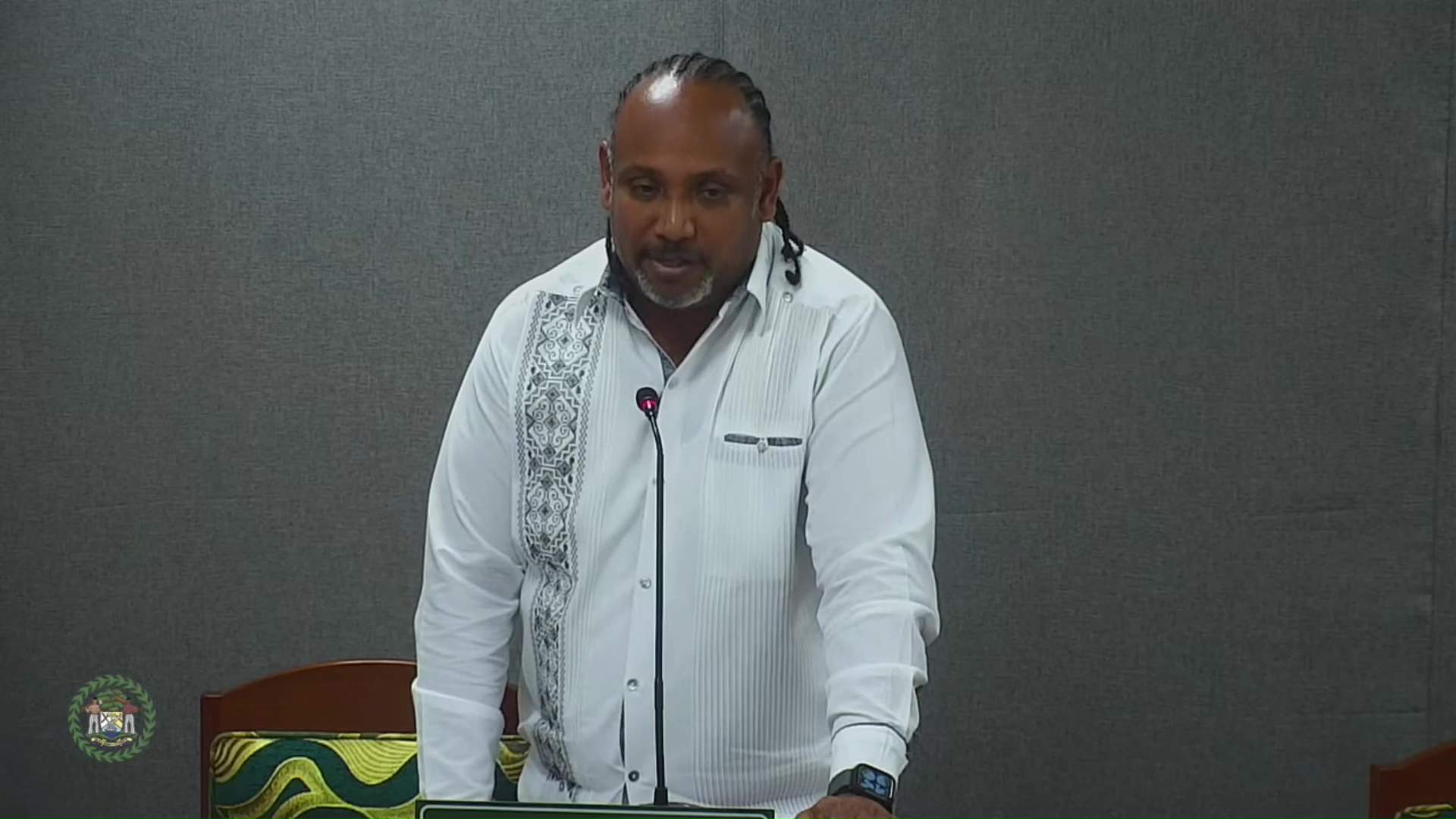
    The debate reached a critical juncture during Friday’s parliamentary session, revealing deep divisions among lawmakers. Godwin Haylock, Area Representative for Queen Square, expressed measured support for the initiative’s objectives while raising concerns about its five-year vesting period. “It is historic and the first time this country will see a pension period of five years,” Haylock noted, highlighting that this represents a significant departure from established norms where public service requires fifteen years and parliamentarians need eight years for pension eligibility.

    Opposition Leader Tracy Panton delivered a more forceful critique, arguing that the legislation potentially compromises judicial independence by granting excessive authority to the executive branch. “The bill promises judicial independence, however it is the Executive who will determine all the critical financial arrangements,” Panton asserted, emphasizing that salaries, allowances, contribution rates, and pension levels would be established through executive regulations rather than statutory provisions.

    In defense of the proposal, Foreign Affairs Minister Francis Fonseca contended that the reform represents necessary progress toward eliminating the precariousness of judicial contracts. “You have to move past that wonder if I decide this particular case in this way, will they renew my contract in one or two years,” Fonseca argued, characterizing the legislation as a crucial step toward securing genuine judicial independence from administrative influence.

    The fundamental tension centers on balancing two competing priorities: creating attractive conditions for international judicial recruitment while safeguarding the financial and operational autonomy of the judiciary from potential executive overreach.

  • Dominican Republic urges institutional prudence at OAS over Honduras elections

    Dominican Republic urges institutional prudence at OAS over Honduras elections

    Santo Domingo spearheaded international diplomatic efforts this Monday by convening an extraordinary session of the Organization of American States (OAS) Permanent Council to address mounting concerns surrounding Honduras’ contested electoral process. The high-level meeting, initiated at the Dominican Republic’s formal request, focused on the November 30 presidential elections that have drawn global scrutiny.

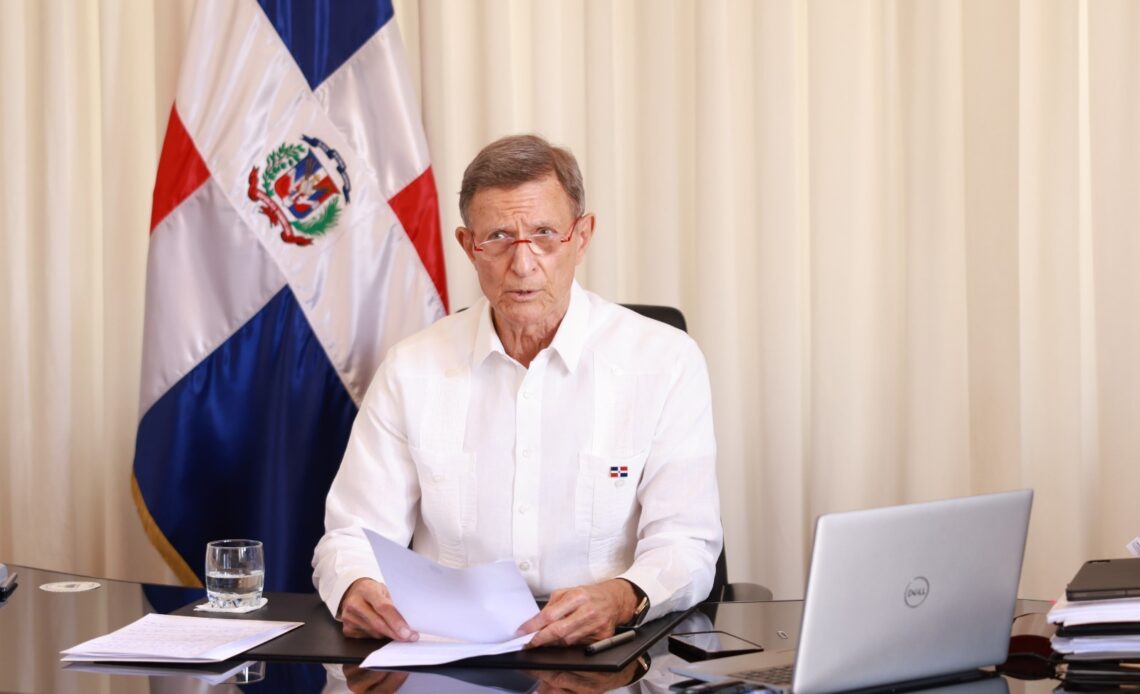
    Participating via virtual connection, Dominican Foreign Minister Roberto Álvarez delivered a decisive address urging institutional restraint and procedural safeguards. He called for Honduran security forces to maintain their constitutional mandate supporting the National Electoral Council (CNE) while emphasizing the critical preservation of all electoral materials.

    The session featured a comprehensive briefing from Ambassador Eladio Loizaga, head of the OAS Electoral Observation Mission in Honduras, who provided an authoritative assessment of the current electoral landscape. Minister Álvarez articulated fundamental democratic principles, stating that rule of law must be grounded in due process and verifiable evidence rather than external pressures.

    Álvarez issued a stark warning against political, institutional, or media influences attempting to sway the CNE’s deliberations. He reinforced that the National Electoral Council remains the sole entity legally authorized to administer elections and declare official results. The Dominican diplomat further urged the OAS to maintain vigilant oversight against any actions potentially compromising the integrity, independence, and legitimacy of Honduras’ electoral proceedings. He concluded by affirming that the sovereign will expressed by Honduran voters through democratic channels remains inviolable and non-negotiable.

  • TSA annuls ruling ordering compensation for land in Cotubanamá National Park

    TSA annuls ruling ordering compensation for land in Cotubanamá National Park

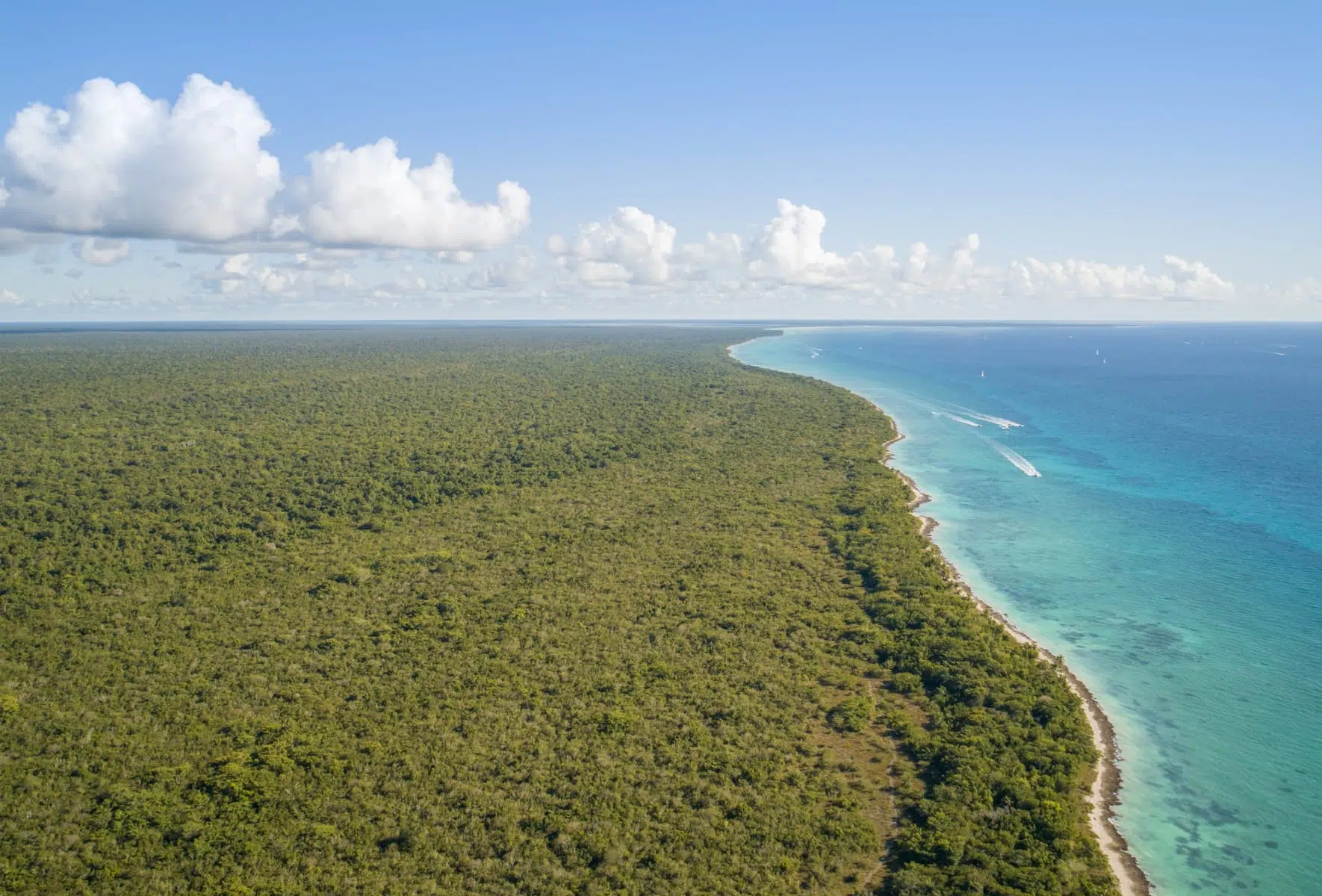
    In a landmark judicial decision, the Second Chamber of the Superior Administrative Court (TSA) in Santo Domingo has reversed a prior ruling that mandated state compensation for disputed lands within the Cotubanamá National Park. The court determined that the territory in question constitutes protected public domain property, rendering it constitutionally inalienable.

    The judicial panel, comprising Judges Antonio Sánchez Mejía and Úrsula Carrasco Márquez, upheld an unconstitutionality exception presented by the General Directorate of National Assets (DGBN). Their ruling challenged Article 40 of Law 1494-47, which established a one-year statute of limitations for such claims. The court found this provision violated constitutional guarantees of justice access when matters of collective national heritage are involved, specifically contradicting Articles 6 and 16 of the Dominican Constitution that designate protected areas as inalienable, unseizable, and imprescriptible.

    This decision nullifies ruling No. 0030-03-2022-SSEN-00193, which had previously favored claimants Sonia Yolanda Cedeño Valdez and Castillo Cedeño, SRL. The TSA identified critical legal deficiencies in the original proceedings, including improper notification of the state and the omission of Decree 722-75 that originally established the area’s protected status in 1975. The court further acknowledged parallel litigation in the Land Court of La Altagracia, where the government is contesting the validity of property titles and investigating potential fraudulent activities during land regularization processes.

  • David Morales Appointed Special Envoy for Oil and Gas

    David Morales Appointed Special Envoy for Oil and Gas

    The Government of Belize has officially designated David Morales as its Special Envoy for Oil and Gas through an executive appointment signed by Governor-General Froyla Tzalam. This significant diplomatic appointment, effective October 1st, 2025, grants Morales a three-year mandate to represent Belize’s interests in the critical energy sector.

    Under the terms of the official instrument, Morales will exercise full governmental authority on behalf of Belize, with all corresponding rights, privileges, and operational facilities required to execute his diplomatic functions effectively. The position will operate within the organizational structure of the Ministry of Finance, Investment, Economic Transformation, Civil Aviation, and E-Governance, indicating the administration’s integrated approach to energy policy within broader economic development frameworks.

    The Brinceño Administration’s creation of this specialized envoy role signals a strategic prioritization of Belize’s oil and gas interests at both regional and international levels. This appointment comes as global energy markets undergo significant transformation and nations reassess their energy security strategies.

    Morales’ mandate will likely involve strengthening bilateral energy partnerships, attracting foreign investment in Belize’s energy infrastructure, and navigating the complex geopolitical landscape of energy diplomacy. The three-year term provides continuity for developing and implementing long-term strategies in a sector crucial to Belize’s economic stability and growth prospects.

  • Parliament Suspends Budget Debate to Honour Former Speaker Sir Gerald Watt

    Parliament Suspends Budget Debate to Honour Former Speaker Sir Gerald Watt

    The Antigua and Barbuda House of Representatives made an extraordinary departure from its legislative agenda Monday, suspending critical deliberations on the 2026 national budget to commemorate the life and legacy of former Speaker Sir Gerald Watt. The parliamentary session transformed into a solemn tribute following the announcement of Sir Gerald’s passing, prompting a rare display of cross-party unity as government and opposition members collectively paused state affairs to honor the distinguished statesman.

    Speaker Sir Osbert Frederick initiated proceedings by formally acknowledging the profound loss, leading the chamber in a moment of reflective silence before members unanimously agreed to set aside scheduled business. Prime Minister Gaston Browne, representing St. John’s City West, formally moved the motion to suspend budget debates, characterizing Sir Gerald as “a national icon” whose departure left the nation “a poorer people.”

    The Prime Minister chronicled Sir Gerald’s remarkable five-decade public service journey, beginning with his appointment as Attorney General at age 33 in 1971, through his chairmanship of the Antigua and Barbuda Electoral Commission, culminating in his decade-long speakership from 2014. Browne emphasized how Sir Gerald’s legal expertise, unwavering integrity, and judicial independence defined his tenure, noting his rulings were consistently delivered without political consideration or external influence.

    Opposition Leader Jamale Pringle (All Saints East and St. Luke) recalled Sir Gerald’s mentorship of younger parliamentarians, revealing how the former Speaker provided guidance and reassurance during his early parliamentary career. Attorney General Sir Steadroy Benjamin delivered an emotionally charged tribute, detailing Sir Gerald’s role as both professional mentor and lifelong friend who fundamentally shaped his legal career from barrister to advocate and parliamentarian.

    MP Richard Lewis (St. John’s Rural West) highlighted Sir Gerald’s unique service across multiple administrations, describing his fearlessness and candid approach as unprecedented. Multiple senior members attested to his unparalleled command of parliamentary procedure, with several noting no contemporary Speaker maintained stronger order or demonstrated deeper understanding of constitutional law.

    Beyond his political contributions, members celebrated Sir Gerald’s multifaceted life as sports enthusiast, avid fisherman, and dedicated patriot deeply committed to national development. The tribute session concluded with formal condolences to his family and recognition that his contributions to Antigua and Barbuda’s legal and parliamentary systems would endure as permanent features of the nation’s historical fabric. The House subsequently resumed budget deliberations following the commemorative proceedings.