分类: politics

  • PM Skerrit says latest partial travel ban will not affect ‘very good’ Dominica-U.S. relations

    PM Skerrit says latest partial travel ban will not affect ‘very good’ Dominica-U.S. relations

    Prime Minister Roosevelt Skerrit of Dominica has publicly addressed the recent imposition of partial U.S. travel restrictions on his nation, asserting that the measure will not undermine the fundamentally positive relationship between the two countries. During a live broadcast on the state-owned radio station DBS on Wednesday, Skerrit provided a detailed assessment of the current state of diplomatic engagement.

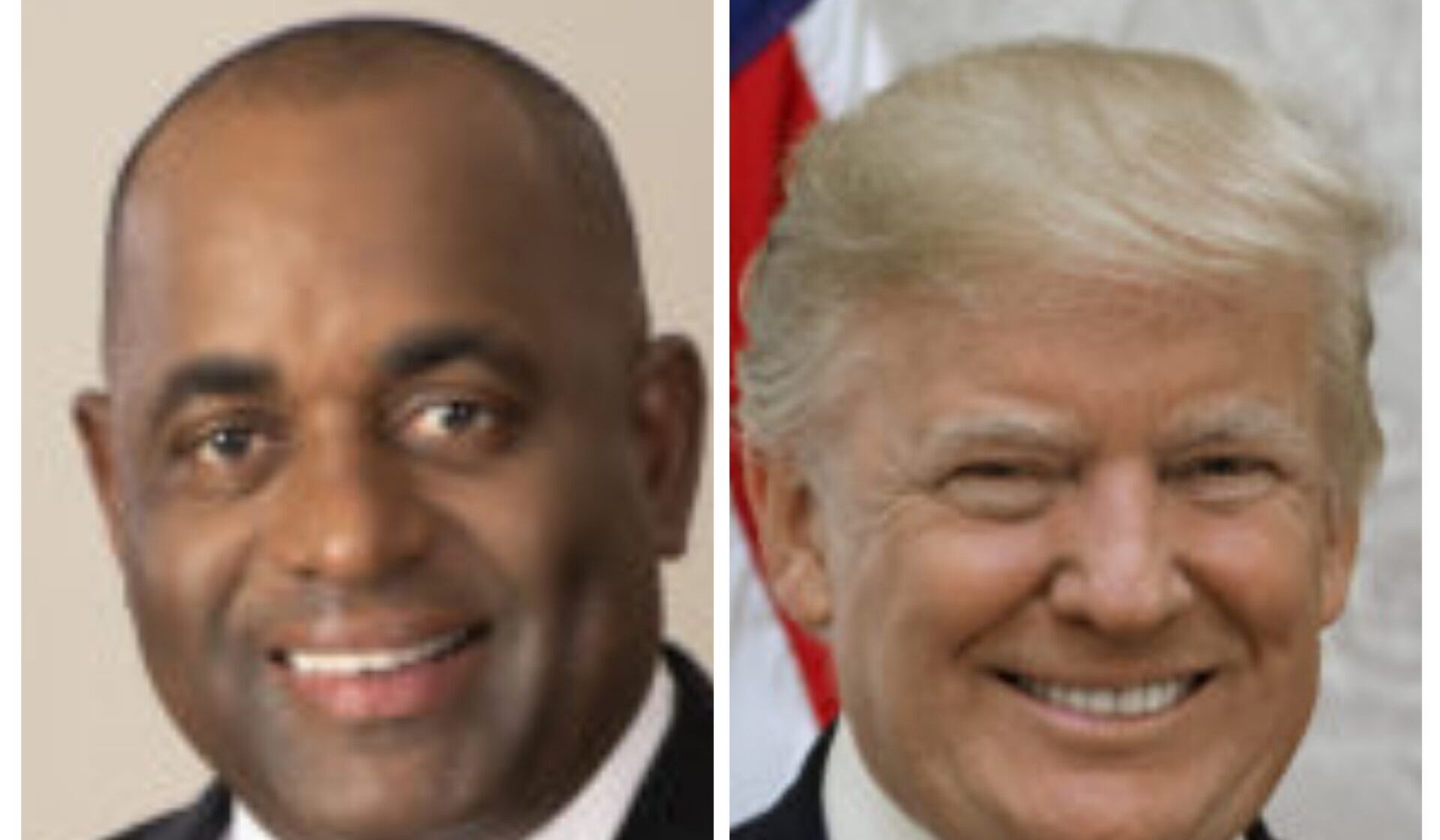
    Contrary to what the travel advisory might suggest, Skerrit revealed that communication and collaborative efforts with the current U.S. administration have intensified. “The extent of our contacts and regular engagement on a multitude of shared issues has, in fact, been more substantial with the Trump administration compared to the previous Biden administration,” the Prime Minister stated.

    Highlighting the tangible benefits of this strengthened partnership, Skerrit pointed to a marked increase in U.S. investment into Dominica’s national security apparatus. He clarified that even after the conclusion of the formal U.S. Aid program, support has continued unabated and in full. This assistance extends beyond financial backing to include critical infrastructural projects, specialized training programs, and provision of essential materials.

    Skerrit praised the operational effectiveness of the bilateral channels, noting that access to key U.S. institutions like the State Department, the Treasury, and the local U.S. Embassy has been highly efficient at every level of dialogue. Concluding his remarks, the Prime Minister emphatically dismissed any notion of diplomatic strain, stating, “The relationship, in my mind, between Dominica and the current Trump administration has been very good. Therefore, I do not perceive this development as adversely affecting our relations in any manner.”
  • 65th Anniversary of Declaration on the Granting of Independence to Colonial Countries and Peoples

    65th Anniversary of Declaration on the Granting of Independence to Colonial Countries and Peoples

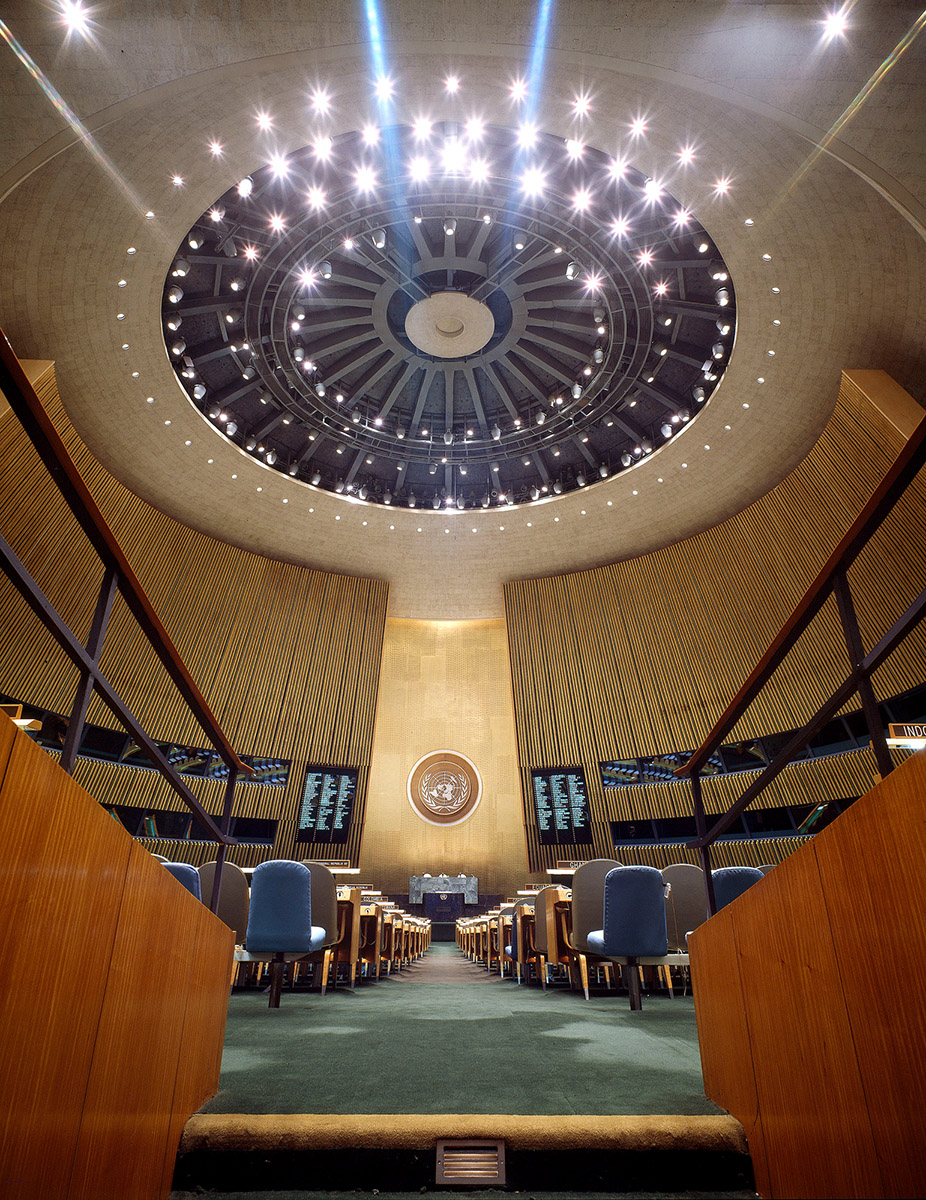
    The United Nations commemorated a dual milestone on December 18, 2025, simultaneously observing the 65th anniversary of the Declaration on the Granting of Independence to Colonial Countries and Peoples and inaugurating the first International Day against Colonialism in All Its Forms and Manifestations. Assistant Secretary-General for Peacebuilding Support Elizabeth Spehar delivered a landmark address acknowledging both the progress made and the substantial work remaining in the global decolonization movement.

    The 1960 declaration, co-sponsored by 43 Asian and African nations including all 17 territories that achieved independence that year, represented a watershed moment in UN history. This instrument served as a guiding framework for liberation, enabling over 60 territories comprising more than 80 million people to pursue self-determination and emerge as sovereign states. The current membership of 193 nations stands as testament to this transformative process.

    However, Spehar presented a candid assessment of unfinished decolonization work, noting that 17 Non-Self-Governing Territories remain under colonial administration. Beyond these official designations, she identified more subtle but equally impactful colonial legacies embedded within global power structures. International institutions including the Security Council and financial systems continue to reflect antiquated power dynamics from an imperial era rather than contemporary equality principles.

    These structural imbalances actively undermine trust, impede progress, and contravene the foundational UN principles of equality, sovereignty, and self-determination. The address connected current governance challenges to the original 1945 UN mandate to save future generations from conflict while advancing human rights and freedom.

    Spehar concluded with a call to action, urging renewed commitment to building a world where power is distributed equitably rather than concentrated, institutions serve all populations fairly, and freedom becomes a universal entitlement rather than a privileged exception.

  • Trump Claims Venezuelan Oil, Land, and Assets Are Stolen

    Trump Claims Venezuelan Oil, Land, and Assets Are Stolen

    Venezuela has launched formal diplomatic protests through the United Nations Security Council following incendiary statements by former U.S. President Donald Trump that have escalated tensions between the two nations. The controversy erupted when Trump utilized his Truth Social platform to announce what he characterized as “the largest Armada ever assembled in the South American theater” encircling Venezuelan territory.

    In his social media declaration, Trump asserted that Venezuela must return “all oil, land, and other assets that they previously stole from us” before the naval blockade would be lifted. The former president further escalated rhetoric by labeling the Maduro administration a “foreign terrorist organization” and proclaiming a comprehensive embargo on all sanctioned oil tankers attempting to enter or depart Venezuelan waters.

    The Venezuelan government responded with vigorous diplomatic countermeasures, issuing an official condemnation on Wednesday that characterized Trump’s statements as “grotesque threats” and violations of international law. Venezuelan officials accused the United States of pursuing a campaign of resource appropriation through military intimidation tactics.

    In a significant escalation, Caracas has formally notified the President of the UN Security Council, citing specific violations of UN Resolution 3314, which prohibits acts of aggression between sovereign states. The Venezuelan communication additionally declared the closure of national airspace to unauthorized military aircraft, positioning the move as a defensive measure against perceived U.S. aggression.

    The developing situation represents one of the most severe deteriorations in U.S.-Venezuela relations in recent years, with implications for regional stability and global energy markets given Venezuela’s status as a major oil-producing nation.

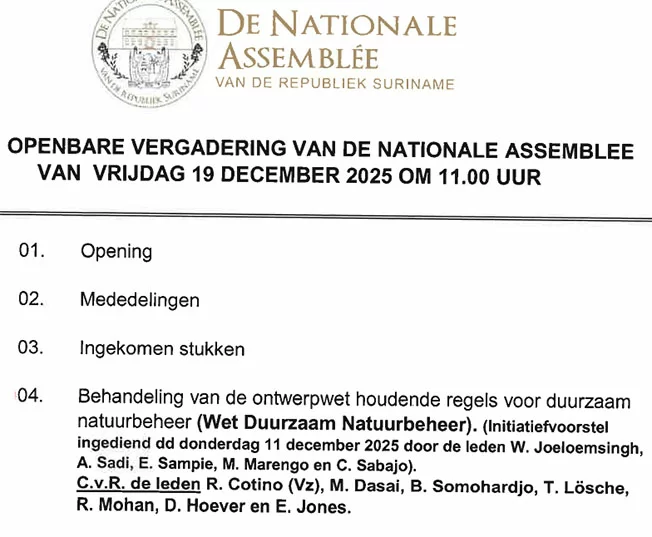
  • DNA buigt zich vrijdag over wet Duurzaam Natuurbeheer

    DNA buigt zich vrijdag over wet Duurzaam Natuurbeheer

    Suriname’s National Assembly is poised to conduct a pivotal public deliberation on the Sustainable Nature Management Initiative Law this Friday, marking a transformative shift in environmental governance. This legislative proceeding will commence with an administrative session featuring comprehensive reports from parliamentary committees before advancing to open debate and potential ratification.

    The proposed legislation represents a fundamental paradigm shift in how the nation approaches conservation and resource utilization. With Suriname maintaining over 93% forest coverage and ranking among the world’s most biodiverse regions, the country faces critical balancing between economic development pressures and environmental preservation. The initiative constitutes a complete revision of the outdated Nature Protection Act of 1954, establishing modern frameworks for ecological stewardship.

    A cornerstone innovation involves the financial architecture supporting nature policy. The legislation allocates approximately USD 20 million as seed capital for conservation management, channeled through the Environmental Fund to finance protection initiatives, sustainable usage programs, and area management. This funding mechanism extends eligibility to government agencies, local communities, and private conservationists alike, establishing unprecedented financial sustainability for environmental initiatives.

    International environmental organizations including Rainforest Trust, Re:wild, and Andes Amazon Fund have committed minimum USD 20 million in conservation funding to President Jennifer Simons, contingent upon legislative modernization. These resources will strengthen protected areas, promote sustainable ecotourism, and support indigenous communities through structured programming.

    Despite Suriname’s international recognition as a High Forest Low Deforestation nation, recent data reveals accelerating deforestation rates approaching 0.06% annually. Mining operations constitute the primary driver of habitat loss, followed by infrastructure development and urbanization. These trends generate not only ecological consequences but also directly impact indigenous territories, escalating land-use conflicts throughout the region.

    The legislative framework explicitly embraces sustainable management principles, recognizing nature as both ecological treasure and economic resource under stringent conditions. Innovative instruments including nature tourism concessions, payments for ecosystem services, and designation of private protected areas aim to foster ‘green growth’ while reducing dependence on extractive industries like oil and gold.

    Implementation authority centers on the National Environmental Authority (NMA), tasked with coordinating and executing conservation management. The NMA will oversee protected areas, concessions, scientific research, and compliance enforcement through interagency collaboration.

    The legislation further institutionalizes the FPIC principle (Free, Prior and Informed Consent), mandating explicit community approval for protected areas, buffer zones, or concessions affecting indigenous territories. Traditional knowledge receives formal recognition, with provisions enabling indigenous groups to propose independently managed protected areas.

  • EPA on US-Venezuela tensions: Guards can’t protect critical infrastructure

    EPA on US-Venezuela tensions: Guards can’t protect critical infrastructure

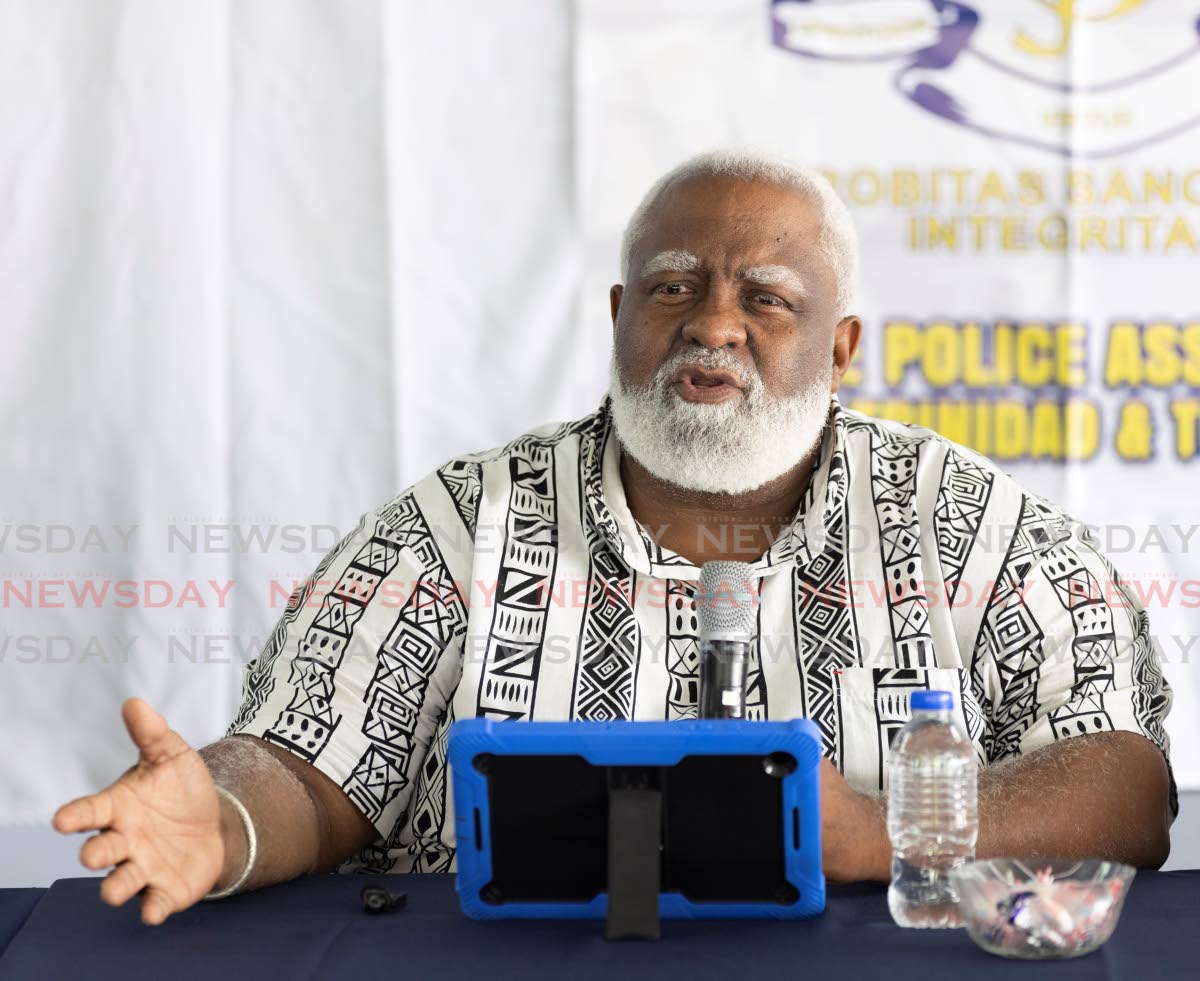
    The Estate Police Association (EPA) of Trinidad and Tobago has issued a stark warning regarding the nation’s preparedness for potential spillover effects from escalating US-Venezuela tensions. EPA President Deryck Richardson emphasized that the country’s geographical proximity to Venezuela makes these geopolitical developments an immediate national security concern rather than a distant conflict.

    In an official press release dated December 18, Richardson highlighted the vulnerability of Trinidad’s critical infrastructure, including airports, seaports, energy facilities, and electrical installations. These essential assets, described as the nation’s lifeblood, could become prime targets during periods of regional instability through direct attacks, indirect disruption, or criminal exploitation.

    The association revealed that estate police officers, who serve as the first line of defense for these national assets, remain critically under-equipped despite their vital security role. Current operational constraints include outdated legislation, restrictive policies from the Commissioner of Police’s office, and inadequate weaponry provisions.

    Richardson specifically cited the Firearms Act limitations that restrict officers to small-caliber semi-automatic weapons with approximately 25 rounds of ammunition—a provision that contrasts sharply with private citizens’ allowances of up to 50 rounds for similar firearms. This disparity becomes particularly concerning when considering that potential aggressors or invading forces would likely possess high-powered rifles and substantial ammunition.

    The EPA is advocating for legislative amendments to permit security personnel guarding critical state infrastructure access to automatic weapons, currently classified as prohibited items. Richardson stressed that this access should be carefully regulated through assessments by the Commissioner of Police rather than granted universally.

    The association has urgently called upon the government to address these security shortcomings as a matter of national priority, warning that the current mismatch between operational responsibilities and capabilities presents unacceptable risks to national security.

  • Bahamas formally recognizes Kosovo as sovereign state

    Bahamas formally recognizes Kosovo as sovereign state

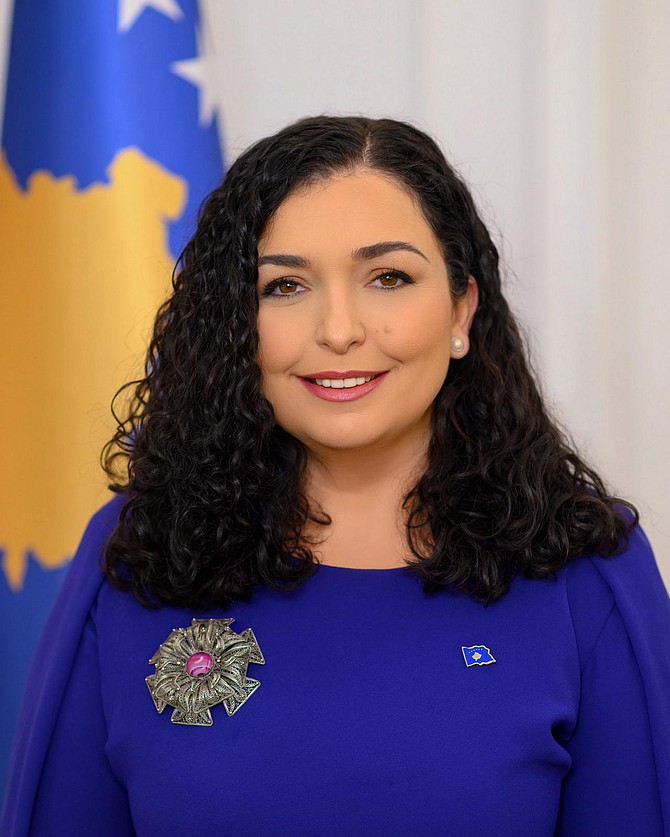
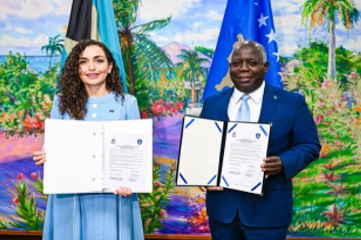
    In a significant diplomatic development, The Commonwealth of The Bahamas has officially established formal relations with the Republic of Kosovo, recognizing its status as an independent sovereign state. The landmark agreement was formalized through a Joint Communiqué signed by Bahamian Prime Minister Philip “Brave” Davis and Kosovo President Vjosa Osmani Sadriu during a ceremony at the Prime Minister’s Office in Nassau.

    The signing event marked a pivotal moment in bilateral relations, with Prime Minister Davis emphasizing the importance of President Osmani’s personal presence for the formal recognition process. “This occasion represents the beginning of a relationship that we seek to strengthen,” Davis stated, highlighting potential areas of cooperation amid global geopolitical challenges. The Prime Minister specifically referenced Kosovo’s historical struggles and expressed anticipation for a potential visit to Kosovo in the coming year.

    Kosovo’s path to international recognition traces back to its unilateral declaration of independence from Serbia on February 17, 2008, following years of ethnic conflicts and international administration after the Kosovo War of 1998-1999. While over 100 nations have acknowledged Kosovo’s sovereignty, several countries including Serbia, China, and Russia continue to reject its independent status.

    President Osmani conveyed profound gratitude to the Bahamian government and citizens, characterizing the recognition as a historic milestone for a nation forged through generations of perseverance. “For us, it’s a day of historic significance,” she remarked, pledging that Kosovo would consistently regard The Bahamas as “a friend, a partner and an ally.” The Kosovar leader expressed optimism about expanding cooperation across multiple sectors, referencing previous discussions held during meetings in New York.

    This diplomatic recognition enhances The Bahamas’ European engagement strategy while both nations committed to mutual priorities including peace-building, regional stability, and international partnerships designed to improve citizen welfare through enhanced global cooperation.

  • High Court dismisses activist’s challenge over denied request to burn police flag

    High Court dismisses activist’s challenge over denied request to burn police flag

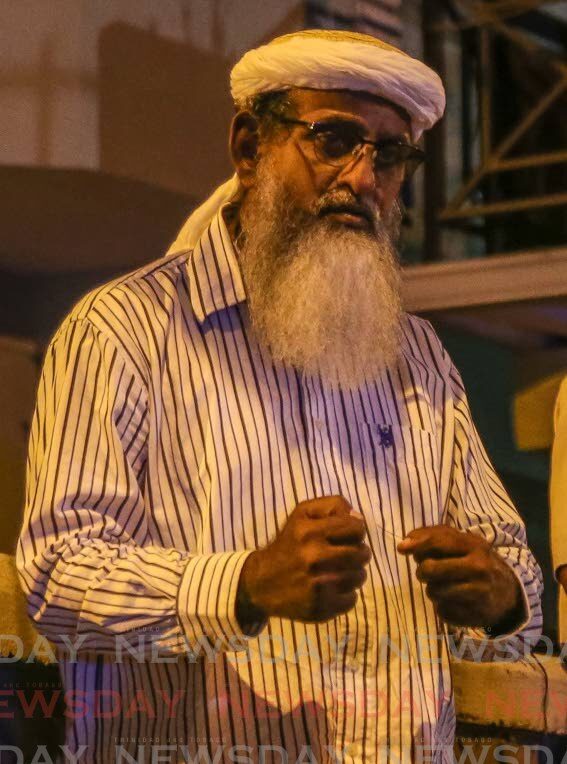
    In a significant ruling addressing the balance between protest rights and public safety, High Court Justice Kevin Ramcharan has dismissed activist Umar Abdullah’s legal challenge against former Police Commissioner Erla Harewood-Christopher’s decision to prohibit the burning of a replica police flag during a 2023 protest.

    The court determined that the Commissioner’s restriction constituted a lawful and proportionate measure under the Summary Offences Act, specifically designed to prevent potential breaches of peace and public disorder. While approving Abdullah’s planned march through Port of Spain to protest alleged police extrajudicial killings, the prohibition against igniting any objects—including the Trinidad and Tobago Police Service (TTPS) flag replica—was upheld as constitutionally valid.

    Justice Ramcharan’s comprehensive judgment emphasized several critical factors supporting this decision: the emotionally charged nature of the protest targeting an institution allegedly responsible for civilian deaths, the inherent risks of igniting fires in densely urban environments, and documented historical instances where protests involving burning objects escalated into violence.

    “The apprehension that flag burning might instigate serious public disorder fell squarely within the Commissioner’s discretionary authority,” Ramcharan stated. He further noted that the protest’s context—occurring near police headquarters with likely attendance by affected families—created substantial risk of escalation into infrastructure damage and physical injury to participants and bystanders.

    The judgment clarified that while constitutional rights to free expression and assembly remain fundamental, the Summary Offences Act expressly permits reasonable limitations when proportionate to public safety concerns. The court found the restriction narrowly tailored since Abdullah retained full rights to conduct his march and voice criticisms through alternative means of symbolic speech.

    Abdullah, leader of the First Wave Movement NGO, had argued that flag burning constituted protected symbolic expression and that the Commissioner acted without evidential basis. These claims were rejected after judicial review found the decision rationally connected to legitimate public order considerations, with Abdullah having been interviewed by police prior to the determination.

    The activist was ordered to pay court costs, with amounts to be assessed by registrar if undisputed. Legal representation included Kiel Taklalsingh, Keron Ramkhalwhan, Rhea Khan and Shalini Sankar for Abdullah, while Tinuke Gibbons-Glenn and Kadine Matthew appeared for the state.

  • THA nomination day in full swing

    THA nomination day in full swing

    TOBAGO – Political activities intensified on December 19 as multiple parties formally submitted their nomination papers for the upcoming Tobago House of Assembly elections. The process unfolded at the Glamorgan Multipurpose Facility, where Tobago People’s Party (TPP) leadership, including Political Leader Farley Augustine, Deputy Political Leader Faith Brebnor, and Orlando Kerr, arrived to complete their electoral documentation.

    The nomination filing attracted visible public engagement, with numerous TPP supporters gathering outside the facility to demonstrate their political allegiance. The event marks a significant procedural milestone in Tobago’s electoral calendar, setting the stage for competitive political contests.

    Beyond the TPP, the nomination process involved multiple other political organizations. The People’s National Movement, Innovative Democratic Alliance, Tobago Liberation Movement, Class Action Reform Movement, and Unity of the People all participated in the December 19 nomination filing, indicating a broad and diverse political field.

    The Tobago House of Assembly elections are scheduled for January 12, when voters will determine the composition of the autonomous governing body that administers local affairs on the island. This election represents a critical democratic exercise for Tobago’s political future and governance direction.

  • Bahamas latest Caricom country to establish diplomatic relations with Kosovo

    Bahamas latest Caricom country to establish diplomatic relations with Kosovo

    NASSAU, Bahamas — In a significant diplomatic development, the Commonwealth of The Bahamas has formally established bilateral relations with the Republic of Kosovo, reinforcing the Balkan nation’s international standing. The establishment occurred on Friday through a ceremonial signing in the Bahamian capital, cementing Kosovo’s position as the 121st sovereign state to gain recognition from Nassau.

    The diplomatic accord was formalized under the framework of international law and the 1961 Vienna Convention on Diplomatic Relations. Both nations have committed to upholding the principles enshrined in the United Nations Charter, including state sovereignty, equality among nations, and the peaceful resolution of international disputes.

    Kosovo’s President Vjosa Osmani hailed the move as a ‘historic decision,’ emphasizing its importance in strengthening Kosovo’s global diplomatic footprint. She extended congratulations to the citizens of Kosovo and acknowledged the role of Bahamian Prime Minister Philip Davis in facilitating the agreement.

    Areas of prospective cooperation include political dialogue, trade and investment, tourism, education, cultural exchange, technology innovation, and public sector collaboration. Both governments expressed intent to foster people-to-people ties in accordance with their respective legal frameworks.

    The Bahamas now joins eight other Caribbean Community (CARICOM) member states—including Antigua and Barbuda, Barbados, Belize, Dominica, Grenada, Haiti, Saint Kitts and Nevis, and Saint Lucia—that have previously recognized Kosovo’s independence.

  • Junk food next, Trump?

    Junk food next, Trump?

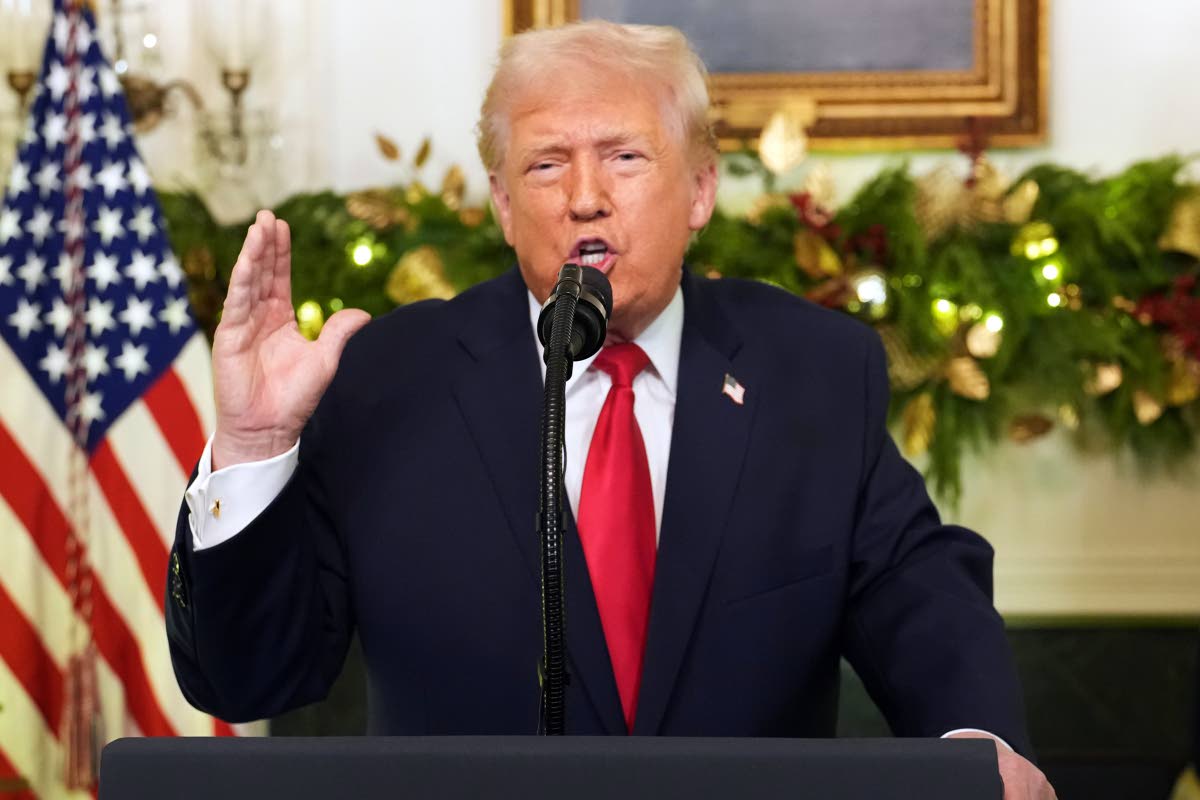
    In a controversial executive decision, President Donald Trump has designated fentanyl as a weapon of mass destruction (WMD), drawing immediate criticism and satirical commentary from observers. The declaration, which places the synthetic opioid in the same category as nuclear and chemical weapons, has been met with skepticism regarding its geopolitical motivations and factual accuracy.

    The administration’s justification characterizes fentanyl as “closer to a chemical weapon than a narcotic,” despite the drug’s primary trafficking routes originating from Mexico and China rather than Venezuela. This discrepancy has raised questions about the declaration’s relationship to current foreign policy objectives and election-cycle politics.

    Political analysts note that the WMD classification appears disconnected from Venezuela’s actual narcotics production capabilities, yet the South American nation is reportedly preparing for potential military attention from the United States. This development follows historical patterns of American intervention in Latin America under various pretexts.

    The sweeping nature of the designation has inspired satirical suggestions for other substances that cause gradual harm to populations. Commentators have ironically proposed extending WMD status to cigarettes, fast food products, and even social media platforms for their documented negative impacts on public health and psychological well-being.

    This policy move potentially expands the scope of the Patriot Act, raising concerns about civil liberties and the appropriate use of counterterrorism legislation. The declaration represents a significant escalation in the rhetorical and legal approaches to the ongoing opioid crisis, with uncertain implications for both domestic policy and international relations.