分类: politics

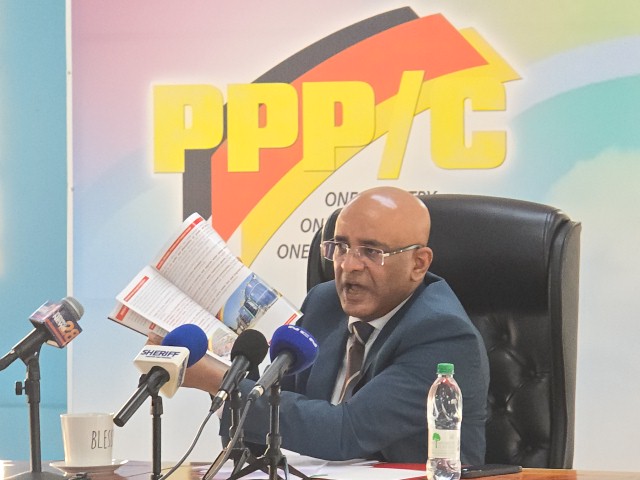
  • “I’m not sick”- Jagdeo

    “I’m not sick”- Jagdeo

    Guyana’s Vice President Bharrat Jagdeo has publicly refuted widespread speculation about his health, explicitly denying claims that he is battling cancer. The senior official broke his unusual six-week silence from press engagements to directly address growing public conjecture about his physical condition.

    “No! I am not ill. I have not been diagnosed with cancer,” Jagdeo stated emphatically during his December 18, 2025 press conference when questioned by Demerara Waves Online News. The Vice President’s extended absence from his characteristic weekly marathon press briefings—which typically span three to four hours—had fueled rumors throughout November and December that he might be suffering from either prostate or throat cancer.

    Despite the circulation of social media conspiracy theories, including one alleging an impersonator named “Delip” had been paid to represent him, Jagdeo affirmed his authentic presence at recent governmental functions. Documentary evidence showed his participation in cabinet meetings, community council gatherings, and the launch of the Christmas village throughout the period of speculation.

    The political leader referenced the recent honor of having the US$260 million Bharrat Jagdeo Demerara River Bridge named after him during its October inauguration. While notably absent from the ceremonial crossing event, Jagdeo maintains President Irfaan Ali’s continued confidence, having been described repeatedly as a key architect of modern Guyana’s development and the President’s trusted “confidante.”
  • No cash grant promise broken; more cash grants coming but “you have to earn too”- Jagdeo

    No cash grant promise broken; more cash grants coming but “you have to earn too”- Jagdeo

    Guyana’s Vice President Bharrat Jagdeo has firmly refuted claims that his administration broke a promise to distribute cash grants before Christmas 2025. During a press briefing on Thursday, Jagdeo presented his party’s election manifesto to demonstrate that no specific pre-holiday payout commitment had been made.

    The Vice President explained that no funds have been allocated in the Treasury for such disbursements, emphasizing that implementing the cash transfer program would require parliamentary approval and several months of preparation. He recalled that earlier this year, the government needed five months to execute a similar program, which encountered challenges including attempted system exploitation.

    Jagdeo characterized President Irfaan Ali’s previous comments about potential Christmas payments as humorous remarks rather than policy commitments. “Jocularly, the President said if you’re good people… and this is what they are building their campaign on,” he stated, referencing opposition claims from We Invest in Nationhood (WIN) and A Partnership for National Unity (APNU).

    The Vice President confirmed that cash grants of GY$100,000 would be distributed following the approval of the 2026 National Budget early next year, with projected costs exceeding GY$60 billion. However, he cautioned citizens against developing dependency on government transfers, emphasizing that “You got to earn too. Cash grants should help supplement what you have.”

    Jagdeo outlined broader social programs including soft loans and grants for small business development through a planned US$200 million development bank, financial support for housing programs, and community improvement initiatives. He revealed plans for over GY$800 billion in housing investments for hundreds of thousands of families over the next five years, alongside increased support for children, pensioners, and workers.

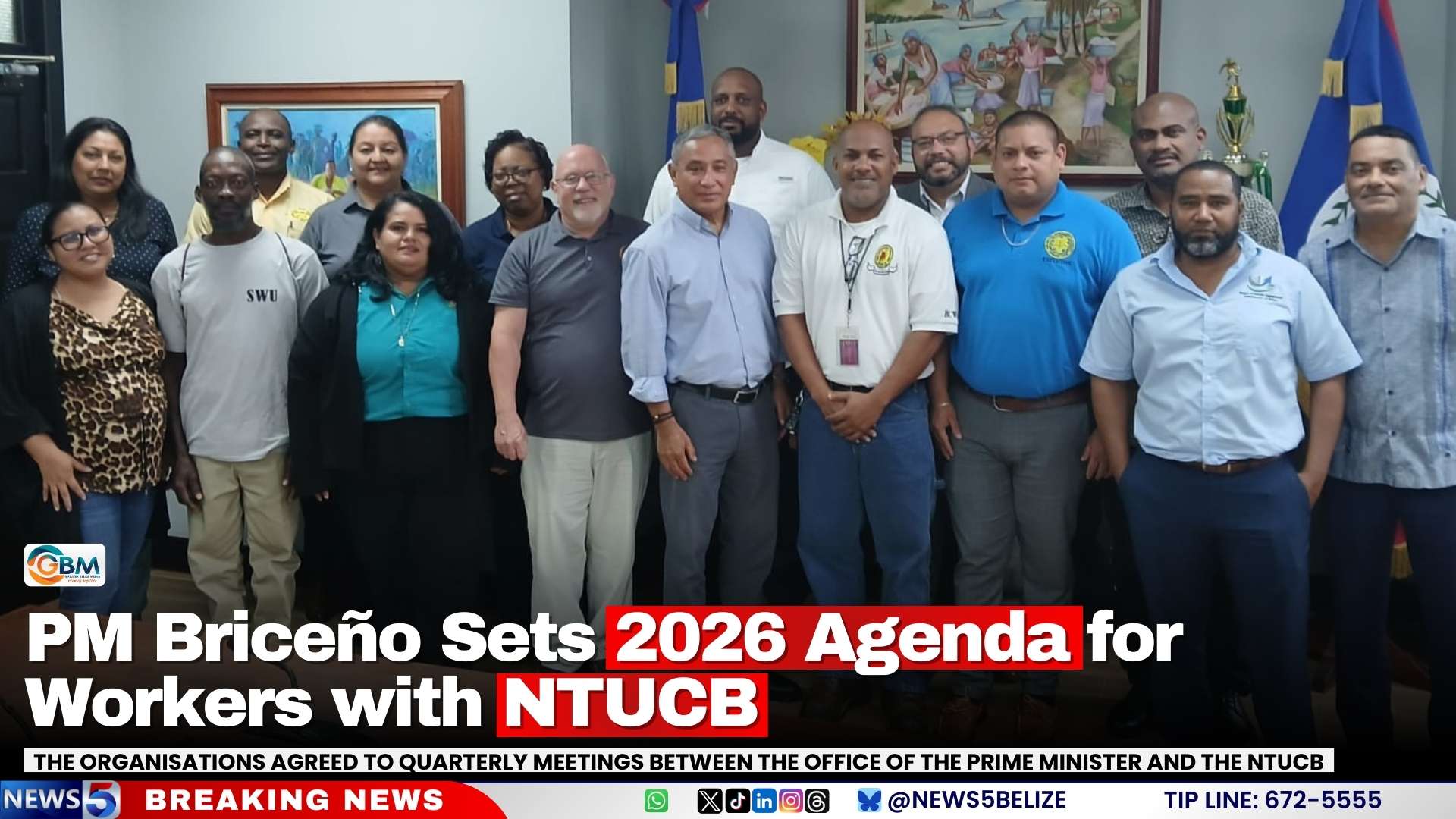
  • PM Briceño Sets 2026 Agenda for Workers with NTUCB

    PM Briceño Sets 2026 Agenda for Workers with NTUCB

    In a significant development for Belize’s labor landscape, Prime Minister John Briceño has established a comprehensive 2026 agenda through constructive dialogues with the National Trade Union Congress of Belize (NTUCB). The December 15 meeting yielded multiple governmental commitments addressing both labor concerns and broader governance issues.

    The administration pledged to advance the Occupational Safety and Health Bill to its second reading during Parliament’s inaugural 2026 session. Additionally, the government will proceed with the Whistle-blowers Bill upon completion of final stakeholder consultations and aims to conclude the national redistricting process by year’s end.

    Substantial anti-corruption measures formed another critical component of the agreed agenda. The government committed to advancing Campaign Finance Legislation, enhancing enforcement capabilities under the Civil Asset Recovery and Unexplained Wealth Act, and bolstering the operational capacity of oversight institutions including the Integrity Commission and Ombudsman’s office. An investigation into potential non-disclosure of audited financial statements by statutory bodies will also be initiated.

    Regarding international labor standards, both parties agreed to review pending International Labor Organization conventions. The Prime Minister further committed to convene a meeting with utility unions before January 2026 concludes.

    Prime Minister Briceño characterized the negotiations as productive, noting that while governmental and union perspectives sometimes differ, both parties engaged in good faith negotiations resulting in meaningful agreements. To maintain this constructive dialogue, the Office of the Prime Minister and NTUCB will institute quarterly meetings commencing March 2026, establishing a formal mechanism for addressing worker concerns proactively.

  • US Technical Assistance Field Team supports Grenada’s Maritime Security

    US Technical Assistance Field Team supports Grenada’s Maritime Security

    A specialized team from the United States Southern Command has arrived in Grenada this week to provide crucial technical assistance for repairing maritime assets utilized by the Royal Grenada Police Force Coast Guard. This deployment responds to an official request from the Grenadian government under the framework of the Caribbean Basin Security Initiative Technical Assistance Field Team (CBSI-TAFT) program.

    The technical assistance mission brings together a multidisciplinary team of U.S. Coast Guard and Army engineers and logistics experts who are collaborating directly with their Grenadian counterparts. This cooperative engagement highlights the ongoing security partnership between the two nations and demonstrates Grenada’s proactive approach to maintaining regional security capabilities.

    Grenada has established itself as a valuable partner for the United States in Caribbean security matters. The current technical assistance visit represents the latest in a series of collaborative efforts aimed at enhancing maritime security operations and counter-trafficking capabilities throughout the region. These joint initiatives contribute to creating a safer Caribbean environment while reinforcing the enduring diplomatic and security relationship between the United States and Grenada.

    The maritime asset repair program forms part of broader regional security cooperation efforts that address shared challenges and promote operational readiness. Both nations have expressed mutual appreciation for the opportunity to work collaboratively on these security enhancements, recognizing the importance of maintained and fully operational maritime resources for effective law enforcement and border protection operations.

  • Antigua and Barbuda PM, Gaston Browne, addresses U.S. partial travel ban

    Antigua and Barbuda PM, Gaston Browne, addresses U.S. partial travel ban

    The Government of Antigua and Barbuda has formally responded to the United States’ proclamation suspending visa issuance to its citizens effective January 1, 2026. Prime Minister Gaston Browne expressed profound disappointment regarding the inclusion of his nation in the ban, which specifically targets countries with Citizenship by Investment (CBI) programs.

    Contrary to US claims, Browne asserted that Antigua and Barbuda has implemented significant reforms to its CBI program, including the establishment of a mandatory 30-day physical residency requirement. This development directly challenges the US government’s assertion that the program operates without residency provisions.

    Over the past year, Antigua and Barbuda has collaborated extensively with various US departments to enhance program integrity and security measures. These efforts resulted in comprehensive new legislation strengthening oversight, transparency, and due diligence processes within the citizenship program.

    In a surprising development, Ambassador Sir Ronald Sanders discovered that State Department officials themselves were reportedly surprised by the proclamation and had received no prior notice of its issuance. This revelation suggests internal discrepancies within the US administration regarding the policy implementation.

    Ambassador Sanders has initiated high-level discussions with US authorities, including the White House and State Department, to clarify the situation and provide accurate information about Antigua and Barbuda’s reforms. Simultaneously, Prime Minister Browne has directly contacted President Donald Trump and Secretary of State Marco Rubio, offering full cooperation to address concerns and facilitate reinstatement of all visa categories.

    The Antiguan government emphasized the longstanding relationship with the United States, noting that the US is their most significant trading partner. Browne concluded by reaffirming commitment to preserving bilateral relations based on mutual respect, cooperation, and accurate understanding.

  • Fontaine warns of bleak future for Dominica amid concerns about U.S. travel ban and environmental destruction

    Fontaine warns of bleak future for Dominica amid concerns about U.S. travel ban and environmental destruction

    In a stark address to the nation, United Workers Party Leader Dr. Thomson Fontaine has issued grave warnings about Dominica’s escalating political and environmental crises following his recent re-election as opposition leader. Speaking at a press conference, Fontaine identified two immediate threats: impending U.S. travel restrictions against Dominican citizens and systematic destruction of the country’s protected rainforests.

    The political leader revealed that beginning January 2026, thousands of Dominicans will face denied entry to the United States, mirroring similar sanctions already implemented by Canada and the United Kingdom. Fontaine emphasized these restrictions would severely impact students pursuing international education, families attending overseas ceremonies, and patients requiring specialized medical treatment abroad.

    Fontaine directly attributed these diplomatic consequences to the Roosevelt Skerrit administration’s mismanagement of the Citizenship by Investment program. He alleged that fifteen years of inadequate due diligence enabled criminal elements to exploit Dominican passports, resulting in eroded international trust. ‘This government had ample opportunity to reform the program but instead channeled billions into projects benefiting a select few while ordinary citizens face the repercussions,’ Fontaine stated.

    The UWP has initiated legal action demanding accountability for the CBI program’s finances, with a court hearing scheduled for January 26, 2026. Fontaine recalled raising concerns about passport sales as early as 2009, only to be dismissed as unpatriotic by the ruling administration.

    Regarding environmental degradation, Fontaine accused the government of orchestrating an ‘unprecedented assault’ on Dominica’s natural heritage. He specifically condemned quarrying operations within the Central Forest Reserve at Deux Branches, conducted without mandatory environmental impact assessments. Contrary to government claims that these activities are essential for airport construction, Fontaine noted that alternative rock sources exist throughout the island.

    The opposition leader connected current rainforest destruction to earlier incursions at Cabrits National Park, warning that unchecked exploitation threatens Dominica’s international reputation as the ‘Nature Island.’ He pledged solidarity with affected communities in Concord, Kalinago Territory, and Marigot, alongside environmental advocates demanding immediate cessation of quarry operations.

    Amid growing economic hardship and social unrest, Fontaine described citizens as facing ‘a bleak Christmas and an even darker future.’ He urged Dominicans to demonstrate compassion for vulnerable communities and muster courage to demand systemic change through democratic processes. ‘We must fight for accountability, transparency, and environmental preservation,’ Fontaine concluded, positioning these issues as central to the nation’s survival.

  • Venezuela says Trump wants to turn back the clock 200 years

    Venezuela says Trump wants to turn back the clock 200 years

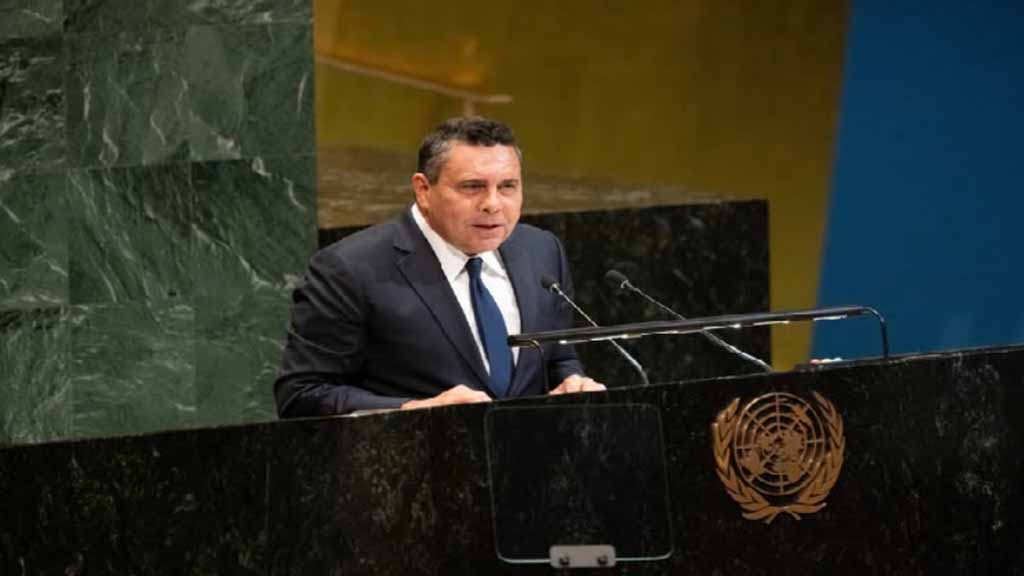
    At the 80th session of the United Nations General Assembly during the International Day against Colonialism, Venezuela’s diplomatic representative delivered a scathing condemnation of former U.S. President Donald Trump’s controversial statements regarding Venezuelan territory and natural resources. Ambassador Samuel Moncada referenced Trump’s December 16 declaration that “Venezuelan lands and oil belong to him and must be handed over immediately,” accompanied by threats of naval and air blockades using what Trump characterized as “the most powerful navy in history” if compliance was not forthcoming.

    The Venezuelan diplomat characterized this proclamation as a “monstrous declaration” that defies all established international legal frameworks. Moncada systematically cited multiple pillars of international law that Trump’s statement violated, including the UN Charter, customary international law, resolutions from both the Security Council and General Assembly, jurisprudence from international courts, and the German Convention.

    In his address, Moncada labeled the threat as “a grotesque violation of all civilizational norms” and explicitly defined it as modern colonialism and a crime of aggression. He drew historical parallels between current U.S. foreign policy approaches and the destructive behaviors of malign actors preceding World War II, asserting that such gunboat diplomacy has no legitimate place in 21st-century international relations. The ambassador warned that these actions are imposing chaos and destruction on the global diplomatic landscape, undermining decades of progress in international law and cooperation.

  • Cuba committed to social justice, says Prime Minister

    Cuba committed to social justice, says Prime Minister

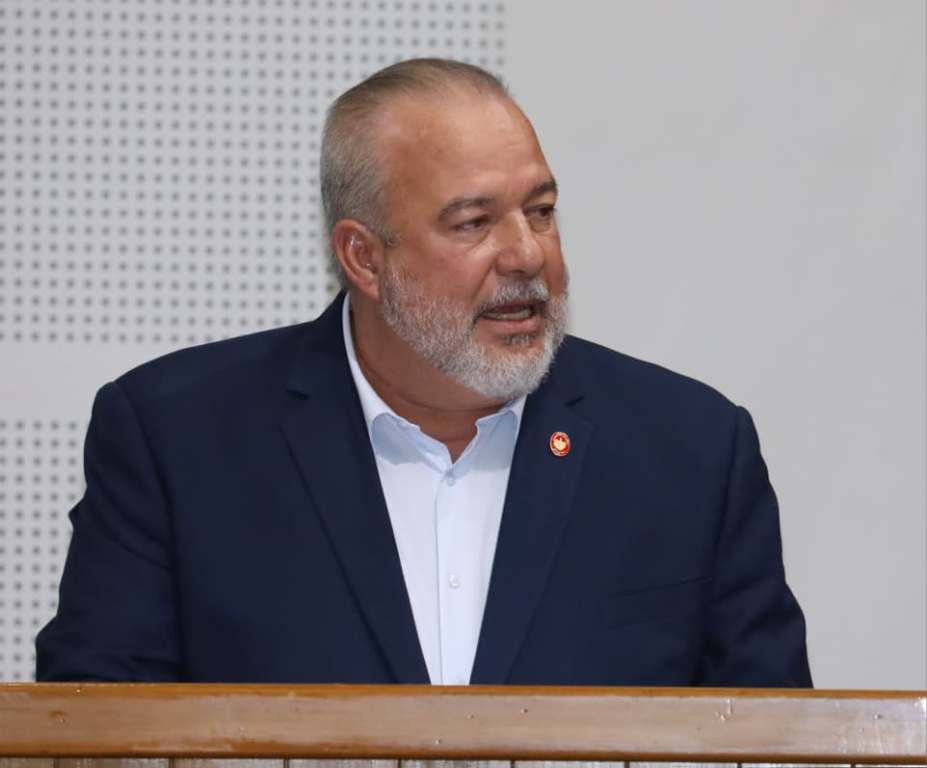
    Cuban Prime Minister Manuel Marrero Cruz presented a comprehensive economic revitalization report to the National Assembly, outlining both progress and challenges facing the Caribbean nation. In his address, Marrero identified national security and homeland protection as fundamental strategic priorities for the Cuban state, emphasizing the heightened preparedness of military and interior ministry forces in response to escalating regional tensions.

    The government restructuring initiative has shown measurable progress, with authorities working to streamline the Central State Administration by reducing the number of governmental agencies. This administrative overhaul forms part of broader economic correction measures designed to address systemic distortions in the Cuban economy.

    Healthcare indicators revealed concerning trends, with infant mortality rates climbing to 9.8 per 1,000 live births—a significant increase from the 7.0 rate recorded during the same period last year. Despite implemented interventions, the healthcare system continues to face substantial challenges in reversing this negative trajectory.

    Education reforms continue with the ongoing implementation of the Teaching Process Quality Improvement Program, though specific outcomes and metrics were not detailed in the presentation.

    Most alarmingly, Marrero highlighted Cuba’s accelerating demographic crisis as one of the nation’s most pressing challenges. Current projections indicate the population will decline to 9.6 million by 2025 and further plummet to approximately 7.7 million by 2050, representing a severe population contraction that threatens long-term economic and social stability.

    The Prime Minister acknowledged the coordinated efforts between military institutions, the Communist Party, government entities, and mass organizations in addressing these multifaceted challenges while maintaining national security preparedness.

  • Audit Department wants legal changes to submit reports directly to Parliament

    Audit Department wants legal changes to submit reports directly to Parliament

    Grenada’s Audit Department has initiated a significant campaign to overhaul its reporting procedures, seeking to bypass ministerial channels and submit audited financial statements directly to Parliament. This proposed constitutional and legislative reform aims to address chronic delays in the tabling of crucial financial documents.

    Gary Walters, Director of Audit, revealed that his department is advocating for amendments to the Audit Act that would eliminate the current requirement for audited statements of statutory bodies and government-supported agencies to be routed through the Minister for Finance. Instead, these documents would proceed directly from the Audit Department to Parliament.

    ‘The existing constitutional framework mandates that the Director of Audit submits reports to the Minister for Finance, who then tables them in Parliament,’ Walters explained during a Public Accounts Committee awareness seminar. ‘The persistent challenge has been that reports delivered to the Ministry of Finance frequently fail to be presented to Parliament in a timely manner.’

    The seminar, chaired by Opposition Leader Emmalin Pierre, brought together members of both parliamentary houses to clarify institutional roles, reduce misunderstandings, and foster a culture of accountability through improved record-keeping, financial controls, and reporting practices.

    Walters emphasized that the proposed change would eliminate perceptions of Audit Department inefficiency while ensuring greater transparency. ‘Such a significant adjustment will not only require legislative changes but also Constitutional Reform,’ he noted, adding that the modification would serve Grenada’s best interests by preventing lengthy delays in the presentation of public fund audits.

    The current legal framework requires statutory bodies to submit financial and annual reports to the Audit Department by the end of the first quarter, with parliamentary tabling mandated by June each year. However, compliance with these deadlines has been consistently inadequate across most statutory bodies over recent years.

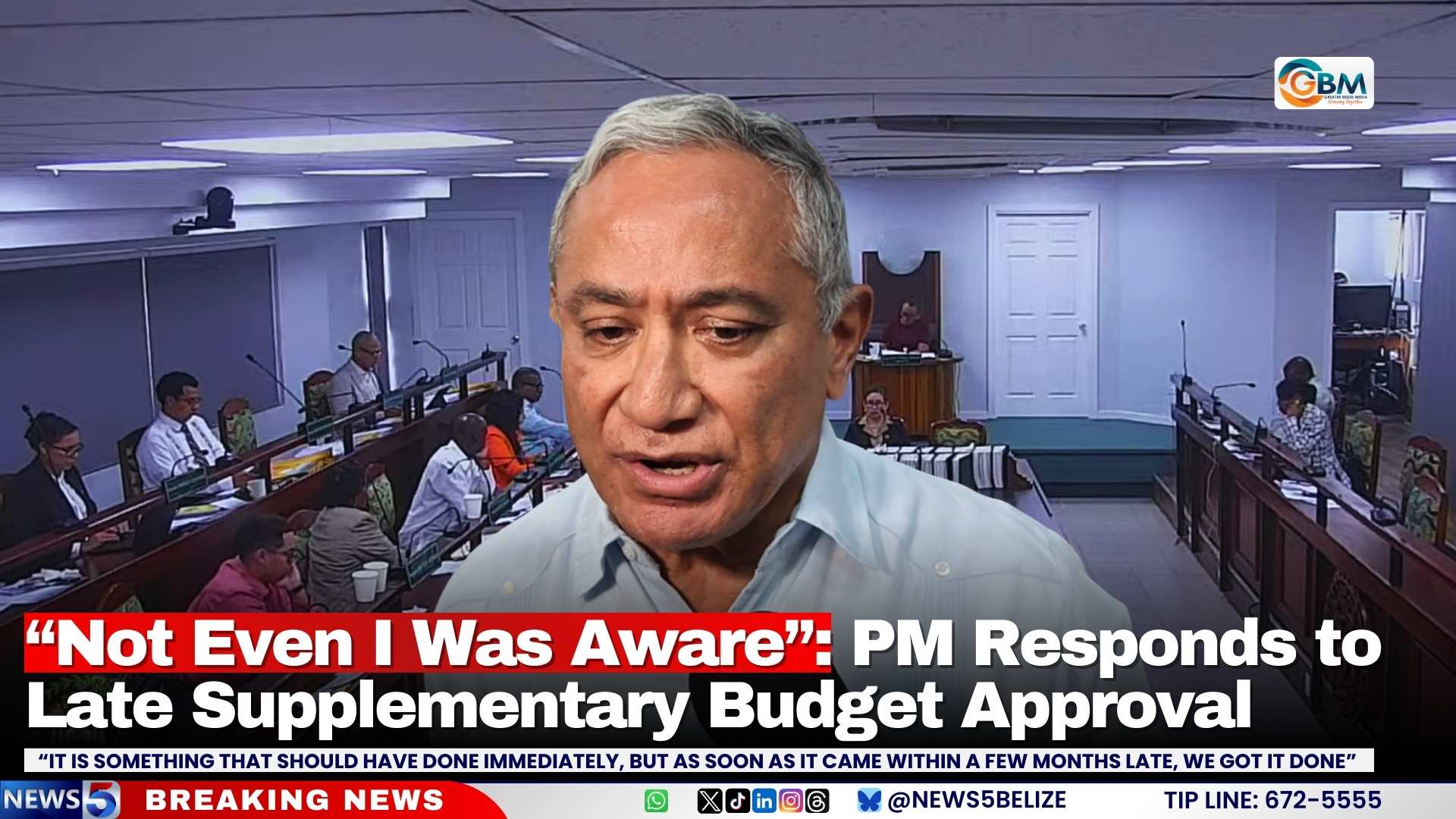
  • “Not Even I Was Aware”: PM Responds to Late Supplementary Budget Approval

    “Not Even I Was Aware”: PM Responds to Late Supplementary Budget Approval

    Prime Minister John Briceño of Belize has firmly rebutted allegations of governmental misconduct concerning the belated submission of supplementary budget approvals to Parliament. This controversy emerges amidst comparisons to similar practices previously condemned during ex-Prime Minister Dean Barrow’s tenure.

    When confronted with accusations that his administration had replicated these fiscal missteps by authorizing expenditures without prior parliamentary consent, Briceño delivered an unequivocal response: “I would not accept that.”

    The Prime Minister attributed the delay to the transitional phase following national elections, characterizing it as an inevitable period of governmental reorganization. “As we approached elections… certain expenditures were incurred, though nothing excessive,” Briceño clarified. He emphasized that upon assuming office, the primary focus shifted to establishing the new administration’s operational framework.

    In a notable admission, Briceño revealed his initial unawareness of pending financial obligations. “The matter only came to my attention when brought forward by the financial secretary,” he stated. “I must confess, even I was unaware of these outstanding issues. My immediate directive was to resolve them promptly.”

    While acknowledging a procedural delay spanning several months, Briceño maintained that the situation was ultimately rectified through proper channels. “Ideally, this should have been addressed immediately,” he conceded, “but within months of the delay being identified, we completed the necessary approvals.”

    The development occurs alongside the reappointment of Nestor Mendez as Belize’s Representative to the Organization of American States, signaling continued stability in the nation’s diplomatic corps amidst domestic fiscal scrutiny.