分类: politics

  • Penny: Tell government you have had enough

    Penny: Tell government you have had enough

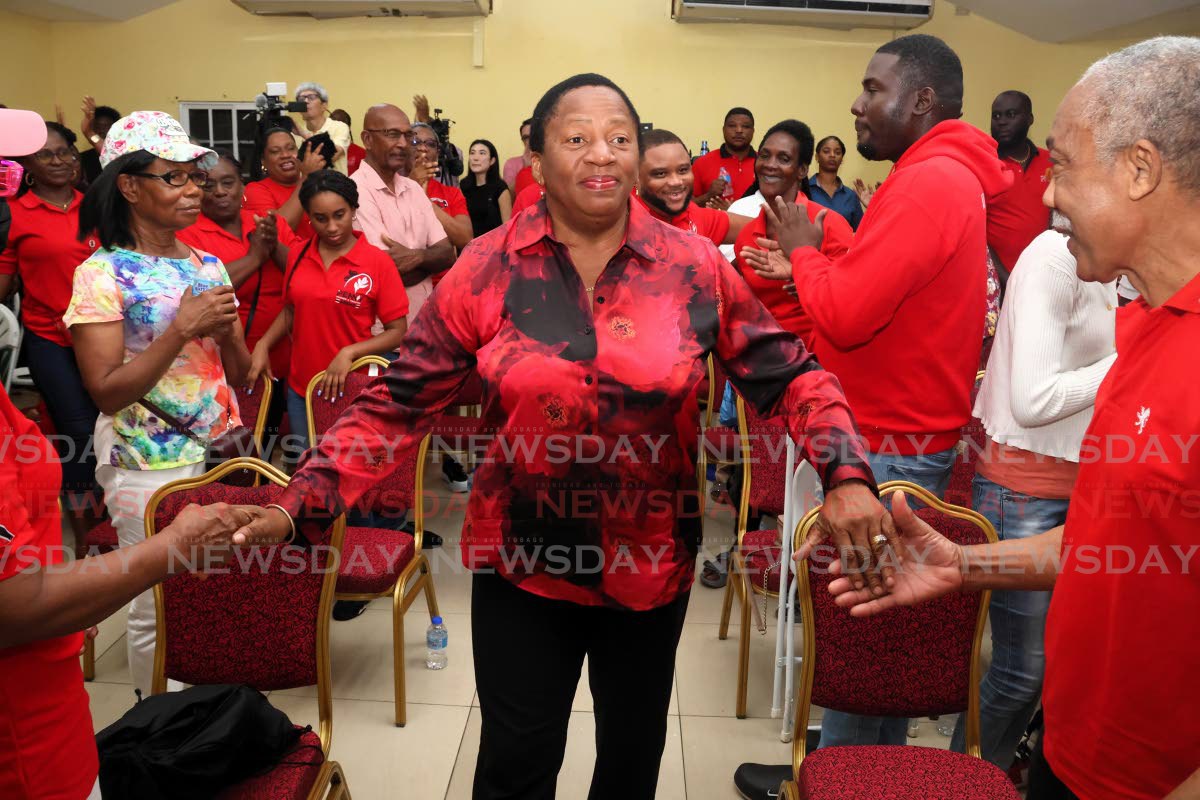
    In a vehement public address delivered at a PNM rally in Sangre Grande on January 7, Opposition Leader Pennelope Beckles launched a comprehensive critique against the current UNC administration’s performance since assuming office in April. The political gathering, attended by prominent PNM figures including Diego Martin North East MP Colm Imbert and Lopinot/Bon Air MP Marvin Gonzales, served as a platform for Beckles to articulate growing discontent with public service delivery.

    Beckles highlighted severe water supply disruptions affecting multiple constituencies including Arima, Malabar, D’Abadie/O’Meara, and St Ann’s East, particularly during the Christmas period. She emphasized the irony of these shortages occurring despite previous substantial investments in water infrastructure, characterizing the situation as “wicked and oppressive” governance.

    The Opposition Leader detailed widespread job losses resulting from the government’s termination of several youth employment and training initiatives. Beckles specifically referenced the closure of the Civilian Conservation Corps (CCC), Youth Agricultural Homestead Programme (YAHP), Military-led Academic Training Programme (MILAT), and the Military-led Youth Programme of Apprenticeship and Reorientation Training (MYPART). She further noted significant employment reductions in the Cepep, URP, and Reforestation Programme, particularly impacting the agriculturally significant Sangre Grande region.

    Beckles accused the UNC of making extravagant campaign promises including distribution of “ham, lamb and jam” that remained unfulfilled, while simultaneously distancing themselves from constituents who had supported their election. She encouraged citizens to directly contact government officials regarding service deficiencies rather than relying on opposition figures.

    The address concluded with Beckles urging supporters to maintain political awareness despite potential offers of material incentives from the governing party, emphasizing the need for the PNM to reclaim control of the Sangre Grande Regional Corporation. She framed the current administration’s policies as detrimental to both cultural preservation and small business sustainability across communities.

  • St James showdown

    St James showdown

    A significant political confrontation is emerging in the Bahamas as both major parties position themselves to contest the newly established St James constituency in western New Providence. The electoral battleground, formally recommended by the Constituency Boundaries Commission and presented to the House of Assembly, has already attracted attention from prominent political figures.

    On the governing Progressive Liberal Party side, legal professional Owen Wells has emerged as a potential candidate. The accomplished attorney, partner at McKinney, Turner & Co and chairman of Bahamix Limited, resides within the proposed constituency boundaries and recently participated in the PLP’s aspirants’ training module. Wells brings substantial legal credentials, having earned his LLB with Upper Second Class honours from England’s University of Buckingham and subsequent qualifications from the College of Law in Bloomsbury.

    Opposing him will likely be Free National Movement deputy leader Shanendon Cartwright, the current MP for St Barnabas. Notably, Cartwright served on the very Boundaries Commission that recommended creating the St James seat. Tribune sources indicate the FNM is expected to ratify Cartwright for this new constituency.

    The political maneuvering occurs amid background concerns from some St Barnabas constituents who have expressed dissatisfaction with Cartwright’s perceived reduced visibility following his elevation within the FNM leadership. Critics have cited decreased constituency meetings and difficulties in securing appointments, though Cartwright has vigorously denied allegations of neglect, pointing to ongoing community initiatives including feeding programs, agricultural projects, and seasonal outreach events.

    This early jockeying for position signals both parties recognize the strategic importance of the newly drawn constituency as the next general election approaches.

  • DCP Martin assures safety for THA elections

    DCP Martin assures safety for THA elections

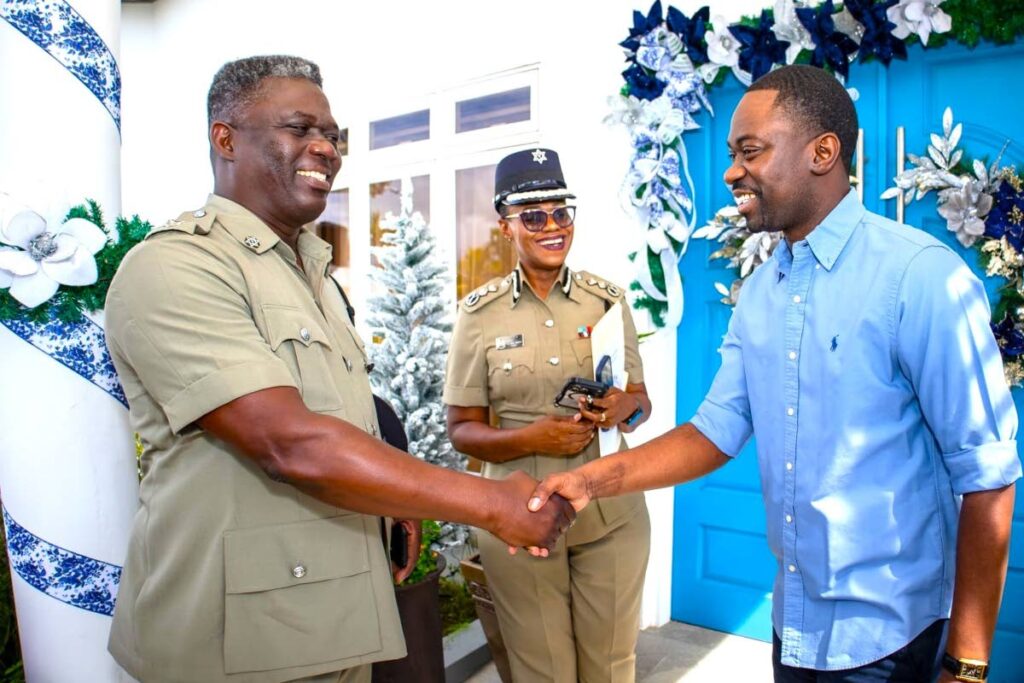
    In preparation for the January 12 Tobago House of Assembly (THA) elections, Deputy Commissioner of Police Suzette Martin, serving as Gold Commander for election security operations, has conducted comprehensive high-level consultations with key political stakeholders across the island.

    The security preparations entered a critical phase on January 7 when DCP Martin engaged in detailed discussions with Chief Secretary Farley Augustine regarding the Trinidad and Tobago Police Service’s comprehensive safety and security framework for election day. Augustine subsequently praised the exceptional professionalism demonstrated by Tobago-based officers and expressed full confidence in the elaborated security arrangements. The Chief Secretary further emphasized his anticipation of continued collaborative efforts with Assistant Commissioner of Police Earl Elie and Superintendent Mark Joseph of the Tobago Division.

    DCP Martin concurrently affirmed her assurance regarding the effectiveness of implemented security protocols designed to guarantee both the safety of participants and the transparent administration of electoral proceedings. Her diplomatic outreach extended to meetings with senior representatives of the PNM Tobago Council, chaired by Learie Paul, and Dr. Denise Tsoiafatt-Angus, political leader of the Innovative Democratic Alliance (IDA).

    Throughout these engagements, Martin reiterated the TTPS’s unwavering commitment to safeguarding democratic processes through strict political neutrality. The service is coordinating extensively across all operational divisions and inter-agency partners to facilitate a peaceful electoral environment free from incidents, while ensuring complete protection for citizens, stakeholders, and institutional infrastructure.

  • Fernander: Step aside as MP if you cannot see a better Bahamas

    Fernander: Step aside as MP if you cannot see a better Bahamas

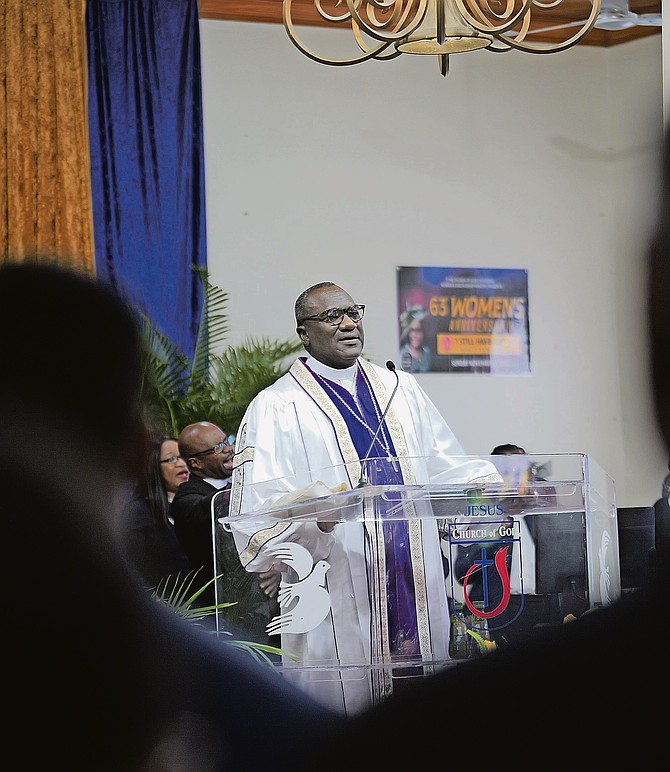
    In a powerful address marking the commencement of the legislative year, Bishop Delton Fernander delivered a stirring challenge to Bahamian lawmakers during the annual Parliamentary Church Service at the Church of God on East Street. The ceremony, attended by Prime Minister Philip Davis, cabinet members, parliamentarians, and opposition figures, traditionally sets the tone for the upcoming parliamentary session.

    Bishop Fernander issued a direct ultimatum to elected officials, stating that those incapable of envisioning an improved Bahamas should reconsider their positions. ‘If you cannot see a better Bahamas, maybe this should be your last run,’ he declared before the assembled leadership. The clergyman emphasized that public office demands clear vision and accountability, reminding attendees that they operate within a parliamentary tradition spanning nearly three centuries with profound moral responsibilities.

    Reflecting on historical leadership, the Bishop contrasted distinguished predecessors with those who faded into obscurity despite holding similar positions of power. He described the nation’s forefathers as architects of change who demonstrated courage, strategy, character, and purpose in transforming the Bahamas from a fishing community to a premier tourism destination. ‘What will we do with our time?’ he challenged current leaders.

    Amid global uncertainties, economic pressures, and conflicts, Bishop Fernander stressed that citizens rely on their representatives to prioritize national interests over personal gain. ‘The Bahamian people are counting on you to have their best interest at heart and not your own,’ he emphasized, calling for decisions that benefit all citizens and create opportunities for future generations.

    Addressing the approaching election cycle, the religious leader cautioned against treating this period as the ‘silly season,’ insisting instead on its seriousness. He urged the nation to attract its best talent, noting that many skilled Bahamians abroad contribute to other countries’ development due to feeling unwelcomed at home.

    The Bishop also delivered a remarkable apology on behalf of religious institutions for their historical silence driven by desires for political contracts and board appointments. ‘I want to apologise for the silence,’ he stated, encouraging faith leaders to speak truth even at personal cost. He concluded by reminding lawmakers of their roots in faith and sacrifice, emphasizing that ultimate guidance comes from divine rather than human sources.

  • Lessons to be learnt

    Lessons to be learnt

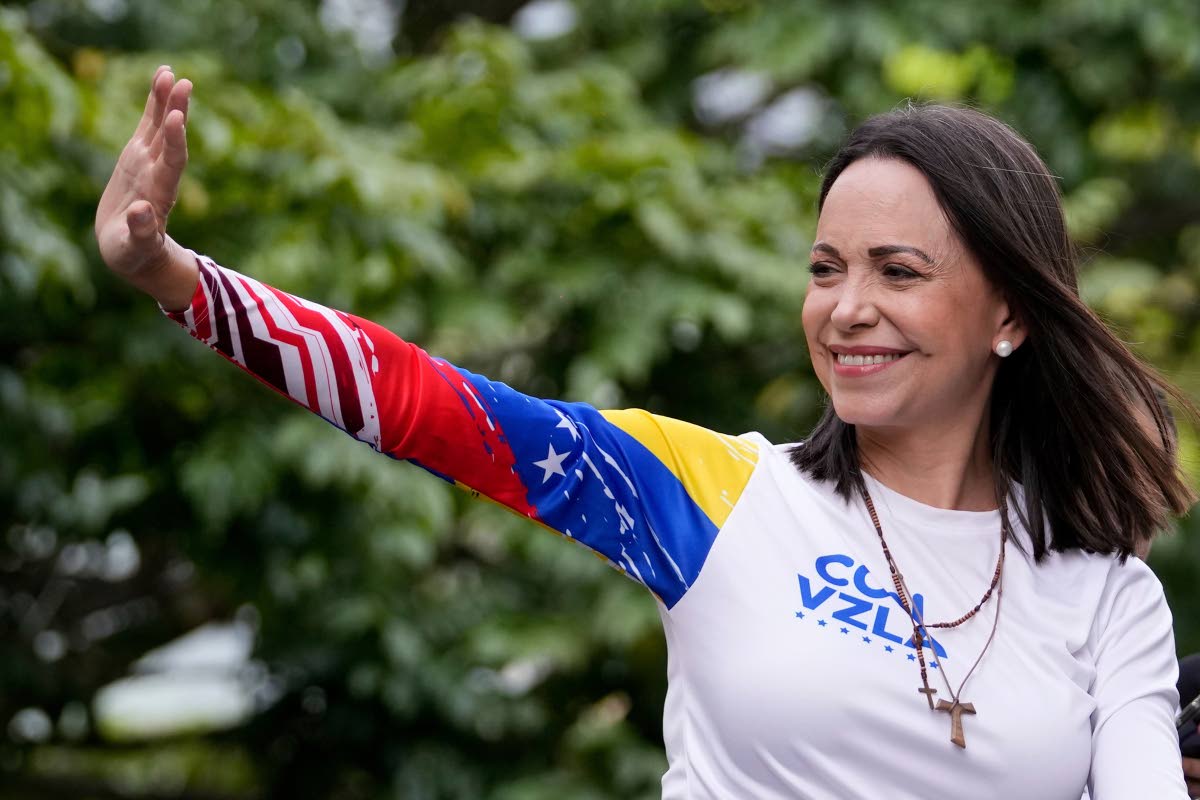
    The recent political maneuvering involving Venezuelan opposition leader María Corina Machado and former US President Donald Trump offers critical insights for smaller nations navigating complex international relations. Machado’s symbolic offer to share her Nobel Peace Prize with Trump—reportedly made after he expressed displeasure at not receiving the award himself—appears more as an act of political desperation than genuine diplomacy. This gesture has failed to yield the anticipated support, with Trump refusing to endorse Machado or any established opposition figures in Venezuela. Instead, he has indicated intentions to directly oversee Venezuela’s political transition through allies including Pete Hegseth and Marco Rubio. This development reveals a concerning pattern where local political actors are utilized as convenient instruments until they no longer serve external strategic interests. Machado, once considered Washington’s preferred candidate for a post-Maduro Venezuela due to her international acceptability and alignment with foreign policy objectives, now appears sidelined despite Maduro’s imprisonment. This scenario exemplifies imperial behavior where allies are elevated when useful and discarded once objectives are achieved. For Trinidad and Tobago and similar small states, this situation underscores the importance of maintaining strategic distance and principled neutrality rather than placing trust in administrations that prioritize transactional dominance over mutual respect. National sovereignty is best preserved through independent foreign policy that avoids entanglement in geopolitical theaters where smaller nations risk becoming supporting actors or collateral damage.

  • Dominicans, Antiguans face visa bonds of up to US$15 000 for US travel

    Dominicans, Antiguans face visa bonds of up to US$15 000 for US travel

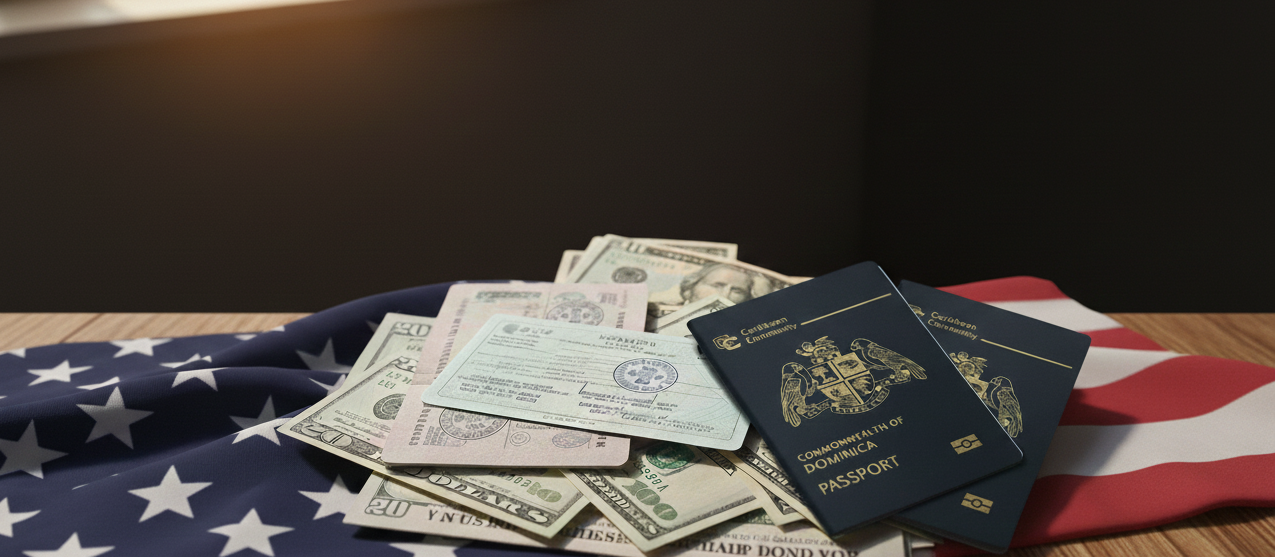
    The United States has significantly elevated financial barriers for visa applicants from Antigua and Barbuda and Dominica through the implementation of a new immigration bond mandate. Effective January 21, 2026, nationals from these Caribbean nations seeking B1 business or B2 tourist visas may be required to post bonds ranging from $5,000 to $15,000 as part of their application process.

    This development follows the Trump administration’s substantial expansion of the visa bond pilot program, which has grown from initially encompassing 13 nations to now including 38 countries. The dramatic tripling of participating countries within a single week represents a substantial shift in U.S. immigration policy approach.

    The bond amount determination occurs during visa interviews and applies exclusively to applicants who otherwise meet eligibility criteria. Crucially, bond submission does not guarantee visa approval, as the requirement is assessed individually for each case.

    According to the U.S. Department of State, these financial guarantees are designed to ensure compliance with immigration regulations, particularly preventing visa overstays. The bond amount is fully refundable provided travelers enter and exit the United States in accordance with their visa conditions.

    Additional travel restrictions accompany the bond requirement. Affected nationals must utilize only three designated ports of entry: Boston Logan International Airport, New York’s John F. Kennedy International Airport, and Washington Dulles International Airport. This limitation substantially reduces travel flexibility for citizens of these Caribbean nations seeking to visit the United States.

  • VS grijpt Venezolaanse olie, wereld reageert scherp

    VS grijpt Venezolaanse olie, wereld reageert scherp

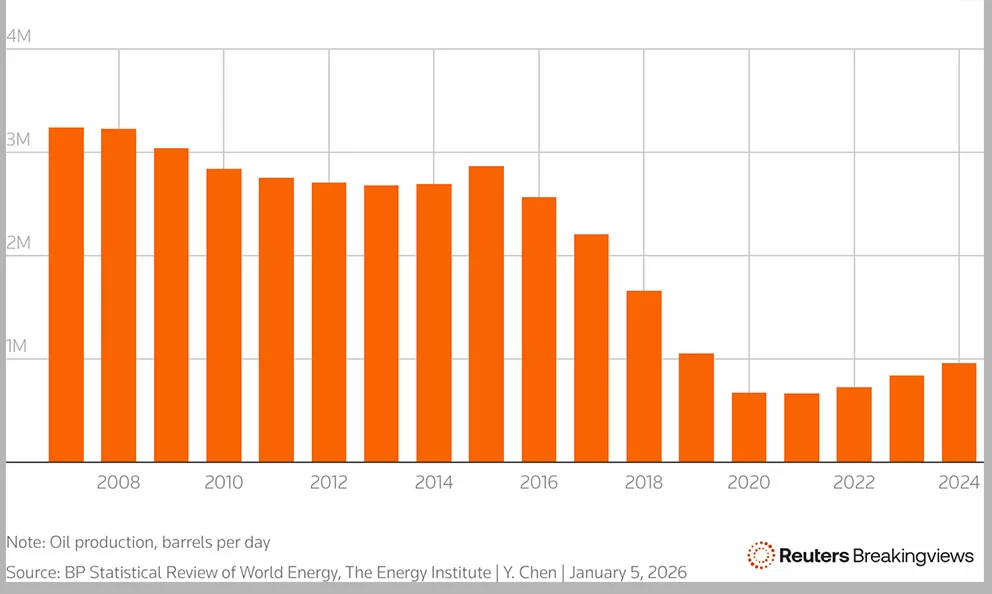
    In a significant geopolitical shift, the Trump administration has secured an agreement to redirect Venezuela’s oil shipments originally destined for China, marking a dramatic turnaround in Washington’s approach to Caracas. The deal, which involves importing and refining up to $2 billion worth of previously sanctioned Venezuelan crude, represents President Trump’s strategic maneuver to gain control over the South American nation’s substantial oil reserves.

    While Nicolás Maduro’s socialist allies maintain power in Venezuela, interim President Delcy Rodriguez is navigating a delicate balance between condemning Maduro’s recent abduction and initiating cooperation with Washington under Trump’s pressure. Sources within state oil company PDVSA indicate negotiations have advanced significantly, though Caracas has yet to officially confirm the export agreement.

    The United States announced plans to process and sell approximately 50 million barrels of oil previously immobilized by American sanctions. President Trump declared via Twitter that proceeds would remain under his administration’s control, purportedly benefiting both the Venezuelan people and US interests. This anticipated supply increase triggered an immediate market response, driving crude prices down by approximately 1%.

    China has vehemently condemned Washington’s actions, with Foreign Ministry spokespersons labeling the US a ‘bully’ and accusing it of gross violations of international law and Venezuelan sovereignty. As last year’s importer of nearly 390,000 daily barrels of Venezuelan oil, China is now reportedly considering increased imports from Iran and Russia according to trading sources.

    The US military intervention in Venezuela, which targeted Maduro’s capture, has drawn international condemnation from Russia, China, and other Venezuelan allies. Washington’s partners express particular concern over the precedent of abducting a sitting head of state, especially amid Trump’s additional threats toward Mexico and Greenland.

    Recent operations in Caracas resulted in dozens of casualties, including 23 Venezuelan soldiers and 32 members of Cuban military and intelligence services. Maduro, who has ruled since 2013, denied drug trafficking charges in a US court Monday while maintaining his claim as Venezuela’s legitimate president.

    Despite ousting Maduro, the US appears temporarily prioritizing cooperation with his senior allies to ensure stability, focusing particularly on revitalizing the oil industry through American corporate involvement. Political reforms and prisoner releases seem secondary concerns for now.

    Venezuelan opposition leader María Corina Machado, currently in exile, seeks to return for what she believes would be a victorious free election. Meanwhile, Washington warns high-ranking Maduro-era officials including stubborn Interior Minister Diosdado Cabello and Defense Minister Vladimir Padrino, both under US sanctions and criminal prosecution.

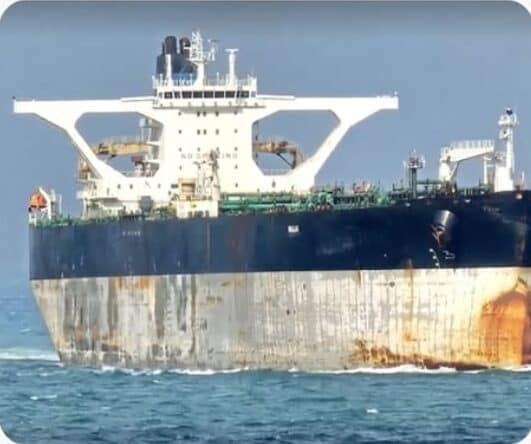
    The US is additionally pressuring Venezuela to expel advisors from China, Russia, Cuba, and Iran, while Russia has deployed naval vessels to escort an aging oil tanker attempting to circumvent American blockade measures.

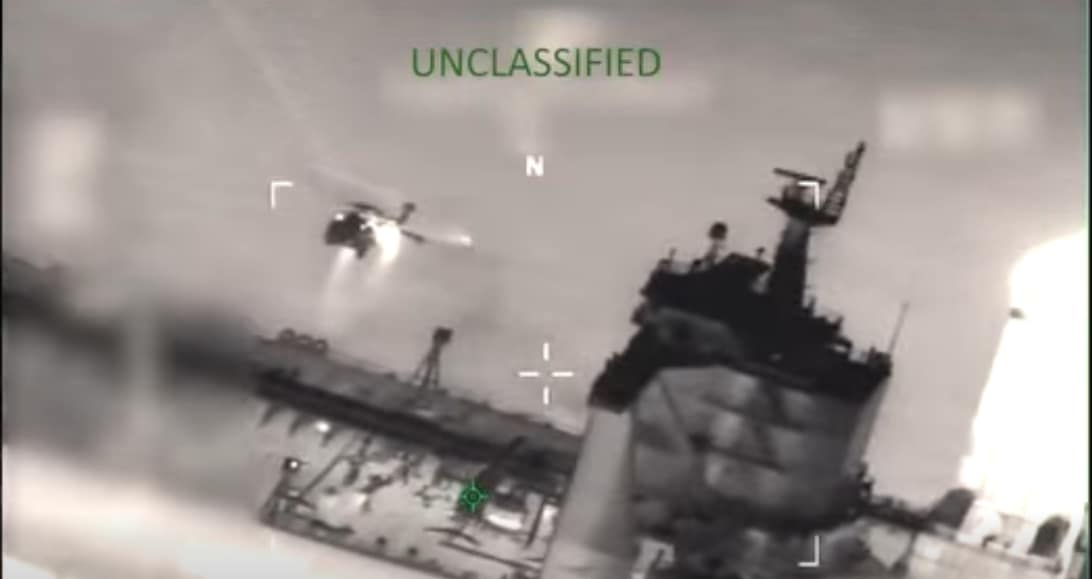
    Recent Atlantic Ocean confrontations saw the US Coast Guard attempting to seize a Venezuela-related oil tanker after extended pursuit, with Russian naval ships operating nearby—highlighting ongoing tensions surrounding sanction enforcement and control over Venezuelan oil exports.

  • US detains sanctioned tanker in Caribbean Sea

    US detains sanctioned tanker in Caribbean Sea

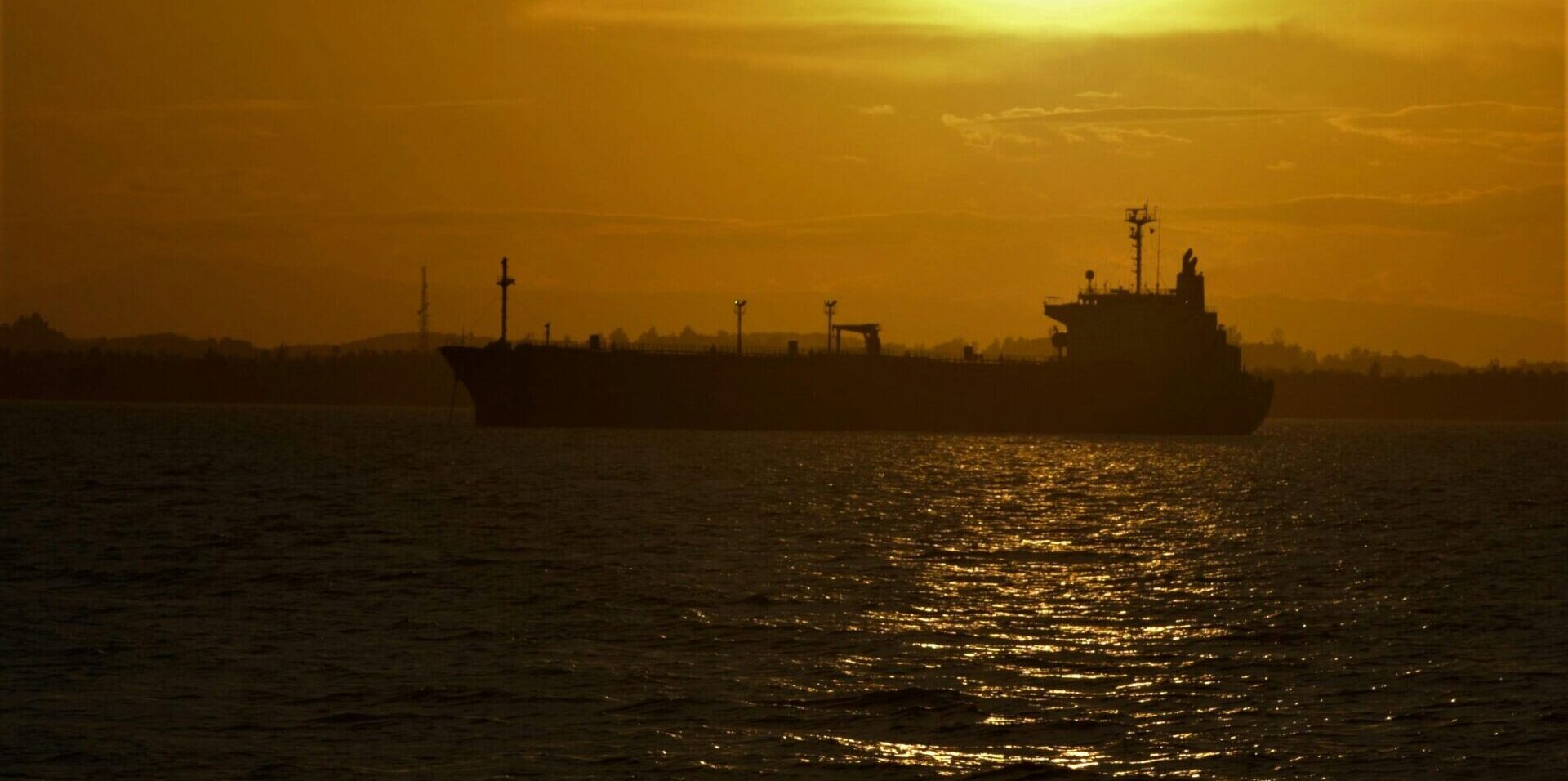
    In a coordinated pre-dawn maritime operation, United States authorities have successfully interdicted the sanctioned oil tanker M/T Sophia in the Caribbean Sea. The Wednesday morning seizure was executed without incident while the vessel navigated international waters, according to an official statement from the US Department of War.

    The operation, conducted in partnership with the Department of Homeland Security, targeted what officials describe as a ‘dark fleet’ vessel—a classification referring to ships allegedly operating outside international regulatory frameworks. Such vessels typically feature obscured ownership structures or utilize disabled tracking systems to evade detection.

    US Coast Guard personnel are currently escorting the apprehended tanker to American territory where it will undergo ‘final disposition’ procedures. Authorities have withheld specific details regarding the ship’s cargo composition or crew composition pending further investigation.

    This interdiction represents a tactical component of Operation Southern Spear, an ongoing US initiative designed to combat illicit maritime activities throughout the Western Hemisphere. The Department of War emphasized that the successful operation demonstrates Washington’s continued commitment to enhancing regional security measures and safeguarding US territorial integrity.

    No immediate response has been forthcoming from the vessel’s operators, and the specific nature of the sanctions allegedly violated by M/T Sophia remains undisclosed by investigating authorities.

  • U.S. plans takeover of Venezuelan tanker

    U.S. plans takeover of Venezuelan tanker

    The United States has initiated a high-stakes maritime operation to intercept and seize the oil tanker Marinera, currently navigating the Atlantic Ocean under pursuit by American forces. Official sources confirm the vessel is suspected of having direct ties to Venezuela’s government, prompting this aggressive enforcement action.

    This operation represents the culmination of a sustained campaign against the sanctioned vessel, which has been under U.S. Treasury Department restrictions. The pursuit, ongoing since last month, forms part of a comprehensive strategy concerning the potential detention of Venezuelan President Nicolas Maduro, though officials remain guarded about specific operational details.

    The geopolitical dimensions of the situation intensified significantly with revelations that Russia has deployed substantial naval assets to accompany the tanker. Multiple warships, including at least one submarine, have been tracking alongside the Marinera, creating a complex international standoff in international waters.

    Maritime security experts indicate this confrontation represents one of the most significant overt naval confrontations between nuclear powers in recent Atlantic history. The operation underscores the escalating tensions between global powers using Venezuela as a proxy arena, with energy resources serving as the immediate point of contention.

    The U.S. Navy’s involvement demonstrates Washington’s commitment to enforcing sanctions despite military countermeasures from rival nations. This development occurs amid deteriorating relations between the United States and both Venezuela and Russia, with energy transportation emerging as a new frontline in geopolitical conflicts.

  • US begins operation to seize Venezuela-linked oil tanker

    US begins operation to seize Venezuela-linked oil tanker

    The United States has initiated a high-stakes maritime operation to intercept and seize a Venezuelan-linked oil tanker currently traversing the Atlantic Ocean, according to sources familiar with the mission. The vessel, previously identified as the Bella 1, faces US sanctions imposed in 2024 for its involvement in a clandestine network of tankers allegedly transporting illicit petroleum products.

    This development follows a previous unsuccessful interception attempt last month near Venezuelan territorial waters. During that operation, US Coast Guard personnel were prevented from boarding the vessel when it executed an abrupt maneuver and fled the area. The current Atlantic operation represents an escalation in enforcement efforts against what authorities describe as Venezuela’s ‘shadow fleet’ of sanction-evading tankers.

    Multiple US government entities including the Coast Guard and military forces are participating in the ongoing mission, though operational details remain classified. The interagency collaboration underscores the strategic importance Washington places on disrupting Venezuela’s ability to circumvent international sanctions through maritime networks.

    This operation occurs amid heightened tensions between the US and Venezuelan governments regarding energy exports and compliance with international sanctions regimes. Maritime security experts note that intercepting vessels on the high seas presents significant legal and operational challenges that require meticulous planning and execution.

    The developing situation highlights the broader geopolitical struggle over Venezuela’s oil resources and the effectiveness of US-led sanctions intended to pressure the Maduro government. Success or failure of this operation could have implications for future enforcement actions against other vessels operating in similar capacity.