分类: politics

  • Protesters, US law enforcement clash after immigration officer kills woman

    Protesters, US law enforcement clash after immigration officer kills woman

    MINNEAPOLIS — The White House has declared U.S. law enforcement to be under “organized attack” following violent clashes between protesters and federal officers in Minneapolis, triggered by the fatal shooting of a 37-year-old woman by an Immigration and Customs Enforcement (ICE) agent.

    The incident occurred Wednesday when ICE agents approached a vehicle they claimed was blocking their path. Footage of the encounter shows a masked agent attempting to open the car door before another agent, positioned near the front bumper, fired three shots into the Honda SUV. The vehicle, driven by Renee Nicole Good, accelerated out of control and crashed into stationary cars. Good, shot in the head, was pronounced dead at the scene, leaving behind a wife and a six-year-old child.

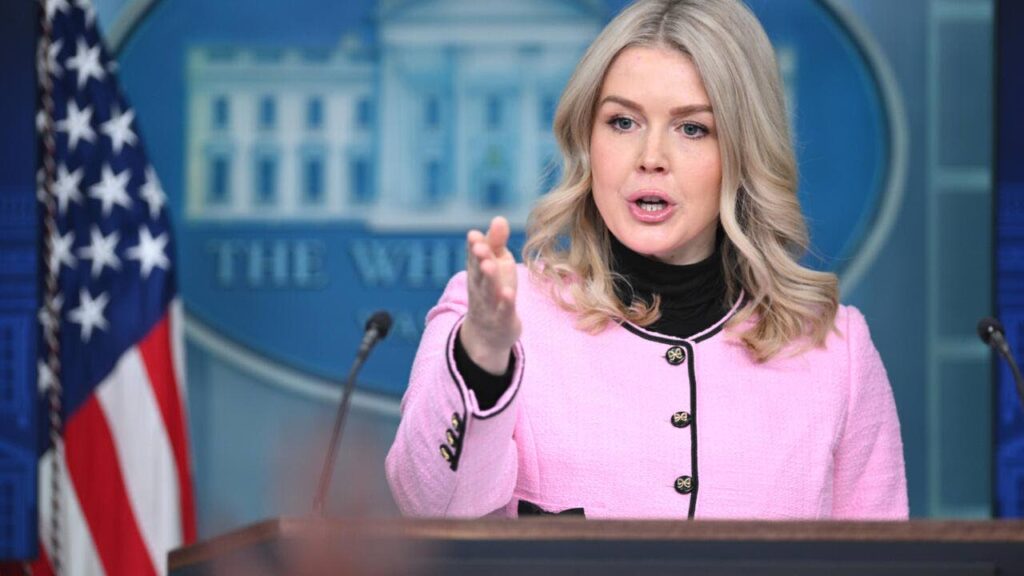
    Vice President JD Vance swiftly characterized the shooting as an act of “self-defense,” alleging without evidence that Good was part of a “broader left-wing network” intent on disrupting ICE operations. White House spokeswoman Karoline Leavitt echoed this sentiment, labeling the event a result of a “sinister left-wing movement.”

    In contrast, Minneapolis Mayor Jacob Frey dismissed claims from President Donald Trump and senior officials that Good attempted to kill the agents. Minneapolis Police Chief Brian O’Hara clarified that Good was not the target of immigration enforcement and was merely suspected of obstructing traffic.

    The shooting has ignited widespread outrage, with protests escalating after Minnesota Governor Tim Walz called demonstrating for justice a “patriotic duty.” On Thursday, officers deployed pepperball guns and tear gas to disperse crowds near a government facility in Fort Snelling, detaining several protesters. The unrest prompted the closure of Minneapolis schools as a precautionary measure.

    Governor Walz has demanded that state investigators join the federal probe, warning that without their involvement, Department of Homeland Security Chief Kristi Noem would act as “judge, jury, and basically executioner.” Vice President Vance, however, expressed confidence that a federal investigation would exonerate the officer involved.

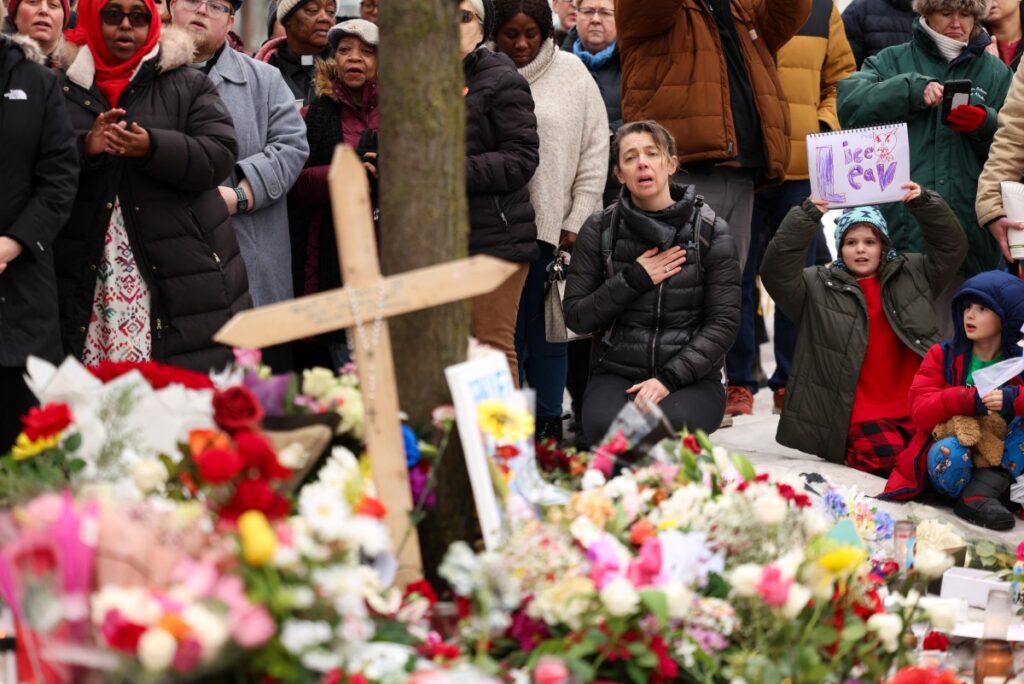
    The tragedy occurs against the backdrop of the Trump administration’s aggressive immigrant deportation drive, which has faced significant local opposition. A fundraiser for Good’s family has surpassed $600,000, while a growing memorial of flowers and candles at the scene of the shooting attests to the deep community impact.
  • US Senate vote to curb Trump’s military powers in Venezuela

    US Senate vote to curb Trump’s military powers in Venezuela

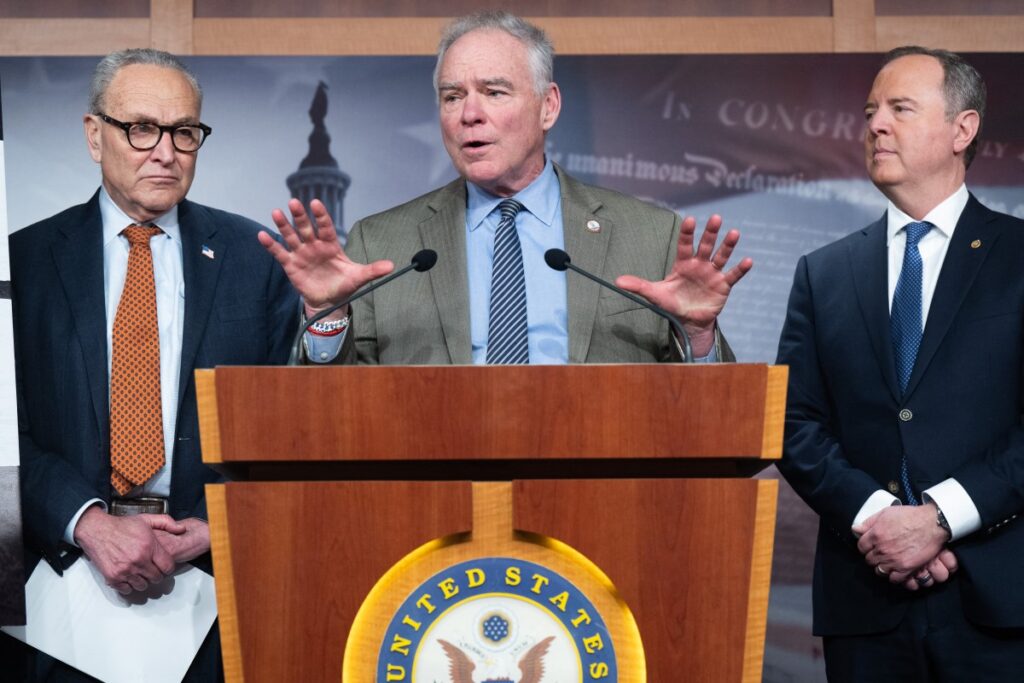
    In an extraordinary bipartisan move, the US Senate has advanced legislation challenging President Donald Trump’s military actions in Venezuela. The resolution, which cleared a critical procedural hurdle on Thursday, prohibits further US hostilities against Venezuela without explicit congressional authorization.

    The measure gained momentum following heightened concerns over the secretive capture of Venezuelan leader Nicolas Maduro, an operation that involved air and naval strikes in Caracas. Lawmakers from both parties characterized the mission as exceeding limited law-enforcement parameters and constituting an act of war.

    Five Republican senators joined Democrats in supporting the resolution, prompting fierce criticism from President Trump on his Truth Social platform. He denounced the dissenting Republicans for their ‘stupidity’ and suggested they ‘should never be elected to office again.’

    Despite the procedural success, the resolution faces significant obstacles. It must still pass the full Senate and House of Representatives, and would likely encounter a presidential veto. The administration defends its actions as legally justified under counter-narcotics operations against designated terrorist organizations.

    Senator Rand Paul (R-KY), who co-sponsored the measure, argued that ‘bombing another nation’s capital and removing their leader is an act of war, plain and simple,’ emphasizing that no constitutional provision grants such power to the presidency.

    The development represents one of Congress’s most substantial assertions of war-making authority in decades, echoing the historic War Powers Resolution of 1973 enacted over President Nixon’s veto.

  • St James and Bimini seats created in boundaries report

    St James and Bimini seats created in boundaries report

    The Constituency Boundaries Commission has unveiled a comprehensive proposal to reshape the electoral landscape of The Bahamas, responding to significant demographic changes and aiming to ensure voter parity across the nation. Central to these recommendations is the establishment of a new parliamentary constituency in western New Providence, to be designated as St James, which will incorporate communities spanning Golden Isles, Killarney, and Southern Shores. A separate, standalone constituency for Bimini and the Berry Islands is also proposed, addressing long-standing calls for dedicated representation for these island communities. The commission’s report, formally presented in the House of Assembly by Speaker Patricia Deveaux, maintains the national total of 501 polling divisions while realigning boundaries and reassigning voter bases to reflect population data from the latest census and recent election results. The proposed adjustments impact numerous constituencies, including Bain and Grants Town, Centreville, and several in Grand Bahama and Abaco. The restructuring involves the transfer of specific polling divisions between constituencies to balance voter numbers, with the new St James constituency projected to host 5,149 registered voters. The commission’s methodology relied on historical boundaries reports, electoral data, and the 2022 census. The governing Progressive Liberal Party has endorsed the report, characterizing the redistribution as a normal and essential process for a healthy democracy that strengthens local representation.

  • Penny: Tell government you have had enough

    Penny: Tell government you have had enough

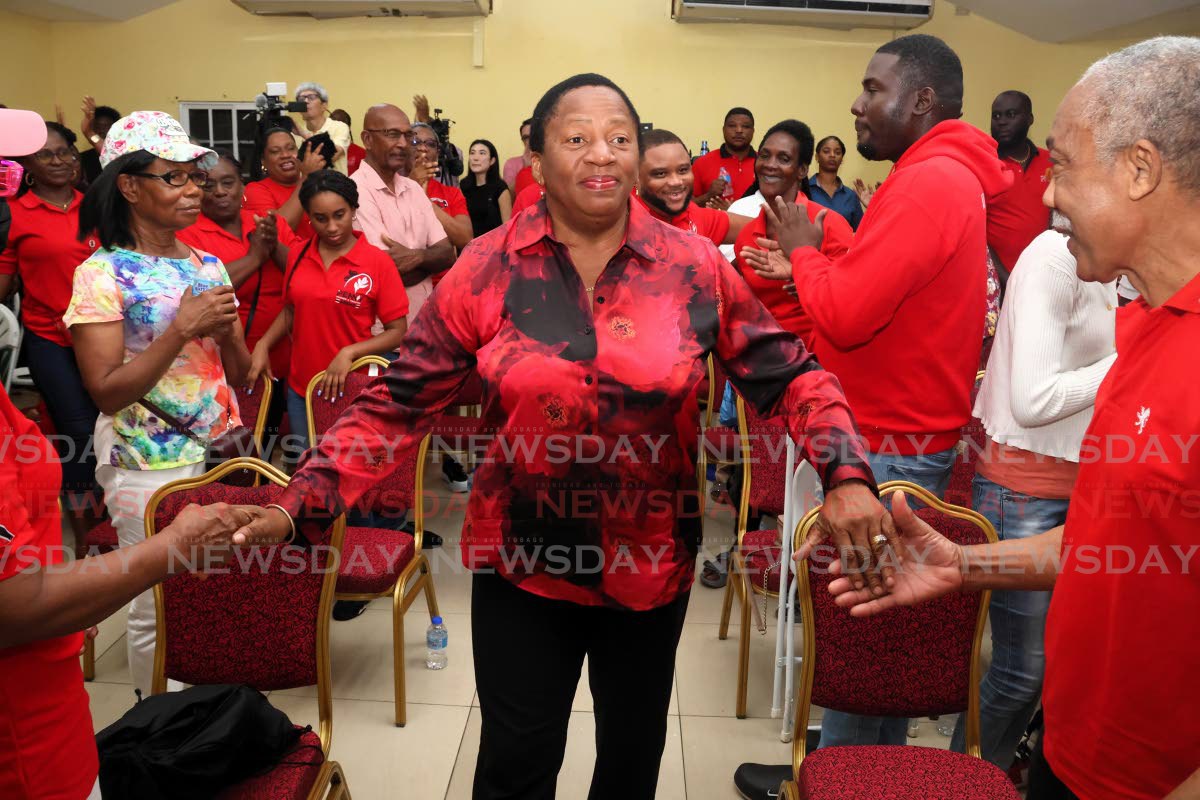
    In a vehement public address delivered at a PNM rally in Sangre Grande on January 7, Opposition Leader Pennelope Beckles launched a comprehensive critique against the current UNC administration’s performance since assuming office in April. The political gathering, attended by prominent PNM figures including Diego Martin North East MP Colm Imbert and Lopinot/Bon Air MP Marvin Gonzales, served as a platform for Beckles to articulate growing discontent with public service delivery.

    Beckles highlighted severe water supply disruptions affecting multiple constituencies including Arima, Malabar, D’Abadie/O’Meara, and St Ann’s East, particularly during the Christmas period. She emphasized the irony of these shortages occurring despite previous substantial investments in water infrastructure, characterizing the situation as “wicked and oppressive” governance.

    The Opposition Leader detailed widespread job losses resulting from the government’s termination of several youth employment and training initiatives. Beckles specifically referenced the closure of the Civilian Conservation Corps (CCC), Youth Agricultural Homestead Programme (YAHP), Military-led Academic Training Programme (MILAT), and the Military-led Youth Programme of Apprenticeship and Reorientation Training (MYPART). She further noted significant employment reductions in the Cepep, URP, and Reforestation Programme, particularly impacting the agriculturally significant Sangre Grande region.

    Beckles accused the UNC of making extravagant campaign promises including distribution of “ham, lamb and jam” that remained unfulfilled, while simultaneously distancing themselves from constituents who had supported their election. She encouraged citizens to directly contact government officials regarding service deficiencies rather than relying on opposition figures.

    The address concluded with Beckles urging supporters to maintain political awareness despite potential offers of material incentives from the governing party, emphasizing the need for the PNM to reclaim control of the Sangre Grande Regional Corporation. She framed the current administration’s policies as detrimental to both cultural preservation and small business sustainability across communities.

  • St James showdown

    St James showdown

    A significant political confrontation is emerging in the Bahamas as both major parties position themselves to contest the newly established St James constituency in western New Providence. The electoral battleground, formally recommended by the Constituency Boundaries Commission and presented to the House of Assembly, has already attracted attention from prominent political figures.

    On the governing Progressive Liberal Party side, legal professional Owen Wells has emerged as a potential candidate. The accomplished attorney, partner at McKinney, Turner & Co and chairman of Bahamix Limited, resides within the proposed constituency boundaries and recently participated in the PLP’s aspirants’ training module. Wells brings substantial legal credentials, having earned his LLB with Upper Second Class honours from England’s University of Buckingham and subsequent qualifications from the College of Law in Bloomsbury.

    Opposing him will likely be Free National Movement deputy leader Shanendon Cartwright, the current MP for St Barnabas. Notably, Cartwright served on the very Boundaries Commission that recommended creating the St James seat. Tribune sources indicate the FNM is expected to ratify Cartwright for this new constituency.

    The political maneuvering occurs amid background concerns from some St Barnabas constituents who have expressed dissatisfaction with Cartwright’s perceived reduced visibility following his elevation within the FNM leadership. Critics have cited decreased constituency meetings and difficulties in securing appointments, though Cartwright has vigorously denied allegations of neglect, pointing to ongoing community initiatives including feeding programs, agricultural projects, and seasonal outreach events.

    This early jockeying for position signals both parties recognize the strategic importance of the newly drawn constituency as the next general election approaches.

  • DCP Martin assures safety for THA elections

    DCP Martin assures safety for THA elections

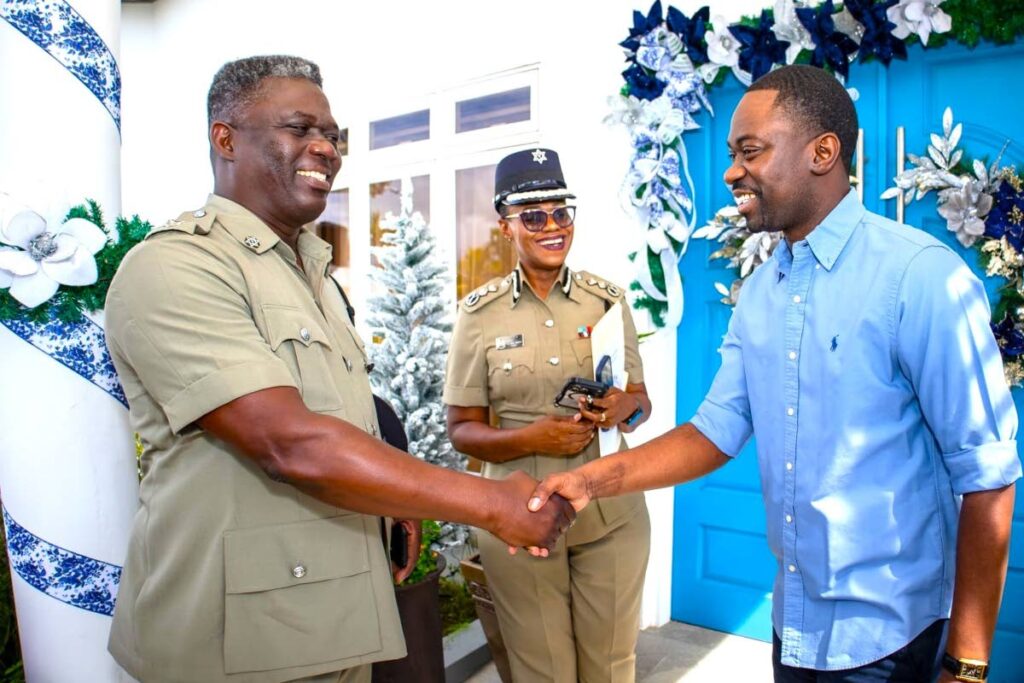
    In preparation for the January 12 Tobago House of Assembly (THA) elections, Deputy Commissioner of Police Suzette Martin, serving as Gold Commander for election security operations, has conducted comprehensive high-level consultations with key political stakeholders across the island.

    The security preparations entered a critical phase on January 7 when DCP Martin engaged in detailed discussions with Chief Secretary Farley Augustine regarding the Trinidad and Tobago Police Service’s comprehensive safety and security framework for election day. Augustine subsequently praised the exceptional professionalism demonstrated by Tobago-based officers and expressed full confidence in the elaborated security arrangements. The Chief Secretary further emphasized his anticipation of continued collaborative efforts with Assistant Commissioner of Police Earl Elie and Superintendent Mark Joseph of the Tobago Division.

    DCP Martin concurrently affirmed her assurance regarding the effectiveness of implemented security protocols designed to guarantee both the safety of participants and the transparent administration of electoral proceedings. Her diplomatic outreach extended to meetings with senior representatives of the PNM Tobago Council, chaired by Learie Paul, and Dr. Denise Tsoiafatt-Angus, political leader of the Innovative Democratic Alliance (IDA).

    Throughout these engagements, Martin reiterated the TTPS’s unwavering commitment to safeguarding democratic processes through strict political neutrality. The service is coordinating extensively across all operational divisions and inter-agency partners to facilitate a peaceful electoral environment free from incidents, while ensuring complete protection for citizens, stakeholders, and institutional infrastructure.

  • Fernander: Step aside as MP if you cannot see a better Bahamas

    Fernander: Step aside as MP if you cannot see a better Bahamas

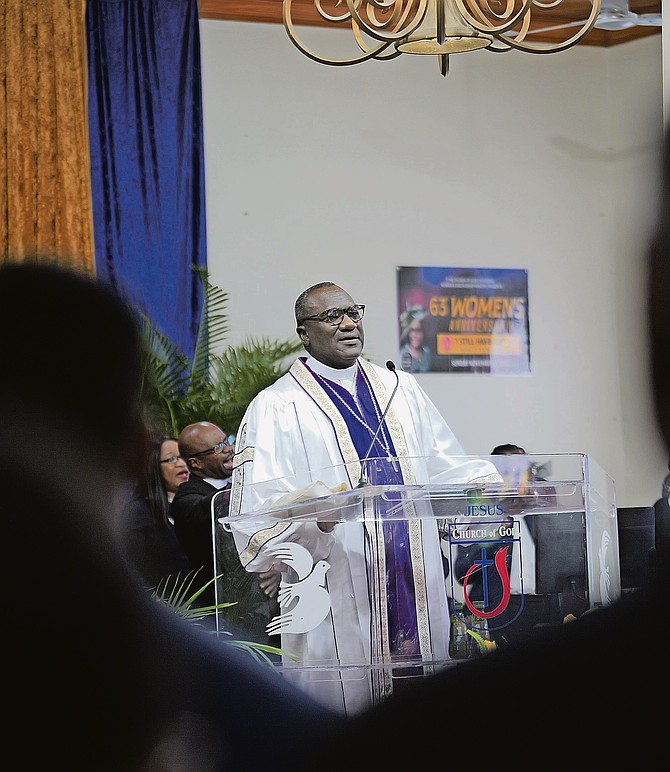
    In a powerful address marking the commencement of the legislative year, Bishop Delton Fernander delivered a stirring challenge to Bahamian lawmakers during the annual Parliamentary Church Service at the Church of God on East Street. The ceremony, attended by Prime Minister Philip Davis, cabinet members, parliamentarians, and opposition figures, traditionally sets the tone for the upcoming parliamentary session.

    Bishop Fernander issued a direct ultimatum to elected officials, stating that those incapable of envisioning an improved Bahamas should reconsider their positions. ‘If you cannot see a better Bahamas, maybe this should be your last run,’ he declared before the assembled leadership. The clergyman emphasized that public office demands clear vision and accountability, reminding attendees that they operate within a parliamentary tradition spanning nearly three centuries with profound moral responsibilities.

    Reflecting on historical leadership, the Bishop contrasted distinguished predecessors with those who faded into obscurity despite holding similar positions of power. He described the nation’s forefathers as architects of change who demonstrated courage, strategy, character, and purpose in transforming the Bahamas from a fishing community to a premier tourism destination. ‘What will we do with our time?’ he challenged current leaders.

    Amid global uncertainties, economic pressures, and conflicts, Bishop Fernander stressed that citizens rely on their representatives to prioritize national interests over personal gain. ‘The Bahamian people are counting on you to have their best interest at heart and not your own,’ he emphasized, calling for decisions that benefit all citizens and create opportunities for future generations.

    Addressing the approaching election cycle, the religious leader cautioned against treating this period as the ‘silly season,’ insisting instead on its seriousness. He urged the nation to attract its best talent, noting that many skilled Bahamians abroad contribute to other countries’ development due to feeling unwelcomed at home.

    The Bishop also delivered a remarkable apology on behalf of religious institutions for their historical silence driven by desires for political contracts and board appointments. ‘I want to apologise for the silence,’ he stated, encouraging faith leaders to speak truth even at personal cost. He concluded by reminding lawmakers of their roots in faith and sacrifice, emphasizing that ultimate guidance comes from divine rather than human sources.

  • Lessons to be learnt

    Lessons to be learnt

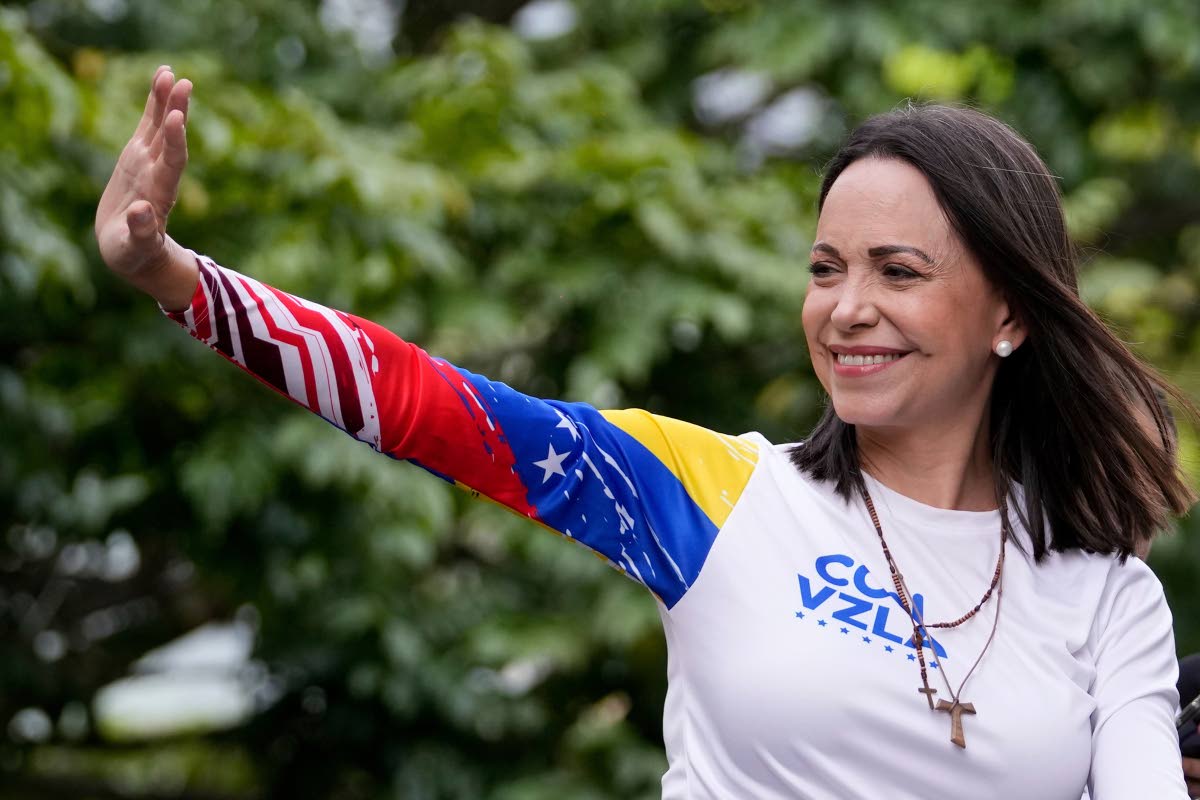
    The recent political maneuvering involving Venezuelan opposition leader María Corina Machado and former US President Donald Trump offers critical insights for smaller nations navigating complex international relations. Machado’s symbolic offer to share her Nobel Peace Prize with Trump—reportedly made after he expressed displeasure at not receiving the award himself—appears more as an act of political desperation than genuine diplomacy. This gesture has failed to yield the anticipated support, with Trump refusing to endorse Machado or any established opposition figures in Venezuela. Instead, he has indicated intentions to directly oversee Venezuela’s political transition through allies including Pete Hegseth and Marco Rubio. This development reveals a concerning pattern where local political actors are utilized as convenient instruments until they no longer serve external strategic interests. Machado, once considered Washington’s preferred candidate for a post-Maduro Venezuela due to her international acceptability and alignment with foreign policy objectives, now appears sidelined despite Maduro’s imprisonment. This scenario exemplifies imperial behavior where allies are elevated when useful and discarded once objectives are achieved. For Trinidad and Tobago and similar small states, this situation underscores the importance of maintaining strategic distance and principled neutrality rather than placing trust in administrations that prioritize transactional dominance over mutual respect. National sovereignty is best preserved through independent foreign policy that avoids entanglement in geopolitical theaters where smaller nations risk becoming supporting actors or collateral damage.

  • Promise made, promise broken

    Promise made, promise broken

    The Trinidad and Tobago government confronts mounting criticism for its failure to implement promised tax exemptions on private pensions that were scheduled to take effect January 1, 2026. Despite clear campaign commitments and parliamentary assurances from Finance Minister Davendranath Tancoo during the 2025-2026 budget reading, pensioners continue to face tax deductions.

    Government officials now cite unpreparedness in financial calculations as the reason for the delay, indicating that necessary legislation will only be addressed in February. This explanation has proven unsatisfactory to retirees who structured their financial planning around the administration’s unambiguous pledge.

    The situation highlights concerning double standards in governmental urgency. While the administration acted swiftly to halt former minister Stuart Young’s prime ministerial pension, comparable decisiveness has been absent regarding ordinary citizens’ retirement benefits.

    Compounding the problem, annuitants must still submit certificates of existence by February 1 to maintain their benefits, ensuring continued tax deductions before parliamentary action. This delay effectively imposes financial penalties on pensioners through governmental indecision.

    The writer demands not only explanations but tangible results, including retroactive cash refunds dating to January 1. The failure threatens to transform what was presented as official policy into what appears increasingly reminiscent of political propaganda, undermining trust in parliamentary commitments.

  • US plans to dictate Venezuela decisions and oil sales

    US plans to dictate Venezuela decisions and oil sales

    The Trump administration has declared its intention to maintain indefinite control over Venezuela’s oil exports and direct the decisions of the country’s interim leadership following the capture of President Nicolas Maduro. This bold assertion of hemispheric dominance represents a significant escalation in U.S. involvement in Venezuelan affairs.

    White House Press Secretary Karoline Leavitt confirmed Wednesday that Washington would continue dictating policy decisions to Venezuela’s interim authorities, stating that the U.S. maintains “maximum leverage” following Saturday’s military operation that extracted Maduro from Caracas. The deposed leader and his wife were transported to New York where they face narcotics trafficking charges.

    The administration’s strategy hinges on controlling Venezuela’s oil industry, with Energy Secretary Chris Wright announcing plans to market Venezuelan crude “indefinitely, going forward.” This includes immediate sales of 30-50 million barrels of stored oil and continued control over future production. The approach relies heavily on naval blockades to prevent Venezuela from selling oil to sanctioned allies including Russia, China, and Iran.

    In a demonstration of this maritime strategy, U.S. forces seized a Russian-linked oil tanker in the North Atlantic on Wednesday after pursuing the vessel from Venezuelan waters. The tanker, previously identified as Bella-1, had recently changed its registration to Russia.

    President Trump is scheduled to meet with U.S. oil executives Friday to discuss potential investments in Venezuela’s deteriorating energy infrastructure, though no firm commitments have been made amid the ongoing political instability. The administration’s comprehensive plan combines economic control, military pressure, and political oversight to reshape Venezuela’s governance and energy sector.