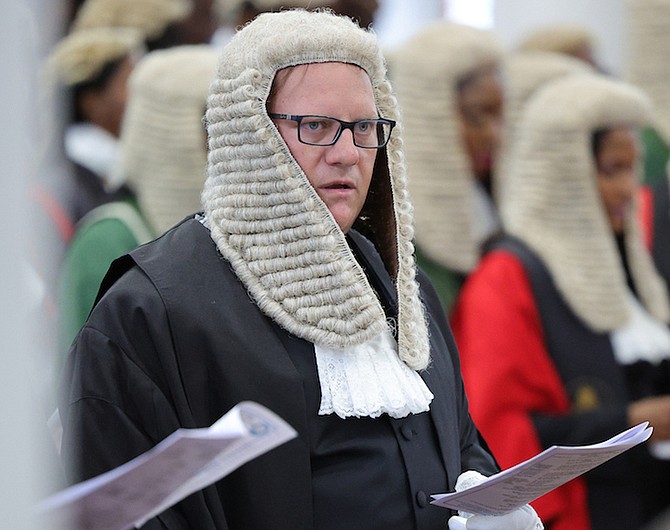
In a significant development for the Caribbean, Americas, and the Atlantic (CAA) region, Honourable Michelle Slack-Clarke, President of the Nevis Island Assembly, has been nominated to serve on the Executive Body of the Commonwealth Parliamentary Association (CPA). The announcement was made during a session of the Nevis Island Assembly on September 25, 2025. Mrs. Slack-Clarke emphasized the importance of Nevis’s role within the broader Commonwealth network, stating, ‘As a law-making body in the Commonwealth, we are integral to the CPA and its regional representation.’ Her appointment positions her as one of three representatives from the CAA region, granting her authority to influence the CPA’s management and direction. This milestone precedes the 68th Commonwealth Parliamentary Conference (CPC), scheduled for October 5–12, 2025, in Bridgetown, Barbados. The conference, themed ‘The Commonwealth: A Global Partner,’ will host key events, including the CPA General Assembly and specialized forums on gender-sensitive legislation, climate change, and budgeting. Mrs. Slack-Clarke’s new role follows her active participation in the 47th CPA Regional Conference of the CAA Region, held earlier in Nassau, The Bahamas. The CPA remains a cornerstone in promoting parliamentary democracy and good governance across its member states. Mrs. Slack-Clarke’s appointment is poised to elevate Nevis’s profile within the Commonwealth and amplify the region’s global influence.
分类: politics
-

Stephen Junior Cherenfant appointed as Haiti’s new consul in Santiago
Santiago de los Caballeros – In a strategic move to enhance diplomatic relations and consular services, the Haitian Ministry of Foreign Affairs has named Stephen Junior Cherenfant as the new consul at the Haitian consulate in Santiago de los Caballeros. Cherenfant, who completed a significant portion of his higher education in Santiago, possesses a deep understanding of the cultural and social intricacies of both Haitian and Dominican communities in the Cibao region. His appointment is seen as a step toward fostering stronger bilateral ties and addressing shared challenges. Cherenfant has pledged to prioritize personalized, efficient, and compassionate consular services. His primary objectives include safeguarding the dignity of Haitians, promoting unity within the community, and engaging in constructive dialogue with local authorities to develop collaborative solutions. This appointment underscores Haiti’s commitment to improving the welfare of its citizens abroad and strengthening its diplomatic presence in the Dominican Republic.
-

OPINION: UWP free education at SALCC proposal: questions to be answered (Part II)
The United Workers Party (UWP) in Saint Lucia has recently announced a policy proposal for free education at the Sir Arthur Lewis Community College (SALCC), sparking both support and skepticism. While the initiative is not aimed at university-level education, it has raised significant questions about its feasibility, implementation, and alignment with the party’s previous stances. This policy, juxtaposed with the Saint Lucia Labour Party’s ‘One University Per Household’ initiative, demands thorough scrutiny from a public policy perspective.
-

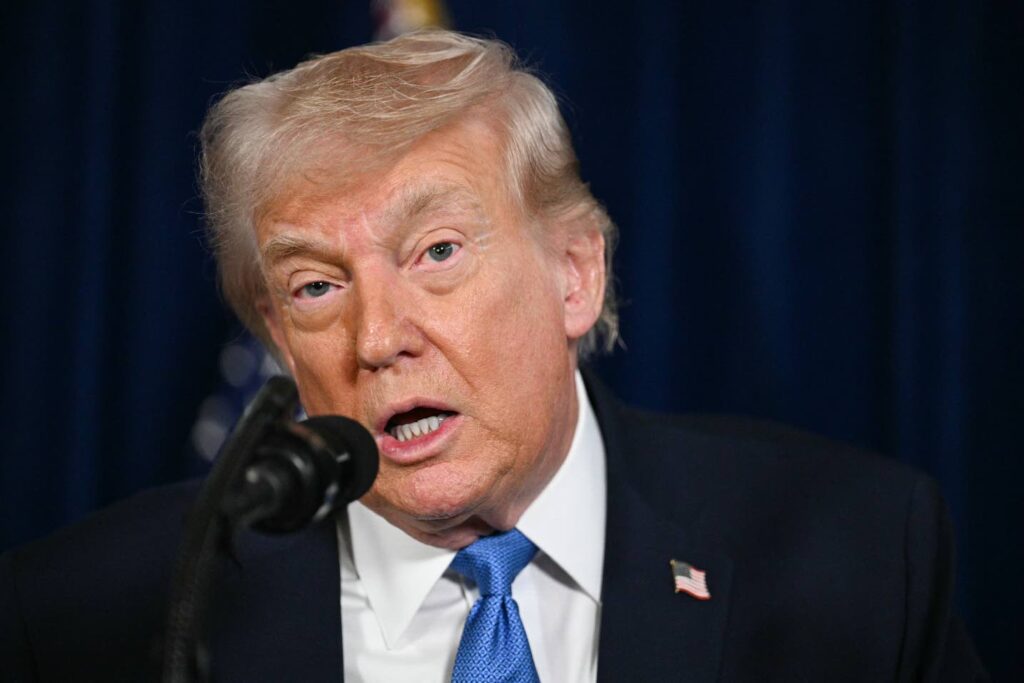
Trump’s 20-point Gaza peace plan
In a significant move to address the prolonged conflict in Gaza, the White House has unveiled a detailed 20-point plan aimed at ending the nearly two-year war, securing the release of hostages held by Hamas, and outlining a sustainable future for the Palestinian enclave. The plan, announced on Monday, was presented by President Donald Trump alongside Israeli Prime Minister Benjamin Netanyahu, who expressed cautious support for the initiative.
The proposal begins with the establishment of Gaza as a deradicalised, terror-free zone, ensuring it no longer poses a threat to neighboring regions. It emphasizes the redevelopment of Gaza to benefit its residents, who have endured immense suffering. A key component of the plan is the immediate cessation of hostilities upon mutual agreement, with Israeli forces withdrawing to pre-defined lines to facilitate the release of hostages. Military operations, including aerial and artillery bombardments, will be suspended during this period.
Within 72 hours of Israel’s acceptance of the agreement, all hostages, both alive and deceased, are to be returned. In exchange, Israel will release 250 life-sentence prisoners and 1,700 Gazans detained after October 7, 2023, including all women and children. Hamas members committed to peaceful coexistence will be granted amnesty, and those wishing to leave Gaza will be provided safe passage.
The plan also prioritizes humanitarian aid, ensuring the immediate delivery of essential supplies and the rehabilitation of critical infrastructure such as water, electricity, and hospitals. A temporary transitional governance structure, led by a technocratic Palestinian committee and overseen by an international ‘Board of Peace,’ will manage Gaza’s administration until the Palestinian Authority completes its reform program.
Economic revitalization is a cornerstone of the proposal, with the creation of a special economic zone and the involvement of international experts to attract investment and foster job creation. The plan guarantees that no one will be forced to leave Gaza, while encouraging residents to stay and contribute to rebuilding their homeland.
To ensure long-term security, the United States will collaborate with regional partners to establish an International Stabilisation Force (ISF) to train and support Palestinian police forces. The ISF will work alongside Israel and Egypt to secure border areas and prevent the flow of munitions into Gaza. Israel has committed to not occupying or annexing Gaza, with the IDF progressively withdrawing as stability is achieved.
The plan also includes measures to promote interfaith dialogue, foster peaceful coexistence, and create a credible pathway to Palestinian self-determination and statehood. The United States will facilitate ongoing dialogue between Israel and the Palestinians to ensure a political horizon for peaceful and prosperous coexistence.
-

Muslim states join European powers in backing Trump Gaza plan
DOHA, Qatar — In a significant development, several Muslim-majority nations have expressed their support for U.S. President Donald Trump’s proposal to end the ongoing conflict in Gaza. The plan, which has also garnered backing from key European allies, aims to bring an immediate halt to the devastating war. However, some Palestinian factions and residents of Gaza have dismissed the initiative as a “farce” and a ploy to secure the release of hostages without addressing the root causes of the conflict.
-

UN Security Council to vote on future of foreign Haiti force
The United Nations Security Council is set to vote on Tuesday on a pivotal proposal to transform the current UN-backed security mission in Haiti into a robust, full-scale force. This initiative aims to address the escalating gang violence that has plunged the Caribbean nation into chaos. Currently, the Multinational Security Mission (MSS) comprises 1,000 police officers, predominantly from Kenya, who are assisting the overwhelmed Haitian police force. However, the mission, established in 2023, has yielded inconsistent results. Laurent Saint-Cyr, head of the Haitian Transitional Presidential Council, recently highlighted the dire situation at a UN diplomatic gathering, describing Haiti as a ‘country at war’ and a ‘human tragedy on America’s doorstep.’ He emphasized the urgent need for international intervention, citing the displacement of over a million people and the destruction of entire neighborhoods. The proposed expansion, spearheaded by the United States and Panama, would increase the force to a maximum of 5,500 personnel, including both police and military units, for an initial one-year period. Kenya’s President William Ruto expressed confidence that with adequate resources and logistics, Haiti’s security could be restored. The plan also includes establishing a UN support office to provide logistical and financial backing. US Deputy Secretary of State Christopher Landau underscored the mission’s mandate to proactively target gangs and restore stability. However, the resolution faces potential opposition, with China and Russia expressing skepticism about the mission’s effectiveness without political reforms in Haiti. Both countries abstained from the initial vote, and their positions remain uncertain ahead of Tuesday’s decision. Haiti, the poorest nation in the Americas, has been plagued by violent gangs, political instability, and a lack of elections since 2016. The situation deteriorated further in early 2024 when gangs forced Prime Minister Ariel Henry to resign, leaving the country under the leadership of a Transitional Presidential Council.
-

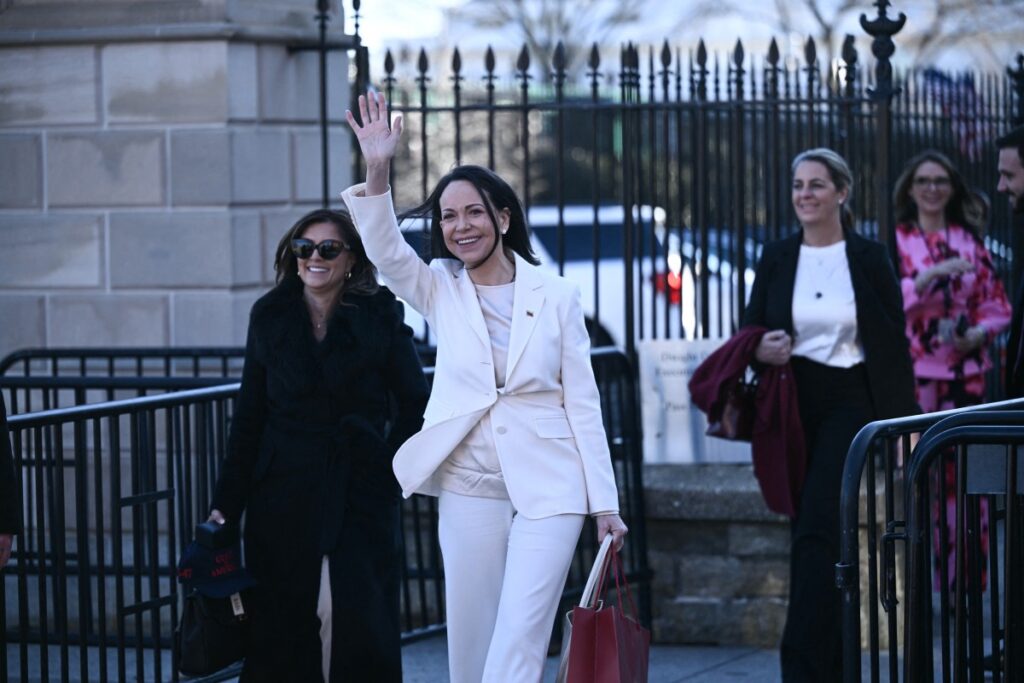
Venezuela’s Maduro ready to declare state of emergency over US ‘aggression’ — VP
Venezuelan President Nicolas Maduro is poised to declare a state of emergency in response to perceived US aggression, Vice President Delcy Rodriguez announced on Monday. Rodriguez informed foreign diplomats that Maduro has signed a decree granting himself ‘special powers’ to address defense and security matters should the US initiate an attack. However, a government source revealed to AFP that the decree has not yet been formally signed, though preparations are complete for its immediate enactment. Maduro’s administration has heightened alert levels following a significant US military deployment near Venezuela’s coast, including eight warships and a nuclear-powered submarine, ostensibly to combat drug trafficking but widely seen as a move to pressure the Venezuelan leader. Recent US strikes on suspected drug boats in the Caribbean, resulting in 14 deaths, have been condemned by UN experts as ‘extrajudicial executions.’ Reports suggest US military officials are considering operations within Venezuela’s borders to target drug traffickers. A state of emergency would enable Maduro, whose 2018 reelection remains internationally contested, to temporarily suspend basic rights. Rodriguez expressed confidence in national unity, asserting, ‘Venezuela is united in the defense of our country. We will never surrender our homeland.’
-

St Lucia urges diplomacy, multilateralism in solving crisis facing global community
At the 80th session of the United Nations General Assembly (UNGA), St Lucia’s Foreign Affairs Minister, Alva Romanus Baptiste, emphasized the importance of diplomacy and dialogue in addressing global conflicts, reaffirming the Caribbean’s commitment to being a zone of peace. Baptiste highlighted that small nations like St Lucia can effectively advocate for peace and development through non-violent diplomacy, underscoring the moral and pragmatic strength of such an approach. He called for an end to the US embargo on Cuba, arguing that diplomatic engagement rather than isolation would foster regional cooperation and stability. Baptiste also stressed the urgent need to resolve the Russia-Ukraine conflict, which has caused immense humanitarian suffering and global instability. He urged the UN to allow Taiwan’s meaningful participation in its system, stating that UN Resolution 2758 does not preclude Taiwan’s inclusion. Addressing Haiti’s humanitarian crisis, Baptiste called for international support to prevent further deterioration and restore law and order. He expressed concern over the underfunded Kenya-led Multinational Security Support mission in Haiti and the escalating tensions between Venezuela and the United States, urging non-violent resolutions. Baptiste concluded by emphasizing the importance of international cooperation and shared responsibility in addressing global challenges such as climate change, sustainable development, and decolonization.
-

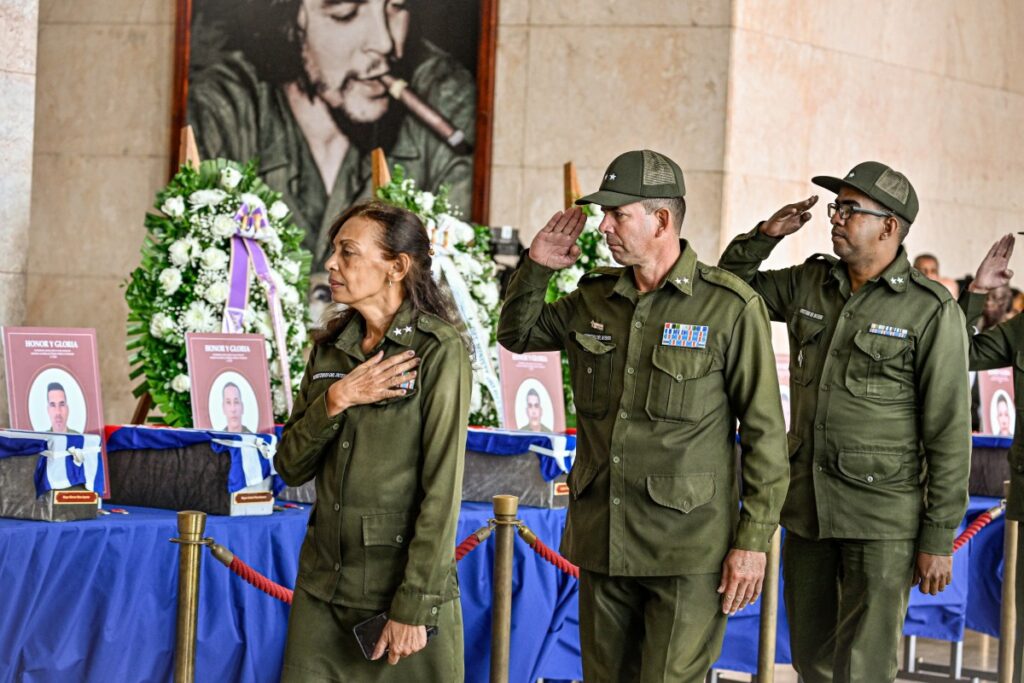
Grenada agrees to adjustment to Cuban health programme
The Grenada government has unveiled significant reforms to its Cuban Workers Programme, following high-level consultations with Cuban officials in Havana. The changes, announced by the Ministry of Foreign Affairs, aim to enhance the administration and oversight of the programme, ensuring that Cuban professionals working in Grenada receive conditions equivalent to their Grenadian counterparts. The discussions were spearheaded by Foreign Affairs Minister Joseph Andall and Health Minister Philip Telesford. Grenada expressed gratitude to Cuba for its cooperation and acknowledged the United States’ role in raising concerns about the programme. The Cuban Workers Programme has been instrumental in bolstering healthcare services in Grenada, and the government remains committed to strengthening national health capacity through training and scholarships. The reforms come amidst US allegations that the Cuban regime exploits medical professionals by ‘renting’ them to other countries, a claim vehemently denied by Caribbean nations. The US has imposed visa restrictions on officials, including Grenada’s Finance Minister Dennis Cornwall, while urging governments to pay doctors directly rather than the Cuban regime. Both Grenada and the US have reaffirmed their commitment to addressing concerns through diplomatic channels.