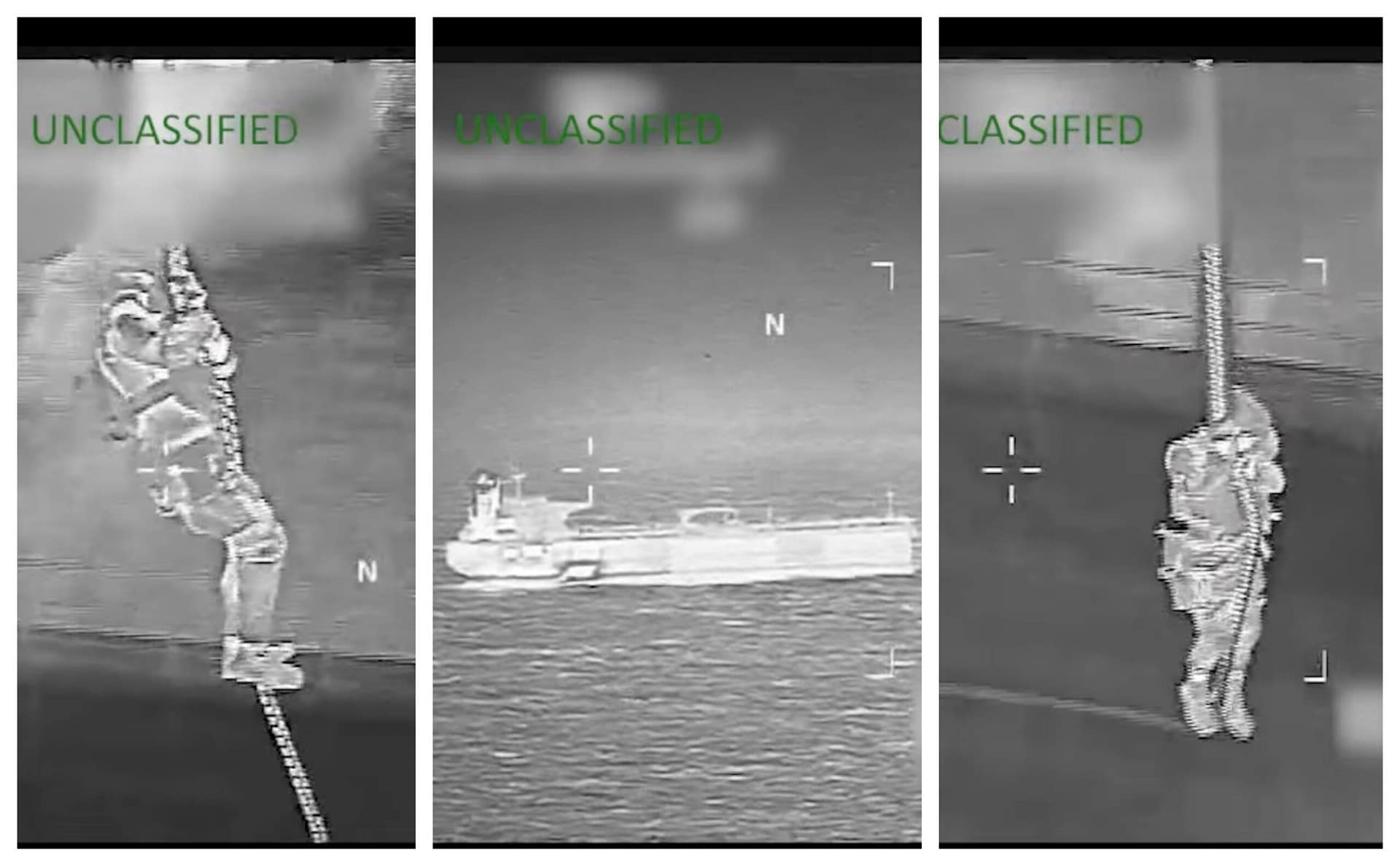
CARACAS, Venezuela — Venezuela has raised alarms over the presence of five US fighter jets reportedly flying near its coastline, escalating tensions between the two nations. The Venezuelan Defense Minister, Vladimir Padrino, disclosed the incident during a televised address, stating that the country’s air defense systems and tracking mechanisms at its largest airport had identified the aircraft. He described the maneuver as a deliberate provocation and a direct threat to Venezuela’s national security. This development comes amid a significant US military buildup in the Caribbean region, including the deployment of 10 F-35 aircraft to Puerto Rico, eight warships, and a nuclear submarine. US President Donald Trump has framed this operation as part of a broader effort to combat drug trafficking from the Caribbean to the United States. However, Venezuelan President Nicolas Maduro has accused Trump of orchestrating a covert campaign to destabilize his government. Recent weeks have seen US forces targeting alleged drug traffickers, resulting in the destruction of three boats and the deaths of at least 14 individuals. The situation underscores the deepening geopolitical rift between Washington and Caracas.
分类: politics
-

Caribbean-American legislators blame Trump, Republicans for US gov’t shutdown
NEW YORK, United States (CMC) – Prominent Caribbean-American Democratic leaders have squarely placed the blame for the ongoing U.S. federal government shutdown on President Donald Trump and the Republican Party. Congresswoman Yvette Clarke, a Brooklyn representative and daughter of Jamaican immigrants, articulated the frustration felt by many in her community during a statement to the Caribbean Media Corporation (CMC).
Clarke accused the Trump administration of systematically undermining the nation’s affordability, equity, and core values since taking office. She described the government shutdown as the inevitable result of these efforts, emphasizing that the American public is fully aware of the Republicans’ control over the House, Senate, and White House. She stressed that the responsibility to fund the government lies with the majority party.
The congresswoman criticized the GOP for failing to engage in meaningful dialogue with Democratic leaders, instead resorting to divisive and racially charged rhetoric on social media. Clarke, who also chairs the Congressional Black Caucus (CBC), vowed that Democrats would remain united in their opposition to Republican policies that threaten healthcare access and increase financial burdens on working families.
Clarke highlighted the healthcare crisis exacerbated by proposed cuts to Medicaid and Medicare, warning that Black communities would bear the brunt of these policies. She reiterated the CBC’s commitment to opposing any spending bill that jeopardizes healthcare for millions, eliminates federal jobs, or raises living costs for working-class Americans.
-

COMMENTARY: The long walk to full free movement within the CARICOM Single Market
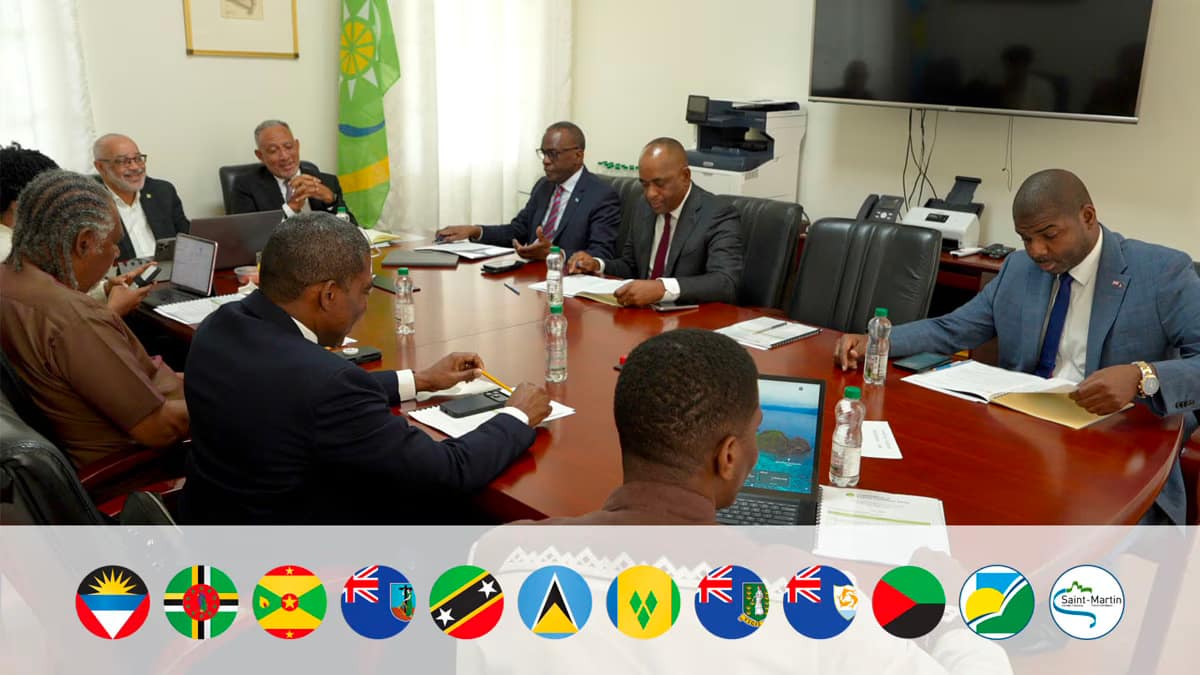
A significant milestone in Caribbean integration has been reached as the Caribbean Community (CARICOM) announces full free movement among four member states: Belize, Dominica, St. Vincent and the Grenadines, and Barbados. This landmark decision, rooted in the Enhanced Cooperation Chapter of the Revised Treaty of Chaguaramas, marks a transformative step toward regional unity and economic collaboration. The initiative, spearheaded by Prime Ministers Mia Mottley, John Briceño, Roosevelt Skerritt, and Ralph Gonsalves, builds upon the foundation laid by the 1989 Grand Anse Declaration, which envisioned a Single Market for the Caribbean. Citizens of these nations can now travel, work, and reside indefinitely across the participating jurisdictions without the need for work permits or additional visas. This development not only strengthens regional ties but also opens doors for enhanced cultural exchange, economic opportunities, and shared governance. Dr. Kai-Ann Skeete, Trade Policy Research Fellow at the Shridath Ramphal Centre, emphasizes the importance of this integration, urging young professionals to explore opportunities within the OECS territories, which have long embraced free movement. She also calls for strategic communication, technological innovation, and civil society engagement to address challenges such as transportation, standardization, and geopolitical tensions. As CARICOM moves forward, the region must harness youthful energy and collective wisdom to ensure equitable and sustainable development. The words of former Barbados Prime Minister Owen Arthur resonate deeply: ‘It is time to now give Caribbean unity a chance.’
-

COMMENTARY: My friend Grenadian revolutionary Lt. Col.Liam James, a personal memoir of the Grenada Revolution, Dominica & the Douglas brothers
The Grenada Revolution, a pivotal chapter in Caribbean history, remains a subject of deep reflection and analysis. At its heart was Lieutenant Colonel Liam James, a key figure whose life and actions offer profound lessons on leadership, revolution, and the rule of law. This narrative revisits the revolution through the lens of personal encounters, political dynamics, and the broader implications for Caribbean governance.
Liam James first emerged as a revolutionary leader during the 1979 Grenada Revolution, which sought to overthrow the authoritarian regime of Eric Gairy. His journey began in 1978 at the 11th World Festival of Youth and Students in Havana, Cuba, where he forged bonds with fellow Caribbean activists, including the author. Their discussions, fueled by revolutionary zeal, envisioned a socialist future for the region.
James played a central role in the revolution’s early days, accompanying Prime Minister Maurice Bishop on missions to assist Dominica after Hurricane David in 1979. However, the revolution soon faced internal fractures. Ideological purity and personal rivalries overshadowed the movement’s initial idealism, leading to the tragic massacre of Bishop and others in October 1983. The subsequent U.S. invasion marked the revolution’s collapse, with James and other leaders arrested and sentenced to death, later commuted to imprisonment.
The Grenada Revolution’s downfall was rooted in its disregard for democratic norms and civil liberties. The People’s Revolutionary Government (PRG) closed parliament, suspended elections, and detained critics without due process, eroding its legitimacy. This ‘heavy manners’ approach starkly contrasted with the constitutional and inclusive strategies advocated by leaders like Rosie and Michael Douglas in Dominica.
Rosie Douglas, a prominent Pan-Africanist, championed the Committee of National Salvation (CNS), which united diverse political factions to ensure a peaceful transition of power in Dominica. His brother, Michael, emphasized the importance of education, temperance, and respect for democratic institutions. Their leadership underscored the value of dialogue, compromise, and the rule of law in achieving lasting political change.
As the Caribbean reflects on this tumultuous period, the lessons are clear. Revolutions that abandon constitutional safeguards risk descending into tyranny. The Grenada Revolution’s failure serves as a cautionary tale, highlighting the need for leadership grounded in humility, education, and respect for individual rights. The Golden Rule—treating others as one wishes to be treated—remains a timeless principle for governance and justice.
This narrative, drawn from personal experiences and historical analysis, underscores the enduring relevance of these lessons as the Caribbean continues its journey toward democracy and social progress.