分类: politics

  • Jesma Paul-Victor says reappointment as opposition leader beyond political allegiance or personal interest

    Jesma Paul-Victor says reappointment as opposition leader beyond political allegiance or personal interest

    In an unprecedented political arrangement, Dominica’s House of Assembly has witnessed the reappointment of Jesma Paul-Victor as Leader of the Opposition through a carefully negotiated power-sharing agreement between the nation’s only two elected opposition members. The Salisbury constituency representative assumed her position on January 16, 2026, following formal communication from Marigot MP Anthony Charles to the President of Dominica endorsing her appointment.

    The unique political landscape emerged from the December 2022 snap general election, which resulted in only two non-government members securing parliamentary seats. Both Paul-Victor and Charles entered the legislature as independent candidates, creating a constitutional impasse regarding opposition leadership since neither could command majority support among non-government MPs. This dilemma prompted their innovative solution: an 18-month rotational leadership agreement.

    Paul-Victor emphasized that their decision transcended political allegiances or personal interests, stating, ‘After careful consideration of the present circumstances facing our country, we exercised our constitutional responsibility to support the appointment of the leader of the opposition.’ She highlighted that Dominica’s significant economic and social challenges necessitate fully functional democratic institutions, warning that ‘the absence of a formally appointed legal public opposition would weaken critical national processes.’

    The opposition leader articulated multiple constitutional benefits stemming from their arrangement: ensuring parliamentary operations comply with constitutional requirements, enabling statutory bodies that require consultation with the opposition leader to function properly, and facilitating effective operation of parliamentary committees that enhance legislative scrutiny and accountability.

    The leadership transition hit a procedural snag in June 2024 when Paul-Victor’s initial term concluded. Despite her resignation submission, constitutional provisions under section 66 of the Commonwealth of Dominica Constitution required both opposition MPs to submit a joint letter indicating their leadership choice, preventing Charles from assuming the role as originally planned.

    Charles, who recently joined the newly formed United Progressive Party (UPP), had previously expressed readiness to assume the leadership role while emphasizing adherence to their rotational agreement. The political dynamics continue to evolve as both members maintain their independent status while navigating Dominica’s constitutional requirements.

  • PM Mitchell wanted 18 as starting age for use of cannabis/marijuana

    PM Mitchell wanted 18 as starting age for use of cannabis/marijuana

    In a significant legislative shift, the Grenadian Parliament has passed groundbreaking amendments to the Drug Abuse (Prevention and Control) Act, fundamentally altering the nation’s approach to cannabis regulation. Prime Minister Dickon Mitchell revealed during parliamentary debates that while he personally advocated for decriminalization at age 18—the established age of civil responsibility—he ultimately deferred to neurological experts who convinced him that 21 was the more appropriate threshold due to ongoing brain development in young adults.

    The comprehensive legislation, presented by Leader of Government Business and Health Minister Phillip Telesford, establishes a multi-faceted framework for cannabis regulation. The amendments decriminalize possession and use of small quantities while permitting regulated cultivation and use for medicinal, therapeutic, scientific, and religious purposes for citizens aged 21 and above.

    Prime Minister Mitchell acknowledged the complex duality of cannabis policy, stating: “There is always the bright side and the dark side. We recognize both the social injustices historically perpetuated against the Rastafarian community and the serious medical risks and societal challenges that exist regardless of criminalization status.”

    The legislative package includes robust protective measures featuring youth safeguards, rehabilitative programs for young persons, and provisions for expunging criminal records for minor cannabis-related offenses through amendments to the Rehabilitation of Offenders Act. Minister Telesford emphasized that the government explicitly prioritizes health and safety over potential economic benefits, noting that recreational use remains prohibited under the new framework. The implementation will be accompanied by strict regulations, public education campaigns, and strengthened enforcement against driving while intoxicated.

  • Chairman of CARICOM and Prime Minister of the Federation of St. Kitts and Nevis Dr. The Hon. Terrance Drew pays official visit to SVG

    Chairman of CARICOM and Prime Minister of the Federation of St. Kitts and Nevis Dr. The Hon. Terrance Drew pays official visit to SVG

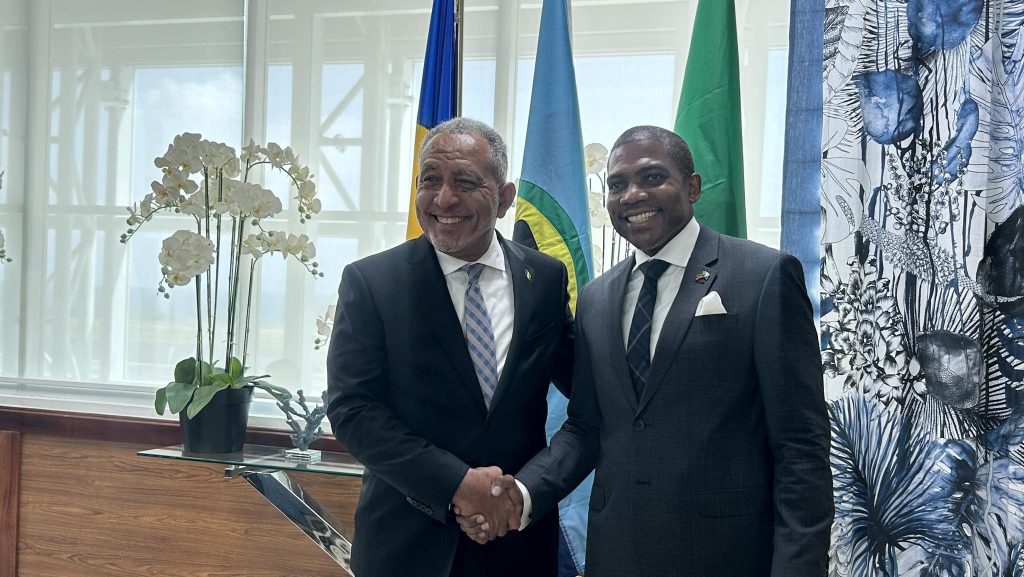
    In a significant diplomatic engagement highlighting Caribbean unity, Dr. Terrance Drew, Prime Minister of St. Kitts and Nevis and current Chairman of the Caribbean Community (CARICOM), commenced an official visit to Saint Vincent and the Grenadines on January 20, 2026. The high-level delegation was formally received at Argyle International Airport by Vincentian Prime Minister Dr. Godwin Friday alongside members of his cabinet.

    The bilateral meeting between the two leaders focused on pressing regional matters, shared strategic priorities, and enhanced cooperation frameworks within the CARICOM structure. This diplomatic exchange represents a concerted effort to address collective challenges and opportunities facing Caribbean nations.

    The visit serves to reinforce the robust and historically cordial relations between the Federation of St. Kitts and Nevis and Saint Vincent and the Grenadines. Both nations demonstrated renewed commitment to advancing regional integration initiatives and strengthening multilateral collaboration through the CARICOM mechanism.

    This high-profile engagement underscores the continuing importance of interpersonal diplomacy among Caribbean leaders in fostering regional solidarity. The meeting provided a platform for strategic dialogue on economic resilience, climate challenges, and coordinated policy approaches that benefit the broader Caribbean community.

  • Atherley rules himself out of February 11 election

    Atherley rules himself out of February 11 election

    In a significant political development, former opposition leader Bishop Joe Atherley has officially declared he will not stand as a candidate in Barbados’ upcoming general election, while simultaneously reaffirming his unwavering dedication to the nation’s political landscape. The announcement, made exclusively to Barbados TODAY on Monday, clarifies that while Atherley is stepping back from electoral contention, he remains deeply invested in serving Barbadian interests through alternative political channels.

    Atherley, who previously secured the St Michael West constituency for the Barbados Labour Party in 2018 before establishing the People’s Party for Democracy and Development (PdP) as the sole opposition voice, emphasized that his commitment transcends party affiliations. “My first suit is not a party label,” he stated metaphorically. “My first suit is the blue, yellow, gold—the Barbados colors representing the interests of its people.”

    The former parliamentarian articulated that his decision stems from a principled approach to public service, guided by his Christian values and ministerial profession. He expressed willingness to contribute to national interests wherever possible, provided such engagement aligns with his ethical framework.

    This development coincides with the formation of a new coalition—the People’s Coalition for Progress—comprising the United Progressive Party, New National Party, and Conservative Barbados Leadership Party. Notably, Atherley confirmed that neither he nor the PdP are participating in this alliance, distinguishing the current political realignment from the previous Allied Party for Progress coalition formed during the January 2022 elections.

    Atherley’s withdrawal marks a pivotal moment in Barbados’ opposition landscape, potentially reshaping electoral dynamics while underscoring his continued role as an independent political voice dedicated to national rather than partisan interests.

  • Zabaneh Meets Evangelical Church Leaders

    Zabaneh Meets Evangelical Church Leaders

    In a significant move to strengthen church-state collaboration, Belize’s Minister of Religious Affairs Dr. Louis Zabaneh convened with prominent evangelical church leaders this Monday. The high-level meeting served as a platform for candid discussions on pressing national issues, with particular emphasis on legislative developments and societal challenges impacting Belizean families.

    The dialogue encompassed a broad spectrum of critical topics including religious freedom protections, preservation of traditional family values, educational policies, and public health initiatives. Both governmental and religious representatives emphasized the necessity of maintaining open communication channels to effectively address community-level concerns while respecting constitutional guarantees of religious expression.

    According to official statements from the Ministry of Constitution and Religious Affairs, the administration remains committed to making decisions that serve the public interest while upholding fundamental religious freedoms. The meeting concluded with mutual recognition of the importance of sustained cooperation between governmental bodies and faith-based organizations.

    The Ministry further confirmed its intention to maintain ongoing engagement with various religious institutions across Belize, seeking to enhance collaborative efforts that support educational systems and community development programs nationwide. While specific policy measures discussed remain undisclosed, the meeting established a framework for future consultations on legislative matters affecting moral and social values in Belizean society.

  • Transport Ministry Plans Enforcement Expansion

    Transport Ministry Plans Enforcement Expansion

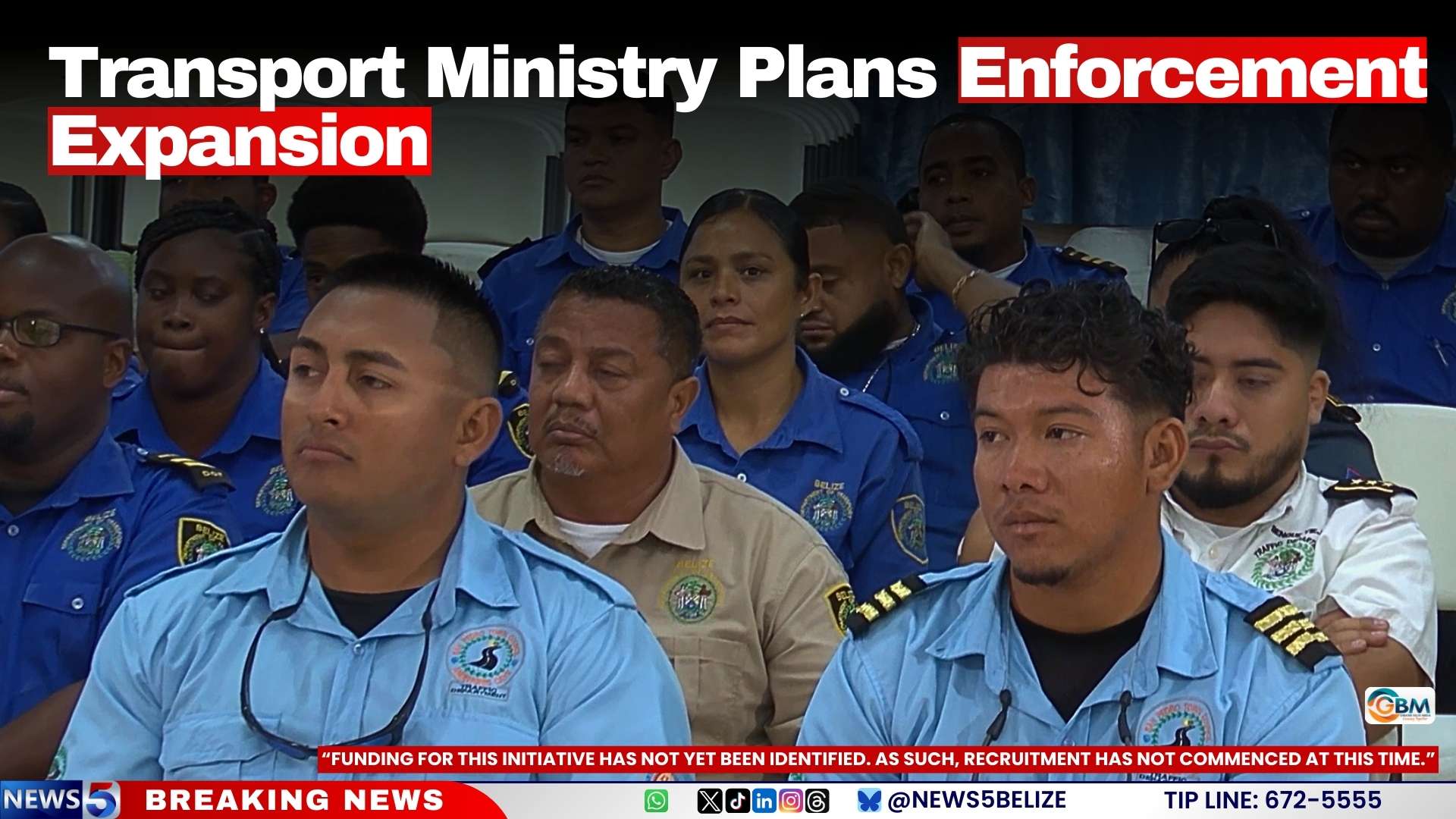
    The Cabinet has formally endorsed an ambitious proposal from the Ministry of Transport to significantly enhance its enforcement capabilities through strategic expansion of personnel and equipment resources. This initiative, designed to elevate road safety standards, reinforce regulatory adherence, and improve overall public service delivery, represents a critical step toward modernizing national transportation infrastructure.

    Despite receiving governmental approval, the ministry has clarified that financial backing for this expansion remains unsecured, preventing immediate commencement of recruitment activities. Officials are currently developing comprehensive implementation protocols, including detailed eligibility requirements, rigorous training standards, and specific qualification criteria for potential candidates.

    The ministry emphasized its commitment to ensuring all future hiring processes maintain transparency and adhere to merit-based selection principles consistent with national enforcement benchmarks. Public notification with complete application details and procedural timelines will be issued following the finalization of preparatory measures and successful acquisition of necessary funding.

    No projected timeline has been established for either funding identification or recruitment initiation, leaving the program’s activation contingent upon budgetary decisions.

  • President of Mexico receives Governor-General of Canada

    President of Mexico receives Governor-General of Canada

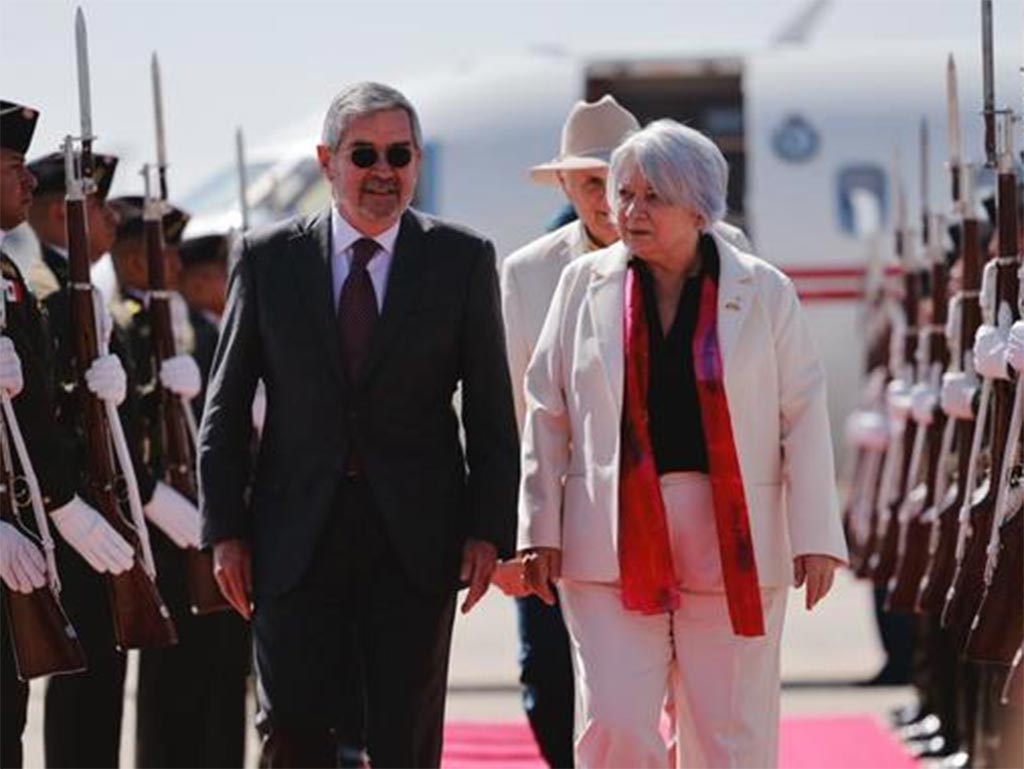
    Mary Simon, Canada’s inaugural Indigenous Governor General, arrived at Felipe Angeles International Airport in central Mexico yesterday alongside her husband, Whit Fraser. The distinguished visitor was formally received by Mexican Foreign Secretary Juan Ramon de la Fuente, marking a significant moment in bilateral relations between the two North American nations.

    According to an official statement released by Mexico’s Ministry of Foreign Affairs, the primary objective of this diplomatic mission is to reinforce the strategic partnership between Mexico and Canada. This visit builds upon the foundation established during Prime Minister Mark Carney’s official trip to Mexico City last September, with particular emphasis on enhancing dialogue regarding policies benefiting indigenous communities in both countries.

    Appointed in 2021, Governor General Simon has championed an ambitious agenda focused on social reconciliation—especially with indigenous populations—alongside mental health initiatives, welfare programs, diversity promotion, inclusion efforts, and environmental conservation. Her appointment represents a historic milestone in Canada’s political landscape.

    Canada operates as a constitutional monarchy with a parliamentary democracy framework, maintaining membership in the Commonwealth of Nations. Within this structure, King Charles III serves as the formal monarch, while Governor General Simon acts as his official representative both domestically and in international affairs.

    The Mexican Ministry detailed the extensive responsibilities of Canada’s Governor General, which include advising the Prime Minister and cabinet members, overseeing the installation and dissolution of Parliament, and serving as commander-in-chief of the Canadian Armed Forces throughout North America.

    The previous September meeting between Prime Minister Carney and Mexican leadership resulted in the elevation of bilateral cooperation to a comprehensive strategic partnership, establishing a new framework for enhanced collaboration across multiple sectors between the two nations.

  • Speaker refuses to meet Azruddin Mohamed; WIN Leader warns of street protest

    Speaker refuses to meet Azruddin Mohamed; WIN Leader warns of street protest

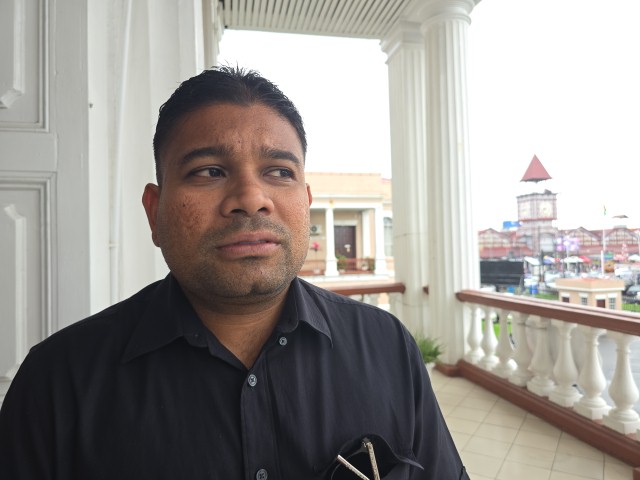
    A political confrontation escalated in Guyana on Tuesday as National Assembly Speaker Manzoor Nadir refused to meet with Azruddin Mohamed, leader of the main opposition We Invest in Nationhood (WIN) party, sparking threats of mass street protests. Mohamed had arrived at the Parliament Building in Brickdam seeking clarity on when opposition parliamentarians would convene to formally elect him as Opposition Leader—a position that remains vacant despite his party securing 16 of the 65 parliamentary seats in last year’s general elections. The meeting refusal occurred just days before the scheduled January 26 presentation of the 2026 National Budget. Mohamed initially intended to meet with Clerk of the National Assembly Sherlock Isaacs but encountered Speaker Nadir, who retreated to his office and declined engagement despite Mohamed’s attempts to knock on his door. Parliamentary staff subsequently informed Mohamed and his delegation that the Speaker would not receive them. The WIN leader warned that his party would not tolerate the situation lightly, stating that peaceful protests would be organized if necessary. He referenced international pressure from the United States, Britain, Canada, and the European Union, all of which have emphasized the critical importance of appointing an Opposition Leader for functional democracy. Mohamed highlighted several practical implications of the vacancy, including the inability to restructure the seven-member Guyana Elections Commission (GECOM) during ongoing claims and objections processes, and the lack of a physical office for public grievances. While President Irfaan Ali has stated that the election of an Opposition Leader is a matter for opposition lawmakers, Attorney General Anil Nandlall has previously expressed that Mohamed’s potential appointment would be a ‘stain’ on Guyana. This political standoff occurs against the backdrop of legal challenges facing Mohamed and his father, Nazar ‘Shell’ Mohamed, who are contesting extradition to the United States to face charges of wire fraud, mail fraud, and money laundering. Their committal hearing continues on February 5, 2026.

  • Penny: Soon, population will say ‘enough is enough’

    Penny: Soon, population will say ‘enough is enough’

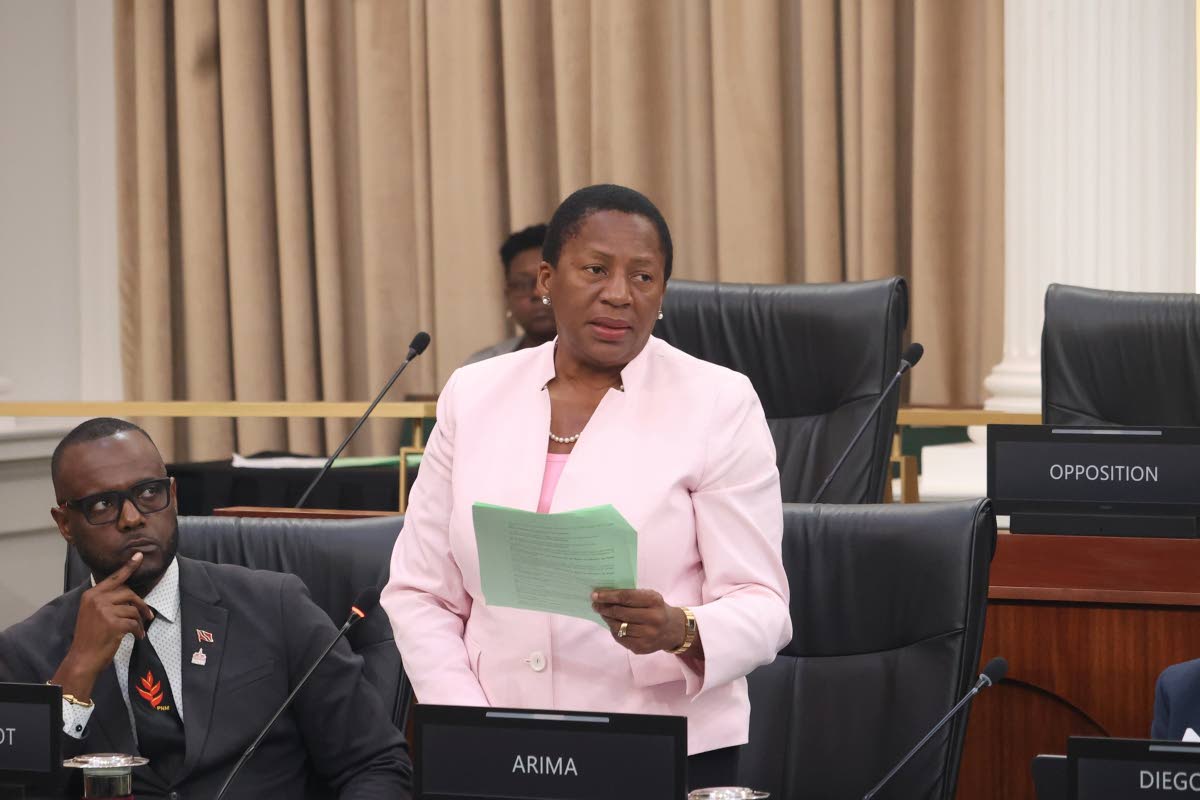
    In a forceful parliamentary address on January 16, Opposition Leader Pennelope Beckles issued a stark warning to Trinidad and Tobago’s ruling United National Congress (UNC) government, asserting that citizens are approaching a breaking point over unfulfilled election commitments. The Arima Member of Parliament delivered her critique alongside Opposition Chief Whip Marvin Gonzales during a press conference that highlighted growing discontent with the administration.

    Beckles directed pointed remarks toward Prime Minister Kamla Persad-Bissessar, challenging the government’s assumption that its 26-seat majority in the House of Representatives grants unlimited authority. “Don’t feel because you have 26 seats that you can do to the people as you feel!” she declared, emphasizing that electoral strength does not equate to unchecked power.

    The opposition leader accused the UNC of systematically misleading voters during the April 28 general election through empty promises that remain undelivered. She specifically cited assurances about job security for CEPEP and URP workers that allegedly vanished post-election, characterizing the government as fundamentally unconcerned with citizen welfare.

    Economic indicators reveal troubling trends, according to Beckles. She referenced reports from major fast-food chains like KFC noting decreased consumer spending, alongside numerous business closures contradicting government claims of presenting “the best budget ever.” Notable casualties include MovieTowne Tobago, Nutrien, Proman, D Bocas, Woodside, and RIK on Queen Street, Port of Spain, plus numerous small bars forced to shut down after liquor license fees skyrocketed from $1,500 to $9,000—a move Beckles described as “absolute wickedness.”

    The opposition leader questioned the government’s highly publicized national recruitment drive, demanding transparency about actual employment numbers generated. She further highlighted a 70% increase in natural gas prices and general inflation as evidence of deteriorating economic conditions.

    Beckles condemned the government’s tendency to blame the previous People’s National Movement (PNM) administration when facing difficulties, noting that even salary and pension delays are attributed to the opposition. She concluded by promising that a future PNM government would immediately review what she termed “foolish measures” implemented by the current administration.

  • Judge rules PM’s ‘administrative silence’ breached permanent secretary’s rights

    Judge rules PM’s ‘administrative silence’ breached permanent secretary’s rights

    In a landmark constitutional judgment, High Court Justice Westmin James has delivered a scathing rebuke of a sitting Prime Minister’s administrative conduct, ruling that prolonged silence on appointment recommendations constituted an unconstitutional violation of a senior public officer’s rights.

    The court upheld the constitutional claim brought by retired public service director John Edwards against the Attorney General, finding that the Prime Minister’s repeated failure to respond to Public Service Commission (PSC) consultations effectively created an illegal “de facto veto” that blocked Edwards’ career advancement unjustly.

    Evidence presented to the court revealed that between 2010 and 2013, Edwards received multiple recommendations from the PSC to act as Deputy Permanent Secretary. However, the Prime Minister failed to respond to three separate consultation requests in 2012 while approving other officers’ appointments within normal timeframes. This selective administrative silence continued until August 2013, when approval finally came—coinciding exactly with Edwards’ commencement of pre-retirement leave, rendering the authorization practically useless.

    Justice James determined that this conduct violated Sections 4(b) and 4(d) of the Constitution, pertaining to protection of the law and equality of treatment by public authorities. The ruling emphasized that while Section 121 grants the Prime Minister appointment veto power, this authority must be exercised rationally, independently, and without unreasonable delay.

    The court awarded Edwards $250,000 in damages—$100,000 as compensatory damages for distress and inconvenience, and $150,000 as vindicatory damages to underscore the seriousness of the constitutional breaches and deter future similar conduct by public authorities.

    Significantly, the judge rejected the State’s arguments regarding delay in filing the claim, accepting Edwards’ explanation that he only discovered the true reason for his non-appointment through Freedom of Information Act disclosures in 2022. The court recognized the case’s broader implications for constitutional governance and accountability, noting that permitting such administrative silence would enable executives to circumvent legal requirements and undermine independent constitutional bodies like the PSC.

    The judgment establishes crucial precedent regarding ministerial accountability and the limits of executive power, asserting that administrative silence cannot serve as an indirect veto mechanism without transparency or justification.