分类: politics

  • Europese leiders roepen op tot eenheid in Davos na Trumps dreiging met tarieven

    Europese leiders roepen op tot eenheid in Davos na Trumps dreiging met tarieven

    European leaders demonstrated remarkable solidarity at the World Economic Forum in Davos, Switzerland, as they coordinated a firm response to former U.S. President Donald Trump’s controversial pursuit of acquiring Greenland. The gathering revealed a continent determined to present a unified stance against what they perceive as provocative American actions.

    French President Emmanuel Macron articulated Europe’s position with notable clarity, asserting that the European Union must not yield to ‘the law of the strongest.’ He characterized as ‘crazy’ the mere consideration of deploying the EU’s anti-coercion instrument against the United States. ‘We seek greater growth and stability, but we prefer respect over intimidation,’ Macron declared during the forum’s proceedings.

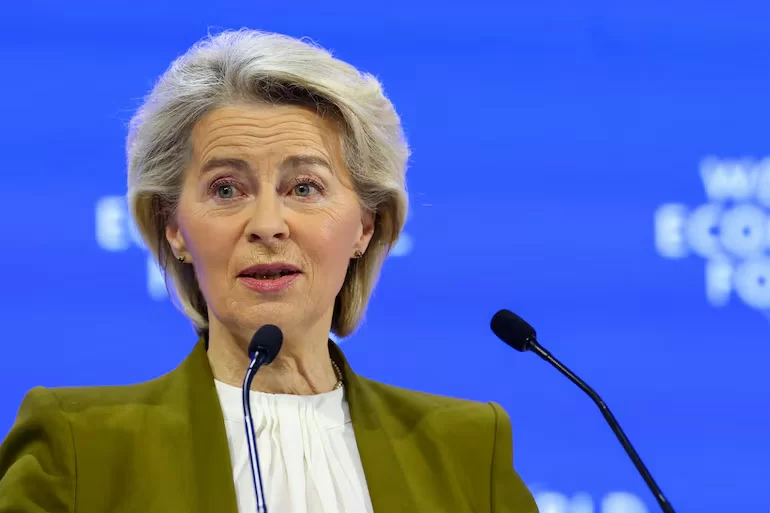
    European Commission President Ursula von der Leyen emphasized the imperative for Europe to adapt to rapid global transformations, advocating for the construction of a ‘new, independent Europe’ capable of navigating contemporary geopolitical challenges. Her address highlighted the strategic repositioning of European foreign policy in response to shifting international dynamics.

    Belgian Prime Minister Bart De Wever framed the situation as a critical juncture for the European project, issuing a stark warning: ‘We must tell Donald Trump: you are crossing red lines here. We stand strong together, or we stand divided.’ This sentiment was echoed by Swedish Deputy Prime Minister Ebba Busch, who cautioned that appeasing Trump’s ego would prove ineffective, urging maintenance of sharp trade measures including potential retaliatory actions.

    The diplomatic tensions escalated following Trump’s Saturday announcement of tariffs targeting European nations opposing his Greenland acquisition plans. This move triggered substantial protests across Denmark, with thousands expressing their disapproval through public demonstrations.

    United Nations Secretary-General António Guterres joined other global leaders in advocating for maximum restraint to prevent further escalation and potential loss of life. Meanwhile, Ukrainian President Volodymyr Zelenskyy expressed conditional willingness to participate in security guarantee discussions and reconstruction plans, provided the United States offers concrete commitments. He simultaneously called for increased pressure on Russia following recent severe attacks on Ukrainian territory.

    The Davos meeting effectively mirrored the complex tensions and challenges characterizing contemporary international politics, with European nations and their partners seeking equilibrium between cooperation and defending their interests against unpredictable American policy decisions.
  • Scheidende VS ambassadeur Faucher: ‘Dit is geen afscheid’

    Scheidende VS ambassadeur Faucher: ‘Dit is geen afscheid’

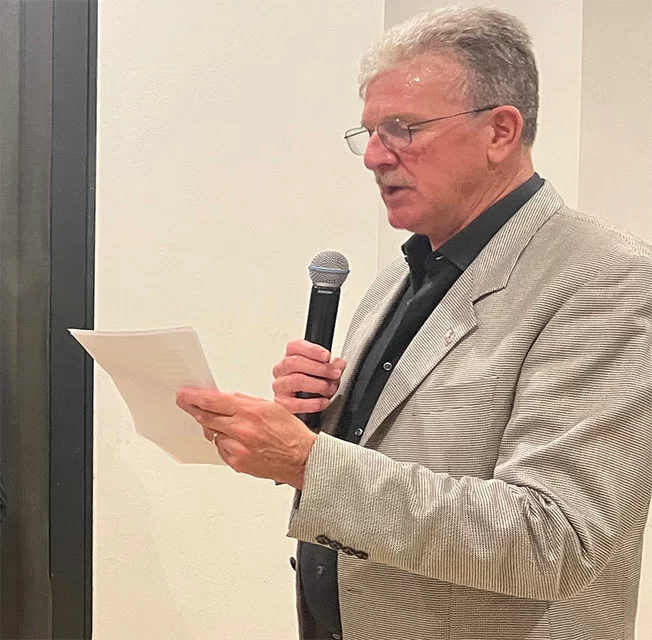
    After completing his diplomatic assignment in Suriname, U.S. Ambassador Robert Faucher emphasized that his departure marks not an ending but the beginning of a new chapter in his four-decade relationship with the nation. During his farewell reception, the ambassador reflected on his transformative tenure while affirming his permanent personal connection to the country.

    Ambassador Faucher characterized his recent three-year term as one of the most significant phases of his diplomatic career, highlighting a period of remarkable recovery and advancement following the challenges of the global pandemic. Under his leadership, bilateral cooperation between Suriname and the United States intensified substantially across multiple sectors including energy development, educational exchange, and commercial engagement. This enhanced partnership manifested through historic business delegations and strengthened academic networks between the two nations.

    The ambassador’s personal journey with Suriname began in 1986, with subsequent visits in 2002 leading to his ambassadorial appointment. Throughout his service, he witnessed the country’s evolution into a confident nation with global perspectives. His extensive travels across all districts—from urban Paramaribo to the remote Sipaliwini region, including visits to Kwamalasamutu and the culturally significant Werehpai area—deepened his appreciation for Suriname’s natural wonders, cultural diversity, and national resilience.

    A cornerstone of Faucher’s diplomatic mission involved highlighting the shared historical narrative between the United States and Suriname. Notable achievements included the installation of the first American Battle Monuments Commission memorial in South America, commemorations of NASA rocket launches in Coronie, and the publication of “Common Past, Shared Future” documenting fifty historical connections between the nations. Most recently, a monument in Commewijne honored 35 American military personnel and diplomats who perished in the 1943 Matapica aircraft tragedy.

    The ambassador described the current bilateral relationship as the strongest in history—characterized by practical cooperation, mutual respect, and future-oriented vision grounded in shared sovereignty and developmental values. Concluding with an optimistic outlook, Faucher expressed confidence that “the best chapters in U.S.-Suriname relations remain ahead of us,” promising to return not as a diplomat but as a permanent friend of the nation.

  • Politic : The problem of financing local authorities and local development

    Politic : The problem of financing local authorities and local development

    PORT-AU-PRINCE, HAITI — A pivotal two-day workshop addressing Haiti’s systemic challenges in financing local authorities commenced this week at the Montana Hotel, spearheaded by Interior Minister Paul Antoine Bien-Aimé. The collaborative initiative between the Ministry of the Interior and Territorial Communities (MICT) and the National Federation of Haitian Mayors (FENAMH) convened national and international stakeholders to tackle one of Haiti’s most pressing governance issues.

    The high-level gathering witnessed participation from Minister of National Education, UNDP Resident Representative Xavier Michon, directors of multiple governmental agencies, and representatives from municipal associations across Haiti. This diverse attendance underscored the national significance of resolving funding disparities that hinder local development.

    Central to the discussions was the critical financial paralysis facing municipal governments, which lack both administrative autonomy and sufficient resources to provide essential public services. The workshop served as both diagnostic assessment and advocacy platform, aiming to establish effective mechanisms for equitable fund distribution that would enable meaningful decentralization.

    Minister Bien-Aimé delivered a forceful address demanding the repatriation of the Local Government Management Fund (FONDCT) to municipal control. Revealing that 90% of municipalities and all communal sections depend on these allocations, the Minister condemned the current concentration of public resources as fundamentally unjust and unsustainable. His declaration that ‘It’s time for the Ministry of the Interior and local authorities to manage the funds of local authorities again!’ signaled a potential paradigm shift in Haiti’s governance structure.

    FENAMH President Mayor Anténor Denoil echoed these sentiments, framing effective decentralization as essential for local development and constitutional compliance. The Minister of National Education further contextualized the crisis, explaining how chronic underfunding perpetuates regional disparities and deepens social inequalities.

    UNDP Representative Xavier Michon endorsed the initiative as a crucial step toward establishing practical financing mechanisms. The MICT reinforced that local financing represents the cornerstone for proportionate decentralization and sustainable community development throughout Haiti.

  • House Speaker Nadir to call meeting next Monday to elect Opposition Leader

    House Speaker Nadir to call meeting next Monday to elect Opposition Leader

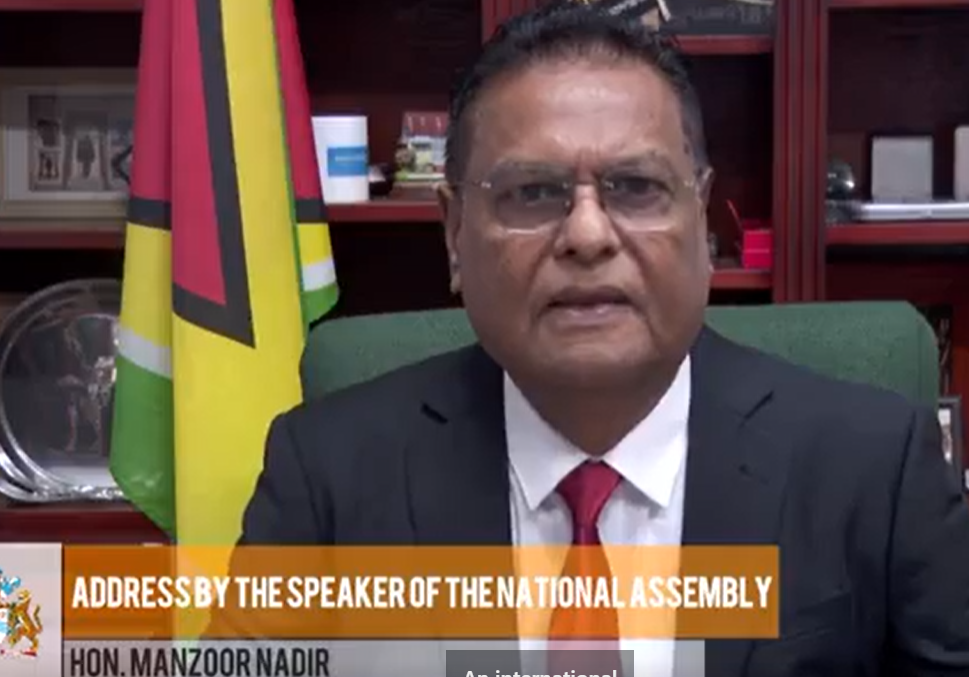
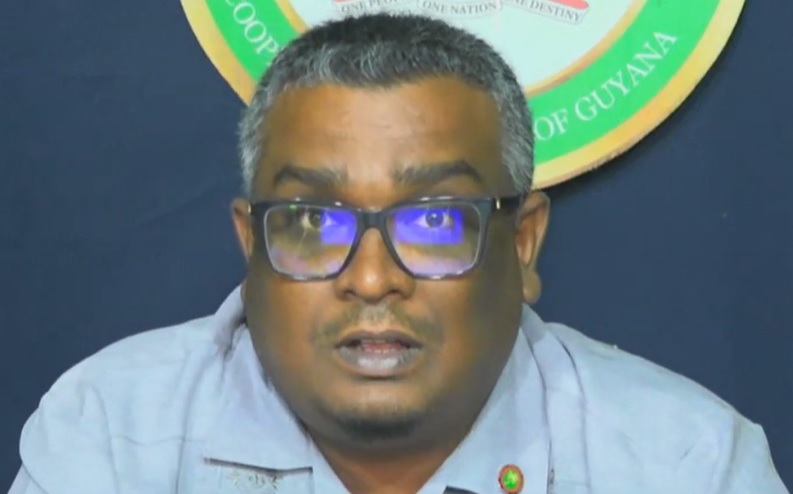
    Guyana’s political landscape faces an unprecedented constitutional dilemma as National Assembly Speaker Manzoor Nadir reluctantly announced plans to convene a special parliamentary session next Monday. The meeting, scheduled for 10 AM, will determine the election of the country’s Opposition Leader—a position expected to be filled by Azruddin Mohamed, an international fugitive wanted by United States authorities for serious financial crimes.

    Speaker Nadir, in a solemn address delivered Tuesday evening, expressed profound discomfort with the constitutional obligation forcing him to oversee an election that would potentially install a wanted criminal as Guyana’s official opposition leader. “I have found myself in this difficult position to hold the election of the Leader of the Opposition when I know that the presumptive Leader of the Opposition to be elected is an international fugitive,” Nadir stated, emphasizing the grave implications for the nation’s democratic integrity.

    The political predicament stems from last year’s electoral results where Mohamed’s We Invest in Nationhood (WIN) party secured 16 parliamentary seats, making them the largest opposition bloc ahead of A Partnership for National Unity (APNU) with 12 seats and Forward Guyana Movement with a single seat. Despite Mohamed’s fugitive status, constitutional provisions appear to mandate his election as opposition leader due to his party’s numerical advantage.

    Nadir, a veteran Guyanese statesman, issued a stern warning to opposition parliamentarians, stating that those voting for Mohamed would bear full responsibility for tarnishing the dignity of Guyana’s legislative body. “If opposition members of Parliament feel it morally right to elect an international fugitive, then the stain on our parliament and our country rests solely with them,” he declared, highlighting the moral contradiction between legal requirements and ethical governance.

    The Speaker additionally criticized both the diplomatic community and segments of the media for amplifying calls to proceed with Mohamed’s election, suggesting that external pressure had complicated an already delicate constitutional process. Nadir repeatedly referred to Mohamed as an “international fugitive” throughout his address, underscoring the gravity of the situation facing Guyana’s democratic institutions.

  • CARICOM chair Drew meets PM Browne, FM Greene in Antigua

    CARICOM chair Drew meets PM Browne, FM Greene in Antigua

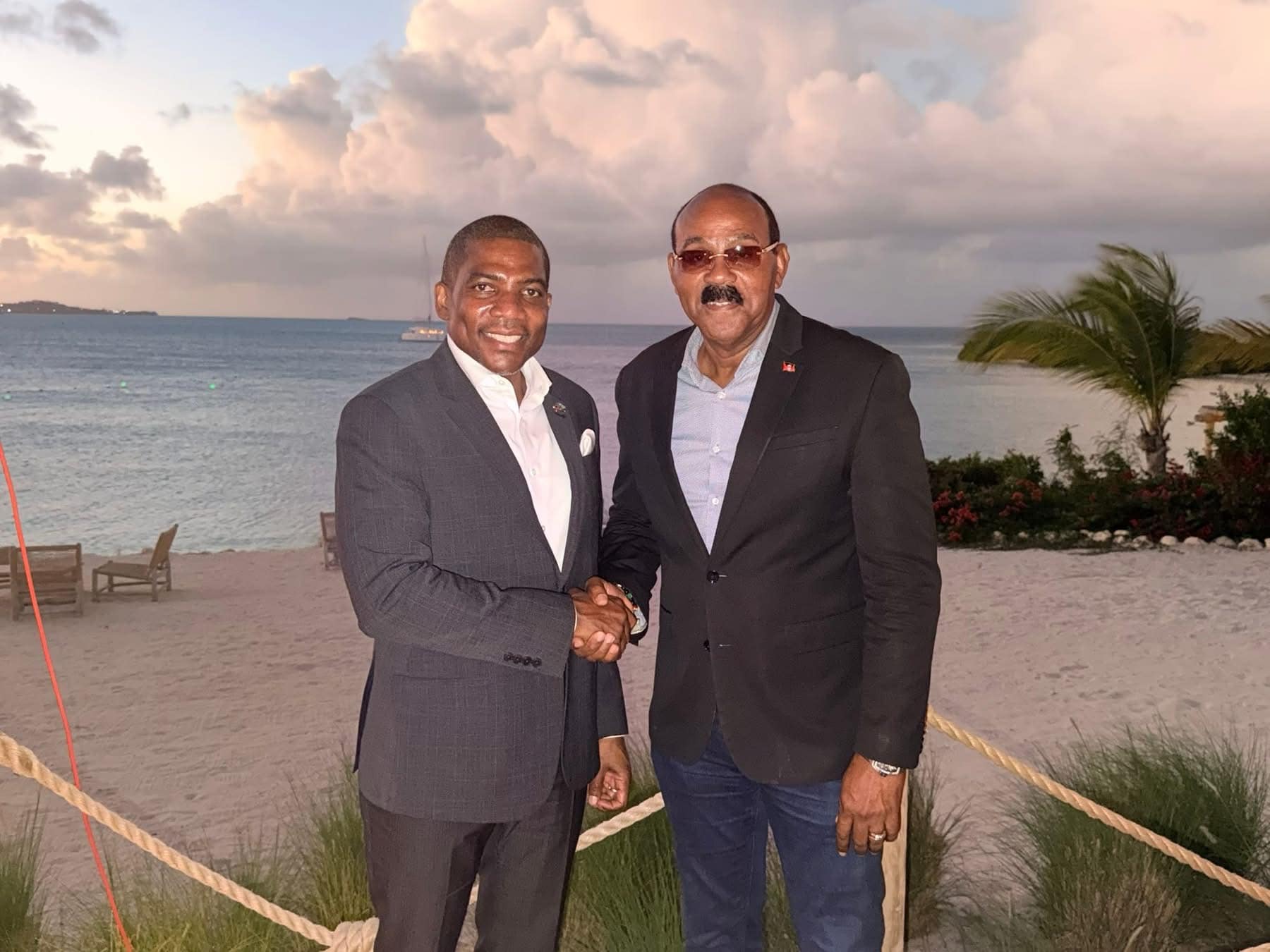
    In a significant demonstration of regional solidarity, CARICOM Chairman Dr. Terrence Drew convened high-level consultations with Antigua and Barbuda’s leadership on January 20th. The strategic dialogue brought together Prime Minister Gaston Browne and Foreign Affairs Minister E.P. Chet Greene for comprehensive discussions on pressing regional matters.

    The high-stakes meeting, held as part of ongoing diplomatic engagements among Caribbean Community leaders, focused on identifying critical areas requiring coordinated regional responses. Dr. Drew, who concurrently serves as Prime Minister of St. Kitts and Nevis, emphasized the imperative of unified approaches to address challenges affecting Caribbean nations.

    Central to the discussions was the reinforcement of collaborative mechanisms designed to advance the collective interests of Caribbean citizens. The leadership exchanged perspectives on developing strategic frameworks for enhanced cooperation across multiple sectors, including economic development, climate resilience, and regional security.

    Both parties reaffirmed their commitment to maintaining open channels of communication and strengthening institutional capabilities within CARICOM’s governance structure. The dialogue produced consensus on several key initiatives aimed at bolstering regional integration and maximizing the collective bargaining power of Caribbean states in international forums.

    The meeting represents a continuation of CARICOM’s proactive approach to regional governance, demonstrating the organization’s evolving role in addressing complex transnational issues through diplomatic coordination and shared policy development.

  • EU Considers Tariff Retaliation After Trump’s Greenland Threat

    EU Considers Tariff Retaliation After Trump’s Greenland Threat

    Transatlantic tensions have escalated dramatically following President Donald Trump’s provocative assertion of U.S. territorial claims over Greenland, prompting the European Union to consider imposing retaliatory tariffs on American goods worth approximately $108 billion. The Arctic island, which remains an autonomous territory within the Kingdom of Denmark, has become the unlikely focal point of a diplomatic crisis that threatens both trade relations and NATO unity.

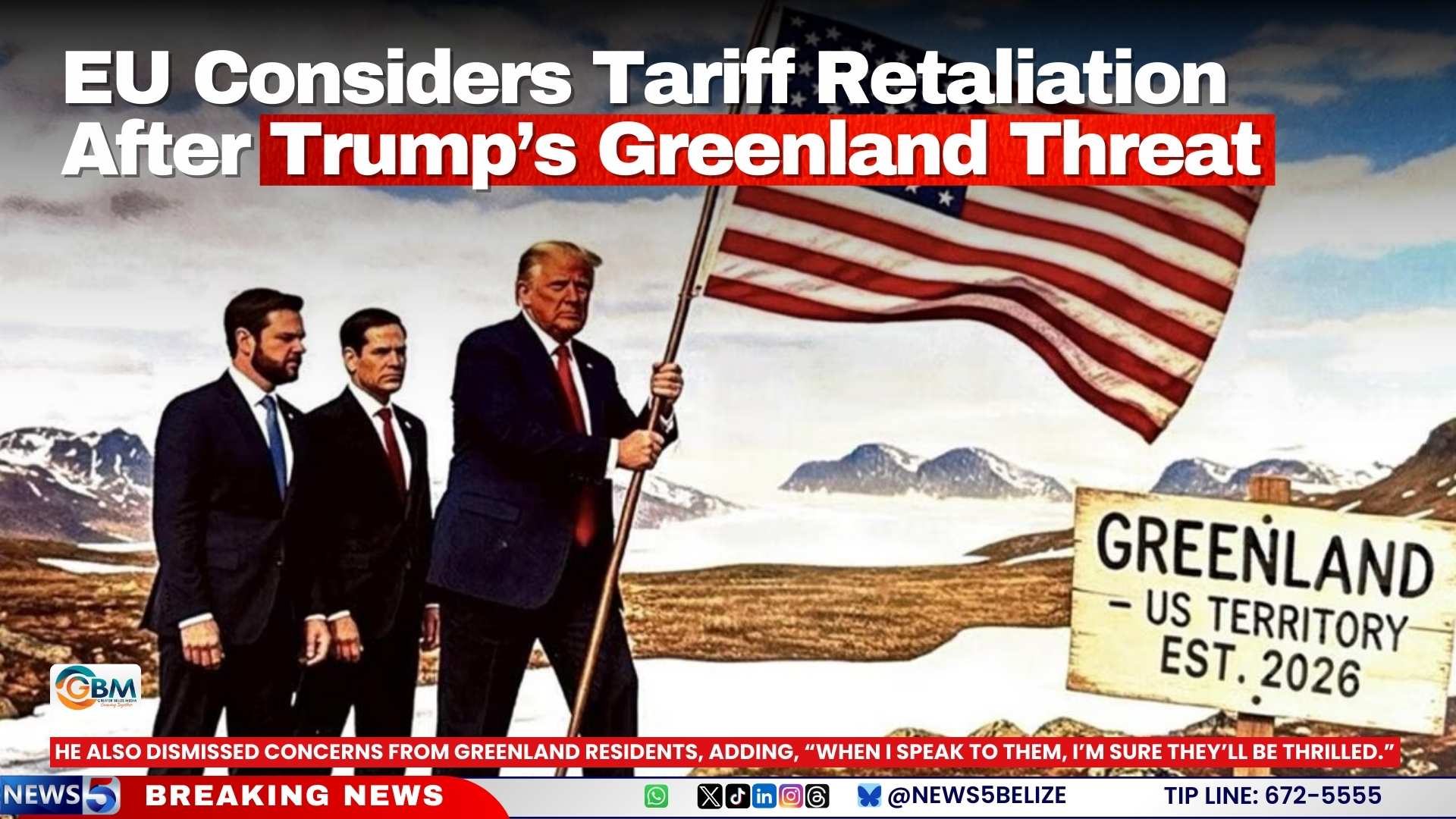
    The confrontation intensified in the early hours of January 20, 2026, when President Trump disseminated a series of messages on his Truth Social platform featuring an AI-generated image depicting himself planting an American flag on Greenlandic terrain. The digitally altered photograph showed Vice President JD Vance and Secretary of State Marco Rubio standing beside a sign proclaiming ‘US TERRITORY. EST 2026’—a visual declaration that immediately drew condemnation from European leaders.

    This geopolitical gambit coincides with President Trump’s scheduled attendance at the World Economic Forum in Davos, Switzerland, where he was expected to engage with global business and political leaders beginning January 21. Instead, the administration’s Arctic ambitions have dominated pre-forum discussions, with EU officials urgently deliberating countermeasures against what they perceive as an unprecedented territorial challenge.

    President Trump has repeatedly asserted his determination to acquire Greenland for the United States, suggesting during recent exchanges that military force remains a conceivable option. In a revealing aside during discussions with Norway’s prime minister, the president reportedly linked his persistent pursuit of the territory to his disappointment at not receiving the Nobel Peace Prize.

    When questioned about potential consequences for NATO cohesion, Trump responded with characteristic optimism: ‘I think we will work something out where NATO will be very happy.’ He similarly dismissed concerns from Greenland’s residents, adding, ‘When I speak to them, I’m sure they’ll be thrilled.’

    The proposed EU tariffs would directly respond to Trump’s threat to impose 10% tariffs on goods from eight NATO allies who have opposed his Greenland agenda. This escalating trade dispute now threatens to undermine decades of economic cooperation between the United States and its European partners, creating unforeseen challenges for global markets already navigating post-pandemic recovery.

  • Diaspora  wil uitvoering wettelijke verplichtingen na 50 jaar onafhankelijkheid

    Diaspora wil uitvoering wettelijke verplichtingen na 50 jaar onafhankelijkheid

    An internationally composed coalition of Surinamese diaspora representatives has issued a formal demand for the Surinamese government to finally implement constitutional obligations outlined in the 1975 Transfer Agreement. In an open letter addressed to President Jennifer Simons, the group asserts that the continued absence of a comprehensive national diaspora policy has become indefensible.

    The letter specifically references Article 5, Section 2 of the Transfer Agreement, which legally obligates the Surinamese state to provide equal treatment, access, and residency rights to persons of Surinamese descent regardless of their country of residence or nationality. Despite marking fifty years of independence, this constitutional commitment remains unfulfilled through coherent policy implementation, representing what the diaspora terms a persistent failure to execute state legal agreements.

    While acknowledging the existing PSA policy as a useful preliminary measure, the diaspora characterizes it as fundamentally insufficient due to its lack of an integrated, interministerial, and structural framework. The current approach suffers from institutional fragmentation, inadequate coordination, and insufficient legal certainty for diaspora members, primarily due to the absence of a designated policy authority.

    The coalition advocates for the immediate establishment of a Directorate for Diaspora Policy under the Ministry of Foreign Affairs, International Business, and International Cooperation. This proposed directorate would be led by an appointed director with explicit mandate to develop cohesive policies addressing access rights, nationality provisions, settlement procedures, labor regulations, and developmental engagement opportunities.

    Emphasizing that they are requesting compliance rather than special favors, the diaspora warns that further delay in implementing these obligations would constitute legal, administrative, and social irresponsibility. The group has made the full text of their open letter publicly available for download.

  • APNU, WIN quarelling about failure to hold collaboration talks

    APNU, WIN quarelling about failure to hold collaboration talks

    A significant political dispute has emerged between Guyana’s two main opposition parties, the Partnership for National Unity (APNU) and We Invest in Nationhood (WIN), regarding their inability to initiate collaborative discussions over the past two months.

    APNU Parliamentarian Ganesh Mahipaul publicly criticized WIN leadership for failing to confirm scheduling details for meetings initially proposed in November 2023. According to Mahipaul, both parties had progressed to selecting five-member delegations and establishing a preliminary agenda before negotiations stalled. He revealed that one planned meeting was canceled due to APNU parliamentary leader Dr. Terrence Campbell’s out-of-town commitments.

    Mahipaul, who also serves as an executive member of the People’s National Congress Reform (PNCR)—APNU’s largest coalition partner—asserted that subsequent attempts to reengage WIN leadership proved unsuccessful. The proposed agenda included critical parliamentary matters such as committee compositions, Public Accounts Committee chairmanship, shadow minister appointments, and sectoral committee leadership.

    The parliamentarian expressed frustration with WIN’s perceived lack of genuine interest in forming a unified opposition front against the ruling People’s Progressive Party Civic (PPPC). He specifically questioned WIN Leader Azruddin Mohamed’s motivations, suggesting his current focus centered on personal legal matters rather than parliamentary cooperation.

    In response, WIN Leader Azruddin Mohamed expressed strong disapproval of Mahipaul’s characterization, countering that his party had made substantial efforts to initiate talks. Mohamed accused Mahipaul of improperly demanding chairmanship of the influential Public Accounts Committee and referenced his family’s historical financial support for APNU and Mahipaul personally.

    Mahipaul acknowledged past financial assistance from Mohamed during a family health emergency but dismissed the relevance to current political discussions. Regarding the PAC chairmanship, Mahipaul clarified he had made a proposal—not a demand—based on APNU’s parliamentary experience, while offering support for WIN’s leadership of other committees.

    The conflict reflects deeper tensions between the parties, with APNU controlling 12 parliamentary seats compared to WIN’s 16 seats, and the Forward Guyana Movement holding one seat. This political friction dates back to the 2025 election campaign when APNU accused WIN of voter poaching through financial inducements in traditional APNU strongholds.

  • Shyne Vows to Serve Belize Despite Party Tensions

    Shyne Vows to Serve Belize Despite Party Tensions

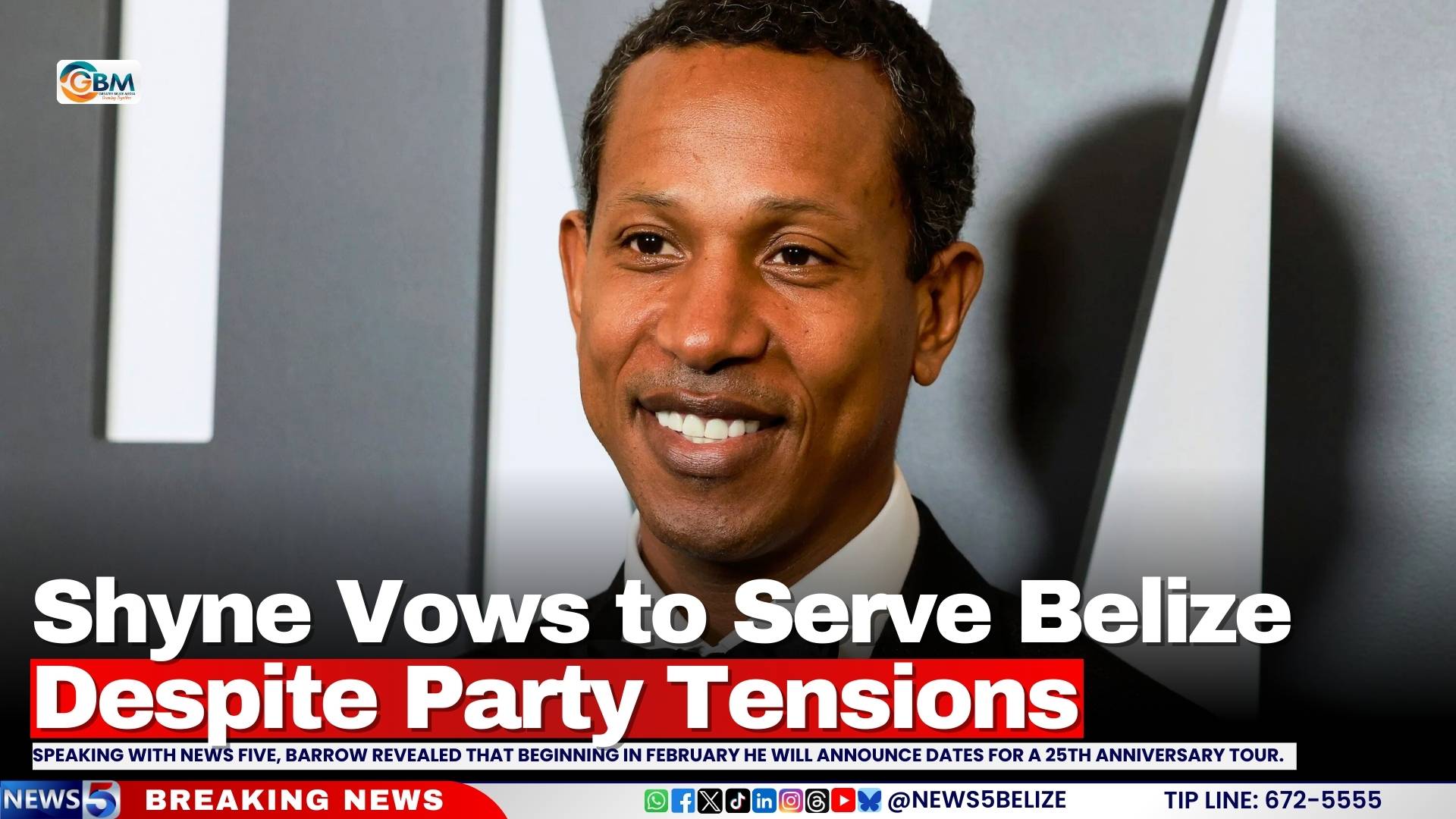
    Former United Democratic Party (UDP) leader Moses “Shyne” Barrow has reaffirmed his dedication to serving Belize while navigating ongoing political tensions within his former party. In an exclusive interview with News Five, Barrow outlined ambitious creative projects alongside his unwavering commitment to national service.

    The multifaceted politician and artist revealed plans for a significant 25th anniversary tour commencing in February, alongside numerous creative ventures including new album releases, film productions, a biographical television series, a motion picture project, and a personal memoir. Barrow confirmed active collaborations with prominent music producers Dr. Dre, Swizz Beatz, and Rvssian, primarily based in the United States.

    Despite his international creative engagements, Barrow emphasized his primary commitment remains with Belize and his parental responsibilities. “I’m not prepared to transplant my daughter to the United States at this point,” Barrow stated, highlighting his bi-monthly visits to maintain both familial and national connections. “Belize is always first,” he affirmed.

    When questioned about potential conflicts between his artistic pursuits and political standing, Barrow asserted his intention to contribute to Belize’s national discourse regardless of his formal position within UDP leadership structures. “Whether or not the leadership of the UDP welcomes my contribution, I will be contributing as a patriot, as a nationalist, as a proud, committed Belizean servant,” Barrow declared, underscoring his determination to serve beyond partisan politics.

  • Jesma Paul-Victor says reappointment as opposition leader beyond political allegiance or personal interest

    Jesma Paul-Victor says reappointment as opposition leader beyond political allegiance or personal interest

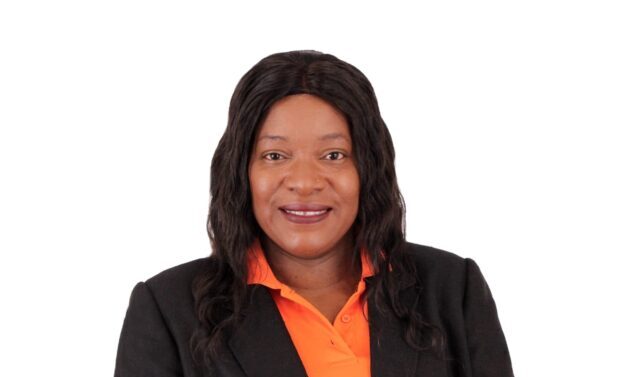
    In an unprecedented political arrangement, Dominica’s House of Assembly has witnessed the reappointment of Jesma Paul-Victor as Leader of the Opposition through a carefully negotiated power-sharing agreement between the nation’s only two elected opposition members. The Salisbury constituency representative assumed her position on January 16, 2026, following formal communication from Marigot MP Anthony Charles to the President of Dominica endorsing her appointment.

    The unique political landscape emerged from the December 2022 snap general election, which resulted in only two non-government members securing parliamentary seats. Both Paul-Victor and Charles entered the legislature as independent candidates, creating a constitutional impasse regarding opposition leadership since neither could command majority support among non-government MPs. This dilemma prompted their innovative solution: an 18-month rotational leadership agreement.

    Paul-Victor emphasized that their decision transcended political allegiances or personal interests, stating, ‘After careful consideration of the present circumstances facing our country, we exercised our constitutional responsibility to support the appointment of the leader of the opposition.’ She highlighted that Dominica’s significant economic and social challenges necessitate fully functional democratic institutions, warning that ‘the absence of a formally appointed legal public opposition would weaken critical national processes.’

    The opposition leader articulated multiple constitutional benefits stemming from their arrangement: ensuring parliamentary operations comply with constitutional requirements, enabling statutory bodies that require consultation with the opposition leader to function properly, and facilitating effective operation of parliamentary committees that enhance legislative scrutiny and accountability.

    The leadership transition hit a procedural snag in June 2024 when Paul-Victor’s initial term concluded. Despite her resignation submission, constitutional provisions under section 66 of the Commonwealth of Dominica Constitution required both opposition MPs to submit a joint letter indicating their leadership choice, preventing Charles from assuming the role as originally planned.

    Charles, who recently joined the newly formed United Progressive Party (UPP), had previously expressed readiness to assume the leadership role while emphasizing adherence to their rotational agreement. The political dynamics continue to evolve as both members maintain their independent status while navigating Dominica’s constitutional requirements.