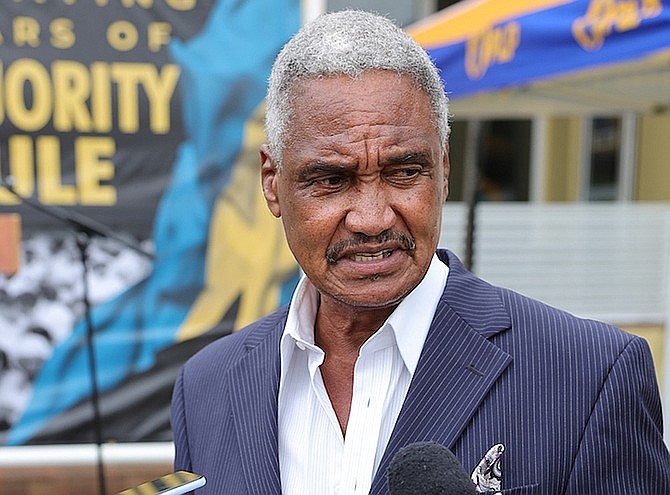
In a significant development, social activist Jeremy Enriquez has successfully challenged the Attorney General’s (AG) Ministry over its refusal to disclose taxpayer spending on legal fees in recent constitutional cases. Enriquez had filed a Freedom of Information (FOIA) request seeking details on the expenditure and the attorneys involved. The AG’s Ministry initially denied the request, citing potential risks to the Government of Belize and concerns over compromising ongoing cases. Unwilling to accept this response, Enriquez escalated the matter to the Ombudsman, who ruled in his favor. The Ombudsman determined that the AG’s Ministry had violated the FOIA by withholding the information and mandated the release of the requested data within 14 days. Enriquez expressed optimism that the Ministry would comply but warned of potential legal action if the deadline is not met. This case underscores ongoing tensions between government transparency and public accountability in Belize.
分类: politics
-

Where is the money coming from?
As the nation prepares for upcoming general elections, scrutiny intensifies over the government’s 2025 budget allocations. A critical question emerges: where is the funding coming from? This analysis delves into specific expenditures, raising concerns about the sources of increased budgetary allocations across various sectors.
-

Caribbean movements unite against U.S. intervention on “Day of Collective Action”
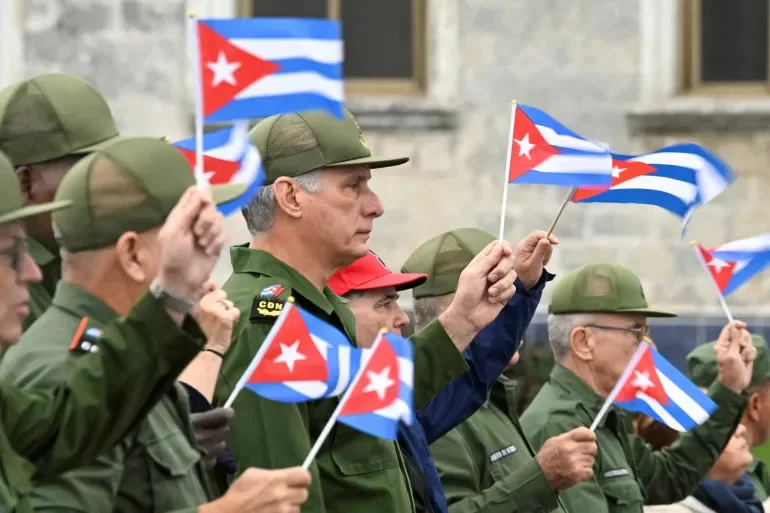
The Assembly of the Peoples of the Caribbean (APC) has designated October 16 as a ‘Day of Collective Action,’ rallying Caribbean governments to stand united against U.S. military deployments and interventionist threats in Venezuela. The organization also opposes the proposed exclusion of Venezuela, Cuba, and Nicaragua from the upcoming Summit of the Americas. Through its Regional Executive Committee, the APC has called upon citizens, social movements, and progressive leaders to defend the Caribbean as a ‘zone of peace’ and resist foreign interference. This stance aligns with the positions of CARICOM, CELAC, and the Association of Caribbean States (ACS), all of which emphasize sovereignty and regional integration. In a strongly worded statement, the APC criticized U.S. policies in Latin America, labeling them as extensions of imperialist agendas aimed at controlling regional resources, particularly Venezuela’s oil reserves. The organization also condemned the U.S. blockade against Cuba, a policy widely rejected by the United Nations, and criticized the Dominican Republic’s decision to exclude Cuba, Venezuela, and Nicaragua from the December 2025 Summit of the Americas. The APC urged Caribbean leaders, especially those in Trinidad and Tobago, Guyana, and the Dominican Republic, to distance themselves from what it termed ‘U.S. aggression’ in the region. The declaration concluded with a call for unity, solidarity, and mobilization to protect Caribbean sovereignty, peace, and self-determination.
-

Panton on Anti-Shyne Ads: ‘It wasn’t me.’
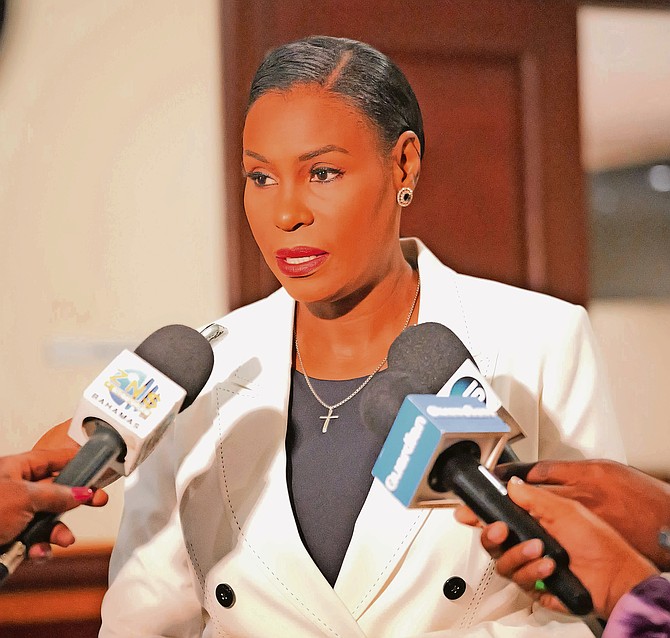
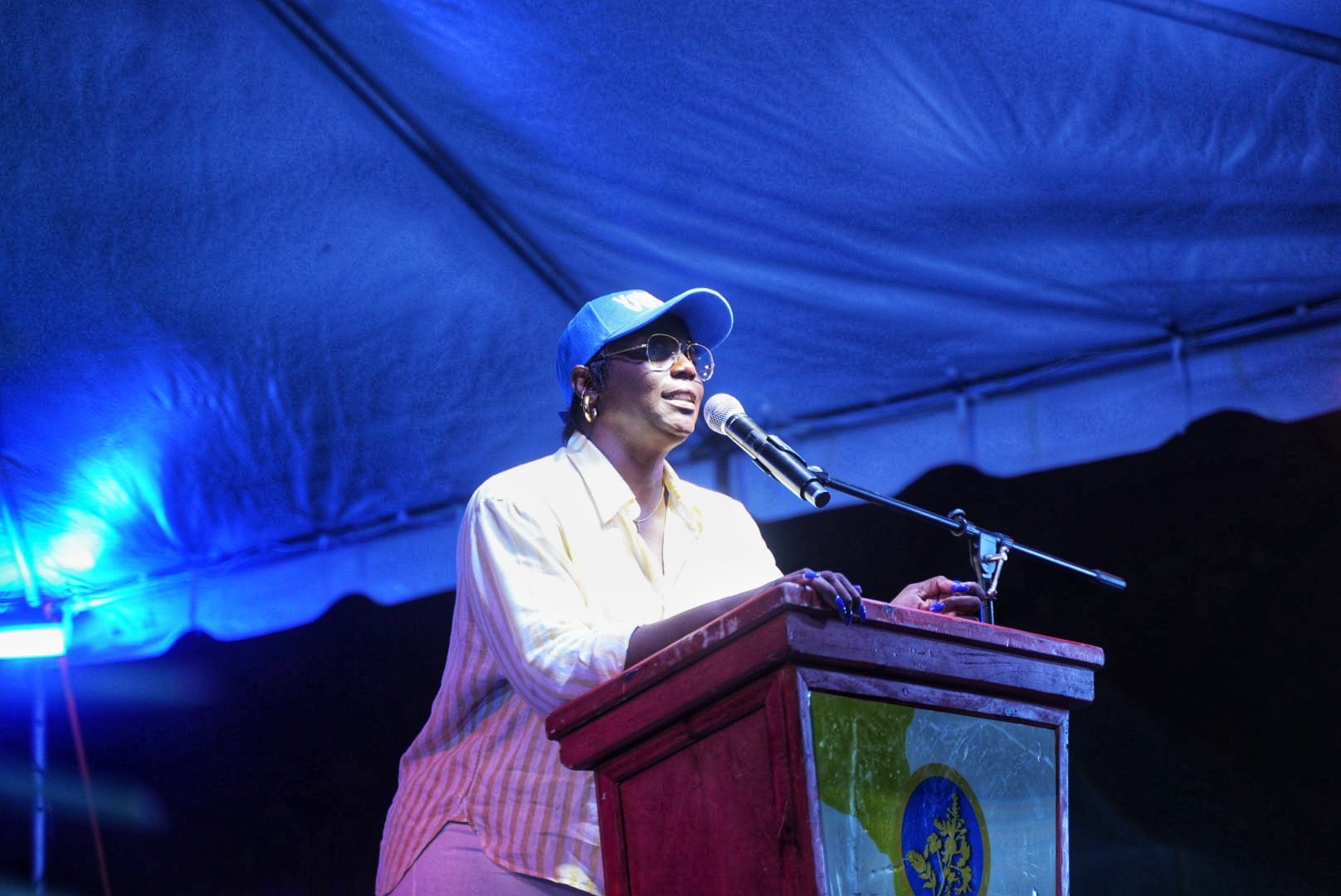
Opposition Leader Tracy Taegar Panton has publicly distanced herself from a series of political advertisements targeting UDP Leader Moses ‘Shyne’ Barrow. In a formal statement released on October 16, 2025, Panton emphasized that she had no role in the creation, funding, or dissemination of these ads, which have been critical of Barrow’s leadership. She further clarified that she neither authorized nor endorsed any paid political content attacking fellow UDP members, stating that such actions do not align with her leadership style or values. Panton called for unity and constructive dialogue as the UDP prepares for its National Convention on November 30, where a new leadership team will be elected. The controversial ads have accused Barrow of fostering a ‘hostile, angry, accusatory, punitive, and isolated’ leadership environment. Earlier in September, Barrow hinted that his recent State of the Nation address might be his last as UDP leader, pledging to collaborate with his successor and the Belizean people to hold the government accountable and work toward a better future. The upcoming convention will determine key positions, including Party Leader and Deputy Leaders.
-

Opposition Questions Government’s Transparency in BEL and Hydro Plant Deal
The Briceño Administration is facing intense scrutiny from the Opposition over its decision to acquire Fortis Inc.’s 33.3% stake in Belize Electricity Limited (BEL) and its three hydropower plants on the Macal River. The deal, valued at hundreds of millions of dollars, includes the Mollejon, Chalillo, and Vaca hydropower facilities, which collectively supply over one-third of Belize’s electricity. Opposition Leader Tracy Taegar Panton has criticized the government for rushing the transaction without adequate public disclosure, raising concerns about its financial implications for Belizeans. Panton questioned the absence of an independent valuation or regulatory review to justify the acquisition, emphasizing that the lack of transparency could lead to increased national debt and higher electricity costs. The Briceño Administration, however, maintains that the purchase aligns with sound economic policy and plans to introduce a Bill in the House of Representatives to authorize the transaction. Panton has called for the immediate release of all financial documents and asset valuations related to the deal, warning that the government’s plan for a “special budgetary appropriation” could result in more borrowing and a heavier burden on citizens.
-

Gov’t to crack down on online gambling, betting shops
In a decisive move to address growing societal concerns, Guyana’s Vice President Bharrat Jagdeo announced on Thursday, October 16, 2025, that the government will implement stricter regulations and impose higher taxes on online gambling and betting shops. This decision comes in response to widespread complaints that gambling activities are diverting essential income away from families, particularly affecting single parents and breadwinners. Jagdeo emphasized that the proliferation of gambling apps and hundreds of betting shops across the country has created a ‘major social problem,’ leading to family breakdowns and financial hardships. He highlighted that the government has already signaled its intent to curb this issue, citing the negative impact on communities. Additionally, Jagdeo noted that the religious community has raised concerns about the detrimental effects of habitual gambling on livelihoods. The Vice President also mentioned that while licensed casinos at two hotels remain accessible to registered guests, the new measures aim to discourage excessive gambling by increasing taxes on online platforms. The announcement underscores the government’s commitment to addressing the socio-economic challenges posed by the gambling industry.