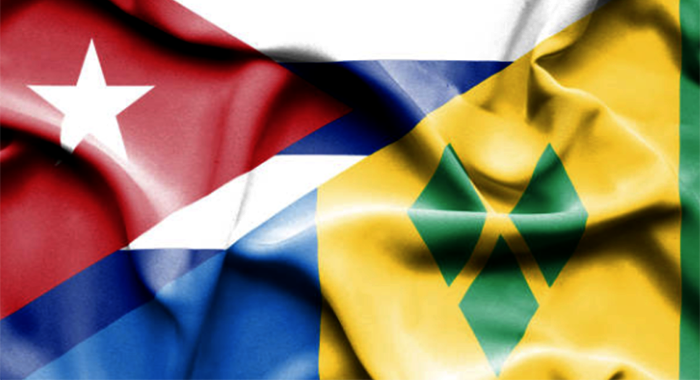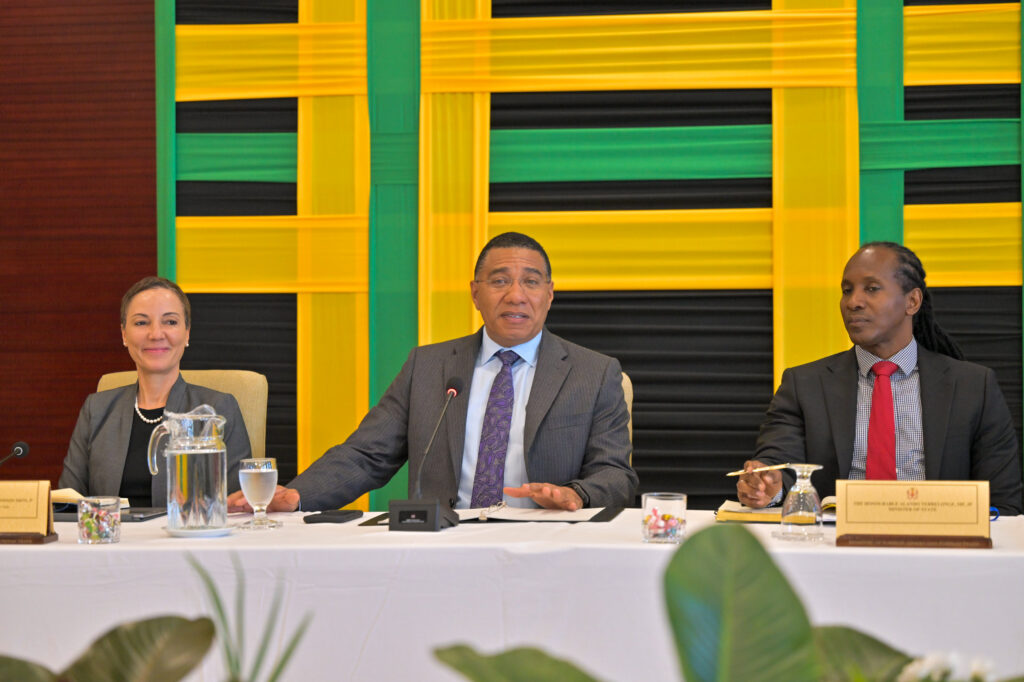
The 80th session of the UN General Assembly concluded with resounding calls to lift the US blockade against Cuba, a topic that was raised over 40 times during the High-Level Segment. Ambassador Dionisio Da Costa Babo Soares of Timor-Leste, in his closing remarks, condemned the longstanding unilateral sanctions imposed on the Caribbean nation. Nicaraguan Foreign Minister Denis Moncada echoed this sentiment, denouncing the ‘horrific, odious, and execrable policies of criminal economic blockade’ and reaffirming solidarity with Cuba and Venezuela. A coalition of nations, including Brazil, South Africa, Vietnam, Russia, and Mexico, voiced their support for Cuba, highlighting the global consensus against the blockade. Cuban Foreign Minister Bruno Rodríguez emphasized the blockade’s devastating impact, describing it as a ‘comprehensive and prolonged economic war’ aimed at undermining Cuba’s sovereignty and livelihood. He also criticized the US for labeling Cuba as a state sponsor of terrorism, a claim he called ‘cynical’ and unsupported by the international community. The session underscored the growing international pressure on the US to reconsider its policies toward Cuba.
分类: politics
-

Abinader appeals to Russia and China for support in Haiti crisis response
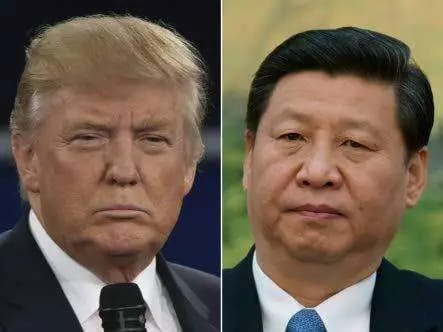
Santo Domingo – Dominican President Luis Abinader has reached out to global leaders, including Russian President Vladimir Putin and Chinese President Xi Jinping, to garner support for the Multinational Security Support Mission (MSS) in Haiti. The mission, recently sanctioned by the UN Security Council, aims to address the escalating crisis in Haiti, which Abinader warns is increasingly threatening regional stability and Dominican national security. In his correspondence with Putin, Abinader highlighted the necessity of Russia’s involvement to bolster the mission’s capabilities and mandates in dismantling criminal networks. Similarly, in his letter to Xi, he underscored the critical role of China’s support in advancing the initiative. The MSS, introduced by the United States and Panama, was approved on Tuesday with 12 votes in favor and three abstentions. The mission seeks to empower Haitian authorities to confront armed gangs, restore public order, and lay the groundwork for sustainable peace and democratic governance. Abinader emphasized that the resolution is vital to mitigating the cross-border spillover of Haiti’s crisis, which poses a direct threat to the Dominican Republic and the broader region.
-

U.S. Embassy in Haiti responds to UN resolution approval
The United Nations Security Council has taken a significant step toward addressing Haiti’s escalating security crisis with the adoption of Resolution 2793, which establishes a new Gang Suppression Force (GSF). The U.S. Embassy in Haiti lauded the resolution as a ‘positive step toward restoring basic security’ and pledged to collaborate with international partners to deploy the force. The embassy also emphasized the urgent need to establish the UN Support Office in Haiti to ensure the provision of essential resources. France echoed this sentiment, describing the resolution as crucial for dismantling criminal gangs and reinstating the rule of law, while reaffirming its support for Haiti’s National Police and Armed Forces. U.S. UN representative Mike Waltz highlighted the expanded scope of the mission, noting it is five times larger than its predecessor and equipped with a stronger mandate to combat gang activity. Albert Ramdin, Secretary General of the Organization of American States (OAS), praised the resolution as a pivotal move toward achieving security, credible elections, humanitarian aid, and sustainable development in Haiti. The resolution passed with 12 votes in favor and three abstentions (China, Russia, and Pakistan), authorizing a 12-month mandate for a force of 5,500 troops and police officers, supported by civilian personnel. This initiative marks a decisive effort to end impunity and bolster stability in the Caribbean nation.
-

Govt says Private Sector Commission can help pick civil society reps for Extractive Industries Transparency Initiative
The Guyana government has proposed involving the Private Sector Commission (PSC) in selecting civil society representatives for the Multi-Stakeholder Group (MSG) of the Guyana Extractive Industries Transparency Initiative (GYEITI). This move contrasts with the Norway-based EITI parent body’s guidelines, which mandate clear separation between government, industry, and civil society stakeholders. Minister of Natural Resources Vickram Bharrat announced that an advertisement would be published to invite expressions of interest for the civil society convenor role, with applications open for two weeks. The PSC, Policy Forum Guyana (PFG), or other eligible groups are encouraged to apply. This decision follows a previous fallout between the PFG and the government over Guyana’s suspension from EITI due to disagreements on the Terms of Reference for the Independent Administrator. Critics argue that the PSC’s involvement could compromise civil society’s independence, as the PSC is perceived to have close ties with the ruling People’s Progressive Party Civic (PPPC). EITI rules emphasize that civil society representatives must remain independent of government and industry influence. Ardene Sirjoo of the Trinidad and Tobago-based Cropper Foundation highlighted the importance of maintaining civil society’s autonomy to ensure accountability in the EITI process. The government maintains that the PSC is a legitimate civil society organization, distinct from private businesses, and is well-positioned to represent grassroots stakeholders. The EITI requires governments to create an enabling environment for civil society participation, ensuring freedom of expression and engagement in transparency and natural resource governance issues.
-

Frente Amplio condemns exclusion of Cuba, Nicaragua, and Venezuela from Summit of the Americas
The Executive Committee of the Frente Amplio has issued a strong rebuke against the Dominican government’s decision to exclude Cuba, Nicaragua, and Venezuela from the upcoming 10th Summit of the Americas. The event, set to take place in December in Punta Cana, has sparked controversy as the organization accuses the government of capitulating to U.S. interests and abandoning the Dominican Republic’s long-standing principles of solidarity, sovereignty, and regional integration. María Teresa Cabrera, president of the Frente Amplio, criticized the exclusion as a violation of the nation’s tradition of mutual respect and self-determination. She highlighted historical moments, such as the 1965 invasion, where Latin American unity played a pivotal role in safeguarding Dominican independence. The party has urged democratic and progressive forces to oppose what it deems an exclusionary and divisive policy, emphasizing that the Dominican Republic should champion sovereignty and solidarity rather than succumb to external pressures.
-

U.S. Embassy suspends social media updates amid budget halt
The U.S. Embassy in Santo Domingo has announced a temporary suspension of regular updates to its social media platforms, citing a pause in budget allocations as the primary reason. Despite this interruption, the embassy has assured the public that critical security-related communications will continue to be disseminated without delay.
-

Dominican ambassador presents credentials to Saudi Crown Prince in Riyadh
In a significant diplomatic event at Al-Yamamah Palace in Riyadh, Andy Rodríguez Durán, the Dominican Republic’s inaugural resident ambassador to Saudi Arabia, formally presented his credentials to Crown Prince Mohammed bin Salman. Accredited to Oman, Bahrain, and Djibouti as well, Rodríguez Durán conveyed warm greetings from President Luis Abinader and reiterated the Dominican Republic’s dedication to fostering stronger cooperation and friendship with the Kingdom. The Crown Prince reciprocated by extending King Salman’s greetings and expressed his wishes for the ambassador’s success in enhancing bilateral relations. Since his arrival in Riyadh in March 2024, Ambassador Rodríguez Durán has actively engaged in high-level discussions with Saudi officials, focusing on advancing tourism, foreign investment, and cultural and commercial exchanges. His efforts are in line with President Abinader’s foreign policy and the directives of Foreign Minister Roberto Álvarez, aiming to establish the Dominican Republic as a key partner in the Middle East and to deepen both diplomatic and economic connections.
-

Abinader welcomes UN approval of new Haiti Gang Suppression Force
Santo Domingo.- President Luis Abinader has hailed the United Nations’ approval of a new Gang Suppression Force, set to replace the previously ineffective Multinational Security Support Mission (MSS) in Haiti. This 5,500-strong force is tasked with restoring order and combating gang violence in the crisis-stricken neighboring nation. Abinader emphasized the Dominican Republic’s pivotal role in this diplomatic breakthrough, spearheading efforts alongside allied countries to advocate for a more robust international response.