分类: politics

  • U.S. and Belize Partner to Crackdown on Money Laundering

    U.S. and Belize Partner to Crackdown on Money Laundering

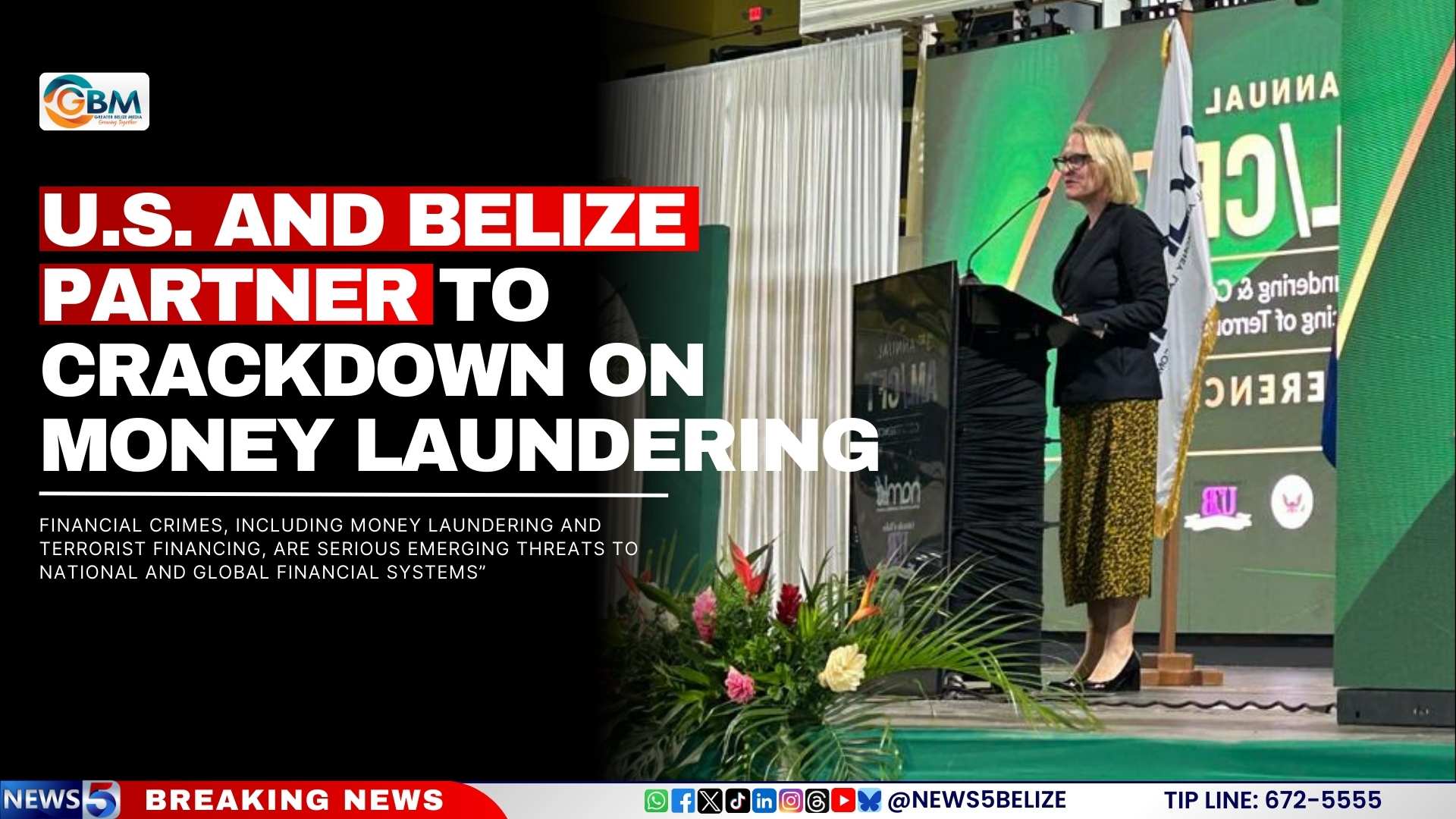
    BELIZE CITY, BELIZE – In a significant demonstration of international cooperation, Belize’s National Anti-Money Laundering Committee (NAMLC) has convened its third annual financial crime conference with substantial backing from the United States government. The event, taking place in Belize City, has drawn over 500 participants attending both physically and virtually to address escalating threats to global financial systems.

    The conference serves as a crucial platform for Belizean and international financial security experts to exchange cutting-edge strategies and intelligence updates concerning money laundering, terrorist financing, and weapons proliferation. This collaborative effort gains particular significance amid growing concerns about emerging financial crime methodologies that transcend national borders.

    Substantial operational support for the initiative comes from the U.S. Department of State’s Bureau of International Narcotics and Law Enforcement Affairs (INL), which has maintained an ongoing partnership with Belize’s Financial Intelligence Unit. This cooperation has focused on enhancing Belize’s institutional capabilities to detect, prevent, and prosecute financial crimes.

    During Monday’s opening ceremony, U.S. Embassy Chargé d’Affaires Katharine Beamer emphasized the seriousness of these threats, with the embassy subsequently reaffirming its commitment to “partnering with Belizean institutions” against organized crime networks and terrorism financing operations. An official statement characterized financial crimes as “serious emerging threats to national and global financial systems.”

    Established in 2014, NAMLC functions as Belize’s central coordinating body for financial crime response, providing strategic counsel to the Minister of Finance, developing comprehensive national strategies, and representing Belize’s interests in international financial security forums. The conference underscores both nations’ determination to fortify financial infrastructures against criminal exploitation.
  • PM tables Constitutional Amendment on party defections

    PM tables Constitutional Amendment on party defections

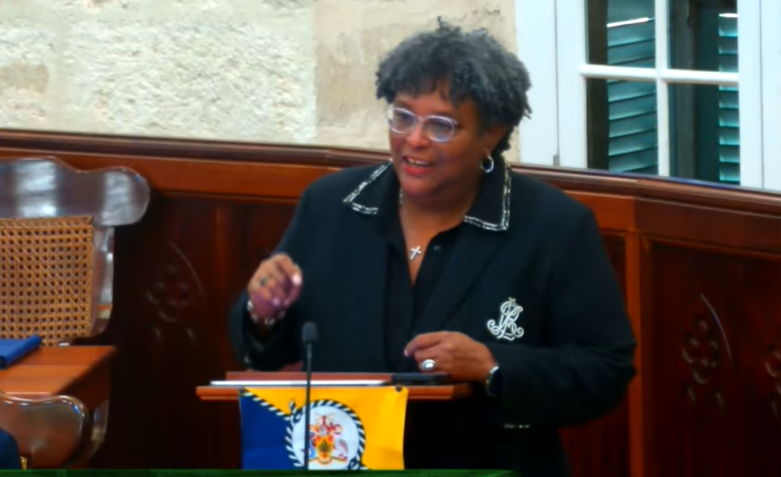
    The Barbadian government, led by Prime Minister Mia Mottley, has introduced landmark constitutional legislation aimed at preserving electoral mandates and preventing political defections. The Constitution (Amendment) Bill, presented during the House of Assembly’s Second Sitting on Tuesday, establishes that parliamentarians elected under a party banner must relinquish their seats if they formally alter their political allegiance.

    Prime Minister Mottley characterized the initiative as a matter of ‘mandate integrity,’ applying specifically to Members of Parliament who either resign from their party, face expulsion, or cross the floor to join another political faction after securing election. The legislation carefully distinguishes between voting conscience and formal party abandonment, explicitly protecting MPs’ rights to dissent, criticize their parties, or vote independently without penalty.

    The procedural mechanism requires party leaders—either the Leader of Government Business or the Leader of Opposition Business—to formally notify the Speaker of any change in a member’s affiliation. The Speaker would then issue an official declaration during the next parliamentary session. MPs facing resignation or expulsion would retain a 14-day window to legally challenge the decision before their seat becomes vacant.

    Mottley emphasized that the amendment’s fundamental principle is democratic accountability: ‘If the political alignment under which you were elected changes fundamentally, the democratic response is to return that question to the electorate. Go back to the voters.’

    The proposed reform seeks to enhance governance stability and establish a transparent constitutional process for resolving political disputes. Barbados joins over 40 countries worldwide, including multiple Commonwealth nations, that have implemented similar anti-defection provisions to safeguard electoral integrity and prevent post-election party switching.

  • Venezuela Demands U.S. Release of President Maduro

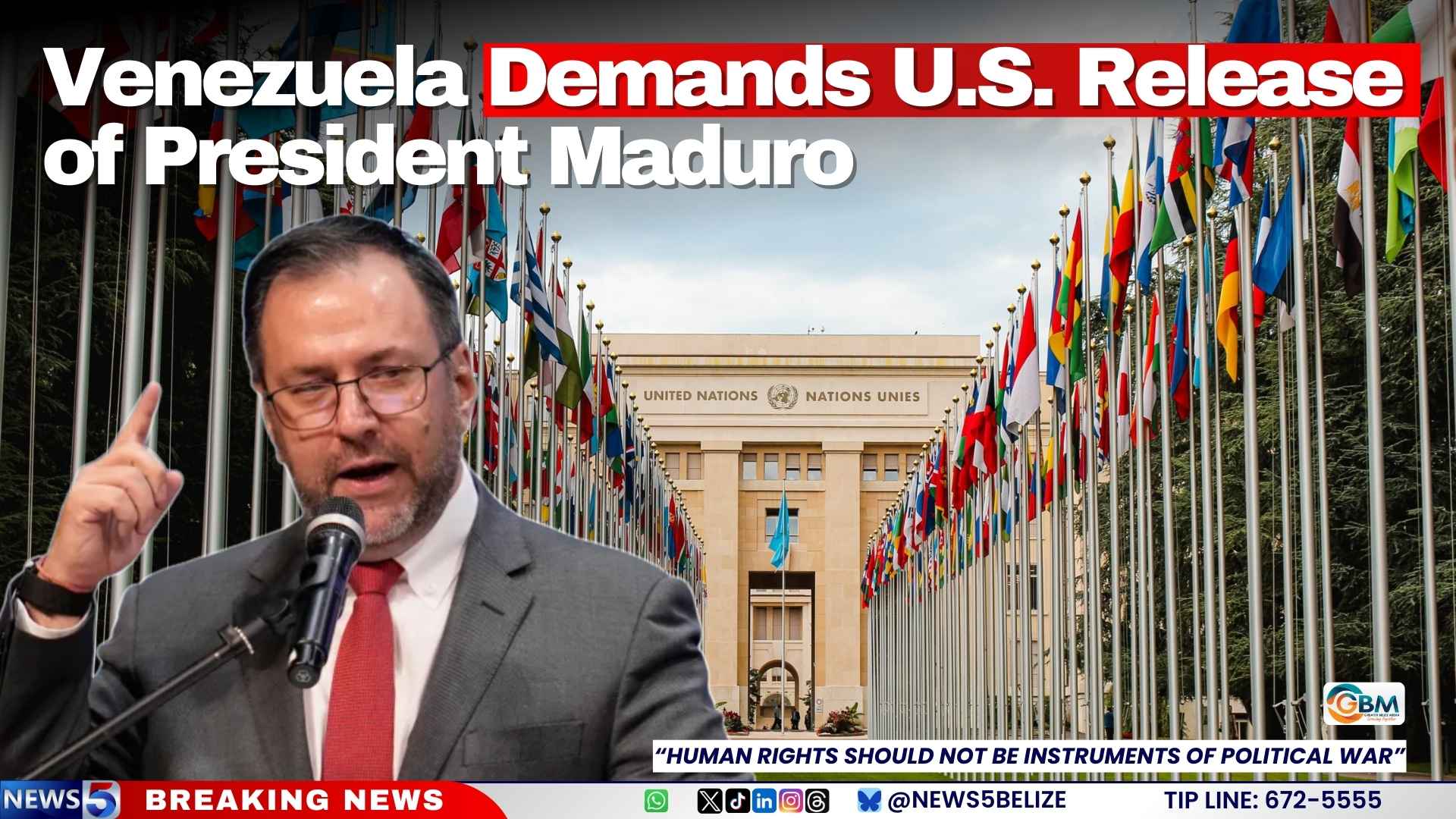
    Venezuela Demands U.S. Release of President Maduro

    In a dramatic address before the United Nations Human Rights Council in Geneva, Venezuelan Foreign Minister Yvan Gil issued a forceful demand for the immediate liberation of President Nicolás Maduro. The detained leader remains incarcerated in New York following a controversial multinational raid on January 3rd, facing serious charges including international drug trafficking and alleged narco-terrorism activities.

    Minister Gil characterized the operation that resulted in Maduro’s capture as an illegitimate political maneuver masquerading as judicial procedure. He presented detailed allegations to the international body, asserting that the military-style intervention resulted in substantial collateral damage, including more than one hundred fatalities among Venezuelan security personnel and civilians.

    The diplomatic confrontation unfolds amid significant political reorganization within Venezuela’s government structure. With Maduro detained overseas, Vice President Delcy Rodríguez has assumed executive authority as interim leader. Observers note that while Rodríguez has adopted a notably more measured diplomatic approach toward the United States, Foreign Minister Gil maintains Venezuela’s official position of vehement condemnation.

    During his UN testimony, Gil articulated a principled critique of Washington’s actions, arguing that fundamental human rights protections must not become geopolitical weapons. ‘The application of human rights standards must remain universal rather than selective,’ declared Venezuela’s chief diplomat. ‘These fundamental protections cannot legitimately be contingent upon political alignment or ideological compatibility between nations.’

    The extraordinary case represents an unprecedented escalation in the long-standing tensions between Caracas and Washington, potentially establishing consequential precedents regarding international law, sovereign immunity, and cross-border military operations against sitting heads of state.

  • Dames denies involvement after partner caught in $4m cocaine bust

    Dames denies involvement after partner caught in $4m cocaine bust

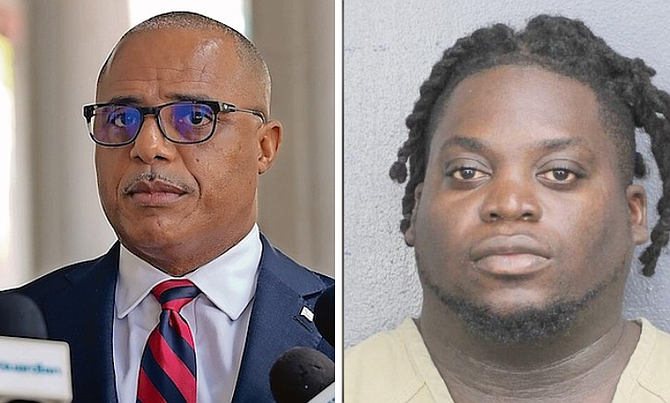
    Marvin Dames, former National Security Minister and current Free National Movement (FNM) candidate, has publicly distanced himself from a major international drug trafficking case involving his business associate. The controversy emerged after US authorities intercepted a vessel jointly owned by Dames and Malcolm Goodman approximately four miles off the coast of Fort Lauderdale, Florida, on February 11.

    According to official court documents filed by US Department of Homeland Security taskforce officer Jose Alverez, the US Coast Guard conducted a routine customs border search of the 45-foot vessel M/V Reel Xperience after it arrived from New Providence. During inspection, law enforcement officials discovered approximately 200 kilograms of cocaine with an estimated street value of $4 million, along with 248 bottles of cough syrup, concealed within the vessel’s common areas and a stateroom.

    Goodman, described by online platform Captain Experiences as an experienced maritime professional with over a decade of industry experience, allegedly made spontaneous statements to officers upon arrest and later admitted sole involvement in narcotics smuggling. He has been charged with possession with intent to distribute a controlled substance and importation of a controlled substance, and remains detained pending trial after relinquishing his right to a temporary bond hearing.

    In an official statement, Dames confirmed his business relationship with Goodman but emphatically denied any knowledge or involvement in illicit activities. The former Deputy Commissioner of Police and National Security Minister under the Minnis administration stated that neither he nor his wife had authorized, participated in, or benefited from any alleged criminal conduct connected to the case.

    Dames emphasized his lifelong dedication to national security and law enforcement, pledging full cooperation with any official inquiries from Bahamian or US authorities. The FNM’s Mount Moriah branch has expressed continued support for their candidate, with long-serving member Bennett Minnis confirming they would not request his resignation.

  • Newell calls for immediate transfer of NEPA to environment ministry

    Newell calls for immediate transfer of NEPA to environment ministry

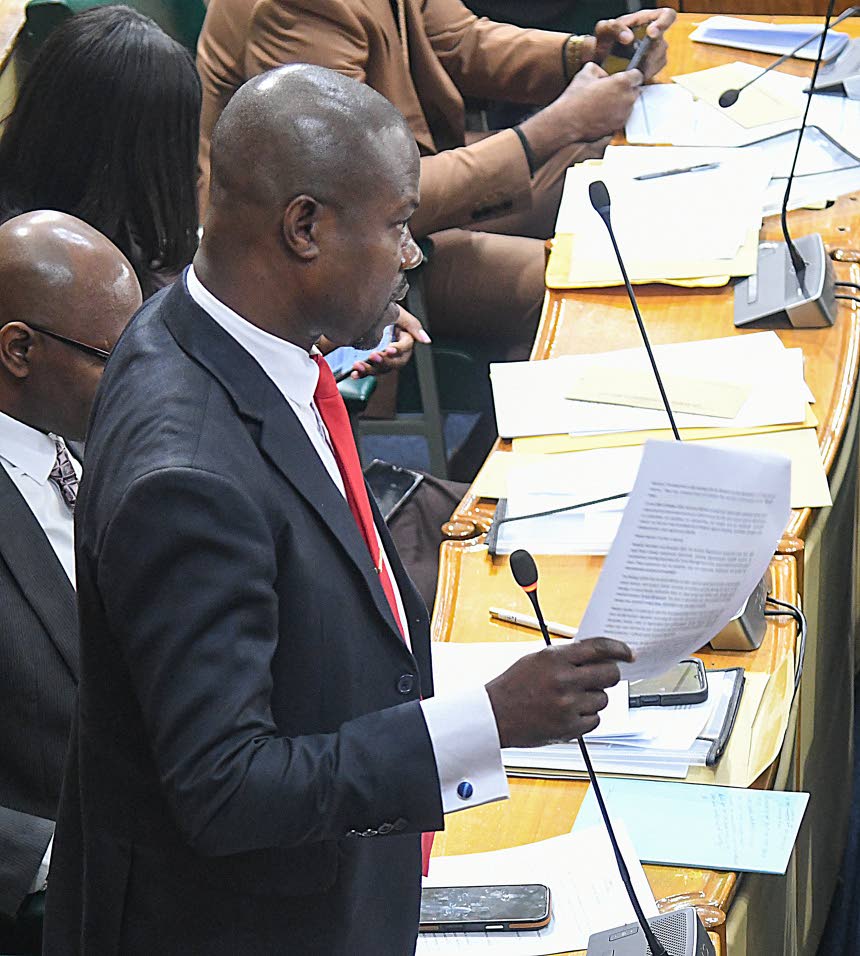
    KINGSTON, Jamaica — Opposition parliamentarian Omar Newell has issued a compelling demand for the immediate reassignment of Jamaica’s National Environment and Planning Agency (NEPA) from its current placement within the Ministry of Economic Growth and Job Creation. The Shadow Minister of Environment and Climate Resilience contends that the existing arrangement creates an inherent structural conflict that compromises regulatory integrity.

    Newell’s Wednesday statement highlighted the fundamental contradiction in having the nation’s primary environmental regulator operate under the same ministerial portfolio responsible for promoting extensive infrastructure development and economic expansion—a portfolio directly overseen by Prime Minister Andrew Holness.

    Emphasizing that this concern transcends partisan politics, Newell asserted that environmental oversight requires both actual and perceived independence. “When the authority approving large-scale developments sits within the same portfolio driving those developments, the perception of conflict becomes unavoidable,” he stated.

    The opposition figure pointed to Jamaica’s previous administrative structure under former Prime Minister Portia Simpson Miller, where NEPA operated within the Ministry of Water, Land, Environment and Climate Change. This configuration, according to Newell, provided environmental policy with a distinct institutional identity while formally integrating climate change considerations at the ministerial level.

    International precedents further support Newell’s position. He referenced the United Kingdom’s Environment Agency, which operates under the Department for Environment, Food and Rural Affairs rather than an economic ministry, and the United States Environmental Protection Agency, which functions as an independent federal entity. These models demonstrate how environmental oversight maintains institutional insulation and public trust.

    While welcoming the recent establishment of a Ministry of Environment and Climate Change, Newell cautioned that its effectiveness remains contingent on proper regulatory alignment. “A ministry tasked with climate resilience and environmental protection cannot be fully effective if the country’s principal regulator remains outside its supervision,” he argued, adding that policy without regulatory authority diminishes coherence and accountability.

    With Jamaica confronting intensifying climate challenges—including stronger hurricanes, coastal erosion, and water insecurity—Newell stressed that the current moment demands unambiguous institutional arrangements. Sustainable development, he emphasized, requires structural integrity, transparency, and balanced governance.

    The opposition’s proposal calls for transferring both NEPA and the Natural Resources Conservation Authority to the Ministry of Environment and Climate Change while strengthening statutory safeguards to ensure transparency and regulatory independence. “Environmental protection must never appear subordinate to economic expansion,” Newell concluded. “Our governance framework must reflect long-term national interest.”

  • Trinidad PM to Caricom leaders: ‘who vex loss… but we gained’

    Trinidad PM to Caricom leaders: ‘who vex loss… but we gained’

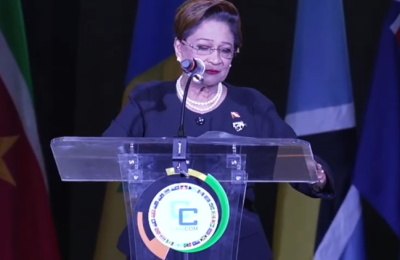
    BASSETERRE, St Kitts – In a striking address at the 50th Caribbean Community (Caricom) summit, Trinidad and Tobago Prime Minister Kamla Persad-Bissessar vigorously defended her nation’s security partnership with the United States while delivering pointed criticism toward regional counterparts regarding their stance on Venezuela. The leader employed the local expression ‘who vex loss’ to emphasize her unwavering position that national security priorities outweigh diplomatic discomfort.

    Persad-Bissessar presented compelling evidence that collaboration with US military assets had produced tangible results, citing a 42% reduction in homicides directly attributed to disrupted narcotics trafficking networks. ‘We gained from the military help, and I will welcome them again,’ she declared, noting that 257 lives had been saved through this security partnership.

    The Prime Minister expressed profound disappointment with Caricom’s response to Venezuelan aggression toward member states. She revealed that Trinidad and Tobago had faced ongoing threats from the Maduro regime while receiving insufficient regional support. ‘How can it be when that regime was threatening violence to two Caricom member states, there was no voice from Caricom?’ she questioned, challenging the concept of the Caribbean as a zone of peace.

    Persad-Bissessar endorsed Jamaican Prime Minister Andrew Holness’s perspective that Caricom should function as an alliance of independent nations pursuing individualized paths toward shared prosperity. She reaffirmed Trinidad and Tobago’s commitment to regional cooperation while maintaining the right to implement independent security policies tailored to national circumstances.

    The leader concluded by emphasizing pragmatic governance over ideological consistency, stating that ultimate accountability remains to citizens seeking improved quality of life rather than to abstract regional principles.

  • Jackson chides Chang over comment that JFJ ‘living off blood money’

    Jackson chides Chang over comment that JFJ ‘living off blood money’

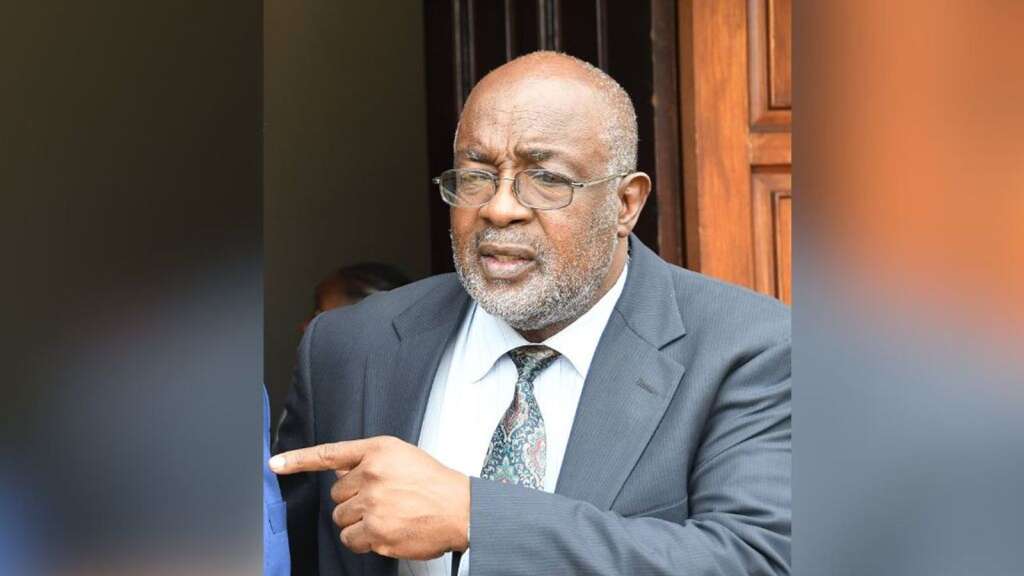
    KINGSTON, Jamaica—A significant political confrontation has emerged following controversial statements by Jamaica’s National Security Minister Dr. Horace Chang regarding prominent human rights organization Jamaicans for Justice (JFJ). Opposition National Security Spokesperson Fitz Jackson has issued a stern rebuke, characterizing Chang’s allegation that JFJ was “living off blood money” as profoundly irresponsible and unbecoming of a government official overseeing the nation’s security apparatus.

    In an official media release circulated Wednesday, Jackson demanded the immediate retraction of what he described as a troubling assault against an established civil society organization. He emphasized that JFJ has maintained a longstanding commitment to advocating for justice, accountability, and human rights protections within Jamaica’s democratic framework.

    Jackson articulated grave concerns that such inflammatory rhetoric directly undermines essential security priorities during a period of severe crime challenges. He asserted that the minister should instead concentrate on developing evidence-based policies, enhancing investigative capabilities, and fostering trust between citizens and security forces rather than targeting respected advocacy groups.

    The opposition spokesperson warned that these remarks risk eroding public confidence in national security leadership and divert attention from critical anti-crime initiatives. Jackson emphasized that responsible governance necessitates measured language, particularly concerning human rights issues, police accountability, and fundamental protections of life.

    He further stressed that policy disagreements should never degenerate into personal attacks or attempts to discredit organizations operating legally within Jamaica’s democratic system. Jackson highlighted the essential role civil society plays in strengthening institutions, promoting transparency, and building confidence in the rule of law, describing these functions as vital components of a healthy democracy.

    Concluding his statement, Jackson called for mature leadership that encourages constructive engagement with all stakeholders, including civil society organizations, in the collective endeavor to enhance national safety and security for all Jamaican citizens.

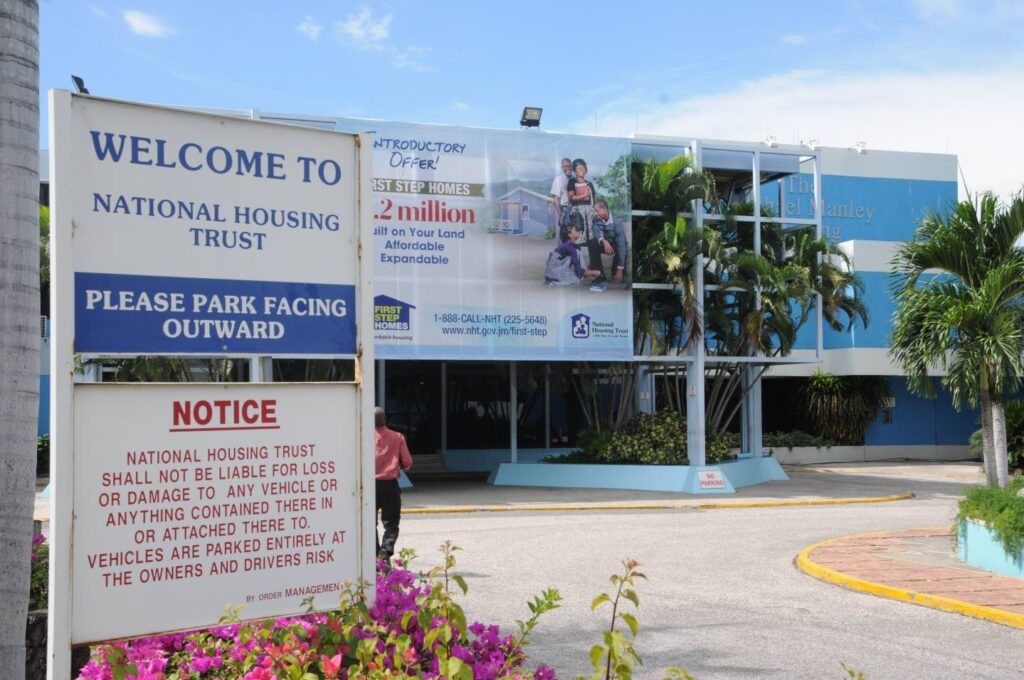
  • NHT transfers to top $200 billion as temporary measure becomes long-term revenue stream

    NHT transfers to top $200 billion as temporary measure becomes long-term revenue stream

    Jamaica’s Cabinet has formally entrenched the National Housing Trust (NHT) as a permanent feature within the nation’s fiscal architecture by extending its substantial annual transfers to the central government through 2031. This decision prolongs what originated as an emergency measure during the 2013 fiscal crisis, transforming it into a sustained revenue mechanism that will channel over $200 billion into the Consolidated Fund by the end of the authorization period.

    The extension mandates continued payments of $11.4 billion annually for an additional five years beyond the current 2025/26 expiration. Cumulative transfers are projected to reach approximately $148.2 billion by March 2026, with the new extension adding $57 billion to push the aggregate total beyond $205 billion over the 18-year span from 2013 to 2031.

    Initially conceived as a four-year temporary arrangement under Jamaica’s International Monetary Fund-supervised reform program, the mechanism has undergone multiple extensions that have progressively institutionalized the Trust’s dual function as both housing financier and indirect budget support vehicle.

    The scale of these transfers represents significant fiscal commitment relative to the NHT’s core housing mission. The annual $11.4 billion transfer equates to approximately one-fifth of the Trust’s record $56.6 billion contribution inflows in 2023/24 and nearly 38% of its $30.2 billion housing expenditure during the same period.

    The NHT’s capacity to sustain both functions is supported by its robust financial position. With total assets of $378.8 billion as of the last fiscal year, the Trust ranks among Jamaica’s largest financial institutions—comparable to the third-largest commercial bank and exceeding the entire building society sector. Strong investment yields of 11.5% coupled with declining mortgage interest rates have created favorable earnings spreads, generating sustained surpluses that enable simultaneous fulfillment of housing mandates and fiscal transfer obligations.

  • US eases Venezuela oil ban to Cuba as crisis alarms Caribbean

    US eases Venezuela oil ban to Cuba as crisis alarms Caribbean

    BASSETERRE, Saint Kitts and Nevis – In a significant policy shift, the United States Treasury Department has relaxed its stringent sanctions on Venezuelan oil exports to Cuba during the Caribbean Community (CARICOM) summit. This decision comes as Caribbean leaders express mounting concerns about Cuba’s deepening economic crisis and its potential to destabilize the entire region.

    The policy adjustment permits “transactions that support the Cuban people” involving Venezuelan petroleum for both commercial and humanitarian purposes. A crucial stipulation requires these exports to be channeled through private enterprises rather than Cuba’s government or military infrastructure.

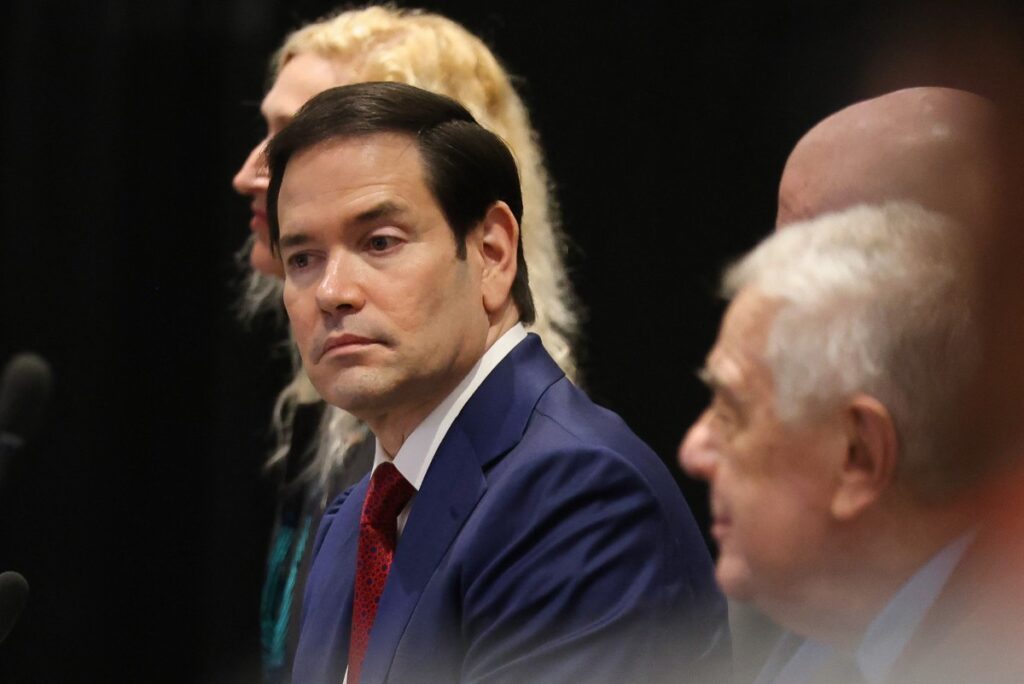
    Secretary of State Marco Rubio, addressing closed-door sessions at the summit, explained the revised U.S. approach toward Cuba. The Cuban-American diplomat, historically known for his hardline stance against Havana’s government, has recently moderated his rhetoric regarding regime change.

    The sanctions relief responds to urgent warnings from Caribbean leaders about Cuba’s precarious situation. Jamaican Prime Minister Andrew Holness cautioned that further deterioration in Cuba would inevitably affect regional stability and potentially trigger migration waves – a primary concern for the U.S. administration.

    “Humanitarian suffering serves no one,” Holness stated. “A prolonged crisis in Cuba will not remain confined to Cuba.” He advocated for constructive dialogue between Washington and Havana aimed at “de-escalation, reform and stability.”

    The summit’s host, Prime Minister Terrance Drew of Saint Kitts and Nevis, reinforced these concerns while requesting humanitarian support for Cuba. Drawing from his seven years of medical education in Cuba, Drew described receiving firsthand accounts of food shortages, power outages, and deteriorating public services.

    Not all leaders expressed uniform perspectives. Kamla Persad-Bissessar, Prime Minister of Trinidad and Tobago, diverged from her counterparts by questioning support for communist governance while simultaneously endorsing U.S. intervention in Venezuela. She credited U.S. anti-narcotics operations with reducing her nation’s homicide rate by intercepting firearms from Venezuela.

    The geopolitical maneuvering occurs against the backdrop of longstanding U.S. sanctions against Cuba, maintained with brief interruptions since Fidel Castro’s 1959 revolution. The current administration has notably resisted implementing additional hardline measures advocated by some Cuban-American critics, including restrictions on remittance transfers.

  • Brazil politicians convicted for ordering murder of black activist councilor

    Brazil politicians convicted for ordering murder of black activist councilor

    BRASÍLIA, Brazil—In a landmark ruling with profound implications for Brazil’s political landscape, the nation’s Supreme Court unanimously convicted two former legislators on Wednesday for orchestrating the 2018 assassination of Rio de Janeiro councilwoman Marielle Franco, a case that exposed alarming collusion between political elites and paramilitary organizations.

    The court’s four-justice panel sentenced former federal deputy Chiquinho Brazao, 62, and his brother Domingos Brazao, 60, a former state assemblyman, to 76 years and three months imprisonment each. Their convictions encompass charges of double aggravated homicide, leading an armed criminal enterprise, and the attempted murder of one of Franco’s aides who survived the attack.

    Justice Alexandre de Moraes delivered a powerful indictment during proceedings, stating the Brazao brothers were not merely connected to militia groups but constituted “the militia itself.” The court established that Franco—a 38-year-old Black, lesbian activist raised in Rio’s favelas—was targeted specifically because her advocacy threatened the brothers’ financial interests in illegal real estate expansion within impoverished communities.

    Franco’s murder, which also claimed the life of her driver Anderson Gomes, triggered national outrage and international condemnation, revealing how Rio’s militias—originally formed as community protection forces—have evolved into sophisticated criminal syndicates controlling territory through extortion and land grabbing while enjoying political patronage.

    Three additional defendants received substantial sentences: former police commissioner Rivaldo Barbosa (18 years for obstruction), militia member Ronald Paulo de Alves (56 years for surveillance), and Domingos Brazao’s ex-advisor Robson Calixto Fonseca (9 years for intermediary role). Two triggermen were previously sentenced in 2024, with one providing crucial plea testimony.

    Justice Carmen Lucia, the court’s sole female member, voiced profound distress during deliberations, questioning how many more activists Brazil would allow to be silenced through violence. The verdict marks a watershed moment in a nation grappling with political violence and institutional corruption.