分类: politics

  • Dominica’s foreign affairs minister: Medical program to see changes with Cuban gov’t’s cooperation

    Dominica’s foreign affairs minister: Medical program to see changes with Cuban gov’t’s cooperation

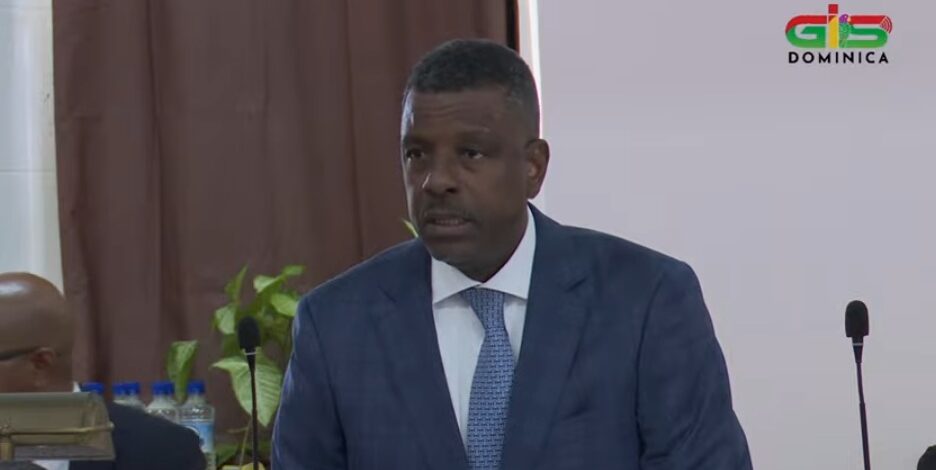
    The Commonwealth of Dominica is initiating significant modifications to its decades-old Cuban Medical Workers Program, as revealed by Foreign Affairs Minister Dr. Vince Henderson during a parliamentary address this week. While maintaining diplomatic discretion, Henderson confirmed ongoing collaborative discussions with Cuban authorities to reformulate the program according to evolving national requirements.

    This bilateral health initiative, rooted in principles of international solidarity, has provided Dominica with substantial medical support for over thirty years. Currently, more than 65 Cuban medical professionals deliver essential services across the nation’s healthcare infrastructure. The program’s historical significance was highlighted through several landmark achievements, including the establishment of Dominica’s first Intensive Care Unit and the Portsmouth diagnostic center, both staffed and operationalized through Cuban expertise.

    Beyond direct medical provision, the partnership has fostered significant educational development, with approximately 150 Dominican medical graduates trained through Cuban institutions. Henderson expressed profound gratitude for Cuba’s consistent support despite its own resource constraints, characterizing the relationship as one of ‘true friendship’ that has endured through challenging periods.

    The government emphasizes that restructuring efforts are being conducted cooperatively with Cuban partners to ensure uninterrupted healthcare services for Dominican citizens. Further details regarding specific program modifications will be disclosed following the completion of intergovernmental negotiations.
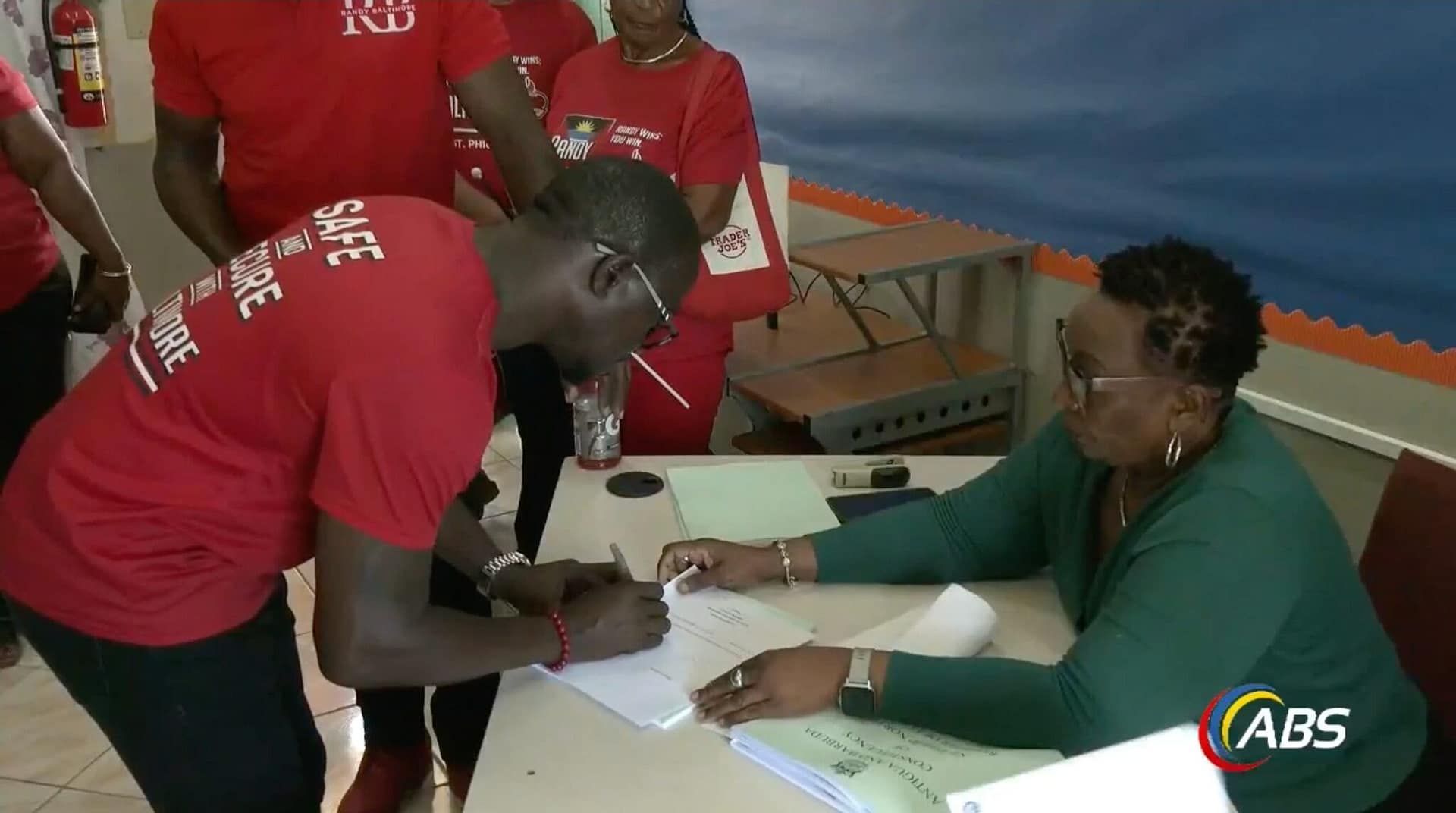
  • IN PICTURES: Randy Baltimore nominated to contest the March 16 by-election in St. Philip North

    IN PICTURES: Randy Baltimore nominated to contest the March 16 by-election in St. Philip North

    The political landscape in St. Philip’s North, Antigua and Barbuda, witnessed significant developments on Wednesday as rival parties formally nominated their candidates for the upcoming parliamentary by-election. The Antigua and Barbuda Labour Party (ABLP) secured Randy Baltimore as their official contender, while the United Progressive Party (UPP) advanced Alex Browne as their representative in what promises to be a fiercely contested race.

    The nomination proceedings unfolded at Willikies Primary School, transforming into a vibrant display of political mobilization. Both candidates arrived accompanied by substantial delegations of enthusiastic supporters, creating an atmosphere charged with competitive energy ahead of the March 16th poll.

    Mr. Baltimore, a former senior customs official, enters the political arena as the ABLP’s designated successor to Sir Robin Yearwood, who recently concluded an extraordinary 50-year parliamentary tenure. Baltimore’s nomination formalities were witnessed by prominent party figures and local constituents, marking his official entry into electoral politics.

    His opponent, Mr. Browne, the UPP’s designated standard bearer for the constituency, similarly demonstrated considerable grassroots backing as he arrived to complete his nomination paperwork. The simultaneous show of force from both camps signals the strategic importance both parties attribute to this eastern corridor constituency.

    The vacancy emerged following the historic retirement of Sir Robin Yearwood, whose five decades of continuous service established a remarkable political legacy. According to Electoral Commission regulations, all candidates must fulfill specific requirements including nomination papers endorsed by a proposer, seconder, and eight additional registered electors from the constituency, accompanied by a $500 EC filing fee.

    The converging of these political forces sets the stage for an intensive three-week campaign period, with voters preparing to determine their new parliamentary representative on the established Polling Day of March 16.

  • Bad road fuss heats up in Manchester

    Bad road fuss heats up in Manchester

    MANCHESTER, Jamaica — A political dispute has emerged regarding road infrastructure management in Manchester’s Knockpatrick division, pitting local Councillor Karl Smith against Member of Parliament Rhoda Crawford. The conflict arose following Crawford’s public criticism of the Manchester Municipal Corporation and councillors for their perceived inadequate response to repairing parochial roads.

    The controversy intensified when placard-carrying residents from Brokenhurst staged protests against the deteriorating condition of their main road and the Patrick Town community roadway. Crawford, representing the governing Jamaica Labour Party, subsequently questioned Smith’s awareness of division boundaries, asserting that most of Brokenhurst falls within Manchester Southern rather than his Knockpatrick jurisdiction.

    In a detailed Thursday statement, Councillor Smith (People’s National Party) offered a substantive rebuttal while advocating for non-partisan cooperation. He acknowledged the legitimate concerns about road conditions but emphasized that these infrastructure challenges resulted from long-standing systemic issues rather than recent neglect.

    “The deterioration of these roads has been the result of longstanding issues, including years of underfunding, weather impact, and increased usage,” Smith stated, adding that suggesting otherwise would misrepresent the situation to constituents.

    The councillor defended his territorial knowledge, affirming his comprehensive understanding of Knockpatrick’s boundaries. He highlighted his administration’s accomplishments despite resource constraints, having successfully overseen repairs and rehabilitation works on more than twenty roads across the division through strategic prioritization and collaborative advocacy.

    Smith called for a bipartisan approach to infrastructure development, emphasizing that road rehabilitation transcends political affiliations and directly impacts families, farmers, students, and local businesses. He expressed commitment to engaging Local Government Minister Desmond McKenzie and relevant stakeholders to secure additional funding.

    Expressing disappointment at the political tone of the discourse, Smith concluded: “Our constituents deserve representation that rises above political point-scoring and focuses instead on practical solutions and measurable progress.”

  • Williams to open Budget Debate March 10

    Williams to open Budget Debate March 10

    KINGSTON, Jamaica – Finance and Public Service Minister Fayval Williams is poised to present one of the most critical budgetary plans in Jamaica’s recent history when she opens the 2026-2027 Budget Debate at Gordon House on Tuesday, March 10. The government faces the formidable challenge of addressing a significant financial gap in its $1.4 trillion budget following the devastating impact of Hurricane Melissa.

    The catastrophic Category 5 hurricane, which struck on October 28 and equaled the strongest ever recorded, caused an estimated US$8.8 billion in physical damage and erased 40% of Jamaica’s gross domestic product. In response to this unprecedented economic crisis, Williams announced a series of new tax measures on February 12 designed to generate approximately $29.5 billion for the 2026/27 Fiscal Year.

    A substantial portion of this revenue – $10.1 billion – will be raised through a novel tax on sweetened non-alcoholic beverages, marking the first implementation of new taxes in a decade. Minister Williams notably stated that ‘it took a Category 5 hurricane for that to happen,’ underscoring the extraordinary circumstances compelling these fiscal measures.

    The budget proceedings will continue with Opposition Spokesman on Finance Julian Robinson delivering his response on March 12. Robinson has previously criticized the tax strategy, warning that such impositions could stifle economic growth. Opposition Leader Mark Golding will contribute to the debate on March 17, followed by Prime Minister Dr. Andrew Holness on March 19. Minister Williams will conclude the debate on March 24, setting the stage for Jamaica’s economic recovery path.

  • ICE COOLING

    ICE COOLING

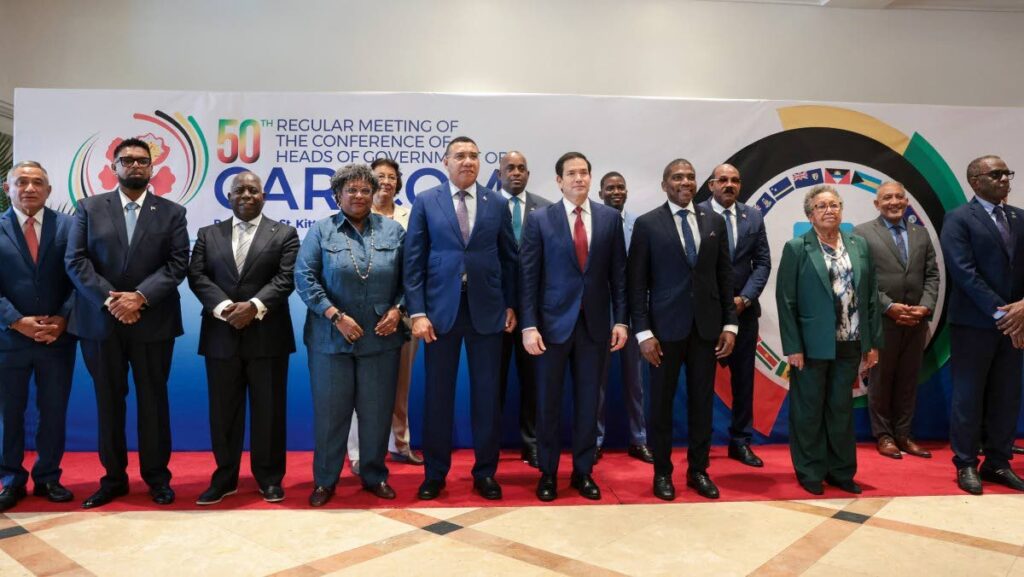
    BASSETERRE, St Kitts and Nevis – In a significant diplomatic shift, the United States has relaxed its stringent oil embargo against Cuba during high-level talks with Caribbean leaders. The policy adjustment came as US Secretary of State met with regional counterparts at the 50th Regular Meeting of the Conference of Heads of Government in Saint Kitts and Nevis on Wednesday.

    The Trump administration had imposed a virtual oil siege on Cuba in January following the US-led ouster of Venezuelan leader Nicolas Maduro, a key Cuban ally. This sanctions regime had severed Cuba’s access to Venezuelan petroleum, which previously accounted for approximately half of the island nation’s fuel requirements.

    The month-long blockade pushed Cuba’s already fragile economy toward the brink of collapse, prompting serious concerns among Caribbean Community (CARICOM) members about regional stability and humanitarian consequences.

    Facing mounting diplomatic pressure, Washington announced it would permit shipments of Venezuelan oil for limited “commercial and humanitarian use” under specific conditions. The US Treasury Department clarified that such oil exports must be channeled through private business entities rather than Cuban government or military-controlled organizations, which dominate the country’s economic infrastructure.

    The policy modification represents a nuanced approach to Caribbean relations while maintaining pressure on the Cuban government apparatus. The development underscores the complex interplay between US foreign policy objectives and regional diplomatic dynamics in the Western Hemisphere.

  • Regional leaders encouraged by engagement with Rubio

    Regional leaders encouraged by engagement with Rubio

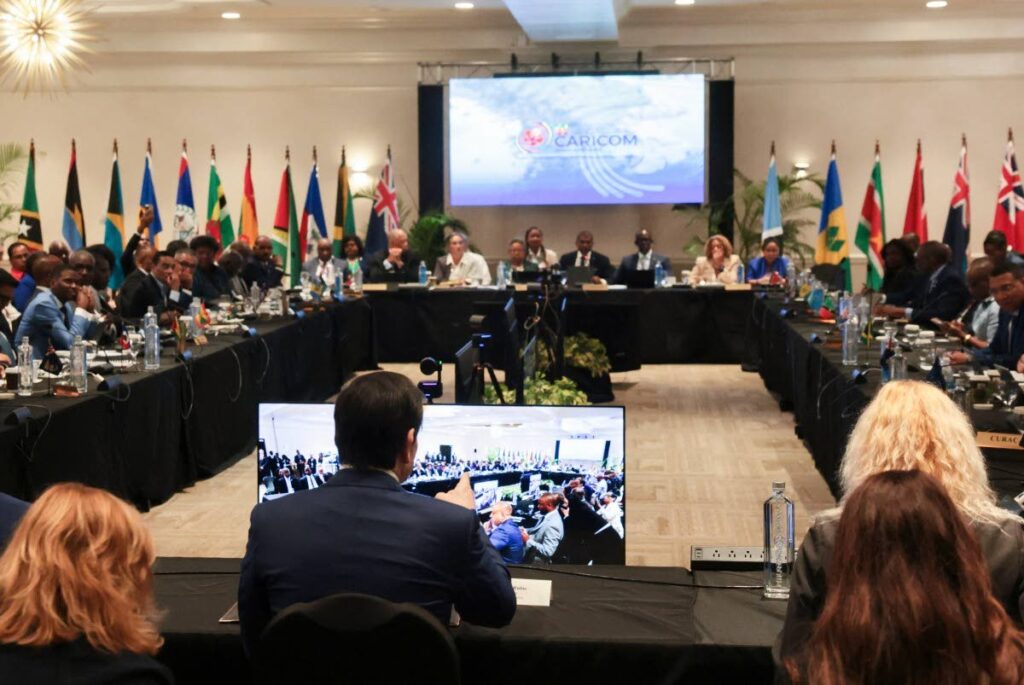
    BASSETERRE, St Kitts and Nevis – Caribbean Community (CARICOM) leaders expressed significant optimism following an address by United States Secretary of State Marco Rubio at their 50th regular summit on Wednesday. The brief ten-minute engagement was widely interpreted as a promising signal for revitalized US-Caribbean relations.

    Regional heads of government highlighted the conciliatory and cooperative tone of the Secretary’s remarks. Antigua and Barbuda Prime Minister Gaston Browne conveyed initial apprehensions were alleviated by the Secretary’s ‘very positive message.’ Browne emphasized the US recognition of shared geographical and cultural ties, stating, ‘I sense that the statement he made, though brief, would have signalled a level of commitment to enhance the relationship between the United States and CARICOM.’

    Echoing this sentiment, Dominica’s Prime Minister Roosevelt Skerrit described the encounter as ‘encouraging’ and stressed the importance of sustained dialogue on pressing regional issues. He interpreted Rubio’s physical presence as a ‘clear intention on the part of the United States to engage, to listen, and to hear our views and concerns.’

    Haitian Prime Minister Alix Didier Fils Aime also reported positive deliberations, noting the US commitment to reinforcing long-standing partnerships. He concluded that the strengthened relationship would seek ‘the mutual benefit of CARICOM nations and the United States.’ The collective response from Caribbean leadership suggests a pivotal step towards deeper diplomatic collaboration with the Biden administration.

  • As Washington softens oil embargo, Cuba coast guard kills 4 on Florida-registered boat

    As Washington softens oil embargo, Cuba coast guard kills 4 on Florida-registered boat

    A maritime confrontation near Cuban territorial waters has ignited fresh diplomatic friction between Havana and Washington. Cuban authorities reported that their coast guard personnel engaged in a lethal exchange of gunfire with a U.S.-registered speedboat on Wednesday, resulting in four fatalities and six injuries.

    The incident occurred approximately one nautical mile from Cayo Falcones Island, situated off Cuba’s northern coastline. According to an official statement from Cuba’s Interior Ministry, the coast guard vessel encountered what it described as an ‘illegal’ American boat bearing Florida registration number FL7726SH. The ministry asserted that occupants of the speedboat initiated fire first, wounding the Cuban vessel’s commander, which prompted return fire from Cuban forces.

    Cuban officials confirmed that the injured individuals received medical evacuation and treatment, though Havana declined to disclose the nationalities of the casualties or the purpose of the vessel’s approach to the communist-ruled island nation, which remains under stringent U.S. economic sanctions.

    The incident has triggered coordinated responses from multiple U.S. officials. Secretary of State Marco Rubio, speaking during diplomatic travels in St. Kitts and Nevis, emphasized that Washington would conduct its own investigation rather than relying on Cuba’s version of events. ‘We’re not going to base our conclusions on what they’ve told us,’ Rubio stated, adding that the administration would ‘respond accordingly’ once all facts are established.

    In Washington, Vice President JD Vance acknowledged the White House was actively monitoring developments while expressing cautious optimism that the situation might be ‘not as bad as we fear it could be.’ Simultaneously, Florida’s Attorney General has launched an independent investigation into the killings, reflecting the state’s particular interest given its geographical proximity—just 100 miles across the Florida Straits—and substantial Cuban-American population.

    This maritime clash occurs against a backdrop of evolving U.S. policy toward Cuba. The Biden administration recently eased certain energy restrictions imposed during the Trump presidency, which had effectively created a virtual oil siege against the island nation following the U.S. ouster of Venezuela’s Nicolás Maduro.

  • US eases ban on Venezuelan oil to Cuba as crisis alarms Caribbean

    US eases ban on Venezuelan oil to Cuba as crisis alarms Caribbean

    BASSETERRE, St Kitts and Nevis – In a significant policy shift, the United States Treasury Department announced Wednesday the partial lifting of restrictions on Venezuelan oil exports to Cuba. This decision comes as Caribbean leaders express growing concerns about potential regional instability triggered by Cuba’s severe economic crisis.

    The amended regulations permit “transactions that support the Cuban people” involving Venezuelan petroleum for both commercial and humanitarian purposes. However, a crucial stipulation requires these exports to be channeled exclusively through private business entities rather than government or military-controlled organizations within the communist state.

    This policy announcement coincided with the Caricom summit attended by U.S. Secretary of State Marco Rubio. The Cuban-American diplomat, who has historically advocated for regime change in Havana, simultaneously reaffirmed Washington’s commitment to the January 3rd intervention that ousted Venezuela’s leftist leader Nicolas Maduro.

    Cuba’s economic collapse accelerated dramatically after U.S. actions against Maduro disrupted Venezuelan oil shipments, which had supplied approximately half of the island’s fuel requirements. The current easing of restrictions represents a calibrated approach to humanitarian concerns while maintaining pressure on governmental structures.

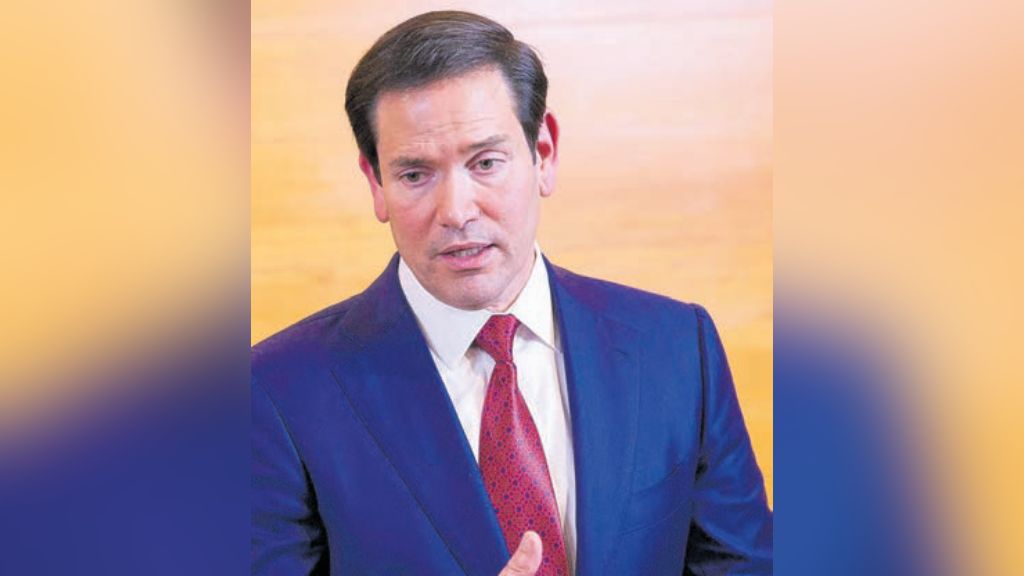
    Secretary Rubio issued a stern warning during his press briefing in St Kitts and Nevis, emphasizing that any violation of the agreement’s “spirit” would result in immediate reinstatement of sanctions. He specifically cautioned against diversion of oil resources to regime or military-controlled entities through Cuba’s emerging private sector, stating that such violations would trigger license cancellations.

  • US congressman says Jamaica to face ‘consequences’ after PM’s Cuba statement

    US congressman says Jamaica to face ‘consequences’ after PM’s Cuba statement

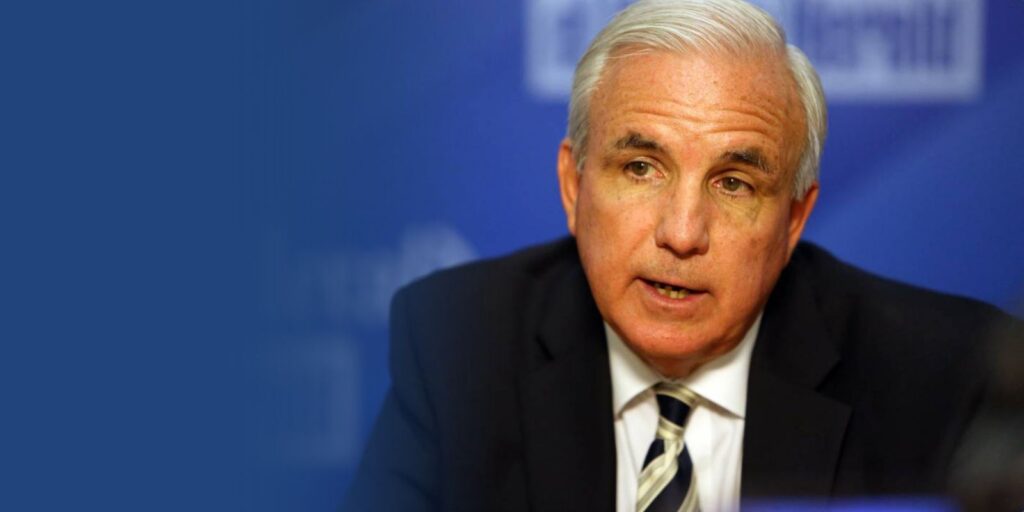
    KINGSTON, Jamaica — A significant diplomatic confrontation has emerged between United States Congressman Carlos Giménez and Jamaican Prime Minister Andrew Holness, playing out publicly on social media platform X. The dispute centers on Jamaica’s expression of solidarity with Cuba amidst its ongoing economic and energy crisis.

    Congressman Giménez, representing Florida and born in Cuba, issued a severe condemnation of PM Holness’s stance. In his post, Giménez accused Holness’s ruling Jamaica Labour Party (JLP) of providing cover for what he termed a ‘moribund dictatorship’ in Cuba. He further alleged historical interference by the Castro regime in Jamaican politics, specifically claiming it worked to undermine the JLP and exacerbate partisan tensions. The congressman concluded his statement with a stark warning: ‘Jamaica will face the consequences!’

    This rebuke was a direct response to Prime Minister Holness’s address earlier that day at the 50th Regular Meeting of the Conference of Caricom Heads of Government. In a shared video clip, Holness urged the Caribbean Community to address the situation in Cuba with clarity and directness. He highlighted the severe economic hardships, energy shortages, and growing humanitarian challenges facing the Cuban people.

    Holness articulated a regional security perspective, warning that a prolonged crisis in Cuba would inevitably affect the wider Caribbean. He specifically cited potential impacts on migration patterns, regional security, and economic stability, concluding that Jamaica would consequently stand in solidarity with Cuba.

    The context for this exchange includes the recent announcement by the United States to ease its ban on Venezuelan oil exports to Cuba. This ban was initially implemented following the country’s invasion of Venezuela and the capture of then-President Nicolas Maduro in January. The decision to roll back restrictions came after weeks of significant instability on the communist-run island, which had descended into a severe economic crisis. This deterioration prompted numerous Caribbean leaders to voice concerns about potential spillover effects throughout the region.

    In a contrasting follow-up post, Congressman Giménez praised Trinidad and Tobago Prime Minister Kamla Persad-Bissessar, holding her up as a model for regional leadership. He commended her for governing with ‘moral clarity,’ strengthening her nation’s alliance with the U.S., and championing democracy, suggesting other nations could benefit from following her example.

  • Hillary Clinton calls for Trump to testify as she faces US House Epstein panel

    Hillary Clinton calls for Trump to testify as she faces US House Epstein panel

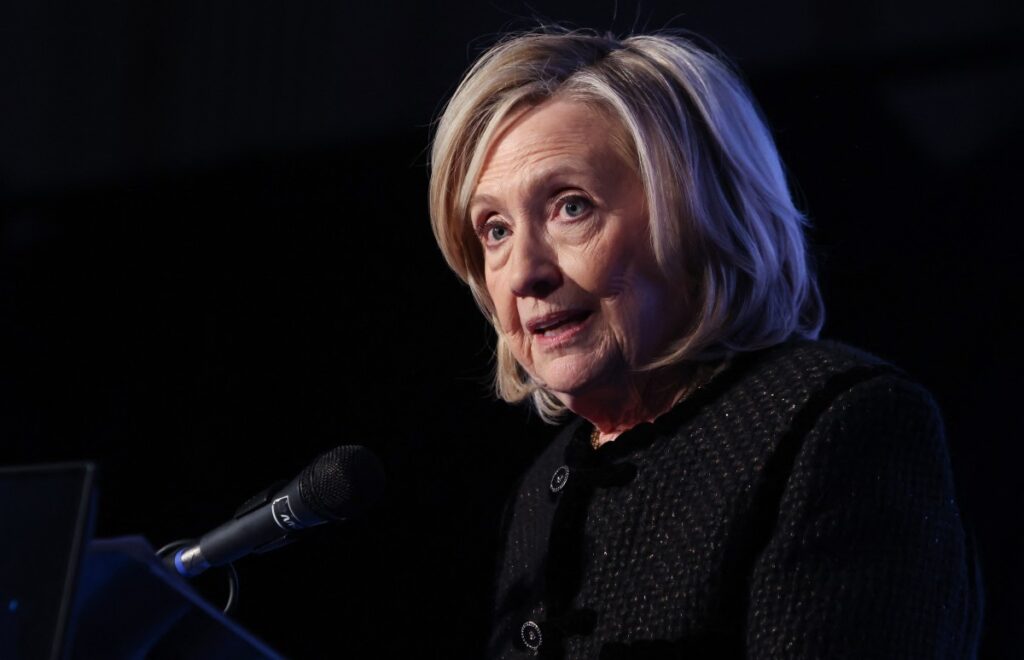
    CHAPPAQUA, New York – In a strategic counteroffensive during her congressional deposition, former Secretary of State Hillary Clinton turned the tables on Republican investigators Thursday by demanding they summon former President Donald Trump to testify under oath regarding his connections to convicted sex offender Jeffrey Epstein.

    Appearing before the House Oversight Committee’s probe into Epstein’s network, Clinton categorically denied any personal knowledge of Epstein’s criminal activities or any visits to his properties. She characterized the investigation as politically motivated, explicitly accusing committee members of attempting to ‘protect one public official’ – an apparent reference to Trump.

    Committee Chairman James Comer maintained the investigation aims to ‘understand many things about Epstein,’ the financier who died in custody in 2019 while awaiting trial on sex trafficking charges. The probe will continue Friday with testimony from former President Bill Clinton.

    In a notable escalation, Clinton challenged the committee’s sincerity, stating that if lawmakers were genuinely interested in uncovering truth about Epstein’s trafficking operations, they would compel Trump to testify regarding his ‘tens of thousands of appearances’ in Epstein-related documents.

    This position found support from the committee’s top Democrat, Robert Garcia, who echoed calls for Trump to provide testimony that would ‘answer questions being asked across this country from survivors.’

    The Clintons had initially resisted subpoenas but complied after Republicans threatened contempt of Congress proceedings. The depositions occur against the backdrop of recently released government documents detailing Epstein’s associations with powerful figures, including both Trump and Bill Clinton.

    While both former presidents appear in the Epstein files, mere mention in the documents does not constitute evidence of criminal activity. Bill Clinton has acknowledged flying on Epstein’s plane for humanitarian work in the early 2000s but denies visiting his private island.

    The proceedings have generated significant attention in this affluent New York community, with security barriers erected around the arts center hosting the deposition. Local reactions ranged from support for congressional investigative authority to criticism of the process, which Bill Clinton previously denounced as resembling a ‘kangaroo court’ due to its closed-door format.

    The investigation’s context includes the ongoing imprisonment of Epstein associate Ghislaine Maxwell, who recently invoked her Fifth Amendment rights before the committee. Her attorney indicated she would speak publicly if granted clemency by Trump.

    The Epstein case continues to reverberate globally, resulting in high-profile arrests and damaged reputations among those associated with the financier, though Maxwell remains the only person convicted of crimes directly connected to Epstein’s operation.