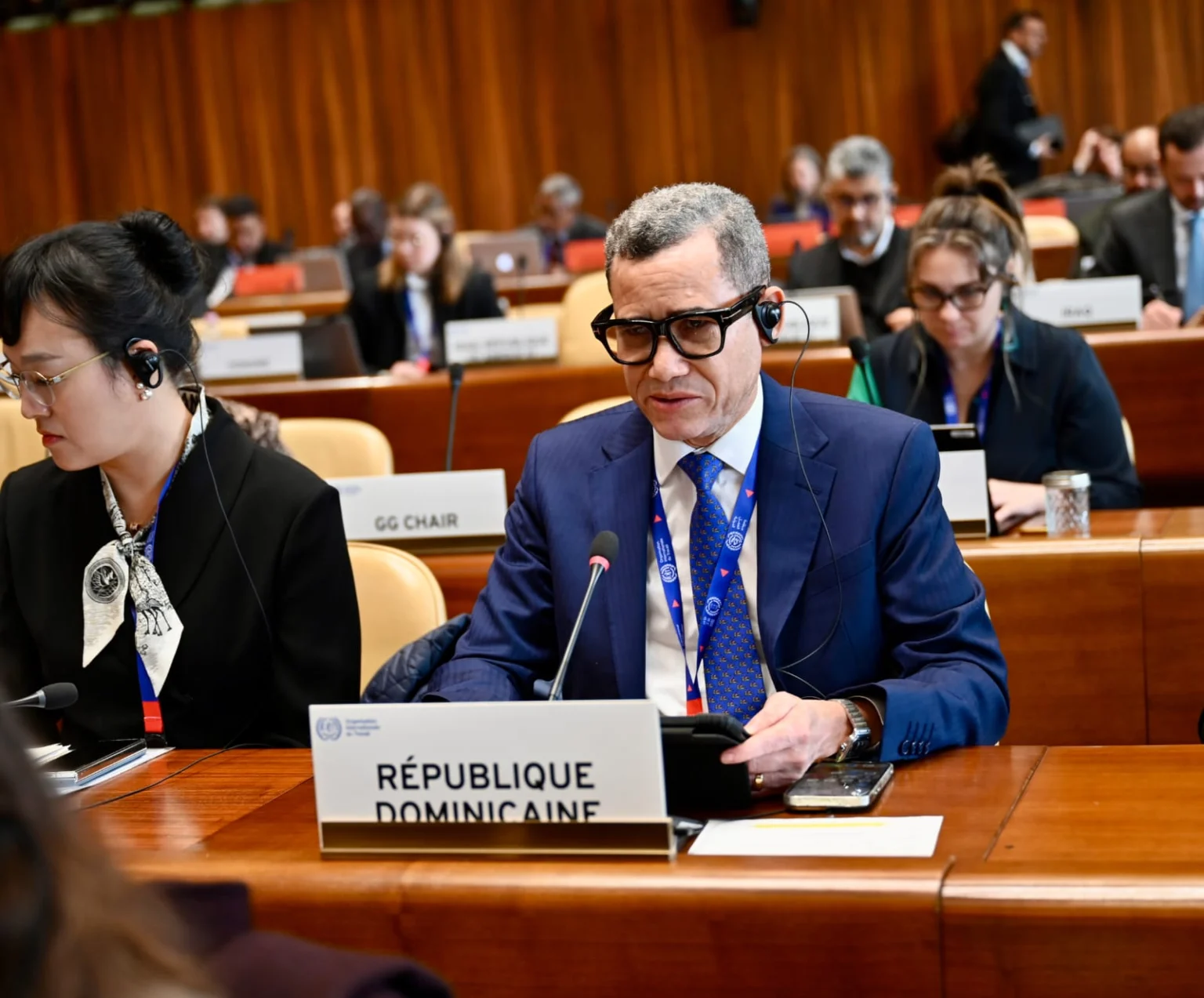
GENEVA – During the pivotal 356th session of the International Labour Organization (ILO), Dominican Minister of Labor Eddy Olivares Ortega delivered a robust affirmation of the nation’s dedication to advancing decent work and implementing inclusive labor policies on the global stage. Addressing the assembly, Minister Olivares characterized the ILO’s newly unveiled 2026–2029 Development Cooperation Strategy as both a timely and pragmatic framework, perfectly attuned to a world grappling with financial limitations and complex societal issues. He articulated that the strategy’s focus on fostering innovation, cultivating strategic alliances, and demanding measurable outcomes provides a critical pathway to confront pervasive regional challenges, including widespread informal employment, the necessity for sustainable job creation, gaps in social protection systems, and stagnating productivity. Beyond outlining the strategy’s merits, the Minister championed the amplified role of South-South and triangular cooperation as vital mechanisms for the exchange of proven best practices among developing nations. Concurrently, he called for the fortification of partnerships with international financial entities and the private sector to mobilize essential resources. Olivares Ortega further highlighted the Dominican Republic’s established role as a regional leader in pioneering social dialogue and executing meaningful labor reforms across Central America. Concluding his address, he reaffirmed the nation’s steadfast endorsement of the ILO’s tripartite model—uniting governments, employers, and workers—as the indispensable cornerstone for constructing a more equitable and inclusive future of work globally.
分类: politics
-
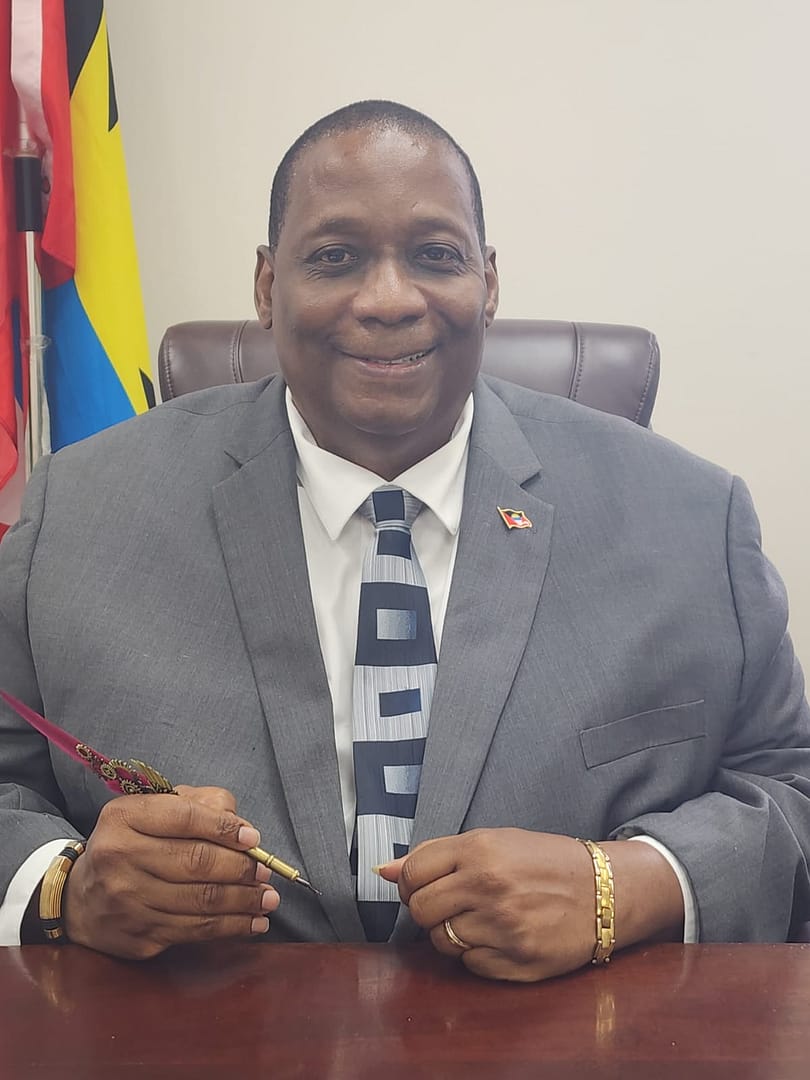
Building Zones of Peace: A Practical Path Forward for the International Community – Part III
The escalating hostilities in the Middle East serve as a stark reminder of how regional conflicts can rapidly destabilize global systems, according to analysis by Ambassador Dr. Clarence E. Pilgrim. Beyond immediate humanitarian concerns, these conflicts disrupt aviation networks, trigger volatility in energy markets, and jeopardize critical maritime corridors like the Strait of Hormuz—through which 20% of global oil supply flows. This interconnectivity means instability reverberates worldwide, driving inflation and raising costs for households thousands of miles from conflict zones.
Ambassador Pilgrim argues that reactive diplomacy is insufficient. Instead, the international community must proactively establish ‘zones of peace’—defined not merely as absence of war but as deliberate frameworks where nations resolve disputes through dialogue, respect international law, and collaborate on economic and environmental progress. Such zones create conditions for societies and economies to thrive confidently.
Central to this vision is reforming the United Nations, whose structure still reflects 1945 geopolitics rather than 21st-century realities. Scholars and diplomats increasingly emphasize that without modernization, the UN risks paralysis in addressing contemporary crises. Key proposals include Security Council reform to address ‘veto-induced paralysis,’ possibly through broader representation and mechanisms to prevent single-nation blockage of collective action. Some advocate for a UN Parliamentary Assembly to incorporate citizen representation in global policy.
Historical and philosophical foundations support this pursuit. Thinkers from Immanuel Kant to Albert Einstein envisioned peace achieved through federations governed by common laws. Figures like Nelson Mandela, Martin Luther King Jr., and Mahatma Gandhi demonstrated the transformative power of reconciliation and non-violence. Dag Hammarskjöld’s assertion that the UN exists ‘to save humanity from hell’ underscores institutional importance in safeguarding peace.
Economic cooperation is pivotal. Interdependent economies—buttressed by secure transport networks, supply chains, and financial systems—reduce conflict likelihood. Regional bodies like the African Union, CARICOM, and the Association of Caribbean States already model how cooperation builds trust. Deeper integration could eventually lead to coordinated monetary arrangements or even a global currency framework to stabilize trade.
Emerging opportunities like the Blue Economy—sustainable use of ocean resources—and international scientific projects (e.g., the International Space Station) highlight cooperation’s benefits. However, realizing this potential requires cooperative governance.
Ultimately, creating zones of peace demands political courage and sustained diplomatic engagement. Peace cannot be imposed but must be built through dialogue, shared rules, and institutional reform. Humanity stands at a crossroads: continue on a path of geopolitical rivalry or embrace cooperation, reform, and shared responsibility for planetary future. The choice will define whether the 21st century becomes an era of conflict or one of collective human advancement.
-

Abinader meets French business leaders to boost investment in the Dominican Republic
PARIS – In a strategic move to bolster economic partnerships, Dominican Republic President Luis Abinader convened with top executives from France’s private sector during an investment forum hosted by MEDEF International. The high-level gathering, forming a pivotal segment of his official state visit, served as a platform to showcase the Caribbean nation’s robust economic credentials to potential investors.
Addressing assembled business leaders, President Abinader articulated a compelling case for the Dominican Republic, emphasizing its remarkable economic stability, reinforced legal safeguards for foreign capital, and proactively open investment policies. He presented the nation as the premier hub for commercial ventures in the Caribbean region. The forum garnered strong endorsements from established French corporations already operating within the country, who attested to its consistent growth trajectory and business-friendly environment. Their testimonials were complemented by expressions of serious interest from new market entrants eager to engage in forthcoming projects and public tenders.
This business roundtable immediately followed President Abinader’s diplomatic discussions with French President Emmanuel Macron, signaling a concerted effort to deepen bilateral ties beyond politics into tangible economic cooperation. Revealing a significant milestone, Abinader announced that Foreign Direct Investment (FDI) had exceeded US$5 billion in 2025, setting an unprecedented national record. He pinpointed several high-priority sectors actively seeking international investment and expertise, including metropolitan transit systems, renewable energy generation, major infrastructure upgrades, logistics hubs, digital transformation initiatives, semiconductor manufacturing, and defense technology.
-

“The Move Is Bold and Unapologetic”, Prime Minister Drew Calls for Action on Africa-Caribbean Unity
ABUJA, NIGERIA – March 25, 2026 – In a landmark address at the Afri-Caribbean Investment Summit, St. Kitts and Nevis Prime Minister Hon. Dr. Terrance Drew issued a compelling call for transformative action to strengthen ties between African and Caribbean nations. Delivering his keynote under the theme “Caribbean Perspectives on Unity and Prosperity,” the Prime Minister articulated a visionary framework for converting historical connections into concrete opportunities through strategic collaboration.
Dr. Drew characterized the initiative as both “bold and unapologetic,” acknowledging that such forward-thinking diplomatic moves might not gain immediate universal understanding. “For those who may not have understood, and even if they don’t understand now, I still forgive them,” stated the Prime Minister, emphasizing the long-term necessity of these efforts for regional development and global positioning.
The address positioned the Caribbean delegation as representing both participation and purpose, bringing together talent, leadership, and opportunity to foster meaningful exchange. Dr. Drew highlighted the profound connections between the regions rooted in shared ancestry, history, and identity, arguing that these foundations must translate into actionable partnerships.
St. Kitts and Nevis emerges as an emerging bridge between the regions, with the government reaffirming its commitment to strengthening bilateral partnerships, expanding economic linkages, and advancing South-South cooperation. The Prime Minister stressed that current geopolitical dynamics demand courage, clarity, and decisive action to shape a future defined by collective prosperity and shared progress.
The Afri-Caribbean Investment Summit continues to serve as a critical platform for dialogue and partnership-building, facilitating a more interconnected and collaborative future between African and Caribbean nations.
-
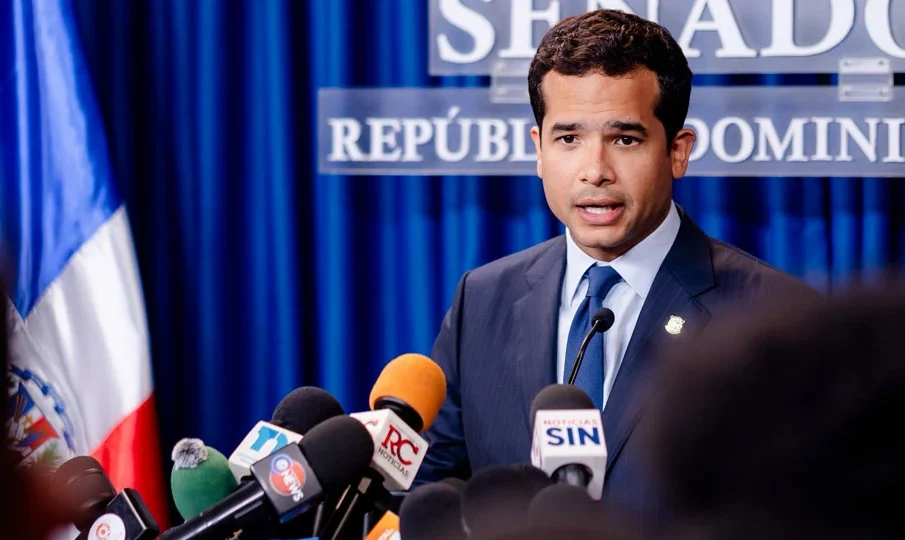
Omar Fernández calls for income tax indexation to ease family finances amid Iran conflict
SANTO DOMINGO – Dominican Senator Omar Fernández has issued a compelling appeal to the national government, demanding it assume a greater share of the economic strain triggered by escalating global instability linked to the Middle East conflict. He emphasized that ordinary citizens should not be left to shoulder the overwhelming financial consequences alone, particularly as new measures impacting essential goods and services are implemented.
In a detailed critique of current fiscal policy, Fernández questioned whether state institutions were demonstrating commensurate sacrifice. He advocated for the immediate adoption of countercyclical economic strategies designed to shield household incomes, citing the prolonged financial distress faced by Dominicans since the COVID-19 pandemic.
The senator put forward a multi-faceted proposal to alleviate public hardship. Key recommendations include indexing income tax brackets to inflation to prevent bracket creep and reduce the fiscal pressure on salaried workers, providing tax relief on mortgage loans, and eliminating advance tax payments for small and medium-sized enterprises (SMEs) to improve their cash flow.
Furthermore, Fernández proposed a strategic reduction of the electricity sector’s deficit to pre-pandemic 2019 levels. He argued that the substantial savings realized from this measure could be reallocated to finance critical subsidies for fuel, basic food items, and agricultural fertilizers, alongside necessary public sector salary adjustments.
In a move highlighting fiscal responsibility, the senator also suggested repurposing a portion of the social assistance funds allocated to legislators to support these subsidy initiatives. Fernández concluded that such decisive and shared actions are imperative to fortify public confidence and underscore the government’s institutional accountability during a period of economic difficulty.
-
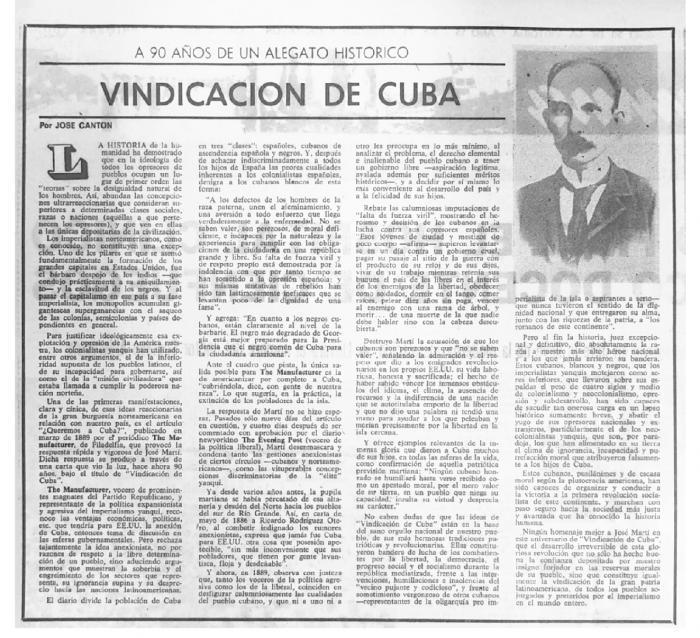
In Defense of Cuba
A seminal historical analysis revisits José Martí’s powerful 1889 rebuttal to U.S. expansionist rhetoric, revealing enduring patterns of imperial ideology. The original article, published in Philadelphia’s The Manufacturer, advocated against Cuban annexation not from principled opposition but through racist characterization of Cubans as “effeminate,” “lazy,” and inherently incapable of self-governance.
Martí’s response, titled ‘In Defense of Cuba,’ systematically dismantled these prejudicial claims while highlighting the revolutionary resilience of Cuban people against Spanish oppression. The Manufacturer’s proposal involved effectively replacing Cuba’s population with Americans to achieve ‘complete Americanization’—a genocidal implication Martí confronted with documented evidence of Cuban valor and intellectual achievement.
This historical exchange exemplifies how imperial powers historically manufactured racial and cultural hierarchies to justify domination. The article draws direct connections between 19th-century expansionist rhetoric and contemporary anti-imperial struggles, positioning Martí’s defense as foundational to Cuban national identity and revolutionary consciousness.
The analysis concludes that Cuba’s socialist revolution represents the ultimate vindication of Martí’s faith in his people’s moral and revolutionary capabilities—a living refutation of centuries-old imperial prejudices that continues to inspire anti-colonial movements globally.
-
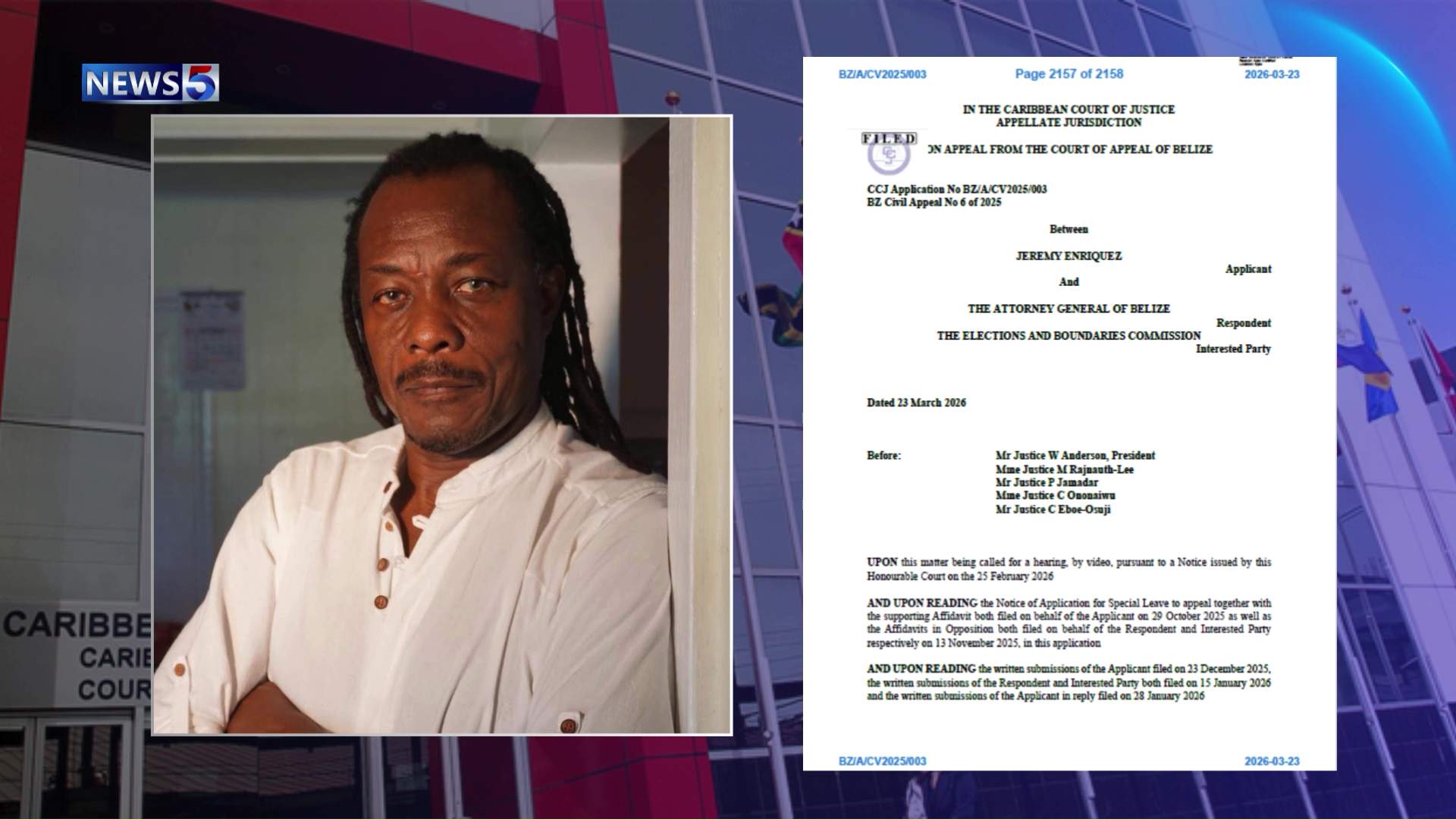
Enriquez Scores Big as CCJ Revives Case on Unequal Electoral Boundaries
In a landmark judicial decision with profound implications for democratic integrity, the Caribbean Court of Justice (CCJ) has reinstated constitutional challenges against Belize’s electoral boundary system. The court’s March 23rd ruling represents a significant victory for social activist Jeremy Enriquez and lead attorney Anand Ramlogan, SC, whose previous appeals had been dismissed on procedural grounds by Belize’s Court of Appeal.
The case originated in February 2025 when Enriquez filed constitutional motions arguing that Belize’s current electoral boundaries violate constitutional guarantees of equal representation. His attempt to secure an injunction delaying general elections was denied by Justice Tawanda Hondora, who issued an unprecedented personal costs order against Ramlogan—a move widely criticized as judicial overreach.
The CCJ’s sweeping reversal condemned the lower courts’ emphasis on technicalities, asserting that procedural requirements should not obstruct access to justice. The regional court nullified the costs order against Ramlogan and reinstated appeals regarding both the injunction denial and allegations of judicial bias, remanding the latter issue back to the trial judge for reconsideration.
Prime Minister John Briceño responded to the ruling by characterizing it as largely academic, noting his administration already committed to completing redistricting by year’s end. He confirmed an upcoming meeting with Minister Musa to review progress toward this deadline.
Ramlogan hailed the decision as critical for advancing substantive justice, though he expressed concerns about systemic delays in Belize’s judicial process. Enriquez emphasized his long-term commitment to constitutional electoral alignment despite financial and procedural hurdles.
The CCJ’s intervention has transformed the redistricting debate from purely technical litigation to a broader examination of judicial accessibility and political accountability. All stakeholders now await whether governmental promises will materialize into concrete electoral reforms.
-
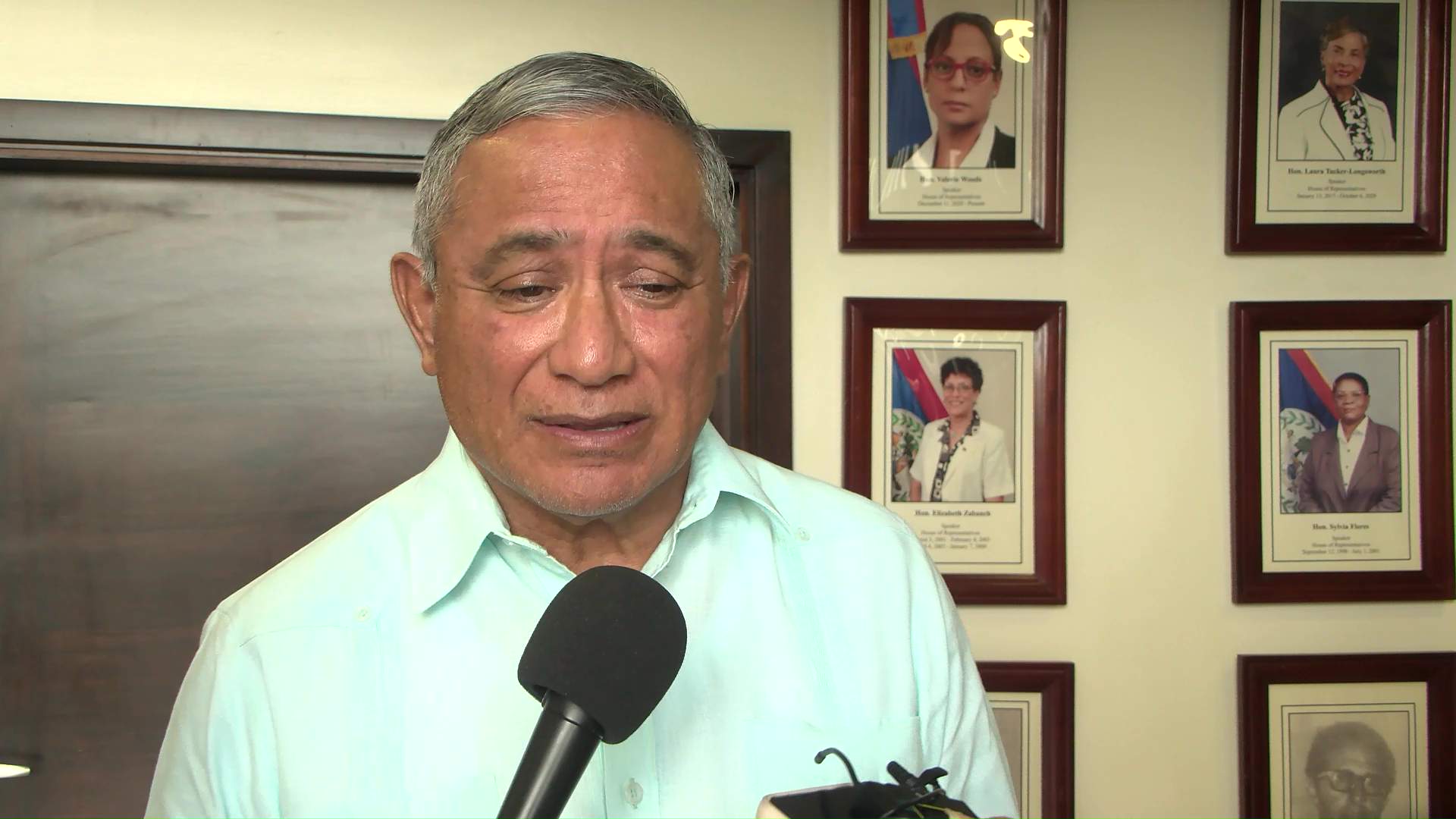
PM Not Impressed with Panton’s Performance
BELIZE CITY – A political firestorm has erupted in Belize’s National Assembly following Prime Minister John Briceño’s sharp criticism of Opposition Leader Tracy Panton’s budget presentation and his subsequent denial of allegations that he mocked her disability.
In a blunt assessment delivered to reporters, Prime Minister Briceño characterized Panton’s lengthy budget rebuttal as fundamentally lacking in substantive content. “I guess she had to find something to say and she spoke over two hours,” Briceño stated, adding that even members of Panton’s own political party expressed dissatisfaction with her performance, describing their internal criticism as “savage” in its intensity.
The political confrontation escalated when journalists pressed the Prime Minister on Panton’s specific allegation that he had mocked her disability during parliamentary proceedings. Briceño offered a firm denial, responding, “I don’t remember I was mocking her about her disability. I mean she was mocking me on grandstanding.”
Opposition Leader Panton had previously characterized the Prime Minister’s behavior as “wholly unacceptable,” asserting that the nation’s highest office holder should not consider it “fair game to ridicule or poke fun at a person’s disability or challenge or medical setback.” She framed the incident as a matter of national leadership standards, warning that such behavior from the Prime Minister could normalize the disrespect of differently abled persons throughout Belizean society.
The exchange represents a significant deterioration in cross-aisle relations within Belize’s parliamentary system and raises questions about the tone of political discourse in the country’s governance. Both leaders appear entrenched in their positions, with no indication of reconciliation or apology forthcoming from either side.
-

PM Monitoring US Reaction to Pro Cuba Stance in Caribbean
The Belizean government under Prime Minister John Briceño finds itself at the center of escalating diplomatic tensions with the United States regarding its continued utilization of the Cuban Medical Brigade program. While facing mounting pressure from Washington that includes potential visa restrictions, the administration maintains a cautious public stance, characterizing the situation as involving “delicate negotiations.
Prime Minister Briceño, when pressed by journalists on March 24, 2026, confirmed that discussions remain ongoing with both Cuban officials and American representatives. He acknowledged that U.S. authorities consistently raise their concerns during bilateral meetings but expressed hope for a resolution “sooner than later.”
The diplomatic challenge presents a complex balancing act for Belize as it attempts to preserve its long-standing relationship with Cuba while simultaneously managing its critically important ties with the United States. This situation mirrors similar pressures experienced by other Caribbean nations that have maintained cooperation programs with Cuba despite American objections.
When confronted with specific questions about alleged U.S. threats of visa sanctions, Briceño declined to elaborate, simply stating “Let’s leave it as that” while acknowledging awareness of similar developments in other islands. The Prime Minister directly denied rumors of an impending announcement regarding the matter, asserting “there’s no such thing” when asked about a purported Thursday decision deadline.
The Cuban Medical Brigade program has become a recurring point of contention in U.S.-Caribbean relations, with Washington maintaining longstanding objections to such partnerships based on its position toward the Cuban government.
-

Abinader meets Dominican diaspora in Paris, proposes INDEX office
PARIS – Dominican President Luis Abinader convened a significant gathering with nearly 100 young Dominican expatriates in Paris, underscoring his administration’s dedication to enhancing diplomatic relations and support mechanisms for citizens residing in France. The meeting served as a platform for substantive dialogue on critical areas including educational advancement, artificial intelligence integration, cultural preservation, housing solutions, and political engagement.
In a major policy announcement, President Abinader revealed that authorities would conduct feasibility studies for establishing both an office of the Institute of Dominicans Abroad (INDEX) and a Dominican cultural center in France. These initiatives aim to foster deeper community integration and provide structured support for the growing Dominican population in the country, which currently exceeds 8,000 individuals according to Ambassador David Puig.
Foreign Minister Roberto Álvarez detailed comprehensive reforms underway within the nation’s foreign service apparatus, designed to modernize diplomatic operations and improve consular services. The administration also highlighted existing support programs accessible to diaspora members, including the ‘Beca Tu Futuro’ educational scholarship initiative and various housing development projects in the Dominican Republic.
President Abinader concluded the engagement by reaffirming his government’s unwavering commitment to national development projects that improve quality of life both domestically and for overseas citizens, emphasizing the important role of the diaspora as ambassadors of Dominican culture and values.