分类: politics

  • Barbados Landslide Win, But Where Were Voters?

    Barbados Landslide Win, But Where Were Voters?

    In an unprecedented political achievement, Prime Minister Mia Mottley has secured her third consecutive comprehensive electoral victory in Barbados, with her Barbados Labour Party capturing all thirty parliamentary seats. This remarkable triumph solidifies Mottley’s position as one of the Caribbean’s most dominant political figures and represents a rare feat in global democratic politics.

    Despite the overwhelming margin of victory, the election was characterized by notably subdued voter participation across the island nation. Preliminary reports indicate mid-to-low turnout levels persisted throughout polling day, despite extensive civic engagement campaigns urging citizens to exercise their democratic rights. This apparent disconnect between electoral enthusiasm and the scale of the governing party’s success has emerged as a significant subplot to the historic outcome.

    In her post-election address, Prime Minister Mottley reflected on her administration’s challenging journey since initially assuming power in 2018. She acknowledged the unforeseen complications presented by the COVID-19 pandemic, which forced a strategic pivot from immediate growth initiatives to survival measures during the global health crisis. Mottley emphasized that only within the past thirty months has her government been able to transition toward its intended transformation agenda.

    The Prime Minister articulated her administration’s fundamental philosophy, stating: ‘We did not come simply to hold office. We have come to make Barbados better and to make your lives better.’ She reiterated the party’s longstanding commitment to poverty alleviation, social justice, and creating substantive opportunities for national development. Mottley framed her government’s mission as building strong families, communities, workers, and businesses toward the ultimate goal of forging a resilient nation.

    Political analysts are now examining the implications of both the electoral sweep and the participation patterns, questioning how a government achieves such dominance while apparently failing to energize substantial portions of the electorate. This dual reality presents both a powerful mandate and a governance challenge for Mottley’s third term administration.

  • Politic : New Municipal Commission at the head of Port-au-Prince

    Politic : New Municipal Commission at the head of Port-au-Prince

    In a significant administrative move, Haiti’s Interior Ministry has formally established a new governing body for its capital city. On February 11, 2026, Interior Minister Paul Antoine Bien-Aimé presided over the swearing-in ceremony of the freshly appointed Port-au-Prince Municipal Commission at the Ministry’s Delmas 60 headquarters.

    The commission, comprising President Yves Andrel Salomon (functioning as mayor) alongside deputies Dorothé Ignace Morel and Esther Cinéas, assumes authority during a period of substantial challenges for the capital. Their appointment, initially decreed by the Council of Ministers under Prime Minister Fils-Aimé on February 7, 2026, signifies a strategic effort to stabilize municipal governance.

    The installation event witnessed the presence of key government figures, including Ketlène Jean Louis, Director General of the Ministry of Haitians Living Abroad (MHAVE), senior ministry officials, and representatives from the National Federation of CASECS of Haiti (FENACAH).

    In his address, Director General Pierre Canisius Guignard emphasized that this leadership transition stems from a commitment to address the legitimate needs and aspirations of Port-au-Prince residents, specifically through the enhanced delivery of quality public services. The Ministry of the Interior and Territorial Communities (MICT) has expressed strong expectations for the new commission to implement local public policies aimed at revitalizing the city and restoring its former pride. The executive agents are urged to operate with both effectiveness and efficiency.

    Minister Bien-Aimé formally presented the official confirmation of appointments to the new members, aligning with the decree that establishes this municipal commission. This body is tasked with managing the capital’s affairs on an interim basis until the next scheduled elections.

    A critical directive for the new council is to prioritize the acute needs of the population, with particular attention to the most vulnerable communities, including those residing in camps for displaced persons. The Ministry has pledged its full support to the municipal executive agents, aiming to boost operational performance and fortify the institutional framework of the municipality during this pivotal period.

  • Foreign Minister denies Dominican government ties to DEA office shutdown

    Foreign Minister denies Dominican government ties to DEA office shutdown

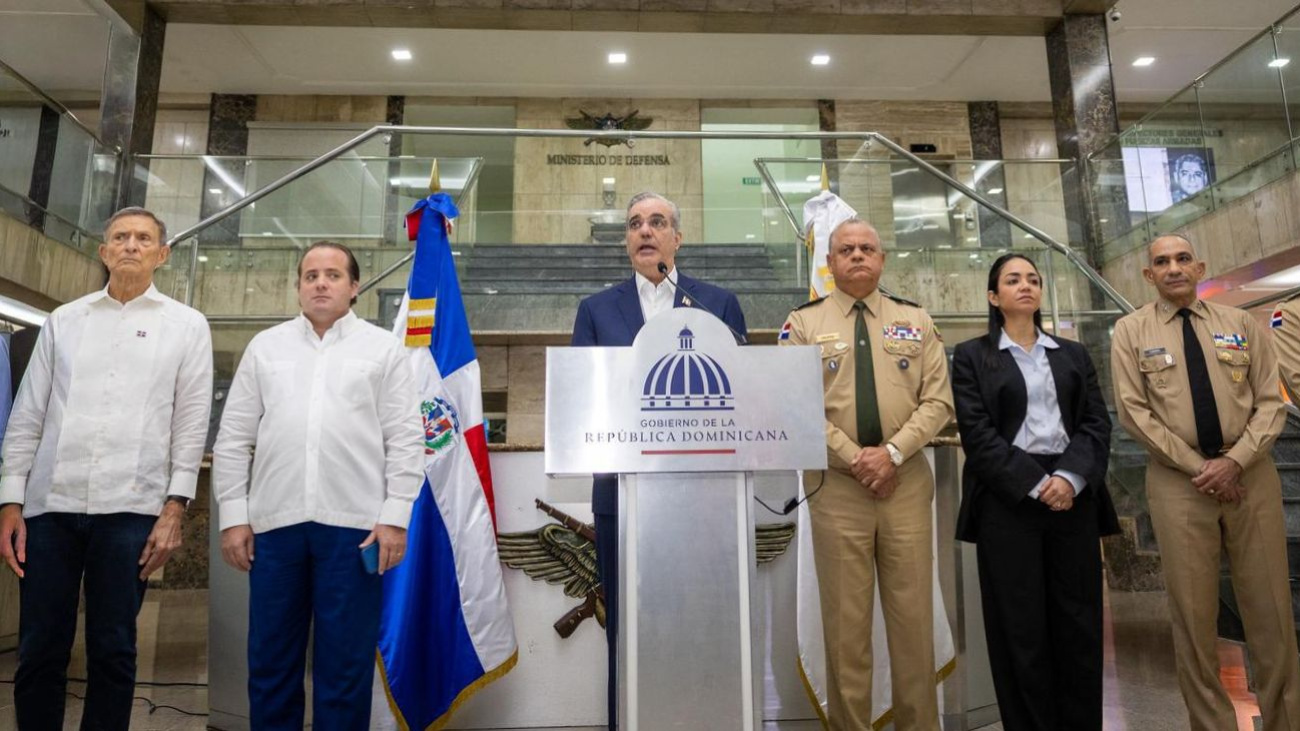
    SANTO DOMINGO – Dominican Foreign Minister Roberto Álvarez has officially confirmed that the recent shutdown of the U.S. Drug Enforcement Administration (DEA) office in the country stems entirely from an internal investigation within the U.S. embassy, with no involvement or connection to the Dominican government or its officials. The clarification came following a direct conversation between Álvarez and U.S. Ambassador to the Dominican Republic, Leah Campos.

    Ambassador Campos provided explicit assurances that the decision to close the DEA’s operational office was motivated solely by findings from an internal probe conducted by the embassy itself. Minister Álvarez publicly relayed the diplomat’s statements, emphasizing that the measure was categorically unrelated to any actions or policies of Dominican authorities.

    The development follows the recent arrest of Melitón Cordero, the DEA’s former supervisor in the Dominican Republic, who was taken into custody as part of an investigation into alleged visa fraud. While the timing of the office closure and the arrest is notable, the Dominican government’s statements aim to dispel any speculation of local misconduct or bilateral diplomatic friction, framing the event as an internal administrative action by the United States.

  • NDP opent opnieuw Sociaal Maatschappelijk Bureau aan Hoogestraat

    NDP opent opnieuw Sociaal Maatschappelijk Bureau aan Hoogestraat

    In a significant move to strengthen community support mechanisms, Suriname’s National Democratic Party (NDP) has officially reopened its Social and Societal Bureau (SMB) after a five-year suspension. The new facility, located on Hoogestraat within the former party headquarters of the BVD, was inaugurated by NDP Chairwoman and President Jennifer Simons on February 12th.

    The bureau, operating under the Office of the NDP Chairman, will serve as a specialized center addressing public grievances that cannot be directly resolved through ministers, assembly members, or other government officials. Coordinator Yvonne Cheuk Alam explained that the facility will provide guidance and collaboratively seek solutions with citizens, potentially through engagement with relevant ministries depending on each situation’s specific circumstances.

    President Simons emphasized the bureau’s advisory nature during the unveiling ceremony, clarifying that it does not represent an institution where individuals can obtain everything they request. Rather, it functions as an information and guidance center within a nation where many administrative processes remain unclear and assistance doesn’t always arrive promptly. The SMB specifically will not replace existing institutions but will serve as a referral and advisory point, particularly for cases requiring immediate intervention.

    Cheuk Alam revealed that the bureau reactivation follows the successful operation of a similar office called the Ombudsman’s Bureau from 2010 to 2020 at the Ocer party center. That previous initiative proved effective through established agreements with ministers and assembly members, creating shorter pathways to problem resolution for citizens. The current reactivation responds to what officials describe as the dual responsibilities burdening administrators following the NDP’s assumption of national leadership under challenging circumstances.

    The bureau will address multiple societal issues including land matters, housing concerns, sexual assault cases, domestic violence incidents, educational challenges, and parent-school conflicts. While primarily established to serve party members, Cheuk Alam stressed that the facility remains open to all Surinamese citizens, emphasizing national unity beyond political affiliations in the post-election period.

  • New Attorney General Abrahams to spearhead reform, tackle gun crime

    New Attorney General Abrahams to spearhead reform, tackle gun crime

    In a significant political development, Wilfred Abrahams has been formally inaugurated as Barbados’s new Attorney General, immediately pledging to address urgent national priorities including legislative modernization and escalating firearm-related offenses. His appointment follows a historic electoral victory where the Barbados Labour Party secured all 30 parliamentary seats for an unprecedented third consecutive term.

    Prime Minister Mia Mottley, who personally selected Abrahams, emphasized that the decision was rooted in proven competence and established trust rather than public speculation. She explicitly dismissed preceding media debates that had identified other legal professionals as potential candidates, stating that her choice was based on Abrahams’ extensive experience as the longstanding acting Attorney General for his predecessor, Dale Marshall.

    Signaling a strategic shift in governance structure, Mottley confirmed that Abrahams will hold no additional ministerial portfolios. This deliberate narrowing of responsibilities is designed to enable a concentrated focus on two primary objectives: expediting government contract finalizations to accelerate public projects, and driving an aggressive agenda of legislative reform. Mottley highlighted that despite previous advancements in child protection, anti-corruption, and judicial reform, much of Barbados’s legal framework remains anchored in its colonial past and requires comprehensive modernization for the 21st century.

    Addressing pressing public safety concerns, Abrahams acknowledged the challenges of his new role while striking a cautiously optimistic tone regarding crime prevention. He refuted claims that Barbados has reached an irreversible crisis point regarding violent crime, instead characterizing the situation as containing ‘pockets of crime’ rather than widespread lawlessness. Abrahams praised the Royal Barbados Police Force’s effectiveness in post-crime investigations and emphasized growing public cooperation with law enforcement as a critical deterrent. He committed to continuing his predecessor’s initiative to fill all vacant positions within the police service to maximize operational capacity.

    The new Attorney General framed the government’s third term as a pivotal moment of responsibility rather than celebration, noting that Barbados stands at a decisive turning point in its development trajectory. Abrahams expressed eagerness to immediately engage with ministry staff and commence work, stating that the administration must continually justify public trust through concrete achievements in their legislative and security priorities.

  • PM urges stronger Caribbean unity amid global uncertainty

    PM urges stronger Caribbean unity amid global uncertainty

    In her first public address following a historic electoral triumph, Barbadian Prime Minister Mia Mottley has issued a compelling appeal for strengthened regional integration among Caribbean nations. Speaking from State House after securing an unprecedented third consecutive term with a perfect 30-0 parliamentary majority, Mottley emphasized that small island states cannot successfully operate in isolation within the current complex geopolitical landscape.

    The Prime Minister articulated that the contemporary global environment necessitates collective action to safeguard Caribbean interests and ensure equitable treatment internationally. “If ever there was a time for the people of the Caribbean to walk together, it is now,” Mottley declared to assembled journalists. “None of us can operate in this geopolitical climate as individual sovereign nations without two essential elements: solidarity and reinforcement of the international rules-based system.”

    Mottley positioned the international rules-based order as particularly vital for smaller nations, creating frameworks that enable fair treatment and recognition of their distinctive circumstances. She criticized prevailing approaches that impose uniform solutions regardless of context, stating that Caribbean nations frequently encounter “one-size-fits-all prescriptions” that inadequately address their realities. Such approaches, she argued, constrict the fiscal flexibility and policy autonomy necessary for effective governance.

    Beyond theoretical concerns, Mottley addressed practical regional challenges, identifying crime as a significant transnational issue requiring cooperative solutions. While acknowledging Barbados experiences lower violent crime rates than some neighbors, she emphasized the problem’s regional character and the importance of shared strategies. The Prime Minister referenced existing collaborative frameworks including the Port of Spain Declaration and George-Bridge Declaration as instruments for developing collective security approaches while mitigating domestic political divisions.

    This cooperative model, Mottley suggested, extends beyond security to encompass economic policy, social cohesion, and opportunity expansion. She specifically highlighted tax policy coordination as crucial for preventing destructive inter-regional competition that creates a “race to the bottom.”

    The swearing-in ceremony witnessed attendance from regional dignitaries including Bahamian Foreign Minister Fred Mitchell, who congratulated Mottley and reaffirmed CARICOM’s centrality to regional foreign policy. Mitchell characterized Mottley as “a strong advocate of CARICOM unity” and expressed anticipation for continued collaboration.

    With CARICOM leaders scheduled to convene within the forthcoming fortnight, Mottley confirmed Barbados would actively participate in advancing collective regional priorities, recognizing the multitude of challenges affecting Caribbean nations both individually and collectively.

  • Rowe ekes out narrow win in St Michael North West

    Rowe ekes out narrow win in St Michael North West

    In a dramatic conclusion to Barbados’ general election, the Barbados Labour Party (BLP) achieved an unprecedented third consecutive clean sweep of all 30 parliamentary constituencies. The final piece of this electoral triumph came in the early hours of Thursday morning when incumbent Neil Rowe narrowly retained the St Michael North West seat after one of the most tightly contested battles of the election.

    The tense counting process extended into the night at the Ellerslie School counting center, where Rowe ultimately prevailed with 1,674 votes against Democratic Labour Party challenger Walters’ 1,441 votes and Friends of Democracy candidate Williams’ 36 votes. The declaration came at approximately 3:30 AM, sealing the BLP’s complete dominance across the island nation.

    Following his victory declaration, an emotional Rowe expressed profound gratitude, stating, ‘First I wish to give God thanks for giving me the strength and resources to be victorious here tonight.’ The re-elected representative immediately shifted focus to his constituents, emphasizing, ‘This victory belongs to the good people of St Michael North West who re-elected me. I will continue to do my utmost and very best in representing them.’

    When questioned about the prolonged counting process and whether he had experienced any doubt, Rowe responded with unwavering confidence: ‘I was confident—not overconfident—but I know within myself that the amount of work I have done across this constituency was sufficient for people to recognize and make that determination.’

    The St Michael North West contest mirrored the broader electoral pattern across Barbados, with BLP candidates demonstrating overwhelming dominance from Bridgetown to the parishes. Prime Minister Mia Mottley’s party achieved what political analysts are calling a historic consolidation of power, unprecedented in modern Barbadian politics.

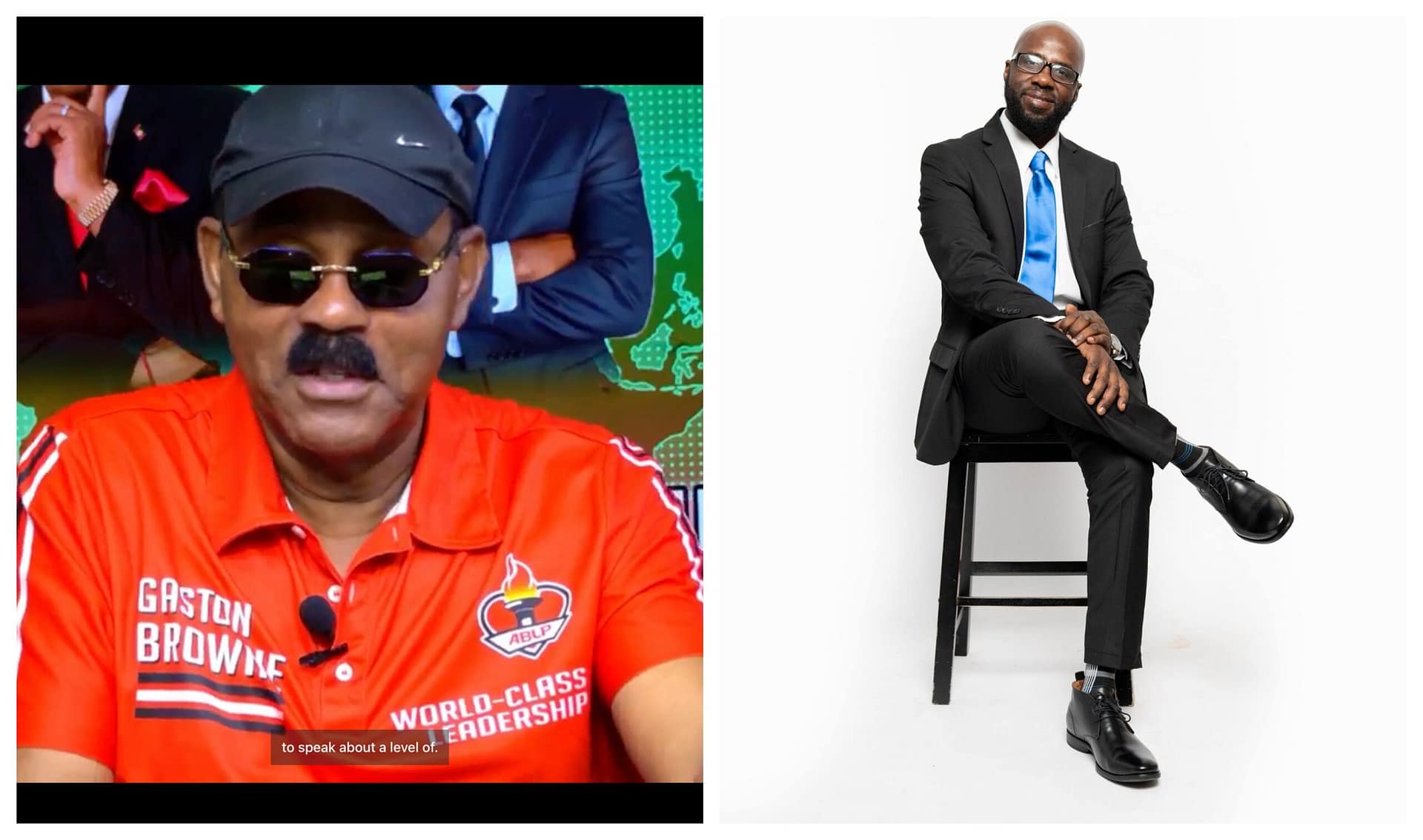
  • Browne credits expanded campaign team for third term in St Philip North

    Browne credits expanded campaign team for third term in St Philip North

    Dr. Sonia Browne of the Barbados Labour Party (BLP) has achieved a decisive electoral victory, securing her third consecutive term as the representative for St Philip North constituency. The triumph was declared following an intense vote count on Thursday, where Browne garnered 2,434 votes against her closest rival, Simon Clarke of the Democratic Labour Party (DLP), who received 2,128 votes.

    In her post-victory address, Dr. Browne attributed her success to a significantly enhanced grassroots campaign strategy. She emphasized that an expanded team enabled comprehensive coverage of the large, single-parish constituency, facilitating direct voter engagement through door-to-door outreach. This approach marked a substantial improvement over her previous campaigns and proved instrumental in securing voter support.

    The medical professional turned politician described the campaign as particularly challenging due to its short duration and intensity. Despite facing skepticism and negative predictions during the race, Dr. Browne maintained focus and resilience throughout the process. She acknowledged the physical toll of the campaign, having remained awake for over 24 hours during the final stretch.

    Dr. Browne extended professional courtesy to her opponent, praising Mr. Clarke for running a competitive campaign and delivering quality platform speeches. She encouraged his continued participation in Barbados’ political landscape, noting their long-standing acquaintance predating his legal career.

    Looking forward, the re-elected MP outlined her commitment to addressing constituency concerns more extensively, acknowledging the challenges of representing such a large geographical area. She pledged increased mobility and accessibility to better serve her constituents’ needs in St Philip North.

  • Griffith edges out rivals in ‘tough’ St John race

    Griffith edges out rivals in ‘tough’ St John race

    In a closely contested election that stretched into the early hours of Thursday morning, Charles Griffith successfully defended his St John parliamentary seat, overcoming a formidable challenge from Democratic Labour Party’s former leader Ralph Thorne. The final tally revealed Griffith secured 2,327 votes against Thorne’s 1,876, resulting in a victory margin of 451 votes in this crucial parish battleground.

    The electoral atmosphere remained tense throughout the counting process at the St John aggregation center, where supporters gathered under bright lights awaiting the official announcement. Returning Officer Gracia Bolden-Thompson declared Griffith the winner amid cheers and handshakes, marking the conclusion of what the incumbent described as ‘a tougher contest than usual.’

    Griffith, who previously served as Sports and Youth Minister, acknowledged the intensity of the campaign had tested his political confidence. ‘I was always confident… the end result reveals that people still believe in my ability to move St John forward,’ he stated in his victory address.

    The election featured multiple candidates, including New National Party leader Kemar Stuart, who garnered 236 votes from the total 4,439 ballots cast, with 18 votes declared spoiled. Griffith extended diplomatic recognition to his opponents, noting: ‘You respect your opponents in politics, and I respected Kemar coming into the game. He believed he had something to offer in serving the people.’

    Addressing his constituency, Griffith emphasized his apolitical approach to representation: ‘I don’t see red or blue when it comes to representing my constituency. There’s substantial work ahead in infrastructure development, sports facilities, and youth empowerment programs.’

    The victory sets the stage for upcoming parliamentary proceedings, with Griffith and other newly elected representatives scheduled to attend the opening of the new parliament next Friday. The incumbent expressed humility about his party’s broader vision, noting its proactive approach to national development that would ultimately benefit his constituency.

  • Bangladesh: BNP wint cruciale parlementsverkiezing en zet koers naar politieke stabiliteit

    Bangladesh: BNP wint cruciale parlementsverkiezing en zet koers naar politieke stabiliteit

    In a historic political shift, the Bangladesh Nationalist Party (BNP) has achieved a decisive victory in Thursday’s parliamentary elections, marking a potential return to stability following the 2024 Gen Z uprising that toppled long-serving Prime Minister Sheikh Hasina. According to Ekattor TV’s projections, the BNP secured 151 of the 300 seats in the Jatiya Sangsad national parliament, substantially exceeding the required majority threshold.

    The elections featured unprecedented voter participation, with estimated turnout exceeding 60%—a significant increase from the 42% recorded in the contentious 2024 polls. The electoral landscape was notably competitive, with over 2,000 candidates representing a record number of at least 50 political parties, alongside numerous independent contenders.

    BNP’s primary rival, the Islamist Jamaat-e-Islami party, obtained 42 seats. Jamaat leader Shafiqur Rahman conceded defeat even before official confirmation of BNP’s majority was announced. The election in one constituency was postponed following the death of a candidate.

    Led by prime ministerial candidate Tarique Rahman—son of former Prime Minister Khaleda Zia and former President Ziaur Rahman—the BNP fielded candidates across 292 constituencies, allocating remaining seats to coalition partners comprising over half a dozen smaller parties.

    The party’s campaign platform included commitments to provide financial assistance to impoverished families, implement a ten-year term limit for prime ministers, stimulate economic growth through foreign investment, and combat systemic corruption.

    Simultaneously, Bangladesh conducted a referendum on the National Charter 2025—a governance framework document developed by the interim government led by Muhammad Yunus, which establishes foundational principles for future administration.

    Celebrations erupted among BNP supporters in Dhaka’s Gulshan district, where crowds chanted slogans upon unofficial reports of Tarique Rahman’s constituency victory. This electoral outcome positions the BNP to lead Bangladesh toward political normalization and economic revitalization, bearing the responsibility of fulfilling voter expectations and advancing national progress.