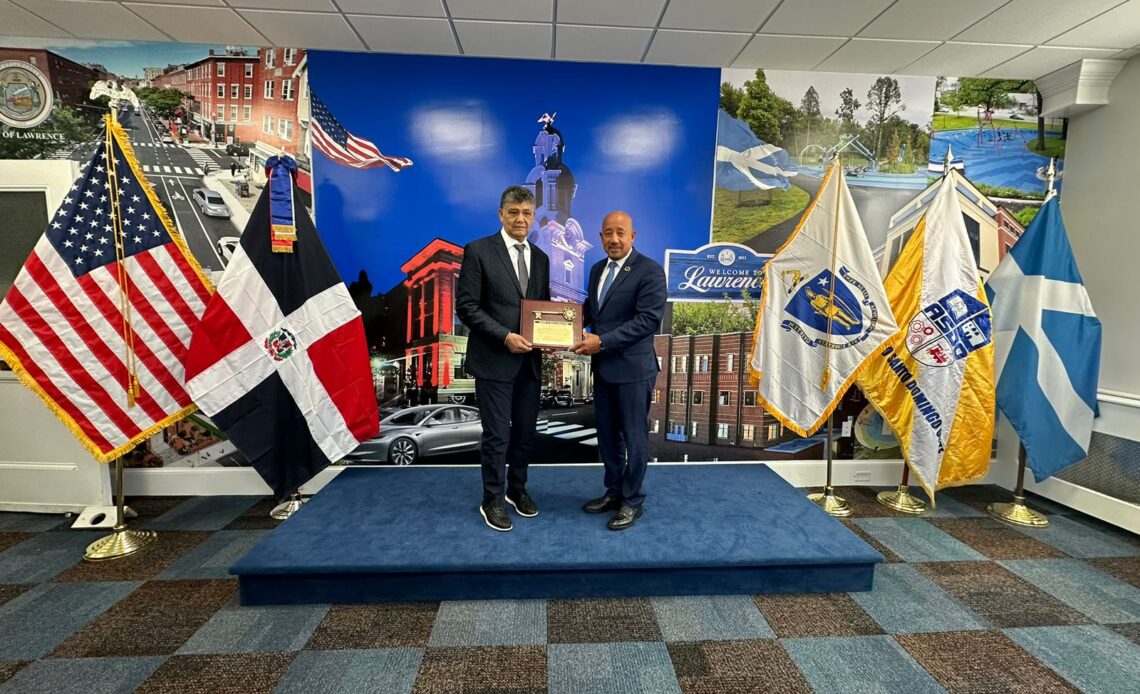
In a landmark event at Lawrence City Hall, Massachusetts, Mayor Brian A. De Peña of Lawrence and Mayor Francisco Peña of Santo Domingo Oeste, Dominican Republic, solidified a groundbreaking cooperation agreement. This pact, formalized during a ceremony on October 12 in honor of Hispanic Heritage Day and ahead of Santo Domingo Oeste’s founding anniversary on October 16, marks a significant step toward fostering institutional and cultural collaboration between the two cities. The agreement is designed to enhance international relations and stimulate cultural, educational, social, and economic exchanges through joint initiatives that will benefit both communities. The event drew a diverse audience, including local officials, community leaders, and cultural representatives. Councilor Jassiel Díaz and coordinator Francia Santana were instrumental in facilitating this partnership. As a symbol of unity, the mayors exchanged meaningful gifts, such as city keys, national flags, and an honorary award, highlighting the shared commitment to strengthening ties between the Dominican Republic and the United States.
分类: politics
-
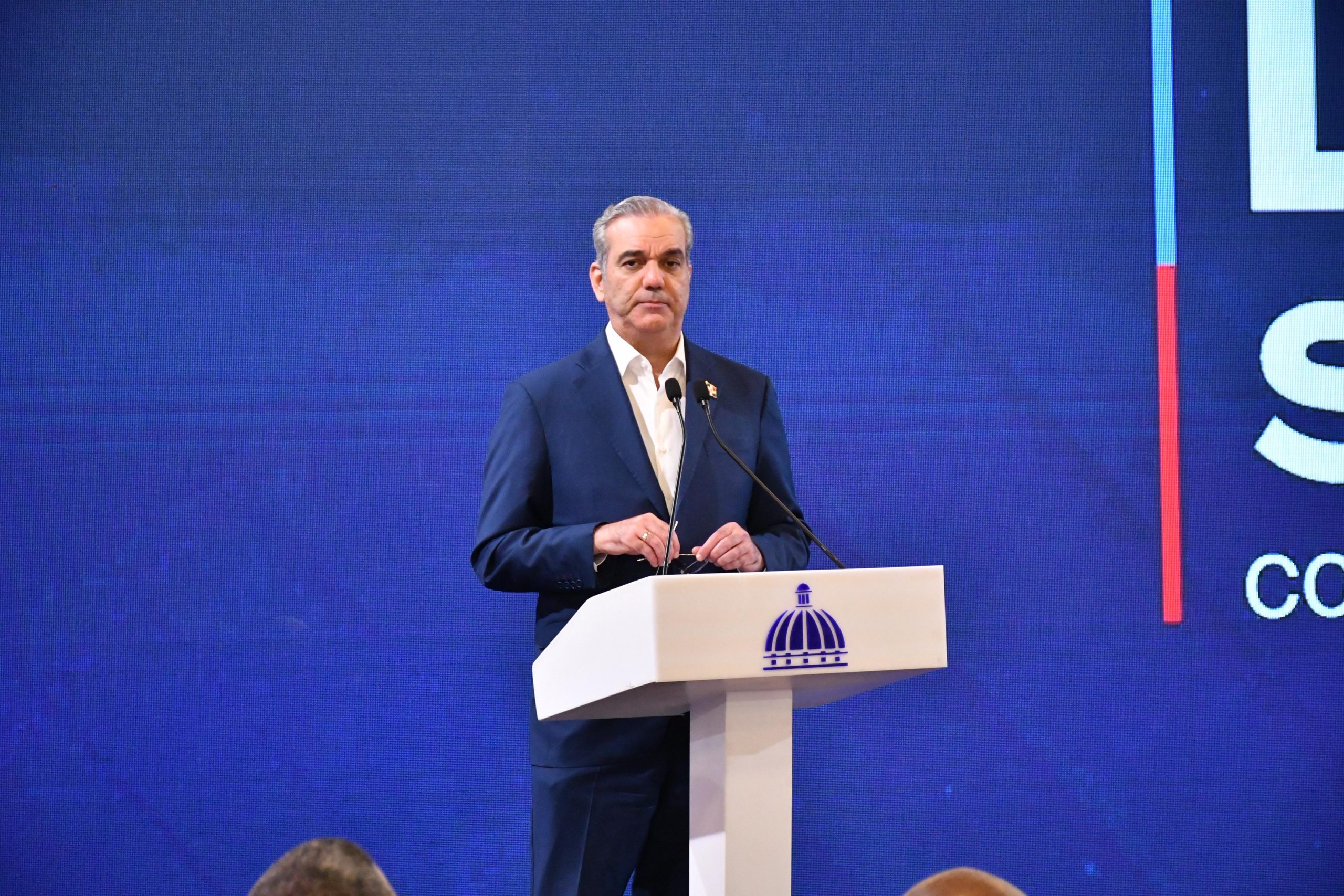
Abinader clarifies U.S. is official convener of the Summit of the Americas
Santo Domingo – President Luis Abinader of the Dominican Republic clarified on Monday that while the country will host the upcoming Summit of the Americas, the event remains officially convened and organized by the United States. The U.S. has been the driving force behind this continental forum since its inception. During his weekly press briefing, ‘La Semanal con la Prensa,’ Abinader addressed inquiries about the absence of Mexican President Claudia Sheinbaum, who recently confirmed she would not attend. He highlighted that the summit encompasses more than just the assembly of heads of state, featuring parallel meetings for business leaders, civil society, youth, and environmental sectors. These sessions will be held in Santo Domingo and Punta Cana, depending on logistical arrangements. Abinader assured that the Dominican Republic, as the host nation, will provide full support to ensure the event’s success and to promote meaningful discussions on democracy, development, and regional cooperation. Sheinbaum’s decision to skip the summit stems from her opposition to the exclusion of any country and her focus on addressing domestic priorities and emergencies.
-

VIDEO: The former United Progressive Party sold Antigua and Barbuda Diplomatic Passports, PM Says
The sale of diplomatic passports in Antigua has sparked significant debate and scrutiny. These passports, which grant holders diplomatic immunity and other privileges, are reportedly being sold to foreign nationals, raising concerns about potential misuse and security risks. Critics argue that this practice could compromise national security and diplomatic integrity, while proponents claim it boosts the country’s economy through foreign investment. The Antiguan government has yet to issue a formal statement addressing these concerns, but the issue has drawn attention from international observers and human rights organizations. As the controversy unfolds, questions about transparency and accountability in the issuance of diplomatic passports remain at the forefront of the discussion.
-
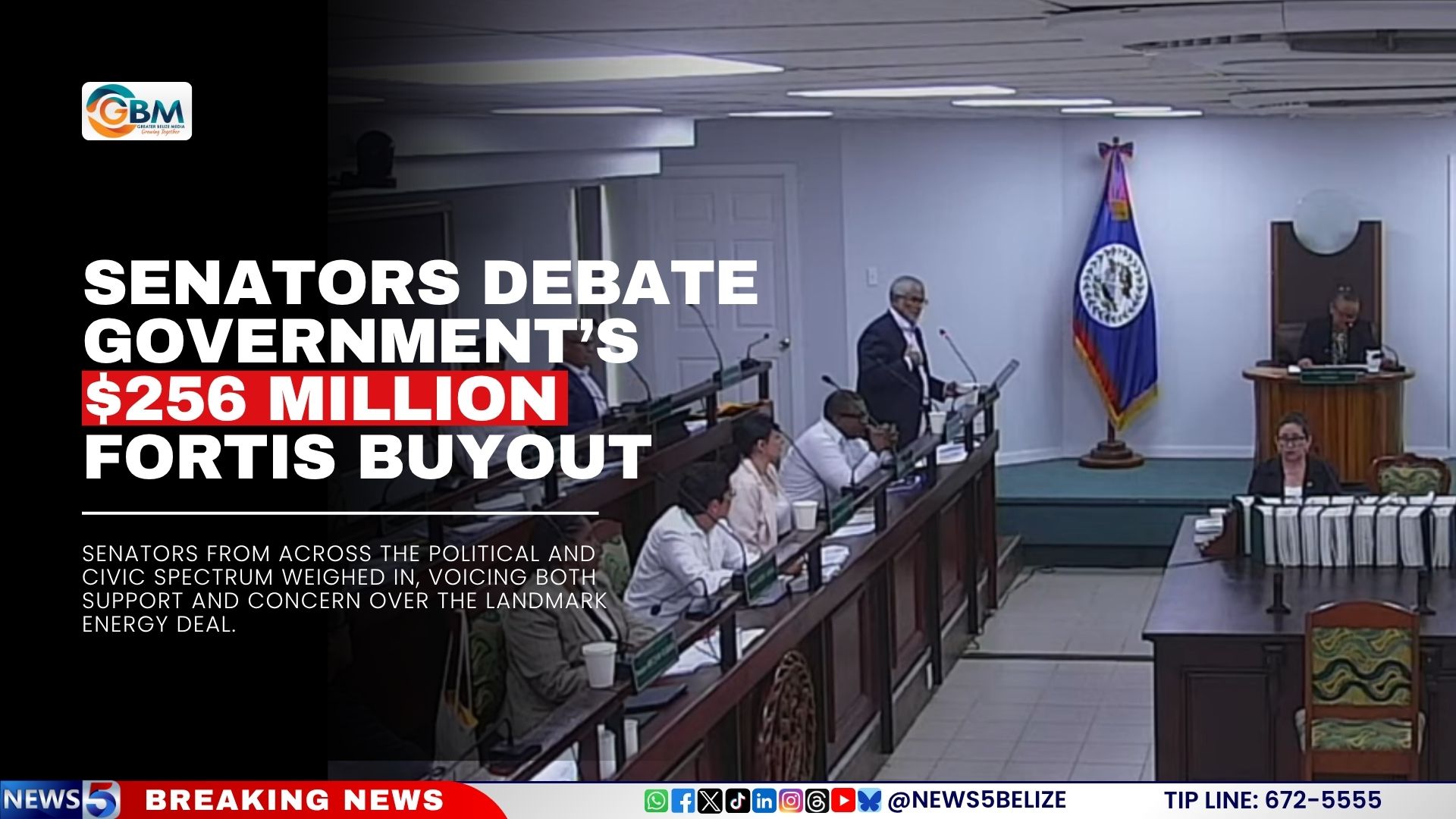
Senators Debate Government’s $256 Million Fortis Buyout
A heated debate unfolded in the Belizean Senate on October 20, 2025, as lawmakers deliberated the government’s proposed $256 million acquisition of Fortis’s operations in Belize, including its 33% stake in Belize Electricity Limited (BEL). The discussion highlighted divergent perspectives on the economic, environmental, and social implications of the landmark energy deal. Senator Louis Wade, representing the Churches, voiced environmental concerns about the dams, labeling them costly and not environmentally friendly. However, he emphasized the importance of Belizean ownership of national assets, suggesting that citizens should have the opportunity to invest directly. ‘Government shouldn’t own everything,’ he remarked, advocating for public participation in the acquisition. UDP Senator Sheena Pitts raised critical questions about accessibility, questioning whether average Belizeans could afford to purchase shares in BEL given the current economic climate. ‘At a time of inflation and high living costs, which Belizean has disposable income to invest?’ she asked, highlighting broader concerns about economic inequality. Senator Eamon Courtenay, from the governing party, defended the structural integrity of the dams, asserting that they are in good operational condition and require only minor repairs. His comments aimed to reassure the public about the viability of the assets. Senator Janelle Chanona, representing non-governmental organizations and a BEL board member, addressed misconceptions about electricity rates, stating that Belize’s energy costs are not as high as perceived. Meanwhile, Opposition Senator Patrick Faber criticized the rushed legislative process, accusing the government of failing to incorporate stakeholder feedback. ‘Consultation doesn’t mean just informing people; it means listening to them,’ he argued, underscoring concerns about transparency and inclusivity. The debate underscores the complexity of the Fortis acquisition, balancing national interests, environmental considerations, and public accessibility.
-

OPINION: The End of Free-Market Hypocrisy? What America’s U-Turn Means for the Caribbean?
For decades, the International Monetary Fund (IMF) and the World Bank pressured Caribbean nations to privatize essential services, framing it as a prerequisite for economic development. However, recent actions by the United States government have starkly contradicted this long-standing narrative. In August 2025, the U.S. acquired a 10% stake in Intel, followed by equity positions in four other strategic companies, marking a significant shift toward state capitalism. This move has unmasked what many see as a double standard in global economic policy, where free-market fundamentalism was less about sound economics and more about geopolitical power. Caribbean nations, which were forced to privatize their assets under harsh conditions, now have every reason to feel both vindicated and outraged.
-
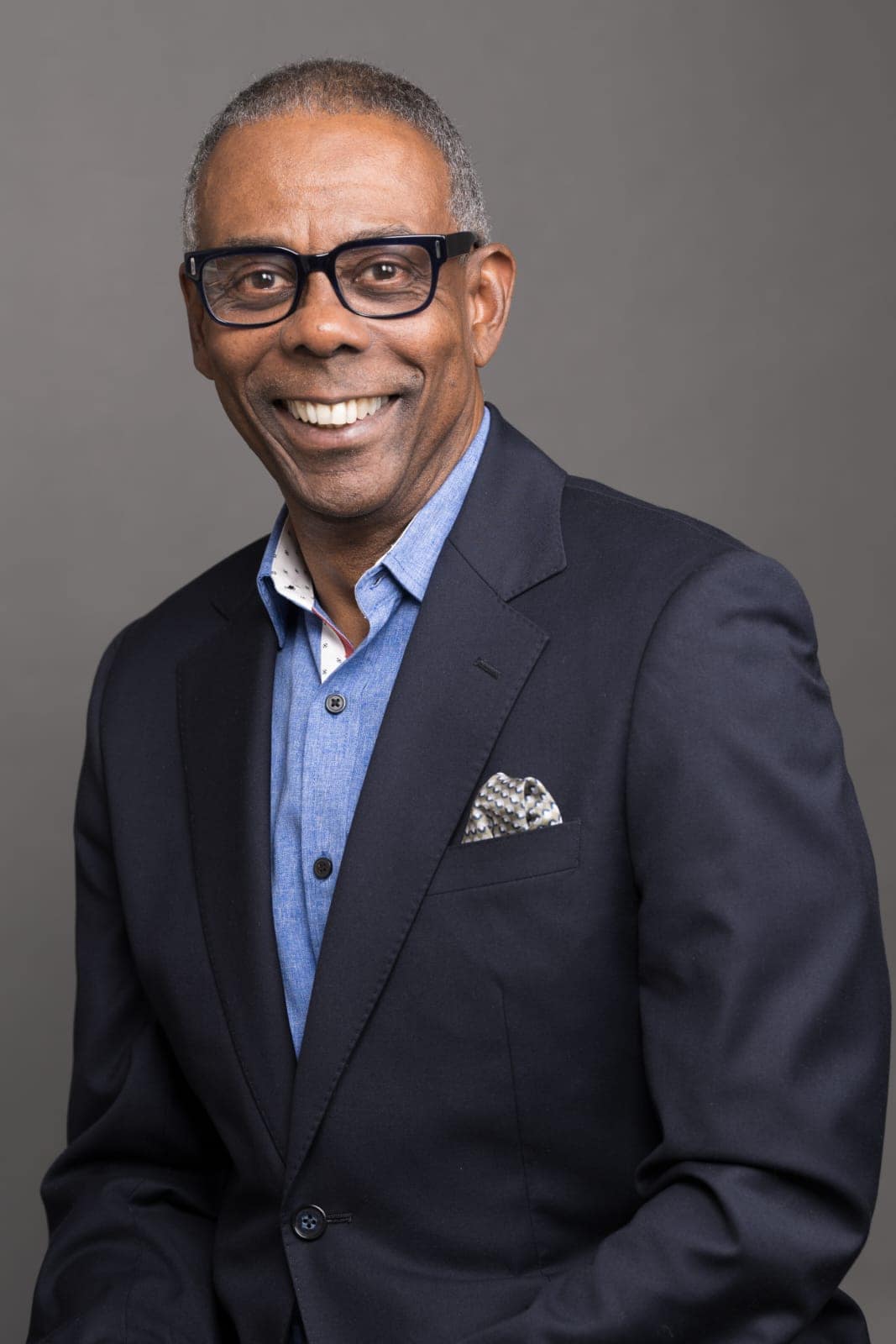
Harold Lovell Backs Independent Probe into $15 Million Vehicle Scandal
Harold Lovell, the former Finance Minister of Antigua and Barbuda, has urged for a comprehensive and independent investigation into a $15 million vehicle procurement scandal. Lovell highlighted concerns over fairness, accountability, and transparency, emphasizing the need for an impartial inquiry to address the allegations. The scandal involves the purchase and distribution of hundreds of vehicles without Cabinet approval, raising serious questions about governance and oversight. Lovell stressed that no individual should be judged in the court of public opinion, calling for a fair process where all facts are properly examined. He criticized the selective use of information to exonerate some while targeting others, particularly in media discussions. Lovell also expressed unease about key figures allegedly involved in the scandal remaining unaccountable, underscoring the importance of holding all public officials to the same standards. He framed the investigation as a critical step toward restoring public trust in government accountability. Linking the scandal to broader governance issues, Lovell warned that without true transparency and justice, corruption will continue to thrive. As of now, the government has not responded to Lovell’s call for an independent probe.
-

U.S. Envoys Rush to Save Fragile Gaza Ceasefire After Weekend Violence
In a bid to prevent the collapse of a fragile ceasefire in Gaza, U.S. envoys have urgently arrived in Israel following a surge in violence that claimed at least 30 lives over the weekend. The recent escalation began with a Palestinian attack that resulted in the deaths of two Israeli soldiers, prompting retaliatory airstrikes by Israel that killed 28 people in Gaza. This violence threatens to unravel the week-old truce brokered by former President Donald Trump.
Residents of Gaza expressed deep concern over the potential for further bloodshed. A displaced businessman from Gaza City shared his despair, stating, ‘I felt my heart dropping to the ground; I felt the ceasefire collapse.’
U.S. officials, including Trump’s advisers Jared Kushner and Steve Witkoff, met with Israeli Prime Minister Benjamin Netanyahu to advance the peace plan. Vice President J.D. Vance is expected to join discussions on regional security by Tuesday. Additionally, U.S. representatives are set to meet with Hamas leaders in Egypt to advocate for restraint and progress in the negotiations.
The next phase of the peace plan involves Hamas relinquishing the bodies of remaining hostages and establishing a new governing body in Gaza that excludes Hamas representation. However, Hamas leaders have firmly rejected any foreign control or disarmament, posing significant challenges to the ongoing talks.
-
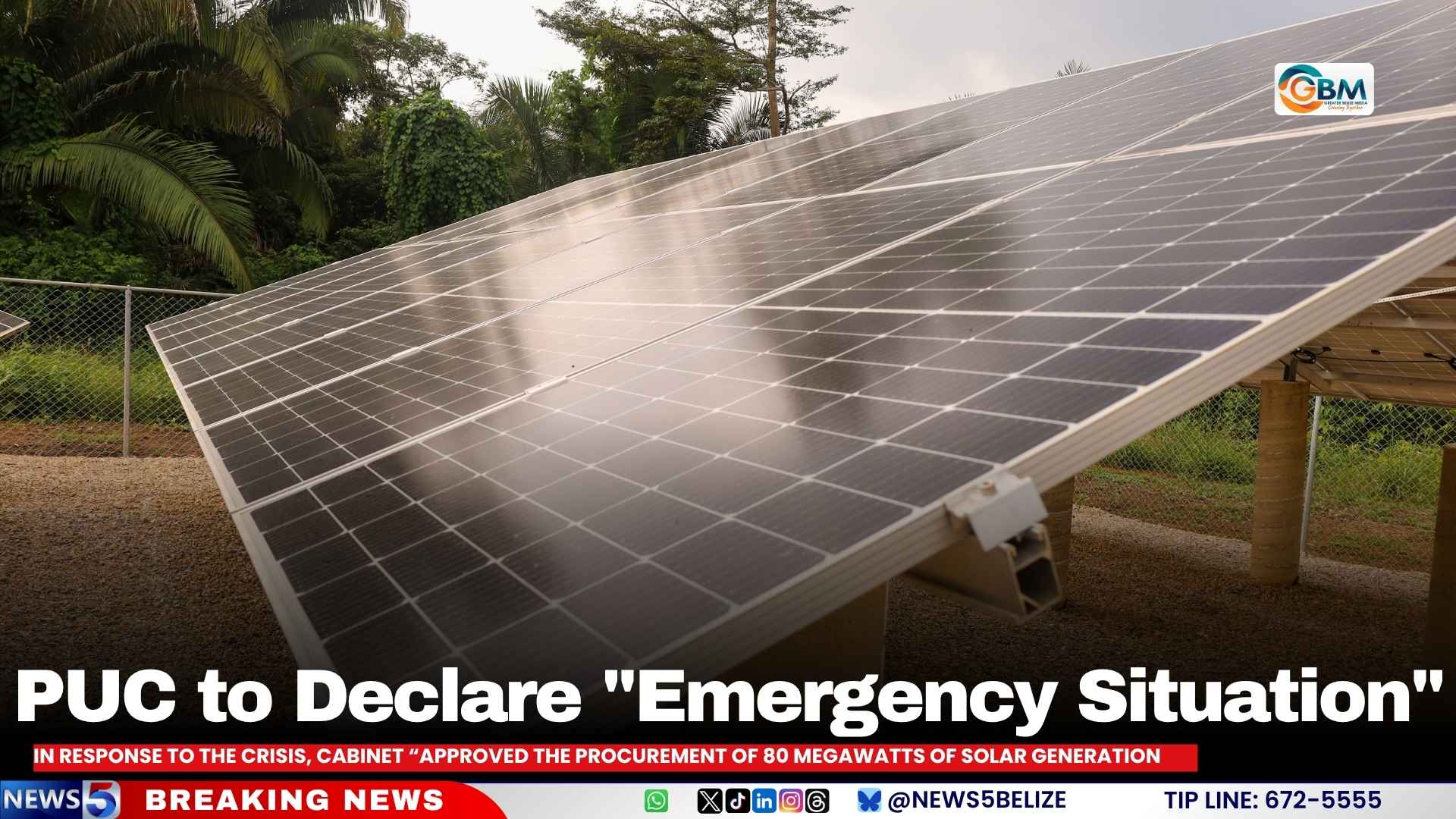
PUC to Declare “Emergency Situation”
In a decisive move to address a burgeoning energy crisis, the Belizean Cabinet has authorized the Public Utilities Commission (PUC) to declare an emergency situation. This declaration, announced on October 20, 2025, underscores the severity of the nation’s energy challenges, which are deemed beyond its reasonable control. To mitigate the crisis, the Cabinet has approved the procurement of 80 megawatts of solar generation capacity and a 50-megawatt natural gas ethane project proposed by Energy Transfer. These initiatives aim to stabilize Belize’s power supply and enhance its energy resilience amid growing concerns over reliability and cost.
In a related development, the Cabinet has endorsed an agreement between the Government of Belize and Fortis Inc. of Canada for the acquisition of Fortis’s electricity sector assets in Belize. Prime Minister John Briceño has tabled a Bill in Parliament seeking authorization for the purchase of three hydropower plants and Fortis’s 33.3% stake in Belize Electricity Limited (BEL). This legislative move is expected to bolster the nation’s energy infrastructure and ensure greater control over its power resources.
Beyond energy, the Cabinet has made several other significant decisions. These include extending tax exemptions for Belize Sugar Industries Limited (BSI) and Belize Cogeneration Energy Limited (BELCOGEN) under the Sugar Industry and Cogeneration Project Act of 2012. Additionally, the Minister of Foreign Affairs has been authorized to finalize negotiations on a Safe Third Country Agreement with the United States, which will be sent to the Senate for ratification.
Other approved measures include funding for electrifying primary schools in San Carlos and Indian Church, hosting a Regional Intellectual Property Workshop in March 2026, revising domestic copyright laws post-accession to five WIPO treaties, modernizing the licensing framework for motorcycle dealers, allocating $2 million for bus terminal rehabilitation, and reducing import duties on electric and hybrid vehicles to 10% to promote cleaner transportation.
-
“Belize Is Not Ready”: Panton Warns Against ‘Safe Third Country’ Deal with U.S.
Opposition Leader Tracy Taegar Panton has issued a stark warning regarding Belize’s potential agreement to become a ‘Safe Third Country’ for U.S. asylum seekers. In a recent press release, Panton emphasized that Belize’s immigration and asylum systems are ill-prepared to handle such an influx, citing chronic understaffing, insufficient funding, and inadequate resources. She cautioned that the proposed deal could pose significant national, social, and security risks to the country. The agreement, which is nearing finalization, would allow the U.S. to send asylum seekers to Belize while their refugee claims are processed. While the government argues that the deal balances humanitarian concerns with national sovereignty, Panton has called for immediate public consultations and full disclosure of the terms before any binding commitments are made. Foreign Minister Francis Fonseca confirmed that negotiations are advanced and highlighted safeguards such as limits on transferees, nationality restrictions, and Belize’s veto power over admissions. However, Panton and her UDP Parliamentarian Caucus remain unconvinced, urging the government to pause and reassess the potential consequences.
-
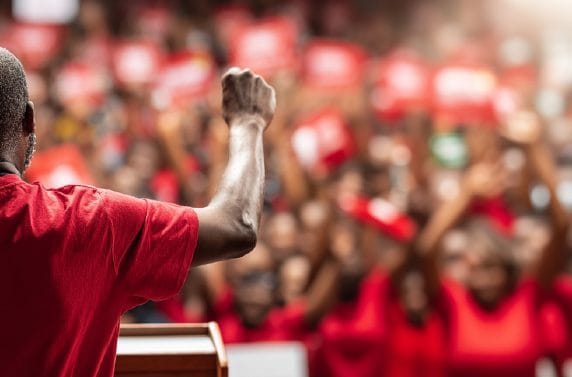
Does size really matter?
In the lead-up to the next General Election in Saint Lucia, the ruling Saint Lucia Labour Party (SLP) and the Opposition United Workers Party (UWP) have significantly intensified their campaigns. Although the constitution mandates elections by November 2026, political analysts speculate that Prime Minister Phillip J Pierre may call for an early election before the end of the year. Both parties have been actively engaging with the electorate through various platforms, including town hall meetings and social media events. The UWP’s weekly ‘live’ sessions and the SLP’s candidate launches have become focal points of their strategies. A notable aspect of these campaigns has been the emphasis on crowd size, with both parties accused of using AI-generated images to exaggerate attendance. However, experts like Earl Huntley, a former UN diplomat and political commentator, argue that while large crowds can indicate a party’s ability to mobilize its base, they do not necessarily translate into votes. Huntley cited the 1982 election as an example, where the Progressive Labour Party (PLP) attracted massive crowds but won only one seat. Nancy Charles, a former UWP candidate, highlighted the psychological impact of crowd size, suggesting that undecided voters often gravitate towards parties perceived as having majority support. Despite the political theatrics, voter turnout remains a pressing issue. The last four general elections in Saint Lucia have seen declining participation, with only 54.2% of registered voters casting ballots in 2021. This trend reflects a broader global issue of voter apathy, which undermines the democratic process. As political parties continue their campaigns, there is a growing call for more meaningful engagement to encourage voter registration and participation, ensuring that democracy truly reflects the will of the majority.