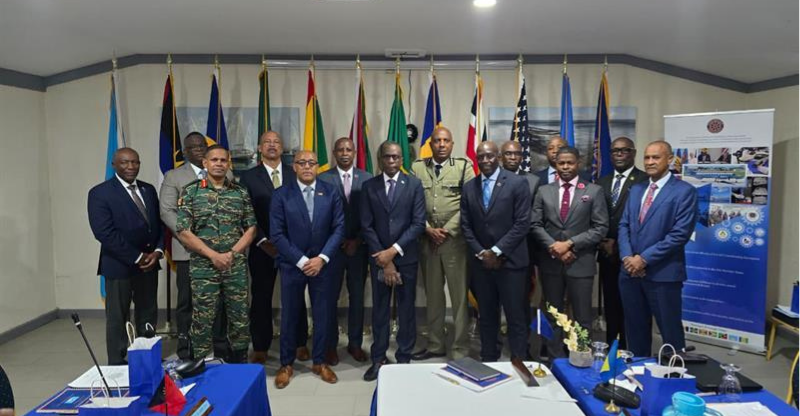
The Regional Security System (RSS) remains a cornerstone in safeguarding the eastern Caribbean, particularly as regional tensions escalate due to the increased presence of US military forces. This sentiment was echoed by Saint Lucia’s Prime Minister, Philip J. Pierre, and Commissioner of Police, Verne Garde, during the recently concluded RSS Biannual Security Chiefs Meeting in Saint Lucia. Pierre, who also chairs the RSS, emphasized the organization’s critical role in addressing pressing challenges such as cybersecurity threats, organized crime, climate-induced instability, and gang violence. He underscored the importance of maintaining the Caribbean as a ‘Zone of Peace’ and highlighted the RSS’s indispensable contribution to regional safety, stability, and prosperity. Pierre reaffirmed Saint Lucia’s commitment to the RSS and advocated for enhanced collaboration with international partners, including the United Kingdom, Canada, the European Union, and the United States. He also expressed support for expanding the RSS’s reach within CARICOM to bolster regional resilience. Garde, meanwhile, emphasized the RSS’s role as a vital platform for coordination, resource sharing, and mutual support, particularly in tackling transnational crime, illegal trafficking, cyber threats, maritime vulnerabilities, and natural disasters. Brigadier Omar Khan, Chief of Defence Staff of the Guyana Defence Force, reiterated the importance of regional collaboration in ensuring Caribbean stability and security. The three-day meeting, which marked the RSS’s 43rd anniversary, brought together law enforcement and defense personnel from the eight RSS member states—Saint Lucia, Antigua and Barbuda, Barbados, Dominica, Grenada, Saint Kitts and Nevis, St. Vincent and the Grenadines, and Guyana—along with regional and international partners. Although not formally on the agenda, the meeting followed a recent CARICOM statement expressing concerns over the increased security buildup in the Caribbean and its potential impacts. CARICOM leaders reaffirmed their commitment to combating narco-trafficking and the illegal trade in small arms, while supporting the sovereignty and territorial integrity of regional nations.
分类: politics
-
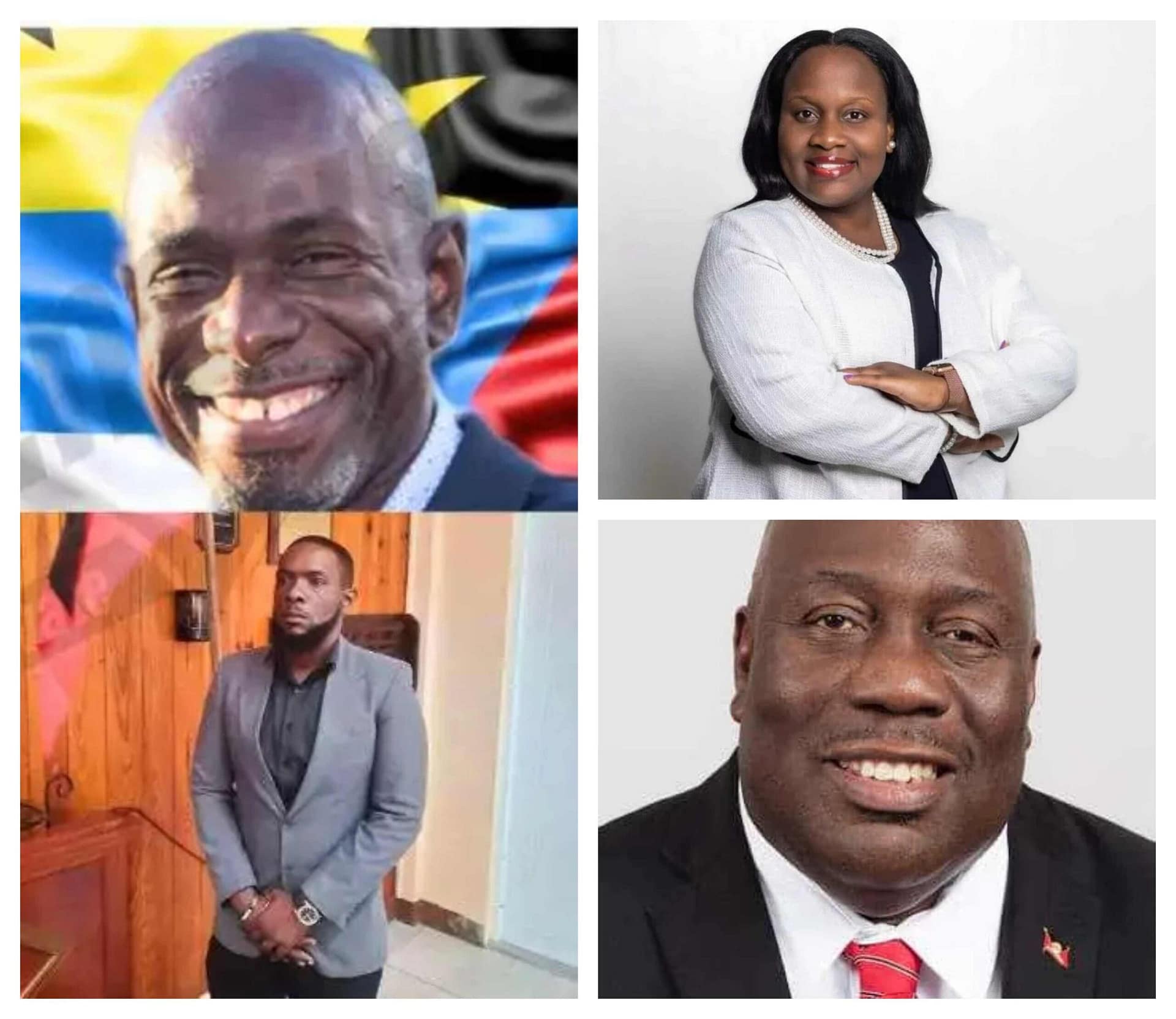
Four-Way Race Shapes Up for ABLP St. Philip’s South Primary
The Antigua and Barbuda Labour Party (ABLP) is bracing for a pivotal primary election in the St. Philip’s South constituency, where four candidates are competing for the party’s nomination in preparation for the upcoming general election. Scheduled for December 4, 2025, the primary will see party delegates cast their votes to determine the ABLP’s representative. Although the general election is not slated until 2028, rumors of an early poll have heightened the significance of this primary. Political analysts suggest that the outcome could play a crucial role in shaping the ABLP’s overall campaign strategy, as the party seeks to consolidate its position and address emerging challenges. The contest has drawn considerable attention from both party members and the public, reflecting the high stakes involved in this internal battle for leadership.
-
Trump overweegt militair ingrijpen tegen cocaïne-infrastructuur in Venezuela
The Trump administration is reportedly considering targeted military strikes on cocaine production facilities in Venezuela, according to sources within the U.S. government. This move is part of a broader strategy to intensify efforts against transnational drug trafficking, with Venezuela long viewed by Washington as a key hub for such activities. The proposed strikes would be unilateral and preventive, meaning they would occur without the consent of the Venezuelan government or an international coalition. This approach has raised significant political and diplomatic concerns, particularly given the ongoing tensions between the U.S. and Venezuelan President Nicolás Maduro. The potential for regional instability is high, as such actions could be perceived as acts of war in Latin America. Internal divisions within the U.S. government have also emerged, with hawks advocating for immediate action to dismantle Maduro’s cocaine economy, while others caution against military intervention that could escalate into broader conflict. No final decision has been made as of yet.
-
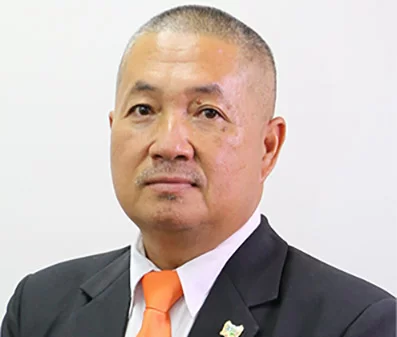
VHP-hoofdbestuurslid Moertabat keert de partij de rug toe
Sidik Moertabat, a prominent leader of the Progressive Reform Party (VHP) in Suriname, has resigned from his executive position and parted ways with the party. Moertabat announced his decision through the party’s internal communication platform, emphasizing that his departure stems from dissatisfaction with his treatment as a senior executive rather than any negative sentiment toward the VHP. He revealed that widespread discontent exists within the party’s leadership and among members, particularly regarding the management style and decision-making processes. This dissatisfaction intensified following the party’s defeat in the May 25, 2025 elections, which Moertabat attributes to poor internal communication and the concentration of power among a small group of leaders. Moertabat expressed frustration over his exclusion from election preparations and the candidate selection process for the National Assembly, though he clarified that his omission from the candidate list was not the primary reason for his resignation. Reflecting on his 13-year tenure, he highlighted the party’s achievements, including securing 20 parliamentary seats in 2020, but lamented the subsequent decline due to ineffective communication and the marginalization of key members, including the so-called ‘Triple-M’ group. Since announcing his resignation on October 17, Moertabat noted a lack of response from the party, with only Deputy Chairman Glenn Oehler reaching out. Firm in his decision, he stated that he will not return to the VHP and plans to focus on his family in retirement. While he bids farewell to active politics, Moertabat remains open to contributing to other parties, reaffirming his commitment to serving the nation and its people. He concluded by expressing pride in his parliamentary service, particularly his role as chair of the Defense Committee from 2020 to 2025.
-

Security : PNH meeting with a high-level Canadian delegation
This week, a high-level Canadian delegation, including Bob Rae, Canada’s Permanent Representative to the UN, and François André Giroux, Canada’s Ambassador to Haiti, met with Vladimir Paraison, Acting Director General of the Haitian National Police (PNH), and senior PNH officials. The discussions centered on Haiti’s ongoing security challenges and the progress of joint operations with the Kenyan-led Multinational Mission. Paraison emphasized the strides made through improved coordination but underscored the complexities of urban operations. Key challenges were identified, including chronic understaffing of the PNH, with fewer than one officer per 1,000 residents, the adaptability of gangs in densely populated areas, and the exploitation of poverty and deportees by criminal groups. The PNH also outlined its urgent needs, such as protective equipment, armored vehicles, and specialized training in counterinsurgency and crisis management. The Canadian delegation reaffirmed its steadfast support and expressed willingness to provide tailored assistance. Both parties agreed on the necessity of a robust operational partnership, international backing, and a comprehensive strategy that balances immediate security measures with long-term stabilization. Paraison expressed satisfaction with the dialogue and reiterated the PNH’s commitment to combating gangs despite resource constraints, emphasizing the dedication of Haitian police officers as citizens determined to protect their nation.
-
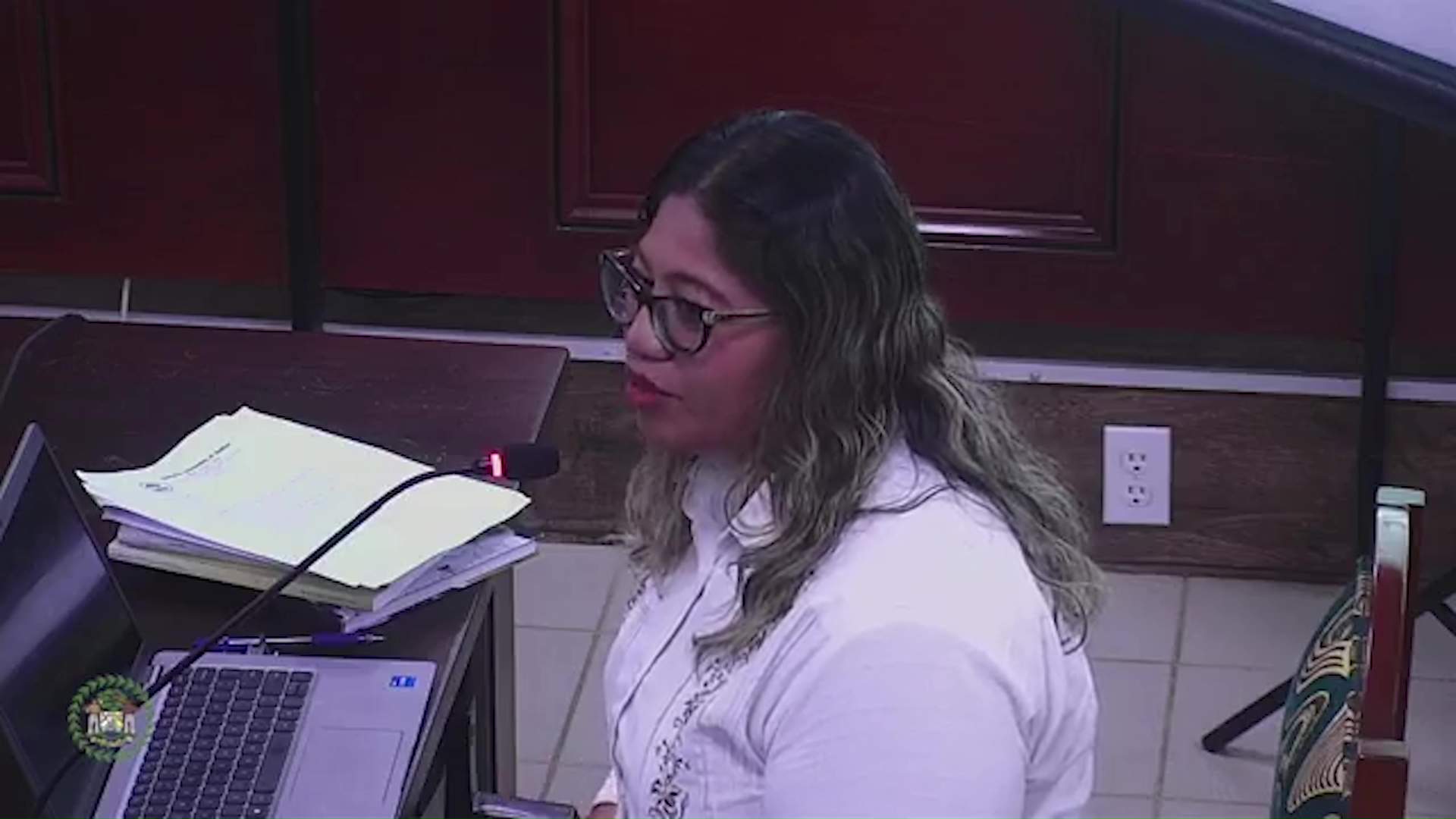
Auditor General Faces JPAC in Open Session
In a landmark public hearing on October 24, 2025, Belize’s National Assembly convened the Joint Public Accounts Committee (JPAC) for its first session of the year. Chaired by Lee Mark Chang, a prominent member of the Opposition, the committee comprises representatives from both the House of Representatives and the Senate. Its primary mandate is to oversee the efficient, transparent, and accountable use of public funds in the interest of Belizean citizens. The focal point of the session was the Auditor General’s Report for the fiscal years 2015/2016, with Auditor General Maria Rodriquez providing testimony. Rodriquez highlighted challenges in hiring and training junior audit clerks, noting that many recruits lack accounting backgrounds, which prolongs training periods. She also addressed concerns about pay scales for mid-level and technical roles, emphasizing the need for experienced personnel despite regulatory constraints on salaries. The hearing underscored ongoing efforts to strengthen public financial management in Belize.
-
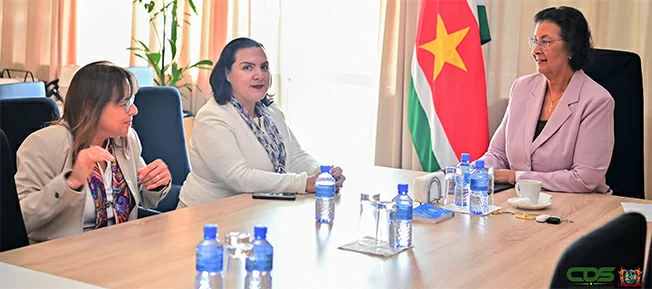
IDB bevestigt steun tijdens strategisch overleg met president Simons
President Jennifer Simons of Suriname recently held a strategic meeting with Adriana La Valley, the country representative of the Inter-American Development Bank (IDB), at the Presidential Cabinet. The discussions centered on the government’s development vision for the next three years and the priorities aimed at preparing Suriname for a new phase of economic growth. The IDB reaffirmed its commitment as a development partner, expressing readiness to collaborate on projects that foster a prosperous, inclusive, and sustainable future for the nation. La Valley highlighted the focus on exploring strategic programs to accelerate economic growth and sustainable development, stating, ‘It was an honor to hear directly from the president about her vision for the country’s future. We continue to seek ways to contribute to this administration’s priorities.’ President Simons emphasized the importance of thorough preparation for the anticipated financial boost from the oil and gas sector, stressing economic diversification as a prerequisite. Key sectors such as tourism, agriculture, and entrepreneurship were identified as vital pillars for sustainable growth and employment, with particular attention to opportunities for youth. La Valley commended the government’s clear direction, noting, ‘Suriname is not only preparing for economic progress but also for a future where every citizen actively contributes to the country’s growth.’
-
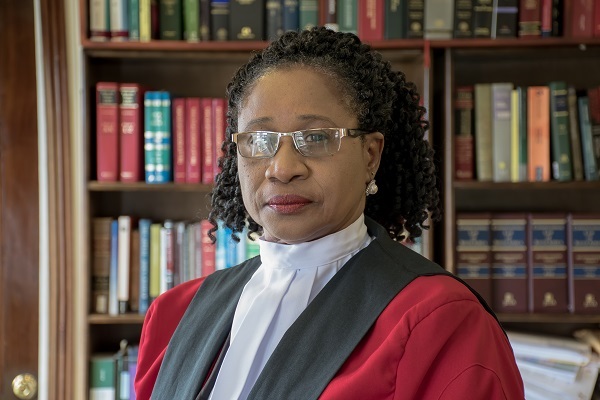
Justice Yonette Cummings goes into early retirement, Justice George-Wiltshire continues as Acting Chancellor and Justice Singh as Acting Chief Justice
In a significant development within Guyana’s judicial system, President Irfaan Ali announced on Friday, October 24, 2025, that Justice Yonette Cummings-Edwards, the Chancellor of the Judiciary, will proceed on pre-retirement leave starting October 27, followed by early retirement. This decision comes at her own request, which the President approved after careful consideration. Justice Roxane George-Wiltshire will continue to serve as Acting Chancellor, while Justice Navindra Singh will remain in his role as Acting Chief Justice. Justice Singh was also sworn in as a member of the Judicial Service Commission earlier that day. President Ali expressed his gratitude to Justice Cummings for her decades of dedicated service to the judiciary and the people of Guyana. This announcement follows recent controversies, including concerns raised by the People’s Progressive Party Civic-led administration about the Court of Appeal’s decisions in political cases, which were later overturned by the Caribbean Court of Justice. Additionally, the opposition APNU has questioned the political neutrality of Acting Chief Justice Singh. The transition marks a pivotal moment for Guyana’s legal framework, with implications for judicial independence and public trust.
-
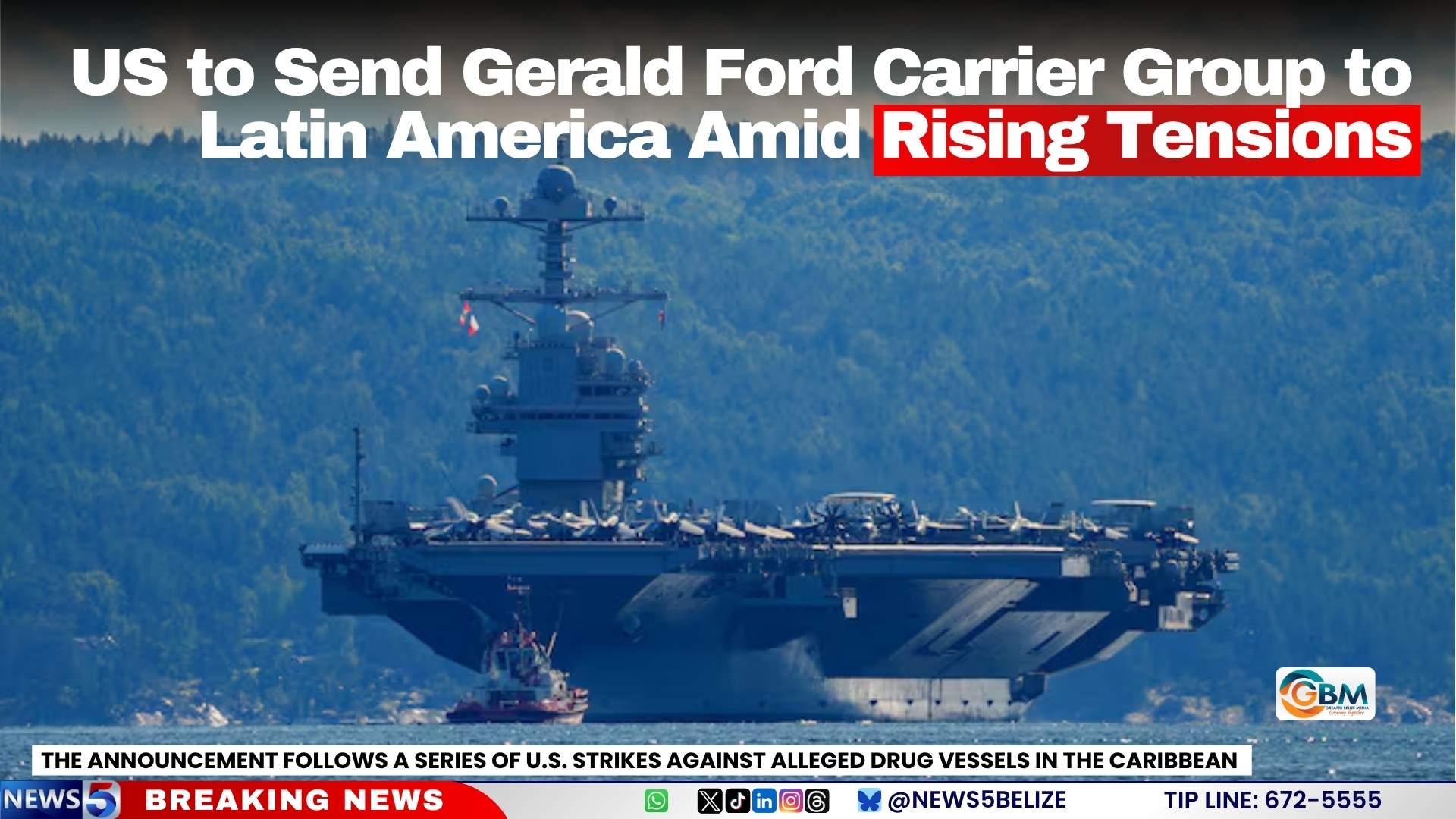
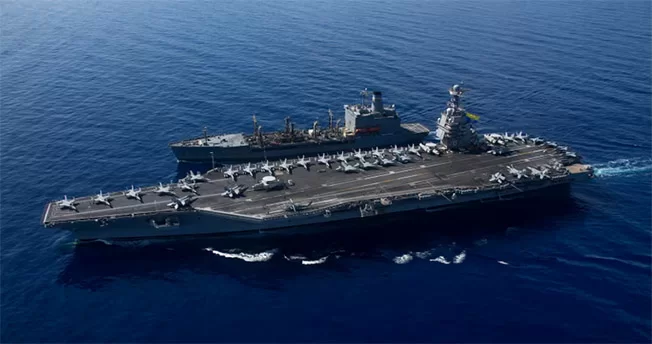
US to Send Gerald Ford Carrier Group to Latin America Amid Rising Tensions
In a significant escalation of military presence, the Trump administration has announced the deployment of the Gerald Ford aircraft carrier group to Latin America. This decision, unveiled on Friday, underscores the rising tensions with Venezuela and growing concerns over drug trafficking in the Caribbean region. The Gerald Ford, the U.S. Navy’s newest and largest aircraft carrier, will join eight warships, a nuclear submarine, and F-35 aircraft already stationed in the area. Pentagon spokesperson Sean Parnell emphasized that the deployment aims to enhance the U.S. capability to detect, monitor, and disrupt illicit activities that threaten national security and regional stability. Commissioned in 2017, the Gerald Ford carries over 5,000 sailors and more than 75 aircraft, including F-18 Super Hornets and E-2 Hawkeye early warning planes, supported by guided missile cruisers and destroyers. The move follows a series of U.S. strikes against alleged drug vessels in the Caribbean since September, which reportedly resulted in around 40 fatalities, including Venezuelans. Venezuelan President Nicolas Maduro has vehemently condemned these actions, warning of potential nationwide insurrection if the U.S. invades. Additionally, relations with Colombia have deteriorated after President Trump accused Colombian President Gustavo Petro of involvement in drug trafficking, leading to U.S. sanctions against Petro. Defense Secretary Pete Hegseth stated that the deployment is intended to disrupt narcotics trafficking and weaken transnational criminal organizations. President Trump has also authorized the CIA to conduct covert operations in Venezuela, hinting at possible land-based actions against cartels. The deployment has sparked mixed reactions domestically, with Republican lawmakers lauding it as a protective measure for the Western Hemisphere, while legal experts and Democratic lawmakers have raised concerns over its compliance with international law.
-
Former Caribbean leaders call for US military pullback
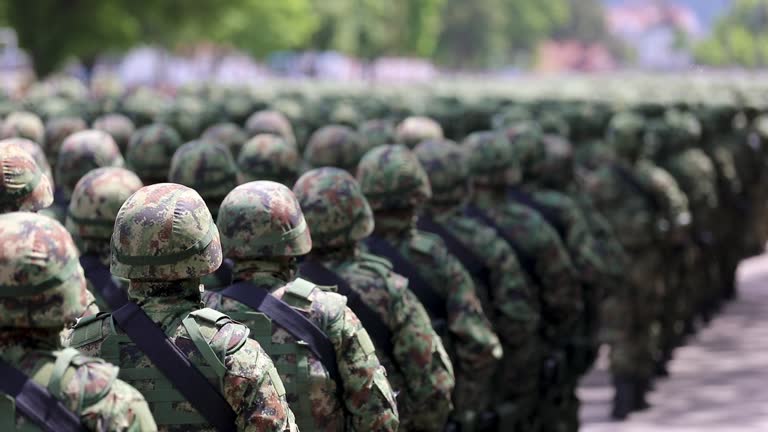
A coalition of former Caribbean Community (CARICOM) Heads of Government has issued a joint statement urging a reduction in military escalation in the region, citing threats to peace, stability, and development. The signatories include prominent figures such as Kenny Anthony of Saint Lucia, Baldwin Spencer of Antigua and Barbuda, and Bruce Golding of Jamaica, among others. The statement highlights concerns over the increased presence of nuclear vessels and aircraft in the Caribbean, warning that such actions could drag the region into conflicts not of its making. The leaders specifically addressed the escalating tensions between the United States and Venezuela, with the US deploying naval assets and conducting military exercises in Caribbean waters, while Venezuela has mobilized forces along its coastline in response. The former leaders emphasized the importance of maintaining the Caribbean as a zone of peace, upholding national sovereignty, and resolving disputes through diplomacy rather than force. They also referenced past US requests to station military assets in the region, which Caribbean states have historically resisted. Trinidad and Tobago’s former Prime Minister Keith Rowley endorsed the statement, criticizing current regional actions that deviate from long-standing principles of unity and diplomacy. His stance contrasts with that of current Prime Minister Kamla Persad-Bissessar, who has supported US military deployments in the fight against drug cartels but denied formal involvement in operations against Venezuela.