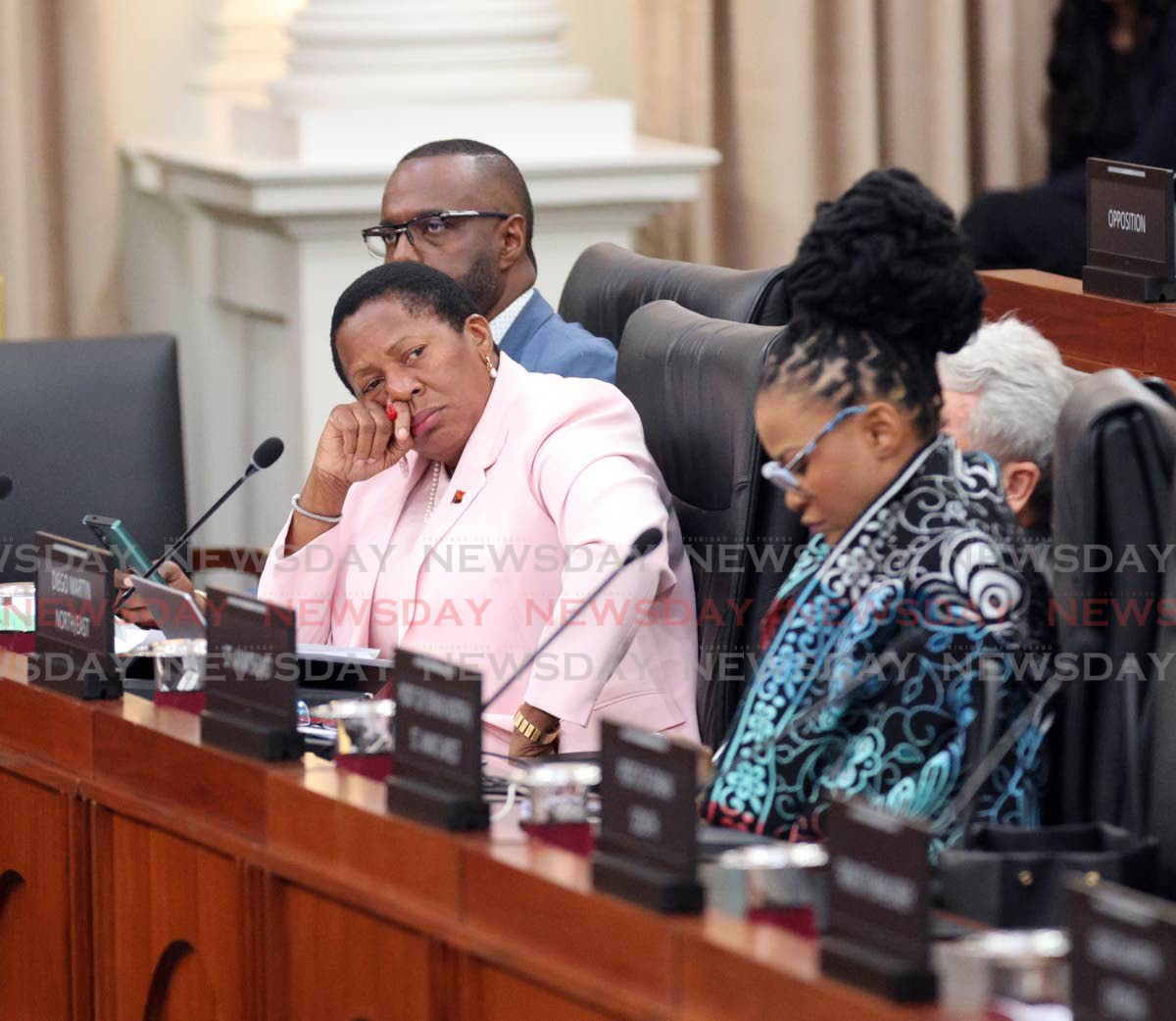
The People’s National Movement (PNM) has vehemently opposed the 2025/2026 national budget, labeling it a ‘betrayal of the people’s trust’ and a continuation of the United National Congress (UNC) government’s ‘deliberate campaign of deception.’ The budget, passed on October 25 after five days of deliberation in the House of Representatives, faced unanimous rejection from the 12-member Opposition. Prime Minister Kamla Persad-Bissessar condemned the PNM’s stance, accusing them of betraying the citizens of Trinidad and Tobago. However, the PNM countered, asserting that the budget disproportionately burdens the poor, squeezes the middle class, and protects the wealthy. Key measures criticized include the landlord tax, electricity rate hikes, increased NIS contributions, and taxes on single-use plastics, all of which are expected to escalate living costs. The PNM also highlighted unfulfilled promises, such as the broken housing pledge, cuts to training programs, and the absence of a 10% salary increase for public officers. Additionally, the opposition criticized the government’s ‘National Recruitment Drive’ as a publicity stunt, citing re-advertised jobs and insufficient funding. The PNM accused the UNC of hiding the true fiscal deficit, manipulating expenditure figures, and engaging in political victimization by slashing funding to PNM-led corporations while favoring UNC-controlled regions. The opposition vowed to continue exposing what they describe as the UNC’s ‘reckless economic mismanagement’ and deceptive practices.
分类: politics
-

A short column about killing
The government of Trinidad and Tobago (TT) has sparked widespread debate and criticism for its aggressive policies centered around state-sanctioned killing. Since assuming office six months ago, Prime Minister Kamla Persad-Bissessar has prioritized executions, advocating for the resumption of the death penalty for prisoners on Death Row. This stance has been further reinforced by Defence Minister Wayne Sturge’s promotion of ‘shoot first, kill first’ legislation, framed as a stand-your-ground policy. Most recently, the PM has aligned TT with the United States’ controversial strategy of targeting small boats in the Caribbean Sea, a move that has been described by international observers as a ‘kill them all violently’ approach to foreign policy. Critics argue that these measures lack empirical evidence to support their efficacy. The global trend has shifted away from the death penalty, with studies showing it does not deter crime. Similarly, stand-your-ground laws in the U.S. have led to increased violence rather than reduced crime. The U.S. government’s tactic of extrajudicial killings at sea to combat drug trafficking has also been widely criticized as ineffective and counterproductive. Mexico’s ongoing cartel violence, with over 30,000 homicides annually, serves as a stark reminder that murder does not equate to peace. The TT government’s reliance on such medieval solutions raises questions about its legitimacy and effectiveness. As the U.S. reportedly destroys nine small boats, killing 37 people, including two TT citizens, the Prime Minister has yet to define what constitutes success in this brutal anti-drug policy. Attorney General John Jeremie’s lamentation of TT’s high murder rate and near ‘state of anarchy’ further highlights the irony of a government attempting to curb violence through more violence. This approach not only undermines the social contract but also risks plunging society into deeper chaos, as even political philosopher Thomas Hobbes acknowledged that a government’s legitimacy hinges on its ability to protect, not threaten, its citizens.
-
Mottley: US military threatening regional peace
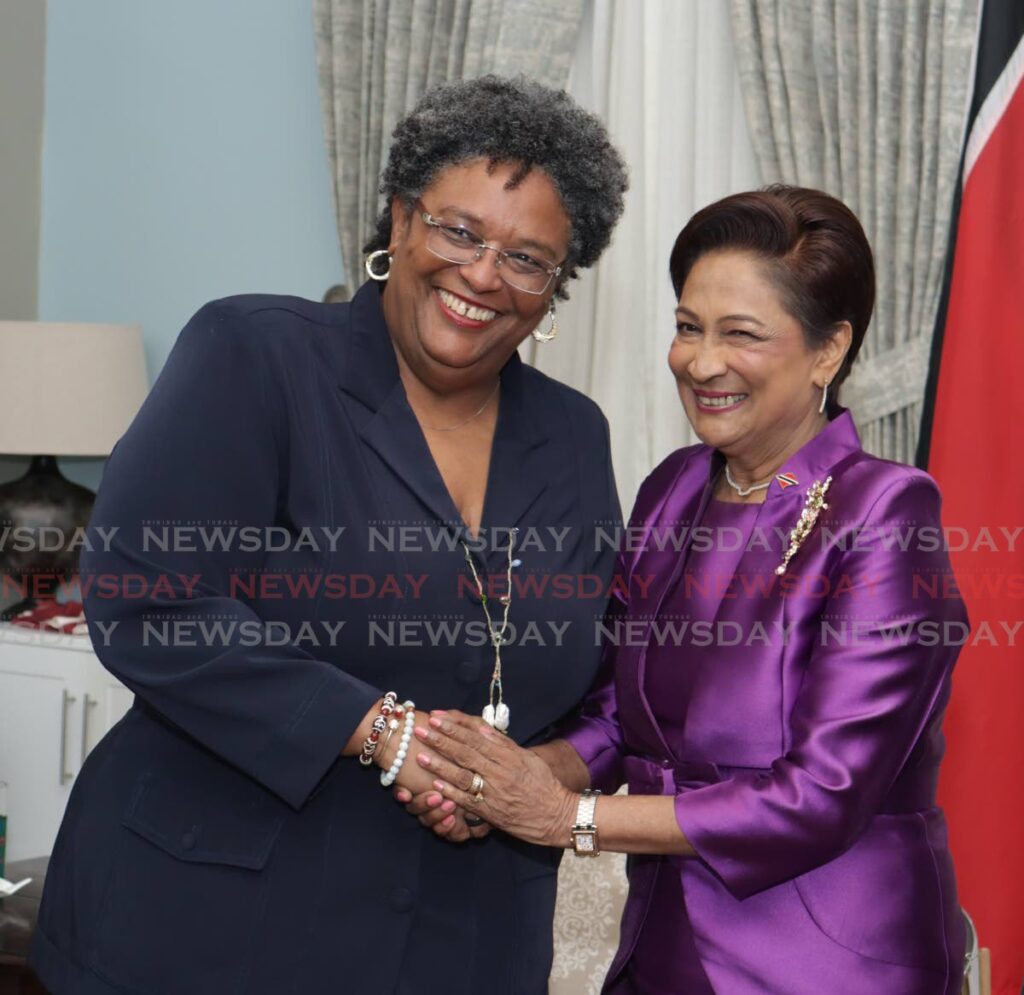
Barbados Prime Minister Mia Mottley has strongly criticized recent US military airstrikes in the southern Caribbean, labeling them as a threat to regional peace. Speaking at the Barbados Labour Party’s annual conference on October 25, Mottley emphasized that disputes should be resolved through the United Nations rather than unilateral military actions. Her remarks were later shared by former Trinidad and Tobago Prime Minister Dr. Keith Rowley on his Facebook page on October 26. Mottley argued that extra-judicial killings, even of suspected criminals, violate the rule of law and undermine regional stability. She urged the US to share intelligence with Caribbean nations if there is an immediate threat, stressing that dialogue and negotiation are essential to prevent conflicts. Mottley’s comments came shortly after an Al Jazeera report where Trinidad and Tobago’s Defence Minister Wayne Sturge defended the US actions, stating that the US has the prerogative to interpret and act against perceived terrorist threats in international waters. Mottley countered that almost all wars in history have been resolved through dialogue, advocating for preemptive discussions to avoid violence.
-

CWU disagrees with JTUM’s budget endorsement
The Communications Workers’ Union (CWU) has publicly distanced itself from the Joint Trade Union Movement’s (JTUM) endorsement of the 2026 national budget, asserting that it cannot support a fiscal plan that prioritizes financial stability over the immediate needs of workers. In a statement released on October 24, the CWU emphasized its independence and dissenting views on the budget, despite remaining a member of JTUM. The union criticized the government’s focus on balance sheets, arguing that the budget fails to address the rising costs of living, stagnant wages, and the struggles of working-class citizens. The CWU also highlighted the lack of meaningful provisions to restore workers’ purchasing power, which has been eroded by inflation and currency devaluation. Additionally, the union condemned the government’s neglect of the productive sector, pointing to insufficient allocations for manufacturing, agriculture, and industrial diversification. CWU Secretary General Joanne Ogeer clarified that the union’s stance was issued to correct misconceptions after parliamentary discussions referenced its earlier budget analysis. Ogeer reiterated the CWU’s commitment to holding any government accountable, regardless of its affiliation with JTUM or political parties.
-
Why still pay TTRA employees?
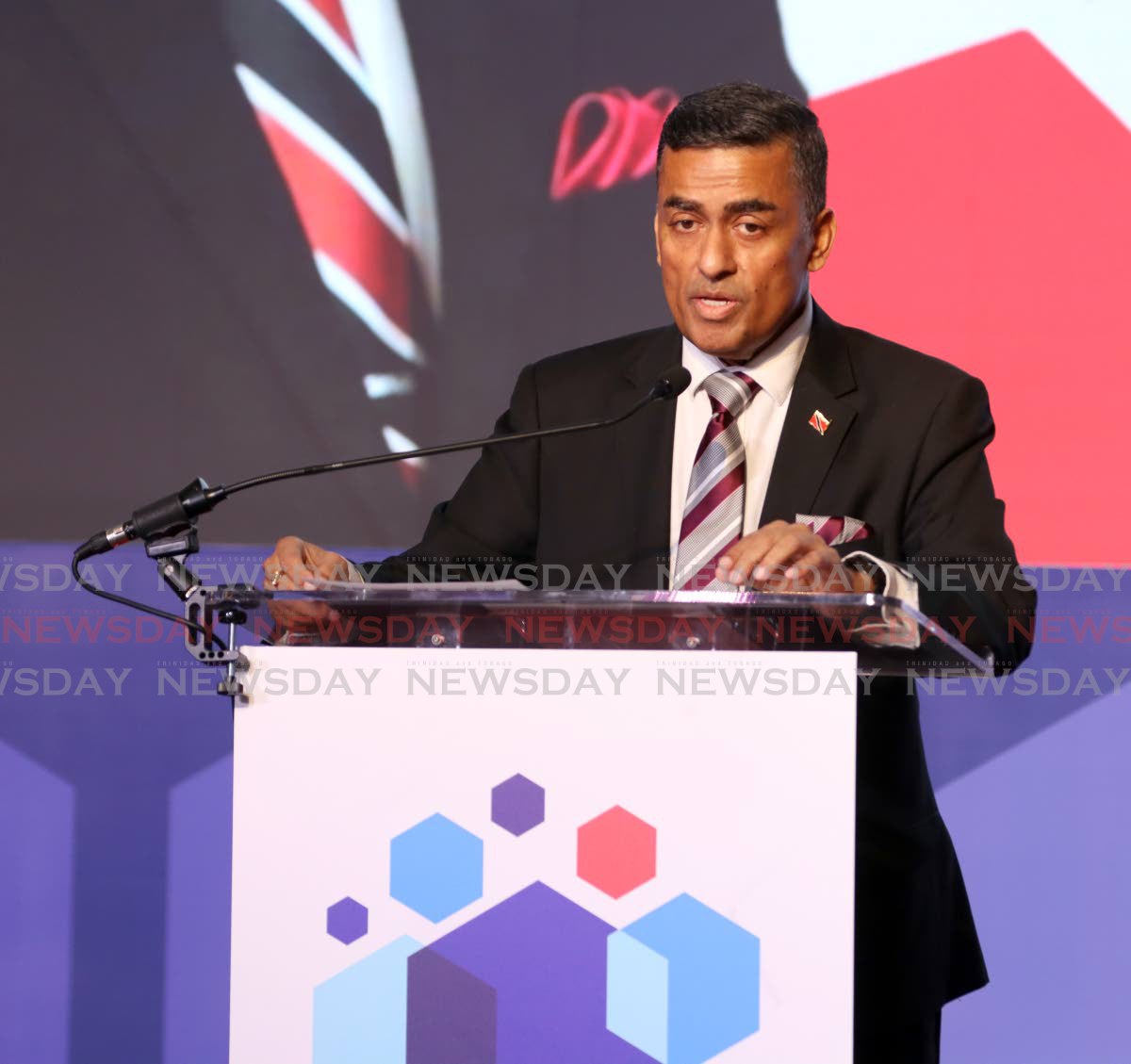
The recent repeal of the Trinidad and Tobago Revenue Authority (TTRA) Act by the new UNC government has sparked significant debate over the continued employment and funding of its hierarchy within the Ministry of Finance. Despite the repeal, the TTRA’s top officials, who were hired under the previous administration, remain on the payroll, costing taxpayers substantial sums. Finance Minister Davendranath Tancoo faces mounting questions regarding the rationale behind this financial burden on taxpayers.
The TTRA, a politically charged entity, saw its top officials earning over $150,000 monthly. Established under a prior administration’s policy agenda, the TTRA’s alignment with the current government’s priorities is now in question. Critics argue that continuing to fund such an entity undermines democratic accountability and represents a misallocation of public resources.
Governments are elected to implement their own policy objectives and allocate resources accordingly. Funding legacy entities that no longer serve the current administration’s goals is seen as wasteful, especially when these entities may have been established without proper feasibility studies or governance structures. The current administration is urged to assess the legal constitution, effectiveness, and necessity of these personnel before continuing payments.
Efficient and transparent use of public funds is a fundamental duty of any government. Paying for an entity that may no longer be operational, relevant, or producing measurable results contradicts sound fiscal management. Instead, funds should be redirected toward current national priorities or more impactful programs that align with present needs.
The current administration should not automatically inherit financial responsibility for organizations created by a previous government unless these entities continue to serve a clear, lawful, and strategic national purpose. Continued funding without such justification represents poor governance, weak accountability, and a misallocation of public resources.
Nizam Ganga, via e-mail
-

PNM Tobago urges Barbados PM to speak with Persad-Bissessar
Amid escalating geopolitical tensions in the Caribbean, PNM Tobago leader Ancil Dennis has called on Barbados Prime Minister Mia Mottley to engage in dialogue with Trinidad and Tobago’s Prime Minister Kamla Persad-Bissessar, urging for “cool heads” to prevail. Dennis likened the current conflict involving the US, Venezuela, and Trinidad and Tobago to a game of all-fours, cautioning that while Persad-Bissessar may feel empowered, the situation remains unpredictable. His appeal follows Venezuela’s accusation that Trinidad and Tobago is collaborating with the CIA, a claim that arose after the USS Gravely, a US warship, arrived in Trinidad for a five-day military exercise with the TT Defence Force. The Ministry of Foreign Affairs defended the visit, stating it aims to combat transnational crime and enhance security cooperation. Dennis emphasized the Caribbean’s historical commitment to peace, rooted in its struggles against colonization and its dedication to sovereignty and non-interference. He highlighted the region’s preference for cultural and sporting rivalries over militarized conflicts, warning against the dangers of being drawn into external wars. Dennis urged Mottley to remind Persad-Bissessar of the Caribbean’s values, advocating for diplomacy and creative solutions to regional challenges. He concluded with a call for unity, stressing that the Caribbean’s strength lies in its ability to prioritize peace over conflict.
-
Venezuela: Trinidad and Tobago helping US start a war — Warship worries
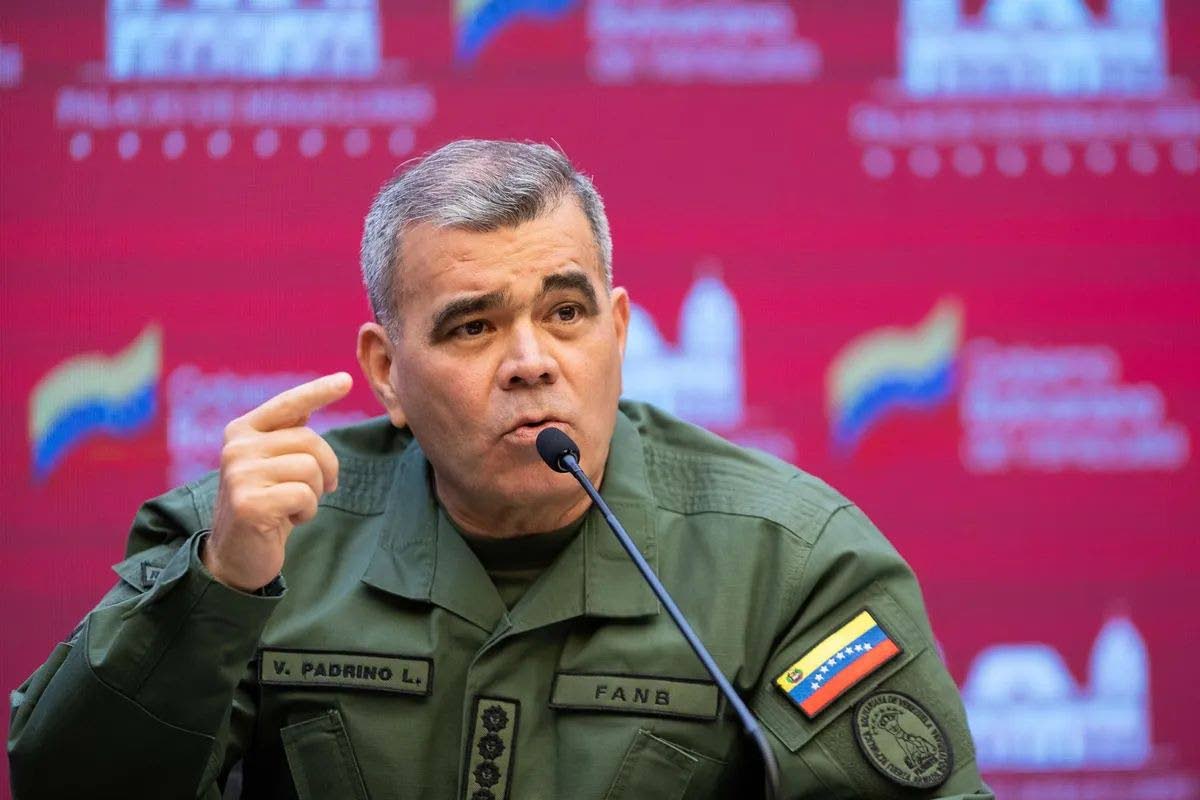
In a dramatic escalation of regional tensions, Venezuela has issued a scathing statement condemning the joint military exercise between the United States and Trinidad and Tobago (TT) as a ‘hostile provocation’ and a ‘serious threat to Caribbean peace.’ The statement, released on October 26, came hours after the US naval warship USS Gravely docked at Port of Spain, sparking accusations of military aggression from Caracas. Venezuela claims the exercise, scheduled from October 26 to 30, is part of a broader US strategy to ignite conflict in the region. The Venezuelan government also alleged that the US is planning a ‘false flag attack’ to justify military intervention, drawing parallels to historical incidents like the Battleship Maine explosion in 1898 and the Gulf of Tonkin incident in 1964. Venezuelan Defence Minister Vladimir Padrino Lopez accused the US of using disinformation and manipulation to pave the way for war, while also criticizing TT Prime Minister Kamla Persad-Bissessar for allegedly surrendering TT’s sovereignty to US interests. The statement further referenced recent US military actions in the Caribbean, including the alleged killing of 49 drug traffickers and the deaths of TT citizens Chad Joseph and Rishi Samaroo in a missile strike. Despite Venezuela’s vehement opposition, TT’s Ministry of Foreign Affairs defended the USS Gravely’s visit, emphasizing its focus on combating transnational crime and enhancing regional security. Foreign Affairs Minister Sean Sobers welcomed the warship’s presence, highlighting the long-standing partnership between TT and the US. Meanwhile, opposition leader Dr. Amery Browne criticized the government for escalating tensions with Venezuela, calling the situation ‘completely unnecessary’ and urging a return to diplomatic prudence.
-

Kamla: We don’t need Venezuelan gas
In the wake of Venezuela’s announcement to suspend all gas agreements with Trinidad and Tobago (TT), Prime Minister Kamla Persad-Bissessar has firmly stated that TT does not rely on Venezuelan gas and never has. Speaking to Newsday via WhatsApp, she emphasized that TT’s economic growth strategy is diversified across both energy and non-energy sectors, ensuring resilience against external pressures. Persad-Bissessar criticized the previous administration for over-reliance on the Dragon gas project, asserting that her government has avoided such vulnerabilities. She maintained that TT remains committed to peaceful relations with Venezuela, dismissing claims of tensions between the two nations. This statement follows Venezuelan Vice President Delcy Rodriguez’s televised declaration to sever energy ties, citing TT’s alleged complicity with U.S. military actions in the Caribbean. Earlier, Persad-Bissessar led a TT delegation to Washington, securing an OFAC license for the Dragon gas deal, and expressed readiness to lead negotiations in Venezuela if necessary. Attorney General John Jeremie confirmed the license was officially granted on October 8.
-

PM: By-election is not a test of my leadership
Prime Minister Philip ‘Brave’ Davis has emphasized that the upcoming Golden Isles by-election is not a referendum on his leadership but an opportunity to reaffirm his government’s achievements since taking office. Speaking during a Progressive Liberal Party (PLP) canvassing event on Saturday, Davis dismissed concerns that the by-election would serve as a test of his administration. Instead, he framed it as a crucial step to continue the progress initiated by the late PLP MP Vaughn Miller, whose death triggered the by-election. Davis highlighted the importance of securing the seat to maintain momentum in areas such as economic recovery, social programs, and small business support. The PLP’s candidate, Darron Pickstock, a lawyer and Bahamas Agricultural and Industrial Corporation executive, has pledged to rebuild community trust and ensure that economic and social progress benefits all residents. Meanwhile, the Free National Movement (FNM) and the Coalition of Independents (COI) have also intensified their campaigns. FNM candidate Brian Brown, a community advocate, has focused on restoring trust in government, improving infrastructure, and addressing the cost of living. COI candidate Brian Rolle has called for a ‘new political direction,’ emphasizing accountability and people-centered governance. With less than a month remaining, the by-election is seen as a critical measure of public confidence as the Davis administration nears the end of its term.
-
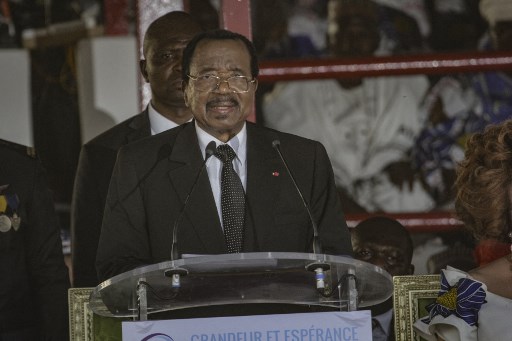
Cameroon’s veteran leader Paul Biya wins controversial eighth term
YAOUNDE, Cameroon—Paul Biya, the 92-year-old leader of Cameroon, has extended his 43-year presidency by winning an eighth term in office. The Constitutional Council declared on Monday that Biya secured 53.7% of the vote, outpacing his closest rival, Issa Tchiroma Bakary, who garnered 35.2%. Biya’s campaign was notably subdued, with minimal public appearances, earning him the nickname ‘the sphinx’ for his secretive nature. Instead of traditional campaigning, Biya relied heavily on social media, including a campaign launch video on September 27 that critics claim used AI-generated imagery. His X account featured recycled photos and quotes, with his sole in-person appearance occurring late in the campaign in Maroua, a region traditionally loyal to him. Biya, who assumed power in 1982 during the Reagan era, has maintained a firm grip on Cameroon, appointing and dismissing officials at will and suppressing opposition. Despite international criticism and rumors of declining health, Biya has weathered social unrest, economic inequality, and separatist violence. Since 2018, when opposition parties alleged election fraud, Biya has limited his public engagements to pre-recorded speeches and family events with his wife, Chantal, and their three children.