The United Nations General Assembly has once again adopted a resolution urging the United States to end its long-standing economic, commercial, and financial embargo against Cuba. This marks the 33rd consecutive year the UN has passed such a measure, with 165 member states voting in favor, seven opposing, and 12 abstaining. The resolution, titled ‘Necessity of ending the economic, commercial and financial embargo imposed by the United States of America against Cuba,’ saw strong support from all 14 Caribbean Community (Caricom) countries, reflecting widespread international disapproval of the embargo. Notably, the US, Israel, Argentina, Hungary, Paraguay, North Macedonia, and Ukraine voted against the resolution, while countries like Albania, Bosnia and Herzegovina, and Poland chose to abstain. US Ambassador Jeff Bartos defended the embargo, stating that it sends a clear message to the Cuban regime. The resolution also criticized US legislation such as the Helms-Burton Act of 1996, which Cuba and other nations argue violates international law. The General Assembly highlighted the contrasting approaches of former President Barack Obama, who eased some embargo measures, and the Trump administration, which reinforced them. The US embargo, first imposed in 1958, has been a contentious issue for decades, with the UN consistently advocating for its end since 1992. The General Assembly has decided to include the embargo on the agenda for next year’s session, ensuring the issue remains a focal point of international discourse.
分类: politics
-
Ex-PNM welfare officer among 48 TPP nominees
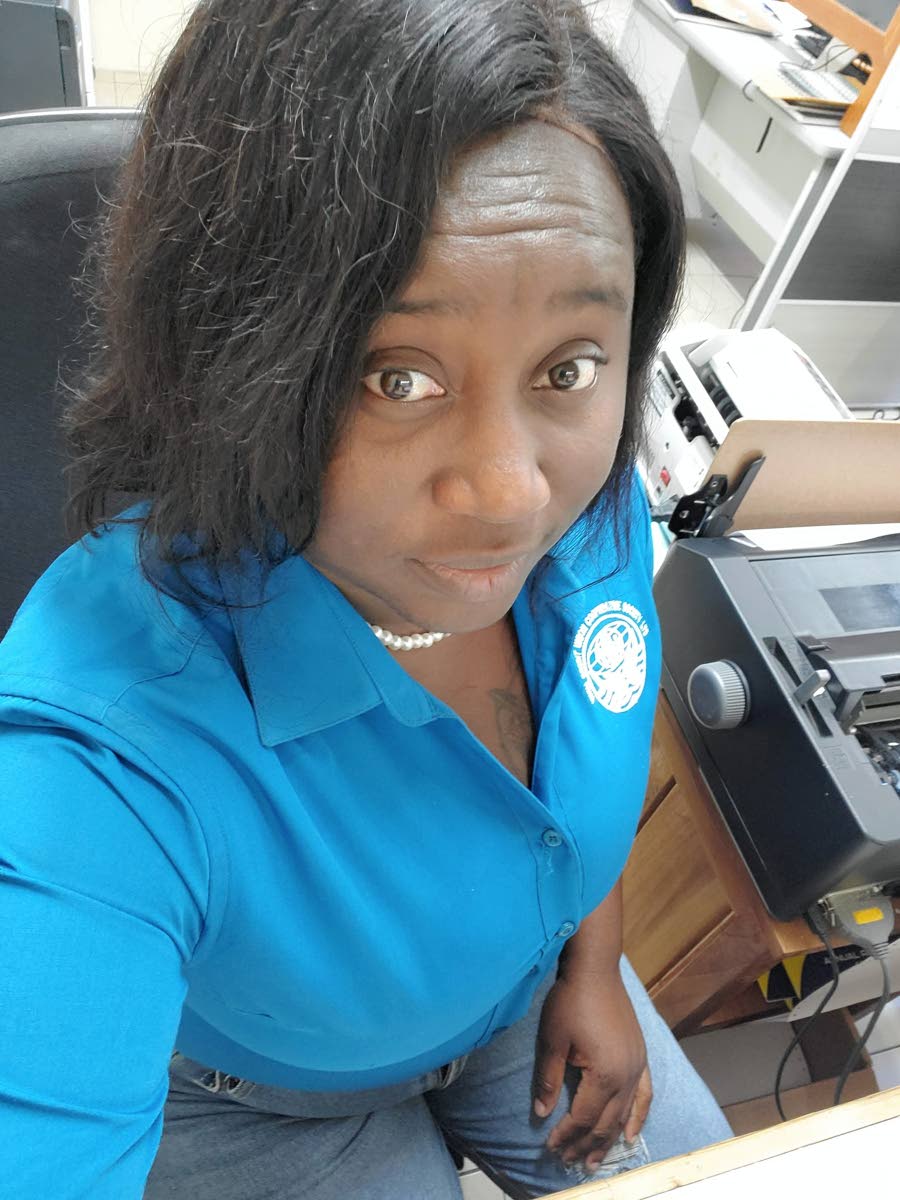
La Toya Horsford, a former welfare officer of the PNM Tobago Council, has emerged as one of 48 nominees vying to represent the Tobago People’s Party (TPP) in the forthcoming Tobago House of Assembly (THA) elections. Horsford, who stepped down from the PNM in June, is contending for the Mason Hall/Moriah electoral district, a seat currently held by Ian Pollard, Secretary of the Division of Settlements, Public Utilities and Rural Development. She faces competition from three other nominees: Allan Stewart, director of the Tobago Emergency Management Agency and a newcomer to the electoral race, and Bevon Dennis, former chairman of the Innovative Democratic Alliance. The list of nominees was disclosed by THA Chief Secretary and TPP political leader Farley Augustine during the Tobago Updates morning show on October 29. Augustine, who represents the Parlatuvier/Speyside/L’Anse Fourmi district, is the sole nominee for his seat. Other uncontested nominees include Deputy Chief Secretary Dr. Faith Brebnor (Belle Garden/Glamorgan), Secretary Nathisha Charles-Pantin (Bagatelle/Bacolet), and Secretary Wane Clarke (Lambeau/Lowlands). The TPP currently dominates the THA, holding 13 of the 15 seats, with Watson Duke of the Progressive Democratic Patriots representing Roxborough/Argyle and Minority Leader Kelvon Morris serving Darrel Spring/Whim.
-
UN General Assembly urges end to US embargo on Cuba
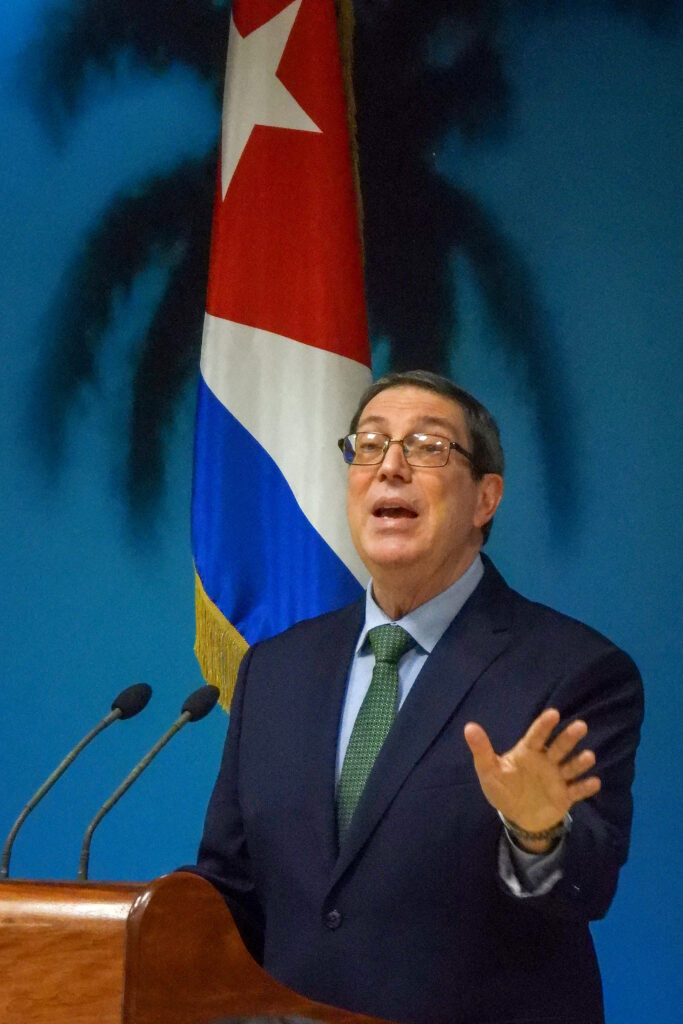
The United Nations General Assembly has once again passed a resolution urging the United States to lift its long-standing economic embargo on Cuba, marking the 30th consecutive year such a measure has been adopted. The non-binding resolution, which garnered 165 votes in favor, seven against, and 12 abstentions, calls for the cessation of the economic, commercial, and financial blockade imposed by the US on the Communist-led island nation since 1962. The resolution highlights the detrimental impact of the embargo on the Cuban population, emphasizing its adverse effects on their livelihoods and economic stability. Despite the overwhelming support, the US, along with Israel and Ukraine, voted against the resolution, with Washington’s UN envoy, Mike Walz, dismissing it as propaganda that excuses the Cuban government’s failures. Cuba’s Foreign Minister Bruno Rodriguez countered Walz’s remarks, describing them as threatening and deceitful, while urging the US to suspend the embargo or at least implement humanitarian exceptions in light of the devastation caused by Hurricane Melissa. Notably, several Eastern European nations abstained from the vote, citing Cuba’s support for Russia in its ongoing conflict with Ukraine. The US embargo remains one of the world’s longest-standing unilateral sanctions, further straining relations between the two nations. In July, the US escalated its pressure on Cuba by imposing unprecedented sanctions on President Miguel Diaz-Canel, accusing him of complicity in the regime’s alleged brutality toward its citizens.
-
China presenteert Global Governance Initiative als antwoord op wereldwijde uitdagingen
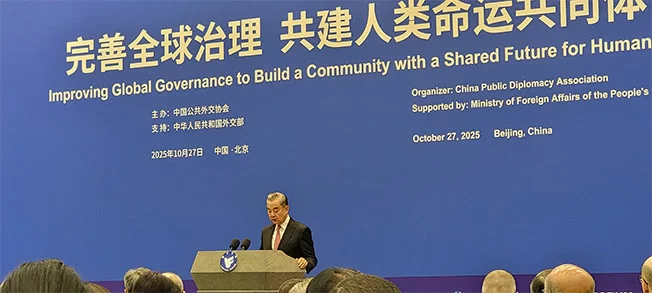
At the 23rd Lanting Forum in Beijing, Chinese Foreign Minister Wang Yi introduced the Global Governance Initiative (GGI), positioning it as a cornerstone of China’s contribution to reforming and strengthening global governance. In his keynote address on October 27, 2025, Wang emphasized the critical need for multilateralism, solidarity, and collaboration to address escalating global challenges and build a shared future for humanity. He highlighted the 80th anniversary of the United Nations (UN) as a reminder of the UN’s central role in maintaining global peace and development, while warning against the rise of unilateralism and the urgent need for governance reform. The GGI, championed by President Xi Jinping, is built on five core principles: sovereign equality, international rule of law, multilateralism, a people-centered approach, and tangible results. Wang asserted that the initiative not only aligns with the UN Charter but also represents an innovative step toward a more just, inclusive, and effective global governance system. Supported by over 140 countries and organizations, the GGI calls for unity in a world increasingly fragmented by division. Wang stressed that only through cooperation and shared efforts can sustainable peace, development, and prosperity be achieved. He cautioned against the politicization of economic and trade issues, warning against market fragmentation and trade wars. Wang underscored the importance of prioritizing development on the global agenda, advocating for equitable partnerships and mobilizing global resources. China’s commitment to high-quality cooperation, exemplified by initiatives like the Belt and Road, has already benefited over three-quarters of the world’s nations. The speech also addressed key priorities such as strengthening the UN, promoting sustainable development, combating climate change, and amplifying the voices of developing nations. Wang reiterated China’s dedication to active participation in international cooperation and reform, particularly in support of the Global South. He concluded with a call for collective action and open dialogue, reaffirming China’s resolve to work with the international community toward a fairer and more stable global order. Following Wang’s address, discussions featured prominent voices like Omar Razzaz, former Prime Minister of Jordan, who likened the current global situation to a ‘law of the jungle’ and called for UN reform. Erik Solheim, co-chair of the Europe-Asia Center, advocated for greater Asian representation in the UN, while Lin Yifu, former dean of Peking University’s National School of Development, warned of the escalating tensions between the US and China and emphasized the need for soft power over hard power.
-
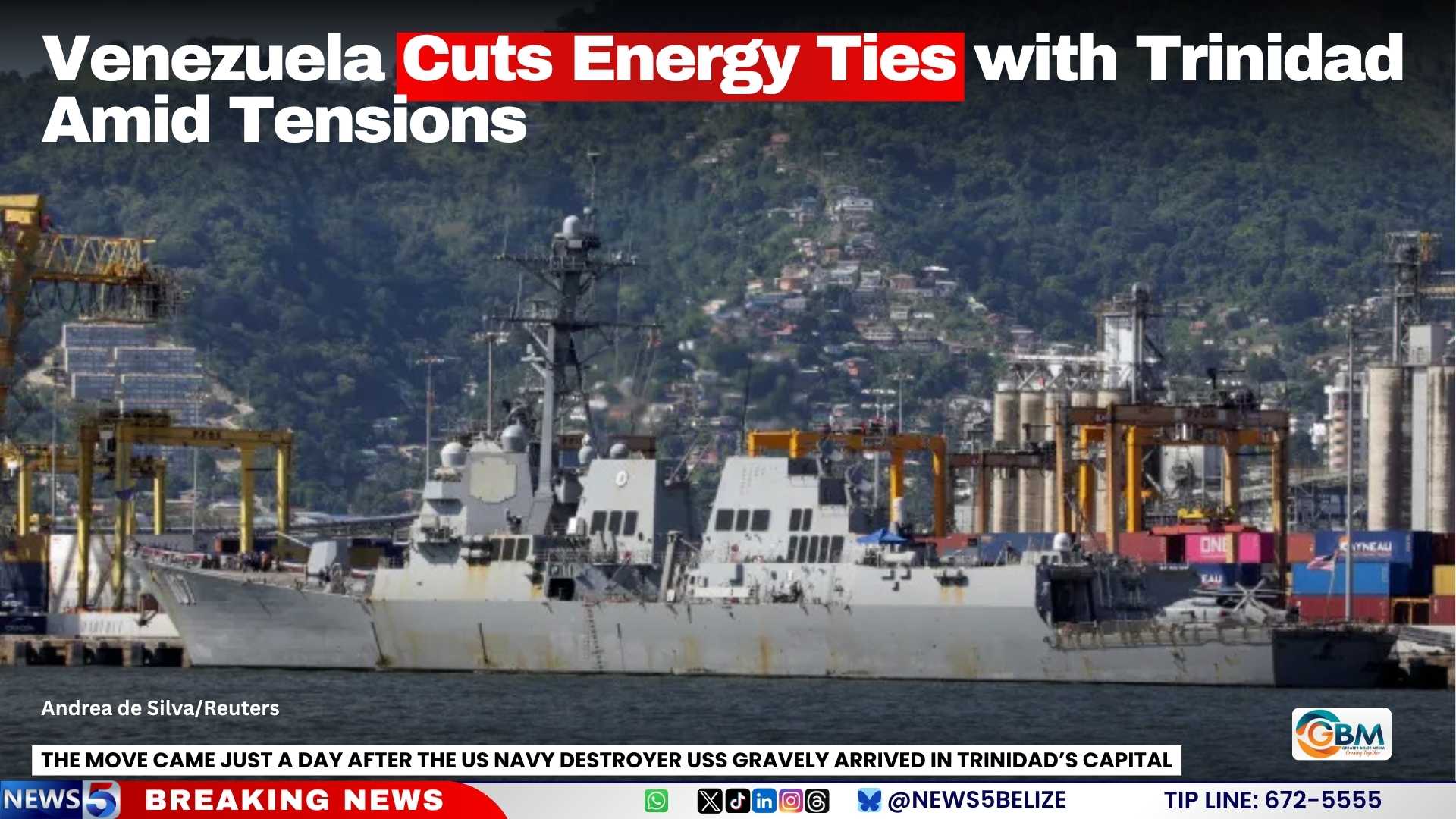
Venezuela Cuts Energy Ties with Trinidad Amid Tensions
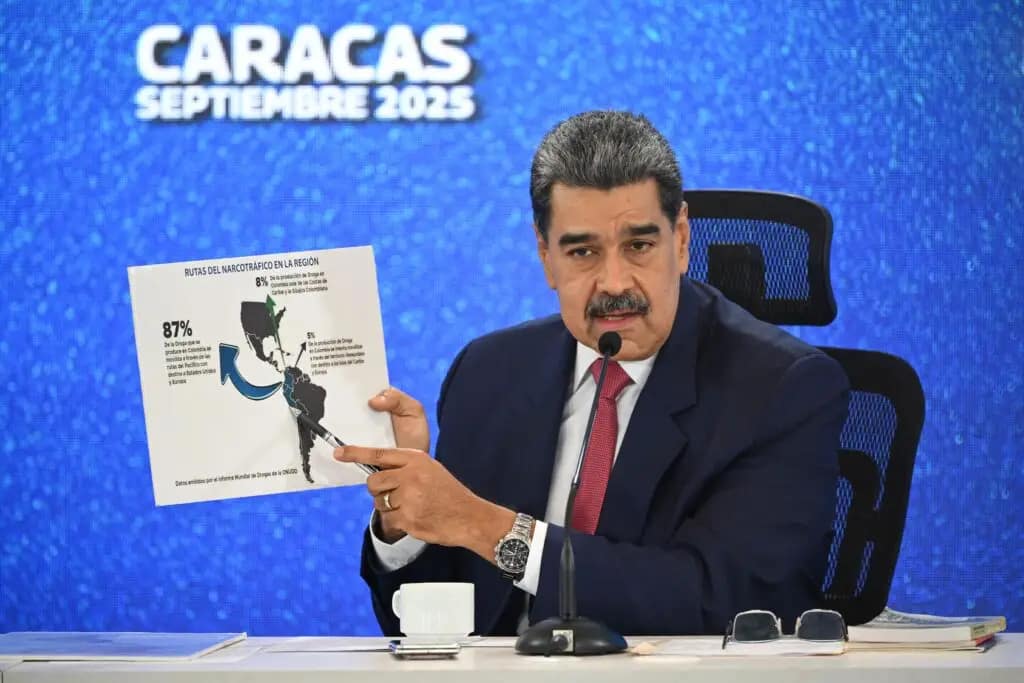
In a dramatic escalation of regional tensions, Venezuela has severed all energy ties with Trinidad and Tobago, citing “hostile” actions by its Caribbean neighbor. The decision was announced by Venezuelan President Nicolás Maduro during his weekly television address on Monday night. Maduro accused Trinidad of becoming “the aircraft carrier of the US empire” and stated that Venezuela had no alternative but to withdraw from energy agreements established with Port of Spain a decade ago. This move follows the arrival of the US Navy destroyer USS Gravely in Trinidad’s capital for joint training exercises with the Trinidad and Tobago Defence Force. While US and Trinidadian officials emphasized that the drills are part of routine security cooperation, Venezuela perceives them as a direct threat to its sovereignty. The USS Gravely is scheduled to remain in port until Thursday, further intensifying the diplomatic rift between the nations.
-
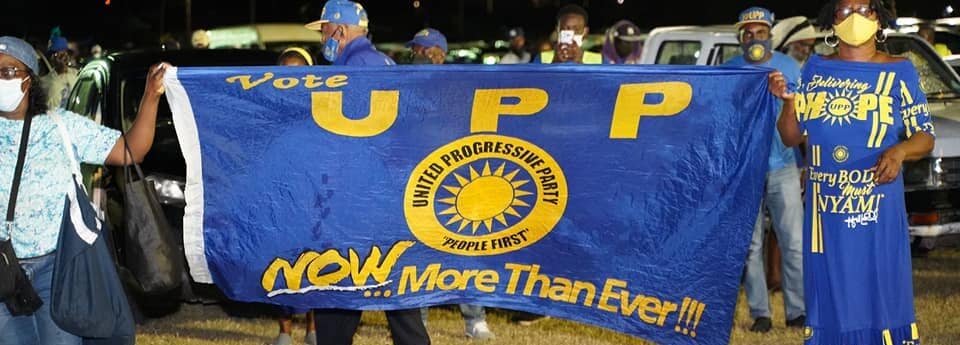
LETTER: Women in Politics Deserve More Than Tokenism, UPP Must Face the Truth
In a scathing critique of the United Progressive Party (UPP), the author expresses profound disappointment with the party’s current trajectory, accusing it of lacking purpose and engaging in political theatrics. The letter highlights the party’s failure to genuinely empower women in politics, arguing that their approach to gender representation is superficial and tokenistic. Instead of fostering capable and competent female leaders, the UPP has allegedly sidelined intelligent and qualified women, many of whom have found recognition and roles of influence within the Antigua and Barbuda Labour Party (ABLP).
The author contrasts the UPP’s approach with that of the ABLP, which has placed women in key administrative positions based on merit, thereby fostering true empowerment. The letter questions the UPP’s commitment to gender equality, pointing out the absence of meaningful efforts to elevate women within their ranks. It also criticizes the party’s focus on Barbara Coates, suggesting that her role is emblematic of the UPP’s tendency to exploit individuals for political convenience.
A significant portion of the letter is dedicated to defending Hon. Maria Browne, who has faced criticism from the opposition for a recent error. The author commends Browne for her accountability and leadership, contrasting her response with the UPP’s alleged hypocrisy. The letter accuses UPP members of deflecting attention from their own controversies, such as Opposition Leader Jamale Pringle’s business dealings and the East Bus Station project, which has been described as a financial burden on the public.
The author concludes by urging the UPP to focus on rebuilding its leadership and addressing national issues with maturity, rather than engaging in shallow theatrics and personal attacks. The letter expresses confidence in Maria Browne’s ability to emerge stronger from her challenges and praises the ABLP for its commitment to empowering women of substance and ability. Ultimately, the author asserts that the UPP is not a viable opposition and lacks the vision, coherence, and competence required to lead the nation.
-
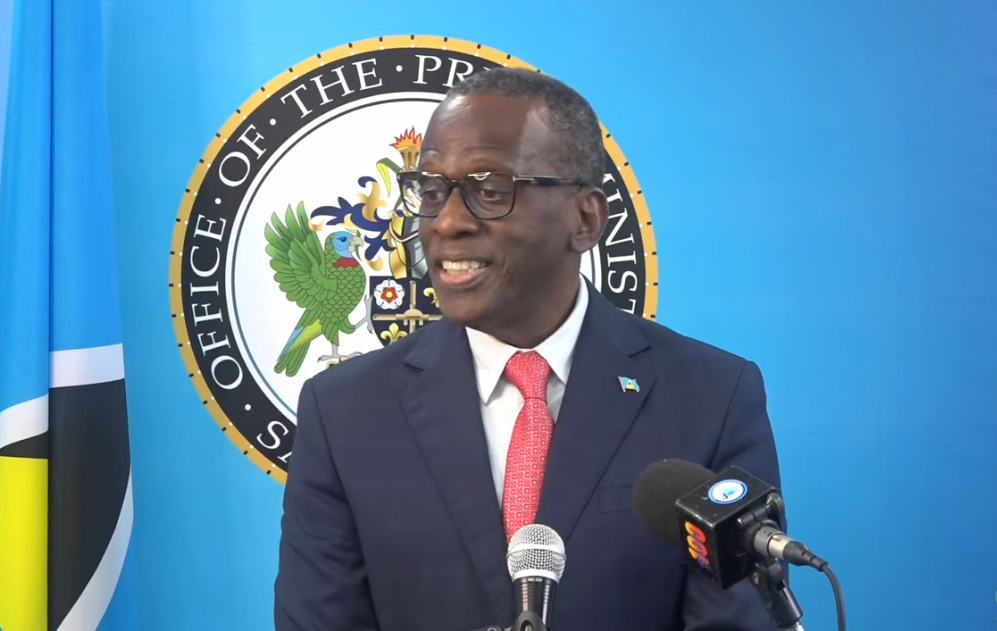
PM calls for the region to be respected as a zone of peace
The growing tensions between the United States and Venezuela have sparked significant concern across the Caribbean, with regional leaders expressing apprehension over the potential for conflict. Prime Minister Phillip J. Pierre of Saint Lucia described the situation as “worrisome” on October 27, particularly in light of Trinidad and Tobago’s alignment with the Trump Administration’s stance. This comes amid a US naval buildup in the southern Caribbean, initiated in August 2025 under the pretext of combating drug trafficking. The Trump administration has since declared a formal “armed conflict” against drug cartels, labeling them as “unlawful armed combatants” primarily originating from Venezuela. The US has reportedly conducted at least eight strikes on Venezuelan vessels allegedly involved in drug trafficking, resulting in the deaths of at least 36 individuals, including two Trinidadians. This marked shift from traditional law enforcement tactics to direct military operations has drawn criticism from geopolitical analysts. The presence of the USS Gravely, a US guided missile destroyer, in Trinidad and Tobago’s capital, Port of Spain, has further heightened regional anxiety. Venezuela has accused Trinidad and Tobago of being under US control and facilitating a potential military confrontation. Vice President Delcy Rodríguez alleged that Trinidad and Tobago is conducting “military exercises” under US direction, warning of a possible “false flag attack” that could escalate tensions. In response, Trinidad and Tobago’s Ministry of Foreign and CARICOM Affairs emphasized that the USS Gravely’s visit aims to enhance regional security, disaster preparedness, and humanitarian efforts, while strengthening bilateral ties with the US. Prime Minister Pierre reiterated CARICOM’s call for the Caribbean to remain a “zone of peace,” urging all parties to respect this principle.
-
8 jaar HVB – 8 fundamenten, één missie: Suriname hervormen & vernieuwen
Today marks a significant milestone in Suriname’s political landscape as the Reform and Renewal Movement (HVB) commemorates its eighth anniversary. Founded in 2015, the HVB emerged from a profound belief that the nation required a political shift—one centered on responsibility rather than power, and sustainable development over short-term gains. This anniversary is not a celebration but a moment of reflection, emphasizing the values, principles, and vision that define the movement. The HVB was born out of political disillusionment and growing distrust in traditional governance, choosing a path of renewal that prioritizes citizen voices and national interests. Over the past eight years, the movement has faced challenges but remained steadfast in its commitment to principled leadership. The HVB’s foundation rests on eight core pillars: principled politics over privileges, good governance and transparency, economic justice, social equality, national unity, responsible leadership, innovation, and unwavering loyalty to Suriname. These principles guide the movement through turbulent times, shaping its decisions and actions. The HVB aims to restore trust, inspire hope, and drive meaningful change, positioning itself not merely as a political party but as a movement for the nation’s future. As it enters a new phase, the HVB remains dedicated to collaboration, transparency, and courageous choices, working alongside citizens to build a Suriname defined by justice, stability, and prosperity. Raymond Sapoen, the movement’s political leader, expressed gratitude to supporters, critics, and partners who have contributed to its journey, reaffirming the HVB’s commitment to Suriname’s renewal and progress.
-
Maduro suspends energy agreements with Trinidad and Tobago
In a dramatic move, Venezuelan President Nicolas Maduro has declared the immediate suspension of energy agreements with Trinidad and Tobago. This decision came shortly after Vice President Delcy Rodríguez presented a formal proposal to halt the Energy Cooperation Framework Agreement with Port of Spain. During his weekly televised address on Monday night, Maduro accused Trinidad and Tobago of acting as a strategic outpost for the United States, labeling it the ‘aircraft carrier of the US empire.’ He stated that Venezuela had no alternative but to withdraw from treaties established a decade ago. Maduro also claimed that Trinidad and Tobago had exhausted its gas reserves before Venezuela agreed to assist under the deal.
In response, Trinidad and Tobago Prime Minister Kamla Persad-Bissessar dismissed Venezuela’s decision, asserting that her country would continue to advance its energy and economic strategies independently. ‘Our future does not depend on Venezuela and never has. We have our plans and projects to grow our economy both within the energy and non-energy sectors,’ she emphasized.
The two nations initially agreed to collaborate on gas exploration in 2018, but the project has faced significant delays, exacerbated by U.S. sanctions on Venezuela. U.S. Secretary of State Marco Rubio recently expressed support for Trinidad’s Dragon gas proposal but emphasized measures to prevent substantial benefits from reaching Maduro’s government. The Dragon gasfield, reportedly containing 119 billion cubic meters of gas, remains a focal point of contention.
Tensions in the region have escalated further with increased U.S. military presence in the Caribbean. President Donald Trump recently deployed an amphibious squadron, a nuclear-powered attack submarine, reconnaissance aircraft, and several warships to address alleged threats from Latin American drug cartels. The U.S. military has conducted airstrikes in Caribbean waters, targeting what it claims are Venezuelan-backed drug traffickers—a charge vehemently denied by Caracas. Venezuela’s Foreign Minister Yvan Gil Pinto condemned the U.S. actions at the United Nations General Assembly, describing them as an ‘illegal and completely immoral military threat.’
Trinidad and Tobago has openly supported the U.S. operations, with Persad-Bissessar advocating for the violent elimination of drug traffickers. This alignment with U.S. interests has further strained relations with Venezuela, highlighting the deepening geopolitical rift in the region.
-
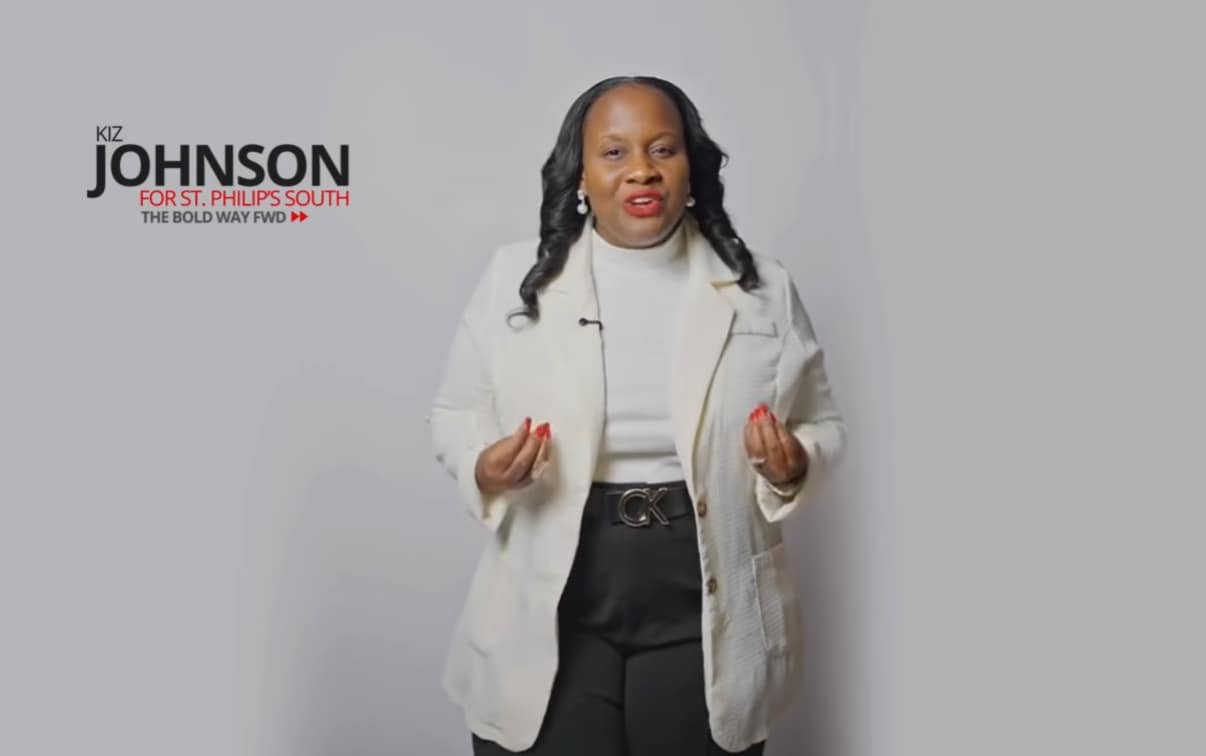
Kiz Johnson Launches Campaign for ABLP Candidacy in St. Philip’s South
Former Independent Senator Kiz Johnson has formally entered the political arena, launching her campaign to represent the Antigua and Barbuda Labour Party (ABLP) in the St. Philip’s South constituency. Johnson, who stepped down from her Senate role on October 24, unveiled her candidacy with a rallying cry for “bold leadership” and “real change for real people.” Her campaign, titled *The Bold Way Forward*, emphasizes courage, conviction, and purpose as the cornerstones of progress for the region. In her inaugural address, Johnson urged constituents to embrace a forward-thinking mindset, stating, “It’s time to lead with courage, act with conviction, and move with purpose. This isn’t about playing it safe — it’s about creating real change for real people. St. Philip’s South, let’s step into the future.” This move marks a significant transition in her career, following her tenure as an Independent Senator under the appointment of Governor-General Sir Rodney Williams. Johnson’s campaign platform focuses on inclusivity, vitality, and community-driven development, aiming to address the needs and aspirations of the local population.