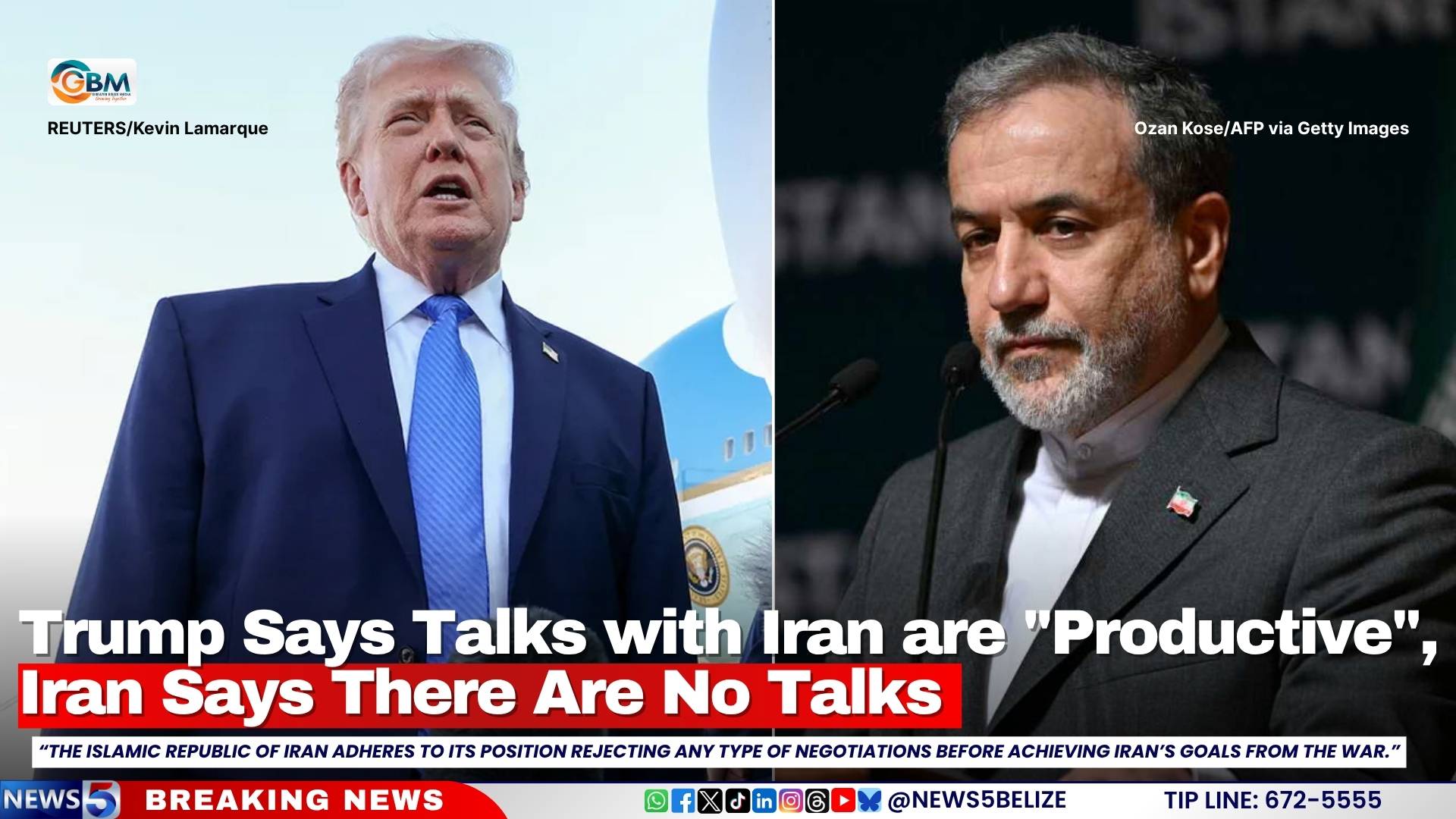
In a dramatic reversal of diplomatic posture, former U.S. President Donald Trump announced on Monday that military actions against Iranian infrastructure had been temporarily suspended following what he characterized as productive bilateral discussions. This declaration came merely 48 hours after he had issued threats to destroy Iranian power facilities.\n\nThrough his Truth Social platform, Trump revealed that the United States and Iran had engaged in \”very good and productive conversations\” throughout the preceding two days. Consequently, he claimed to have directed the Department of War to postpone any offensive operations targeting Iranian energy infrastructure for a five-day period, pending further diplomatic developments.\n\nThe Iranian government responded with immediate and categorical rejection of these claims. Iran’s Student News Network (SNN), citing anonymous foreign ministry sources, explicitly denied any ongoing negotiations with American officials. The network further emphasized that the strategic Strait of Hormuz remained \”closed to aggressors,\\” reinforcing Iran’s defensive posture.\n\nOther state-aligned media outlets including Fars and Tasnim news agencies uniformly echoed this position, asserting that no communications had occurred between Iranian and Trump administration representatives. These publications interpreted the delayed military action as evidence of American \”backdown\” in the confrontation.\n\nThe Iranian foreign ministry subsequently released an official statement, later corroborated by CBS News, providing unequivocal denial of Trump’s assertions. The ministry clarified that Tehran maintains its firm position against engaging in any diplomatic discussions before achieving its strategic objectives in ongoing regional conflicts, effectively dismissing Trump’s claims as fabrications.
分类: politics
-

LETTER: I am an ABLP supporter but Dr. Philmore Benjamin Cannot Get My Vote
A committed Labour supporter from St. Mary’s North has publicly declared their refusal to vote for the party’s candidate, Mr. Philmore Benjamin, citing profound concerns over democratic integrity and political opportunism.
The core of the objection centers on the candidate’s controversial political history and the manner of his selection. Benjamin, a former member of the Antigua Caribbean Liberation Movement (ACLM)—a known communist organization—actively opposed the Labour Party and its foundational figure, Sir Vere Bird. The writer highlights the stark contradiction in his current representation of the party he once fought against.
A primary grievance is the undemocratic process behind his candidacy. Unlike other aspirants, including the respected Sir Molwyn Joseph who underwent a formal primary upon returning from the United States to serve the constituency, Benjamin was reportedly imposed upon the constituency by the Prime Minister. This top-down appointment is characterized as a profound disrespect to both the democratic process and to long-serving, loyal party stalwarts like Sir Molwyn Joseph, who is praised for his unwavering commitment to Labour’s core values.
Further criticism is directed at Benjamin’s political methodology, which is described as ‘old school,’ suggesting an outdated campaign style out of touch with contemporary needs. The letter concludes with a powerful affirmation that the constituents of St. Mary’s North deserve leadership earned through transparent democratic engagement, trust, and respect for the party’s history, not through opportunism. Consequently, the supporter pledges their vote instead to the ‘Level Up’ movement, signaling a significant internal rift within the party’s base.
-

MP urges no retaliation after St Lucy killing, backs death penalty
In the wake of a deadly shooting that claimed the life of a young man in Fryers Well, St. Lucy parliamentarian Peter Phillips has made a fervent appeal for community restraint while simultaneously renewing his political campaign for the reinstatement of capital punishment in Barbados.
The tragic incident occurred on Sunday evening during a karaoke social gathering in the Checker Hall area, resulting in the death of 28-year-old Romario Archer. Phillips, who represents the constituency, visited the grieving family on Monday to offer condolences and address the escalating tensions within the community.
Emphasizing the personal nature of the loss, Phillips revealed his long-standing acquaintance with Archer and his family. “He was a good, decent guy… very cheerful, very independent, always looking for work,” the MP stated, adding that Archer had frequently assisted with community events and could be relied upon even at short notice.
The parliamentarian explicitly cautioned against vigilante justice, urging residents: “Let there be no retaliation… put down the guns. We must not take matters into our own hands. The law will do what it has to do.” He characterized the shooting as particularly disruptive to the normally peaceful parish of St. Lucy, noting the community has been profoundly shaken by this outbreak of violence.
Parallel to his calls for calm, Phillips articulated his firm stance on implementing stricter judicial measures. “I support capital punishment… we have to begin to take stronger action against this kind of behaviour,” he asserted, framing the death penalty as a necessary deterrent to Barbados’s growing violence problem.
Phillips concluded with a broader vision for his constituency and nation: “This is not the kind of thing we are accustomed to in St. Lucy. We want peace in this community, and across Barbados.”
-

OPINION: Your Vote Is Not a Waste: Why Young People Must Show Up Even When Politics Feels Repetitive
A concerning trend is emerging among younger demographics nationwide: the disillusioned belief that political participation holds negligible value due to perceived similarities between major parties. This sentiment, while understandable given cyclical election patterns and delayed policy implementations, threatens to undermine the very democratic mechanisms that empower generational change.
Electoral participation transcends mere party selection—it represents a fundamental tool for directing national development trajectories and ensuring youth concerns remain central to policy agendas. Within polling stations, democracy manifests its most equalizing power: a first-time voter wields identical influence to established politicians, corporate leaders, and veteran constituents. This rare parity deserves recognition rather than dismissal.
While political parties may share superficial similarities in messaging, profound differences emerge in leadership approaches, policy implementation methodologies, and developmental priorities. Public engagement directly shapes governmental responsiveness—when youth constituencies actively participate, they create imperative pressures that demand earned representation rather than assumed support.
Governance constitutes an evolutionary process rather than a static institution. Administrations operate within constraints including economic limitations and global pressures, yet voter engagement directly influences how leadership navigates these challenges. Youth visibility at polls encourages more adaptive and forward-thinking governance models.
Beyond policy considerations, voting embodies collective ownership of national futures. Each ballot represents an active declaration that societal direction belongs equally to younger generations rather than remaining exclusively within established political elites. This participatory ownership fosters societal connectivity and investment in long-term outcomes.
Democratic progress often manifests incrementally rather than through immediate transformation. Consistent electoral pressure across multiple cycles gradually shifts priorities, elevates new leaders, and redefines governmental expectations. Even skeptical voters should recognize participation not as endorsement of perfection, but as foundational engagement within an imperfect system.
The fundamental reality remains unambiguous: absent youth participation, future-shaping decisions will proceed without generational representation. Leadership evolution continues regardless—the critical variable remains whether young voices will help direct that evolution through active involvement rather than passive observation.
-
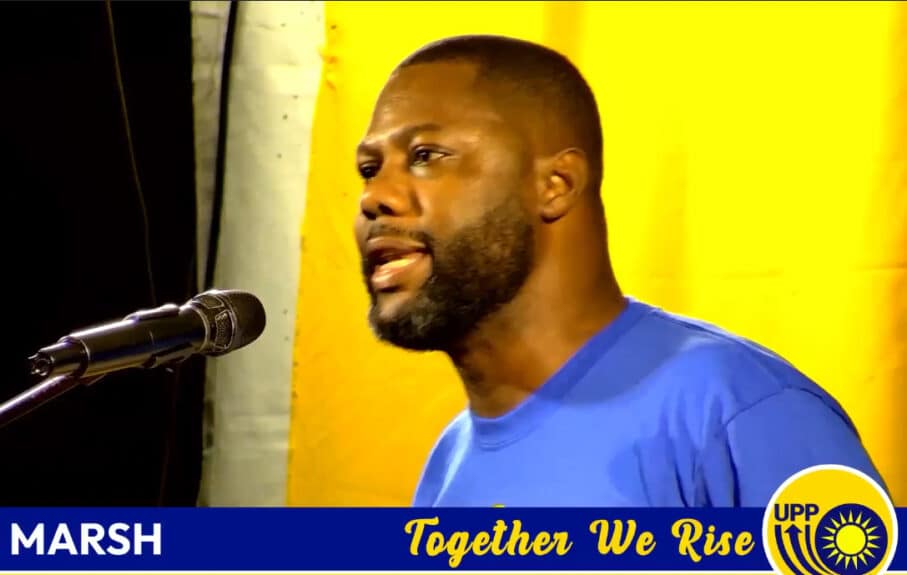
UPP Drops Wayne Marsh as St Paul Candidate Over Citizenship Requirement
In a significant electoral development, the United Progressive Party (UPP) of Antigua and Barbuda has been compelled to withdraw its designated candidate for the St. Paul constituency ahead of the forthcoming general elections. Party leader Jamale Pringle officially confirmed that attorney Wayne Benjamin Marsh will not be contesting the seat on the UPP’s ticket.
The decision stems from a constitutional mandate that prohibits individuals with allegiance to a foreign state from serving in the nation’s Parliament. Marsh, who had functioned as the party’s caretaker representative in St. Paul for several years, is reportedly unwilling to formally renounce his United States citizenship, thereby rendering him ineligible for candidacy.
This development delivers a substantial setback to the opposition party’s electoral strategy. Marsh had been widely perceived as the primary challenger capable of unseating the incumbent Member of Parliament, E.P. Chet Greene of the ruling Antigua and Barbuda Labour Party (ABLP). His extensive groundwork and cultivation of local support in the constituency are now assets the UPP must transfer to a new, eligible candidate.
The UPP leadership has indicated that an announcement naming a replacement candidate is imminent. This incident has reignited discourse surrounding the constitutional provisions governing electoral eligibility and their impact on the political landscape of Antigua and Barbuda, particularly concerning the diaspora community.
-

Preparing to lose: Grief, mourning, and falling forward in politics
The stunning electoral reversal in Grenada’s June 2022 general election delivered a profound psychological blow to supporters of the previously dominant governing party. After achieving three consecutive clean sweeps in 2008, 2013, and 2018—securing all 15 parliamentary seats—the party’s sudden collapse triggered what psychologists now identify as genuine political grief among its base.
Research reveals that electoral defeat follows recognizable patterns of emotional response similar to personal bereavement. The Kübler-Ross model of grief stages—denial, anger, bargaining, depression, and acceptance—manifests clearly in political contexts. Citizens frequently express denial through claims of electoral irregularities, anger alleging stolen victories, bargaining through hypothetical scenarios, depression over perceived lost futures, and eventual acceptance leading to political regrouping.
Distinct psychological dimensions define this experience: the objective event constitutes the loss, the internal emotional response represents grief, while mourning emerges through outward expressions including protests, silence, or civic rituals. Academic studies confirm that election losses can generate severe emotional distress, anxiety, and physical health issues comparable to national traumas. The absence of closure rituals creates what scholars term “ambiguous loss,” a frozen grief without resolution.
Caribbean political landscapes demonstrate this phenomenon vividly. Beyond Grenada’s experience, Barbados’s 2018 single-party sweep left opposition supporters questioning their governance role, while Jamaica’s alternating victories between major parties consistently leave half the population grieving. The United States’ 2020 election revealed grief on a national scale, with millions struggling to accept results through various forms of mourning.
The concept of “falling forward” offers a constructive framework for processing political defeat. Popularized by figures like Denzel Washington, this mindset reframes setbacks as necessary steps toward eventual success through growth, resilience, and proactive learning. Rather than final outcomes, temporary defeats become installments on the road to victory when parties analyze losses for strategic insights.
Developing emotional literacy around political loss represents crucial progress for democratic cultures. Normalizing grief as inherent to political life can transform elections from divisive events into opportunities for empathy and unity. Grenada’s experience demonstrates that even after extended dominance, defeat can arrive suddenly—but through acknowledging grief, expressing mourning, and implementing lessons, societies can build resilience that strengthens democratic processes.
-
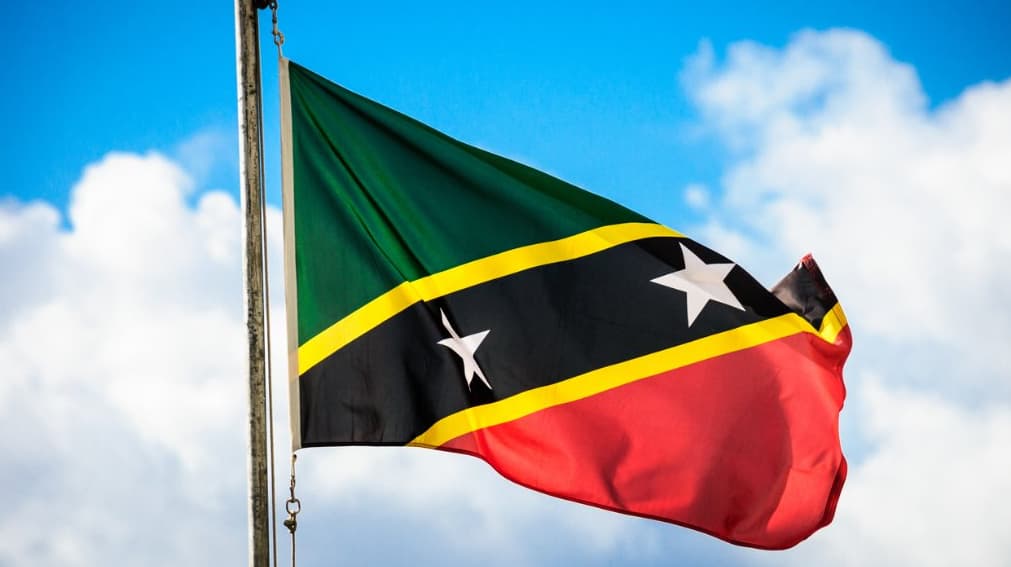
St. Kitts and Nevis launches Biometric Passport Programme, sets July 2027 deadline for transition – WIC News
The Federation of St. Kitts and Nevis has officially inaugurated a comprehensive Biometric Passport Modernization Program, marking a significant advancement in national security infrastructure. Spearheaded by the Ministry of National Security, Citizenship and Immigration in coordination with the Citizenship by Investment Unit, the initiative commenced operations on April 14, 2026.
This strategic overhaul positions the nation’s travel documentation system at the forefront of global biometric standards, aligning with protocols established by leading jurisdictions including the European Union, United States, and United Kingdom. The program represents a proactive enhancement of border security mechanisms through implementation of advanced identity verification technologies.
A transitional framework has been established wherein previously issued passports retain validity until July 31, 2027. Beyond this deadline, non-biometric documents will become invalid for international travel. Government officials strongly advise citizens to complete biometric enrollment well in advance to prevent travel disruptions.
The enrollment process operates exclusively through the government’s official Biometric Enrolment Platform, with third-party services expressly prohibited. Applicants undergo a structured three-step procedure: online registration and application submission, appointment scheduling at authorized collection centers, and in-person biometric data capture including fingerprints, facial photography, and optional iris scanning—a process typically requiring 15-30 minutes.
International enrollment facilities have been established at consulates in Ottawa, London, Abu Dhabi, Taipei, and Rabat, with potential global expansion anticipated. All biometric data will be encrypted and stored in compliance with International Civil Aviation Organization standards, accessible solely to authorized personnel for security purposes.
Financial provisions include a fee structure of USD $2,500 for adults and USD $1,800 for minors under 18. The program specifically mandates biometric enrollment for Citizenship by Investment recipients and their dependents, while native-born citizens are exempt from this requirement.
Prime Minister Dr. Terrance Drew emphasized the program’s significance: “St. Kitts and Nevis doesn’t follow global standards—we set them. This modernization affirms our passport among the world’s most secure and respected travel documents.”
CIU Chairman Calvin St. Juste assured comprehensive support mechanisms: “We commit to providing every resource necessary for a smooth transition, ensuring no citizen lacks clear guidance throughout this process.”
-

Donna Chaia Named Third Vice Chair of the Antigua and Barbuda Labour Party
The Antigua and Barbuda Labour Party (ABLP) has strategically elevated Donna Chaia to the position of Third Vice Chair within its executive leadership structure, marking a significant organizational move as the party accelerates its preparations for upcoming general elections. Prime Minister Gaston Browne, who leads both the government and the ABLP, formally announced this appointment during his appearance on the Browne and Browne programme, emphasizing the party’s systematic approach to establishing a complete operational framework.
Browne articulated that Chaia’s promotion represents a crucial component of the ABLP’s comprehensive readiness strategy, which includes finalizing candidate selections and activating supporter networks across all constituencies. The Prime Minister characterized the party as fundamentally meritocratic, where advancement to leadership positions is exclusively predicated on demonstrated performance and unwavering commitment to the organization’s principles.
‘Among our newly confirmed executive members is Comrade Donna Chaia as our third vice chair,’ Browne stated, highlighting that such appointments recognize individuals who actively champion and defend the party’s interests. This leadership restructuring occurs as the ABLP transitions into full campaign mode, with both the executive team and candidate slate scheduled for formal ratification at the impending party convention.
The strategic reinforcement of the ABLP’s leadership cadre signals the party’s intention to enter the electoral contest with a robust and battle-ready organizational apparatus, positioning itself for what many anticipate will be a highly competitive general election.
-

Kendra Beazer Touted as ‘Unifier’ for Barbuda as ABLP Confirms Candidate
In a strategic political move, Prime Minister Gaston Browne has endorsed Kendra Beazer as the Antigua and Barbuda Labour Party’s (ABLP) chosen candidate to transform Barbuda’s political landscape. During his appearance on the Browne and Browne programme, the Prime Minister characterized Beazer as a unifying figure possessing the unique capability to heal persistent divisions that have long defined the sister island’s politics.
Browne emphasized that Beazer’s nomination represents a deliberate departure from years of political fragmentation, stating that the young politician’s mission aligns with unifying Antigua and Barbuda while ending longstanding discord. The Prime Minister highlighted Beazer’s previous engagement in Barbudan politics as lending significant credibility to his perspective.
Describing Beazer as ‘a bright young man’ and ‘a strident fighter for the people,’ Browne positioned him as emblematic of both a generational leadership shift and a clear break from entrenched political establishments. The endorsement underscores Beazer’s active participation in public life and his demonstrated electoral appeal at the local level, which the Prime Minister cited as evidence of his political viability.
Browne further articulated that Beazer’s candidacy synchronizes with the government’s comprehensive vision for sustained development and enhanced integration between the two islands. ‘He will be the unifier… and make sure that we continue to support the advancement of Barbuda,’ Browne asserted during the broadcast.
The Prime Minister framed this political endorsement as part of a broader transitional phase in Barbudan representation, explicitly contrasting Beazer’s fresh perspective with that of long-serving incumbents. This strategic positioning signals ABLP’s intention to establish Barbuda as a critical battleground in the approaching general election, presenting Beazer as both a political and generational alternative to current leadership.
-

ABLP Convention Aims to Complete ‘State of Readiness’ Ahead of Election, PM Says
The Antigua and Barbuda Labour Party (ABLP) is poised to enter a critical phase of electoral preparation during its convention scheduled for April 12. This strategic gathering aims to transition the ruling party into a fully operational campaign entity, with Prime Minister Gaston Browne emphasizing the need for comprehensive organizational readiness.
Central to the convention’s agenda is the formal ratification of parliamentary candidates and the confirmation of key party officers. While the majority of candidates have already been identified through internal processes, this meeting will provide official endorsement to these selections. Prime Minister Browne clarified that the convention serves to ‘formalize those selections’ and address gaps in the party’s leadership structure.
Two specific candidate recommendations will be presented for approval: Kendra Beazer for the Barbuda constituency and Philmore Benjamin for St Mary’s North. These appointments would complete the party’s electoral slate, ensuring all positions are filled well ahead of any election announcement.
The convention represents more than mere administrative formalities. It embodies a strategic maneuver to position the governing party for rapid deployment once elections are officially called. This proactive approach demonstrates the ABLP’s intention to maintain its competitive advantage through early mobilization and structural cohesion.
This gathering marks a significant transition from internal party organization to full campaign operational mode, setting the stage for what promises to be a closely contested general election in Antigua and Barbuda.