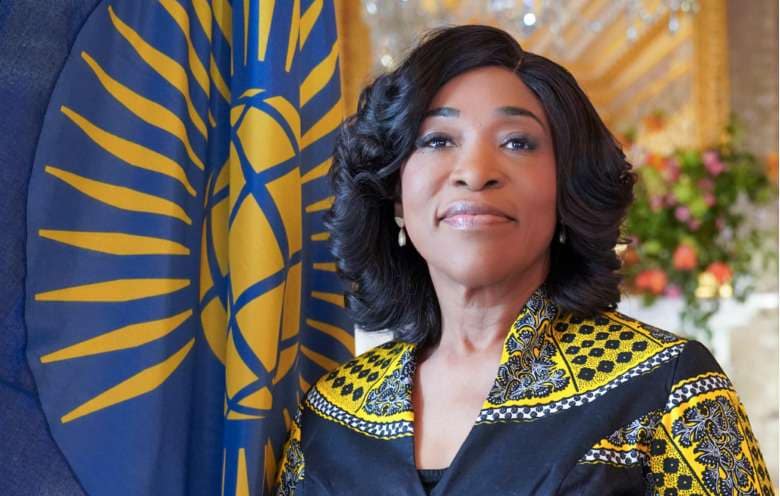
The Commonwealth Secretary-General, Hon. Shirley Botchwey, is set to arrive in Antigua and Barbuda on Monday, November 3, for a pivotal two-day visit. This visit marks the official commencement of the country’s preparations to host the 2026 Commonwealth Heads of Government Meeting (CHOGM). Botchwey will land at V.C. Bird International Airport via a British Airways flight from London, where she will be greeted with an official welcome in the VIP Lounge. This visit highlights the strong partnership between the Commonwealth and Antigua and Barbuda as the twin-island nation gears up to welcome leaders from the 56-member Commonwealth family next year. On the evening of her arrival, the Secretary-General will attend the Independence Ceremonial Parade at the Sir Vivian Richards Stadium, joining dignitaries and government officials in commemorating the nation’s 44th anniversary of Independence. The official launch of Antigua and Barbuda’s hosting of CHOGM 2026 is scheduled for Tuesday, November 4, at the Sandals Antigua Grand Resort and Spa. This ceremony will reveal the official dates, logo, and theme for the upcoming summit, signaling the start of a year-long intensive preparation period. Later that afternoon, Botchwey is expected to meet with the government’s CHOGM Task Force at the American University of Antigua (AUA) to review logistical and operational plans for the event.
分类: politics
-
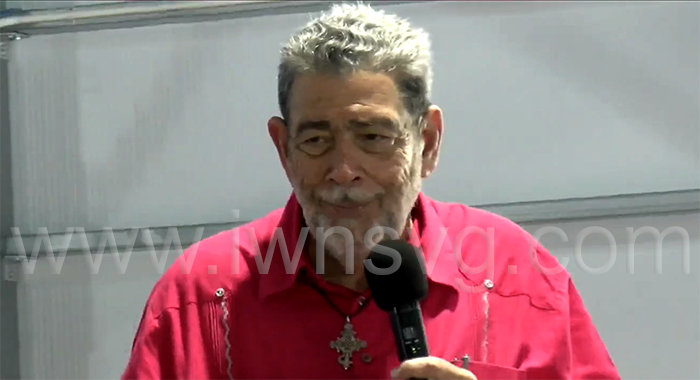
God will not allow NDP to win this election’ – Gonsalves
In a stirring address to his Unity Labour Party’s (ULP) youth convention in Diamond, Prime Minister Ralph Gonsalves of St. Vincent and the Grenadines invoked biblical imagery, likening himself to the prophet Jeremiah and asserting a divine mandate for his leadership. The 79-year-old leader, who has held office since March 2001, confidently declared that the opposition New Democratic Party (NDP) would not prevail in the upcoming November 27 general election, attributing this outcome to divine intervention. ‘NDP can’t win this election,’ Gonsalves proclaimed, emphasizing that God acts through human agency and that his administration represents ‘goodness, nobility, and righteousness.’ Pundits suggest that the NDP poses the most significant challenge to the ULP’s dominance since its ousting in 2001, with the election’s outcome potentially reshaping the nation’s political landscape. Gonsalves urged young supporters to reflect on his 36-minute speech, reminding them of their blessings and the ULP’s commitment to securing their future. He outlined his vision of transforming St. Vincent and the Grenadines into a ‘first world nation’ within 15 years, drawing parallels with global cities like London, Paris, New York, and Toronto. Highlighting his humble beginnings, Gonsalves shared personal anecdotes of his childhood struggles, underscoring the transformative opportunities his government has provided, including universal secondary education and the goal of one university graduate per household by 2030. ‘It’s not where you’re born, but where you’re going,’ he told the youth, reinforcing his message of progress and empowerment.
-
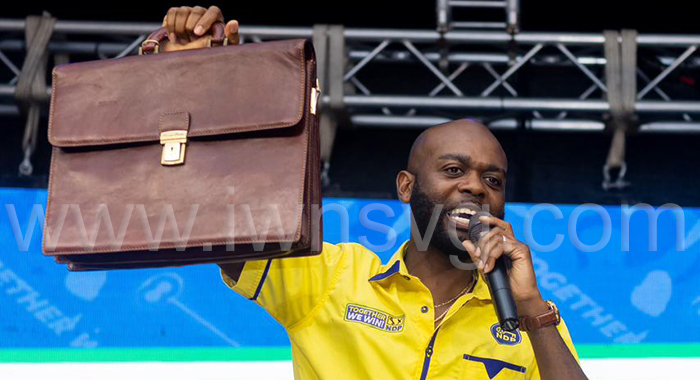
Shallow wants Friday’s permission to release ‘files’ on ULP members
Kishore Shallow, the New Democratic Party (NDP) candidate for North Leeward, has announced his intention to release potentially damaging information about members of the ruling Unity Labour Party (ULP) during the ongoing election campaign. Speaking at an NDP rally in Biabou on Saturday night, Shallow claimed to possess detailed “files” on ULP members, which he plans to disclose after seeking approval from NDP leader Godwin Friday.
-
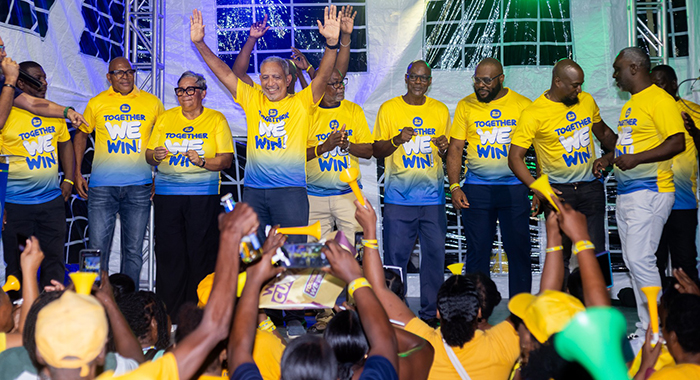
Can NDP actually win?
The political landscape of St. Vincent and the Grenadines has been dominated by the Unity Labour Party (ULP) for over two decades, but recent electoral data suggests a significant shift in voter support towards the New Democratic Party (NDP). A detailed analysis of election results from 2001 to 2020 reveals a compelling narrative of the NDP’s gradual rise in popularity, challenging the long-standing dominance of the ULP.
-
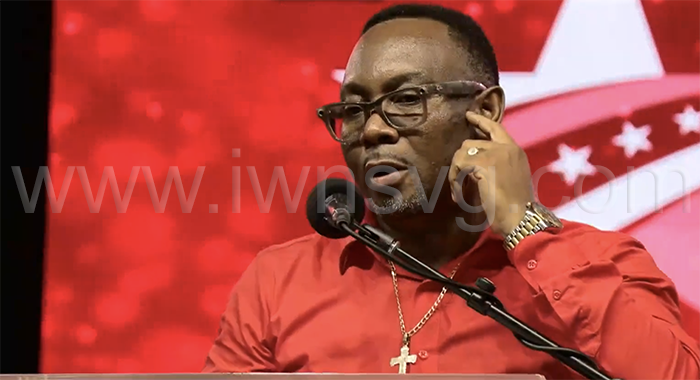
Central Kingstown already feeling the ‘Mega effect’ — Fraser
Marvin ‘Mega’ Fraser, the Unity Labour Party’s (ULP) candidate for Central Kingstown, is making waves in the constituency with what he calls the ‘Mega effect.’ A first-time political contender, Fraser is challenging St. Clair Leacock of the New Democratic Party (NDP), who has held the seat since 2010. Fraser, a former president of the St. Vincent and the Grenadines Football Federation (SVGFF), is leveraging his community ties and leadership experience to rally support. At a recent ULP Strong Rally in Richmond Hill, Fraser emphasized his commitment to Central Kingstown’s development, promising practical training, improved infrastructure, and enhanced social services. He highlighted his initiatives, such as organizing a local football competition that drew significant community engagement, including the attendance of his political opponent. Fraser’s campaign focuses on progress, unity, and addressing the needs of constituents, particularly in areas like education, healthcare, and housing. He criticized the NDP’s proposed citizenship by investment (CBI) programme, which the ULP has long opposed. With the general election set for November 27, Fraser is confident that the ULP’s vision for Central Kingstown will resonate with voters, marking a new chapter of growth and opportunity.
-
Elections : Urgent need to regulate online disinformation
As Haiti prepares for its 2025 elections, a critical gap in the draft Electoral Decree has raised concerns about the integrity of the democratic process. The current draft, under public consultation, lacks specific provisions to address online disinformation, social media-sponsored campaigns, and the protection of candidates from cyber harassment. This oversight poses a significant threat to the credibility and fairness of the elections, particularly in a nation where 2.65 million active social media users—representing 22.4% of the total population and 35.4% of adults—rely heavily on platforms like Facebook, WhatsApp, YouTube, and TikTok for political engagement. Without regulation, the electoral process is vulnerable to manipulation, opaque financing, and cyberviolence, which could undermine public trust and democratic stability. Key risks include the rapid spread of rumors, deepfakes, and falsified content; untraceable political advertising; harassment of candidates, especially women; and the erosion of voter confidence. To address these challenges, experts recommend integrating a clear legal framework into the Electoral Decree, mandating transparency for sponsored messages, and establishing a National Digital Electoral Monitoring Unit to detect and respond to threats swiftly. These measures, aligned with international best practices, aim to safeguard the right to information, ensure campaign transparency, and protect democratic participation. The author, Jean Marie Altéma, a specialist in digital strategy and governance, urges electoral authorities, policymakers, media, civil society, and international partners to act urgently to preserve the integrity of Haiti’s elections and uphold democratic peace.
-
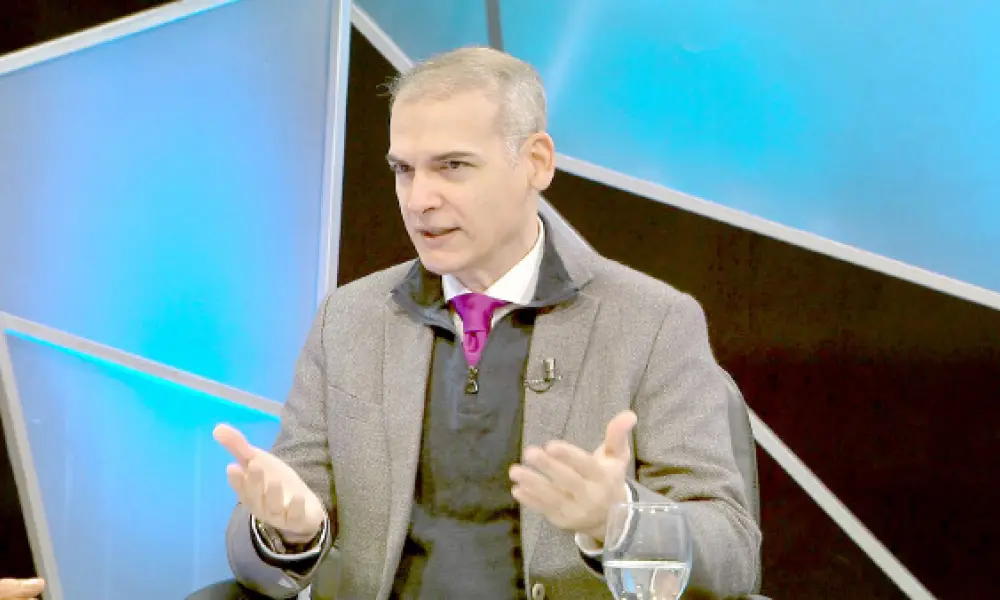
Diplomat sees danger in U.S. move to designate cartels as terrorists
Josué Antinoe Fiallo Billini, the former Dominican ambassador to the Organization of American States (OAS), recently provided a detailed analysis of the international landscape under the influence of U.S. policies during Donald Trump’s presidency. Speaking in an interview with journalist Pablo McKinney on Color Visión, Fiallo distinguished between Washington’s efforts to combat organized crime in the Caribbean and its strained relations with Venezuela. He cautioned that designating cartels as terrorist organizations could have unintended consequences, potentially disrupting global supply chains and affecting businesses worldwide.
Fiallo observed a troubling decline in multilateralism across the hemisphere, accompanied by the rise of restrictive policies that challenge the rules-based global order. He emphasized that for smaller and medium-sized nations, international law remains the primary safeguard against such shifts. Despite the Dominican Republic’s strong economic and political ties to the United States, Fiallo stressed the importance of pursuing a balanced foreign policy. He advocated for market diversification, expanded diplomatic outreach, and positioning the nation as a strategic link between the Caribbean, North America, and South America.
Additionally, Fiallo underscored the need to uphold fundamental principles such as sovereignty, peace, and cooperation to bolster the country’s credibility on the global stage. He identified several key priorities, including reconciliation with the Inter-American human rights system, immigration policy reform, protection of the diaspora, and leveraging foreign policy to enhance human capital in emerging sectors like semiconductors and artificial intelligence.
-
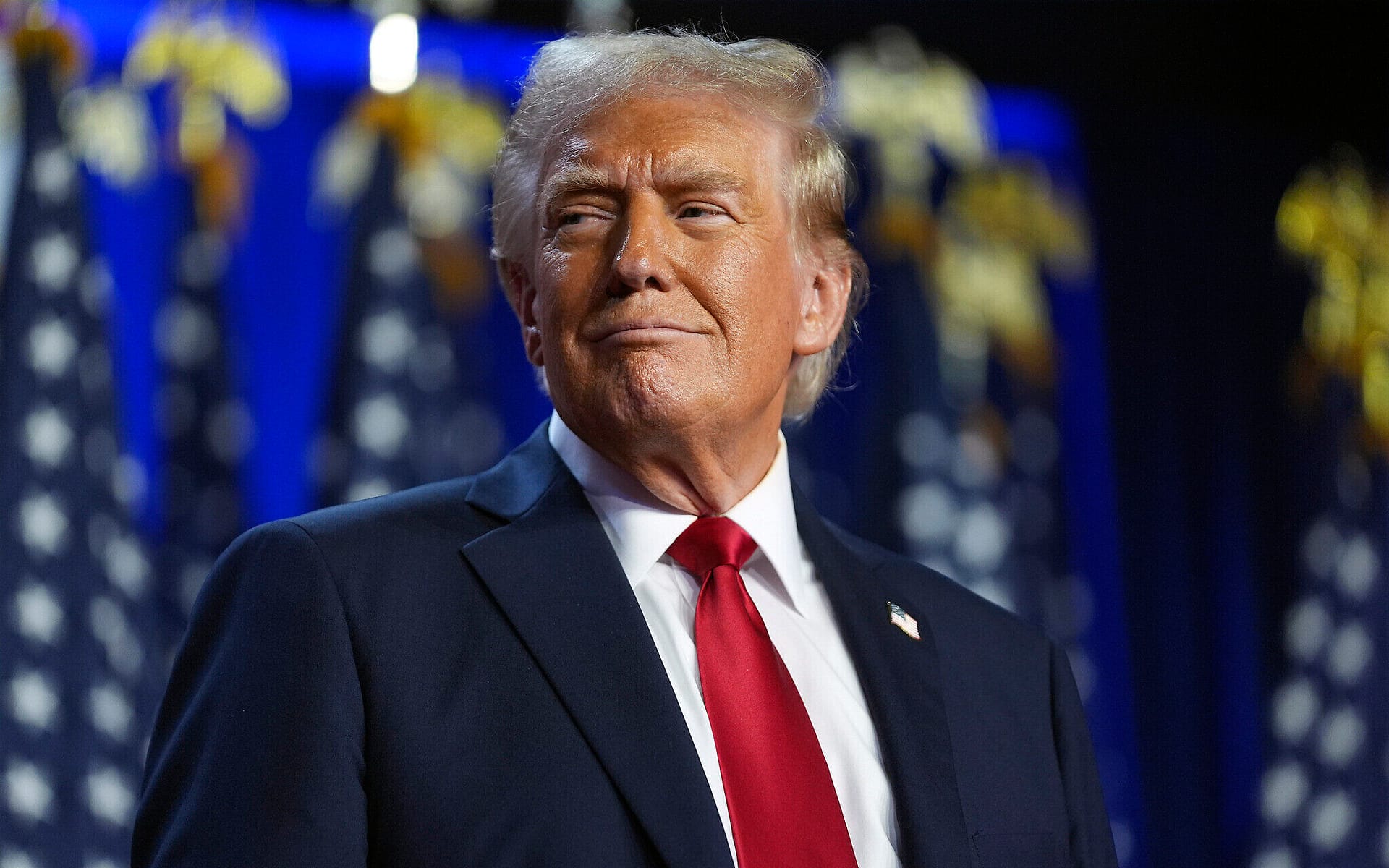
Trump threatens US military action in Nigeria over treatment of Christians
Former U.S. President Donald Trump has announced an immediate cessation of all aid and assistance to Nigeria, Africa’s most populous nation and leading oil producer. In a post on Truth Social, Trump threatened military intervention, vowing to eliminate Islamic terrorists responsible for what he described as ‘horrible atrocities’ against Christians. However, he provided no specific evidence to substantiate these claims. Trump labeled Nigeria a ‘disgraced country’ and warned its government to act swiftly, stating that any U.S. military action would be ‘fast, vicious, and sweet.’
The Nigerian government has yet to respond to Trump’s threats, and the White House has remained silent on the potential timing of any military action. Meanwhile, Pete Hegseth, a prominent commentator, echoed Trump’s sentiments on X, asserting that the U.S. Department of War is preparing for action if Nigeria fails to protect its Christian population.
This development follows Trump’s decision to re-add Nigeria to the U.S. State Department’s ‘Countries of Particular Concern’ list, which identifies nations accused of violating religious freedom. Other countries on the list include China, Myanmar, North Korea, Russia, and Pakistan. Nigerian President Bola Ahmed Tinubu has refuted claims of religious intolerance, emphasizing the government’s commitment to safeguarding religious freedom for all citizens. The Nigerian Foreign Ministry also reaffirmed its dedication to combating violent extremism and expressed hope for continued partnership with the U.S.
The U.S. military presence in West Africa has diminished significantly, with approximately 1,000 troops withdrawing from Niger last year. The largest U.S. base in Africa remains in Djibouti, housing over 5,000 troops. Trump’s re-designation of Nigeria as a country of concern opens the door to potential policy responses, including sanctions or waivers, though these are not automatic.
Nigeria, home to 200 ethnic groups practicing Christianity, Islam, and traditional religions, has a history of peaceful coexistence but has also experienced sporadic violence, often fueled by ethnic divisions or resource conflicts. The extremist group Boko Haram has terrorized northeast Nigeria for over 15 years, resulting in tens of thousands of deaths, predominantly among Muslims.
U.S. lawmakers, including Representative Tom Cole, have praised Trump’s actions, citing the ‘alarming persecution of Christians’ in Nigeria. The House Appropriations Committee has proposed increased funding for international religious freedom programs and support for communities affected by extremist violence in Nigeria.
-
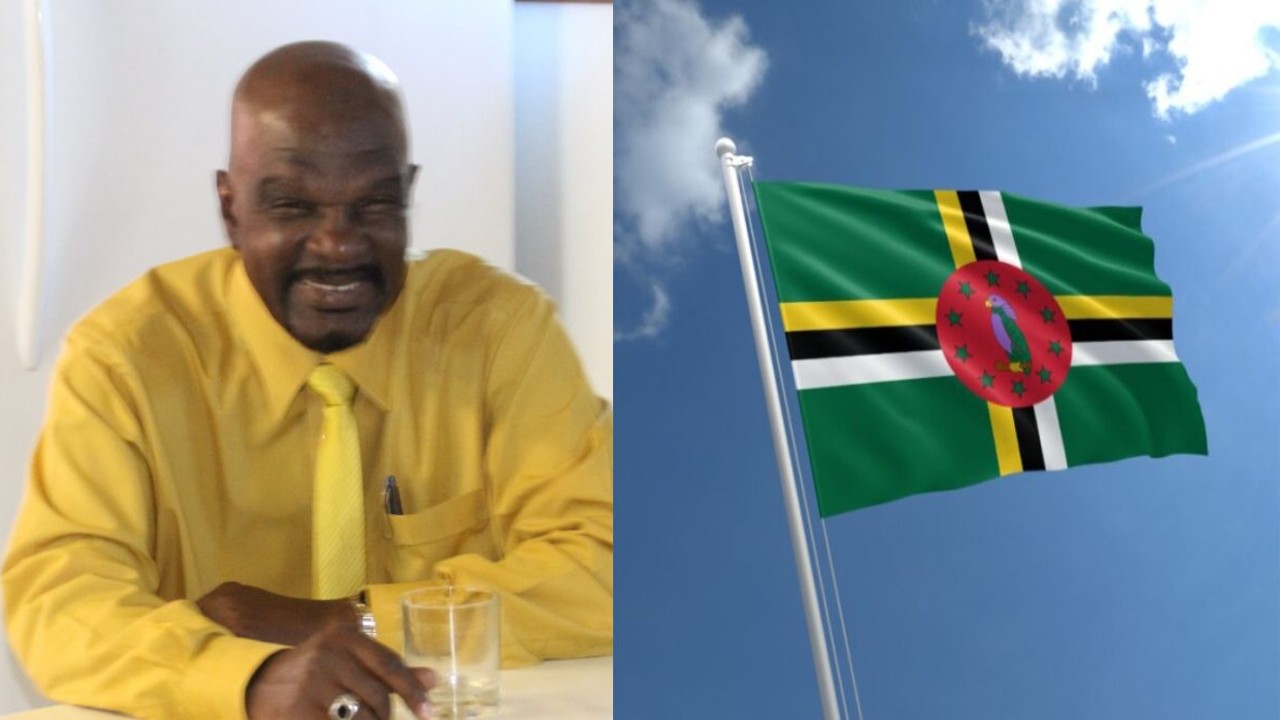
COMMENTARY: Commonwealth of Dominica: Political Independence
As Dominica commemorates its 37th year of independence, the last surviving minister from the era of its liberation reflects on the pivotal figures who shaped the nation’s destiny. The Founding Fathers of Dominica’s independence, members of the Cabinet under then-Premier Patrick John, played a crucial role in the country’s journey to sovereignty. Their collective efforts, alongside the Labour Party’s executive, laid the groundwork for Dominica’s development and eventual independence.
-
Commonwealth of Dominica 47th independence anniversary statement by last surviving independence cabinet minister
As the Commonwealth of Dominica commemorates its 47th Anniversary of Political Independence, Oliver J. Seraphin, the last surviving member of the Cabinet that led the nation to sovereignty, reflects on the historic journey and calls for continued recognition of those who shaped this pivotal moment. Dominica’s independence, achieved on November 3, 1975, was the culmination of visionary leadership, collective effort, and unwavering belief in self-determination. The Founding Fathers, including Premier Patrick Roland John and his Cabinet, played a central role in guiding the nation through its political evolution. The Dominica Labour Party, following the 1975 General Elections, also significantly advanced the independence agenda, engaging citizens across the island. The Popular Independence Committee (PIC), led by activists like Bernard Wiltshire and Rosie Douglas, further strengthened the movement. The Salisbury Declaration of 1976 formally outlined Dominica’s intent to seek independence from Britain, setting the stage for sovereignty. Seraphin, who traveled to the UK with Premier John and other Cabinet members to present the formal request, recalls the emotional return to Dominica, greeted by a passionate crowd on the E.C. Loblack Bridge. He also highlights the contributions of individuals like Alwin Bully, designer of the national flag, and W.O.M. Pond and Lemuel Christian, creators of the National Anthem, urging equal recognition for their cultural legacy. As Dominica celebrates this milestone, Seraphin calls for a renewed commitment to the ideals of unity, justice, progress, and national pride that defined its founding.