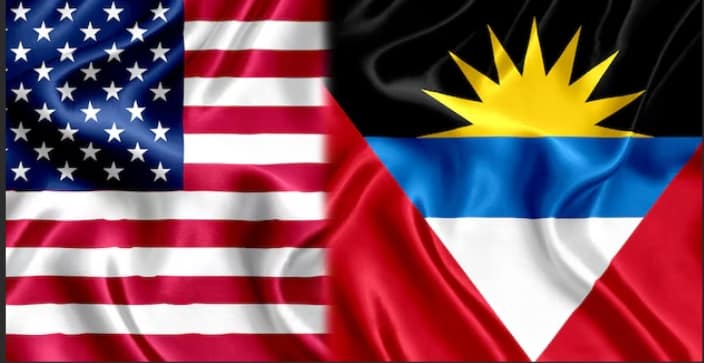
The diplomatic relationship between Antigua and Barbuda and the United States has reached unprecedented levels of strength and cooperation, according to Maurice Merchant, the Director General of Communications. Speaking at a post-Cabinet press briefing on Thursday, Merchant emphasized the mutual benefits of this partnership, describing it as consistent with Antigua and Barbuda’s diplomatic principles. While both nations have voiced specific concerns—such as Antigua and Barbuda’s focus on maintaining the Caribbean as a zone of peace and the U.S.’s scrutiny of Citizenship by Investment (CIP) programs in the region—Merchant asserted that these issues have not hindered the overall progress of bilateral relations. He highlighted the collaborative efforts in the energy sector, particularly the involvement of a U.S.-based company in providing liquefied natural gas (LNG) and renewable energy services to the island nation. Merchant also noted the U.S. government’s interest in encouraging more American businesses to establish operations in Antigua and Barbuda, viewing such initiatives as aligned with national development goals. The Cabinet has welcomed these advancements as part of its broader strategy to foster international partnerships.
分类: politics
-
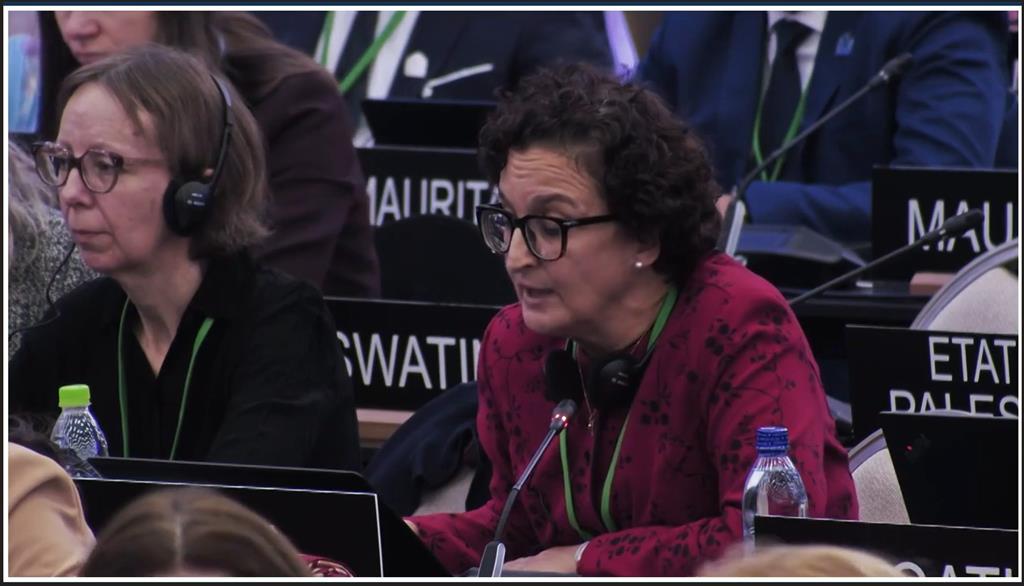
Cuba reaffirms support for Palestinian people’s rights
During recent discussions in the Committees on Education and Financial and Administrative Affairs, the Cuban delegation voiced strong support for draft resolutions aimed at enhancing educational and cultural initiatives in the occupied Arab territories. The delegation emphasized its endorsement of the United Nations Relief and Works Agency for Palestine Refugees in the Near East (UNRWA) and its educational programs, particularly in the Gaza Strip, where ongoing violations of international law continue to severely impact Palestinian civilians. Cuba underscored the necessity of a peace agreement that ensures the establishment of an independent and sovereign Palestinian State within the pre-1967 borders, with East Jerusalem as its capital. Such an agreement, the delegation argued, must uphold the Palestinian people’s right to self-determination and the return of refugees. Additionally, Cuba reaffirmed its commitment to UNESCO’s Action Plan in Gaza, which faces significant challenges due to the occupation’s restrictive conditions, hindering the organization’s operational effectiveness.
-
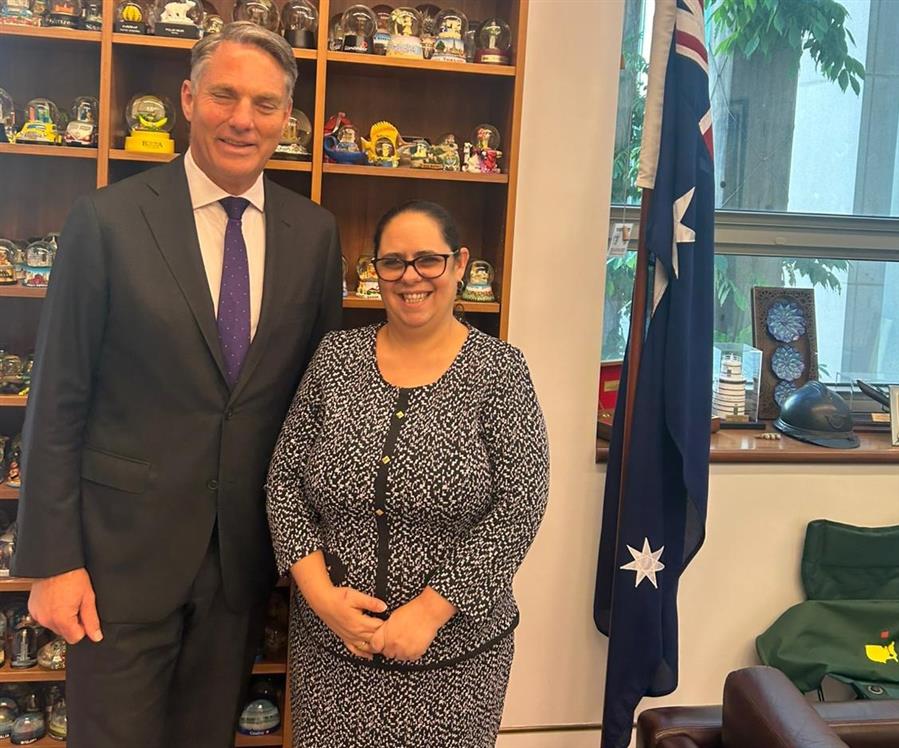
Australian Deputy PM meets Cuban Ambassador
In a recent meeting at the Australian Federal Parliament, officials from both Australia and Cuba explored avenues to enhance their bilateral relationship, focusing on key sectors such as education, health, biotechnology, and mining. Deputy Prime Minister Richard Marles extended warm greetings to the Cuban people and wished Cuban diplomat Leydey Dieguez success in her future endeavors. Dieguez, who was also received by Australia’s Governor-General Samantha Joy Mostyn, discussed the progress of bilateral ties and shared experiences in educational collaboration. Notably, Dieguez highlighted the success of the Cuban literacy program ‘Yo Si Puedo’ (Yes, I Can), implemented in 13 Aboriginal communities across New South Wales, Queensland, and the Northern Territory since 2012, which has seen over 300 graduates. Additionally, Dieguez met with Assistant Foreign Minister Matt Thistlethwaite and officials from the Latin America division of the Australian Foreign Office to mark the conclusion of her diplomatic mission. She expressed gratitude for Australia’s support in the recent United Nations vote against the U.S. economic, commercial, and financial blockade on Cuba.
-

Pertjajah Luhur: Suriname verliest een leider van morele kracht
The Pertjajah Luhur (PL) party has expressed profound sorrow upon learning of the passing of Ronald Venetiaan, the former President of the Republic of Suriname. On behalf of the party, heartfelt condolences have been extended to the Venetiaan family, the National Party of Suriname (NPS), and the entire Surinamese community. With his departure, Suriname has lost a leader of exceptional integrity, wisdom, and moral fortitude. Venetiaan symbolized calm in times of turmoil, principles under pressure, and dignity amidst division. His life was a lesson in service, and his leadership served as a guiding light for future generations. The party has expressed its gratitude for his tireless dedication to democracy, justice, and national unity. Pertjajah Luhur wishes strength, comfort, and blessings to his loved ones, party members, and the entire nation during this period of mourning. May his soul rest in eternal peace. Rest in peace, Runaldo Ronald Venetiaan. Your legacy endures.
-
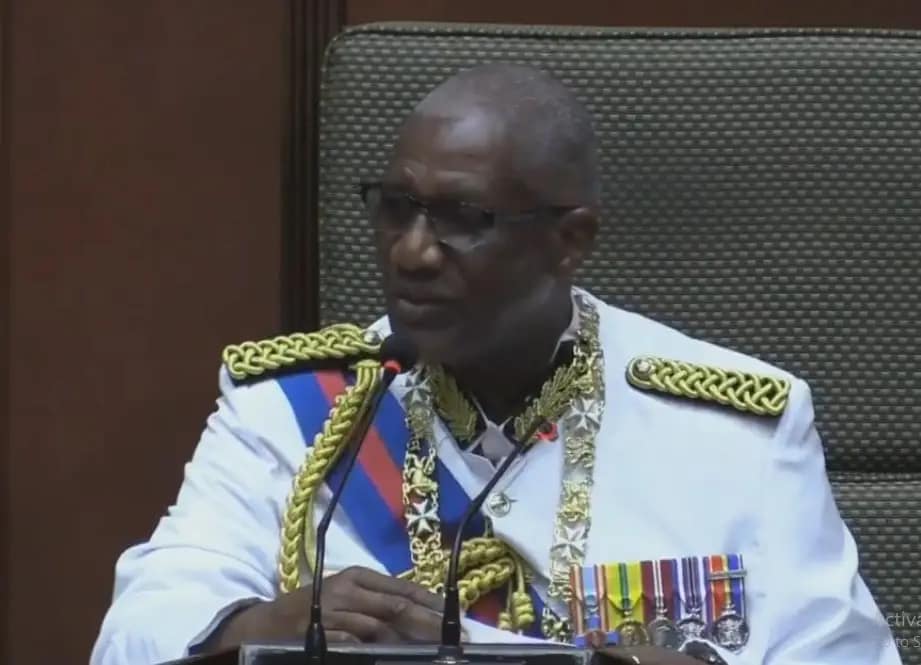
Governor-General to Deliver Speech from the Throne on November 20
The upcoming parliamentary session is set to begin on November 20, with Governor-General Sir Rodney Williams delivering the highly anticipated Speech from the Throne. This ceremonial address will outline the government’s legislative priorities for the forthcoming year, setting the tone for a packed parliamentary agenda. Maurice Merchant, the Director General of Communications, confirmed the date during Thursday’s post-Cabinet press briefing, emphasizing that the session will lead up to Budget Day on December 4. The Speech from the Throne is expected to highlight several pivotal initiatives, including legislation aimed at protecting the elderly, reforming mental health services, and regulating the licensing of elderly care homes. These bills are slated for presentation in the first quarter of 2026. The annual address serves as the formal commencement of a new parliamentary session, offering a comprehensive overview of the government’s policy direction and legislative objectives for the year ahead.
-
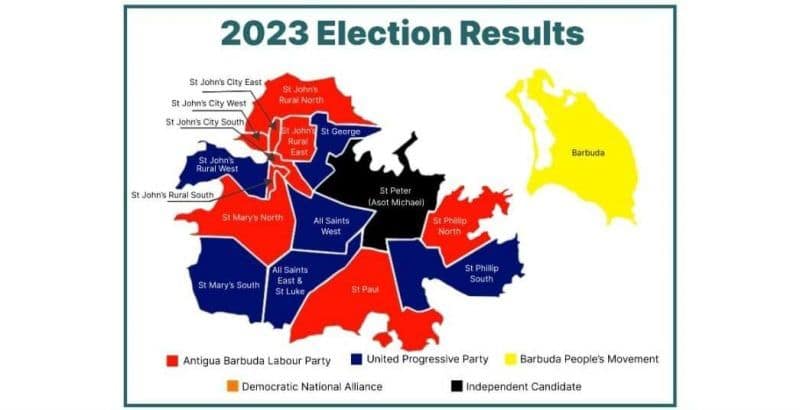
Boundaries Commission Invites Stakeholders to Consultation on Proposed Boundary Changes
The Boundaries Commission of Antigua and Barbuda has announced a pivotal national consultation on proposed constituency boundary changes, scheduled for Monday, November 10th, at the Multipurpose Cultural Center, commencing at 2:00 PM. This initiative is a critical element of the Commission’s broader review of electoral boundaries, aimed at upholding constitutional obligations to ensure fair representation and equitable electoral processes across the nation.
-
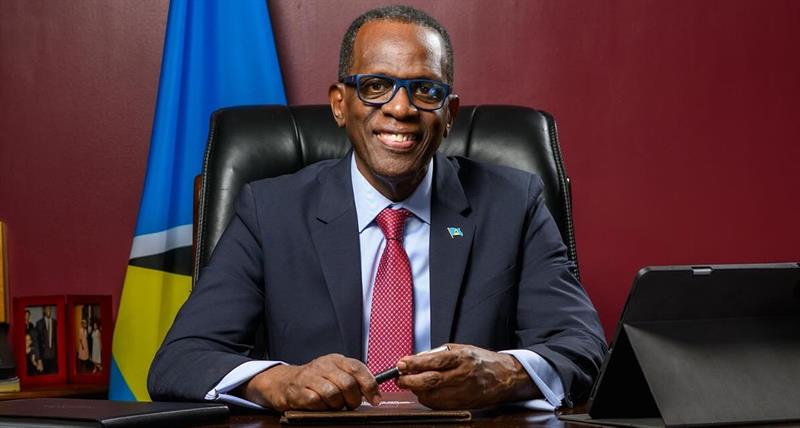
Saint Lucia, Taiwan finalise US$20 M housing loan agreement
The Government of Saint Lucia has successfully negotiated a US$20 million loan from the Export-Import Bank of the Republic of China (Taiwan) to bolster affordable housing and infrastructure projects. This financial agreement, facilitated through the Saint Lucia Development Bank (SLDB), aims to provide critical support to low- and middle-income families across the nation. Prime Minister Philip J Pierre announced the finalized deal during a pre-cabinet press briefing on November 3, emphasizing that all terms and conditions of the loan have been agreed upon. ‘We’ve completed that arrangement,’ Pierre stated, addressing concerns about the interest rate spread. ‘Very soon, prospective homeowners in Saint Lucia will have access to US$20 million through on-lending from the SLDB.’ The initiative is expected to benefit public sector workers, with the government already implementing measures such as waiving stamp duty on mortgages up to $400,000 and removing VAT on building materials to encourage housing development. However, the government has yet to provide a specific timeline for when the funds will be accessible to borrowers.
-

4 sets of responses to Trump’s request
In a recent development, former U.S. President Donald Trump’s proposal to deploy military assets in Grenada has sparked a heated debate, revealing four distinct perspectives within the region. These ‘camps’ reflect varying degrees of support, skepticism, and outright opposition to the initiative, each rooted in different moral, strategic, and practical considerations. Ian Baptiste, a keen observer of the situation, has categorized these responses to provide a clearer understanding of the ongoing discourse. The first camp, labeled ‘Absolutely Yes,’ comprises individuals who fully endorse Trump’s narrative that Venezuela is a narco-state necessitating military intervention. Trinidad and Tobago’s Prime Minister Kamla Persad-Bissessar is a prominent advocate of this stance. However, critics argue that this position lacks credibility, as there is no concrete evidence to support the claim that Venezuela is a narco-state, nor has it been demonstrated that non-violent alternatives have been exhausted. The second camp, ‘We Don’t Have a Choice,’ reflects a pragmatic approach. Members of this group believe that Grenada, given the overwhelming power of the U.S., has no viable option but to comply. They suggest leveraging the situation to secure economic benefits, such as reduced tariffs or improved visa access. However, this stance is criticized for sidestepping moral concerns, including the betrayal of Venezuela and potential regional security risks. The third camp, ‘We Don’t Have the Infrastructure,’ takes a more nuanced position. While acknowledging the ulterior motives behind Trump’s request, such as control over Venezuela’s resources, they argue that outright refusal is unwise. Instead, they propose citing a lack of technical capability as a diplomatic way to decline. Critics, however, warn that this approach could backfire, as the U.S. might easily provide the necessary infrastructure. The fourth camp, ‘Absolutely No,’ represents a moral stand. Members of this group, including Baptiste himself, view the issue as a matter of principle rather than practicality. They argue that acquiescing to Trump’s request would betray fundamental values such as sovereignty, peacemaking, and loyalty to allies. Despite potential economic repercussions, they advocate for standing firm on these principles. This multifaceted debate underscores the complex interplay of power, morality, and strategy in international relations, as Grenada navigates a challenging geopolitical landscape.
-
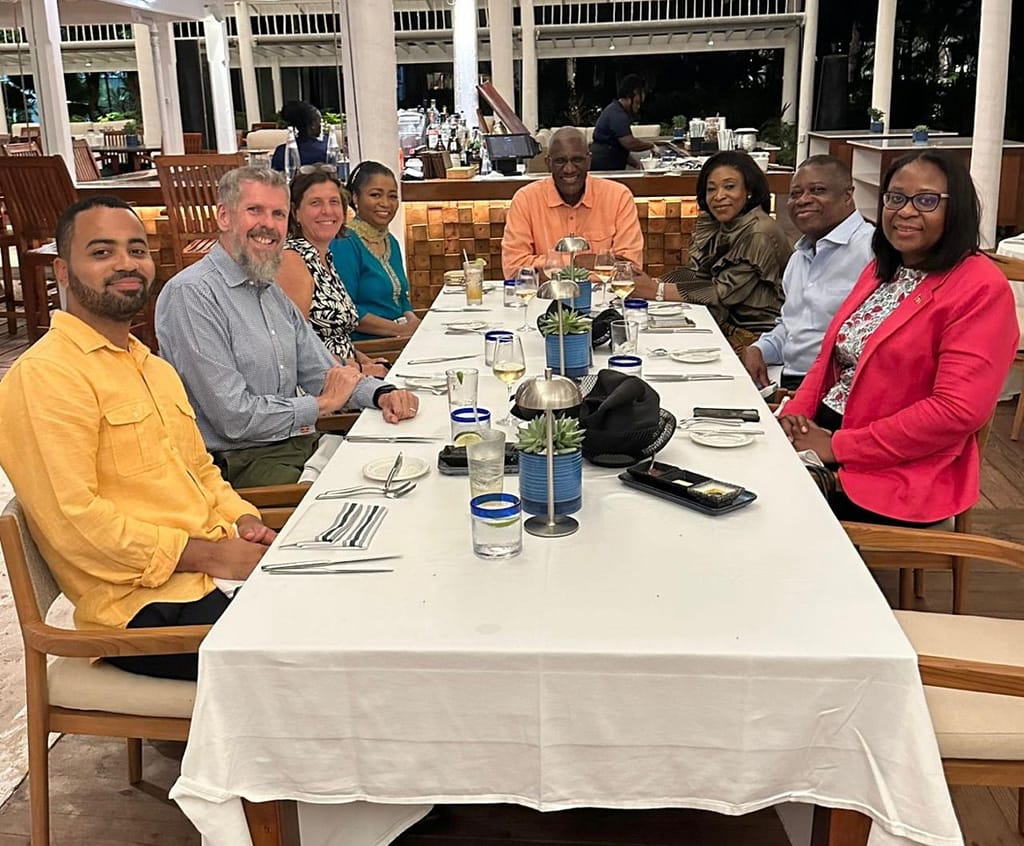
Governor-General Hosts Commonwealth Secretary-General and Delegation at Carlisle Bay Resort
A distinguished celebratory dinner was hosted by Their Excellencies Sir Rodney and Lady Williams at the Carlisle Bay Resort in Antigua, honoring the Rt. Hon. Shirley Ayorkor Botchwey, Secretary-General of the Commonwealth. The event, held on November 4, followed the official launch of the Commonwealth Heads of Government Meeting (CHOGM) 2026 in St. John’s, Antigua and Barbuda. The gathering underscored the strengthening partnership between the Commonwealth Secretariat and the Government of Antigua and Barbuda as they prepare for the upcoming CHOGM. Attendees included Ambassador Kwabena Osei-Danquah, Chief of Staff at the Office of the Secretary-General, Ms. Rena Gashumba, Communications Adviser at the Commonwealth Secretariat, Her Excellency Karen-Mae Hill, Antigua and Barbuda’s High Commissioner to the United Kingdom, Her Excellency Ms. Charley Williams, Deputy British High Commissioner based in Barbados, Mr. John Hamilton, British Resident Commissioner to Antigua and Barbuda, and Mr. Brent Scotland, Second Secretary at the Antigua and Barbuda High Commission in London. In his address, Sir Rodney Williams praised the Secretary-General’s leadership and reiterated Antigua and Barbuda’s dedication to delivering a successful and impactful CHOGM in 2026.
-
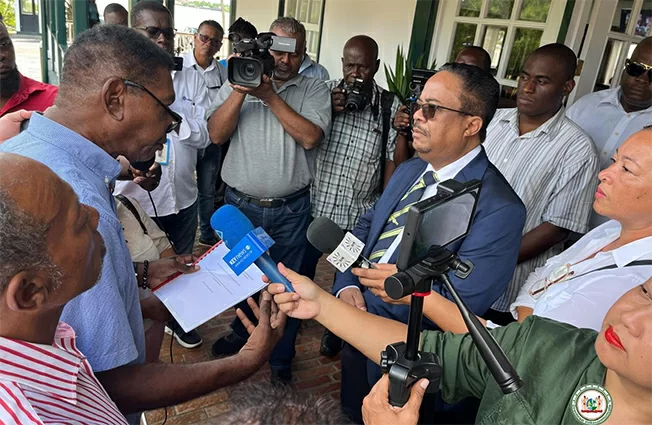
Reparatiecomité wil gesprek met koning over herstel slavernijverleden
The Committee for Reparations of Suriname’s Slavery Past has formally submitted a petition to the Surinamese government, urging structured dialogue on recognition, apologies, and reparations. Acting President Gregory Rusland received the petition at the Vice President’s Office on Wednesday. The move comes ahead of the state visit of King Willem-Alexander and Queen Máxima of the Netherlands, scheduled for December 1–3, 2025. The petition, supported by descendants of enslaved Africans and Indigenous communities, calls for immediate action to address the unresolved legacy of Dutch colonialism and slavery. It emphasizes the need for a unified approach to material and immaterial reparations, aligned with the CARICOM Ten-Point Plan and international frameworks such as the 2001 UN Durban Declaration and the 2005 UN Basic Principles on Reparations. The committee stresses that reparations extend beyond financial compensation, encompassing restitution, rehabilitation, truth-seeking, guarantees of non-repetition, and the structural development of affected communities. It criticizes the lack of concrete measures following apologies issued by the Dutch government and monarchy in recent years. The petition requests that descendants and Indigenous representatives be included in the official committee preparing for the royal visit. It also seeks a formal dialogue with the King during the visit, including a public moment where he reiterates his 2023 apology in Suriname and outlines a path toward reparations. Acting President Rusland expressed full understanding of the committee’s efforts, calling the issue ‘of great importance’ and promising to discuss the petition with President Jennifer Simons upon her return. The petition follows meetings on October 11 and November 1, 2025, where the committee drafted a reparations program and agreed to speak ‘with one voice’ to stakeholders. It highlights the inadequacy of apologies without reparations and calls for measurable actions to improve the lives of affected communities. The committee also urges recognition from sectors and institutions that have yet to acknowledge their historical roles, such as shipping companies, insurers, universities, and families. It references international and regional processes, including CARICOM, the African Union, and the UN Decade for People of African Descent, as guiding frameworks for justice and development.