分类: politics

  • Public officers granted half-day ahead of Pierre’s swearing-in

    Public officers granted half-day ahead of Pierre’s swearing-in

    In a move to honor the democratic process and national leadership, the government has announced an early dismissal for all public sector employees at noon on Friday, December 5, 2025. This special half-day holiday coincides with the official swearing-in ceremony of Prime Minister Philip J. Pierre, who is poised to begin his second term in office.

    The Prime Minister’s Office formally disclosed this arrangement, characterizing it as a symbolic gesture that highlights the historical importance of the occasion. The early closure is designed to enable civil servants to either witness or actively participate in the national event, thereby fostering a sense of collective engagement and civic pride.

    While non-essential government operations will pause, the administration has confirmed that all essential services will continue without interruption. Individual ministries and departments have been instructed to implement appropriate staffing plans to maintain critical public services throughout the afternoon.

    Furthermore, the government has extended a recommendation to private sector employers, encouraging them to similarly release their staff early where operationally feasible. This appeal aims to maximize public involvement in what is being promoted as a unifying national moment.

    In an official communication, the government expressed profound appreciation for the dedication of public officers and extended an invitation to all citizens to partake in this celebration of democratic continuity and national unity.
  • Education Gets Largest Share of 2026 Budget Allocations

    Education Gets Largest Share of 2026 Budget Allocations

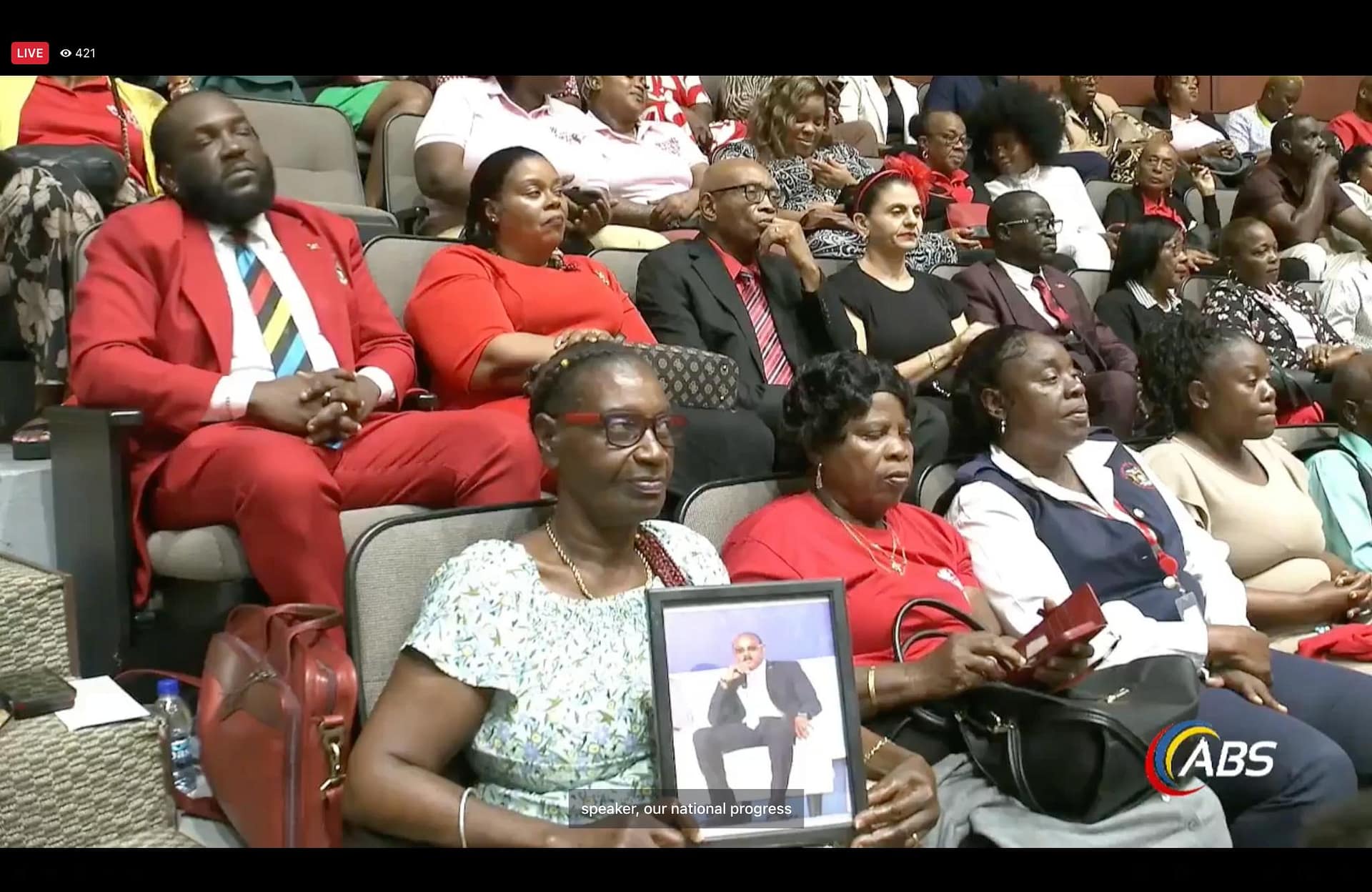
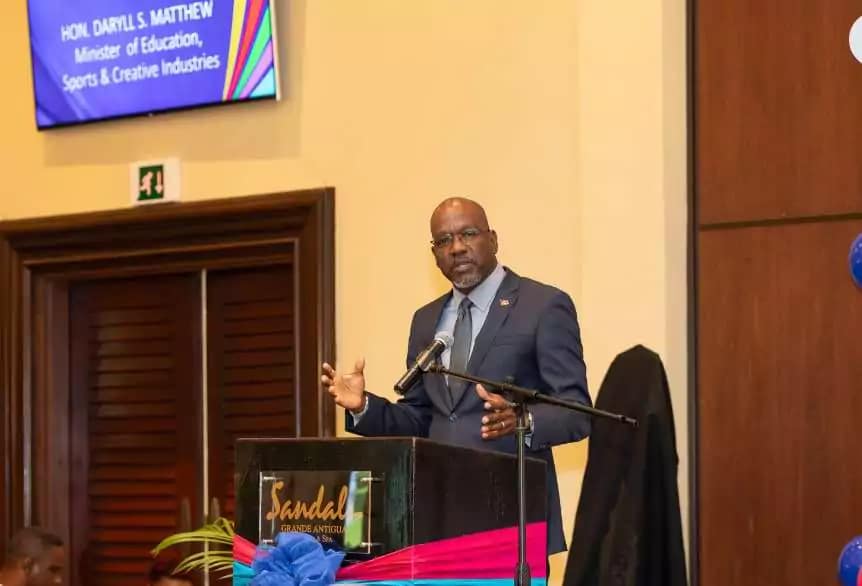
    In a significant parliamentary address on Thursday, Prime Minister Gaston Browne unveiled Antigua and Barbuda’s fiscal blueprint for 2026, positioning education as the cornerstone of the nation’s developmental agenda. The budget presentation revealed a strategic allocation of $220.1 million to the Ministry of Education, Sports and Creative Industries, marking it as the single largest recipient of recurrent expenditure funds. This substantial investment underscores the administration’s dedication to enhancing educational accessibility, particularly through the planned tuition-free initiative at the University of the West Indies Five Islands Campus following necessary infrastructure upgrades.

    The financial distribution further highlights substantial commitments to other critical sectors. The Prime Minister’s Ministry and Ministry of Finance & Corporate Governance secured the second-largest allocation at $196.9 million, followed by $147.5 million designated for the Ministry of Health, Wellness, the Environment and Civil Service Affairs. These funds are poised to bolster healthcare services, facility improvements, and staffing enhancements across the nation.

    Additional major allocations demonstrate a comprehensive approach to national development: $124.6 million for public safety and legal affairs through the Attorney General’s Office, $121.7 million for infrastructure and housing development, and significant funding for tourism ($39.1 million), foreign affairs ($35.5 million), social transformation ($31.9 million), agriculture ($29.5 million), and technology/energy sectors ($15.9 million).

    The broader fiscal framework for 2026 encompasses $1.21 billion in recurrent spending alongside $236.4 million in capital expenditure, with emphasis on infrastructure projects including roadworks and public building renovations. Personnel costs constitute the largest portion of recurrent expenses at $504.5 million for wages and salaries, followed by $336.4 million for pensions and transfers, $231.2 million for goods and services, and $138.4 million allocated for interest payments.

    Prime Minister Browne emphasized that these allocations reflect a government committed to economic stability, sustained growth, and equitable distribution of progress benefits. He noted the projected maintenance of both primary and overall surpluses for the third consecutive year, signaling continued fiscal responsibility. Parliamentary debate on the budget is scheduled to resume next week.

  • Mexico reaffirms call to respect the sovereignty of nations

    Mexico reaffirms call to respect the sovereignty of nations

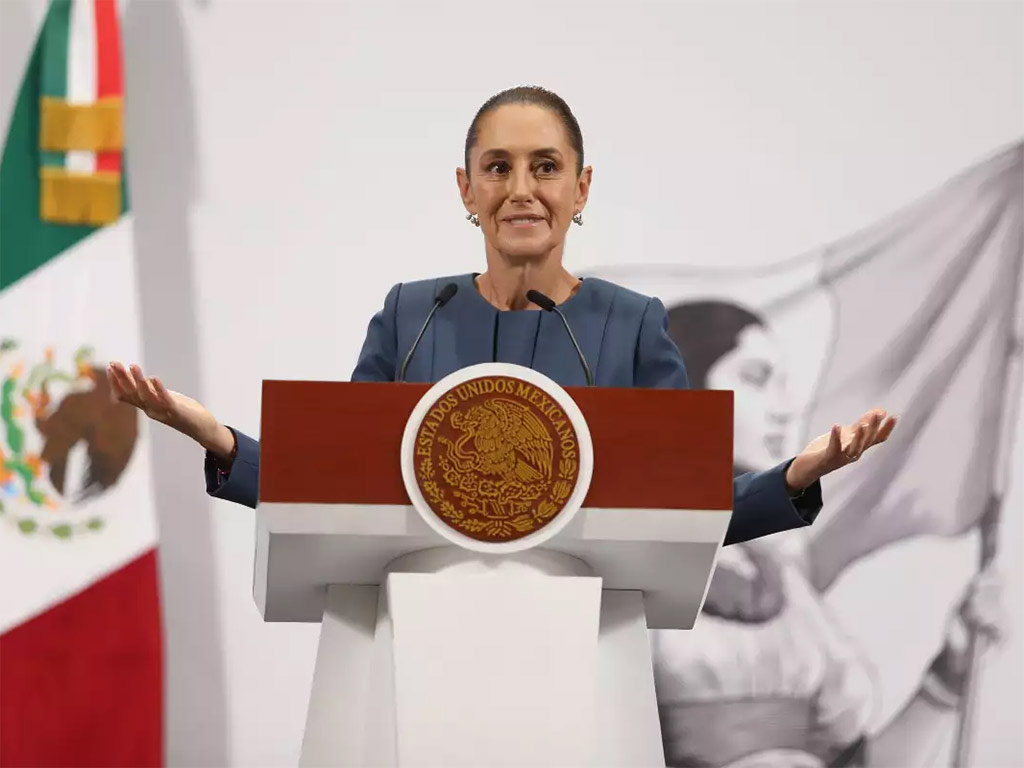
    Mexican President Claudia Sheinbaum has confirmed her intention to address concerns regarding U.S. military activities in the Caribbean and perceived threats toward Caracas during her upcoming meeting with U.S. President Donald Trump. The head of state revealed that this diplomatic encounter will occur alongside Canadian Prime Minister Mark Carney during the World Cup draw festivities in Washington.

    President Sheinbaum emphasized that Trump is fully aware of Mexico’s firm stance on international sovereignty, noting: ‘We believe that international law and the sovereignty and self-determination of nations must be respected.’ She disclosed that during their previous telephone communications, she has consistently articulated Mexico’s commitment to peaceful conflict resolution approaches.

    ‘He knows our position and, if necessary, we will reiterate it,’ Sheinbaum stated definitively. ‘This is a position we maintain both privately and publicly, and it constitutes the constitutional obligation of any Mexican president.’

    This meeting marks the first face-to-face interaction between Sheinbaum and Trump following a year characterized by multiple phone discussions. These communications occurred against a backdrop of controversial policies advanced by the Republican administration concerning immigration reform and trade relations that have significantly impacted North American dynamics.

  • Holness congratulates Pierre, commends Chastanet in post-election message

    Holness congratulates Pierre, commends Chastanet in post-election message

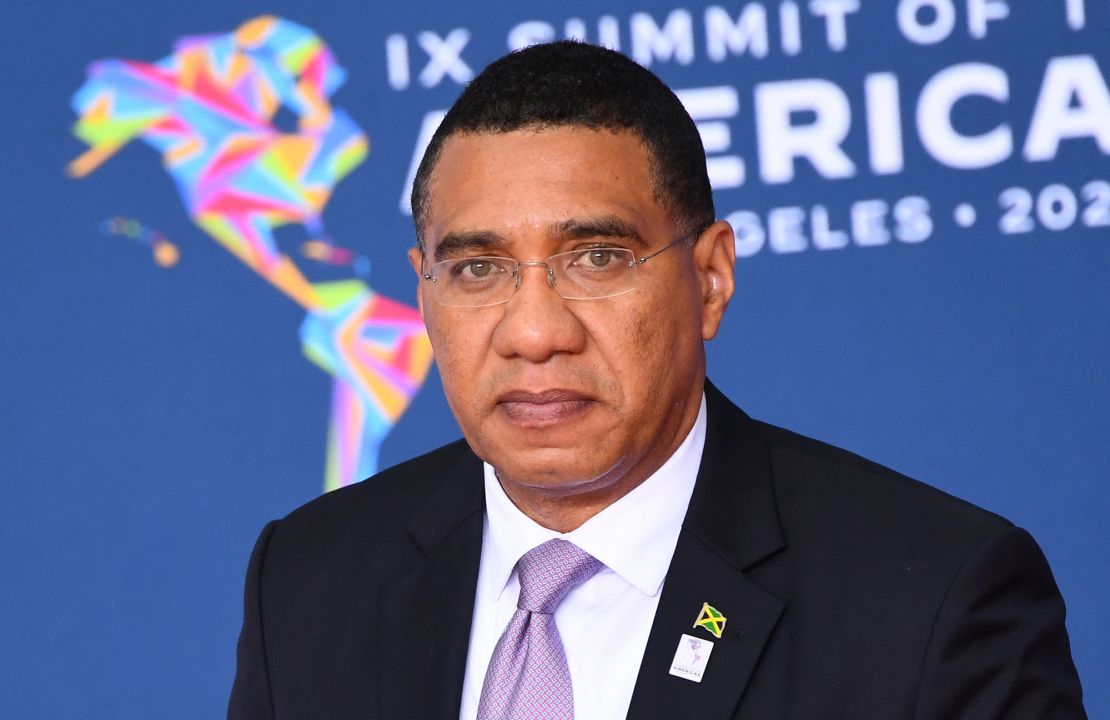
    In a notable display of regional diplomacy, Jamaican Prime Minister Andrew Holness has issued formal congratulations to both the victorious administration and opposition leadership following Saint Lucia’s December 1st general election. Through official social media channels, Holness commended Prime Minister Philip J. Pierre’s re-election while simultaneously acknowledging Opposition Leader Allen Chastanet’s democratic contributions.

    The Jamaican leader emphasized the critical importance of sustained collaboration among Caribbean Community (CARICOM) nations during this period of regional challenges. Holness specifically highlighted shared concerns including climate resilience, post-pandemic economic recovery, and regional security coordination as areas requiring unified leadership.

    In his address to Prime Minister Pierre, Holness underscored the significance of continued partnership between Caribbean governments, noting that ‘regional unity and strong democratic leadership remain essential’ for addressing common challenges. The message reinforced Jamaica’s commitment to multilateral cooperation within the CARICOM framework.

    Separately, Holness recognized Opposition Leader Chastanet’s dedication to democratic principles, stating: ‘I wish to acknowledge Mr. Allen Chastanet for his commitment to the strong democratic traditions of our region and his continued service to the people of St. Lucia.’ The statement extended best wishes for Chastanet’s ongoing political service to both Saint Lucia and the broader Caribbean community.

    This diplomatic outreach occurs amidst increasing regional integration efforts, with Caribbean nations seeking strengthened cooperation on economic, environmental, and security matters. The bilateral exchange between Jamaican and Saint Lucian leadership signals continuing political alignment within the Eastern Caribbean political landscape.

  • Venezuela’s voice in rejection of unilateral coercive measures

    Venezuela’s voice in rejection of unilateral coercive measures

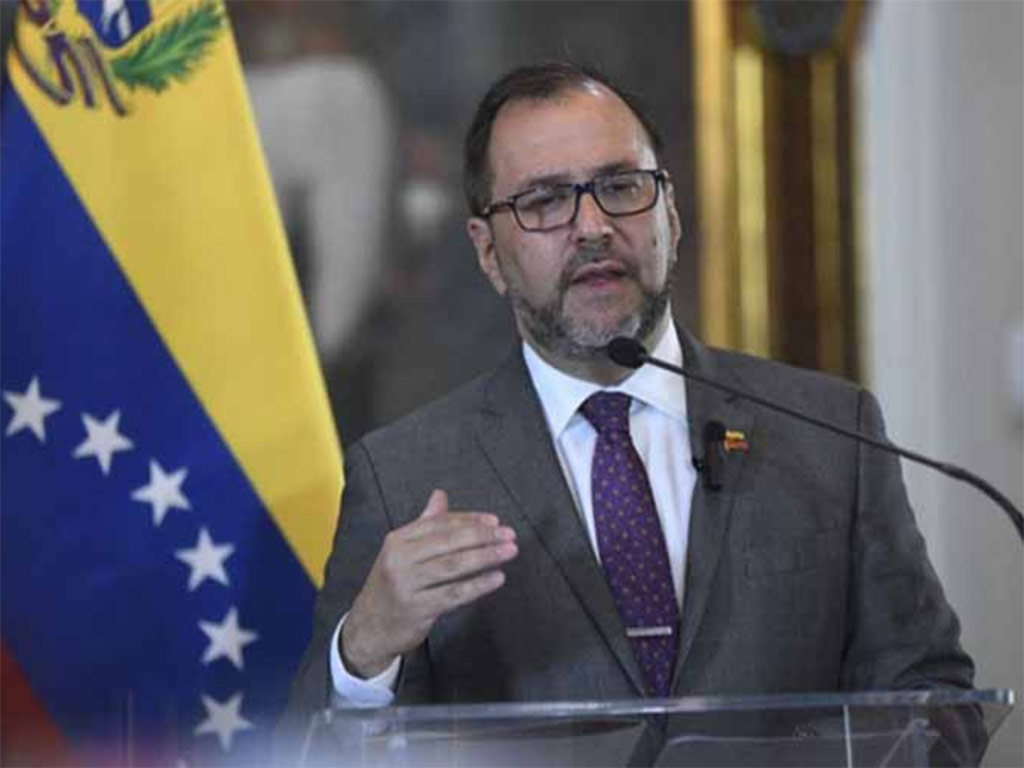
    Venezuelan Foreign Minister Yván Gil delivered a forceful condemnation of unilateral sanctions against his nation during the International Day against Unilateral Coercive Measures. Through his Telegram channel, Gil characterized the 1,042 specific measures targeting Venezuela as criminal acts designed to ‘break the will of a nation that has chosen the path of sovereignty under the leadership of President Nicolas Maduro and the power of the people.’

    The senior diplomat detailed the multifaceted impact of these sanctions, noting they extend beyond harming the Venezuelan population to deliberately disrupting regional solidarity initiatives. Gil specifically cited the PetroCaribe program, an energy cooperation agreement that previously provided discounted oil to Caribbean and Latin American nations, as a casualty of these coercive measures.

    Gil’s statement included a dual demand: the immediate cessation of economic pressure tactics and the removal of military threats hovering over Venezuela. ‘Together, we will defend our sovereignty and the rights of our people!’ the Foreign Minister declared, framing resistance as both national and international imperatives.

    The Venezuelan official broadened his critique to include other nations subjected to economic warfare, particularly highlighting the six-decade United States blockade against Cuba. Gil described the Cuban embargo as an ‘inhumane blockade’ maintained with ‘total impunity’ despite mounting global criticism annually expressed through United Nations votes.

    Gil concluded that the international day serves as a platform to ‘raise our voices against this crime that affects our peoples’ and demand the elimination of coercive measures engineered to provoke economic collapse in sovereign states.

  • Budget 2026 Promises ‘Most People-Centred’ Agenda in Nation’s History, PM Says

    Budget 2026 Promises ‘Most People-Centred’ Agenda in Nation’s History, PM Says

    Prime Minister Gaston Browne has announced a transformative fiscal blueprint for 2026, characterizing it as the most socially conscious budget in Antigua and Barbuda’s history. The comprehensive economic plan, presented under the banner “People-Centered Growth and Development,” represents a strategic shift from economic stabilization to widespread social prosperity.

    Addressing Parliament on Thursday, Browne revealed impressive economic indicators supporting this ambitious agenda. The nation anticipates 5% economic growth in 2026, with gross domestic product approaching $7 billion. Fiscal metrics show remarkable improvement: a primary surplus of $254.9 million, overall surplus of $116.3 million, and debt-to-GDP ratio declining to 61.4%—nearing the Eastern Caribbean Currency Union’s 60% target for the first time.

    The administration’s economic transformation narrative highlights a journey from survival borrowing to surplus generation enabling substantial public investment. Strategic developments in tourism infrastructure, construction projects, housing initiatives, water systems, and port modernization have created broad-based economic momentum.

    Social program enhancements form the budget’s cornerstone. Commitments include fully subsidized university education at the upgraded University of the West Indies Five Islands Campus, government-covered secondary education examination fees starting 2026, and expanded affordable housing options. The measures further incorporate wage and pension increases alongside continued subsidies for essential commodities including fuel, electricity, and staple food items.

    Healthcare receives significant attention with allocated funding for a new $10 million renal treatment center and the revitalization of cancer care facilities. Infrastructure development focuses on road network improvements, enhanced water production capabilities, and climate-resilient construction to address hurricane vulnerabilities.

    While acknowledging persistent global economic challenges, Browne emphasized national resilience achieved through strategic planning and disciplined fiscal management. The Prime Minister urged continued stability, noting that sustained progress requires consistent commitment rather than occurring automatically.

    Ministers will provide detailed departmental breakdowns when parliamentary budget debates commence next week.

  • Cuba commemorates Day Against Unilateral Coercive Measures

    Cuba commemorates Day Against Unilateral Coercive Measures

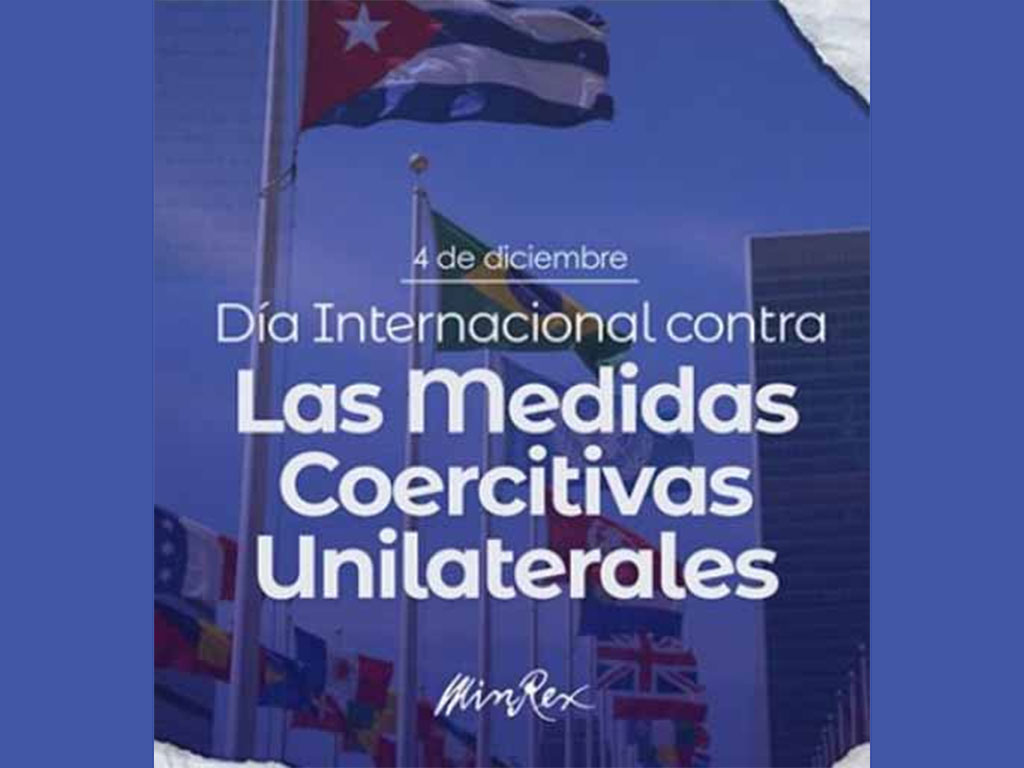
    In a forceful diplomatic statement, Cuban officials have launched a renewed condemnation against the longstanding United States economic embargo, characterizing the policy as a deliberate campaign of “economic war and intensified strangulation” against the Cuban populace. The remarks highlighted the daily hardships and systemic challenges faced by ordinary citizens as a direct consequence of the comprehensive sanctions regime.

    Extending beyond national interests, the address expressed Cuba’s firm solidarity with all sovereign states subjected to comparable unilateral coercive measures. These international sanctions were categorically denounced as both “illegal and arbitrary,” representing what was described as a violation of international law and the principles of national self-determination. The rhetoric framed the embargo not merely as a bilateral issue, but as part of a broader pattern of geopolitical pressure tactics employed against independent nations.

    The condemnation underscores the persistent tension in US-Cuba relations and signals Havana’s intent to continue its diplomatic campaign against the embargo on the global stage. This positioning aligns Cuba with other nations critical of the use of economic sanctions as a tool of foreign policy, seeking to build a coalition of support within international forums like the United Nations, where the embargo has been overwhelmingly criticized by the General Assembly.

  • Opposition Leader: 2026 budget disconnected from the people

    Opposition Leader: 2026 budget disconnected from the people

    Grenada’s parliamentary proceedings witnessed intense scrutiny as Opposition Leader Emmalin Pierre delivered a scathing assessment of the 2026 Budget presented by Finance Minister Dennis Cornwall. During the December 4th legislative session, Pierre characterized the EC$1.9 billion fiscal plan as fundamentally disconnected from citizens’ daily realities and indicative of systemic financial mismanagement.

    The opposition leader articulated profound disappointment with the budget’s failure to address critical cost-of-living challenges facing Grenadians. Pierre emphasized that supermarket visits have become ‘painful exercises in survival’ amid skyrocketing electricity bills that force households to choose between basic utilities and essential medications. She particularly highlighted the government’s inadequate response to Hurricane Beryl’s impact in July 2024, demanding urgent assistance for affected communities.

    Economic projections reveal concerning trends, with 2026 forecasted to exceed 2025’s deficit by EC$30.4 million, reaching EC$309.8 million or negative 7.3% of GDP. Pierre noted this represents the second consecutive year of approximately EC$300 million deficits, despite inheriting over EC$500 million in reserves during 2022. The government’s plan to borrow EC$450 million to address the growing deficit raised additional concerns about fiscal sustainability.

    A particularly contentious aspect involves the budget’s new expenditure classification termed ‘initiatives,’ allocating EC$206.7 million alongside recurrent (EC$1.7 billion) and capital (EC$370.4 million) categories. Pierre criticized this as a misleading attempt to portray new project investments totaling EC$577.1 million, arguing it obscures true fiscal priorities rather than addressing public needs.

    The budget debate continues with all Lower House members scheduled to contribute before proceeding to the Upper House. Grenada’s fiscal year runs from January 1 to December 31 annually, with the 2026 budget requiring parliamentary approval before taking effect on New Year’s Day.

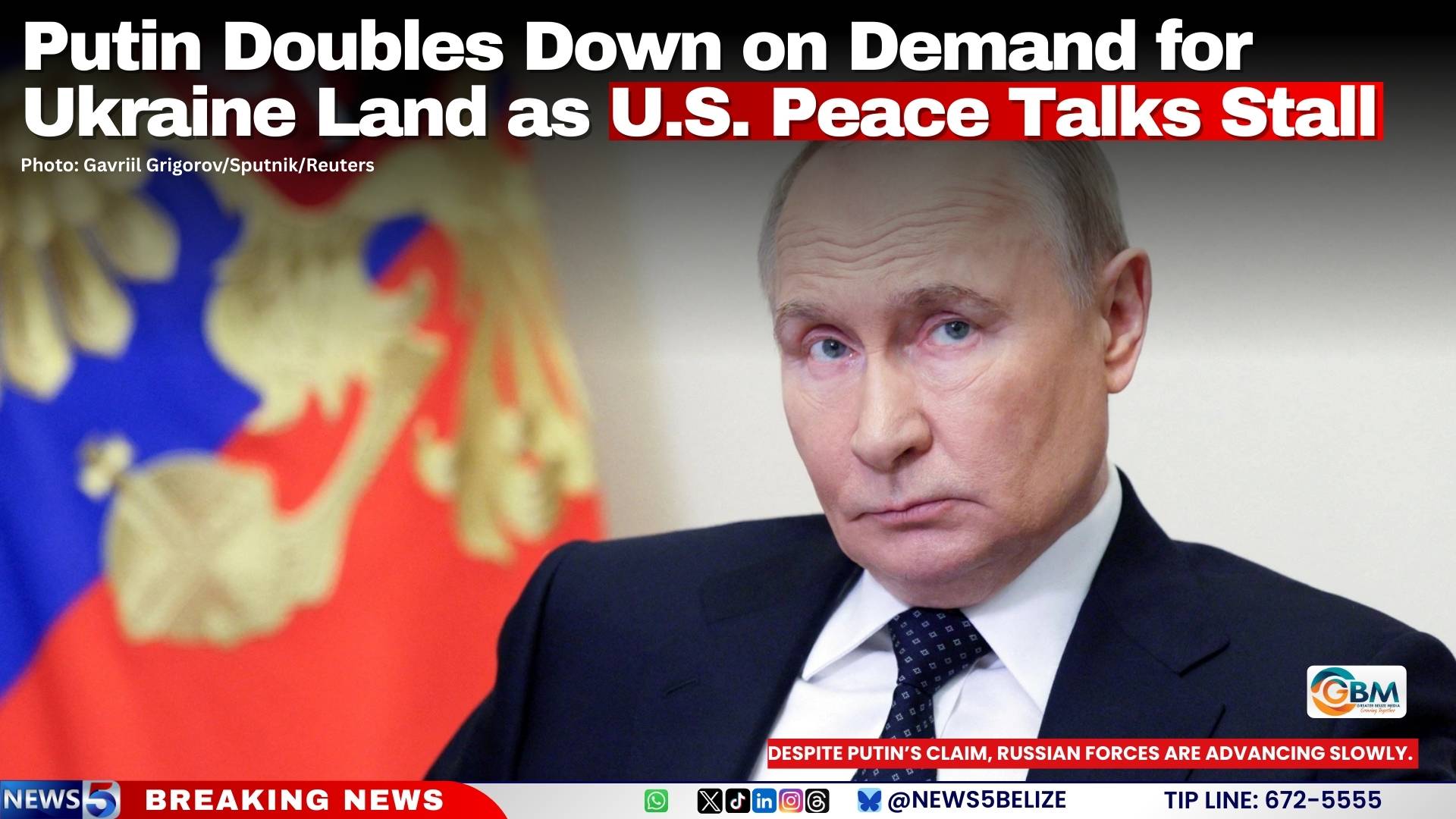
  • Putin Doubles Down on Demand for Ukraine Land as U.S. Peace Talks Stall

    Putin Doubles Down on Demand for Ukraine Land as U.S. Peace Talks Stall

    Russian President Vladimir Putin has intensified his geopolitical stance by reiterating demands for Ukrainian territorial concessions, declaring Russia’s intention to secure complete control over eastern regions through either military or diplomatic channels. This hardened position emerges despite concurrent peace discussions facilitated by American intermediaries with both conflicting nations.

    During a prelude interview with ‘India Today’ preceding his diplomatic engagement with Indian Prime Minister Narendra Modi in New Delhi, Putin affirmed his strategic objectives regarding Ukraine’s Donbas territory. Independent military analysis from the US-based Institute for the War Study suggests Russian forces are progressing at a tactically sluggish pace, projecting potential full control of Donetsk no earlier than August 2027 based on current advancement metrics.

    The geopolitical landscape is further complicated by recent high-level negotiations between Russian officials and a U.S. delegation in Moscow. Putin characterized these discussions as extensive yet contentious, noting substantive disagreements with certain aspects of the American-proposed peace framework. Echoing these sentiments, U.S. President Trump acknowledged the challenging nature of the negotiations while characterizing the Moscow meeting as fundamentally productive, employing the diplomatic adage that ‘it takes two to tango’ to describe the delicate negotiation process.

    Simultaneously, Ukrainian officials are preparing for complementary discussions with U.S. representatives in Miami this week. These parallel negotiations are expected to address deliberations from the Moscow meeting and advance discussions on a comprehensive 28-point peace proposal drafted by American officials. Despite sustained diplomatic engagement between the United States and both nations in recent weeks, no significant breakthroughs have been publicly disclosed, indicating persistent divisions in the peace process.

  • IDA searching for replacement for Belle Garden/Glamorgan

    IDA searching for replacement for Belle Garden/Glamorgan

    The Innovative Democratic Alliance (IDA) has terminated its association with prospective candidate Tevin Duke following his criminal conviction for repeatedly violating a protective order. Dr. Denise Tsoiafatt Angus, political leader of the Tobago-based party, confirmed the immediate removal of Duke as their intended representative for the Belle Garden/Glamorgan constituency.

    The development emerged just days after the IDA unveiled its candidate list for the upcoming Tobago House of Assembly (THA) elections scheduled for January 12. Upon learning of Duke’s sentencing on December 3, the party convened an emergency executive meeting to address the situation.

    In an official statement released on December 4, the IDA emphasized its commitment to integrity, accountability, and public safety as core values that necessitated swift action. The party expressed particular concern about the nature of the offense, noting that violations of protective orders involving family safety represent serious breaches of trust.

    The 30-year-old Tobago farmer received a three-month, 24-day prison sentence after pleading guilty to his third violation of a protection order. Magistrate Avion Gill of the Scarborough Second Court handed down the sentence on December 3, with court records indicating Duke had previously served two jail terms for similar offenses.

    The IDA has initiated its internal ethical review process and is currently vetting two potential replacement candidates. Party officials indicated a new candidate for the district would be announced shortly to ensure adequate representation for Belle Garden/Glamorgan constituents.

    While acknowledging the regrettable nature of the incident, the party maintains its focus on the upcoming THA elections, reaffirming its commitment to protecting women, families, and vulnerable individuals across Tobago.