分类: politics

  • Cuba denounces discredit campaing against its medical cooperation

    Cuba denounces discredit campaing against its medical cooperation

    Cuban Foreign Minister Bruno Rodríguez has publicly challenged what he characterizes as a biased Western media narrative targeting Cuba’s international medical missions. The diplomatic response was triggered by an analysis from the Cubadebate Media Observatory that exposed a recent investigation attempting to portray Cuba’s health cooperation programs as state-sponsored manipulation.

    Rodríguez highlighted the apparent hypocrisy in Western discourse, noting that while Cuba’s informational efforts are systematically labeled as ‘manipulation,’ campaigns orchestrated by Western governments and Washington-funded entities are routinely legitimized as expressions of ‘civil society.’

    The Foreign Minister further criticized the asymmetric terminology applied to online activism, pointing out that Cuban citizens sharing positive content about their country are frequently dismissed as ‘digital troops,’ while those coordinating hostile campaigns against the island are celebrated as ‘freedom activists.’

    This defense of Cuba’s medical diplomacy comes against the backdrop of substantial historical contributions. Official statistics from Cuba’s Ministry of Public Health reveal that over the past six decades, more than 605,000 healthcare professionals have served missions across 165 nations.

    Notable achievements include Cuba’s pivotal role in combating Ebola in Africa, eliminating blindness across Latin America and the Caribbean, addressing cholera in Haiti, and the global deployment of medical brigades during the COVID-19 pandemic. These efforts represent one of the world’s most extensive humanitarian medical cooperation programs, demonstrating Cuba’s commitment to global health solidarity despite limited economic resources.

  • Infrastructure Ministry will terminate contracts that violate agreements

    Infrastructure Ministry will terminate contracts that violate agreements

    Prime Minister Dickon Mitchell, serving simultaneously as Grenada’s Infrastructure Minister, delivered a stern warning to local government contractors during parliamentary debates on December 1st regarding the 2026 Budget. He declared an end to leniency regarding contractual non-compliance, emphasizing that henceforth, all contract terms—including termination clauses and delayed payment penalties—will be strictly enforced.

    Mitchell expressed particular frustration with contractors who secure projects only to subsequently attempt redesigns that cause significant delays. “You cannot bid for a project, have the designs, have the plans, get the contracts, and then you decide you want to re-engineer and redesign to delay the work,” he stated, reminding attendees that taxpayer funds finance Grenada’s infrastructure development.

    The Prime Minister revealed that despite his advocacy for local contractors over the past three and a half years, many have responded with substandard work, delays, and a lack of accountability. This has prompted a shift in his approach: “I now intend to fight on behalf of the citizens of Grenada,” he declared, demanding contractors immediately deploy adequate resources to project sites.

    A critical issue highlighted was the reluctance of local contractors to collaborate, which Mitchell identified as a primary factor hindering their growth and necessitating foreign work permits. This lack of cooperation prevents them from qualifying for larger projects under Caribbean Development Bank procurement guidelines, ultimately allowing non-Grenadian contractors to increasingly dominate the construction industry.

    With millions in infrastructure contracts awarded annually—many of which have experienced significant timeline overruns—the government’s new stance signals a major policy shift toward accountability and quality assurance in public projects.

  • Russian FM to discuss Ukrainian crisis with foreign ambassadors

    Russian FM to discuss Ukrainian crisis with foreign ambassadors

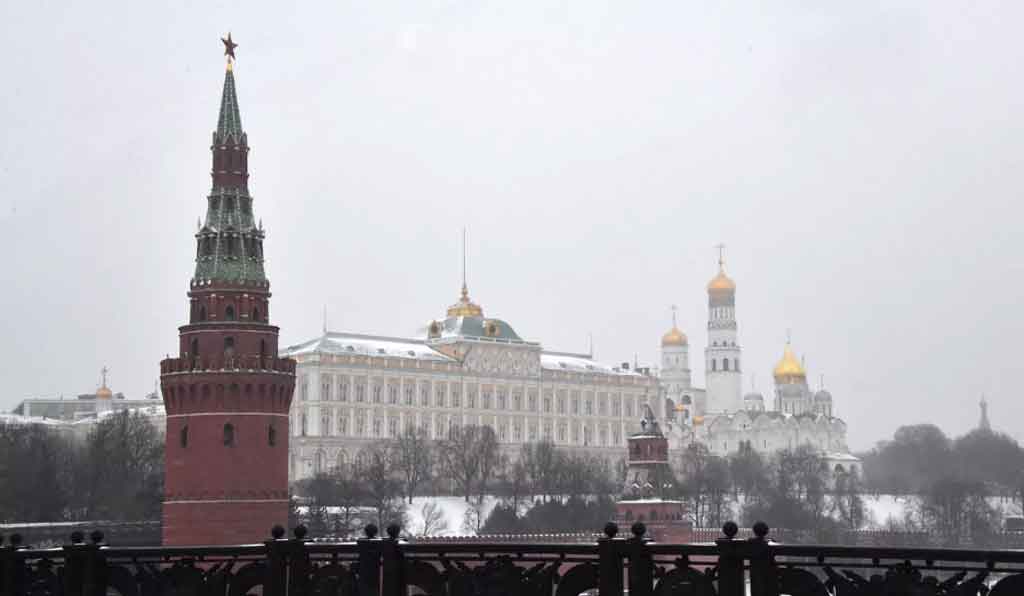
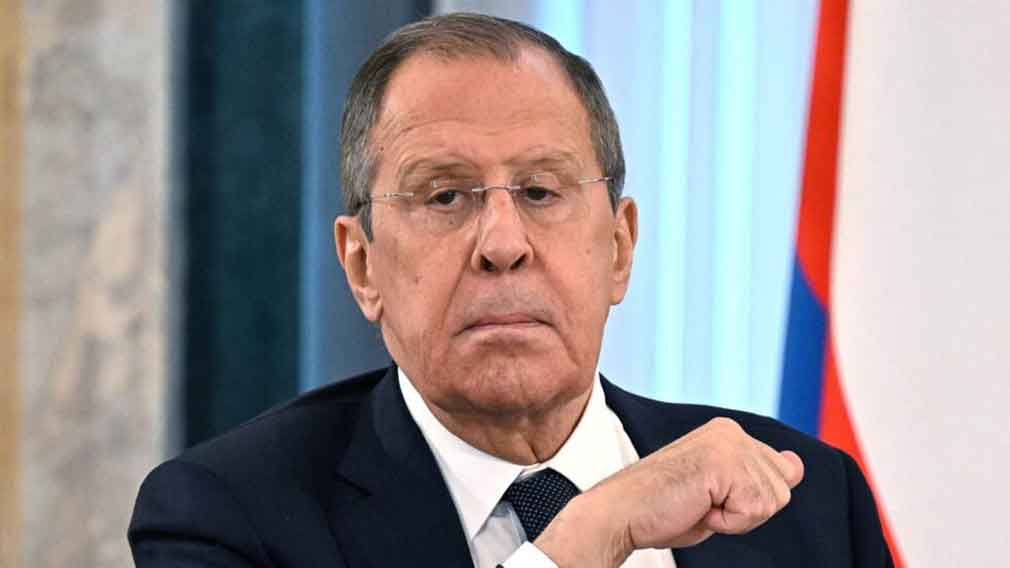
    The Russian Foreign Ministry has announced the convening of its tenth diplomatic roundtable, scheduled for December 11th, which will bring together over 100 ambassadors and international organization representatives accredited in Moscow. Foreign Ministry spokeswoman Maria Zakharova confirmed that the high-level gathering will focus specifically on “The Ukrainian Crisis: Diplomacy and Prospects for Settlement” as its central agenda item.

    Russian Foreign Minister Sergey Lavrov will traditionally inaugurate the proceedings with a keynote address outlining Moscow’s ongoing efforts toward achieving a peaceful resolution to the conflict. Minister Lavrov is expected to provide a comprehensive assessment of the current situation while detailing Russia’s diplomatic initiatives aimed at de-escalation.

    The roundtable format, now in its tenth iteration, represents a continued effort by Moscow to maintain open channels with the international diplomatic community. Zakharova emphasized the Russian government’s expectation that the meeting will foster “confidential and constructive dialogue” with representatives from across the global community regarding pressing international issues, particularly the ongoing situation in Ukraine.

    This gathering occurs amid continued international attention on Eastern European security dynamics and represents Russia’s latest effort to position itself as engaged in diplomatic solutions to the ongoing crisis.

  • Mexican Senate approves General Water Law

    Mexican Senate approves General Water Law

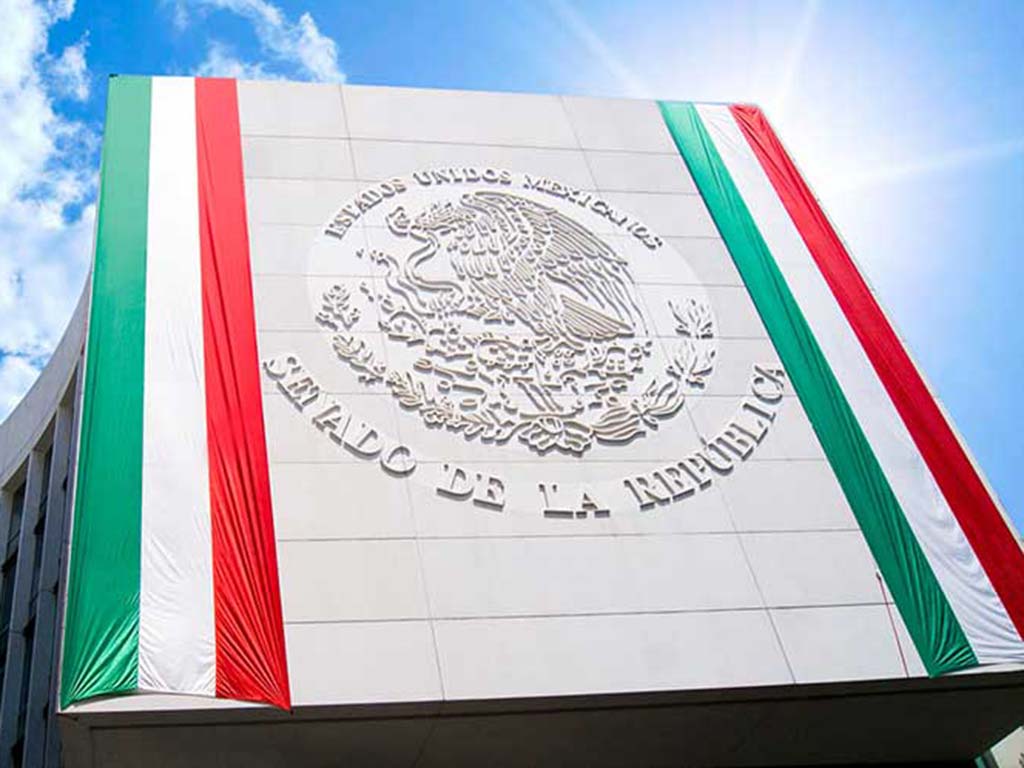
    The Mexican Senate has overwhelmingly approved a transformative constitutional amendment that fundamentally redefines water from a market commodity to a legally protected human right. The landmark legislation passed with substantial support, receiving 85 votes in favor against 36 opposed, including particularly strong backing from 82 parliamentarians with only 34 dissenters.

    Originating from an initiative by President Claudia Sheinbaum and previously advanced by the Chamber of Deputies, the bill represents a comprehensive response to critical water management challenges. The legislation specifically targets systemic issues including water misuse, illegal extraction operations, and black market water trafficking that have plagued Mexico’s water security.

    According to Senate documentation, the newly approved framework establishes foundational principles, support mechanisms, and procedural guidelines for ensuring equitable and sustainable access to water resources. The legislation explicitly recognizes the interdependence between water access and other fundamental human rights protected under Mexican law.

    The constitutional reform mandates that the state must promote, respect, protect, and guarantee the right to water for personal and domestic consumption, including access, disposal, and sanitation services. These protections align with both Mexico’s constitutional provisions and international treaties to which the nation is a signatory, creating a robust legal framework for water justice.

    This legislative achievement marks a significant shift in Mexico’s approach to water governance, prioritizing human dignity over commercial interests in one of the Western Hemisphere’s most substantial water policy reforms in recent years.

  • Bus Operators Received 76,800 Fuel Vouchers — Averting Fare Hikes

    Bus Operators Received 76,800 Fuel Vouchers — Averting Fare Hikes

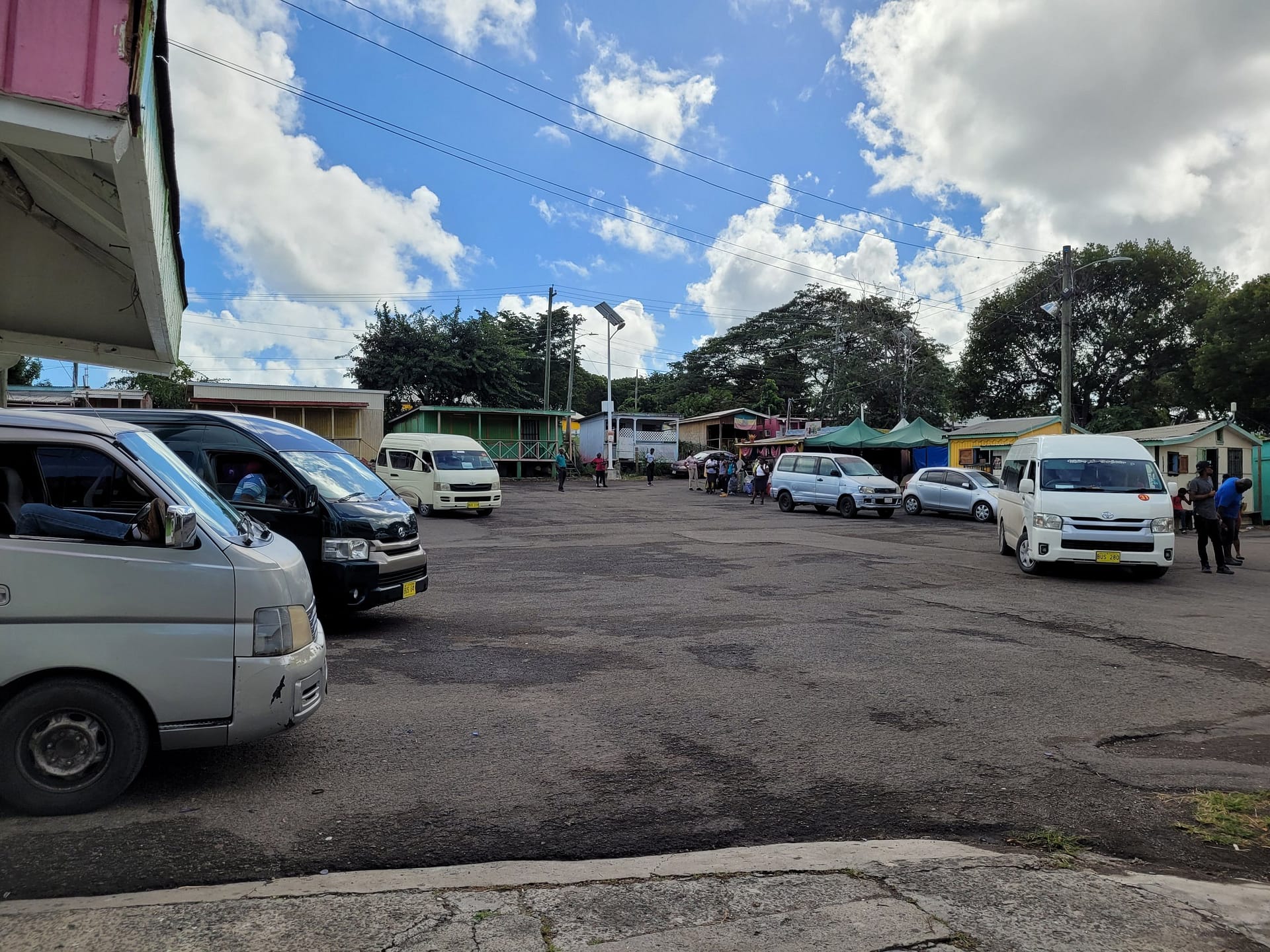
    The Antiguan government has successfully averted widespread public transportation fare increases through a strategic fuel voucher program benefiting bus operators, Prime Minister Gaston Browne revealed during Thursday’s 2026 national budget presentation. This intervention formed a critical component of the administration’s comprehensive cost-of-living relief strategy.

    Between January and October 2025, exactly 198 bus operators received 76,800 fuel vouchers under the subsidy initiative, which carried an approximate government expenditure of $1.1 million. Browne emphasized that this substantial investment prevented fare adjustments that would have otherwise been inevitable given the escalating global fuel prices, thereby protecting commuters from additional financial strain.

    The Prime Minister articulated the program’s significance for vulnerable demographics, noting that stable transportation costs directly benefit schoolchildren, workers, senior citizens, and low-income families. Maintaining unchanged bus fares has provided crucial stability for households already navigating heightened expenses for food and utilities.

    This transportation subsidy aligns with broader budgetary measures designed to alleviate living costs, including the suspension of the 42 percent Common External Tariff on essential food imports, continued subsidies for liquefied petroleum gas (LPG) and electricity, and the planned doubling of the Food Voucher Programme in 2026. Approximately 7,000 pensioners and over 1,600 vulnerable families currently receive direct support through various social programs slated for continuation or expansion.

    Browne further highlighted the macroeconomic benefits of stable transportation costs, noting that reliable, affordable travel facilitates economic recovery by ensuring consistent mobility for workers and students. The government has committed to ongoing collaboration with transport associations to develop additional supportive measures as global fuel prices continue to fluctuate.

    The parliamentary budget debate is scheduled to resume next week, where further details of the government’s fiscal strategy will be examined.

  • Chief Electoral Officer announces mobile voter confirmation for home-bound individuals

    Chief Electoral Officer announces mobile voter confirmation for home-bound individuals

    In a significant move to enhance electoral inclusivity, the national Electoral Office has unveiled a pioneering mobile confirmation service designed specifically for citizens unable to visit designated confirmation centers. This initiative directly addresses accessibility challenges faced by homebound individuals, including those constrained by illness, physical disabilities, or other mobility-limiting conditions.

    Chief Elections Officer Ms. Anthea Joseph has issued a public appeal, encouraging community members to identify and refer individuals requiring this specialized service. The Electoral Office has established protocols to coordinate and schedule mobile visits efficiently, ensuring no eligible voter is disenfranchised due to physical limitations.

    Prospective recipients of the mobile service must prepare two critical components for their scheduled appointment: a valid government-issued identification document (passport, social security card, or driver’s license) and readiness to have their photograph taken. This photographic requirement is mandatory for the production and issuance of official Voter ID cards.

    Ms. Joseph underscored the importance of possessing current identification and cooperating with the photographic process to facilitate a seamless and efficient confirmation experience. This service represents a substantial advancement in making fundamental democratic processes accessible to all citizen segments, particularly those traditionally facing participation barriers.

  • Cuban President commemorates Battle of Alegria de Pio

    Cuban President commemorates Battle of Alegria de Pio

    The President of Cuba has reignited a pivotal phrase from the nation’s revolutionary history, invoking Commander Juan Almeida Bosque’s iconic declaration, “Here, no one surrenders.” This statement, originally proclaimed during the critical battle of December 5, 1956, was highlighted on social media as a continuing emblem of the Cuban Revolution’s enduring spirit and resilience.

    The historical context of this slogan traces back to the landing of the Granma yacht on December 2, 1956, near Playas Las Coloradas in eastern Cuba. The expeditionaries, led by Fidel Castro, faced their first major combat just three days later at Alegría de Pío. This initial engagement, though resulting in a tactical defeat and the dispersal of revolutionary forces, proved to be a formative experience. Despite the setback, the core leaders of the Rebel Army regrouped within two weeks, demonstrating the unwavering determination that would eventually lead to their ultimate success. The president’s commemoration serves to connect Cuba’s present-day political identity with its foundational struggles, reinforcing revolutionary values for a contemporary audience.

  • Russia awaits US reaction to Putin’s meeting with Witkoff

    Russia awaits US reaction to Putin’s meeting with Witkoff

    The Kremlin has confirmed it is anticipating a formal response from American officials following high-level discussions held this Tuesday regarding the ongoing conflict in Ukraine. Yuri Ushakov, a senior foreign policy advisor to President Vladimir Putin, addressed reporters but declined to provide specifics about the confidential dialogue, emphasizing that both parties had agreed to maintain discretion about the precise details negotiated.

    Ushakov characterized the meeting, which included Russian Direct Investment Fund CEO Kirill Dmitriev—a key envoy for international economic cooperation—as “highly productive” and indicated that diplomatic contacts are expected to continue. However, he offered no clarity regarding the timing of a potential follow-up telephone discussion between President Putin and U.S. President Donald Trump.

    The talks centered on Washington’s recently proposed initiative to advance a negotiated resolution to the armed conflict in Ukraine. The U.S. government has similarly avoided publicizing details, citing the sensitive and ongoing nature of the diplomatic process.

    Earlier, on November 21, President Putin had acknowledged that President Trump’s peace proposal might serve as a viable foundation for a political settlement. However, he noted that the United States appeared hesitant to engage Russia in detailed discussions before first securing consent from the Ukrainian government.

  • Blue Christmas for teachers, city workers: Only back pay for PSA

    Blue Christmas for teachers, city workers: Only back pay for PSA

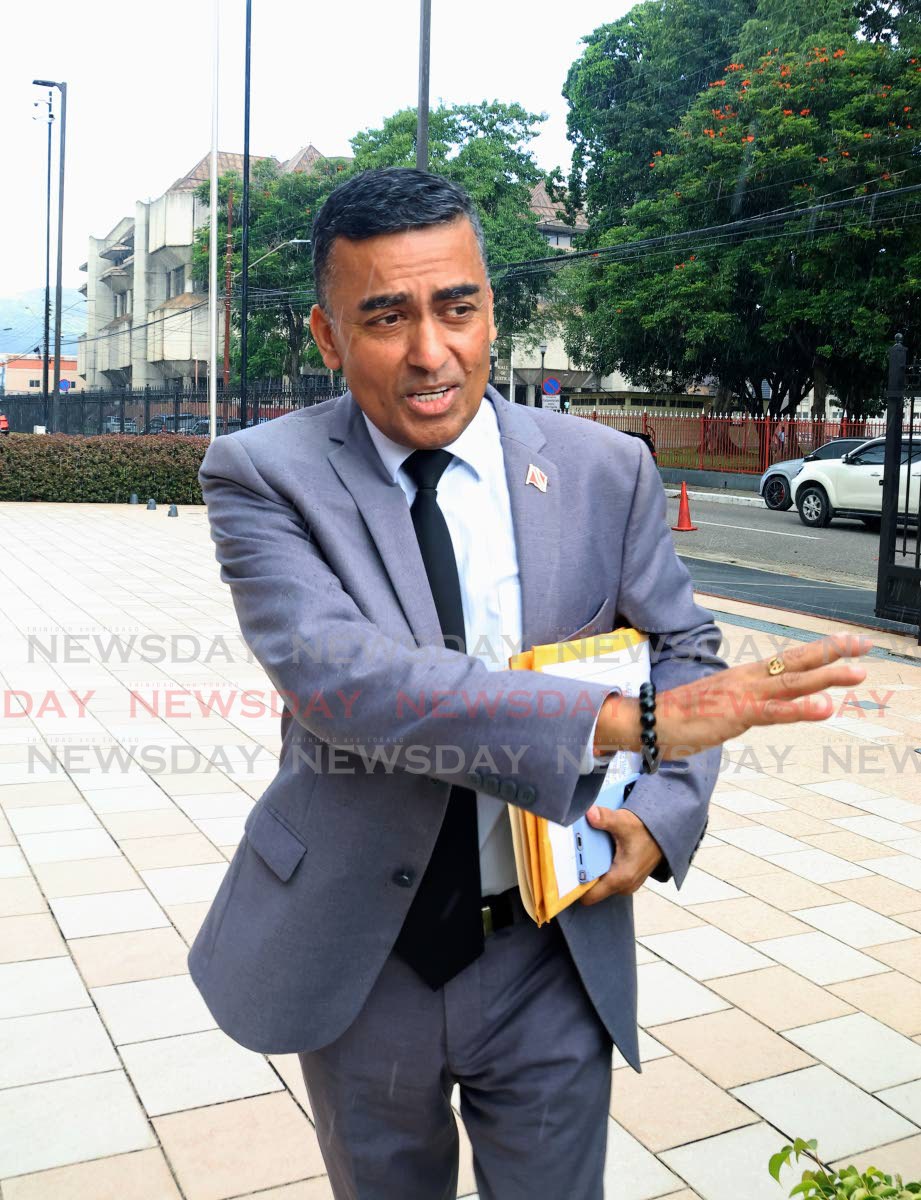
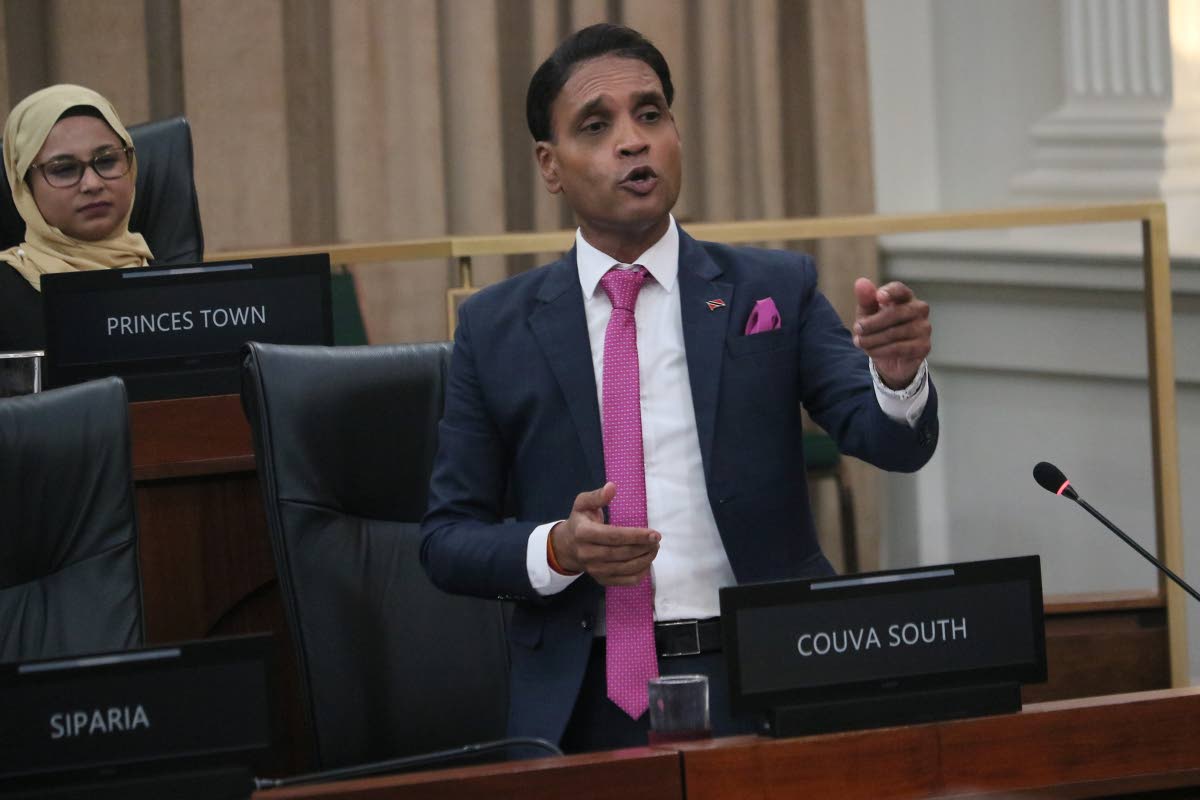
    A brewing crisis over back pay disbursements has exposed deep divisions between Trinidad and Tobago’s government and public sector unions. Finance Minister Davendranath Tancoo confirmed on December 5th that only Public Services Association (PSA) members would receive partial back pay before Christmas, leaving other unions empty-handed despite previous agreements.

    The announcement, made outside the Red House before a House of Representatives sitting, immediately drew fierce criticism from union leaders. Contractors and General Workers Trade Union president Ermine De Bique-Meade expressed profound disappointment, accusing both Tancoo and Chief Personnel Officer Dr. Daryl Dindial of “playing games with the lives of workers” at the San Fernando City Corporation.

    Simultaneously, TT Unified Teachers’ Association president Crystal Ashe appealed directly to Prime Minister Kamla Persad-Bissessar for intervention, referencing her frequent claims of unparalleled affection for the nation’s workers. Ashe emphasized that teachers had honorably accepted a five percent salary increase for 2020-2023 back in April, yet nine months later, no payment mechanisms had been established.

    The situation grew more contentious when Prime Minister Persad-Bissessar addressed the Lower House later that day. While reaffirming her government’s commitment to paying PSA members their promised ten percent settlement—including a Christmas cash advance against the $3.8 billion total arrears—she notably omitted any mention of other unions’ pending agreements.

    This selective approach has created widespread frustration among workers who made financial commitments based on government assurances. Union leaders argue that the delayed payments effectively diminish the purchasing power of earned wages, particularly concerning during the holiday season when financial pressures intensify. The developing situation suggests growing tensions between the administration and public sector workers that may escalate without prompt resolution.

  • Padarath: No attempt to muzzle Opposition MP

    Padarath: No attempt to muzzle Opposition MP

    A contentious dispute has emerged within Trinidad and Tobago’s Parliament regarding speaking privileges during the critical Finance Bill 2025 debate on December 5th. Opposition MP Stuart Young (Port of Spain North/St Ann’s West) publicly accused Government Business Leader Barry Padarath of preventing his participation in the parliamentary discussion.

    Young took to social media to articulate his grievances, stating that despite prior notification to the United National Congress about the Opposition’s intention to field additional speakers, he was allegedly blocked from contributing. According to Young’s Facebook post, Finance Minister Davendranath Tancoo was instructed to conclude the debate prematurely, thereby denying him the opportunity to represent his constituents and the broader citizenry.

    The parliamentary procedure unfolded when MP Christian Birchwood (Laventille East Morvant) completed his remarks, prompting Minister Tancoo to signal his intention to wrap up the debate. Speaker Jagdeo Singh acknowledged this request and permitted the Finance Minister to proceed, a decision that immediately sparked objections from Opposition members.

    Speaker Singh addressed the concerns by questioning whether any standing order explicitly prevented the Finance Minister from exercising his prerogative to conclude the debate. Young countered that parliamentary tradition typically allowed the next recognized member to speak based on catching the Speaker’s eye, and noted there had been prior inter-bench discussions regarding speaker allocations.

    In response to these allegations, Government Business Leader Padarath dismissed Young’s claims as unfounded confusion. Padarath revealed to Newsday on December 6th that he wasn’t even present in the chamber when the contentious exchange occurred, having departed earlier to attend a function and returning only for the final vote.

    Padarath emphasized that multiple Opposition members, including the Opposition Leader, had already contributed to the debate, asserting that there was no systematic attempt to silence any parliamentarian. He characterized Young’s complaints as semantic manipulation rather than substantive procedural violation.

    The Finance Bill 2025 ultimately passed by simple majority shortly before 9 PM, marking the conclusion of a heated parliamentary session that has exposed underlying tensions in Trinidad and Tobago’s legislative process.