The Provisional Electoral Council (CEP) of Haiti has formally presented the Executive branch with a detailed electoral calendar and draft electoral decree, marking a significant step toward the nation’s upcoming elections. The calendar, submitted on November 14, 2025, outlines a meticulous timeline of activities leading to the election of a new president by early 2027. For the process to proceed smoothly, the CEP has emphasized the necessity of three critical prerequisites: the timely publication of the electoral decree in the official journal ‘Le Moniteur,’ the establishment of adequate security conditions, and the availability of sufficient financial resources. The calendar spans over two years, encompassing key phases such as voter registration, candidate accreditation, electoral campaigns, and the deployment of temporary staff. The first round of legislative and presidential elections is slated for August 30, 2026, with the second round scheduled for December 6, 2026. Final results for the presidential and legislative elections are expected to be published by January 7, 2027, while local government results will be announced by January 20, 2027. The CEP has also highlighted the importance of public awareness campaigns and the recruitment of personnel to ensure the integrity and efficiency of the electoral process. The full calendar is available for download in PDF format, providing transparency and accessibility to the public.
分类: politics
-

Lisa vs Guy: Candidates outline their plans to revitalise Castries South East
As Saint Lucia’s general election approaches, Castries South East has become a focal point of political attention, with two candidates presenting starkly different visions for the constituency’s future. Lisa C. Jawahir, the Saint Lucia Labour Party’s (SLP) newly launched candidate, is championing sustainability and eco-tourism, while Guy Joseph of the United Workers Party (UWP) is emphasizing practical, community-driven projects.
Lisa Jawahir, officially introduced as the SLP candidate on September 21, aims to succeed outgoing MP Joachim Henry. Her campaign centers on unlocking the constituency’s potential through initiatives like upgrading sporting facilities, promoting agribusiness, and positioning Castries South East as a hub for eco-tourism. Jawahir, a native of Forestière, has already gained national and regional recognition, including her recent election as vice president of ParlAmericas Caribbean’s Gender Equality Network. She has pledged to prioritize inclusivity, sustainability, and climate-conscious development.
In contrast, Guy Joseph, a three-term former MP, is focusing on immediate, tangible benefits for the community. His campaign highlights projects such as creating a dirt bike track near Bexon playing fields and organizing events like a fresh meat festival in Marc to stimulate local businesses. Joseph, a seasoned entrepreneur with deep roots in the area, has a track record of spearheading infrastructure projects, including affordable housing developments and road improvements during his parliamentary tenure.
Castries South East, one of the largest constituencies in the Castries District, is home to 16,140 residents across rural and semi-urban communities. Despite its potential, the area faces persistent challenges, including poor road conditions, flooding, and limited youth opportunities. While recent projects like drainage improvements and slope stabilization have been completed, residents argue that more needs to be done to address these issues and realize the constituency’s full potential.
As the election draws near, voters in Castries South East must choose between Joseph’s focus on practical, community-based economic initiatives and Jawahir’s vision of sustainable development and eco-tourism. The outcome will shape the future of this diverse and dynamic constituency.
-

Wickham: Opposition on backfoot after Pierre’s early election call
In a surprising move, St. Lucia’s Prime Minister Philip J. Pierre has announced a general election for December 1, nearly a year ahead of schedule. This decision has sparked widespread discussion, particularly from political analyst Peter Wickham, who initially predicted Pierre would delay the election until the completion of a major hospital project. Wickham, a prominent regional pollster and director of Caribbean Development Research Services (CADRES), described the Prime Minister’s decision as an act of ‘political bravery,’ potentially catching the opposition off guard. The governing Saint Lucia Labour Party (SLP) and the opposition United Workers Party (UWP) are now locked in a heated debate over the hospital’s completion status, with Wickham suggesting Pierre’s timing reflects a strategic assessment of political advantage. UWP leader Allen Chastanet has dismissed claims of unpreparedness, asserting his party’s readiness for the contest. However, Wickham noted that the early election disrupts the opposition’s usual regrouping rhythm, giving the incumbent SLP a potential edge. Historically, early elections in the Caribbean have often signaled government instability, but Wickham emphasized that Pierre’s move appears driven by confidence in his advantageous position. The upcoming election marks a critical test for St. Lucia’s political landscape, as no party has secured consecutive terms in over two decades. Wickham highlighted Pierre’s strong position, citing his decisive 2021 victory and the public’s apparent desire for stability. Meanwhile, the UWP, despite its 2021 defeat, has rebuilt its roster with 12 new candidates, a move Wickham credited to Chastanet’s leadership. Nevertheless, the UWP faces significant challenges, including limited voter familiarity with its new candidates. Wickham refrained from predicting the election outcome, noting the short campaign period and the dynamic nature of the race.
-

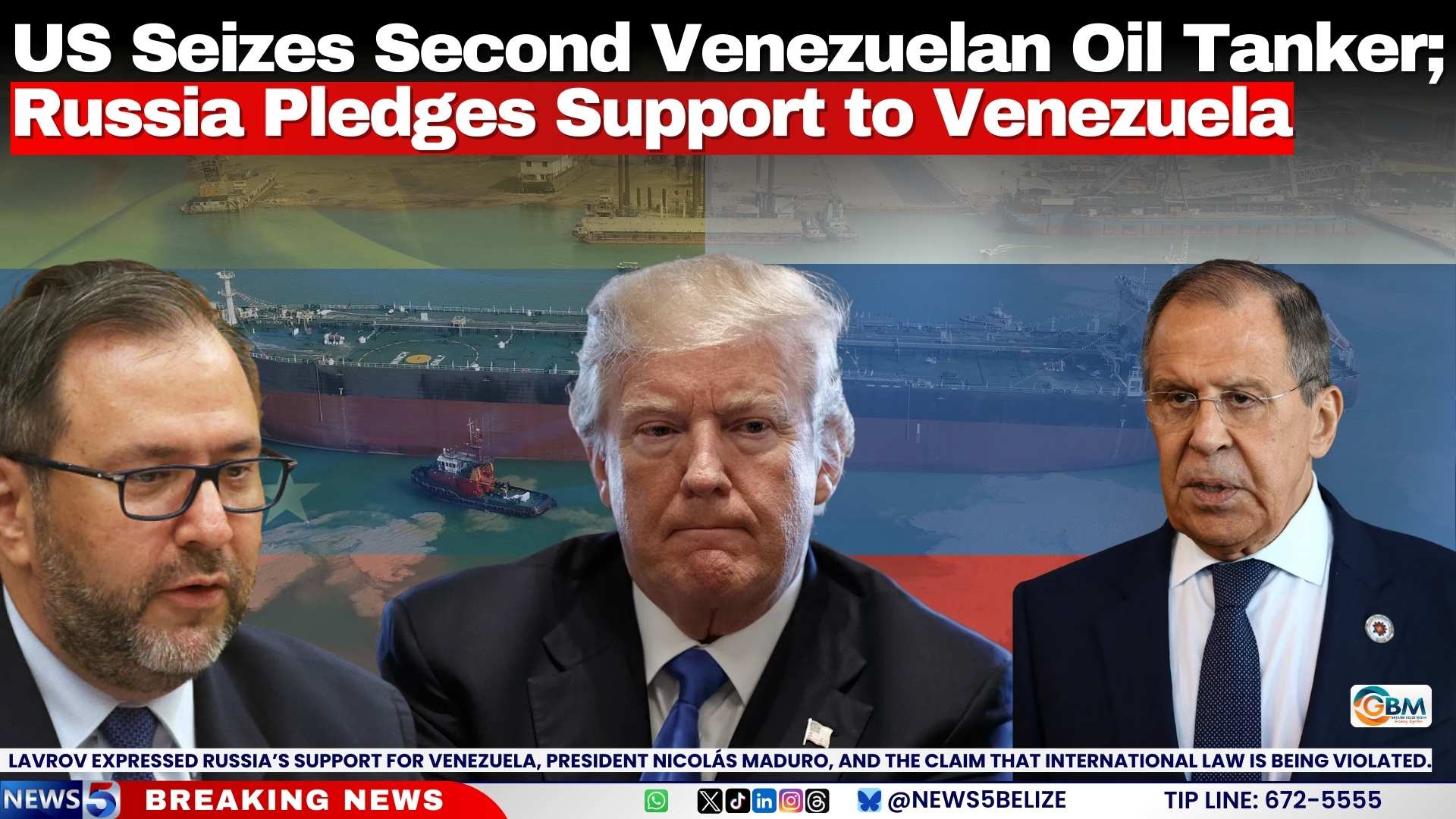
Trump’s “Sort of” Made up His Mind on Venezuela Action
President Donald Trump has indicated that he has ‘sort of’ made a decision regarding the U.S. approach to Venezuela, though he remains tight-lipped about the specifics. Speaking to CBS News aboard Air Force One, Trump revealed that his administration is actively considering various military options. These include land-based strikes and other operations targeting Venezuelan President Nicolás Maduro, who is accused by the U.S. of supporting armed criminal gangs involved in drug trafficking.
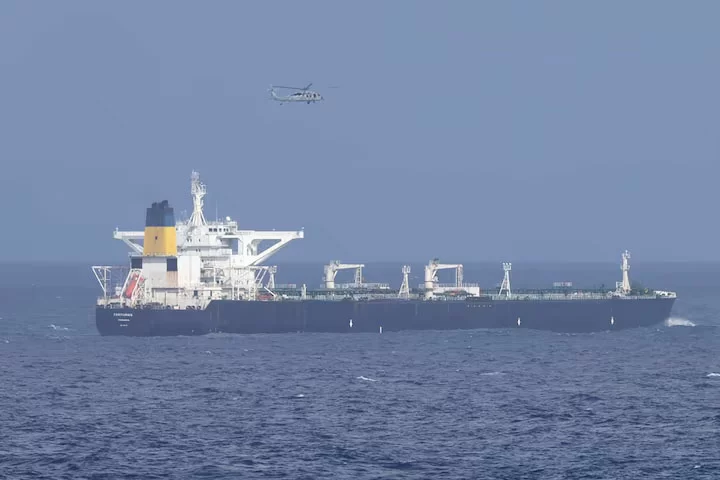
Over the past two months, U.S. forces have conducted strikes on at least 21 vessels, resulting in the deaths of over 80 suspected traffickers. Despite these actions, several Western European governments have expressed skepticism, stating they have yet to see concrete evidence directly linking Maduro to cartel operations.
The situation has further intensified with the deployment of the USS Gerald R. Ford, the U.S. Navy’s most advanced aircraft carrier, to the Caribbean. This move is part of a broader military buildup in the region, which now includes destroyers, warplanes, and special operations units. According to CNN, the U.S. military presence in the area has surpassed 15,000 personnel.
In response to the growing U.S. military footprint, Maduro has ordered a nationwide military mobilization. This escalation underscores the heightened tensions between the two nations and raises concerns about the potential for further conflict.
-

Veteran JP says, JPs in dire need of proper training
Veteran Justice of the Peace (JP) Abrahim Ali has voiced significant concerns over the expanded judicial responsibilities being assigned to JPs without the necessary training, oversight, or modern systems in place. Ali, who also serves as the Public Relations Officer for the Justices of the Peace Association (JOPATT), highlighted these issues in an interview with Newsday on November 15, following the Senate’s passage of the Administration of Justice (Indictable Proceedings) (Amendment) Bill, 2025 (AJIPA). Once signed into law by the President, AJIPA will grant JPs broader powers, including the authority to issue search warrants and grant station bail for indictable offenses.
Ali emphasized that the JP system has long suffered from structural deficiencies, including a lack of standardized training, record-keeping, and consultation. He noted that JPs, historically appointed through political channels, have never received formal training despite being expected to perform critical judicial functions. While JOPATT has attempted to address these gaps through voluntary training programs, Ali stressed that such efforts cannot replace a mandatory national framework.
The AJIPA amendments aim to restore and expand powers historically held by JPs, which had been muddled by earlier legislation. Justice Carol Gobin clarified that Parliament had never explicitly revoked JPs’ authority to grant station bail. However, the proposed expansion of JP powers, particularly regarding search warrants, has sparked intense debate. Independent Senators Sophia Chote and Dr. Desiree Murray warned that without immediate reforms, JPs could be thrust into roles requiring legal expertise and accountability mechanisms that are currently absent. Chote described the search powers under Section 5 as ‘draconian,’ while Murray cautioned that the lack of qualifications and oversight could ‘dilute judicial oversight and risk the arbitrary exercise of power.’
Attorney General John Jeremie assured the Senate that data-seizure powers remain governed by the Data Protection Act and pledged to delay the implementation of search-warrant provisions until training and further reforms are addressed. He also committed to referring the broader issue of JP standards to the Law Review Committee. Ali supported this decision, noting that the concerns raised have long been recognized within the JP community. He emphasized that warrants must never be issued without proper procedures and guidelines, warning against ‘rubber-stamping’ by JPs.
Acting President of the Police Social and Welfare Association, ASP Ishmael Pitt, welcomed the restoration of JP warrant-issuing powers, particularly from a policing perspective. He highlighted the importance of having access to judicial officers in urgent situations but stressed that the system’s success depends on JP competence matching the gravity of their responsibilities. Ali, a JP for 35 years, reiterated that the JP system still lacks consistent engagement from the judiciary and the Office of the DPP, leaving JPs without adequate guidance as their duties expand.
-

Ashworth Jack urges Duke to sit out THA polls
Ashworth Jack, a seasoned Tobago politician and current liaison coordinator to the Office of the Prime Minister, has called for Watson Duke to step aside in the upcoming Tobago House of Assembly (THA) elections. Jack believes this move would enable the ruling Tobago People’s Party (TPP) to secure all 13 legislative seats, preventing a split in votes against the opposition People’s National Movement (PNM).
-

US military says aircraft carrier now in Caribbean
In a significant military maneuver, the United States has deployed its most advanced aircraft carrier, the USS Gerald R. Ford, to the Caribbean Sea as part of an intensified anti-narcotics campaign. This deployment, announced by the US Southern Command (SOUTHCOM) on Sunday, is part of President Donald Trump’s broader directive to dismantle transnational criminal organizations and combat narco-terrorism. The move is likely to escalate tensions with Venezuela, whose government views the military buildup as a direct threat. The USS Gerald R. Ford Carrier Strike Group, accompanied by two guided-missile destroyers and other support vessels, joins several warships already stationed in the region under ‘Operation Southern Spear.’
In a related development, US forces conducted a strike in the eastern Pacific on Saturday, resulting in the deaths of three suspected drug traffickers. Since the inception of the anti-trafficking initiative in September, US military operations have reportedly killed at least 83 individuals accused of drug smuggling in international waters. However, the US has not provided detailed evidence to substantiate claims that those targeted were indeed traffickers, leading experts to criticize the operations as extrajudicial killings.
The deployment comes amid heightened speculation about potential US military intervention in Venezuela, where President Nicolas Maduro faces strong opposition from Washington. The US does not recognize Maduro as Venezuela’s legitimate leader and has offered a $50 million bounty for his capture on charges of leading a drug cartel. President Trump has hinted at decisive action regarding Venezuela, stating on Friday that he had ‘sort of’ made up his mind on the issue, though he declined to elaborate. Meanwhile, the US military has also increased its presence in Trinidad and Tobago, conducting joint training exercises with local forces, which Maduro has condemned as ‘irresponsible.’
-

Former ULP MP Mike Browne says he won’t vote this election
Mike Browne, former Member of Parliament for West St. George under the Unity Labour Party (ULP), has announced his decision not to participate in the upcoming general election on November 27. Speaking at the Teachers’ Solidarity Week Rally in Kingstown on Friday, Browne expressed concerns about the divisive nature of the two major political parties and the financial pressures faced by working-class citizens. He plans to elaborate on his stance in a forthcoming newspaper editorial. Browne, who served as Minister of Education from 2001 to 2010, emphasized that regardless of the election outcome, Vincentians will face significant challenges. He also raised critical questions about the sources of campaign financing, suggesting that the exorbitant costs of running elections could involve dubious funding, including potential drug money. Browne highlighted the financial strain on ordinary workers, who struggle to afford basic necessities, let alone contribute to election campaigns. He announced his involvement in a new organization, Solidarity Rights, aimed at advocating for the rights of all citizens post-election. Browne concluded by stating that he remains indifferent to the election results, focusing instead on the broader societal pressures that will persist irrespective of the winning party.
-

VIDEO: NDP, ULP supporters mingle in Rose Bank
In a rare display of camaraderie amidst the political fervor, supporters of the ruling Unity Labour Party (ULP) and the opposition New Democratic Party (NDP) came together in Rose Bank on Saturday, November 8, 2025. The campaign trail, typically marked by intense rivalry, witnessed an unexpected atmosphere of goodwill as members from both sides exchanged light-hearted conversations and shared moments of mutual respect. This interaction highlighted a temporary departure from the usual political tensions, offering a glimpse of unity in the midst of electoral competition. The event underscored the potential for civility and dialogue in the democratic process, even as both parties continue to vie for public support ahead of the upcoming elections.