The United States State Department has announced visa sanctions against a Haitian government official accused of aiding criminal gangs and obstructing efforts to combat organized crime in Haiti. While the department did not disclose the official’s name or the specific gangs involved, it confirmed that any existing visas held by the individual would be revoked. A source close to the matter identified the sanctioned official as Fritz Alphonse Jean, a member of Haiti’s transitional presidential council. Jean, during a press conference, dismissed the allegations as a ‘masquerade’ but did not directly confirm he was the target of the sanctions. He vowed to continue advocating for good governance and opposing systemic chaos in Haiti. The US had previously designated two Haitian gangs, Viv Ansanm and Gran Grif, as terrorist organizations in May 2024. The State Department reiterated its commitment to supporting Haiti’s stability and emphasized the need for progress toward free and fair elections. This development follows the arrest and deportation of prominent Haitian businessman Dmitri Vorbe in September 2023, who was accused of backing gangs. Another businessman, Pierre Reginald Boulos, was arrested in July 2023 for allegedly contributing to Haiti’s destabilization. Haiti, the poorest country in the Americas, has long grappled with rampant gang violence, including murders, rapes, looting, and kidnappings, exacerbated by chronic political instability. The crisis deepened in early 2024 when gangs forced then-Prime Minister Ariel Henry to resign.
分类: politics
-

Will Trump invade Venezuela?
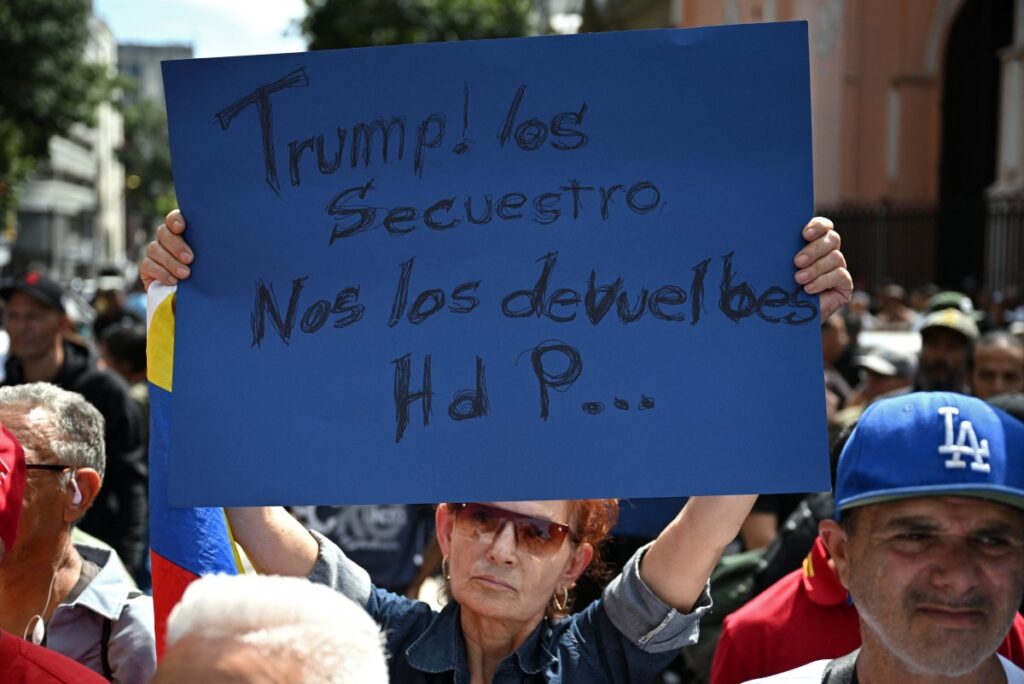
The possibility of U.S. military intervention in Venezuela has become a topic of intense speculation, particularly among citizens of Trinidad and Tobago and Guyana. Many Guyanese view Venezuelan President Nicolás Maduro as a threat, given his territorial claims over two-thirds of Guyana and his veiled threats. The question of whether U.S. President Donald Trump will authorize strikes or an invasion to remove Maduro has been repeatedly posed to the President by reporters. While Trump has not directly addressed these queries, he has hinted at potential land strikes targeting drug-manufacturing facilities and camps labeled as terrorist organizations, which are allegedly responsible for shipping drugs to the U.S., causing thousands of deaths annually. Maduro, who has been accused of leading a terrorist organization, has denied these allegations and expressed a willingness to engage in discussions with the Trump administration. Trump has indicated openness to meeting with Venezuelan leadership and may send emissaries to negotiate Maduro’s departure from office. However, any talks would likely delay immediate military action. Strikes could be avoided if Maduro agrees to concessions, such as compensating Exxon and other oil companies nationalized by Venezuela, dismantling drug labs, and cracking down on criminal gangs. Venezuela’s role in drug production is relatively minor compared to Colombia and Bolivia, but its jungle airstrips are used to transport drugs to Central America, Mexico, and beyond. Reports from Guyana have uncovered secret airstrips and small aircraft linked to drug trafficking, implicating local police and military personnel. American intelligence has identified Guyana as a transshipment point for drugs destined for developed countries. Despite these issues, it is unlikely that Maduro will make sweeping concessions, leaving the door open for further U.S. strikes. Trump’s cabinet members have labeled Maduro an illegitimate ruler due to alleged election rigging, increasing the likelihood of targeted military action. However, Trump has previously expressed a desire to reduce U.S. foreign involvement, citing the country’s poor track record with regime changes in nations like Guyana, Haiti, and Iraq. A full-scale invasion of Venezuela carries significant risks, reminiscent of costly quagmires in Afghanistan and Iraq. While the U.S. military is prepared for such an operation, immediate large-scale intervention seems improbable. Air-powered strikes, however, remain a likely scenario, and the fall of the Maduro regime would likely be met with indifference or relief by Guyanese citizens.
-

Rick Fox announces election bid but doesn’t reveal party alignment
Former NBA player and ambassador-at-large Rick Fox has officially declared his intention to run in the upcoming Bahamas general election, putting an end to weeks of speculation about his political aspirations. In a heartfelt social media announcement, Fox emphasized his deep commitment to the nation, stating that the Bahamas he envisions can no longer remain a distant dream. He highlighted the urgent need for transparency, a modernized economy, and equitable opportunities for all citizens. Fox’s decision to enter politics stems from months of listening to the concerns and aspirations of Bahamians, who have expressed frustration with the current state of affairs. While he has not yet revealed whether he will run independently or align with a political party, Fox disclosed that he has engaged in discussions with both major parties. He noted that Free National Movement (FNM) leader Michael Pintard had been particularly persistent in courting his candidacy. Fox underscored the critical importance of addressing pressing issues such as youth empowerment, healthcare, housing, and public safety, warning that the country is running out of time to act. He pledged to champion transparency, integrity, and excellence in leadership, framing his campaign as a fight for the Bahamas on the global stage. Fox’s announcement comes amid criticism of politicians for their perceived inaction and opportunism, which he recently mocked in a Halloween-themed post. His candidacy has already sparked controversy, with some questioning the appropriateness of his diplomatic role in light of his political ambitions. Foreign Affairs Minister Fred Mitchell issued a veiled rebuke, reminding ambassadors of their duty to serve the government that appointed them. Despite the backlash, Fox remains steadfast in his mission to transform the Bahamas into a nation where every citizen feels secure, empowered, and proud.
-

Tariff relief for Trinidad and Tobago
In a recent letter to the editor, Dr. Errol N. Benjamin reflects on the strategic implications of Trinidad and Tobago’s (TT) alliance with the United States, particularly in the context of the ongoing Venezuelan crisis. Dr. Benjamin, who has been vocal about this issue for some time, underscores the benefits of this partnership, citing the recent tariff relief on fertilizers and other products as a tangible outcome. He argues that Prime Minister Kamla Persad-Bissessar’s decision to align with the US demonstrates astute leadership, given the economic and security advantages it brings to TT.
Dr. Benjamin acknowledges the prevailing anti-Trump sentiment in the region, fueled by concerns over US hegemonic intentions and the desire for regime change in Venezuela, ostensibly for its oil and gas resources. He also notes the Caribbean’s aspiration to be a ‘zone of peace’ and the importance of sovereignty. However, he contends that these concerns, while valid, should not overshadow the pragmatic benefits of aligning with a global powerhouse like the US, especially when TT relies on the US for markets, financing, and security.
Addressing fears of becoming a military target, Dr. Benjamin questions the likelihood of such an outcome under Trump’s administration. He also highlights the strategic necessity of this alliance, particularly with Venezuela’s aggressive posturing in the region, including accusations of TT’s complicity in guerrilla warfare. Dr. Benjamin leaves the final judgment to the readers, urging them to critically evaluate the merits of this alliance in the broader geopolitical context.
-

Pentagon boss to visit Dominican Republic amid US-Venezuela row
SANTO DOMINGO, Dominican Republic — U.S. Defense Secretary Pete Hegseth is set to visit the Dominican Republic on Wednesday, marking a significant diplomatic move in the Caribbean region. The visit underscores the United States’ commitment to bolstering defense ties with its Caribbean ally, particularly in the context of escalating tensions with Venezuela. The Pentagon confirmed the trip, which coincides with heightened pressure from the Trump administration on Venezuelan President Nicolas Maduro, whom Washington accuses of leading a drug cartel.
Hegseth’s itinerary includes meetings with Dominican President Luis Abinader, the country’s defense minister, and other key cabinet members. The discussions are expected to focus on strengthening bilateral defense cooperation, reaffirming U.S. support for regional security, and addressing the growing threat of drug trafficking in the Americas. This visit follows the recent designation of Venezuela’s alleged Cartel de los Soles (Cartel of the Suns) as a foreign terrorist organization by the U.S. government, a move that grants legal authority for further actions against Venezuelan authorities.
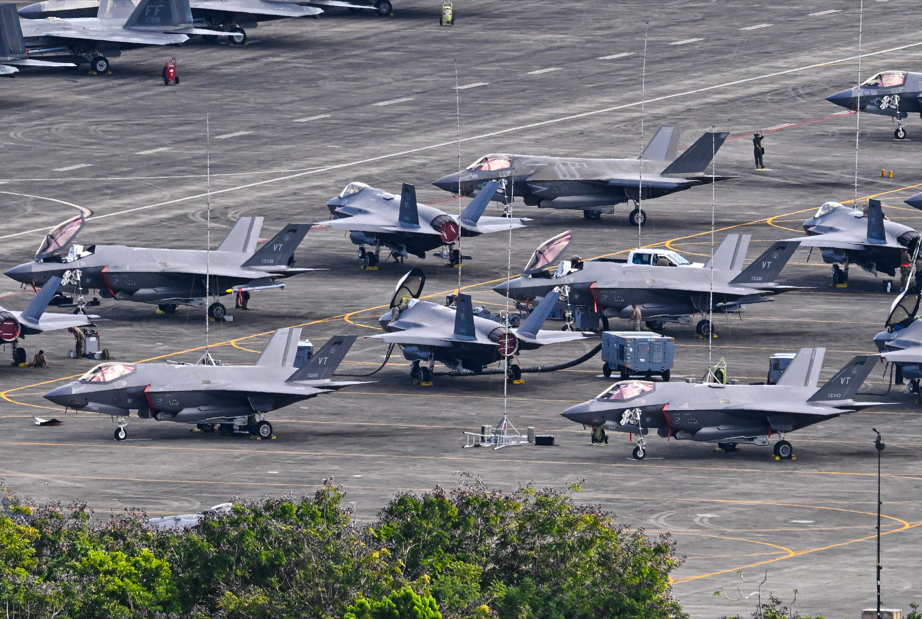
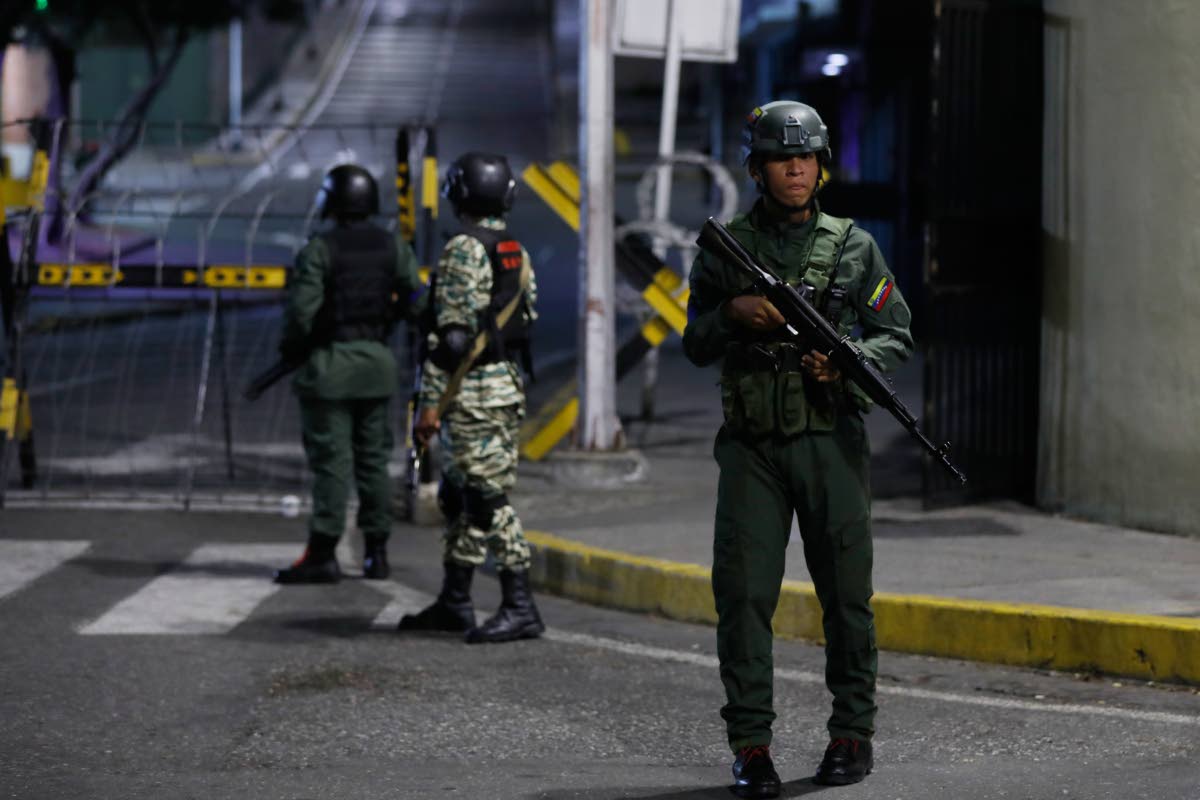
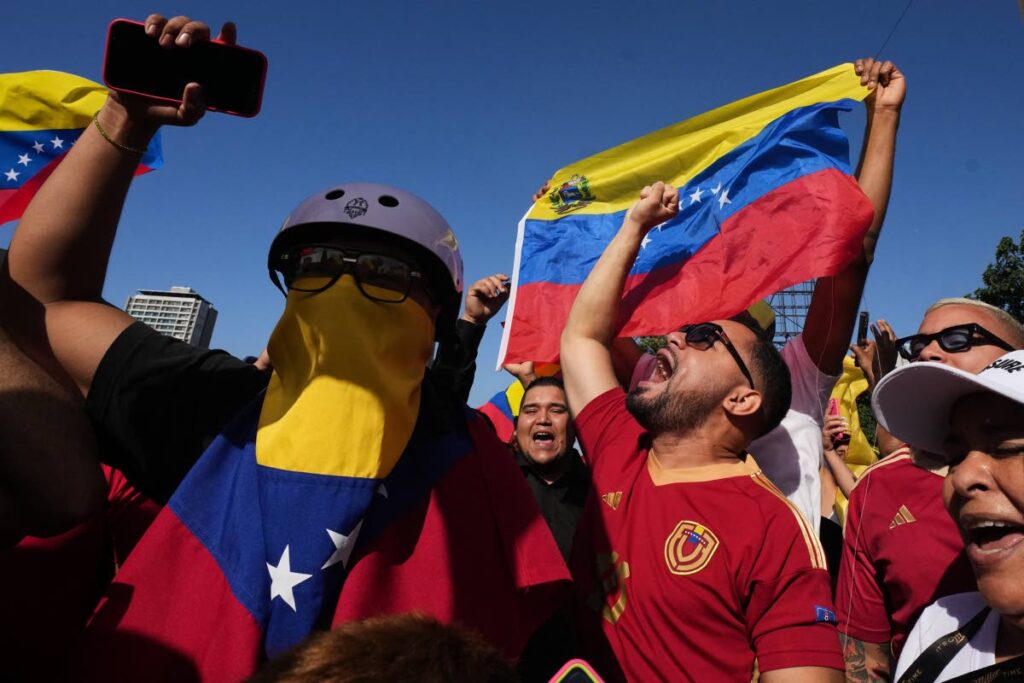
In response to the designation, the Venezuelan government organized an anti-U.S. protest in Caracas, with participants accusing Washington of fabricating scenarios to justify intervention. Meanwhile, the U.S. has intensified military pressure on Venezuela, deploying its largest aircraft carrier and a fleet of warships to the region. The Dominican Republic has been a key partner in U.S.-led anti-drug operations, with recent joint efforts resulting in the seizure of 500 kilograms of cocaine. President Abinader emphasized the importance of continued collaboration, citing the rising production of cocaine in South America as a critical challenge.
-

WIN leader prepares to challenge opposition leader election delay, extradition case may go to High Court
Azruddin Mohamed, leader of the We Invest in Nationhood (WIN) party, announced on Monday his intention to take legal action against House Speaker Manzoor Nadir for delaying the election of the Opposition Leader. Mohamed expressed skepticism about Nadir’s willingness to convene a meeting of opposition MPs to facilitate the election, despite WIN holding 16 of the 29 opposition seats in Parliament. Mohamed stated, ‘We have to move to the court,’ emphasizing his determination to proceed with legal measures. Meanwhile, Clerk of the National Assembly Sherlock Isaacs confirmed no plans for such a meeting. Mohamed’s lawyer, Siand Dhurjohn, revealed that legal proceedings are being prepared ahead of an ultimatum set to expire next Monday. Dhurjohn stressed the constitutional obligation to elect an Opposition Leader promptly, highlighting the role’s importance in democratic processes. Concurrently, Mohamed faces an extradition request from the United States, where he is accused of wire fraud, mail fraud, and money laundering. His legal team, led by Roysdale Forde and Dhurjohn, is preparing a constitutional challenge, arguing that the extradition process could take years. Prosecutor Terrence Williams, representing U.S. interests, submitted updated documents to the court, though defense lawyers noted these were not yet properly processed through diplomatic channels. The case is set to resume on November 28, with further developments expected.
-

Her next round of ‘breaking’ and ‘resetting’
During a recent youth rally, a ‘special guest’ took the stage to address the audience on behalf of the United Labour Party (ULP). However, her speech was less an endorsement and more a plea for assistance, a pattern familiar to those who know her well. Even Candyman, who introduced her, has previously noted this tendency after prolonged interactions. While I have been a lifelong supporter of Labour, my current uncertainty stems not from anger at the opposition New Democratic Party (NDP) but from dissatisfaction with how the ULP has managed key issues over the past five years, including the controversial vaccine mandate. Her speech did little to strengthen my allegiance to the ULP; instead, it deepened my reflection on Mike Browne’s commentary, pushing me toward abstaining from voting in the upcoming election. Her intelligence, eloquence, and confidence are undeniable, but she may not be what the ULP needs now. Her past remarks, such as labeling Curtis King a ‘disgrace’ and dismissing Keisal Peters as merely a ‘wardrobe and a hair salon,’ raise questions about her alignment with the party. Despite her criticisms of the NDP, their leadership remained silent, perhaps recognizing the underlying motivations behind her outbursts. As the ULP welcomes her into a visible role, internal warnings are emerging publicly, urging caution. Will the party heed these concerns, or will history repeat itself?