分类: politics

  • What we know about the US attacks on Venezuela

    What we know about the US attacks on Venezuela

    CARACAS, Venezuela — In a dramatic escalation of long-standing tensions, United States military forces executed a series of airstrikes across multiple locations in Venezuela in the early hours of Saturday. The operation, which represents a significant intensification of Washington’s campaign against the left-wing government of Nicolas Maduro, reportedly resulted in the capture and removal of the Venezuelan president from the country.

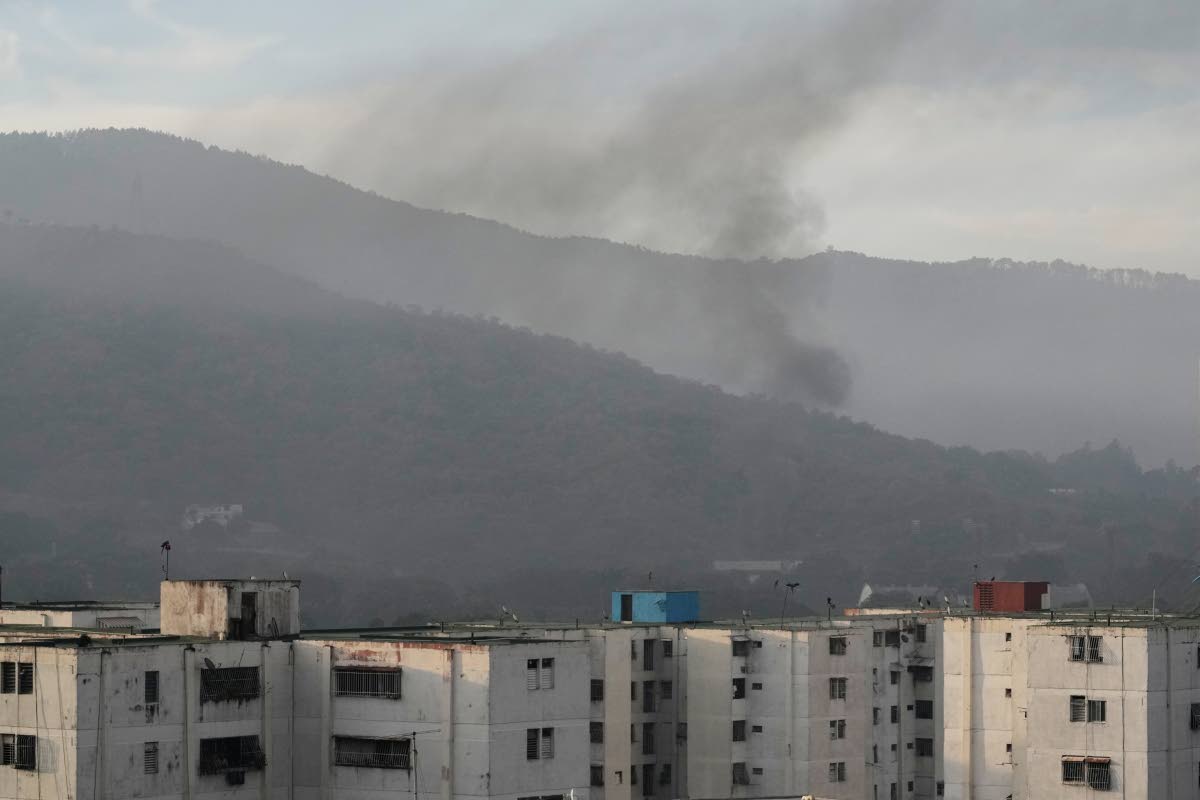
    The military action commenced shortly before 2:00 AM local time (0600 GMT), with residents of the capital Caracas and surrounding regions reporting explosions and aircraft overhead. The strikes continued for approximately seventy-five minutes, with social media footage depicting helicopter sorties and missile impacts creating substantial fireballs and columns of smoke across the night sky.

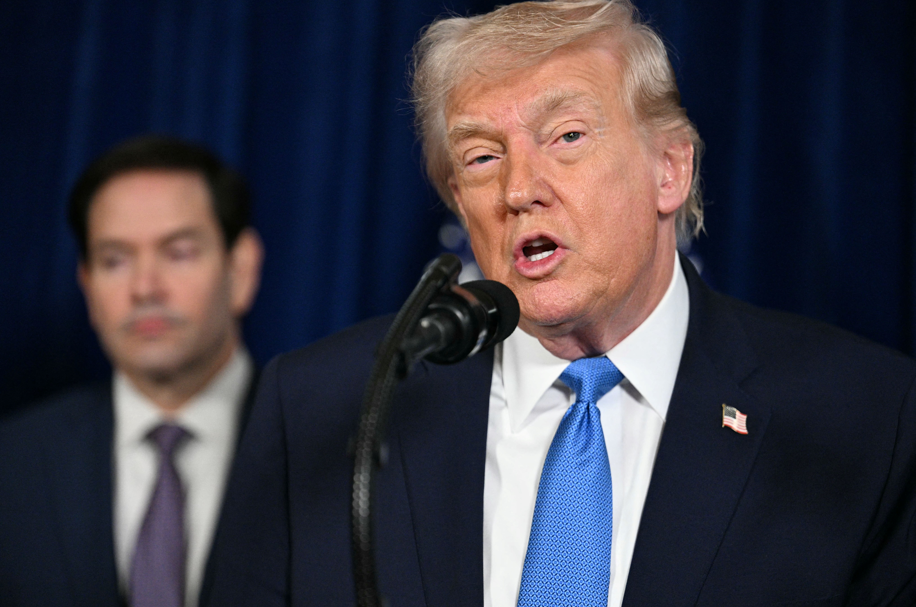
    Former US President Donald Trump announced on his Truth Social platform at 0921 GMT that American forces had ‘successfully carried out a large scale strike against Venezuela’ and confirmed that both Maduro and his wife had been ‘captured and flown out of the Country.’ Several hours after the initial attacks, US Senator Mike Lee corroborated these claims, citing Secretary of State Marco Rubio’s statement that military operations had concluded following Maduro’s apprehension.

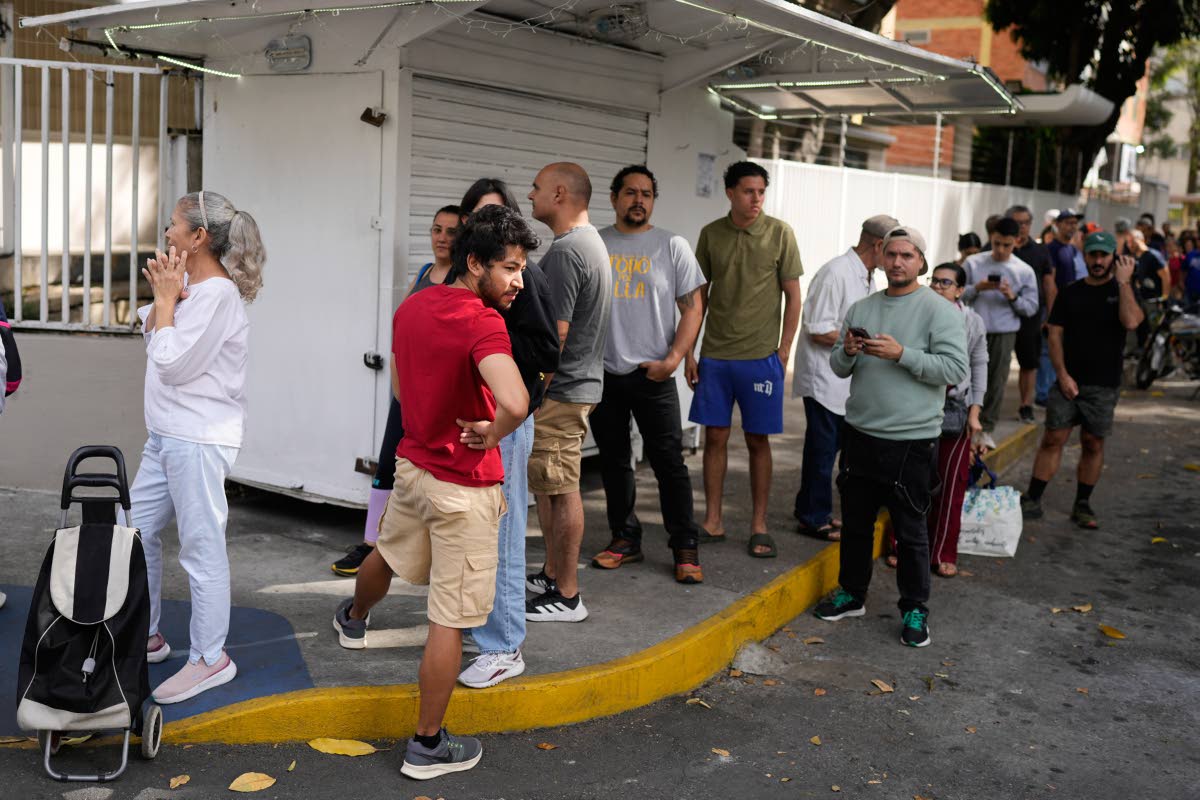
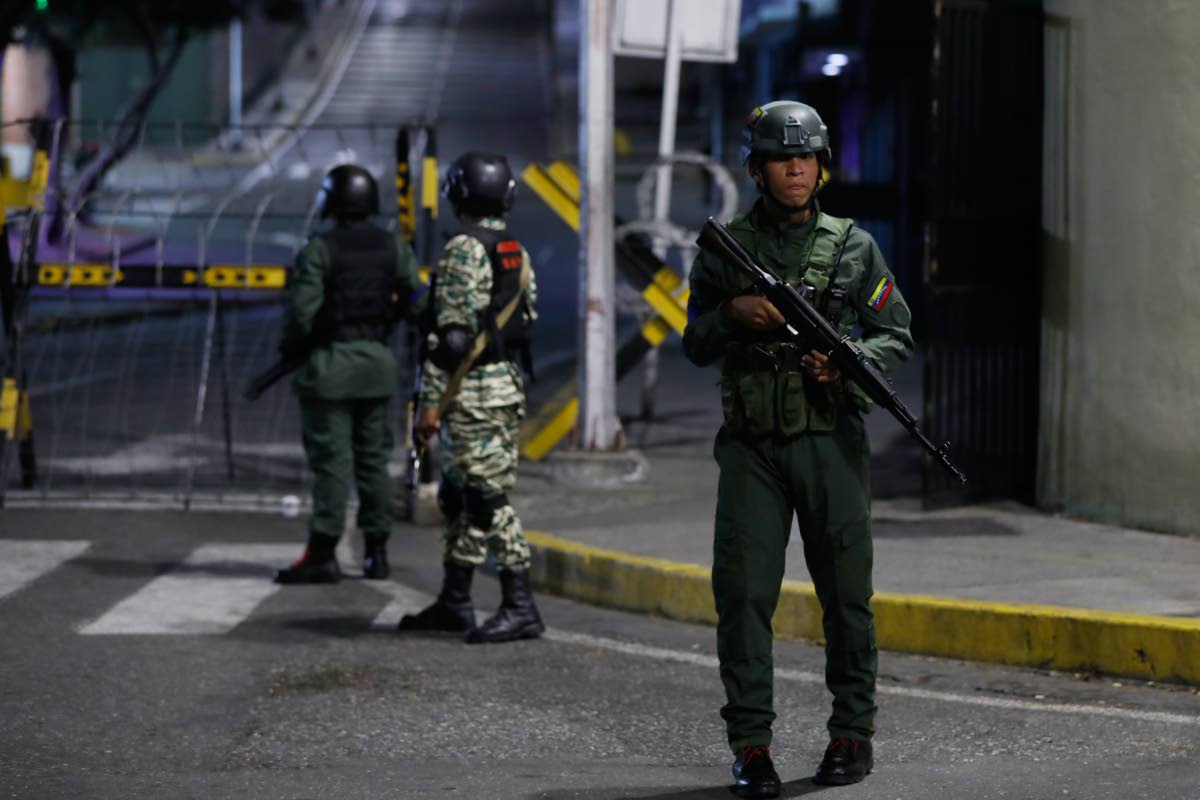
    Primary targets included Fort Tiuna, Venezuela’s most extensive military complex located in southern Caracas. This strategic installation houses the defense ministry, a military academy, and residential quarters for armed forces personnel. AFP correspondents observed significant flames and smoke emanating from the complex, with visible damage including bullet-marked armored vehicles and trucks at secured entrances. Civilian evacuations were underway as residents fled the area with personal belongings, with one anonymous woman stating she was leaving ‘because they nearly killed us.’

    Additional strikes targeted La Carlota airbase east of Caracas, where journalists documented burning armored vehicles and destroyed transportation infrastructure. Explosions were further reported in the port city of La Guaira, the north-central city of Maracay, the Caribbean coastal town of Higuerote, and regions along the Colombian border—a known corridor for narcotics trafficking.

    Venezuelan Defense Minister Vladimir Padrino López accused American forces of deliberately targeting residential areas with missiles and rockets, though these allegations remain unverified. Official casualty figures have not been released, with government authorities acknowledging they are still gathering information ‘on the dead and injured.’

    The circumstances surrounding Maduro’s capture remain unclear, particularly given the president’s documented practice of frequently changing residences to evade potential capture. Venezuelan Vice President Delcy Rodríguez has demanded that the United States provide ‘proof of life’ for both Maduro and his wife, Cilia Flores. Russia, a key Venezuelan ally, has similarly called for immediate clarification regarding the president’s status.

    International reactions have been sharply divided. Russia, Iran, and Cuba—all longstanding partners of Venezuela—condemned the military action as an act of aggression. They were joined in their criticism by left-wing governments in Mexico, Brazil, and Colombia. Russia’s foreign ministry characterized the operation as a ‘deeply concerning’ violation of international norms. The European Union’s top diplomat, Kaja Kallas, urged Washington to exercise restraint and adhere to international law during communications with US Secretary of State Marco Rubio. Notably, Argentina’s right-wing President Javier Milei, a vocal supporter of Donald Trump, emerged as one of the few Latin American leaders to express support for the military intervention.
  • Venezuela denounces US attack, seeks info on Maduro

    Venezuela denounces US attack, seeks info on Maduro

    Venezuela has entered a severe constitutional crisis following what government officials describe as a direct military assault by United States forces on January 3rd. The operation reportedly resulted in the capture of President Nicolás Maduro and First Lady Cilia Flores from a fortified residence within Caracas’ main military garrison, Fort Tiuna.

    In an urgent televised address, Vice President Delcy Rodríguez declared the administration has lost all contact with the captured leaders and formally demanded that Washington provide ‘immediate proof of life’ while revealing their current whereabouts. The government statement characterized the incident as an ‘extremely serious military aggression’ targeting both civilian and military locations, resulting in casualties.

    Defense Minister Vladimir Padrino López confirmed aerial strikes hit populated areas and stated authorities are currently compiling casualty figures. He vowed the nation would ‘resist any foreign military presence,’ framing the operation as an imperialist resource grab aimed at seizing Venezuela’s vast oil and mineral reserves and breaking the country’s political sovereignty.

    Simultaneously, US Attorney General Pam Bondi unveiled a comprehensive indictment from the Southern District of New York, charging Maduro and Flores with narco-terrorism conspiracy, cocaine importation conspiracy, and other related crimes. Bondi released the previously sealed indictment on social media, labeling the couple ‘alleged international narco traffickers’ who would face the ‘full wrath of American justice.’

    According to operational reports, the captured leaders were transported via US military helicopter to an awaiting naval vessel following their extraction from the military base. The event marks an unprecedented escalation in the long-standing tensions between the two nations, raising immediate concerns about regional stability and international law.

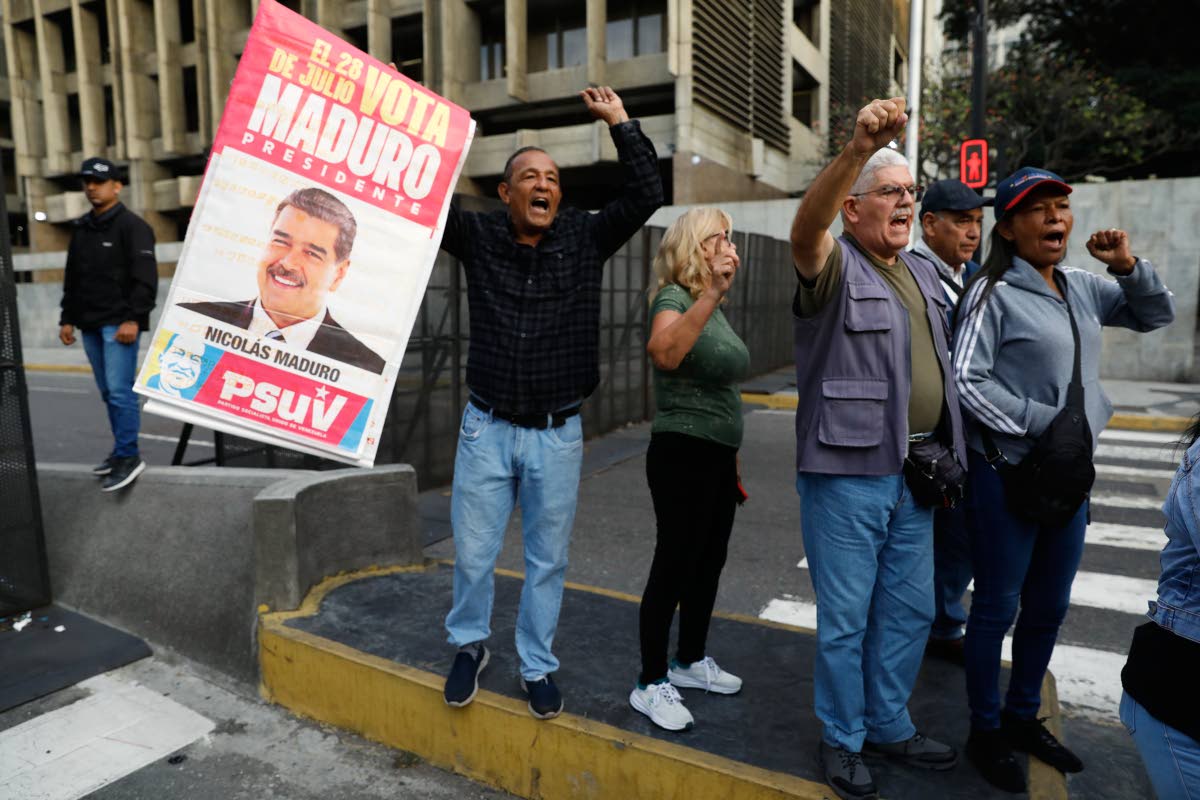
  • Unease in Caracas after US strike

    Unease in Caracas after US strike

    In an unprecedented military operation, United States forces have captured Venezuelan President Nicolás Maduro and his wife following a large-scale assault on the South American nation. The dramatic events unfolded in the early hours of January 3rd, when explosions rocked Venezuela’s capital city of Caracas at approximately 1:50 AM local time.

    President Donald Trump confirmed the operation through social media, characterizing the action as a decisive strike against the Venezuelan leadership. According to international media reports, the military intervention resulted in multiple casualties among government officials, military personnel, and civilians caught in the crossfire.

    The operation marks a significant escalation in the ongoing tensions between the United States and Venezuela, following months of missile strikes targeting suspected narcotics trafficking operations in the Caribbean Sea and Eastern Pacific regions. These previous engagements had already claimed over 100 lives before culminating in the ground assault that resulted in Maduro’s capture.

    Eyewitness accounts and photographic evidence depict a city in chaos, with pedestrians fleeing through streets as low-flying aircraft buzzed overhead. The port of La Guaira showed significant damage with destroyed containers littering the area, while smoke billowed from La Carlota airport and various locations throughout the capital.

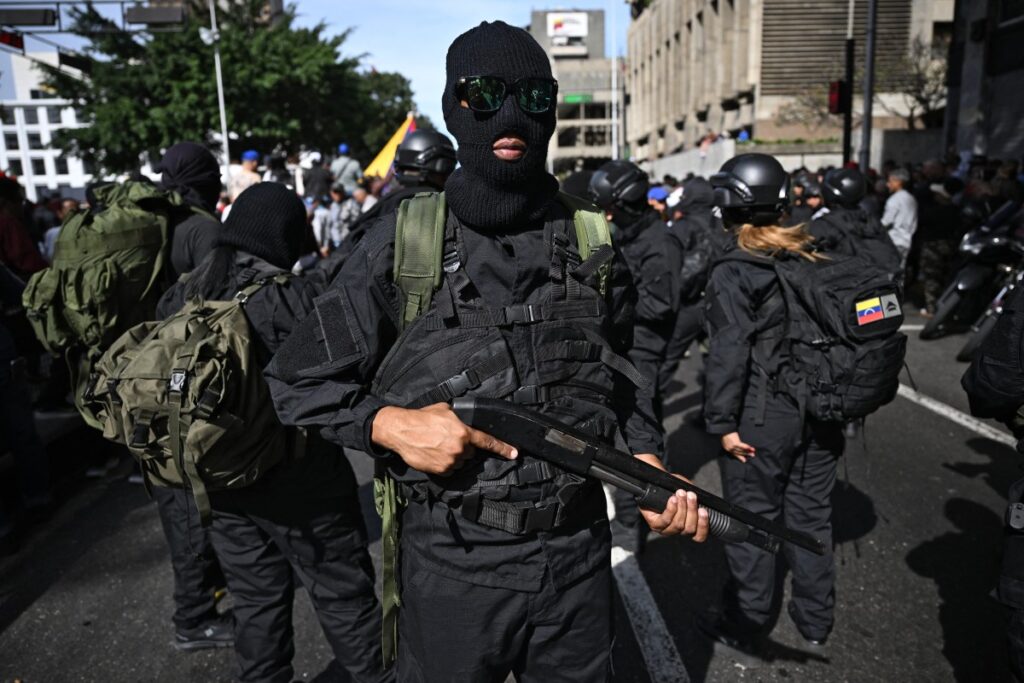
    National Guard armored vehicles swiftly deployed to secure key areas, particularly around the Miraflores presidential palace, as residents evacuated buildings in the vicinity. The successful extraction of Maduro and his wife from Venezuelan territory represents one of the most significant geopolitical developments in recent Latin American history, with potentially far-reaching implications for regional stability and international relations.

  • PM: TT relations with Venezuela will be strengthened

    PM: TT relations with Venezuela will be strengthened

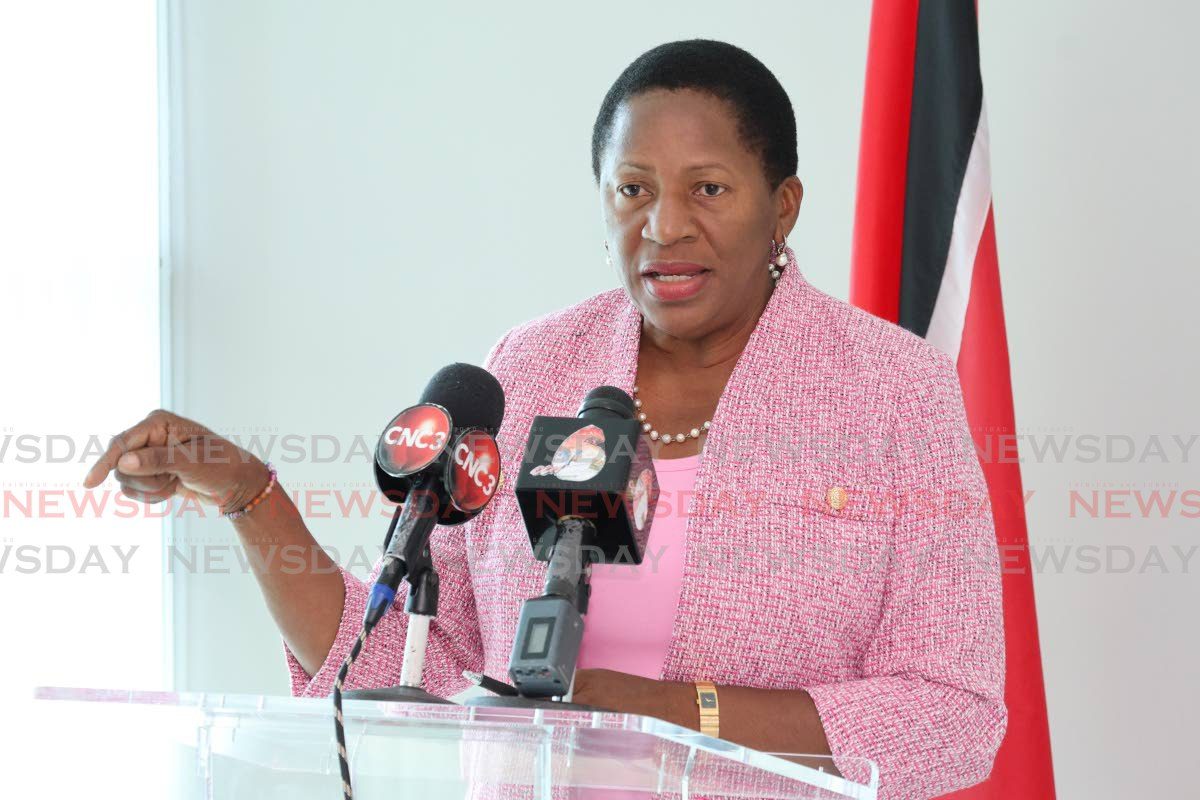
    Caribbean nations are exhibiting starkly divergent responses to the unprecedented US military intervention in Venezuela that resulted in the capture of President Nicolás Maduro. Prime Minister Kamla Persad-Bissessar of Trinidad and Tobago expressed optimism about the development, characterizing it as a transition from “oppression and dictatorship” toward democracy. In her official statement, she anticipated strengthened bilateral relations with Venezuela under US-led governance.

    The military operation, confirmed by US President Donald Trump on January 3rd, involved strikes on Caracas and the extraction of Maduro and his wife Cilia Flores. Trump announced that the United States would assume administrative control of Venezuela following these actions.

    In contrast, Opposition Leader Pennelope Beckles condemned the intervention as “deeply troubling,” emphasizing Trinidad and Tobago’s traditional commitment to non-interference principles and peaceful dispute resolution. Beckles criticized the Prime Minister for failing to address the safety of Trinidadian embassy staff in Caracas during initial statements.

    Acting Foreign Affairs Minister Barry Padarath subsequently confirmed that all Trinidad and Tobago personnel at the Caracas embassy remained safe and were continuing normal operations despite the military action.

    The Caribbean Community (CARICOM) convened an emergency session to address the crisis, with Barbados Prime Minister Mia Mottley acknowledging the complexity of balancing relationships with both Venezuela and the United States. CARICOM stated it would continue monitoring the situation before taking a collective position, recognizing the potential implications for regional stability.

    Historian Dr. Jerome Teelucksingh contextualized the intervention within historical US foreign policy patterns, noting similarities to operations in Iraq and Libya. He warned of potential refugee crises affecting Trinidad and Tobago and criticized Caribbean dependence on external powers for regional security matters, calling for stronger regional governance mechanisms.

  • PNM: Paying more to register births, deaths ‘insulting’

    PNM: Paying more to register births, deaths ‘insulting’

    In a scathing critique of the current administration, Opposition Leader Pennelope Beckles has vehemently condemned the government’s sweeping increases to civil registry fees and customs charges that took effect January 1st. Beckles characterized the measures as “reckless, desperate, and insulting” to the citizens of Trinidad and Tobago, marking a significant escalation in political tensions.

    The revised fee structure, gazetted on Christmas Day, introduces substantially higher costs for essential services. Late birth registration (between three months and one year) now costs $40, while registrations for children over one year require written authority and carry fees of $100-$150. Corrections to birth registers now incur a $30 charge, while certified copies of birth or death certificates range from $25 to $50.

    Beckles specifically highlighted the irony of taxing citizens at moments of birth and death while questioning the government’s failure to deliver on campaign promises, particularly the previously pledged “baby grant.” She asserted that “this is a government that has chosen to attack citizens” rather than implement sustainable economic policies.

    The opposition leader’s criticism extends beyond civil registry fees to encompass doubled customs declaration fees (from $40 to $80 per package) and significantly increased container examination charges. Traffic penalties have also seen dramatic increases, with fines for speeding, seatbelt violations, and uninsured driving all doubling.

    Beckles warned that these measures represent poor fiscal management and government overreach that will disproportionately affect small and medium enterprises (SMEs) and households already facing financial strain. She argued that increased customs charges would drive up business costs, slow commercial activity, and ultimately force consumers to bear higher prices for everyday goods.

    The opposition leader challenged Prime Minister Kamla Persad-Bissessar and Finance Minister Dave Tancoo to publicly address what she termed “draconian and harsh measures,” suggesting the fee hikes indicate the administration’s failure to meet revenue projections from the 2025/26 budget.

  • Macron says Venezuela’s Gonzalez Urrutia should lead post-Maduro transition

    Macron says Venezuela’s Gonzalez Urrutia should lead post-Maduro transition

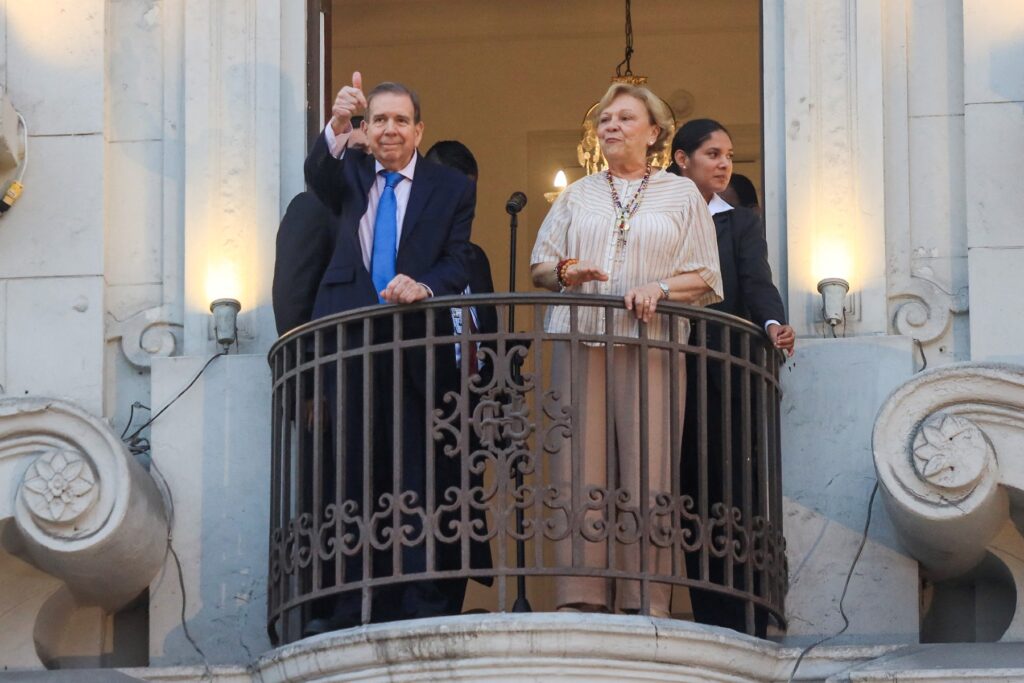
    PARIS — French President Emmanuel Macron has publicly endorsed the prospect of a new political era for Venezuela, following the capture of President Nicolas Maduro by U.S. forces. In a statement released on the social media platform X, Macron declared that the Venezuelan people are now “rid of the dictatorship” and expressed strong support for the 2024 presidential candidate, Edmundo Gonzalez Urrutia, to spearhead a peaceful transition of power.

    Macron’s remarks position France as a key Western ally in recognizing the dramatic shift in Venezuela’s political landscape. The French leader stated that the international community “could only rejoice” at the United States’ decision to remove Maduro from power, framing it as a liberation for the Venezuelan populace.

    The backdrop to this development stems from the highly contested 2024 Venezuelan presidential election. While Gonzalez Urrutia was widely acknowledged by international observers as the legitimate winner, Maduro’s regime had proclaimed itself victorious. This disputed result triggered widespread civil unrest, which was met with a violent and deadly crackdown by state security forces under Maduro’s command.

    Macron’s call for Gonzalez Urrutia to “ensure this transition as quickly as possible” adds significant European diplomatic weight to the ongoing crisis. This intervention is likely to influence other nations within the European Union to solidify their stance on recognizing a new government in Caracas, marking a pivotal moment in international relations concerning the Latin American nation.

  • Venezuela’s Maduro arrives in US after abduction

    Venezuela’s Maduro arrives in US after abduction

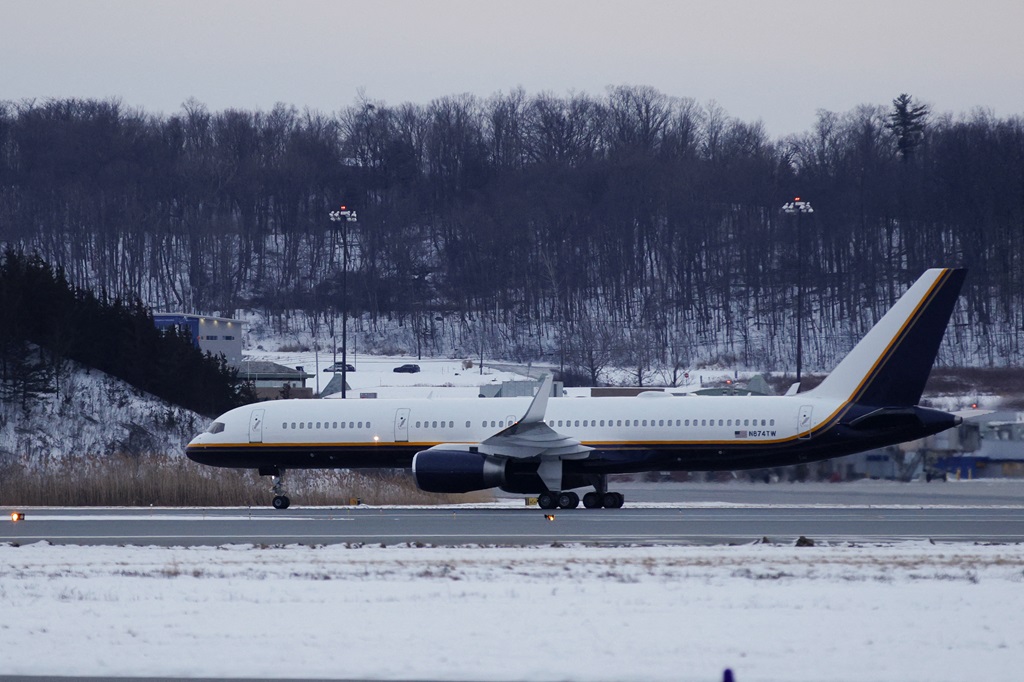
    In an unprecedented military operation, Venezuelan President Nicolas Maduro was apprehended by United States forces in Caracas and transported to American soil on Saturday evening. The leftist leader arrived under heavy FBI escort at a National Guard facility in Newburgh, New York, marking a dramatic escalation in the ongoing political conflict between the two nations.

    Eyewitnesses reported observing Maduro surrounded by federal agents as he disembarked from a US government aircraft. The Venezuelan president was subsequently escorted across the tarmac under tight security, with plans underway for his transfer via helicopter to New York City where he faces serious narcotics trafficking indictments.

    The capture operation involved a targeted bombing raid in the Venezuelan capital that successfully extracted both Maduro and his wife from the country. This military action represents one of the most significant interventions in recent Western Hemisphere relations.

    Concurrent with the operation, US President Donald Trump addressed journalists from his Florida residence, announcing plans for temporary American administration of Venezuela. The administration intends to manage the country’s transition while accessing its substantial petroleum reserves during this interim period.

    “Our administration will oversee national operations until we can facilitate a secure, appropriate, and lawful transition of power,” Trump stated, underscoring the temporary nature of the extraordinary measure. This development signals a new chapter in the complex diplomatic relationship between the United States and Venezuela, with potential ramifications for regional stability and international law.

  • Opposition Leader: US attack in Venezuela ‘deeply troubling’

    Opposition Leader: US attack in Venezuela ‘deeply troubling’

    Opposition Leader Pennelope Beckles has issued a sharp rebuke of Prime Minister Kamla Persad-Bissessar’s response to the recent US military operation in Caracas, condemning her failure to address the safety concerns of Trinidad and Tobago embassy personnel stationed in the Venezuelan capital.

    The criticism follows early morning operations on January 3rd when US Delta Force special operations units conducted a large-scale strike in Caracas, reportedly resulting in the capture of Venezuelan President Nicolas Maduro and his wife Cilia Flores. The operation occurred amid significant US military mobilization in the Caribbean region, including the positioning of the USS Gerald R. Ford aircraft carrier and multiple warships.

    Beckles characterized the Prime Minister’s three-line statement acknowledging the events as insufficient, noting it completely omitted reference to Trinidad’s diplomatic presence in Venezuela. “We place on record our concern for the safety and welfare of the staff and all TT nationals in Venezuela,” Beckles stated, describing the military intervention as “deeply troubling.”

    The Opposition Leader emphasized that while some operational details remain unconfirmed, any military development within Trinidad’s immediate geographic sphere represents a matter of serious concern for the nation, CARICOM, and the broader Caribbean community. Beckles reiterated her party’s commitment to maintaining the Caribbean as a zone of peace, upholding principles of sovereignty, non-interference, and peaceful dispute resolution.

    Citing recent US military actions including the seizure of two Venezuelan oil tankers and deadly strikes on alleged drug trafficking vessels that killed over 100 people, Beckles called for restraint from all involved parties. She urged adherence to international law and emphasized that “the protection and preservation of human life must remain paramount.”

    Prime Minister Persad-Bissessar, in her social media response, acknowledged the attacks but explicitly stated that “Trinidad and Tobago is not a participant in any of these ongoing military operations.”

  • Trump says US ‘will run’ Venezuela until ‘safe’ transition; opens doors to American oil firms

    Trump says US ‘will run’ Venezuela until ‘safe’ transition; opens doors to American oil firms

    PALM BEACH, United States — In a landmark announcement, President Donald Trump declared the United States would assume administrative control of Venezuela pending a political transition, following a successful military operation that removed Venezuelan leader Nicolas Maduro from power. The unprecedented statement came during a press conference where Trump outlined sweeping changes to Venezuela’s governance and economic structure.

    Trump confirmed US forces remain prepared to execute “much bigger” additional military strikes if required to maintain stability. The President simultaneously unveiled plans for American petroleum corporations to immediately enter Venezuela and develop its substantial crude oil reserves, describing the nation’s energy infrastructure as “badly broken” and requiring billions in investment.

    “Our premier US oil companies—the world’s largest—will invest substantially to rehabilitate Venezuela’s crippled oil infrastructure and generate national revenue,” Trump stated, while emphasizing that the comprehensive oil embargo against Venezuela remains rigorously enforced.

    The administration’s strategy included recent seizures of multiple oil tankers violating US sanctions as part of a sustained military pressure campaign preceding Maduro’s removal. Trump issued stern warnings to remaining Venezuelan political and military figures, indicating they could face similar consequences to Maduro if they oppose the transition.

    Venezuela’s oil industry, producing approximately one million barrels daily, has operated under US sanctions since 2019, forcing most sales onto black markets at significantly reduced prices. The Trump administration alleges Caracas has utilized oil revenues to fund international criminal activities including narcoterrorism, human trafficking, and organized violence.

  • Alexander, chief immigration officer discuss priorities

    Alexander, chief immigration officer discuss priorities

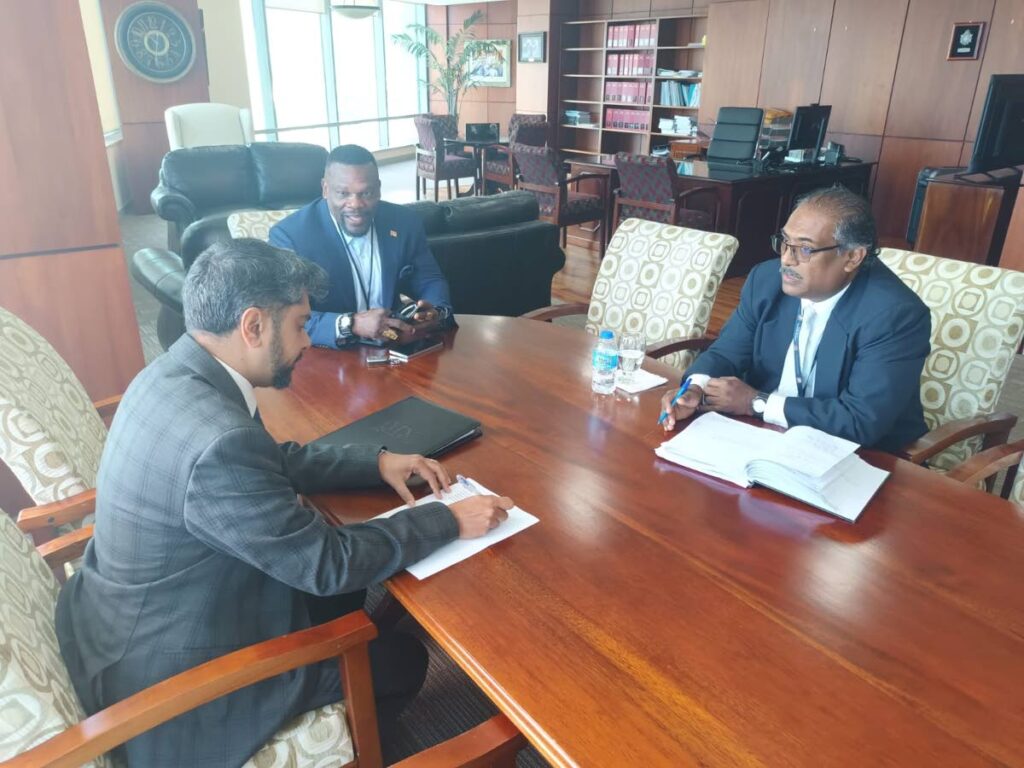
    The Ministry of Homeland Security of Trinidad and Tobago has announced a comprehensive four-pillar strategic framework for 2026 following a high-level meeting on January 2. Minister Roger Alexander convened with Permanent Secretary Videsh Maharaj and Acting Chief Immigration Officer Gewan Haricoo to establish the nation’s security priorities for the coming year.

    The strategic blueprint centers on digital transformation, with plans to implement electronic disembarkation cards to streamline border entry processes and significantly reduce passenger waiting times. Security enhancements form the second pillar, featuring a comprehensive review of registration protocols for undocumented migrants to strengthen legal compliance.

    Infrastructure modernization constitutes the third strategic priority, focusing on technological upgrades to the Immigration Detention Center (IDC) with advanced security systems and improved humane facilities. The final pillar addresses public service accessibility, prioritizing the reopening of the San Fernando Immigration Office to better serve southern residents.

    This strategic announcement follows closely on the heels of significant fee adjustments implemented January 1 under the Immigration (Amendment) Regulations, 2025. Standard adult passport costs have doubled from $250 to $500, while business passport fees increased to $700 from $350. Expedited processing services now cost $600, and replacement fees for lost valid passports have risen to $2,000 for both children and adults.

    The ministry characterizes these changes as essential components of the government’s commitment to modernizing border management systems and improving service delivery efficiency across all immigration operations.