分类: politics

  • ‘That’s enough’: Greenland PM urges Trump to drop annex threats

    ‘That’s enough’: Greenland PM urges Trump to drop annex threats

    COPENHAGEN, Denmark — International leaders have united in condemnation following President Donald Trump’s renewed assertions regarding United States territorial ambitions toward Greenland. The autonomous Danish territory’s Prime Minister Jens-Frederik Nielsen issued a forceful rebuke via social media, stating: “That’s enough now. No more pressure. No more insinuations. No more fantasies of annexation.”

    The controversy emerged during President Trump’s comments to journalists aboard Air Force One on Sunday, where he articulated strategic motivations behind potential acquisition of the mineral-rich Arctic territory. “We need Greenland from the standpoint of national security, and Denmark is not going to be able to do it,” Trump stated, referencing the island’s geopolitical significance amid changing Arctic conditions.

    Greenland possesses substantial untapped reserves of rare earth minerals and occupies a critical position along emerging shipping routes as polar ice recedes. Additionally, the territory lies along the shortest missile trajectory between Russia and the United States, hosting an existing American military installation at Thule Air Base.

    Danish Prime Minister Mette Frederiksen joined the growing diplomatic pushback, urging the United States to cease threatening rhetoric toward its traditional ally. By Monday, multiple European nations and the European Union had expressed solidarity with Copenhagen’s position.

    Prime Minister Nielsen emphasized Greenland’s openness to diplomatic engagement while insisting on proper channels: “We are open to dialogue. We are open to discussions. But this must happen through the proper channels and with respect for international law.”

    The administration’s renewed interest in Greenland follows heightened military involvement in Venezuela, raising concerns about expanded territorial ambitions. President Trump indicated forthcoming attention to the matter, noting “We’ll worry about Greenland in about two months” and suggesting more immediate discussion within “20 days.”
  • St Vincent gov’t says situation in Venezuela of ‘grave concern’ to region

    St Vincent gov’t says situation in Venezuela of ‘grave concern’ to region

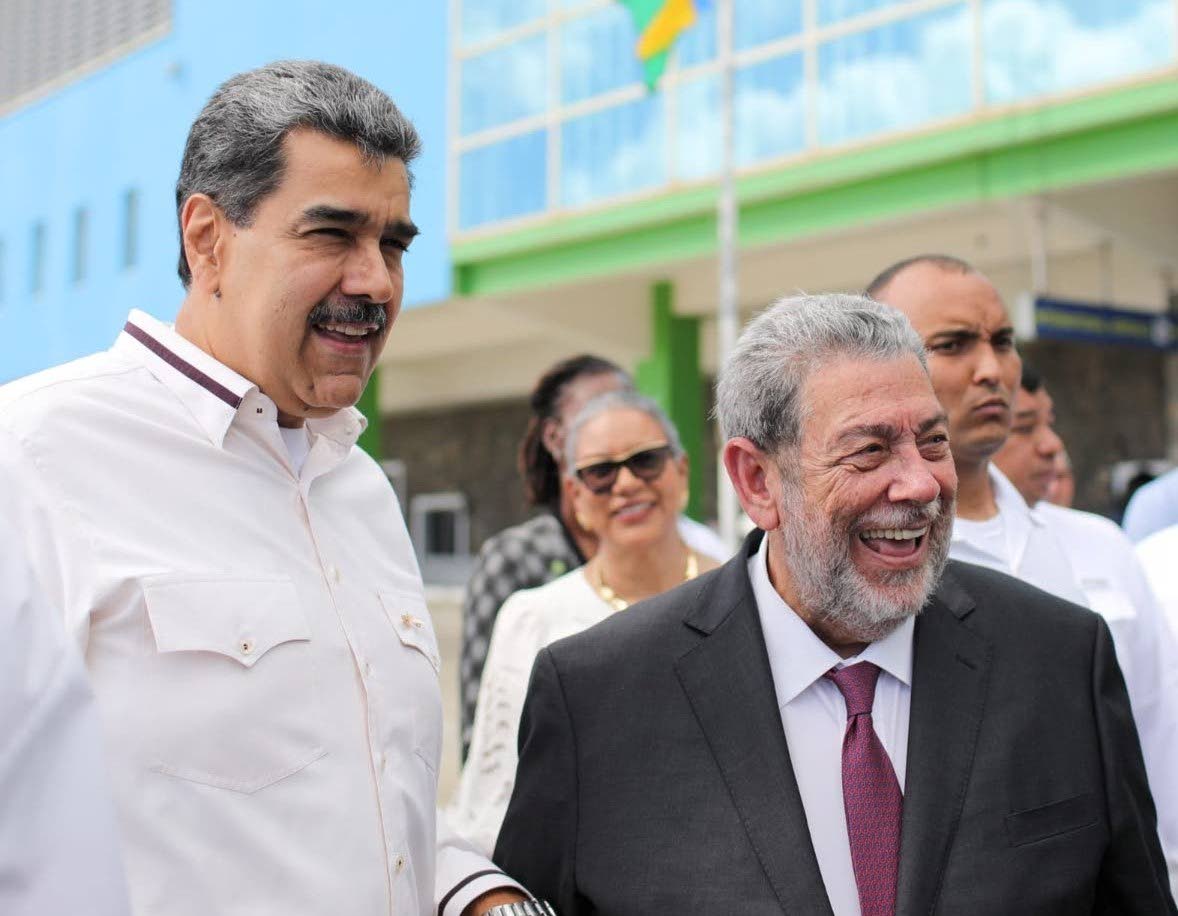
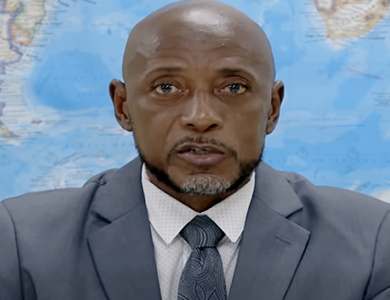
    KINGSTOWN, St. Vincent (CMC) – The newly installed government of St. Vincent and the Grenadines has declared it is vigilantly observing the escalating political and military crisis in Venezuela after United States forces reportedly captured the nation’s President, Nicolas Maduro, and his spouse. Foreign Affairs Minister Fitz Bramble characterized the situation as one of ‘grave concern’ for both the small island developing state and the wider Caribbean region. Minister Bramble, a former diplomat, emphasized that the nation’s allegiance lies with the collective diplomatic stance of the Caribbean Community (CARICOM), which has consistently advocated for peaceful dialogue and the strict adherence to international law. He confirmed that Prime Minister Dr. Godwin Friday’s administration, barely a month into its term, is assessing the potential far-reaching economic and political ramifications for its own nation. The SVG government remains in constant communication with its embassy in Caracas, where Ambassador Gareth Bynoe has reported that all diplomatic personnel are safe and no Vincentian nationals in Venezuela have yet sought consular assistance. While acknowledging friendships with both Venezuela and the United States, the government has pledged to keep its citizens informed as the volatile situation continues to develop.

  • Dominica agrees to accept refugees from US

    Dominica agrees to accept refugees from US

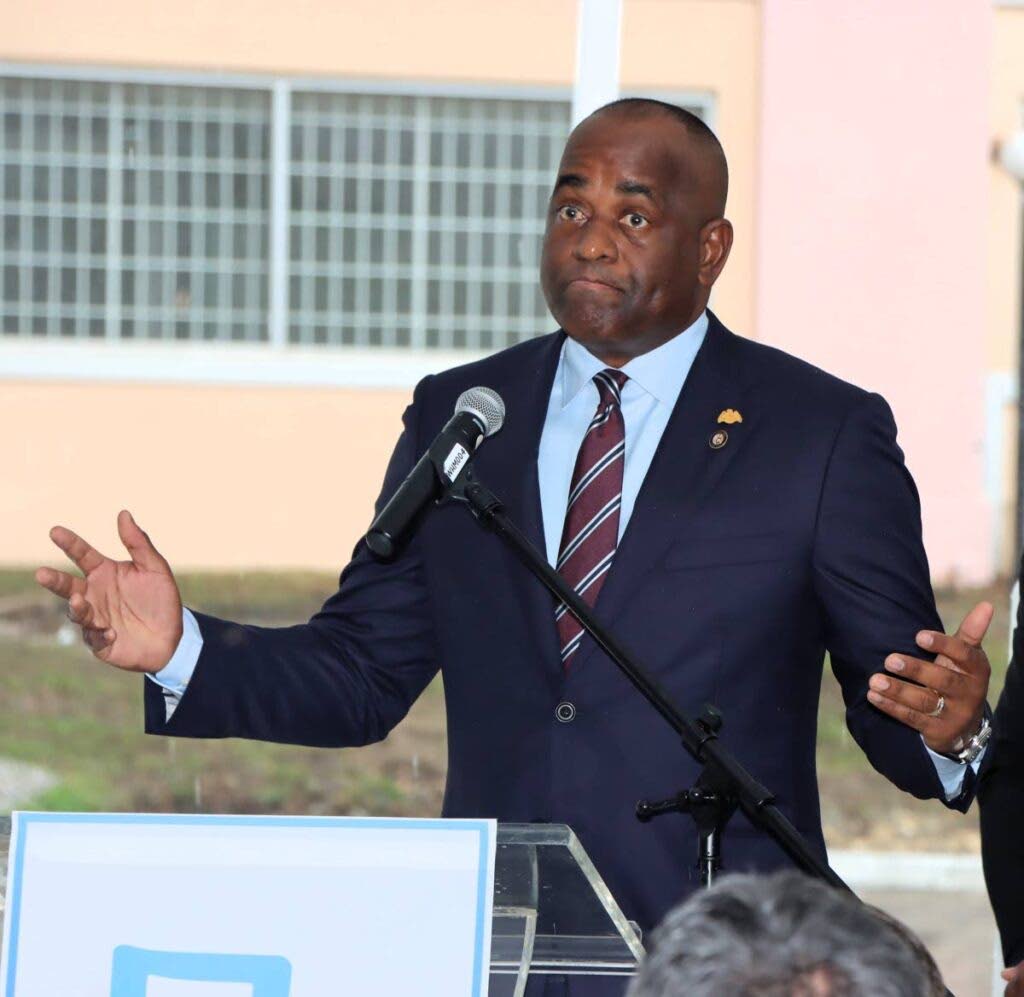
    In a significant diplomatic development, the Commonwealth of Dominica has formally agreed to accept non-national refugees from the United States under a carefully negotiated arrangement. Prime Minister Roosevelt Skerrit confirmed the agreement at a press conference, revealing that his administration will accept third-party refugees who meet specific non-violence criteria.

    The agreement emerges against a backdrop of recent tensions, coming less than a month after the United States imposed travel restrictions on Dominica effective January 1, 2026. This timing highlights the complex nature of bilateral relations between the two nations.

    Prime Minister Skerrit emphasized the thorough negotiations with the U.S. State Department, stating, “Our discussions included careful deliberation to ensure we avoid receiving violent individuals or those who might compromise Dominica’s national security. These concerns have been acknowledged and well received by the State Department.”

    The decision, according to Skerrit, stems from Dominica’s “responsibility to safeguard the wellbeing of our people, particularly their access to lawful travel, education, employment and family connections, while strengthening cooperation between our governments.”

    The refugee agreement has drawn commentary from regional leaders, including Trinidad and Tobago’s Prime Minister Kamla Persad-Bissessar, who previously suggested that visa restrictions on Dominica and Antigua and Barbuda resulted from these nations “badmouthing” the United States. Persad-Bissessar cautioned Trinidad and Tobago citizens to “behave” to avoid similar restrictions.

  • Delcy to US: Let’s co-operate based on international law

    Delcy to US: Let’s co-operate based on international law

    In the wake of former President Nicolás Maduro’s extraordinary rendition to the United States, Venezuela’s Acting President Delcy Rodríguez has issued a profound appeal for international peace and sovereign respect. The dramatic capture of Maduro and his wife Cília Flores by U.S. forces from a Caracas compound on January 3rd has triggered a diplomatic crisis with far-reaching implications.

    Through an official Facebook communiqué delivered on January 4th, Rodríguez articulated Venezuela’s vision for peaceful coexistence amidst escalating tensions. ‘Our nation aspires to exist free from external threats within a framework of mutual respect and international cooperation,’ she declared, emphasizing that global stability originates from securing peace within individual nations.

    The acting president outlined Venezuela’s diplomatic priorities, stressing the necessity for ‘balanced and respectful international relations between the United States and Venezuela, founded upon principles of sovereign equality and non-interference.’ This statement represents both a diplomatic overture and a subtle condemnation of the military operation that extracted the South American leader.

    Rodríguez directly addressed the Trump administration’s allegations of narco-terrorism against Maduro’s government—charges consistently denied by Venezuelan officials—while proposing an alternative path forward. She called for bilateral collaboration ‘within the framework of international law to strengthen lasting community coexistence,’ explicitly urging President Trump to choose dialogue over confrontation.

    In a poignant tribute, Rodríguez alongside Foreign Minister Yván Eduardo Gil Pinto honored 32 Cuban combatants reportedly killed during the extraction operation. Through Telegram channels, she memorialized these ‘martyred brothers’ as embodiments of courage and dignity, their sacrifice now ‘planted in the sacred land of Simón Bolívar.’

    The acting president’s message transcends mere diplomatic rhetoric, representing a strategic positioning of Venezuela as a nation committed to peaceful resolution despite experiencing what it characterizes as ‘criminal U.S. military aggression.’ Her statements reflect both the immediate crisis response and a broader vision for Venezuela’s future regional role.

  • Six members of the judiciary sworn in to serve in higher offices

    Six members of the judiciary sworn in to serve in higher offices

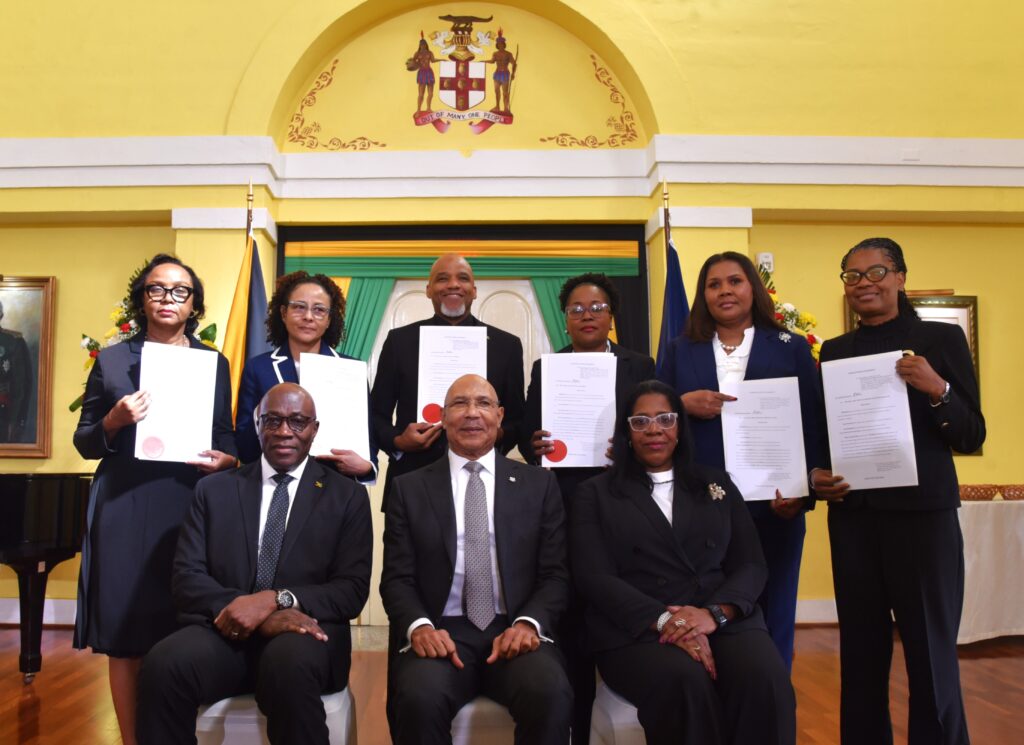
    KINGSTON, Jamaica—In a significant ceremony at King’s House on Monday, Governor-General Sir Patrick Allen presided over the swearing-in of six judicial officials to elevated positions within Jamaica’s legal system. The appointments signal both continuity and progress in the nation’s ongoing judicial reforms.

    Justice Lorna Shelly-Williams and Justice Carolyn Tie-Powell assumed their roles as acting judges of appeal, with their tenure extending from January 12 to March 27, 2026. Simultaneously, Kamar Henry-Anderson and Chester Crooks were inaugurated as acting puisne judges, while Christine McNeil and Yvette Wentworth Miller took office as acting masters-in-chambers, both appointments effective from January 7 through March 27, 2026.

    Governor-General Allen emphasized that these appointments reflect not only the legal expertise of the individuals but also the nation’s confidence in their judicial independence, character, and dedication to public service. “Your continued appointments demonstrate the trust placed in your ability to exercise judicial responsibilities with fairness, integrity, and independence,” he stated. “The nation expects you to maintain the highest standards of your office.”

    The ceremony also served as an occasion to highlight the judiciary’s substantial advancements. Governor-General Allen reported “tangible and commendable progress” over the past year, including improved case management, administrative efficiency, and significant reduction of case backlogs, particularly within parish courts. These achievements, he noted, result from strategic planning, disciplined implementation, and a collective commitment to enhancing justice delivery.

    Digital innovation emerged as a cornerstone of Jamaica’s judicial modernization. The introduction of live-streamed court proceedings represents a pivotal step toward greater transparency and public accountability, helping demystify judicial processes and reinforce confidence in the rule of law. Allen acknowledged that while challenges within the judiciary are not unique to Jamaica, the progress demonstrates institutional resilience and capacity for sustained reform.

    President of the Court of Appeal, Justice Marva McDonald Bishop, congratulated the appointees and urged them to embrace the mindset of “learning judges” throughout their careers. She emphasized that judicial humility—essential for proper duty execution and public confidence—stands in direct opposition to judicial arrogance, a trait all must vigilantly avoid.

    Chief Justice Bryan Sykes encouraged the judiciary to continue pursuing excellence and announced that within approximately twelve weeks, several judicial divisions—including the Court of Appeal, the high court division of the gun court in Kingston, the St Thomas Parish Court, and the Court Administration Division—are expected to achieve ISO certification. “Despite the challenges of 2025,” Sykes affirmed, “2026 will see us becoming more efficient and better equipped to deliver first-class, fair, and effective justice services.”

    Responding on behalf of the appointees, Justice Shelly-Williams expressed gratitude and acknowledged the challenges inherent in judicial office, pledging to undertake their responsibilities with diligence and fortitude.

  • Ex-St Vincent PM: Can Maduro get fair trial in US?

    Ex-St Vincent PM: Can Maduro get fair trial in US?

    Dr. Ralph Gonsalves, former Prime Minister of St. Vincent and the Grenadines, has raised serious concerns regarding the possibility of Venezuelan President Nicolás Maduro receiving an impartial trial in the United States. His remarks came during a January 5th press conference, merely two days after U.S. military forces conducted a controversial operation in Caracas that resulted in the capture of Maduro and his wife. The intervention reportedly claimed the lives of at least 80 individuals, including members of the presidential security detail.

    Gonsalves drew historical parallels to what he characterized as politically motivated prosecutions, cautioning that President Donald Trump’s administration is actively reviving the Monroe Doctrine’s principles to assert dominance throughout the Western Hemisphere. The Venezuelan leader faces multiple charges in U.S. courts, including narco-terrorism, cocaine importation conspiracy, and illegal weapons possession.

    Highlighting the paradoxical nature of the situation, Gonsalves referenced Trump’s own 2024 claims about being unable to obtain a fair trial in the U.S. regarding classified documents allegations. The former prime minister emphasized that military operations should not be conflated with legitimate law enforcement procedures, stating that the Venezuela intervention represents a systematic undermining of multilateralism in favor of unilateral action—a approach the Trump administration openly acknowledges.

  • Americas ‘do not belong’ to any power — Mexican president

    Americas ‘do not belong’ to any power — Mexican president

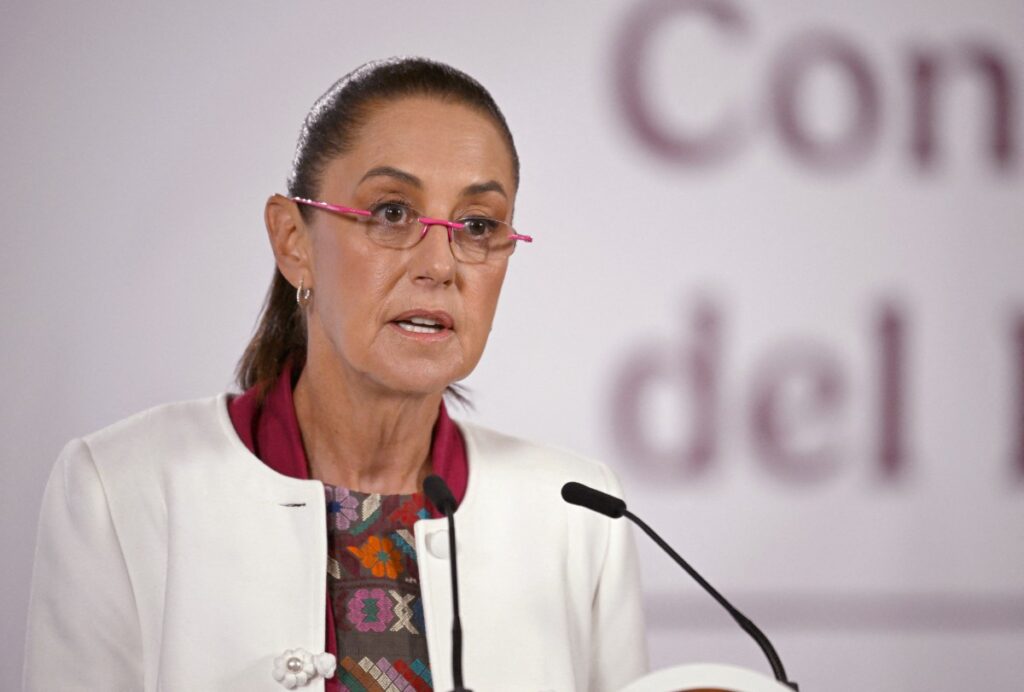
    MEXICO CITY, Mexico – Mexican President Claudia Sheinbaum delivered a sharp diplomatic rebuttal on Monday against remarks from former U.S. President Donald Trump, who invoked the historic Monroe Doctrine to justify a recent military operation in Venezuela. The exchange signals escalating tensions over hemispheric sovereignty and foreign policy approaches in the Americas.

    Trump characterized the weekend raid, which resulted in the capture of Venezuelan leader Nicolas Maduro, as a modern application of the 1823 Monroe Doctrine—a policy originally articulated by President James Monroe asserting that the Americas were off-limits to further European colonization and under U.S. influence.

    In a firm response, President Sheinbaum challenged this worldview during a press conference, stating unequivocally, ‘The Americas do not belong to any doctrine or any power. The American continent belongs to the peoples of each of the countries that comprise it.’ Her comments underscore a growing resistance among Latin American nations against external intervention and great-power dominance.

    The incident highlights deepening ideological divisions within the hemisphere, particularly between left-leaning governments in Latin America and U.S. foreign policy strategies. Analysts suggest that Sheinbaum’s statement may rally regional support ahead of key diplomatic meetings, reinforcing calls for non-intervention and mutual respect among American states.

  • Venezuela military recognises Maduro’s VP as acting president

    Venezuela military recognises Maduro’s VP as acting president

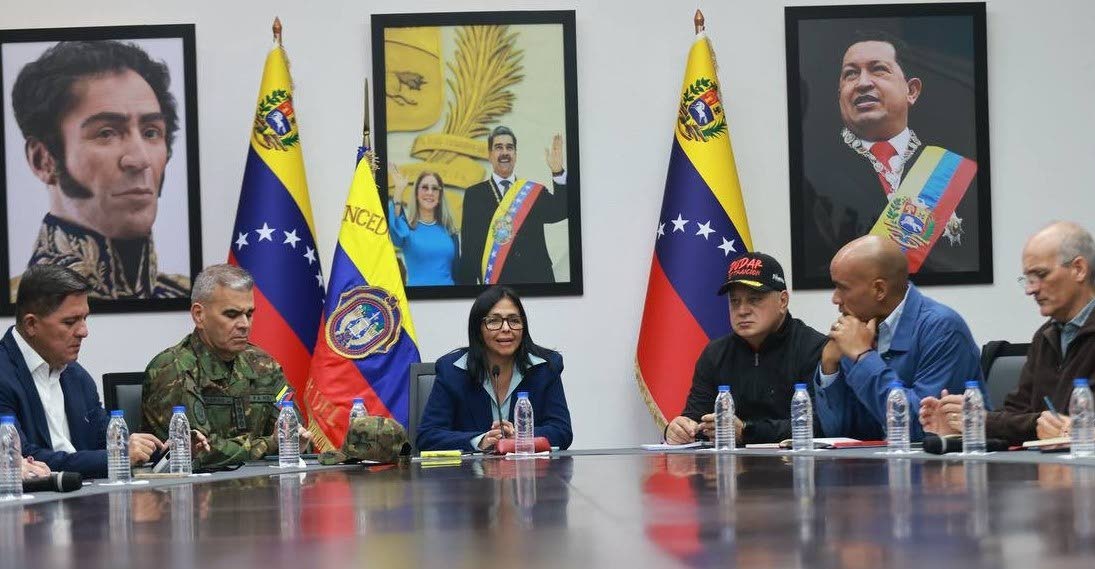
    CARACAS, Venezuela — Venezuela’s military establishment has formally endorsed Delcy Rodríguez as the nation’s interim leader following the extraordinary capture of former President Nicolás Maduro by U.S. special forces. The seismic political shift occurred after American operatives successfully extracted the ousted leftist leader to face international justice.

    In a nationally televised address on Sunday, Defense Minister Vladimir Padrino López threw the military’s substantial weight behind Rodríguez, who previously served as Maduro’s deputy. The endorsement came in response to a Supreme Court ruling that appointed Rodríguez to serve as acting president for a 90-day period during the constitutional crisis.

    Padrino López characterized Maduro’s extraction as a ‘cowardly kidnapping’ operation, alleging that several of the former president’s security detail were ‘killed in cold blood’ during the confrontation, along with Venezuelan military personnel and civilians. Venezuelan authorities have not yet released official casualty figures from the operation that shook the capital city.

    The defense minister urged citizens to return to normalcy despite the political turbulence, calling for the resumption of economic, educational, and workplace activities. ‘The homeland must follow its constitutional course,’ Padrino López stated, emphasizing institutional continuity.

    The streets of Caracas remained unusually quiet and largely deserted on Sunday, with many commercial establishments closed and only moderate queues forming at essential services such as pharmacies and markets. The muted public response reflected the nation’s uncertain political landscape following the dramatic events that unfolded when U.S. forces executed Operation Absolute Resolve on January 3, 2026.

    The development marks a significant turning point in Venezuela’s prolonged political crisis, with the military’s endorsement providing crucial institutional support for Rodríguez’s interim administration. The move aligns with earlier indications from U.S. President Donald Trump that Washington might be willing to work with Rodríguez’s government.

  • Switzerland to freeze any Maduro assets ‘with immediate effect’

    Switzerland to freeze any Maduro assets ‘with immediate effect’

    GENEVA, Switzerland—In a significant financial move, the Swiss government announced on Monday the immediate freezing of all assets held within its jurisdiction by former Venezuelan president Nicolas Maduro and his close associates. This decisive action follows the dramatic capture of Maduro in Caracas through a U.S. military operation and his subsequent extradition to New York to face narcotrafficking charges.

    The Federal Council characterized Venezuela’s political climate as ‘volatile’ and justified the asset seizure as a precautionary measure to prevent the potential transfer of illicitly acquired funds from Swiss financial institutions. The freeze, enacted under Switzerland’s Federal Act on the Freezing and Restitution of Illicit Assets Held by Foreign Politically Exposed Persons, will remain in effect for an initial period of four years, pending further evaluation.

    Official statements clarified that the measure specifically targets individuals not previously covered by existing Venezuelan sanctions implemented since 2018. Crucially, the freeze does not apply to members of Venezuela’s current government administration.

    The Swiss government emphasized that the legal circumstances surrounding Maduro’s removal from power—whether constitutional or contrary to international law—do not factor into the asset freezing decision. Rather, the determining consideration is the factual change in power status and the increased likelihood of future legal proceedings by Venezuela regarding allegedly illicit assets.

    Bern concurrently expressed concern over Venezuela’s unstable situation, advocating for de-escalation, restraint, and adherence to international law principles including the prohibition of force and respect for territorial integrity. Switzerland has repeatedly offered its diplomatic services to facilitate peaceful conflict resolution.

    The government further committed that should future legal proceedings confirm the illicit nature of the frozen assets, Switzerland would work to ensure these resources ultimately benefit the Venezuelan population.

  • Caribbean community activists denounce US military strikes, capture of Maduro

    Caribbean community activists denounce US military strikes, capture of Maduro

    NEW YORK — A significant political controversy has erupted following United States military operations in Venezuela, resulting in the capture and extradition of President Nicolás Maduro to face narcotics trafficking charges in New York. The action has drawn sharp criticism from Caribbean community leaders and U.S. congressional representatives who allege constitutional overreach and dangerous foreign policy implications.

    Caribbean-born activists in New York voiced profound concerns regarding regional stability. Grenadian Martin Felix characterized the operation as a manifestation of the “Trump Corollary to the Monroe Doctrine,” prioritizing oil interests over people and normalizing military confrontation in the Caribbean. He emphasized that these actions directly challenge the region’s longstanding aspiration to remain a zone of peace and undermine international legal norms.

    Jamaican activist Delroy Wright linked the vulnerability of Caribbean nations to the failure of the 1960s Caribbean Federation proposal, suggesting that a unified regional body would have provided stronger resistance against foreign intervention. He specifically criticized Trinidad and Tobago Prime Minister Kamla Persad-Bissessar for allegedly enabling Trump’s actions, making every Caribbean nation susceptible to invasion.

    The response from U.S. lawmakers was equally forceful. Caribbean-American Congresswoman Yvette Clarke (D-NY) condemned the unauthorized military strikes as a “brazen affront to the rule of law,” conducted without congressional authorization. The Congressional Black Caucus, which Clarke chairs, labeled the operation a “grave and illegal abuse of power” that prioritizes oil interests over domestic needs like healthcare.

    Democratic leaders Hakeem Jeffries and Chuck Schumer demanded immediate congressional briefings, stressing that while Maduro is an illegitimate leader, bypassing constitutional processes sets a dangerous precedent. They emphasized that the framers vested war-declaring powers solely in Congress as the branch closest to the people.

    In defense of the administration, Republican Senator Tom Cotton, Chairman of the Senate Intelligence Committee, argued that congressional notification isn’t required for criminal arrests, whether domestic or international, comparing Maduro’s capture to routine FBI operations against indicted criminals.

    The unfolding situation highlights a critical tension between executive action and congressional oversight, with significant implications for U.S.-Caribbean relations and international legal norms.