分类: politics

  • Mexican President says people can limit Trump

    Mexican President says people can limit Trump

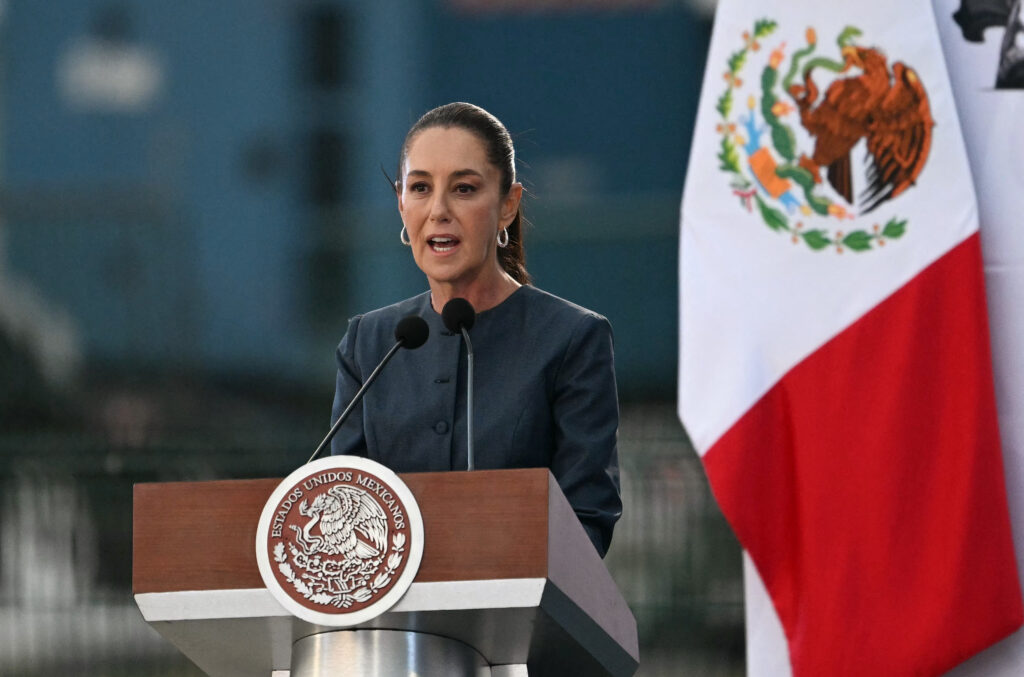
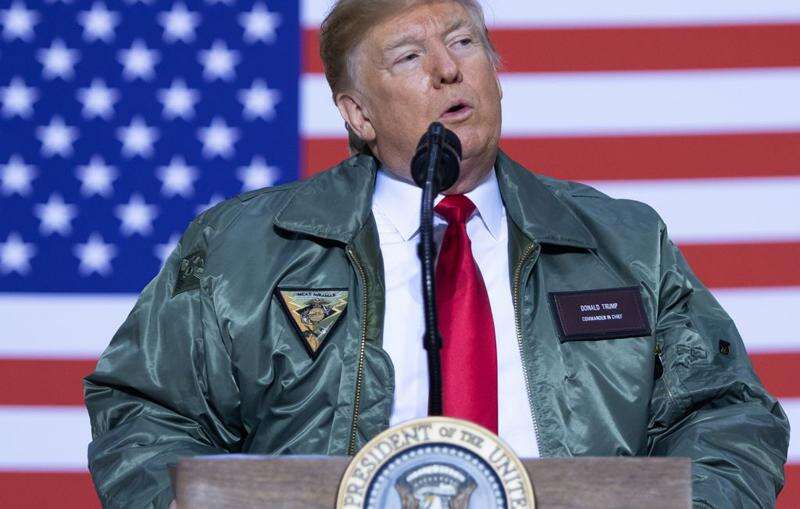
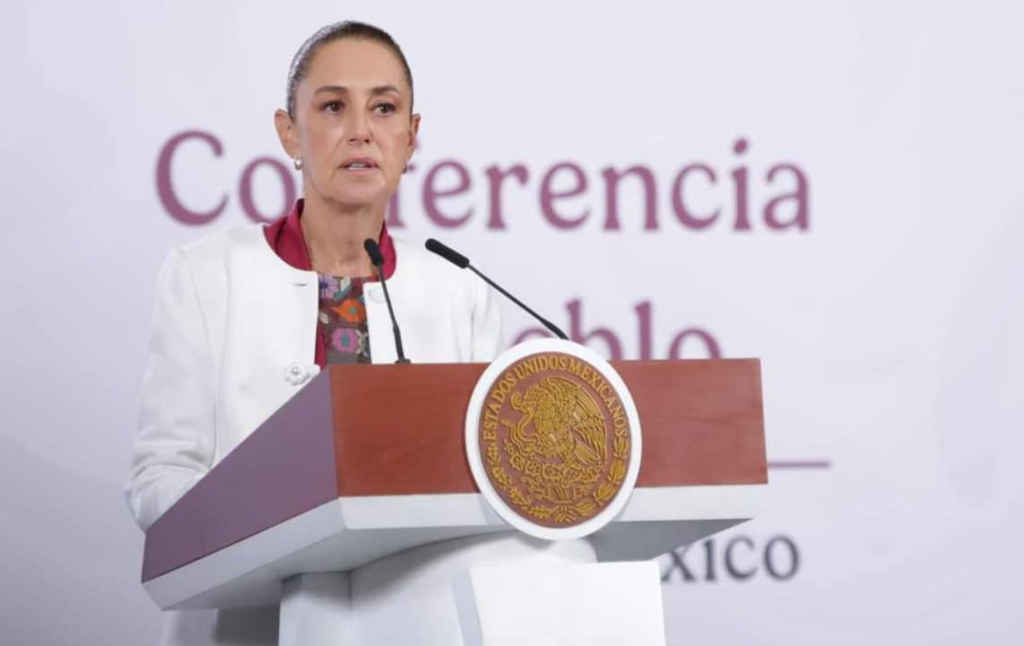
    Mexican President Claudia Sheinbaum has firmly dismissed the possibility of U.S. military intervention in Mexico, emphasizing national sovereignty and a comprehensive domestic approach to tackling organized crime. Her statements came during a routine press conference at the National Palace, where she addressed concerns about former U.S. President Donald Trump’s repeated proposals to deploy American troops into Mexican territory under the pretext of combating drug cartels.

    President Sheinbaum argued that external military involvement would not resolve Mexico’s security challenges, noting that such interventions undermine constitutional principles and national autonomy. Instead, her administration is implementing a four-pillar strategy focused on addressing socioeconomic root causes, ensuring judicial accountability, strengthening institutions, and promoting regional development.

    She also criticized domestic opposition groups that she accused of seeking foreign support to gain political advantage, warning that such approaches ultimately fail to resonate with the Mexican public. The president reaffirmed that unity and a clear vision grounded in Mexico’s legal framework are essential to navigating complex bilateral relations with the United States.

    Sheinbaum expressed confidence that Mexico possesses the capacity and resources to manage its security situation without external interference, highlighting collaboration with international partners on terms that respect Mexican law and self-determination.
  • Cuban Embassy in the US honors fallen combatants in Venezuela

    Cuban Embassy in the US honors fallen combatants in Venezuela

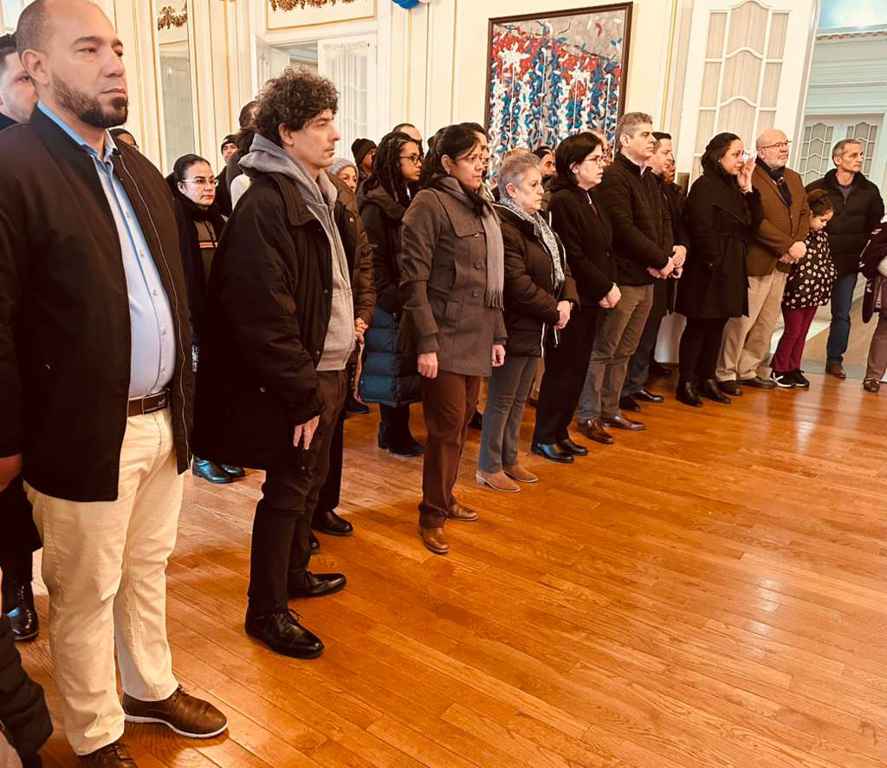
    In a solemn display of diplomatic solidarity, Cuban mission staff assembled Monday morning under the leadership of Head of Mission Lianys Torres to commemorate personnel lost in the line of duty. The gathering transformed into a powerful political demonstration against what officials characterized as imperial aggression targeting Venezuela’s constitutional order.

    Oscar Larralde, addressing colleagues as their representative, condemned Saturday’s offensive against Venezuela and the abduction of its constitutional president as a fundamental assault on national sovereignty. ‘In the face of this aggression,’ Larralde declared, ‘we reaffirm our unwavering solidarity with the Venezuelan people and their legitimate government.’ The diplomat revealed that thirty-two Cuban citizens had perished on Venezuelan soil, their blood serving as testament to the profound solidarity binding the two nations.

    The ceremony evolved into a historical rallying cry, with Larralde invoking the legacy of Major General Antonio Maceo, Cuba’s legendary Bronze Titan from the independence wars. He reiterated Maceo’s uncompromising principle that Cuban independence remains non-negotiable—a warning directed at contemporary ‘imperialist gentlemen’ and ‘circling hawks.’ The official channeled the warrior’s defiant proclamation that any attempt to seize Cuba would yield only ‘blood-soaked dust’ unless aggressors perished in the struggle.

    The emotionally charged event culminated with diplomatic personnel singing Cuba’s National Anthem with fervent patriotism, followed by vocal acclamations celebrating Cuba, its revolutionary tradition, and current leadership. The gathering simultaneously functioned as a memorial for fallen heroes and a strategic political statement reinforcing Cuba’s alliance with Venezuela’s government amid escalating regional tensions.

  • Full Court appeal of Chief Justice’s decision could delay start of Mohameds’ extradition hearing

    Full Court appeal of Chief Justice’s decision could delay start of Mohameds’ extradition hearing

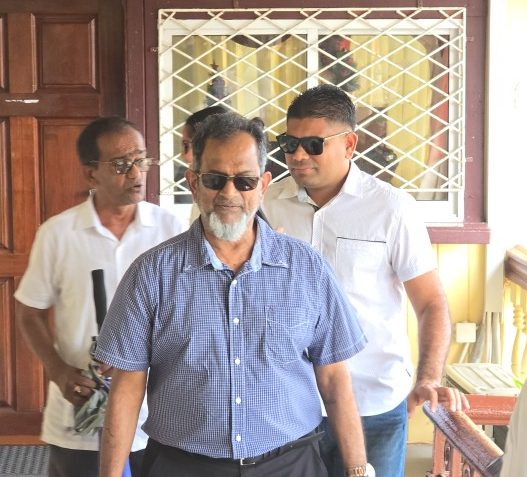
    The scheduled extradition proceedings against Guyanese billionaire gold dealers Nazar ‘Shell’ Mohamed and his son Azruddin Mohamed face potential postponement following their legal team’s announcement to appeal a High Court ruling. The development emerged hours after Chief Justice Navindra Singh declined to stay the magistrate’s hearing set for January 6-8, 2026.

    Lead attorney Roysdale Forde confirmed his intention to file an appeal with the Full Court of the High Court, seeking to suspend the extradition process pending resolution of two constitutional challenges. ‘We disagree with the decision respectfully and we will be filing an appeal to the Full Court and we will be seeking a stay of the proceedings at the level of the Full Court,’ Forde told journalists outside the Georgetown courtroom.

    The legal battle centers on dual constitutional matters: challenges to several provisions of the Fugitive Offenders Act and allegations of ‘explicit political bias’ in the extradition authorization by Home Affairs Minister Oneidge Walrond against Azruddin Mohamed, who leads the We Invest in Nationhood (WIN) political party.

    Attorney General Anil Nandlall maintained that the judicial process should proceed as scheduled, emphasizing that existing legal frameworks provide adequate avenues for post-committal challenges. He warned that if Magistrate Judy Latchman rules against the Mohameds, both individuals would be immediately taken into custody despite their current GY$150,000 bail status.

    The United States seeks their extradition to face trial in Florida’s federal court on charges including mail fraud, wire fraud, and money laundering related to their gold trading operations, allegedly resulting in millions lost in tax revenue for Guyana.

    Justice Singh, in his ruling, determined that suspending the extradition process would constitute ‘a drastic remedy’ given that constitutional issues could be addressed without halting the proceedings. He noted the absence of demonstrated ‘immediate and irreversible harm’ and emphasized the public interest in honoring international extradition obligations.

    The Chief Justice scheduled January 14, 2026, for preliminary hearings on the constitutional challenges, setting the stage for a protracted legal battle that Forde acknowledged ‘will be a long, arduous process’ likely reaching the Caribbean Court of Justice.

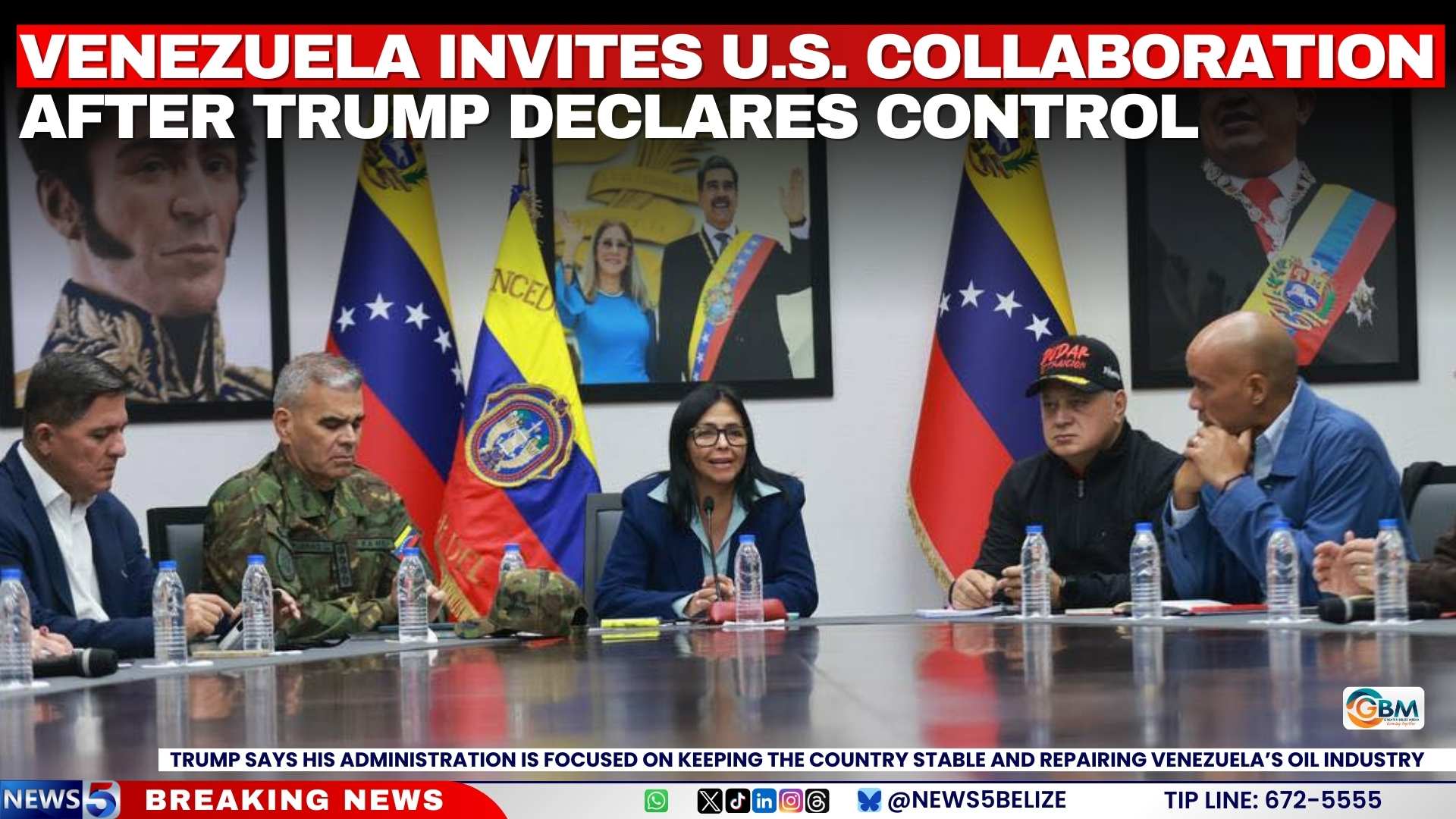
  • Venezuela Invites U.S. Collaboration After Trump Declares Control

    Venezuela Invites U.S. Collaboration After Trump Declares Control

    In a significant geopolitical development, Venezuela’s acting President Delcy Rodríguez has extended an invitation for cooperative talks with the United States. This overture comes in direct response to President Donald Trump’s declaration that Washington would assume control of the South American nation following the capture of Venezuelan leader Nicolás Maduro.

    Rodríguez articulated her position through a public statement advocating for bilateral collaboration, emphasizing the need for “an agenda of cooperation oriented towards shared development within the framework of international law.” This diplomatic approach contrasts sharply with the current U.S. strategy of aggressive intervention in Venezuela’s political trajectory.

    The situation has further complicated with President Trump’s dismissal of Nobel Peace Prize laureate María Corina Machado as a potential successor to Maduro. During a Saturday briefing, Trump questioned Machado’s capacity to lead, stating she lacked the necessary “respect” to govern Venezuela effectively.

    Instead of expediting democratic elections, the Trump administration has prioritized stability and the rehabilitation of Venezuela’s crucial oil industry. Current policies maintain existing oil sanctions while continuing U.S. military operations in proximity to Venezuelan territory.

    Adding to the international dimension, the United Nations Secretary-General’s office has expressed profound alarm regarding the escalating situation. UN officials have raised substantive concerns about whether the Trump administration’s actions have adhered to established international legal standards.

  • Dominican Opposition calls for halt on deportee agreement with US

    Dominican Opposition calls for halt on deportee agreement with US

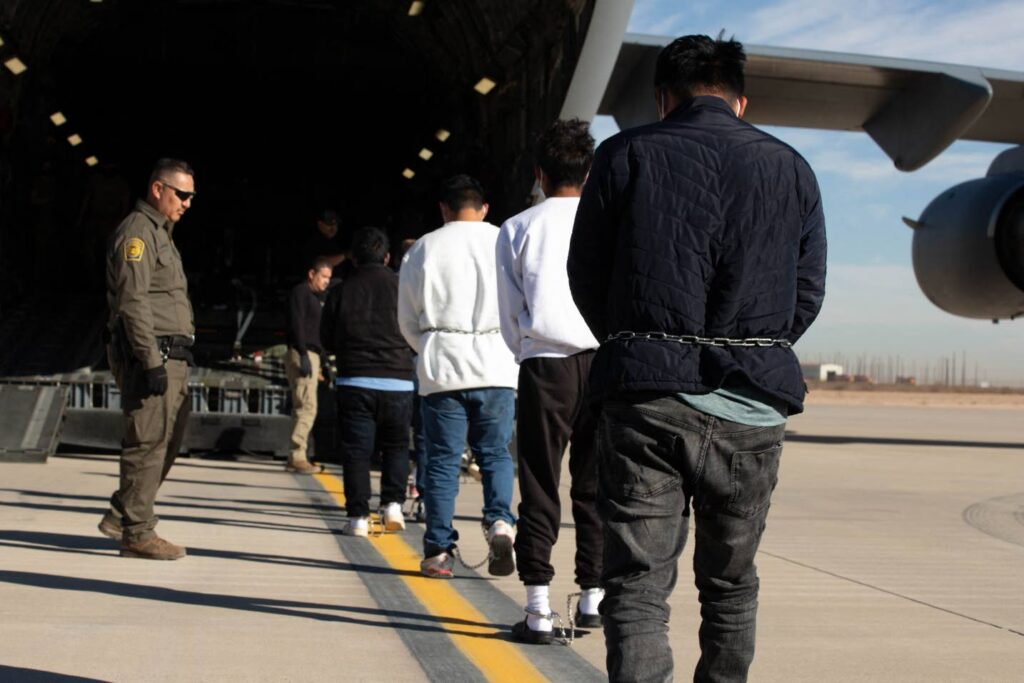
    ROSEAU, Dominica – Political tensions have escalated in Dominica as the opposition United Progressive Party (UPP) demands the immediate suspension of a recently signed agreement with the United States concerning third-country deportees. The controversial pact enables Washington to transfer individuals who cannot be returned to their countries of origin to the Caribbean nation.

    Prime Minister Roosevelt Skerrit defended the arrangement during a Monday press briefing, emphasizing careful negotiations with the U.S. State Department to exclude violent individuals and ensure national security protections. Skerrit characterized the agreement as a strategic move to strengthen bilateral relations, noting it would safeguard Dominican citizens’ access to lawful travel, education, employment, and family connections while reinforcing governmental cooperation.

    However, the UPP has condemned the administration’s approach, accusing the government of making unilateral decisions without public consultation or parliamentary scrutiny. The opposition party criticized the declaration of the agreement as ‘a done deal’ despite previous promises of governmental transparency from Skerrit.

    The UPP has issued multiple demands, including the immediate release of the full agreement terms, detailed security vetting procedures, financial compensation details, and integration plans for deportees. They have called for comprehensive stakeholder consultations involving opposition parties, civil society organizations, and affected communities before any implementation moves forward.

    When pressed about the national origins of potential deportees during the conference, Skerrit acknowledged limitations in public disclosure, stating that certain operational details remain confidential under the memorandum of understanding. He maintained that Washington had demonstrated respect and understanding throughout negotiations regarding Dominica’s security concerns.

  • Mexican president urges US to give Maduro ‘fair trial’

    Mexican president urges US to give Maduro ‘fair trial’

    MEXICO CITY — Mexican President Claudia Sheinbaum has formally appealed to United States authorities to ensure judicial fairness for Venezuelan leader Nicolás Maduro, who faces serious criminal charges in New York. The diplomatic intervention came during a press briefing in Mexico’s capital on Tuesday, shortly after Maduro’s courtroom appearance.

    The detained Venezuelan president pleaded not guilty to multiple charges including narcotrafficking allegations on Monday, following his dramatic capture by U.S. forces in Caracas over the weekend. The operation marked a significant escalation in Washington’s longstanding pressure campaign against Maduro’s administration.

    President Sheinbaum, representing Mexico’s traditionally neutral stance in international disputes, emphasized the importance of due process regardless of the allegations. ‘Now that President Maduro is in detention, what we request is a fair trial,’ she stated, reflecting Mexico’s commitment to judicial integrity in politically sensitive cases.

    The case has drawn international attention to the complex relationship between North and South American nations, particularly regarding sovereignty and legal jurisdiction. Maduro’s detention represents one of the most high-profile apprehensions of a sitting head of state by foreign authorities in recent decades.

    Legal experts suggest the trial could set important precedents for international law regarding heads of state immunity and cross-border law enforcement operations. The Mexican government’s statement adds to growing international calls for transparent judicial proceedings amid concerns about the political implications of the case.

  • 55 Cuban, Venezuelan troops killed during US capture of Maduro: official tolls

    55 Cuban, Venezuelan troops killed during US capture of Maduro: official tolls

    CARACAS, Venezuela — A military operation conducted by United States forces on January 3rd resulted in the deaths of 55 military personnel from Cuba and Venezuela, according to official statements released Tuesday by both nations. The raid, which targeted the capture of Venezuelan leader Nicolás Maduro, represents a significant escalation in hemispheric tensions.

    Venezuelan Defense Minister Vladimir Padrino López characterized the operation as a brutal assault, stating that Maduro’s presidential guard was largely eliminated ‘in cold blood’ by US troops who initiated bombardment in the capital before extracting the leader from his residence. The incident underscores the volatile security situation that has persisted throughout Maduro’s 12-year administration.

    Cuba’s government published the identities of 32 deceased military members, including three high-ranking officers from the interior ministry, who perished during the nighttime assault in Caracas. Simultaneously, Venezuelan authorities released an online memorial honoring 23 fallen personnel from their armed forces, a list that notably included five admirals.

    This tragic event occurs amid ongoing pressure from Washington against the leftist governments in Havana and Caracas, who maintain robust military cooperation alongside collaborations in health and education sectors. The longstanding practice of employing specialized Cuban soldiers for presidential protection—initiated by Maduro’s predecessor Hugo Chávez—has now culminated in one of the most severe bilateral military casualties in recent Latin American history.

  • Trump considering military options to acquire Greenland

    Trump considering military options to acquire Greenland

    WASHINGTON — The White House has escalated geopolitical tensions by declaring the potential acquisition of Greenland a national security priority, with press secretary Karoline Leavitt confirming that military force remains “always an option” for the United States. This provocative stance comes despite urgent requests from both Danish and Greenlandic authorities for high-level diplomatic meetings to address what they term “misunderstandings.”

    The administration’s renewed interest in the autonomous Danish territory appears linked to recent military operations in Venezuela, reflecting a pattern of expansionist foreign policy maneuvers. Greenland’s strategic significance has grown substantially due to its vast untapped rare earth mineral deposits and emerging shipping routes created by melting polar ice caps.

    European leaders have responded with unprecedented unity, issuing a joint statement signed by seven NATO allies affirming their commitment to territorial sovereignty principles. The declaration specifically states that “Greenland belongs to its people” and that only Denmark and Greenland may decide matters concerning the territory.

    Greenlandic Prime Minister Jens-Frederik Nielsen reiterated that the island is “not for sale,” while Danish officials emphasized their substantial security investments totaling $14 billion annually. The diplomatic impasse continues as Greenland’s Foreign Minister Vivian Motzfeldt revealed that requested ministerial-level meetings throughout 2025 have remained unscheduled.

    President Trump, who has periodically floated the Greenland acquisition idea since his first term, suggested a decision might emerge within “about two months” following stabilization of the Venezuela situation. Arctic security experts like Marc Jacobsen of the Royal Danish Defence College describe the recurring proposal as “like a broken record,” noting the administration’s persistent underestimation of Denmark’s security capabilities despite Copenhagen’s significant defense allocations.

  • Grenada PM says US invasion of Venezuela pushes the region ‘into more instability’

    Grenada PM says US invasion of Venezuela pushes the region ‘into more instability’

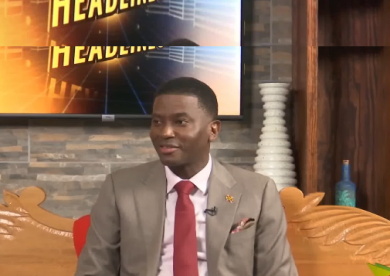
    ST. GEORGE’S, Grenada — Grenadian Prime Minister Dickon Mitchell has issued a stern critique of recent geopolitical developments in Venezuela, asserting that military interventions have exacerbated regional instability rather than resolving conflicts. Speaking on the Grenada Broadcasting Network’s ‘Beyond the Headlines’ program, Mitchell emphasized that sustainable resolutions can only emerge through diplomatic engagement and mutual compromise.

    The Prime Minister, a practicing attorney, articulated his government’s firm stance on respecting international norms and the sovereignty of all Western Hemisphere nations. His comments appeared directed at Washington’s recent actions in Venezuela, though he carefully avoided explicit confrontation. When questioned about the United States’ declaration to ‘run’ Venezuela following President Nicolás Maduro’s capture, Mitchell responded with diplomatic circumspection: ‘A country runs its own country. The only way you can run another country is if that territory belongs to that country or is its colony.’

    Simultaneously, Mitchell revealed ongoing discussions with the United States regarding a proposed memorandum of understanding (MOU) concerning third-country nationals. This initiative forms part of Washington’s broader strategy to relocate asylum processing away from American soil. While acknowledging receipt of detailed proposal documents, Mitchell clarified that Grenada has not committed to any agreement. The arrangement would involve Grenada potentially hosting deportees on a case-by-case basis when the United States cannot repatriate them to their countries of origin.

    The Prime Minister confirmed that technical officers and the Ministry of Foreign Affairs have engaged with the United States Agency for International Development (USAID) and the US Embassy, but stressed that ‘to date we have not agreed to accept.’ Mitchell declined to disclose specifics about Grenada’s counter-proposal, citing national security considerations.

    These developments follow the US military’s incursion into Venezuelan territory over the weekend, which resulted in the capture of President Nicolás Maduro. The Venezuelan leader and his wife appeared in a Federal Court in New York on Monday, pleading not guilty to charges involving alleged collaboration with drug cartels to facilitate cocaine shipments into the United States. The case has been adjourned until March 17, with defendants facing potential life imprisonment if convicted.

  • European leaders voice support for Denmark after Trump claims on Greenland

    European leaders voice support for Denmark after Trump claims on Greenland

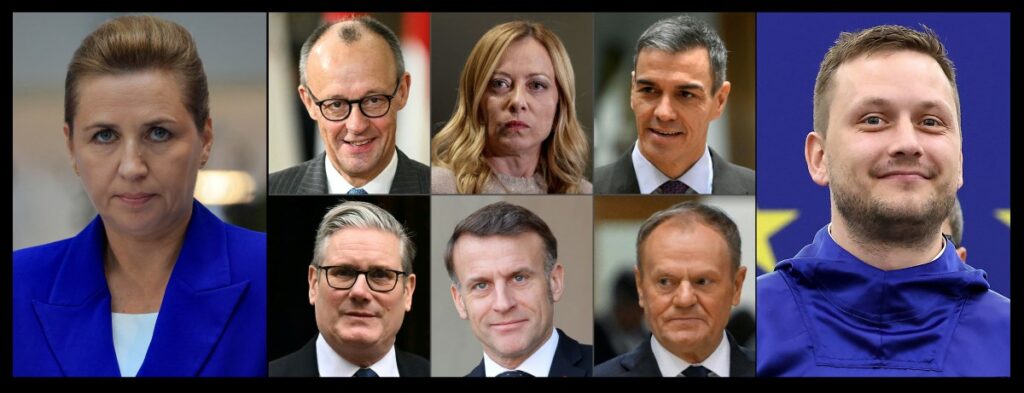
    BERLIN, Germany — A coalition of European heads of state issued a resolute declaration on Tuesday, reinforcing their staunch backing for Denmark’s sovereignty over Greenland. This show of solidarity comes in response to renewed expressions of interest from U.S. President Donald Trump in the autonomous Arctic territory, which possesses significant strategic and economic value.

    The leaders of France, Britain, Germany, Italy, Poland, and Spain joined Danish Prime Minister Mette Frederiksen in a powerful joint communiqué. They collectively affirmed that principles of sovereignty, territorial integrity, and the inviolability of borders represent ‘universal values that we will ceaselessly uphold.’ This statement serves as a direct rebuttal to speculative remarks from Washington regarding Greenland’s future.

    Geopolitical tensions have been amplified by recent U.S. military engagements in Venezuela, prompting concerns among European allies about potential expansionist ambitions. Greenland’s vast deposits of untapped rare earth minerals, coupled with its strategic position along emerging Arctic shipping lanes created by melting polar ice, render it a territory of immense global importance. Furthermore, its location places it on the critical shortest flight path for missiles between Russia and the United States, hosting an existing American military installation.

    The European leaders emphasized that Arctic security constitutes a fundamental priority for the continent, describing it as indispensable for international and transatlantic stability. They highlighted NATO’s designation of the Arctic as a priority region and noted the increased presence and investments from European member states aimed at ensuring regional safety and deterring potential adversaries.

    The statement explicitly confirmed that Denmark, inclusive of Greenland, is an integral member of the NATO alliance. Consequently, the leaders argued that any framework for Arctic security must be developed collaboratively with all NATO allies, including the United States, and must rigorously adhere to the tenets of the UN Charter. They concluded by unequivocally stating, ‘Greenland belongs to its people. It is for Denmark and Greenland, and them only, to decide on matters concerning Denmark and Greenland,’ while simultaneously acknowledging the U.S. as an ‘essential partner’ in broader Arctic security efforts.