分类: politics

  • APNU backpedals and boycotts vote for Azruddin Mohamed but he was still elected Opposition Leader

    APNU backpedals and boycotts vote for Azruddin Mohamed but he was still elected Opposition Leader

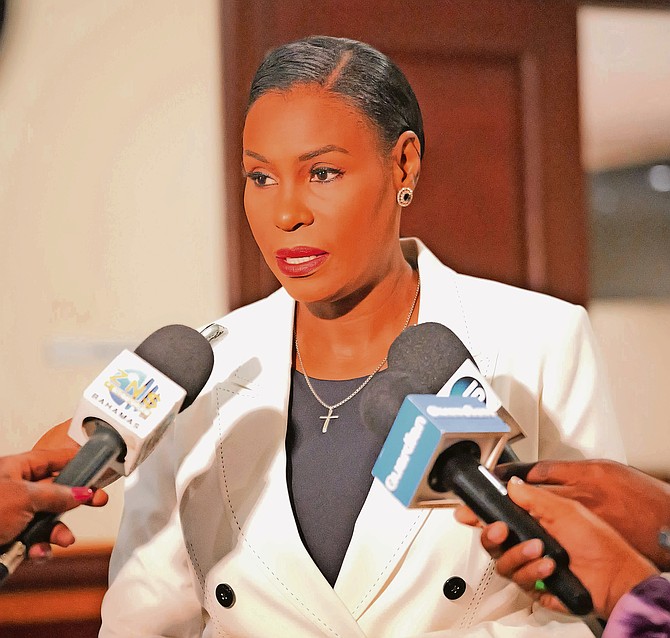
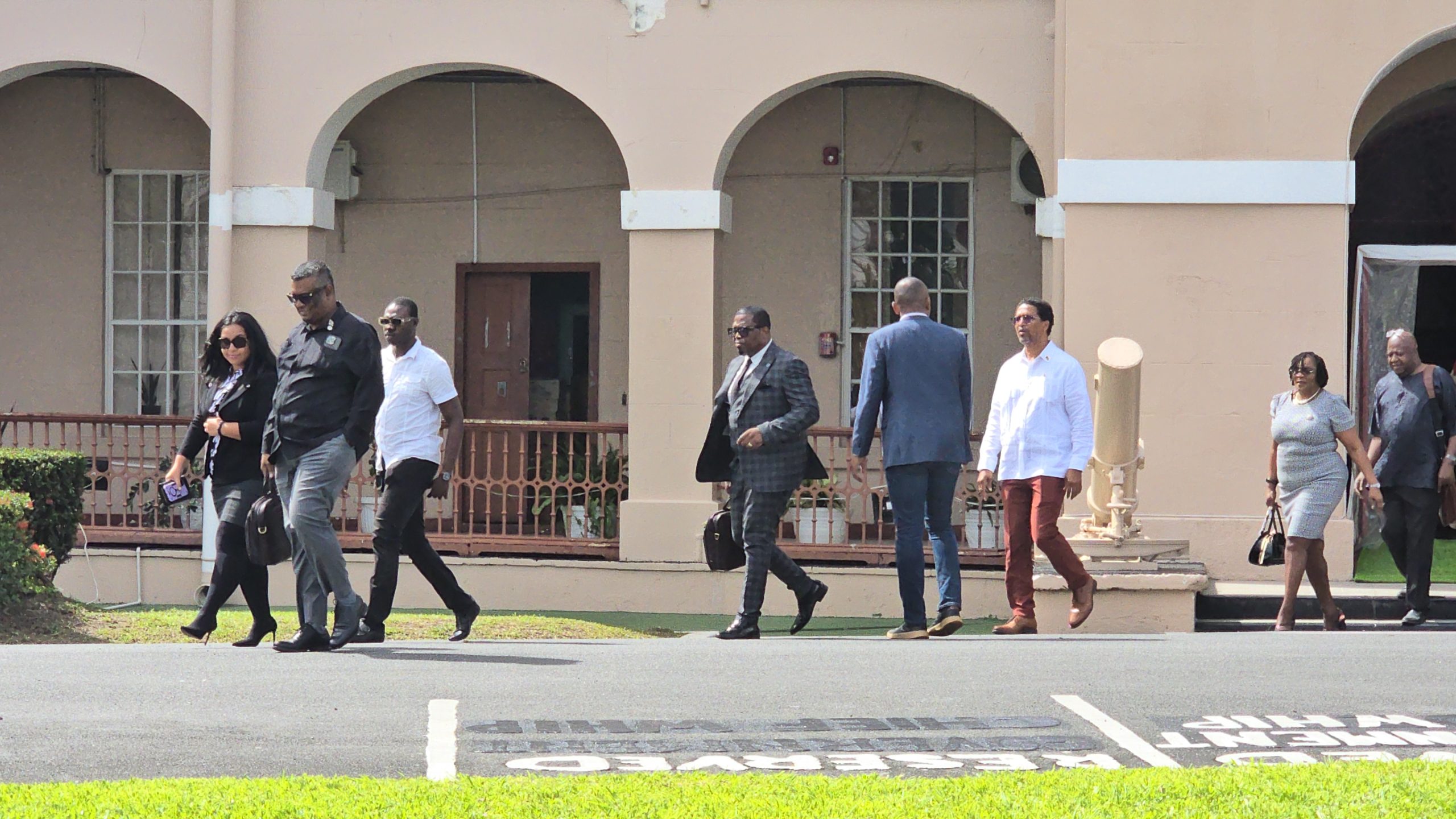
    In a dramatic parliamentary session on Monday, Azruddin Mohamed was elected as Guyana’s Opposition Leader despite a boycott by the 12-seat A Partnership for National Unity (APNU). The election proceeded with Mohamed’s We Invest in Nationhood (WIN) party leveraging its 16-seat majority, supplemented by a crucial vote from the Forward Guyana Movement (FGM).

    APNU parliamentary leader Dr. Terrence Campbell justified the walkout, stating his bloc exited once nominations closed with Mohamed as the sole candidate. ‘There was one nomination for the position of Leader of the Opposition. Nominations were closed and, as we’ve said, there is no need for a vote so we left the Assembly,’ Campbell explained. Despite the boycott, he expressed hope for improved future collaboration between APNU and WIN.

    The election occurred under the shadow of US sanctions against Mohamed, who faces indictment by a US Grand Jury for alleged financial crimes including mail fraud, wire fraud, and money laundering related to his gold trading business. House Speaker Manzoor Nadir convened the meeting following international pressure to complete democratic processes after last September’s elections.

    FGM Leader Amanza Walton-Desir, whose single vote contributed to Mohamed’s election, suggested APNU’s absence could be interpreted as abstention. Meanwhile, Mohamed acknowledged his new role doesn’t grant immunity from extradition but vowed to combat corruption by the ruling People’s Progressive Party Civic administration.

    The development sets the stage for potential electoral reforms, with APNU indicating willingness to collaborate on implementing digitalized biometrics for future elections. Questions remain about WIN’s representation on the seven-member Guyana Elections Commission now that it assumes main opposition status.
  • Thorne calls on Barbadians to end BLP’s colonial-style governance

    Thorne calls on Barbadians to end BLP’s colonial-style governance

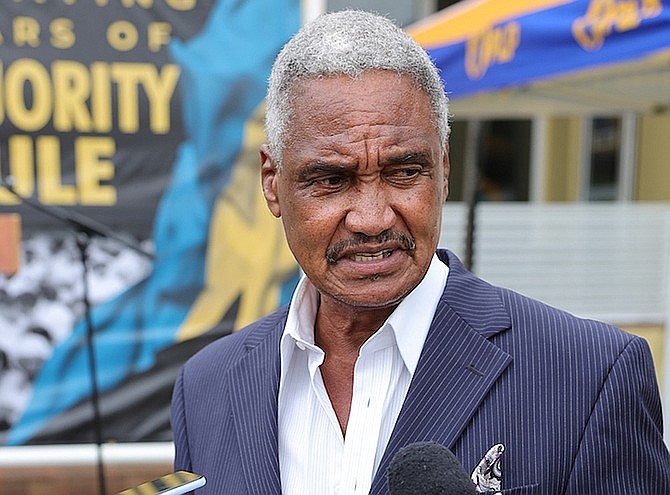
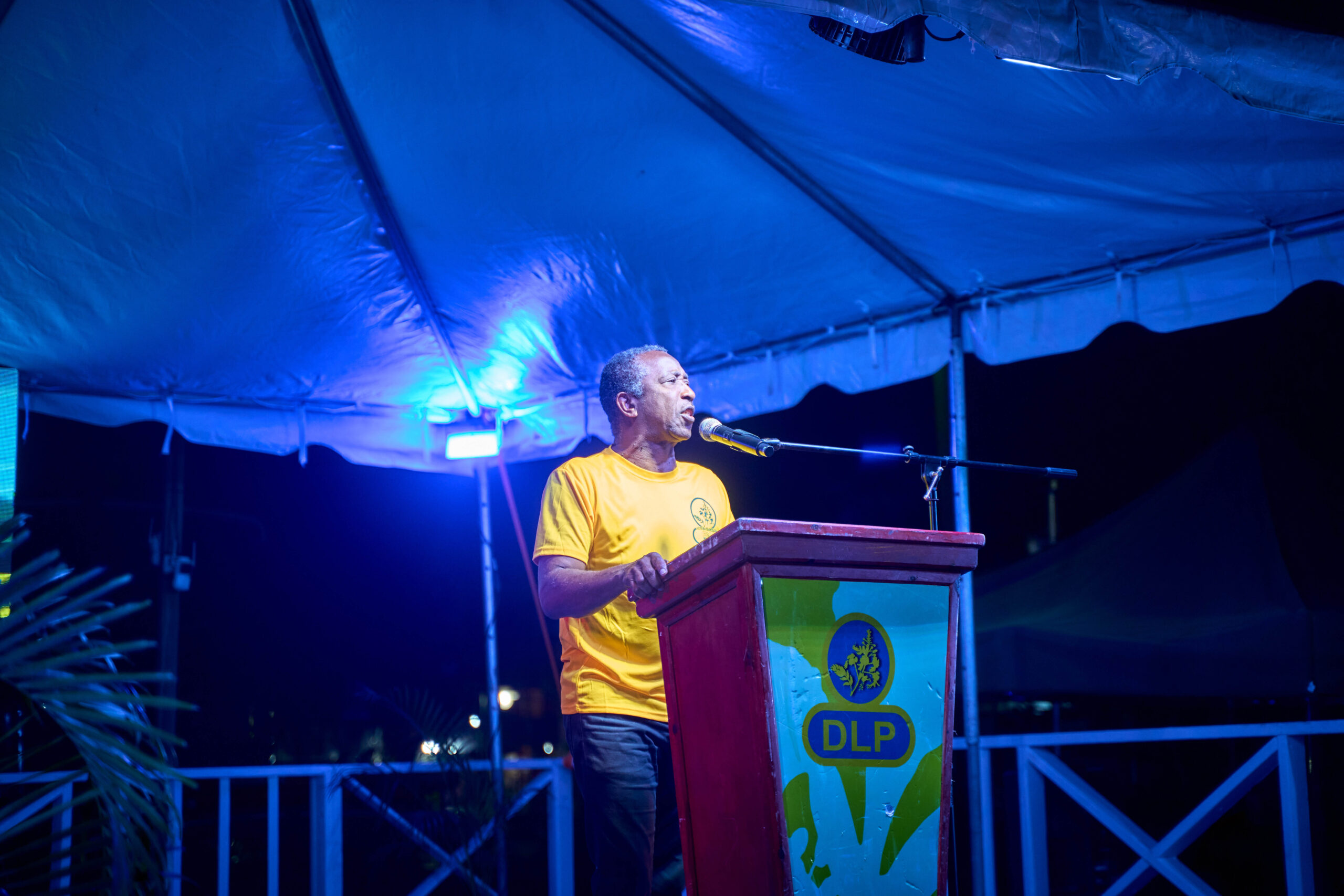
    In a significant show of political force, Democratic Labour Party (DLP) leader Ralph Thorne addressed a crowd of over 400 supporters at Independence Square during the party’s inaugural national rally on Sunday evening. The event, marked by enthusiastic displays of party allegiance with yellow and blue colors, reached a crescendo as Thorne made his entrance accompanied by the gospel anthem ‘Walk On’ at approximately 11 p.m., triggering an outpouring of support from attendees.

    Thorne’s address wove together spiritual themes with the political legacy of national hero Errol Barrow, articulating a vision of social democracy centered on robust government intervention. The opposition leader presented a comprehensive platform addressing healthcare, education, pension systems, public transportation, and housing infrastructure, framing these services as fundamental rights funded through citizen taxation.

    The DLP leader launched a sharp critique against the ruling Barbados Labour Party (BLP), accusing them of implementing regressive taxation policies that disproportionately burden poor and middle-class families. Thorne specifically called for a overhaul of the current fiscal system, advocating for progressive taxation models, small business relief measures, reduction of Value Added Tax from 17.5 percent, and enhanced pension protections.

    ‘Current fiscal policies are creating impossible choices for families—between utilities and nourishment—while children attend school without adequate nutrition,’ Thorne asserted. ‘This administration’s approach constitutes an economic oppression that must be confronted.’

    Thorne further advanced his ‘Barbados First’ doctrine, emphasizing the prioritization of local professionals in key institutions including Queen Elizabeth Hospital and academic institutions over foreign appointments. He framed the upcoming February 11 election as a historic opportunity to reject what he characterized as a regression to colonial-era governance structures under the BLP administration.

    Throughout his speech, Thorne connected his personal narrative of ascent from humble beginnings to party leadership with the broader historical struggle against colonial oppression, positioning the electoral process as a means to ‘recapture and retrieve the nation’s sovereign identity.’

  • Venezuela’s Acting Leader Tired of U.S. Interference

    Venezuela’s Acting Leader Tired of U.S. Interference

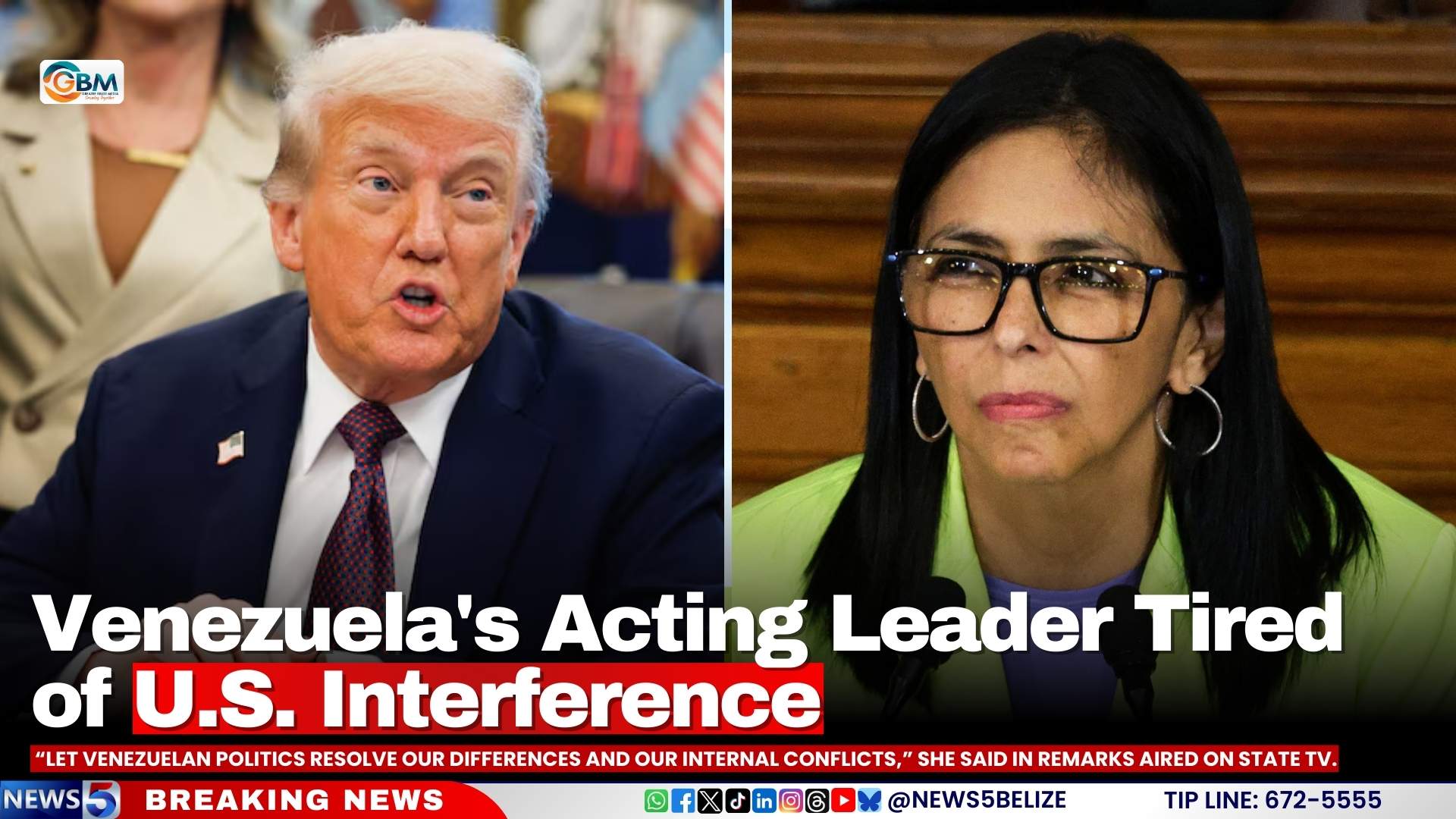
    Venezuelan Interim President Delcy Rodríguez delivered a forceful rebuke of United States interference in her nation’s domestic politics during a public address on Sunday. Speaking to oil industry workers in Puerto La Cruz, Rodríguez declared that Venezuela has reached its limit with Washington’s directives regarding internal governance.

    “We have endured sufficient imposition of Washington’s commands upon Venezuelan politicians,” Rodríguez stated in televised remarks. “Venezuelan politics must be permitted to resolve our own differences and internal conflicts without external pressure.”

    This diplomatic confrontation emerges approximately one month after US forces conducted a military operation that resulted in the capture of former President Nicolás Maduro and his wife Cilia Flores. Following this intervention, the US administration has intensified pressure on Caracas to restart oil production operations and sever international alliances with China, Russia, Iran, and Cuba.

    Initial US positioning suggested Washington would oversee Venezuela’s political transition, with President Donald Trump previously stating the United States would “run” the country. However, diplomatic dynamics appear to have shifted following a telephone conversation between Trump and Rodríguez earlier this month, during which the American president described his Venezuelan counterpart as a “terrific person” and noted they were “developing positive relations.”

  • PNP WM raises concerns over sexual harassment allegations raised by Julian Chang

    PNP WM raises concerns over sexual harassment allegations raised by Julian Chang

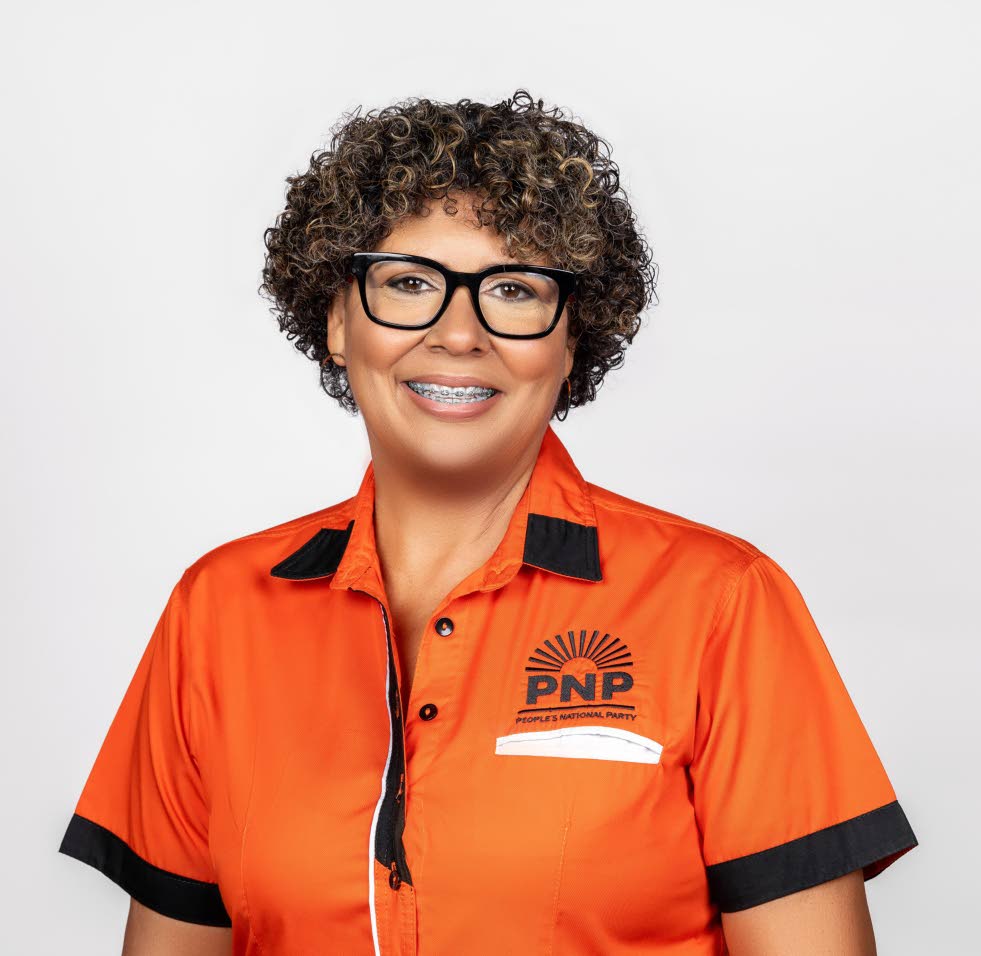
    KINGSTON, Jamaica—The People’s National Party Women’s Movement has broken its silence regarding serious sexual misconduct allegations within party ranks. President Patricia Duncan Sutherland addressed growing concerns after Savanna-la-Mar councillor Julian Chang publicly accused Westmoreland Central MP Dwayne Vaz of inappropriate behavior.

    The controversy emerged during a radio interview on January 26th when Councillor Chang first detailed the allegations. According to the claims, Vaz allegedly sent sexually explicit messages via WhatsApp platform. Following Chang’s refusal of these purported advances, the councillor reportedly faced exclusion from crucial constituency executive meetings—a move interpreted by some as retaliatory action.

    Duncan Sutherland emphasized the Women’s Movement’s firm stance against all forms of sexual harassment and abuse. In an official statement released Tuesday, she expressed confidence that the PNP would activate its Independent Complaints Committee pursuant to established party bylaws derived from its Sexual Harassment Policy. The process mandates thorough investigation, transparent examination, and appropriate disciplinary measures if warranted.

    The Women’s Movement leader reiterated their commitment to fostering environments where all citizens, particularly women, feel secure and empowered. She stressed the importance of addressing concerns through proper channels with fairness and appropriateness, noting that institutional change must begin within political organizations themselves.

    This development occurs amid heightened global attention to workplace misconduct and power dynamics within political structures. The case represents a significant test for Jamaica’s opposition party’s internal accountability mechanisms and its adherence to self-established governance protocols regarding gender-based violations.

  • McAlpine to run independent again: “We gon’ be ready this time”

    McAlpine to run independent again: “We gon’ be ready this time”

    Former Pineridge parliamentarian Frederick McAlpine has formally initiated his independent campaign for the constituency seat, months after initially revealing his political intentions. The ex-MP delivered his declaration to supporters through a social media video, surrounded by allies adorned in purple campaign attire identifying his “Mac Pac” team.

    McAlpine’s reemergence establishes him as a potential disruptive force in the upcoming electoral contest, building upon his substantial second-place performance during the previous general election. His 2021 independent campaign yielded 1,175 votes, positioning him narrowly behind Progressive Liberal Party candidate Ginger Moxey, who secured victory with 1,423 votes. The Free National Movement’s contender, Welbourne Bootle, trailed significantly with merely 886 votes in a constituency boasting 5,670 registered voters.

    The political veteran originally entered Parliament representing Pineridge on May 10, 2017, under the FNM banner. His tenure within the party concluded abruptly in June 2018 when then-Prime Minister Hubert Minnis terminated his position as Hotel Corporation Chairman. This dismissal followed McAlpine’s rebellion alongside fellow FNM parliamentarians Travis Robinson, Vaughn Miller, and Reece Chipman, who collectively opposed the government’s proposal to elevate value-added tax from 7.5% to 12%.

    McAlpine’s relationship with the FNM deteriorated consistently due to his frequent critiques of party leadership, culminating in his complete separation from the organization in July 2021. His subsequent independent campaign demonstrated considerable voter support, establishing a foundation for his current electoral challenge.

  • Trump rebukes armed protesters after Minnesota shooting

    Trump rebukes armed protesters after Minnesota shooting

    WASHINGTON—President Donald Trump has ignited a fierce constitutional debate by declaring that individuals “can’t walk in with guns” at public protests, following the fatal shooting of a legally armed nurse by federal authorities in Minnesota. This position places the administration in direct conflict with its traditional gun rights allies, creating one of the most significant political challenges of Trump’s presidency.

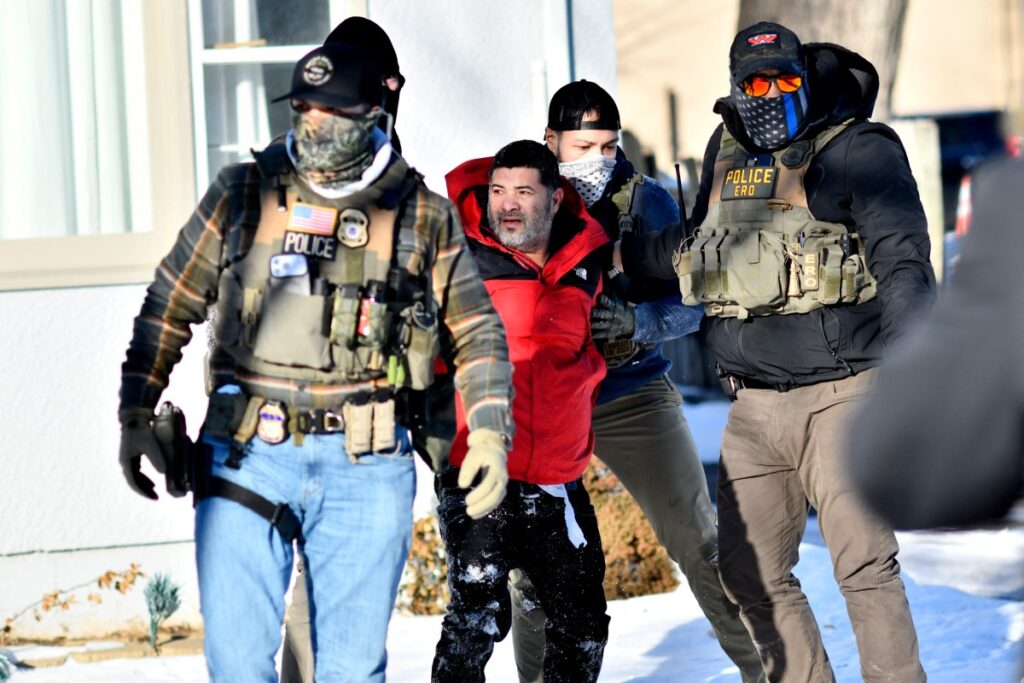
    The controversy stems from the death of Alex Pretti, a 37-year-old intensive care nurse who was carrying a handgun legally when border agents subdued, disarmed, and killed him during a Minneapolis protest on Saturday. This incident occurred just days after immigration agents fatally shot unarmed activist Renee Good as she attempted to drive away from a demonstration.

    Trump attempted to navigate the delicate situation by calling the shooting “a very unfortunate incident” while simultaneously maintaining that firearms have no place in protest settings. This stance has drawn immediate condemnation from powerful gun rights organizations, including the National Rifle Association, which labeled administration suggestions that Pretti’s legal firearm possession justified the shooting as “dangerous and wrong.”

    Gun Owners of America reinforced the constitutional argument that Americans do not forfeit their Second Amendment rights when exercising their First Amendment right to peaceful assembly. The debate has exposed significant fractures within Trump’s political coalition, with libertarian-leaning Republicans like Kentucky Congressman Thomas Massie arguing that “carrying a firearm is not a death sentence.”

    The administration itself displayed internal divisions, as Trump distanced himself from Deputy Chief of Staff Stephen Miller’s baseless characterization of Pretti as an “assassin,” while still supporting the broader premise that armed protesters inherently threaten law enforcement.

    This position has revived accusations of hypocrisy from Trump critics, who note the stark contrast with the administration’s defense of armed conservatives like Kyle Rittenhouse, acquitted after killing two people with an AR-15 rifle at a 2020 protest. Further damaging testimony emerged from the January 6th committee, revealing Trump knew some supporters at his rally were armed but demanded reduced security checks before urging them to march on the Capitol.

    The escalating controversy has sharpened Democratic attacks and created unease within Trump’s base, potentially threatening one of his most reliable political alliances as the nation grapples with balancing gun rights and public safety.

  • Dwyane Vaz threatens legal action against Julian Chang over sexual harassment claims

    Dwyane Vaz threatens legal action against Julian Chang over sexual harassment claims

    KINGSTON, Jamaica — A significant political dispute has erupted in Westmoreland Central following sexual harassment allegations between two prominent figures. Member of Parliament Dwayne Vaz has formally threatened legal proceedings against Councillor Julian Chang of the People’s National Party (PNP), representing the Savanna-la-Mar Division, over what Vaz claims are entirely fabricated accusations.

    Through his legal representatives at Knight, Junior, and Samuels, Vaz issued a formal demand letter to Chang on Tuesday. The attorneys categorically refuted allegations made by Chang during a recent radio interview, characterizing them as both ‘defamatory’ and ‘factually incorrect.’ The legal notice demands a full public retraction and formal apology from Chang by January 30.

    The contested statements include Chang’s claim that Vaz made unwanted sexual advances and threatened his political career when these advances were rejected. Additionally, Chang alleged that Vaz accused him of preferentially maintaining roads in Labour Party areas and subsequently orchestrated his removal as chairman of the Savanna-la-Mar division.

    Vaz’s legal team presented a counter-narrative, emphasizing that Chang participated in a division election but failed to secure nomination or election to any leadership position through the democratic process. The attorneys argue these allegations have inflicted substantial and ongoing damage to Vaz’s professional reputation and public standing.

    The political context adds complexity to the confrontation: Vaz recently reclaimed the Westmoreland Central constituency in the 2025 General Election, defeating Jamaica Labour Party’s George Wright by a margin exceeding 1,500 votes. This victory marked a reversal of the 2020 election outcome where Wright previously defeated Vaz with 53.76% of the vote.

  • PLPs divided over timing of pre-election convention

    PLPs divided over timing of pre-election convention

    The Progressive Liberal Party faces significant internal discord regarding the potential staging of a pre-election voting convention, revealing deep fractures within the Bahamian political organization. Senior figures and supporters remain sharply divided on whether such an event would demonstrate party strength or create unnecessary division mere months before the nation heads to the polls.

    Prominent voices within the PLP have expressed serious reservations about the convention’s strategic value. Former MP Shane Gibson questioned the fundamental purpose of holding internal elections at this critical juncture, suggesting it might primarily serve to highlight government achievements rather than address substantive organizational needs. His skepticism echoes concerns raised by PLP Deputy National Coordinator for Elections Valentine Grimes, who warned about the potentially divisive nature of internal contests so close to a general election.

    The opposition to the convention finds its most vocal proponent in former MP Leslie Miller, who dismissed the entire exercise as “a trivial exercise in futility” that would have minimal impact on voter behavior. Miller emphasized that Bahamian voters typically don’t seriously engage with election decisions until March, suggesting the convention would amount to wasted effort.

    Amidst this debate, attention has turned to potential leadership contenders. Current Party Chairman Fred Mitchell has indicated he will not seek re-election, focusing instead on retaining his Fox Hill constituency. Communications Director Latrae Rahming, frequently mentioned as a potential successor, has remained publicly circumspect about his intentions while expressing humility at being considered.

    Senator D’Asante Small has emerged as another potential candidate, refusing to rule out a leadership bid while emphasizing her commitment to strengthening the party through modernization, expanded membership, and support for emerging leaders. She specifically encouraged other young PLP members to step forward, noting the party’s openness to new leadership.

    Despite the substantial opposition, some party members advocate strongly for the convention. Joe Johnson, chairman of the PLP’s Men’s Branch, characterized the event as a crucial launch mechanism that could generate momentum and energy ahead of the general election. He emphasized the historical significance of potentially securing consecutive electoral victories, something not achieved in decades.

    The PLP’s last pre-election convention in 2017 resulted in a decisive victory for then-Prime Minister Perry Christie over challenger Alfred Sears, though the party subsequently suffered a sweeping defeat in the general election—a historical precedent that continues to inform current deliberations.

  • Trump attempts to pivot in face of Minneapolis killing backlash

    Trump attempts to pivot in face of Minneapolis killing backlash

    MINNEAPOLIS (AFP) — Facing mounting political pressure, the Trump administration initiated a strategic recalibration of its immigration enforcement tactics on Monday. President Trump deployed his senior border security official, Tom Homan, to Minneapolis with instructions to report directly to the White House, signaling heightened concern over escalating violence during immigration raids.

    The administration’s conciliatory shift emerged as viral videos of federal agents shooting protesters sparked nationwide demonstrations and elicited rare criticism from within Trump’s Republican Party. The President held uncharacteristically diplomatic conversations with Minnesota Governor Tim Walz and Minneapolis Mayor Jacob Frey, both Democrats whom he had previously accused of corruption.

    White House Press Secretary Karoline Leavitt expressed regret over the death of Alex Pretti, an ICU nurse fatally shot at point-blank range by immigration officers during protests on Saturday. This marked a stark contrast to earlier administration characterizations of Pretti as a ‘domestic terrorist.’

    Despite these tactical adjustments, the administration maintained its commitment to aggressive immigration enforcement. Leavitt emphasized that ‘hundreds of thousands’ of undocumented immigrants remained targets for deportation, and there was no indication of a broader policy retreat.

    The political fallout intensified as Republican Congressman James Comer, typically a Trump loyalist, called for withdrawing federal agents from Minneapolis. The crisis deepened when Republican Chris Madel abandoned his gubernatorial campaign, citing inability to remain in a party inflicting ‘retribution on citizens.’

    Legal challenges advanced simultaneously, with federal judges considering whether the deployment violated state sovereignty and ordering preservation of evidence in Pretti’s killing. Congressional Democrats threatened government funding legislation unless immigration enforcement agencies undergo substantial reforms.

  • ‘General Orders don’t require ZNS chief to tender resignation’

    ‘General Orders don’t require ZNS chief to tender resignation’

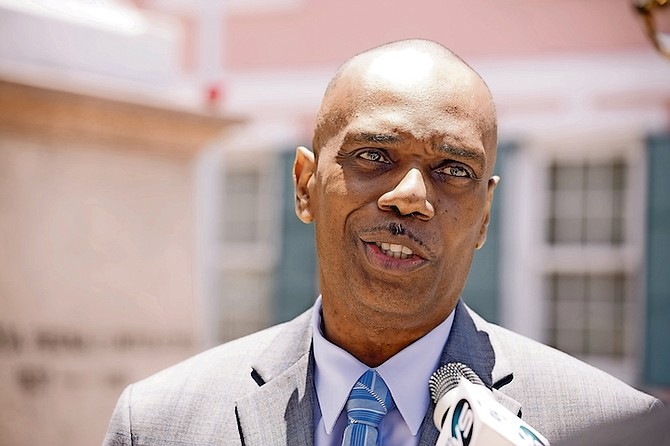
    The Bahamas government has firmly rejected opposition calls for the resignation of ZNS General Manager Clint Watson, who continues to lead the state-owned broadcaster while pursuing political candidacy. Public Services Minister Pia Glover-Rolle has invoked General Order 949 to defend Mr. Watson’s position, stating that public officers are not required to resign during political activities until formally ratified as candidates.

    The controversy centers on Mr. Watson’s dual role as head of the Broadcasting Corporation of The Bahamas and his aspirations to represent the Progressive Liberal Party in Southern Shores. The opposition Free National Movement (FNM) contends this arrangement compromises the impartiality of the national broadcaster and undermines public trust.

    The debate intensified following the resignation of ZNS sports reporter Jay Phillipe, who stepped down from his position at the organization’s Grand Bahama station to pursue nomination for the FNM in Bain and Grants Town. Mr. Phillipe stated his resignation was necessary to avoid any perceived conflict of interest while seeking political office.

    FNM chairman Dr. Duane Sands has challenged the government’s position, arguing that Mr. Watson’s continued leadership creates legitimate concerns about institutional neutrality. Dr. Sands maintains that the appearance of impartiality is essential for a national broadcaster, and that public confidence diminishes when its chief executive engages in partisan political activities.

    Mr. Watson has previously committed to resigning if formally nominated as a PLP candidate, but opposition leaders consider this position inadequate to address immediate concerns about neutrality and the integrity of public broadcasting.